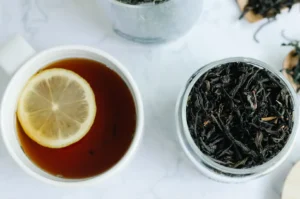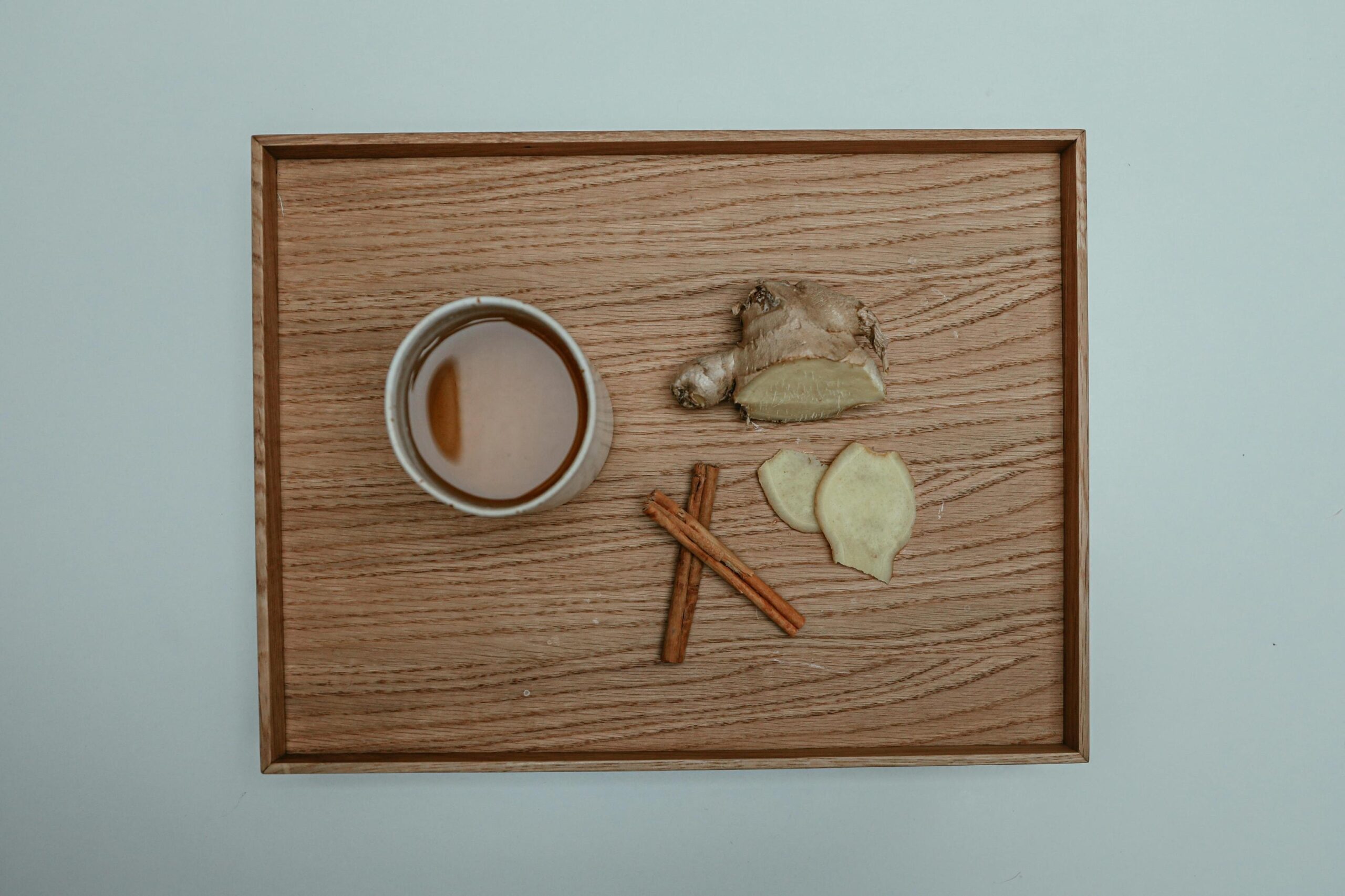
Ginger tea is more than just a comforting beverage in Singapore; it’s a staple of modern wellness, a go-to remedy for chasing away the chill of an air-conditioned office, and a familiar taste of home across many cultures. The gentle warmth of ginger tea provides a soothing and invigorating sensory experience, evoking feelings of coziness and comfort with every sip. From traditional hawker center preparations to chic café creations, this potent brew is deeply woven into the city’s fabric.
While Singapore’s multicultural heritage has given rise to rich traditions around this spicy root, this guide focuses on the practical side of enjoying ginger tea singapore today. We’ll explore where to buy it, what to look for, and how to easily incorporate it into your busy lifestyle. For a deeper dive into the cultural history and traditional wellness recipes, we recommend reading our comprehensive article, Singapore Ginger Tea: A Complete Guide to Traditional Wellness in the Lion City.
Where to Buy Ginger Tea Singapore: Fresh, Packaged, and Ready-to-Drink Options
Finding ginger tea in Singapore is easy, with options available to suit every preference, budget, and level of convenience.
- Online Retailers: E-commerce platforms like Lazada, Shopee, and RedMart offer a wide selection of ginger tea brands. Use active filters, locale filters, and rating filters to narrow down your search by price, brand, or customer ratings. Some platforms also allow you to filter reviews by selecting a specific row in a review table, making it easier to view relevant feedback before making a purchase. Simply add your chosen product to the cart and enjoy convenient doorstep delivery.
- Supermarkets: Major chains such as FairPrice, Cold Storage, and Giant stock both local and imported ginger tea options. Check the tea and health food aisles for the best selection. Many products include clear packing labels detailing ingredients, calories, and brewing instructions, ensuring tea lovers can make informed choices.
- Specialty Stores: Health food stores and organic grocers often carry premium or artisanal ginger tea blends, including loose-leaf and caffeine-free varieties. These shops typically offer smaller quantities for sampling and may provide expert advice on the best tea for your needs.
- Traditional Chinese Medicine (TCM) Shops: For those seeking traditional blends or herbal infusions, TCM shops are a reliable source for ginger-based teas and remedies. These products often emphasize nourishing benefits, such as supporting the spleen and alleviating menstrual cramps.
Pre-Packaged and Instant Ginger Tea: Convenience Meets Quality

For convenience, pre-packaged options are a lifesaver.
- Supermarkets: The tea aisle in any major supermarket will have a wide selection of ginger tea bags, instant ginger powders, and crystallized ginger honey drinks. These products often come with clear packing and ingredient lists, allowing you to select those with no added sugar for a healthier choice.
- Specialty & Organic Stores: Shops like “Nature’s Glory” or the organic section in larger supermarkets offer premium, organic aged ginger tea options, perfect for tea lovers seeking a richer taste and nourishing benefits.
- Online Retailers: Platforms like RedMart, Amazon.sg, and iHerb offer a vast selection of international and local brands, delivered right to your doorstep. Use active filters and locale filters to find the best products with high average customer ratings and reviews.
Freshly Brewed Ginger Tea: A Warm Cup Anytime
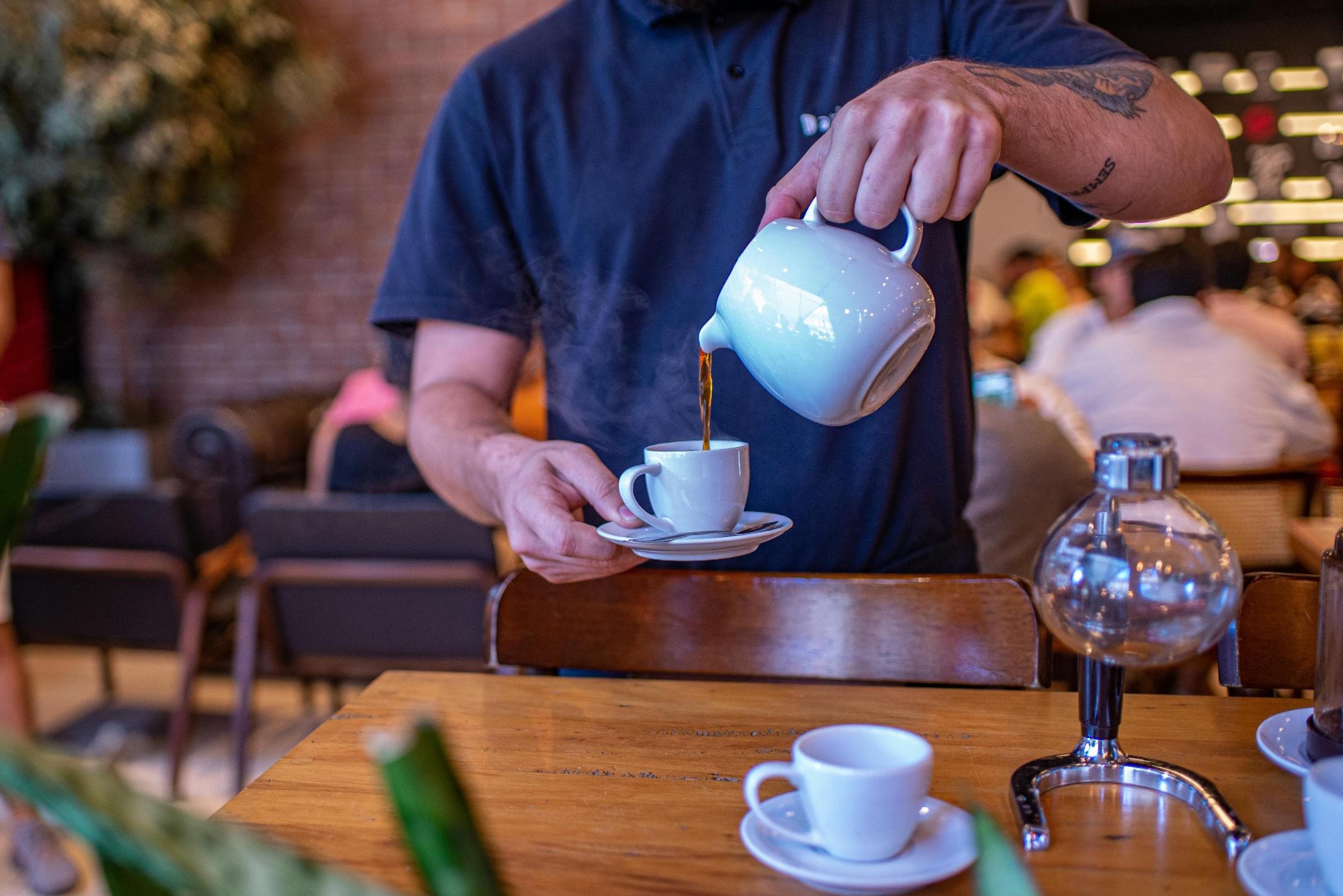
For a ready-to-drink option, you’re never far from a hot cup.
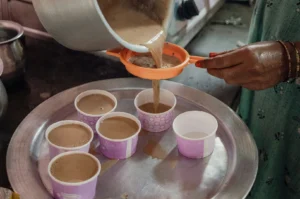
- Hawker Centres & Kopitiams: Nearly every drinks stall will serve “teh halia” (ginger milk tea) or plain ginger tea (“kueh teh”). It’s an affordable and authentic choice, typically costing $1.20 – $2.00 per cup.
- Modern Cafés: Many wellness-focused and specialty cafés now offer artisanal ginger brews, often combining it with ingredients like lemongrass, turmeric, or honey to elevate the taste and benefits.
Types of Ginger Tea Available in Singapore: From Aged Ginger Tea to Refreshing Cold Brews
Singapore’s multicultural marketplace offers a fantastic variety of ginger tea styles.
- Pure Ginger Tea: Made simply from ginger and boiling water, this is the most potent and direct way to enjoy its benefits, with the resulting brew delivering a bold, spicy flavor and a warming sensation.
- Ginger Lemon & Honey Tea: A classic combination. The lemon adds a zesty, vitamin C boost, while honey soothes the throat and balances the spice.
- Indian-Style Masala Chai with Ginger: Known as “teh halia,” this beloved local drink combines strong black tea, condensed milk, and a powerful kick of ginger.
- Chinese Medicinal Preparations: In TCM, ginger is often brewed with red dates (hong zao) and longan to create a warming, nourishing tonic, especially popular for women’s health and to support the spleen.
- Korean Ginger Tea (Saenggang-cha): You can find this in Korean supermarkets, often as a sweet, thick concentrate made with ginger, honey, and sometimes jujubes or pears.
- Ginger Turmeric Blends: A popular wellness combination, this blend offers the anti-inflammatory benefits of both roots.
- Ready-to-Drink (RTD) Options: Bottled or canned ginger drinks are available in most convenience stores and supermarkets for a quick fix, ideal for those on the go.
- Cold Brew Ginger Tea: A refreshing alternative for hot days, brewed by steeping fresh ginger in cold water and served over ice, with the resulting tea offering a lighter, crisp flavor and invigorating aroma.
What to Look for When Buying Aged Ginger Tea and Other Ginger Tea Products
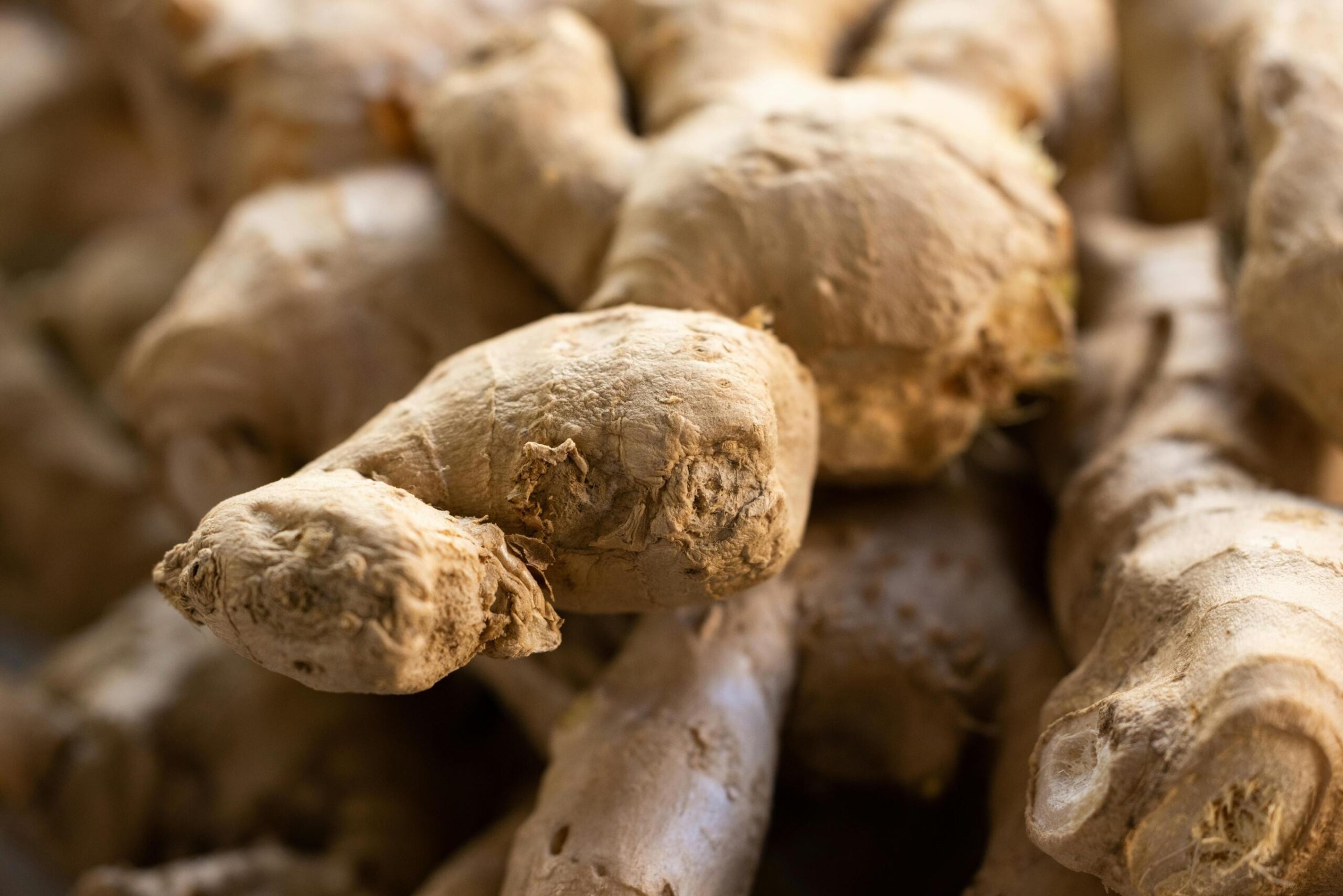
To ensure you’re getting a quality product, here are a few expert tips.
- For Fresh Ginger Root: Look for ginger that is firm with smooth, unwrinkled skin. It should have a fresh, spicy aroma. Avoid pieces that are soft, shriveled, or have signs of mold. “Bentong” ginger from Malaysia is a popular premium variety known for its strong flavor.
- Reading Packaged Labels: Check the ingredient list. The best products will list “ginger” as the first ingredient. Be mindful of sugar content, especially in instant powders and honey crystal products. Look for “no artificial flavors” or “100% natural” labels.
- Recognizing Authenticity: Authentic ginger tea has a pungent, spicy kick. If a product tastes sweet with only a mild hint of spice, it may contain artificial flavoring.
- Storage: In Singapore’s humid climate, fresh ginger should be stored in the refrigerator. Packaged tea bags and powders should be kept in an airtight container in a cool, dry place to prevent clumping and loss of flavor.
Using Active Filters and Average Customer Ratings for Smart Ginger Tea Choices
Use rating filters and active filters to compare the average rating value (out of 5 stars), which quantifies customer satisfaction for each product, and average customer ratings before you buy. This helps you make an informed choice by easily identifying the most popular and highly rated ginger tea products available in Singapore. By applying these filters, you can quickly narrow down options based on quality and customer satisfaction, ensuring you get the best brew to suit your taste and needs.
Quick and Easy Ginger Tea Making Tips for Singapore’s Busy Tea Lovers
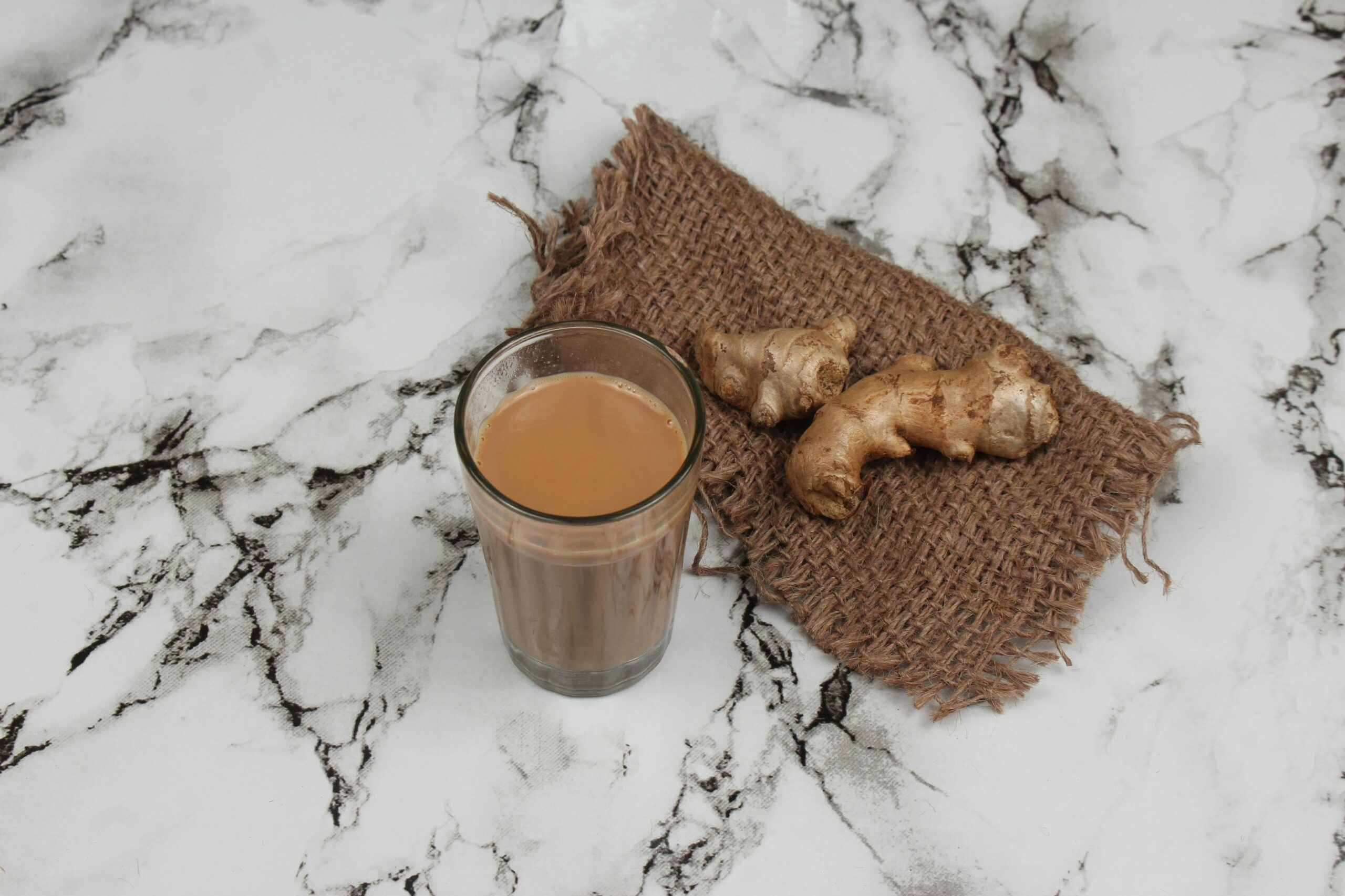
You don’t need a lot of time to enjoy the benefits of ginger tea.
- Office-Friendly Methods: Keep instant ginger sachets or tea bags at your desk for a quick brew using the office hot water dispenser. Simply add hot water, stir, and enjoy a warm, soothing cup.
- Time-Efficient Home Brewing: Grate a knob of fresh ginger (no need to peel if it’s organic) into a mug, pour boiling water over it, and let it steep for 5 minutes. Strain and enjoy the rich taste and benefits.
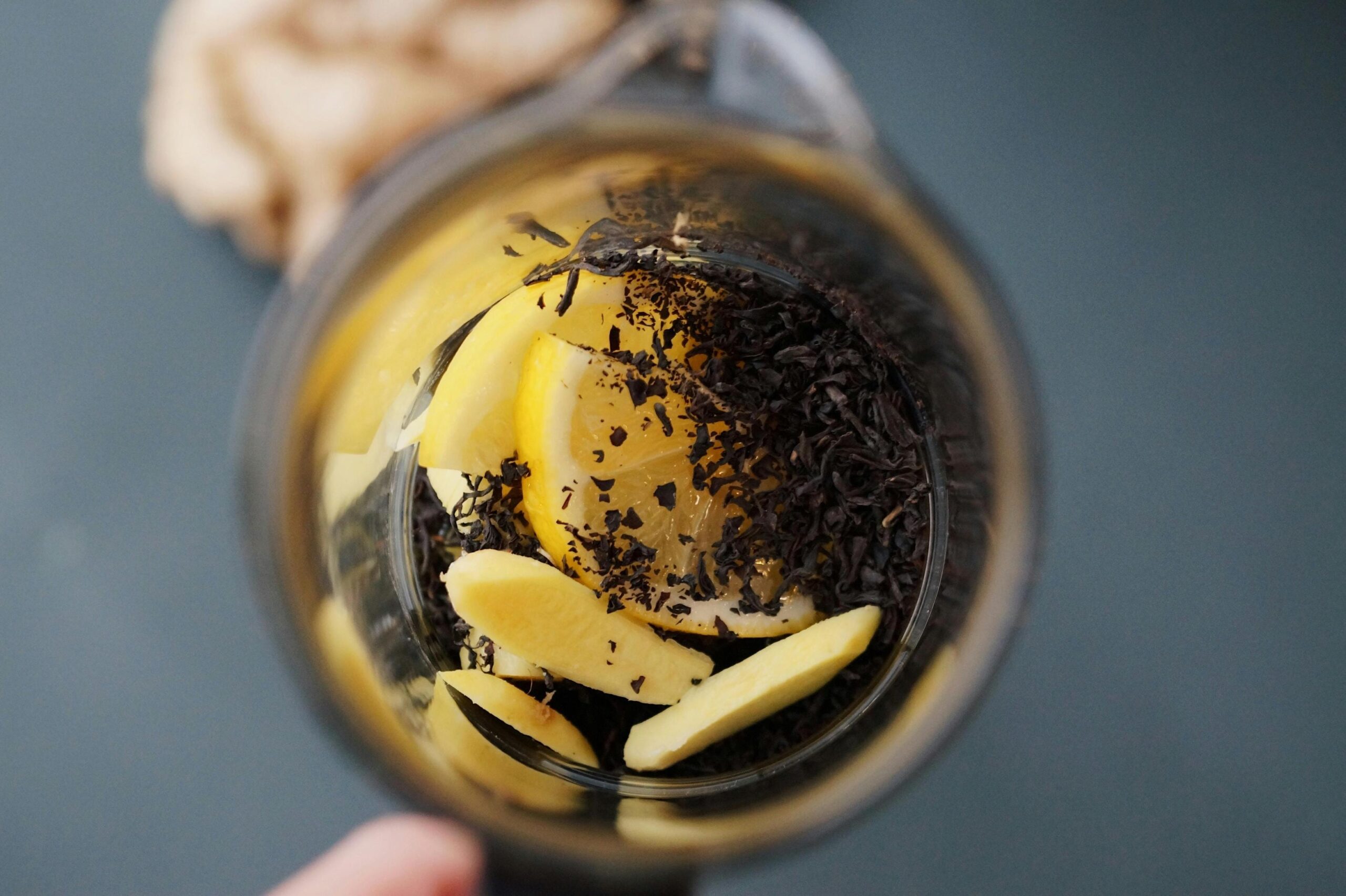
- Cold Brew Ginger Tea: For a refreshing drink on a hot day, add fresh ginger slices and a tea bag to a bottle of cold water and let it infuse in the refrigerator for a few hours. Serve with ice for a cooling effect.
- Ginger Ice Cubes: Brew a strong batch of ginger tea, let it cool, and freeze it in an ice cube tray. Add the cubes to sparkling water or iced tea for a spicy kick.
Ginger Tea for Different Needs in Singapore: From Menstrual Cramps to Relaxation
Ginger tea is a versatile beverage that can be tailored to various lifestyle needs and is generally suitable for most adults, though those with certain medical conditions should consult a healthcare professional before consuming.
- For Office Workers: A hot cup of ginger tea is perfect for warming up in a cold, air-conditioned office and can help aid digestion after lunch.
- For Health-Conscious Individuals: Unsweetened, freshly brewed ginger tea is a zero-calorie, anti-inflammatory beverage that supports overall wellness and relaxation.
- For Pregnant Women: Ginger tea is a popular caffeine-free choice often used to help with morning sickness and menstrual cramps. (As with any herbal remedy, it’s best to consult a doctor to determine if it is suitable for your individual needs).
- For Seniors: A warm, mild ginger brew can be comforting and help with joint stiffness and digestion, nourishing the spleen.
- For Kids: A weaker brew mixed with a generous amount of honey or milk can be a soothing, kid-friendly drink for coughs and colds.
Conclusion: Elevate Your Daily Routine with Ginger Tea Singapore
Whether you prefer a fiery, freshly brewed cup or a convenient instant sachet, Singapore offers a wealth of options for enjoying ginger tea. Its accessibility, versatility, and wellness benefits make it an indispensable part of modern life in the Lion City. We encourage you to explore the different varieties and find the perfect ginger brew that suits your taste and lifestyle.
For those interested in exploring the deeper cultural significance, traditional recipes, and heritage behind this powerful root, digital resources like Tea Manor Singapore offer a wealth of knowledge to complement your practical journey into the world of ginger tea.

The Tea I Keep Drinking When I Don’t Feel Like Myself
There are days when tea feels unnecessary. Not because I stop liking it, but because I don’t feel like the version of myself who usually drinks it slowly, thoughtfully, and with attention. On those days, I still make tea anyway. Not out of ritual, but out of habit. It is never the elaborate kind of…
-
Tea Ceremony Kyoto: A Slow Dance of Bowls and Breath
The room is quiet enough to hear water. Somewhere beyond the paper screens of this traditional tea ceremony venue, a garden drips after morning rain. Inside a tea house on a tatami mat worn soft by years of kneeling, a tea master lifts a bamboo whisk and begins tea making. There is no rush in…
-
Why We Keep Romanticising Tea Moments That Never Happened
I sometimes wonder if we are drinking tea or remembering something that never really happened. A quiet morning that feels softer in memory than it ever was in real life. A perfect cup by the window that somehow always looks better in hindsight. A tea moment that feels cinematic, even though it probably lasted only…
-
Masala Chai Tea Origins: The Cultural Evolution of India’s Spiced Tea Tradition
There is a sound that belongs to mornings across India: the hiss of milk rising in a battered pot, the clink of a spoon against metal, the low murmur of a tea seller calling out to passing crowds. Before the first sip, there is the scent. Cardamom pods, fresh ginger, and cinnamon stick curling into…
-
We Are Turning Tea Into Something It Was Never Meant to Be
There is something quietly strange happening in tea culture. The more popular the tea becomes, the more it starts to resemble everything it once stood apart from. Speed. Branding. Productivity. Performance. Tea, which once belonged to unhurried moments, is increasingly being asked to do more. To energize. To optimize focus. To replace coffee. To support…
-
Sencha Green Tea vs. Matcha Powder: Understanding the Differences in Japanese Green Tea
Two tins of tea powder sit side by side on a shelf. Both hold a fine green powder. Both promise the taste of authentic Japanese tea. To the eye, they look almost identical, and that is precisely where the confusion begins. One is matcha powder, often used in matcha lattes and desserts. The other is…
-
Discovering Gryphon Tea Company’s Earl Grey in Singapore
I recently tried the Earl Grey from Gryphon Tea Company Singapore, and I have to admit, it surprised me. Not because it was flawless-it wasn’t, but because it felt like a tea that knew exactly what it wanted to be. The aroma is the first thing that hits you. Bergamot is present but subtle, not…
-
Hojicha: The Roasted Japanese Green Tea With A Mellow Twist
There is a moment, just after the hot water meets the hojicha tea leaves, when the kitchen fills with the aroma of something toasted. Not grassy. Not sharp. Warm, like roasted nuts or the edge of a freshly baked loaf. That moment is where hojicha begins. Hojicha (sometimes spelled houjicha) is a roasted green tea…
-
A Quiet Afternoon at Yixing Xuan Teahouse
I recently spent a quiet afternoon at Yixing Xuan Teahouse, a place that feels like a pause in the city. The moment you step inside, the world seems slower. The air carries the gentle aroma of steeped leaves, and the staff move with quiet precision. I chose an oolong, simple yet familiar. Watching the leaves…
-
The Controversial Smoky Tea That Divides Enthusiasts: Lapsang Souchong Black Tea
There is a tea that empties rooms and fills them in equal measure. Open a box of loose leaf lapsang souchong black tea, and someone nearby will lean in with delight while another quietly steps away. Few teas provoke such immediate, honest reactions. That divide is part of its story. This smoked lapsang souchong smells…