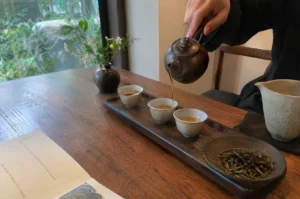
Imagine a wisp of steam carrying the scent of orchids from a tiny tea cup, a fragrance so vivid it transports you to a misty mountainside in China. This sensory immersion lies at the heart of the gongfu cha method, the traditional Chinese tea ceremony where every movement, from handling the tea leaves to pouring hot water with finesse, is part of an ancient art. Gongfu cha is a symphony for the senses, but it is aroma appreciation that elevates this ceremony from a simple act of tea making to a powerful connection with history and nature. Within Chinese tea culture, fragrance is the first promise of quality, the prologue to flavor, and the keystone of mastery. For any tea lover or aspiring tea maker, learning to taste tea fully—through smell, taste, and touch—starts with unlocking this dance of aromas. This guide explores the science, steps, and tools that reveal how the world of gongfu cha engages all your senses, especially your nose, and why this ritual endures in traditional tea drinking across mainland China and tea shops worldwide.
Gongfu Cha and the Science of Tea Aromas in Chinese Tea Culture
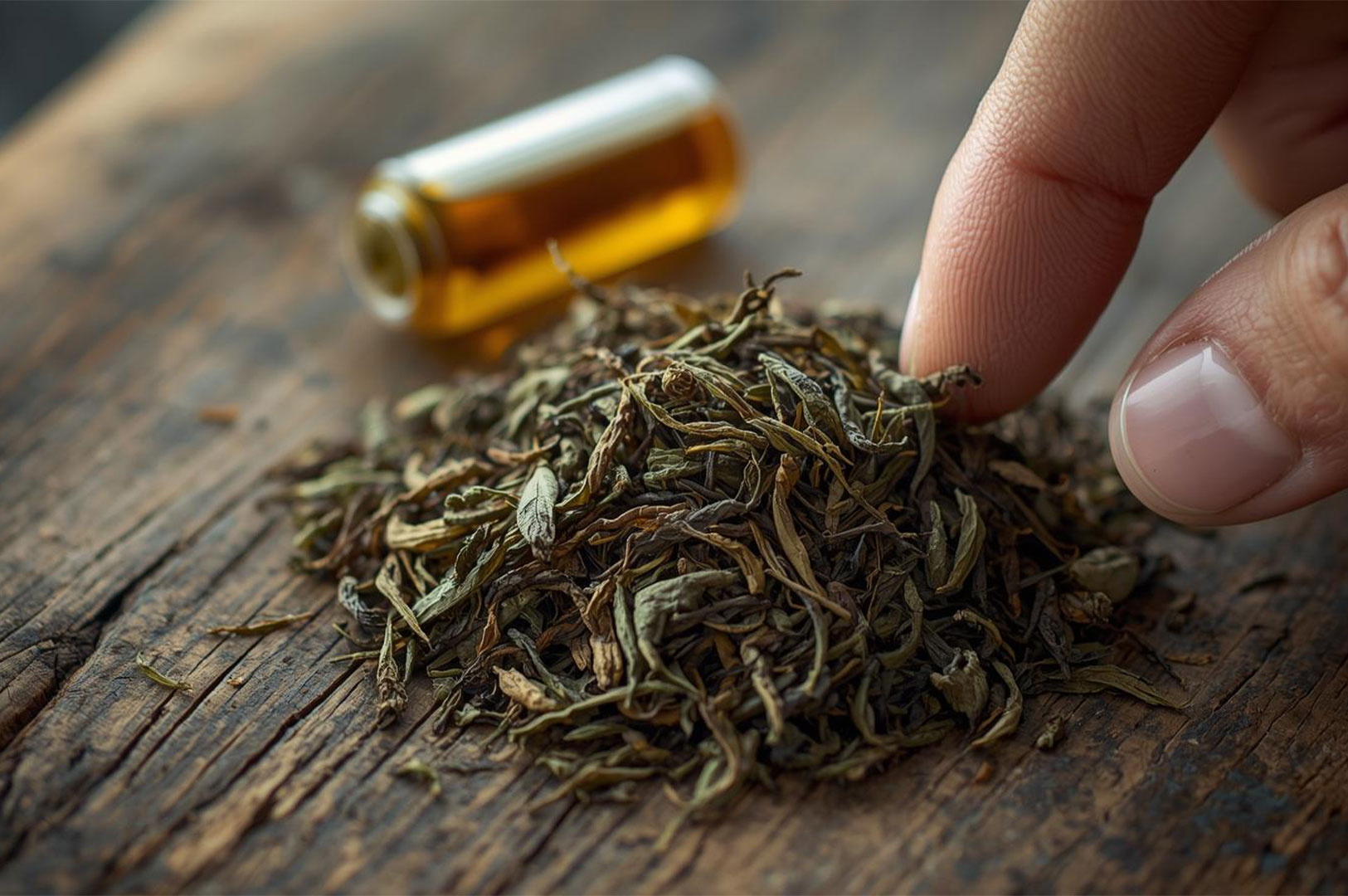
The captivating aromas of fine tea are a careful combination of nature and art. Each type of Chinese tea—whether green tea, red tea, black tea, pu erh, or oolong—unfolds its own aromatic chapter through a unique blend of chemical compounds. From the delicate tea oils and floral notes of oolong tea to the honey and malt of black tea, aroma emerges from volatile components created within the tea leaves themselves and coaxed out by the tea maker’s hand.
The classic steps of gongfu tea brewing—withering, rolling, oxidation, and firing—release and combine these aromas. For example, the high floral notes in green tea or oolong tea come from specific varieties and careful control of oxidation. The brewing water temperature, whether using spring water or hot water from an electric kettle, and the vessel—be it a porcelain gai wan, small teapots, or a Yixing teapot—determine how these fragrant molecules become airborne. The olfactory system in humans is linked directly to how we taste tea; more than 80% of what we "taste" is sensed through aroma as hot tea liquor releases volatile compounds during sipping and swallowing. This interplay is fundamental to Chinese tea culture and daily life for tea drinkers in China and beyond.
Essential Tools for Aroma Appreciation in the Gongfu Cha Tea Ceremony
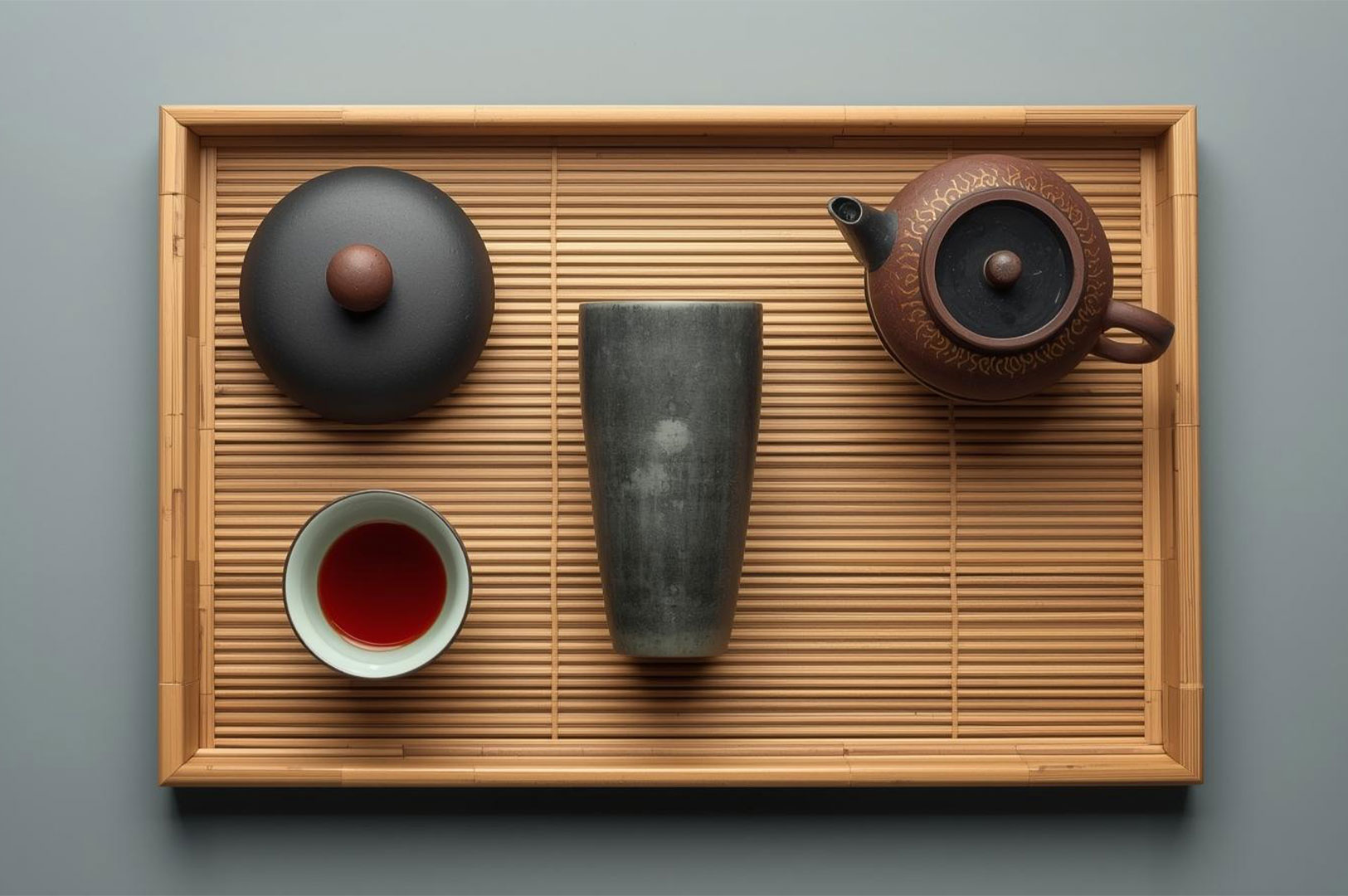
Gongfu cha is a celebration of deliberate practice, traditionally performed using a set of tea utensils that elevate aroma appreciation and showcase the artistry of chinese tea making:
- Aroma Cups (Wenxiangbei): Tall, narrow tea cups designed to concentrate the volatile tea fragrances, making them central to the aroma phase of the Chinese tea ceremony as practiced in both traditional ways and modern tea shops.
- Gaiwan: This versatile brewing vessel, made of porcelain or glass, allows the drinker to observe and sniff both dry leaves and the wet aroma released by hot water. Because porcelain remains neutral, it ensures the purest sensory evaluation of fine tea and supports tasting even the most delicate teas.
- Yixing Teapot: For seasoned practitioners, small teapots made of unglazed clay subtly interact with tea oils, intensifying certain aroma profiles—especially with oolong tea, red tea, or pu erh. Each teapot becomes seasoned over many teas, building a unique character.
- Gong Dao Bei (Sharing Pitcher): Used to equalize the tea liquor’s strength and aroma before pouring it into tasting cups. This ensures everyone at the tea table—whether in a tea shop or at home—experiences the same bouquet.
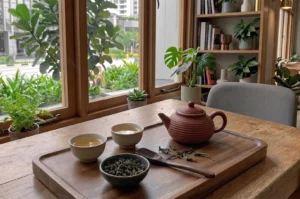
- Tea Tray and Space: The best setups for aroma appreciation use an open air tea tray to catch spills and provide sensory focus, keeping external scents at bay. Setting up your tea table with good quality cups, a spring water source if possible, and an organized tea set enhances the experience.
Setting the tea table with intention, including using spring water with ideal mineral content and a clean environment, prepares you for a mindful act of tea drinking rooted in thousands of years of Chinese tea culture and the long history of tea in China.
The Gongfu Cha Method: Tea Leaves to First Brew
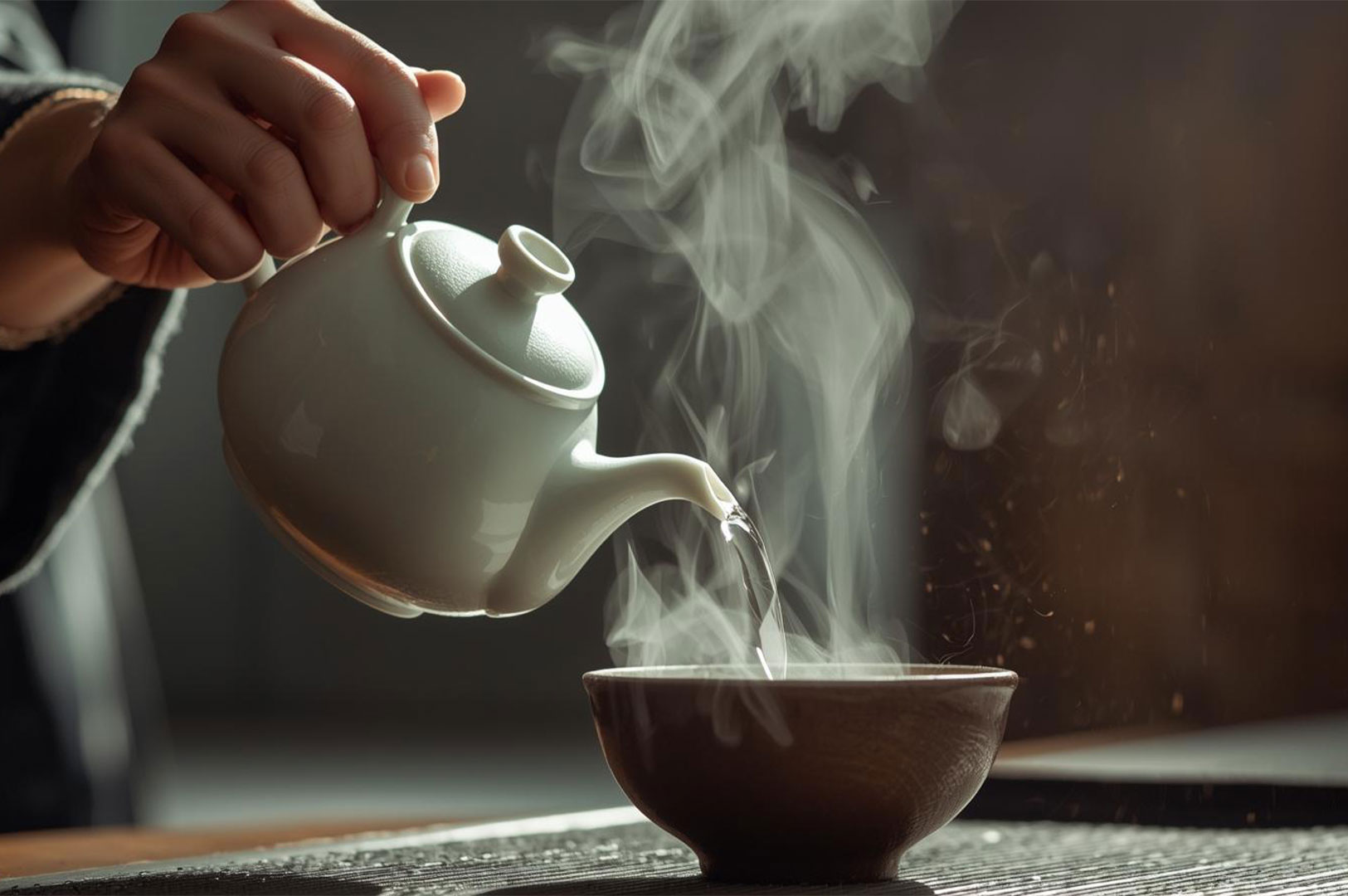
Warming and Evaluating Tea Leaves
Start by placing dry tea leaves in a heated gaiwan or Yixing teapot. Cover and swirl—releasing the essence of the tea before any water touches it. Inhale thoughtfully, letting the dry leaf aroma introduce you to the tea’s character. This initial step is fundamental to the tea ceremony and is often celebrated in tea shops and at home in mainland China.
Rinse and Rest
A quick pour of boiling water—the rinse—wakes the leaves, sheds any dust, and prepares the stage for greater aroma release. Let the covered vessel rest briefly, capturing steam, then lift the lid for a rush of scent as powerful as the first spring in the mountains of China. This moment reflects the martial arts inspired discipline at the heart of gong fu cha.
Brewing Tea and Pouring for Aroma
Add hot water (adjusting water temperature for delicate teas like green tea), brew briefly, and pour into aroma cups. The gongfu cha method uses short, repeated infusions in small teapots or gaiwans, favoring multiple brews from the same leaves—each pour releasing different nuances. Good tea makers know when it is time for the next brew by scent and taste, adjusting their brewing techniques to suit tea type and vessel.
Aroma Cup Ritual
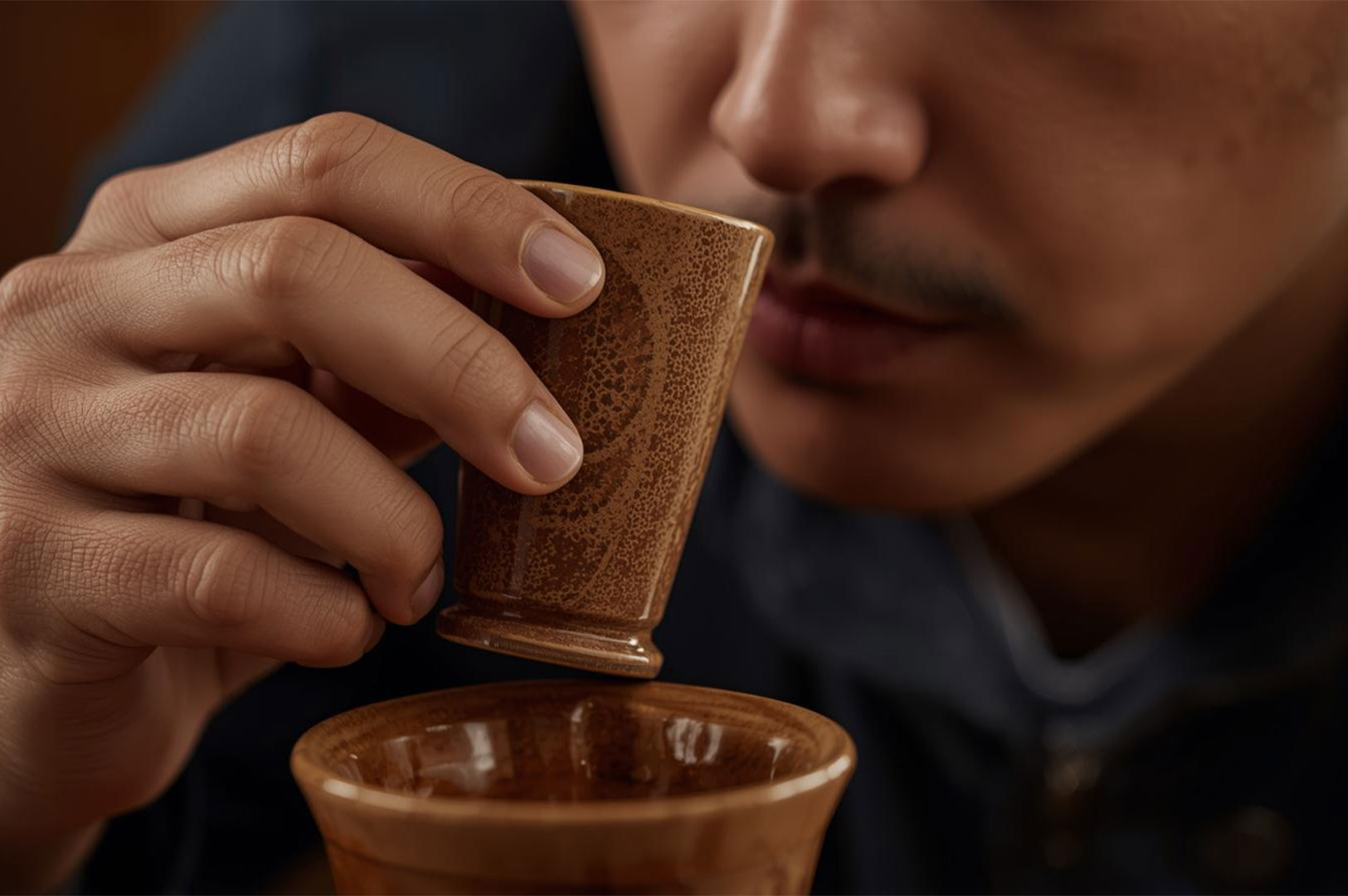
Pour the tea into the aroma cup, then tip it into the drinking cup. Quickly bring the empty aroma cup to your nose—this is where subtle floral notes, mineral hints, and lingering sweetness reveal themselves.
Three-Phase Aroma Evaluation
- Empty Aroma Cup: The purest concentration of the tea's essence lingers here.
- Wet Leaves (Leaf Bed): Sniff the freshly steeped leaves in the gaiwan or teapot, detecting transitions from vegetal or grassy to honeyed or roasted.
- Tea Liquor: Sip and exhale through the nose to identify retronasal aromas—notes that may have eluded you before.
Track how the fragrance evolves with each infusion. The first brew might be tight and floral, the next more expansive or sweet. True mastery is found in following these changes with each cup—an exploration valued since the Tang dynasty.
Tea Aroma Profiles: From Oolong Tea to Green Tea
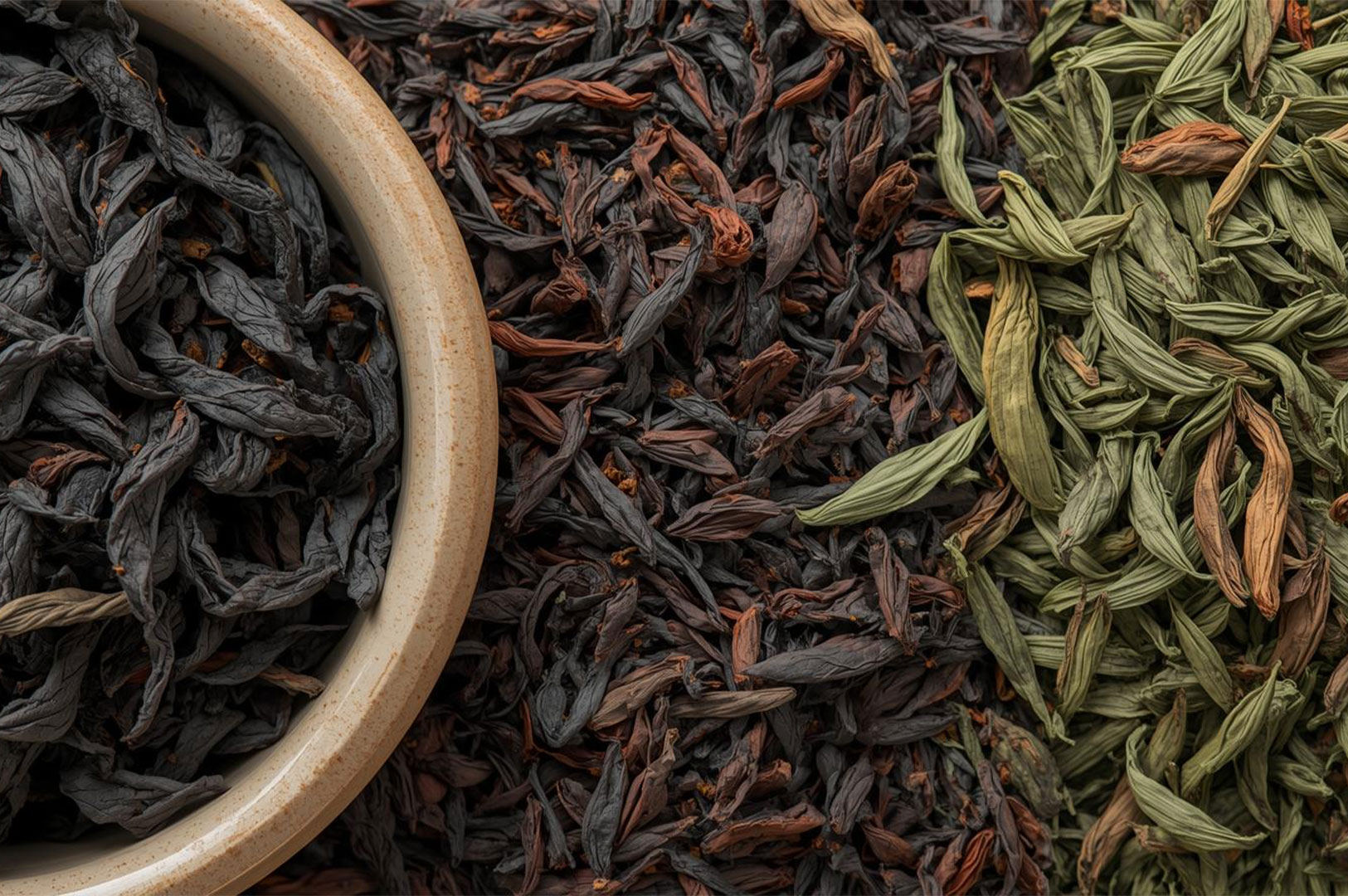
Oolong Tea Aromatics: High mountain teas such as Da Hong Pao and Shui Xian reveal orchid, gardenia, or ripe fruit notes. Oolong tea holds a celebrated place in Chinese tea culture, offering a complex array of fragrances over many brews.
Red Tea (Black Tea): Malty, caramel notes in Yunnan Dian Hong or cocoa and rose in Keemun shine in good quality tea cups, where aroma can gather and linger, especially in cooler air.
Green Tea: Vegetal and umami scents dominate, with classic Chinese longjing boasting chestnut and bean aromas. Fresh green tea is best savored using the first brew, taking care not to scald delicate teas with boiling water.
Pu Erh: Earthy, mossy, and sometimes camphor or old books—the aroma of aged pu erh deepens over more brews and is best when tasted in a neutral porcelain cup or seasoned clay vessel.
Wuyi Yancha (Rock Tea): Smoldering charcoal, cinnamon, or even dried fruit—bold aromas that stand out through many teas sampled side by side. These teas call for a yixing teapot or small teapots that support the strong mineral content and flavors.
Aroma does not remain static; spring flush teas, high quality fresh tea leaves, seasoned tea pots, or later brews can each surprise with hidden notes, while water mineral content, brewing techniques, and temperature all impact aroma. These distinctions define tea drinking and invite every cup of tea to become a new adventure.
Developing Your Aroma Vocabulary in Chinese Tea
In Chinese Tea Culture
Chinese tea drinkers use traditional descriptors like qing xiang (pure, clear aroma), nong xiang (thick, deep scent), and chen xiang (aged aroma). Westerners might turn to "flavor wheels" that map scents—floral, spicy, vegetal, fruity—making it easier to describe and share your sensory discoveries. Tasting tea in China, whether at a tea shop in open air or at a home tea table, always involves conversation about these subtleties.
Building Your Own Sensory Library
- Keep a tea journal to note each session's sensory impressions, including each first brew, the aroma in the cup, and changes across more brews.
- Practice side-by-side tastings with different teas—oolong tea, green tea, pu erh, black tea—using the same brewing vessel.
- Describe aromas not just in technical terms but as memories—a rainy morning, pine after the dragon boat festival, the spicy hint before a solid food dish.
- Cultivating this practice deepens both knowledge and enjoyment in daily tea drinking, and helps when you drink tea or buy fine tea at various tea shops or online from the tea industry’s growing global marketplace.
Mindfulness in Gongfu Cha: Tea Drinking and Tea Meditation
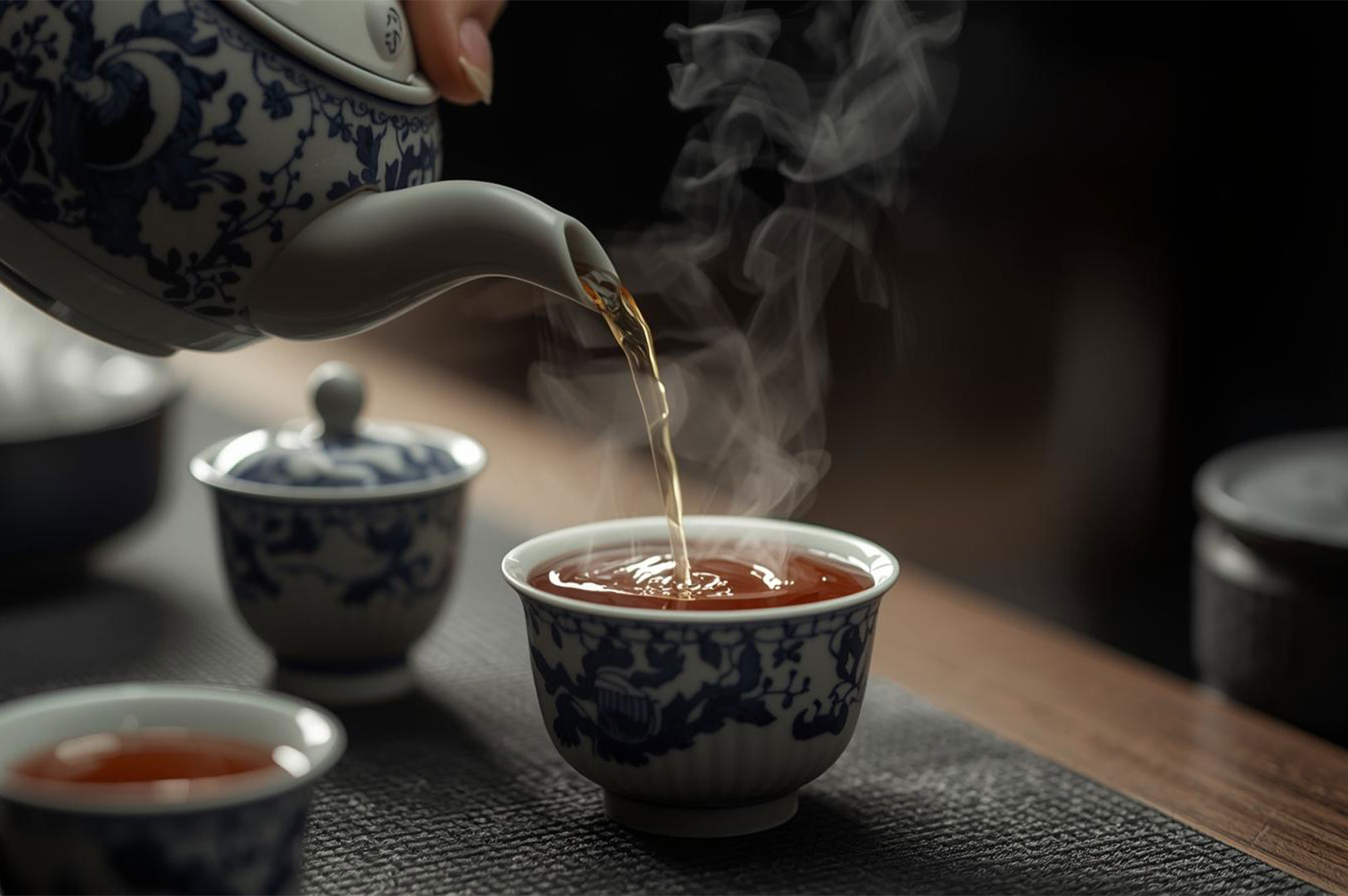
The gongfu cha tea ceremony is as much about mindfulness as flavor. When the tea maker slows down, regulates breath, and focuses on the scent rising with each pouring, tea drinking becomes moving meditation.
- Sync inhaling with raising a cup of tea and notice each sensation.
- Use the tea tray or tea table as a space for open air focus and meditative breathing.
- Recognize the tea liquor’s aroma as a gateway to present-moment awareness—each cup of tea becomes an opportunity for mindfulness, an element central to tea in China’s long history.
- Embrace cha qi—the living energy of high quality tea—as sensed through aroma, taste, and body feel.
Practiced properly, gongfu tea helps anchor you in the present, fostering calm and connection. For many, especially during the dragon boat festival or special occasions, drinking tea becomes a cultural and spiritual touchpoint.
Common Challenges in Aroma Perception During Chinese Tea Ceremony
- Olfactory Fatigue: Reset your senses by smelling your sleeve or fresh air between brews, especially with more tea sessions or when testing many teas.
- Environmental Interference: Remove strong odors from the room before sitting at the tea table; open air settings and traditional ways help focus attention on brewing tea.
- Physical Limitations: Health, allergies, or even what you last ate can dull your ability to taste tea. Drinking more tea and mindfulness practice build skill and sensitivity for the next brew.
- Improper Brewing: Avoid overfilling small teapots or using hot water that is too strong for delicate teas—both can destroy subtle fragrances and mask nuances in aroma.
- Equipment: Use dedicated teapots, tea cups, and vessels for each type—such as green tea, oolong tea, and black tea—to keep each tea’s aroma profile clean and unclouded. Washing between teas and using a quality tea set maintain optimal experience.
Conclusion: The Endless Dance of Gongfu Cha Aroma
The art of aroma appreciation in gongfu cha spans centuries, connecting daily life and mindfulness, martial-arts-like skill, and sensory joy. Whether you're mastering the gongfu cha method for the first brew or savoring a rare Chinese tea at a local tea shop, every tea table beckons you to breathe deeply, taste, and discover. The dance of aroma, from dry leaves to the final cup, is an endless exploration, enriched by each brewing technique, vessel, and environment. Start your own journey—invite friends, set aside time for quiet, and let each cup of tea, each scent, illuminate the long history and spirit of tea in China.

The Problem With “Single-Origin” Tea Obsession
There was a time when knowing where a tea came from was enough. Now, it sometimes feels as though we need to know everything. The mountain. The village. The garden. The harvest date. The particular plot where the leaves were grown. Single-origin tea has become a mark of quality in modern tea culture. The idea…
-
Where Singapore’s Tea Traditions Still Steep: Pek Sin Choon
The first thing I noticed was the smell. Not perfume, not incense. Something warmer and older than both. Roasted tea leaves, drifting out onto Mosque Street before I even reached the door. It’s the kind of smell that makes you slow your steps without knowing why. Pek Sin Choon has been on this corner of…
-
Not All Comfort Is Sweet: The Bitterness I Now Appreciate
I used to think comfort was supposed to be easy. A familiar drink. A familiar taste. Something that immediately made me feel better. For a long time, I gravitated towards teas that were gentle. Soft flavours. Natural sweetness. Anything that felt welcoming from the first sip. Then I started appreciating bitter teas. Not because I…
-
Understanding the Herb Behind the Refreshing Cup: Peppermint Tea
There is a moment, just after the hot water meets the fresh peppermint leaves, when the whole room seems to change. A sharp, green coolness lifts from the cup and settles somewhere behind your eyes. Drinking peppermint tea does this quietly, without fuss. It asks for nothing and offers a great deal. Most of us…
-
Why Most People Hate Oolong: Overcomplicated Advice Ruined It
I have always found it interesting that oolong tea is one of the most misunderstood teas. People often describe it as complicated. Too many varieties. Too many brewing methods. Too many rules. The leaves should be prepared this way. The water should be at this temperature. The teapot should be a certain material. The first…
-
Kempinski Singapore High Tea Review: When Afternoon Tea Feels Like an Occasion
The rain had come and gone by the time I arrived, leaving the street outside slick and quiet. I stepped in without knowing quite what I wanted from the afternoon. Only that I wanted it to be slow. The Lobby Lounge at The Capitol Kempinski Hotel Singapore does not rush you. It waits. And there…
-
Scent, Memory, and a Kettle: How Tea Anchors My Days
There are certain smells that bring us somewhere else before we even realise it. The scent of rain on warm pavement. A familiar perfume. The food someone used to make when we were younger. For me, tea belongs in that category. Sometimes, before I even take a sip, the aroma is enough to bring back…
-
The Chinese Yixing Teapot: More Than a Teapot, a Living Tea Tradition
The first time I held a Chinese Yixing teapot, I wasn’t ready for how warm it would feel. Small, reddish-brown, sitting in my palm like a river stone that had been kept somewhere warm. I’d just rinsed it with hot water, the way you’re supposed to before the first brew, and the clay drank up…
-
Your “Tea Sommelier” Might Be Selling You a Vibe, Not a Better Cup
There is a particular moment that has become increasingly familiar in modern tea culture. A tea is presented. Before the first sip, we are introduced to its story. The region. The altitude. The history. The carefully chosen words that describe its character. Perhaps there are notes of wildflowers, distant forests, roasted grains, or forgotten memories….
-
Does Tea Contain Caffeine? Understanding What’s Really in Your Tea
There’s a quiet moment many of us know well. The kettle clicks off. Steam curls up. You wrap your hands around a warm cup and feel your shoulders drop, just a little. Tea has always carried this sense of calm, of slowing down. So it can feel almost contradictory to ask: does tea contain caffeine?…