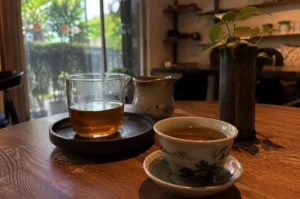
In Japan, green tea is more than just a beverage; it is a cultural cornerstone, deeply woven into the fabric of daily life, social customs, and national identity. It’s the welcoming drink offered to a guest, the quiet moment of reflection in a busy day, and the centerpiece of a centuries-old ceremony. While many are familiar with Japanese green tea as a product, understanding the living tea culture within Japan itself offers a profound glimpse into the nation’s heart and soul.
This article explores the rich cultural and social dimensions of green tea in Japan. For readers seeking detailed information about specific Japanese green tea varieties and their unique brewing techniques, we recommend our comprehensive guide, “Japanese Green Tea from Japan: Your Complete Guide to Authentic Varieties and Brewing.“
The History of Green Tea and Japanese Tea Cultivation in Japan
The story of green tea in Japan begins with Buddhist monks. While tea seeds from the tea plant may have arrived earlier, it was during the 9th century that monks returning from China introduced the beverage in a more formal way. However, it was the Zen monk Eisai who, in the 12th century, truly planted the seeds of Japan’s tea culture. He brought back not only tea seeds but also the knowledge of powdered green tea preparation, promoting it for its medicinal properties and as an aid to Zen meditation. This method was influenced by earlier Chinese traditions of grinding tea leaves into tea powder, which was then whisked with hot water.
Initially a luxury for the aristocracy and samurai class, green tea gradually spread throughout society. A pivotal moment came during the Muromachi period with the development of the Japanese tea ceremony, which was later perfected by the legendary tea master Sen no Rikyū in the 16th century. He infused the practice with the philosophy of wabi-sabi—finding beauty in simplicity and imperfection—shaping the aesthetic and spiritual core of Japanese tea culture.
Crucially, Japan developed its own unique processing method. While Chinese teas are typically pan-fired to stop oxidation, Japanese tea producers perfected a steaming technique. This process preserves the tea leaves’ vibrant green color and imparts the fresh, vegetal, and umami flavors that define Japanese green tea today. Over centuries, regions like Uji in Kyoto and later Shizuoka became renowned for their tea plantations and production, cementing green tea’s inseparable link to Japanese identity.
Green Tea in Japanese Daily Life and Tea Spread
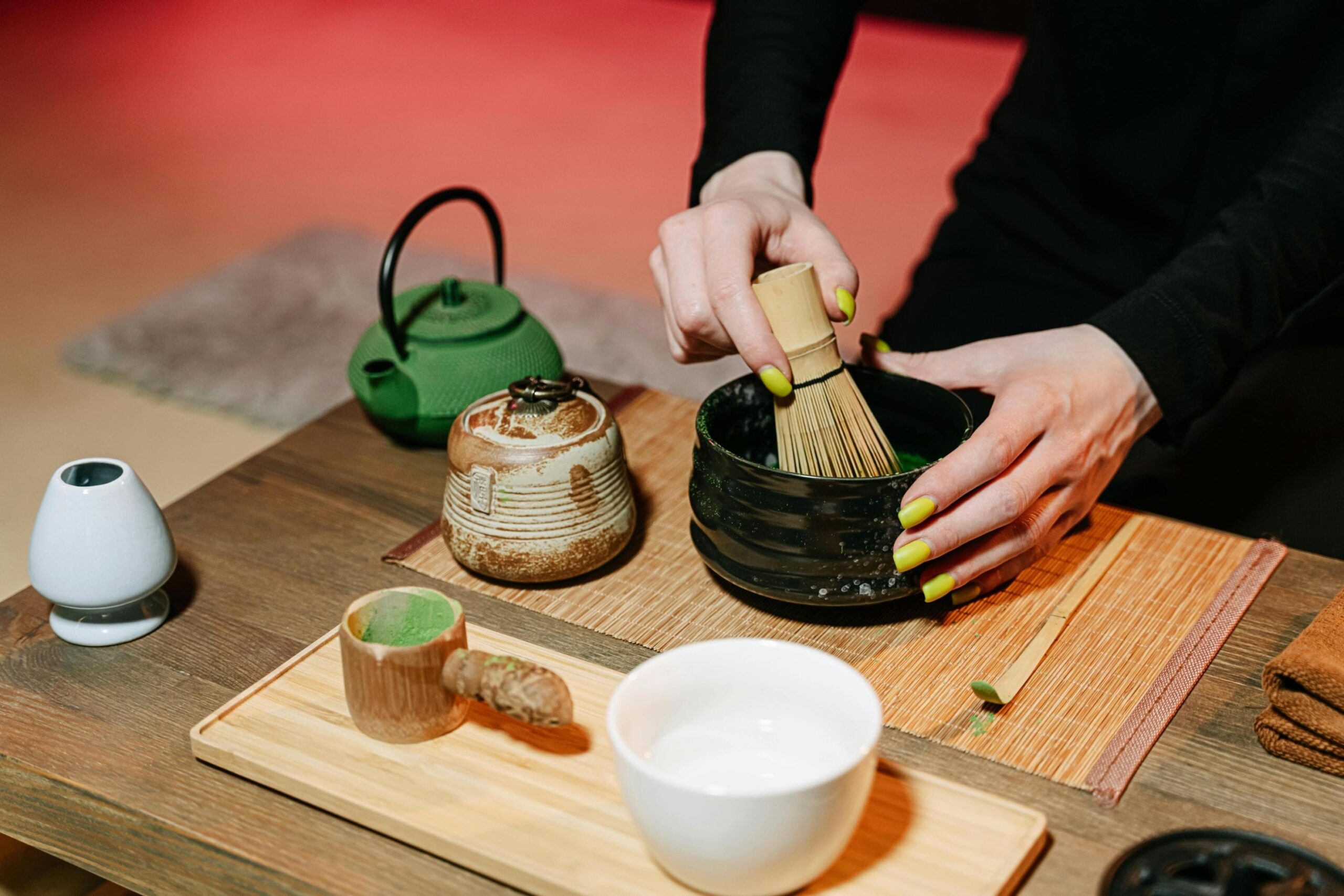
The presence of green tea in Japan permeates everyday life with a quiet, constant rhythm. For many, the day begins not with coffee, but with a warm cup of sencha or bancha leaves brewed from the tea bush. It is the fundamental gesture of hospitality; a visitor to a home or even a business office is almost always offered a cup of tea before any other proceedings begin.
At restaurants, a complimentary cup of hot tea—often hojicha or mugicha—is standard, served automatically to cleanse the palate. Throughout the day, tea breaks, known as ocha, provide moments of pause in schools and workplaces. Taking a slow, mindful sip of green tea during these breaks enhances relaxation and deepens appreciation of its natural flavors. Consumption is also deeply seasonal; hot sencha is favored in winter for its comforting warmth, while cold-brewed mugicha (barley tea) is the go-to thirst quencher during Japan’s hot and humid summers.
This tradition evolves across generations. While older Japanese may adhere to brewing loose-leaf tea in a kyusu (teapot), younger generations often turn to the ubiquitous bottled green tea found in every convenience store and vending machine. Yet, the core practice of gathering with family over a pot of tea remains a cherished social custom, demonstrating the beverage’s enduring role as a social lubricant and symbol of connection.
Japanese Green Tea: A Symbol of Tradition and Taste
Japanese green tea, derived from the leaves of the tea plant, is a cornerstone of Japan’s rich cultural heritage and daily life. Japanese green tea is produced from the same plant, camellia sinensis, as black, oolong, and white teas, but is processed differently to create its distinctive flavor and color. Unlike many other teas, Japanese green tea is typically steamed soon after harvesting, a process that preserves its vibrant green color and enhances its delicate flavor. This method distinguishes it from Chinese green teas, which are often pan-fired.
The most common varieties of Japanese green tea include sencha, gyokuro, and bancha, each offering unique flavor profiles and health benefits. Sencha, made from the first and second harvests of tea buds and leaves, is known for its fresh, vegetal taste and moderate caffeine content. Gyokuro, a shaded tea harvested weeks prior to picking, is prized for its rich umami flavor and sweetness, resulting from higher amino acid levels. Bancha, harvested later in the season, offers a more robust and earthy flavor with less caffeine, making it a popular everyday tea.
Japanese green tea is not only appreciated for its taste but also for its health benefits. Rich in antioxidants, including catechins, it supports metabolism, cardiovascular health, and mental alertness. Its balanced caffeine and L-theanine content provide a gentle energy boost without the jitters often associated with coffee.
From casual daily consumption to the refined rituals of the Japanese tea ceremony, Japanese green tea embodies a harmonious blend of tradition, flavor, and wellness that continues to captivate tea lovers around the world.
The Japanese Tea Ceremony and Powdered Tea: Matcha and Grade Matcha
The Japanese tea ceremony, known as chanoyu or sadō (The Way of Tea), is the most refined expression of Japanese green tea culture. Far more than a method of preparation, it is a living art form and a spiritual discipline. The philosophy behind it is encapsulated in four principles: harmony (wa), respect (kei), purity (sei), and tranquility (jaku).
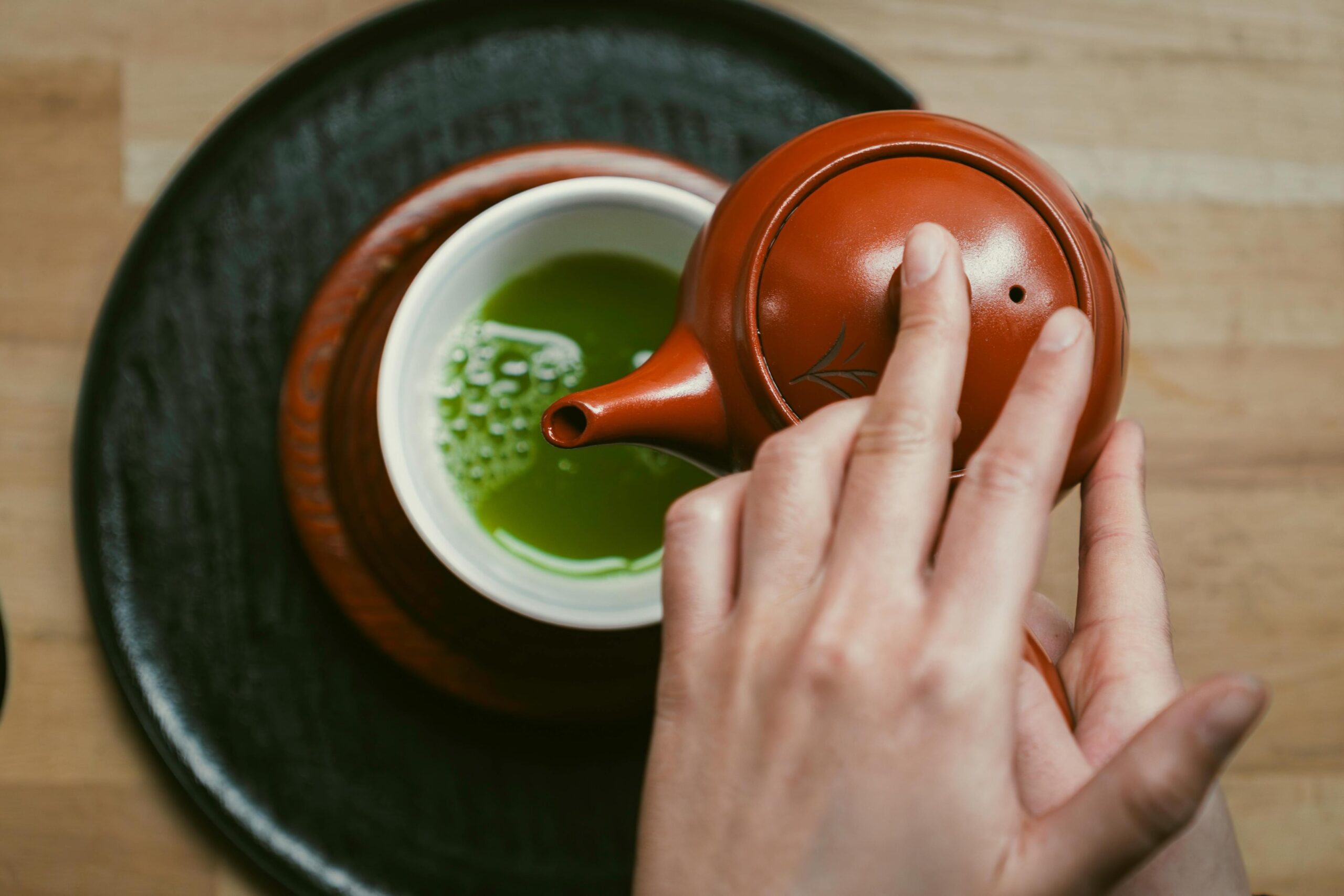
A traditional tea ceremony is a highly ritualized and choreographed event. It takes place in a purpose-built tea room (chashitsu) or a designated space, with every element—from the architecture to the utensils—carefully chosen to reflect the season and the specific occasion. The host’s graceful, deliberate movements in cleaning the tools, whisking the powdered green tea or japanese matcha, and serving the guests are a form of moving meditation. For guests, the experience is about appreciating the host’s hospitality (omotenashi), admiring the beauty of the teaware, and finding a moment of peace.
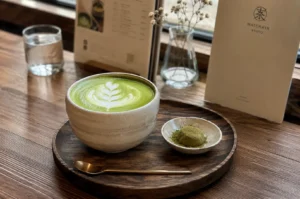
Matcha used in the tea ceremony is made from tea leaves that have been shaded weeks prior to harvest, called tencha, which are then ground into a fine powder. This powder is carefully whisked with hot water in a bowl to create a rich, frothy hot tea with a delicate flavor and rich aroma. Different grades of matcha, including ceremonial and culinary grade matcha, vary in flavor, caffeine content, and price.
This ancient practice continues to thrive in modern Japan. Tea schools like Urasenke, Omotesenke, and Mushakōjisenke have millions of practitioners, teaching the intricate art to new generations. For those wishing to learn more about the specific preparation of ceremonial matcha, our guide on authentic varieties offers detailed instructions.
Japanese Tea Varieties from the Tea Plant: Sencha, Gyokuro, Bancha, and Other Green Teas
Japan’s tea culture is not monolithic; it varies by region and tea type, each with its own distinct character and pride.
- Sencha: The most widely consumed type of Japanese green tea, made from the first and second harvest of tea buds and tea leaves. It is steamed to preserve its fresh, vegetal flavor and contains moderate caffeine and antioxidants.
- Gyokuro: A premium shaded green tea, harvested from tea bushes shaded weeks prior to picking, resulting in tea leaves with higher caffeine and amino acids. It produces a sweet, umami-rich flavor.
- Bancha: A lower grade tea made from later harvests, including bancha leaves and stems. It has less caffeine and a more robust, earthy taste. Bancha is commonly enjoyed after a meal, especially to aid digestion and provide a calming effect.
- Genmaicha: A unique combination of green tea mixed with roasted brown rice or roasted rice, offering a nutty aroma and mellow flavor. This blend is popular for its distinctive taste and lower caffeine content. Genmaicha is also often consumed after a meal to help with digestion and relaxation.
Other green teas such as kukicha (made from stems) and hojicha (roasted tea leaves) add to the variety of flavors and aromas in Japanese tea culture.
Japanese green teas, especially matcha, are also used to flavor and color various foods and desserts, such as mochi, soba noodles, and green tea ice cream.
Black Tea and Tea Production in Japan
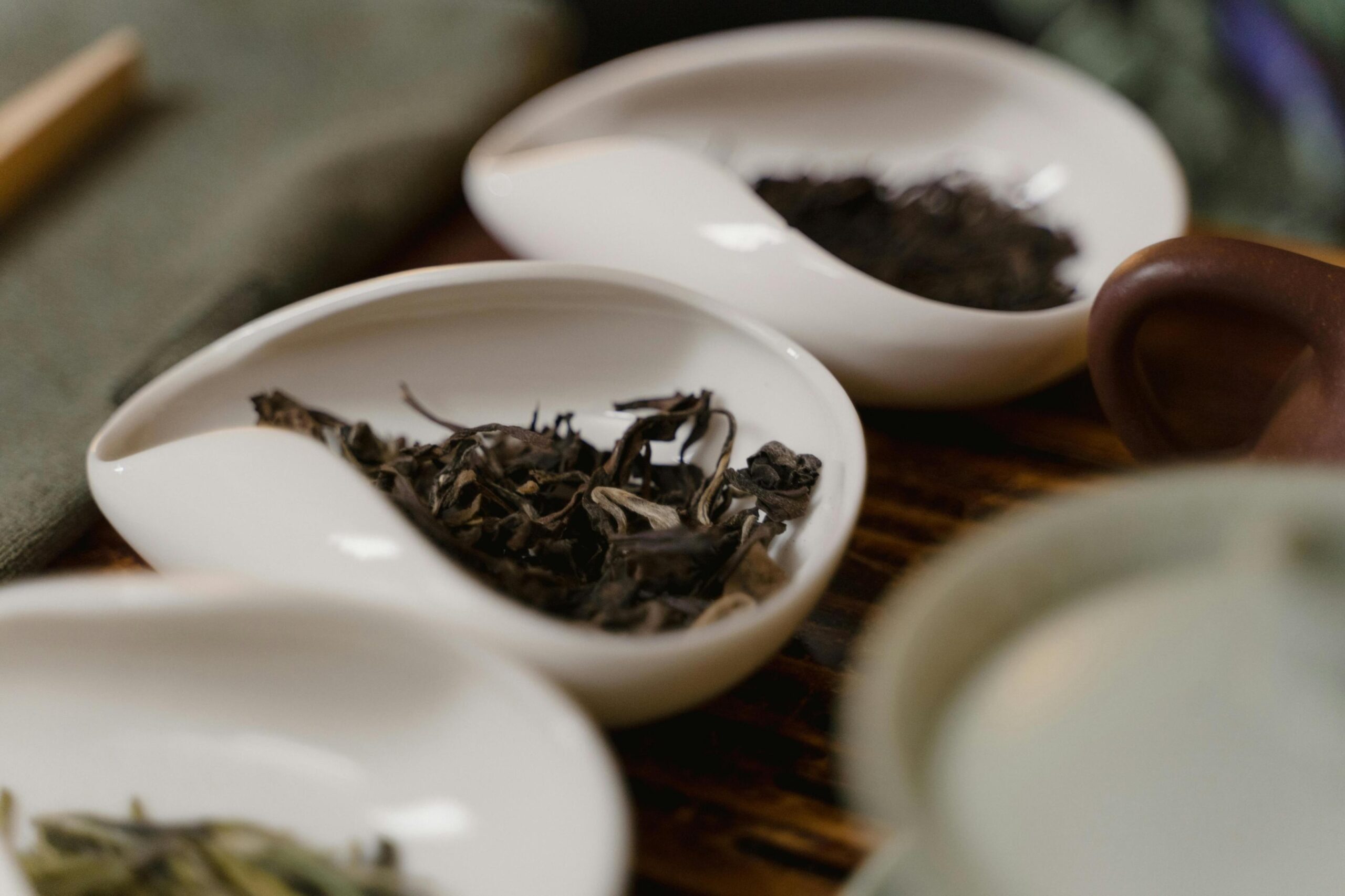
Though Japan is best known for its green tea, it also produces some black tea varieties, made from the same tea plant but processed differently. Japanese black tea undergoes full oxidation, resulting in a darker color and richer taste, often with less caffeine than other black teas.
Tea production in Japan involves careful tea cultivation and a drying process that preserves the unique flavors and nutrients of the tea leaves. Tea producers across regions like Shizuoka, Kagoshima, and Uji maintain traditional and modern methods to ensure high quality.
Green Tea and Japanese Culture: Health Benefits and Social Significance
Green tea is deeply embedded in Japanese culture, not only as a beverage but also as a symbol of hospitality and a source of health benefits. Rich in antioxidants, caffeine, and nutrients, drinking green tea is associated with improved digestion, mental alertness, and longevity.
The health benefits of green tea, matcha, and other Japanese teas are celebrated in both traditional medicine and modern science. The combination of caffeine and the amino acid L-theanine provides a balanced energy boost without the jitters associated with coffee.
Tea culture also influences social customs, gift-giving, and etiquette in Japan, reflecting the beverage’s role in daily life and ceremonial occasions.
Conclusion: Embracing the Unique Flavors and Traditions of Japanese Tea
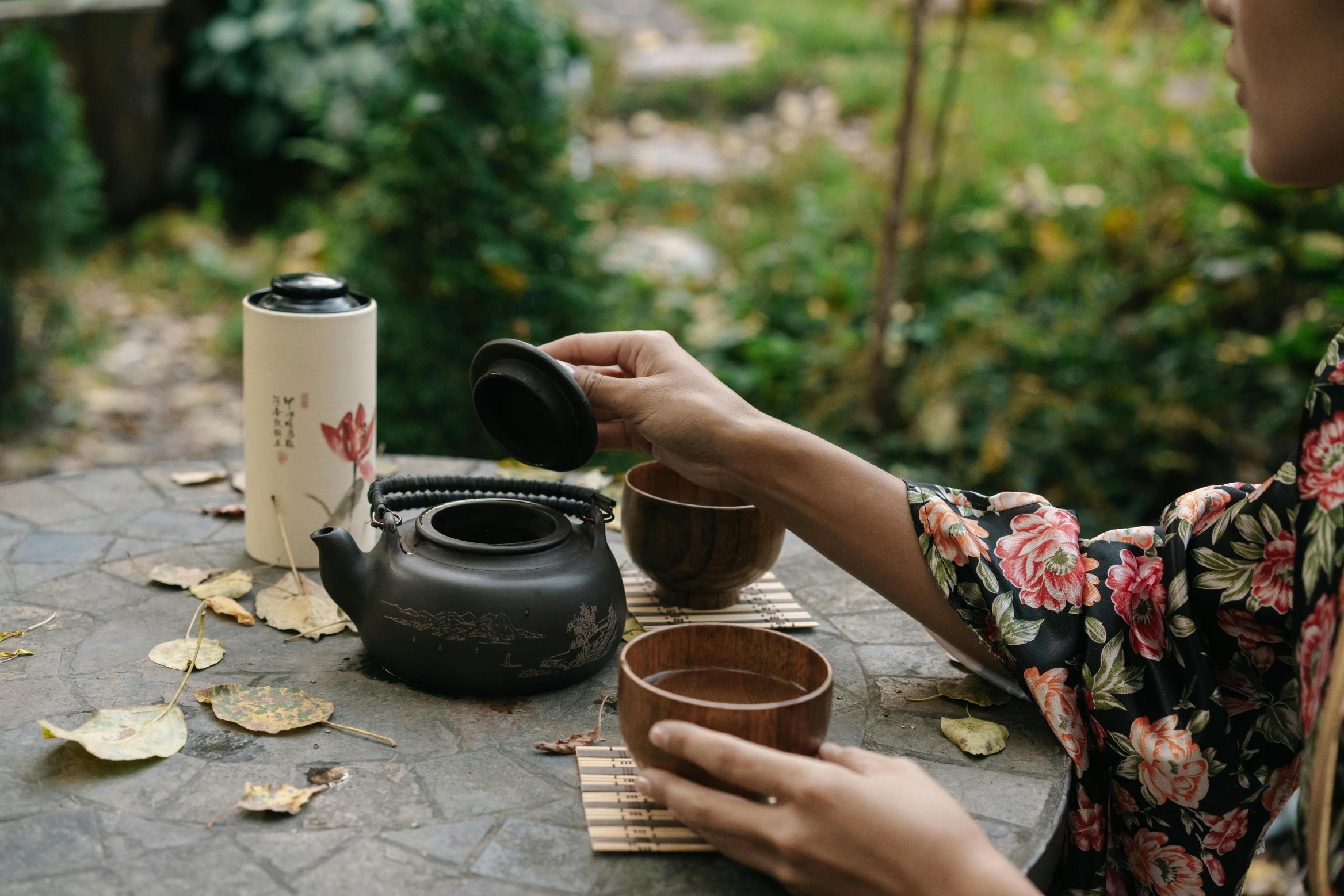
Green tea in Japan offers a rich tapestry of history, culture, and taste. From the delicate flavor of steamed sencha to the rich umami of shaded gyokuro and the powdered elegance of matcha, the diversity of Japanese tea reflects the country’s dedication to craftsmanship and tradition.
Whether consumed in a formal tea ceremony, enjoyed as a casual hot tea, or savored as a blend with roasted brown rice in genmaicha, Japanese tea invites the drinker to appreciate its unique flavors, aroma, and cultural significance.
The Japanese language reflects the rich diversity of tea culture, with unique names and terms for different teas—such as ‘sanpincha’ for jasmine tea—highlighting regional and traditional naming conventions.
For those interested in exploring further, our comprehensive guide to Japanese green tea varieties and brewing techniques provides detailed insights into the art of making tea and the joy of sipping this cherished beverage.

Stop Calling It “Premium”: Why Most Luxury Tea Branding Is Empty
There is a word I have become increasingly cautious of in the tea world. Premium. It appears everywhere. Premium leaves. Premium harvests. Premium collections. Premium experiences. The word sounds reassuring. It suggests care, quality, and something worth paying attention to. But after seeing it attached to almost everything, I sometimes wonder whether it has started…
-
Pryce Tea: A Modern Pour with Old Tea-Room Ambitions
I visited on a weekday afternoon, around three, when the city had quieted into that particular lull between lunch and the evening rush. I’d been curious about Pryce Tea for a while, mostly because the brand keeps surfacing among people who talk about teas the way some people talk about wine. With a reputation built…
-
The Seasons in a Tin: How Weather Shapes What I Reach For
I have a small habit that I never really noticed until recently. The weather changes, and somehow, so does the tea I want. On a hot afternoon, I find myself reaching for something light and floral. When rain settles over the windows, I want something darker, warmer, perhaps a little more comforting. On those rare…
-
Ginger Lily Afternoon Tea on Orchard Road: A Floral Chapter in Singapore’s Culinary Story
I noticed the ginger lily flowers before I noticed anything else. Not real ones, exactly. A wall of them, suspended in resin, catching the light as I stepped off the lift on Level 5 at Hilton Singapore Orchard, home to Ginger Lily, a floral-themed afternoon tea lounge on Orchard Road. I stood there a second…
-
Minimalism, But Make It Warm: A Simpler Way to Drink Better Tea
There is a certain irony about tea. The more we learn about it, the easier it becomes to complicate it. A simple cup of leaves and water slowly becomes surrounded by equipment, measurements, techniques, and expectations. We begin collecting teapots, comparing brewing methods, and searching for the perfect setup. None of these things are wrong….
-
A Humble Cup in an Age of Overdesigned Drinks: iTea Review
The bubble tea I queued for last month came with a caramelized brûlée top I had to crack with the back of my spoon. It was fine. Pretty, even. But somewhere between the torched sugar and the cheese foam and the third topping I didn’t ask for, I lost the drink itself. So I went…
-
Matcha Hype Has Gone Too Far (But I Still Drink It)
I have a confession. I am slightly tired of seeing matcha everywhere. Not because I dislike matcha. In fact, I drink it quite often. But there is something amusing about watching a humble tea become the centre of every café menu, wellness conversation, and social media trend. Matcha has gone from a traditional Japanese tea…
-
Hortus Afternoon Tea Review: When the Garden Becomes the Occasion in the Flower Dome
I forgot, for a moment, that I was indoors at Hortus, the Mediterranean restaurant nestled within the Flower Dome at Gardens by the Bay. There were trees above me, real ones, and the air held that cool, green stillness you usually find early in the morning somewhere far from the city. A leaf drifted down…
-
The Real Reason Your Tea at Cafés Tastes Flat
There is a particular disappointment that comes with ordering tea at a café. You see the menu. You notice the carefully written descriptions. Perhaps there is a mention of fragrant jasmine, roasted oolong, or a carefully selected blend. The presentation arrives beautifully arranged, and for a moment, there is anticipation. Then you take the first…
-
Herbal Tea in Chinese: A Cup Shaped by Heat, Balance, and Belief
The first sip was bitter. I was maybe seven, and my grandmother had pressed a small ceramic cup into my hands, dark liquid inside, steam curling up between us. She didn’t explain. She just said, “Drink. You’ve been too heaty.“ I made a face. She didn’t smile. She just waited until I finished. Years later,…