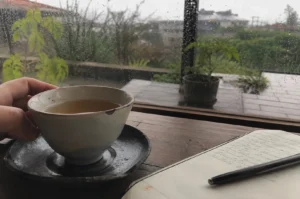
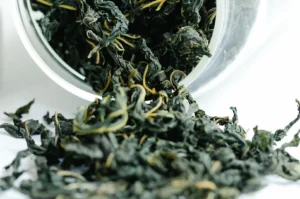
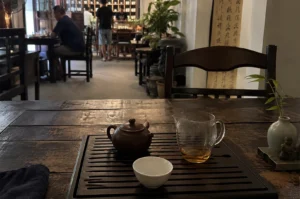
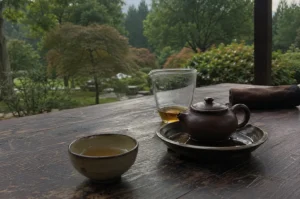
In Japan, green tea is more than just a beverage; it is a cultural cornerstone, deeply woven into the fabric of daily life, social customs, and national identity. It’s the welcoming drink offered to a guest, the quiet moment of reflection in a busy day, and the centerpiece of a centuries-old ceremony. While many are familiar with Japanese green tea as a product, understanding the living tea culture within Japan itself offers a profound glimpse into the nation’s heart and soul.
This article explores the rich cultural and social dimensions of green tea in Japan. For readers seeking detailed information about specific Japanese green tea varieties and their unique brewing techniques, we recommend our comprehensive guide, “Japanese Green Tea from Japan: Your Complete Guide to Authentic Varieties and Brewing.“
The History of Green Tea and Japanese Tea Cultivation in Japan
The story of green tea in Japan begins with Buddhist monks. While tea seeds from the tea plant may have arrived earlier, it was during the 9th century that monks returning from China introduced the beverage in a more formal way. However, it was the Zen monk Eisai who, in the 12th century, truly planted the seeds of Japan’s tea culture. He brought back not only tea seeds but also the knowledge of powdered green tea preparation, promoting it for its medicinal properties and as an aid to Zen meditation. This method was influenced by earlier Chinese traditions of grinding tea leaves into tea powder, which was then whisked with hot water.
Initially a luxury for the aristocracy and samurai class, green tea gradually spread throughout society. A pivotal moment came during the Muromachi period with the development of the Japanese tea ceremony, which was later perfected by the legendary tea master Sen no Rikyū in the 16th century. He infused the practice with the philosophy of wabi-sabi—finding beauty in simplicity and imperfection—shaping the aesthetic and spiritual core of Japanese tea culture.
Crucially, Japan developed its own unique processing method. While Chinese teas are typically pan-fired to stop oxidation, Japanese tea producers perfected a steaming technique. This process preserves the tea leaves’ vibrant green color and imparts the fresh, vegetal, and umami flavors that define Japanese green tea today. Over centuries, regions like Uji in Kyoto and later Shizuoka became renowned for their tea plantations and production, cementing green tea’s inseparable link to Japanese identity.
Green Tea in Japanese Daily Life and Tea Spread
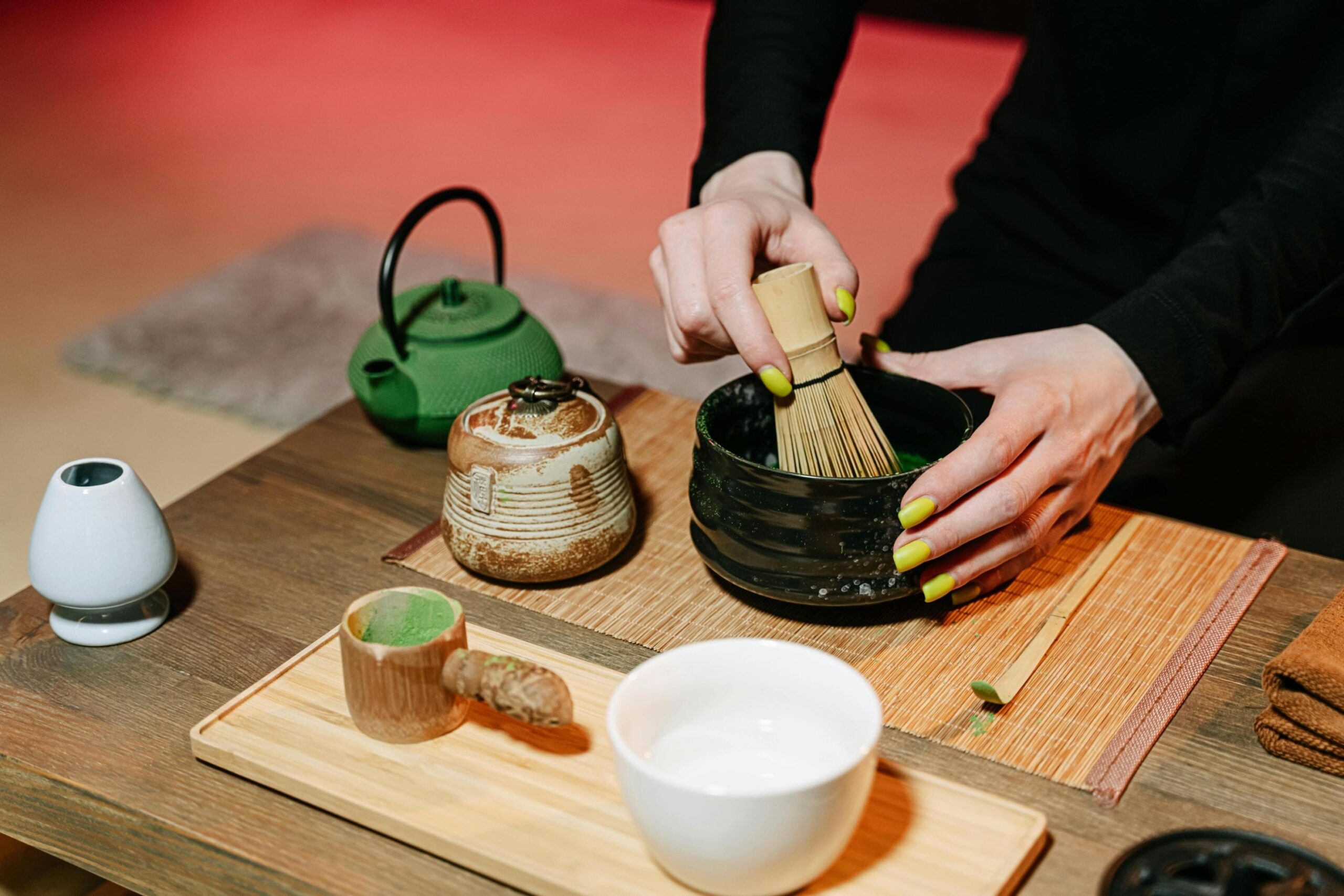
The presence of green tea in Japan permeates everyday life with a quiet, constant rhythm. For many, the day begins not with coffee, but with a warm cup of sencha or bancha leaves brewed from the tea bush. It is the fundamental gesture of hospitality; a visitor to a home or even a business office is almost always offered a cup of tea before any other proceedings begin.
At restaurants, a complimentary cup of hot tea—often hojicha or mugicha—is standard, served automatically to cleanse the palate. Throughout the day, tea breaks, known as ocha, provide moments of pause in schools and workplaces. Taking a slow, mindful sip of green tea during these breaks enhances relaxation and deepens appreciation of its natural flavors. Consumption is also deeply seasonal; hot sencha is favored in winter for its comforting warmth, while cold-brewed mugicha (barley tea) is the go-to thirst quencher during Japan’s hot and humid summers.
This tradition evolves across generations. While older Japanese may adhere to brewing loose-leaf tea in a kyusu (teapot), younger generations often turn to the ubiquitous bottled green tea found in every convenience store and vending machine. Yet, the core practice of gathering with family over a pot of tea remains a cherished social custom, demonstrating the beverage’s enduring role as a social lubricant and symbol of connection.
Japanese Green Tea: A Symbol of Tradition and Taste
Japanese green tea, derived from the leaves of the tea plant, is a cornerstone of Japan’s rich cultural heritage and daily life. Japanese green tea is produced from the same plant, camellia sinensis, as black, oolong, and white teas, but is processed differently to create its distinctive flavor and color. Unlike many other teas, Japanese green tea is typically steamed soon after harvesting, a process that preserves its vibrant green color and enhances its delicate flavor. This method distinguishes it from Chinese green teas, which are often pan-fired.
The most common varieties of Japanese green tea include sencha, gyokuro, and bancha, each offering unique flavor profiles and health benefits. Sencha, made from the first and second harvests of tea buds and leaves, is known for its fresh, vegetal taste and moderate caffeine content. Gyokuro, a shaded tea harvested weeks prior to picking, is prized for its rich umami flavor and sweetness, resulting from higher amino acid levels. Bancha, harvested later in the season, offers a more robust and earthy flavor with less caffeine, making it a popular everyday tea.
Japanese green tea is not only appreciated for its taste but also for its health benefits. Rich in antioxidants, including catechins, it supports metabolism, cardiovascular health, and mental alertness. Its balanced caffeine and L-theanine content provide a gentle energy boost without the jitters often associated with coffee.
From casual daily consumption to the refined rituals of the Japanese tea ceremony, Japanese green tea embodies a harmonious blend of tradition, flavor, and wellness that continues to captivate tea lovers around the world.
The Japanese Tea Ceremony and Powdered Tea: Matcha and Grade Matcha
The Japanese tea ceremony, known as chanoyu or sadō (The Way of Tea), is the most refined expression of Japanese green tea culture. Far more than a method of preparation, it is a living art form and a spiritual discipline. The philosophy behind it is encapsulated in four principles: harmony (wa), respect (kei), purity (sei), and tranquility (jaku).
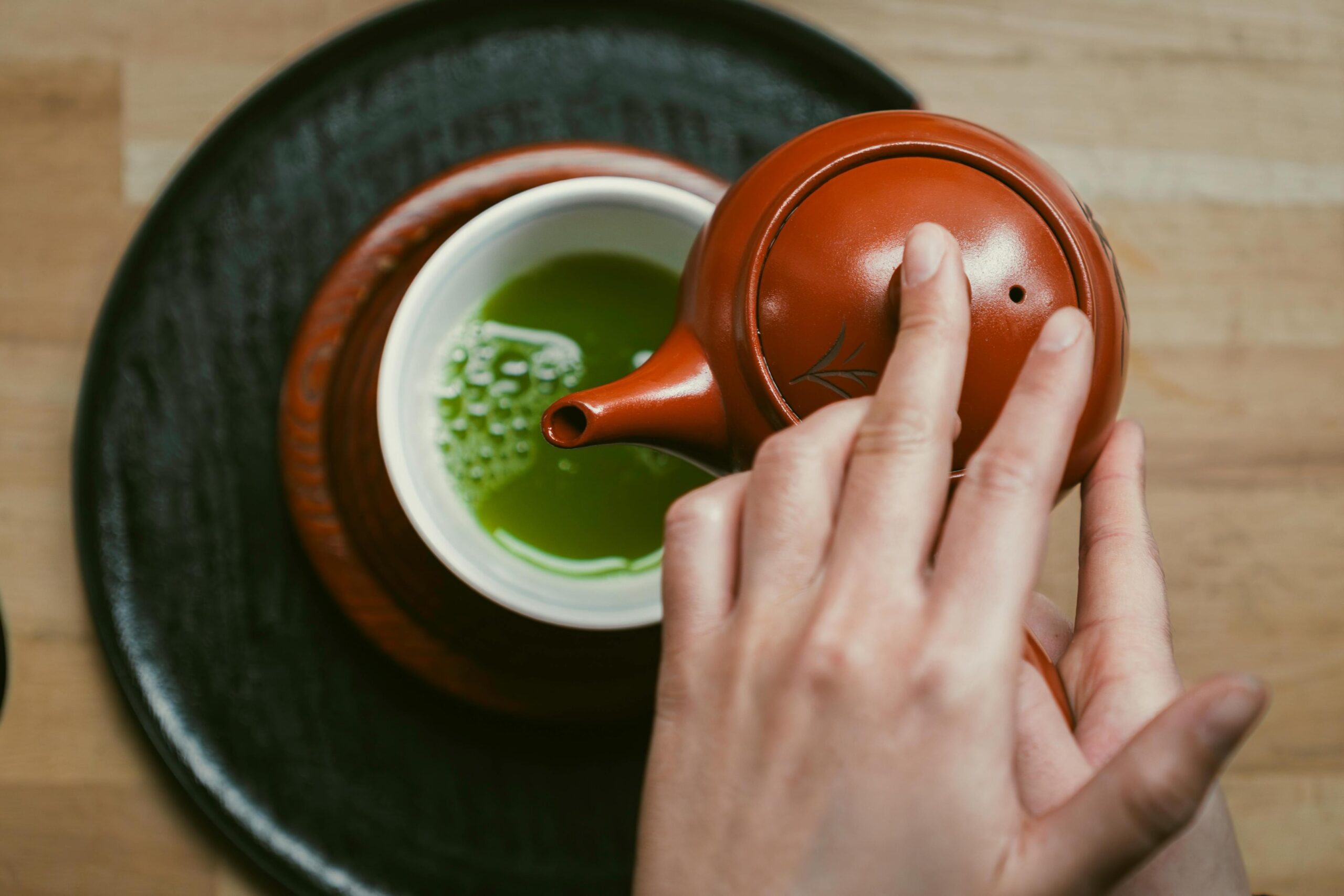
A traditional tea ceremony is a highly ritualized and choreographed event. It takes place in a purpose-built tea room (chashitsu) or a designated space, with every element—from the architecture to the utensils—carefully chosen to reflect the season and the specific occasion. The host’s graceful, deliberate movements in cleaning the tools, whisking the powdered green tea or japanese matcha, and serving the guests are a form of moving meditation. For guests, the experience is about appreciating the host’s hospitality (omotenashi), admiring the beauty of the teaware, and finding a moment of peace.
Matcha used in the tea ceremony is made from tea leaves that have been shaded weeks prior to harvest, called tencha, which are then ground into a fine powder. This powder is carefully whisked with hot water in a bowl to create a rich, frothy hot tea with a delicate flavor and rich aroma. Different grades of matcha, including ceremonial and culinary grade matcha, vary in flavor, caffeine content, and price.
This ancient practice continues to thrive in modern Japan. Tea schools like Urasenke, Omotesenke, and Mushakōjisenke have millions of practitioners, teaching the intricate art to new generations. For those wishing to learn more about the specific preparation of ceremonial matcha, our guide on authentic varieties offers detailed instructions.
Japanese Tea Varieties from the Tea Plant: Sencha, Gyokuro, Bancha, and Other Green Teas
Japan’s tea culture is not monolithic; it varies by region and tea type, each with its own distinct character and pride.
- Sencha: The most widely consumed type of Japanese green tea, made from the first and second harvest of tea buds and tea leaves. It is steamed to preserve its fresh, vegetal flavor and contains moderate caffeine and antioxidants.
- Gyokuro: A premium shaded green tea, harvested from tea bushes shaded weeks prior to picking, resulting in tea leaves with higher caffeine and amino acids. It produces a sweet, umami-rich flavor.
- Bancha: A lower grade tea made from later harvests, including bancha leaves and stems. It has less caffeine and a more robust, earthy taste. Bancha is commonly enjoyed after a meal, especially to aid digestion and provide a calming effect.
- Genmaicha: A unique combination of green tea mixed with roasted brown rice or roasted rice, offering a nutty aroma and mellow flavor. This blend is popular for its distinctive taste and lower caffeine content. Genmaicha is also often consumed after a meal to help with digestion and relaxation.
Other green teas such as kukicha (made from stems) and hojicha (roasted tea leaves) add to the variety of flavors and aromas in Japanese tea culture.
Japanese green teas, especially matcha, are also used to flavor and color various foods and desserts, such as mochi, soba noodles, and green tea ice cream.
Black Tea and Tea Production in Japan
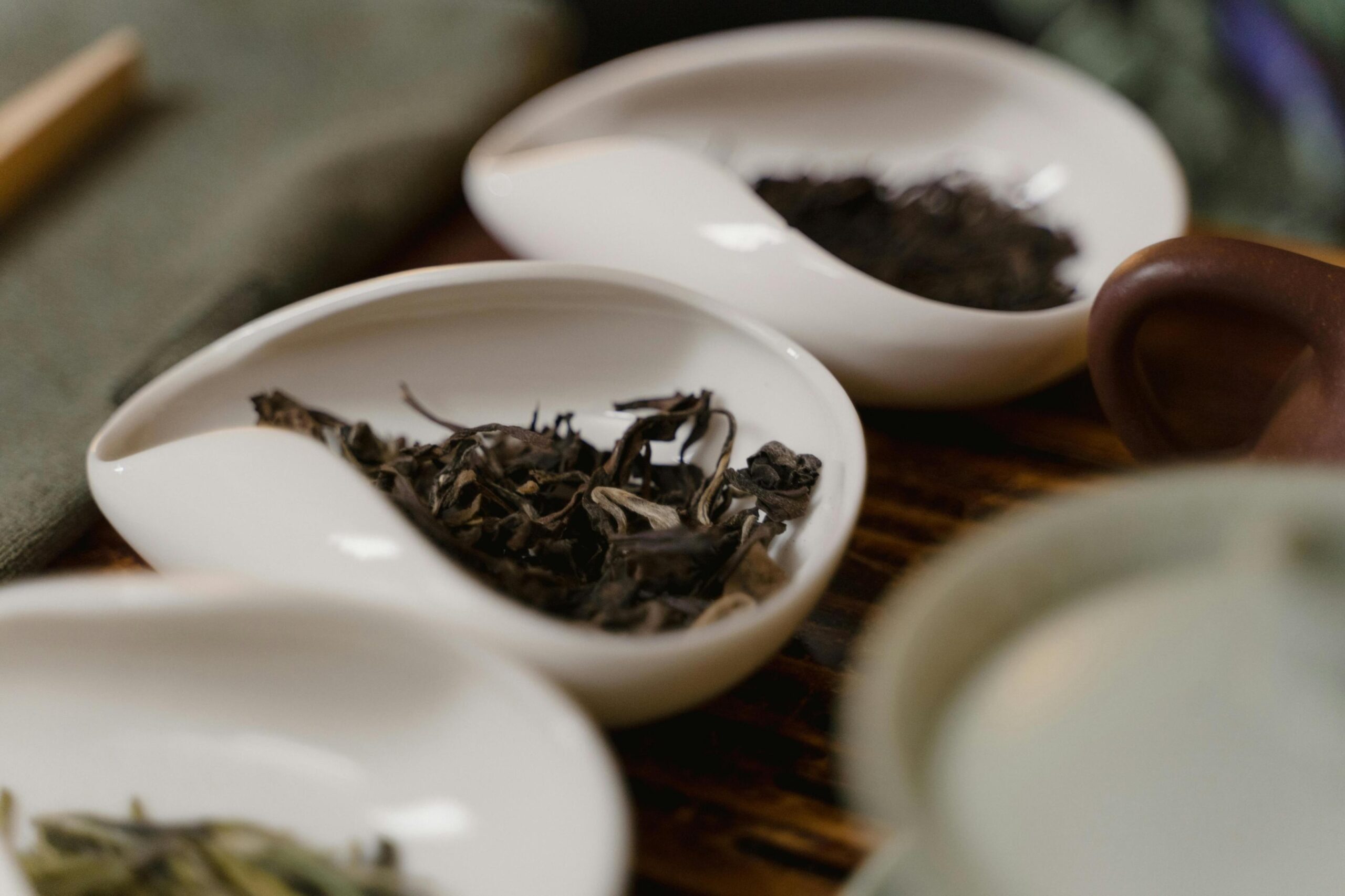
Though Japan is best known for its green tea, it also produces some black tea varieties, made from the same tea plant but processed differently. Japanese black tea undergoes full oxidation, resulting in a darker color and richer taste, often with less caffeine than other black teas.
Tea production in Japan involves careful tea cultivation and a drying process that preserves the unique flavors and nutrients of the tea leaves. Tea producers across regions like Shizuoka, Kagoshima, and Uji maintain traditional and modern methods to ensure high quality.
Green Tea and Japanese Culture: Health Benefits and Social Significance
Green tea is deeply embedded in Japanese culture, not only as a beverage but also as a symbol of hospitality and a source of health benefits. Rich in antioxidants, caffeine, and nutrients, drinking green tea is associated with improved digestion, mental alertness, and longevity.
The health benefits of green tea, matcha, and other Japanese teas are celebrated in both traditional medicine and modern science. The combination of caffeine and the amino acid L-theanine provides a balanced energy boost without the jitters associated with coffee.
Tea culture also influences social customs, gift-giving, and etiquette in Japan, reflecting the beverage’s role in daily life and ceremonial occasions.
Conclusion: Embracing the Unique Flavors and Traditions of Japanese Tea
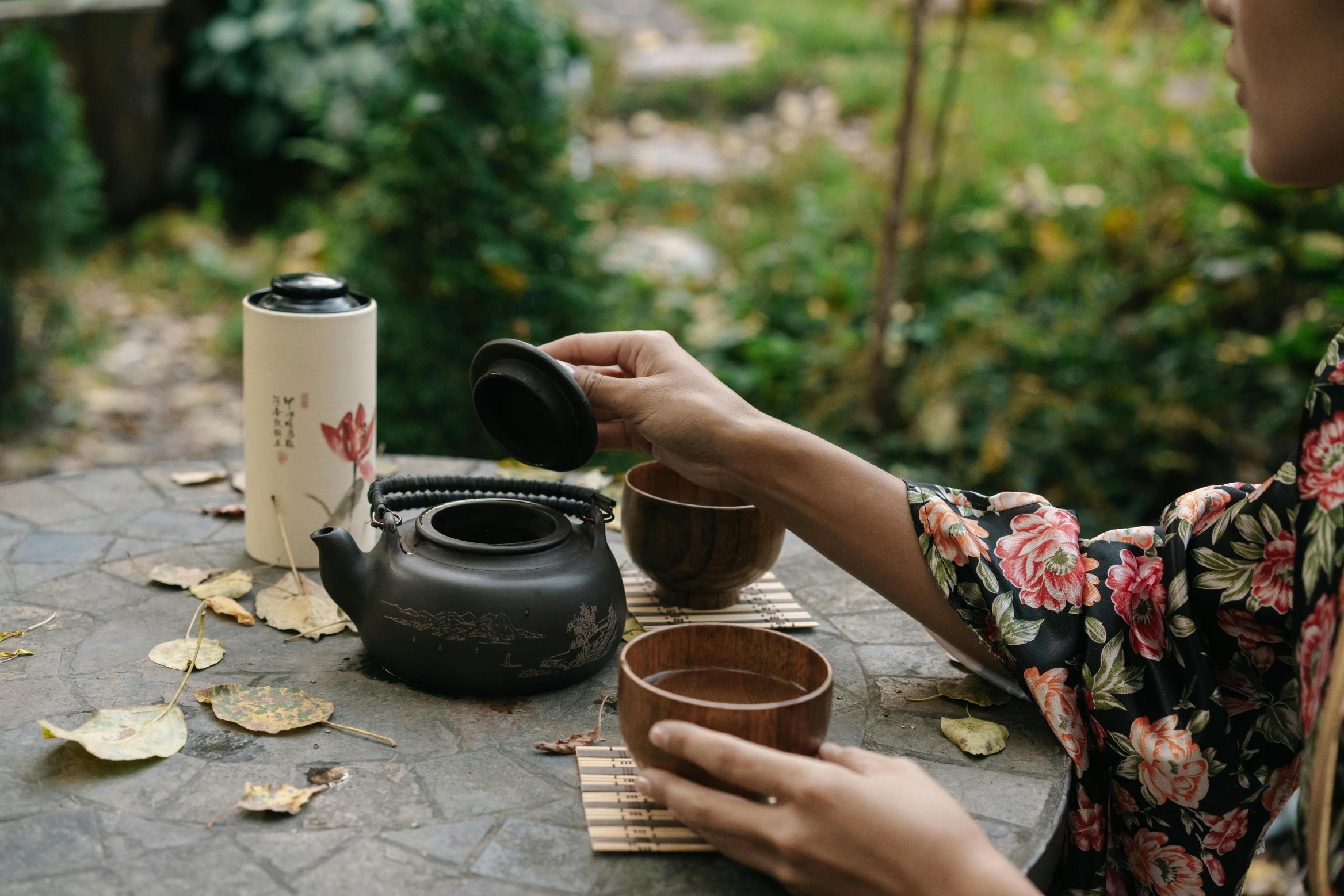
Green tea in Japan offers a rich tapestry of history, culture, and taste. From the delicate flavor of steamed sencha to the rich umami of shaded gyokuro and the powdered elegance of matcha, the diversity of Japanese tea reflects the country’s dedication to craftsmanship and tradition.
Whether consumed in a formal tea ceremony, enjoyed as a casual hot tea, or savored as a blend with roasted brown rice in genmaicha, Japanese tea invites the drinker to appreciate its unique flavors, aroma, and cultural significance.
The Japanese language reflects the rich diversity of tea culture, with unique names and terms for different teas—such as ‘sanpincha’ for jasmine tea—highlighting regional and traditional naming conventions.
For those interested in exploring further, our comprehensive guide to Japanese green tea varieties and brewing techniques provides detailed insights into the art of making tea and the joy of sipping this cherished beverage.

The Tea That Keeps Me Coming Back
I have a tea I return to more than any other. It is not rare. It is not expensive. In fact, most people would probably pass it by without a second thought. And yet, somehow, it has become a quiet companion over the years. I first drank it on a rainy afternoon. I had been…
-
Tie Guan Yin: The Iron Goddess of Chinese Oolong Tea
Tie Guan Yin, also known as Iron Goddess or Iron Goddess Oolong, is a celebrated Chinese oolong tea originating from Anxi County in Fujian Province, China. This tea from Anxi Fujian holds a special place among other teas due to its unique aroma, flavour, and rich cultural story. It is made from the tea plant…
-
Why Tea Shops Might Be the Last Quiet Places We Have
There is a growing habit in Singapore that I find both comforting and slightly unsettling. People are working everywhere now. Cafés, co-working spaces, neighborhood bakeries, even small corner shops. A laptop seems to turn any table into an office. And in many ways, this flexibility is impressive. It reflects how life has adapted to work,…
-
Why Not Every Tea Deserves Your Attention
Tea culture encourages curiosity. There are endless varieties, origins, and rituals to explore. Some teas are rare, some are aged, some are celebrated in distant mountains. The temptation is to try them all, to chase novelty in the hope that every cup will surprise you. But not every tea deserves your attention. I have learned…
-
Sipping Serenity: Where to Enjoy Chamomile Tea Singapore in the City
Singapore moves quickly. The trains run on time, the workdays stretch long, and the humidity outside rarely lets anyone slow down by choice. Yet within this busy rhythm, a quiet counter-current persists. People look for small pockets of stillness, and increasingly, they find one in a warm cup of chamomile tea. There is something fitting…
-
Why Some Teas Taste Better When Shared
I’ve always found that tea, more than most drinks, seems to gain something when shared. A cup alone can be comforting, quiet, even meditative. But a cup shared with someone else, whether a friend, a family member, or a stranger in a small tea house, somehow becomes richer, fuller, more alive. It’s not just the…
-
The Timeless Charm of Tea Culture Through English Breakfast Singapore
There is a small ritual I return to on the warmest Singapore afternoons. The city outside shimmers with heat, the air conditioning hums softly, and I reach for a familiar tin of English Breakfast tea. The kettle clicks, steam rises, and within a minute or two the kitchen fills with a warm, malty aroma that…
-
The Tea That Reminds Me of Home
I still remember the first cup of tea I drank after returning from a long trip. It was nothing remarkable, a simple black tea brewed in my kitchen but it tasted different from any cup I had drunk abroad. It wasn’t the leaves themselves. It wasn’t the water or the pot. It was the familiarity…
-
A Tea Lover’s Honest Review of Gryphon Tea Company Singapore
There is a particular hush that settles over my kitchen on a weeknight, after the dishes are done and the day finally loosens its grip. That is when I open a new box of tea from Gryphon Tea Company Singapore. Last week, the box belonged to Gryphon Singapore, and the moment I lifted the lid,…
-
Why Tea Can Teach Us About Mindful Consumption
I’ve been thinking a lot about waste lately. Not just the kind we notice-the piles of packaging, leftover food, discarded cups-but the quiet, everyday kind: the tea leaves left unused, the leaves steeped once and thrown away, the water poured down because the cup is “not perfect.” Tea has a way of making you notice…