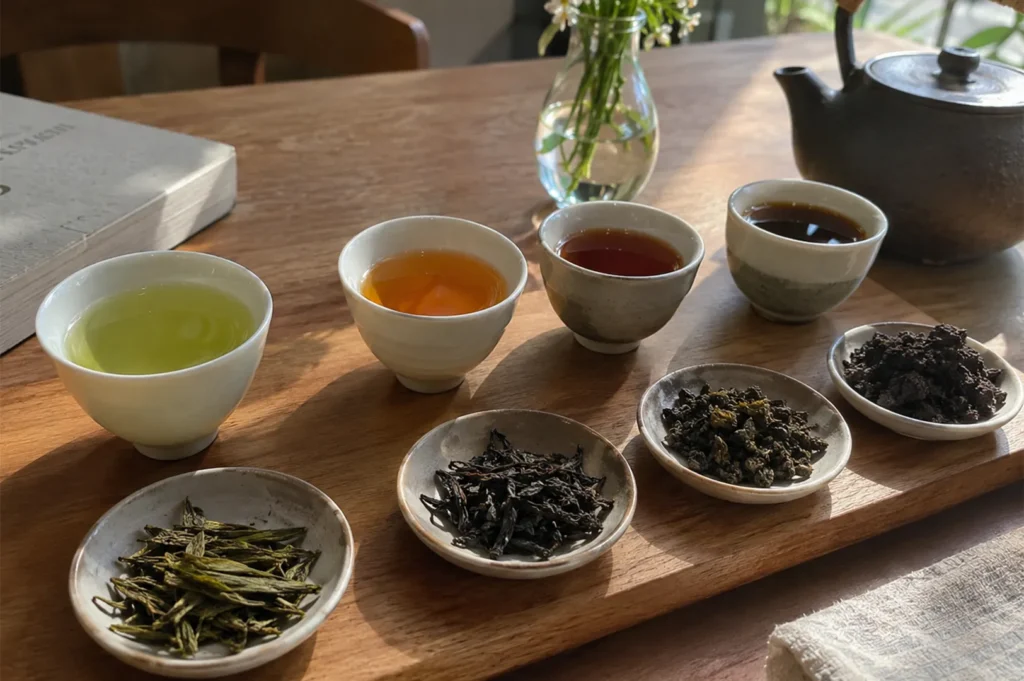
I have a feeling green tea has become the tea we’re all supposed to love.
It’s everywhere. Wellness conversations, morning routines, skincare trends, and those beautiful matcha drinks that somehow make an ordinary afternoon look more interesting.
And honestly, I get it.
Green tea can be wonderful. Fresh, grassy, sometimes sweet. But I’ve started wondering why we talk about it as though it’s the obvious choice, while darker teas barely get a mention.
Because what about a rich black tea? Or a roasted oolong? Or a Pu-erh that develops an entirely different character with age?
I think we’re missing quite a lot.
Somewhere along the way, green tea became associated with being healthier and more refined. Its antioxidants receive plenty of attention, while darker teas sometimes get treated as though processing has made them less valuable.
But tea isn’t quite that simple.
Black tea undergoes extensive oxidation, while oolong can fall anywhere across a broad spectrum. These processes change the leaves’ chemistry and flavour, but they don’t automatically make one tea better than another.
And personally, I’d rather choose my tea based on what I enjoy drinking.
There’s something lovely about the malty richness of Assam, the roasted depth of certain oolongs, or the earthy character of ripe Pu-erh. They’re different experiences, and not everyone will enjoy them equally.
That’s perfectly fine.
What bothers me is how easily trends become rules. We discover something popular, convince ourselves it’s the best option, and forget there’s an entire world beyond it.
Maybe that’s why I think the green tea obsession deserves a little questioning.
Not because green tea is overrated in itself, but because no single tea should define what good tea looks like.
Some days, a light green tea might be exactly what I want. Other days, something darker and fuller sounds much more appealing.
I don’t think we need to choose sides.
Green tea can keep its popularity.
I’d just like us to remember that some of the most interesting cups aren’t green at all.
— Maria Tan
On tea, culture, and everyday rituals.

The Art of Aging: Understanding Authentic Yunnan Pu-erh Tea
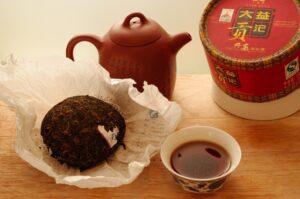
Among the world’s most revered fermented dark teas, few types evoke as much intrigue and respect as Yunnan pu erh tea (普洱). Crafted from ancient tea trees in Yunnan province, this tea produced by traditional methods is a living testament to China’s rich beverage heritage. Unlike most loose leaf tea or black teas, high-quality pu…

Cafe Singapore Says It Values Craft. So Why Is Tea an Afterthought?
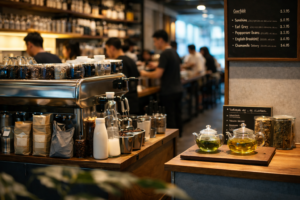
Singapore loves its café culture. We celebrate espresso machines. We admire single-origin beans. We debate tasting notes and extraction times like it is a sport. When someone says “Cafe Singapore,” most of us immediately picture coffee. But look at the tea menu. In many cafés, tea is reduced to a small corner of the page….
-
Tea from Japan: A Journey Through Culture, History, and Varieties
In Japan, tea is not merely a drink; it is a cultural cornerstone, a spiritual discipline, and an integral part of daily life. Tea is an important part of Japanese food culture, traditional ceremonies, and daily routines, reflecting its deep-rooted presence in society. The simple act of preparing and drinking Japanese tea is imbued with…
-
Sobacha: Exploring the Japanese Tradition of Roasted Buckwheat Tea (Sobacha)
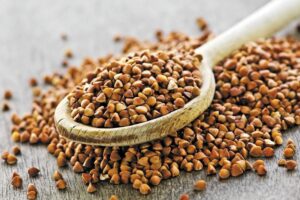
Beyond the celebrated world of Japanese green tea lies a treasure trove of comforting, traditional beverages. Among the most beloved is sobacha (そば茶), a nutty and wholesome roasted buckwheat tea. It’s a staple in Japanese households and restaurants, cherished not just for its delightful flavor but for its deep connection to Japanese culinary culture and…
-
Ginger Tea Singapore: A Practical Journey to Finding and Enjoying This Wellness Beverage
Ginger tea is more than just a comforting beverage in Singapore; it’s a staple of modern wellness, a go-to remedy for chasing away the chill of an air-conditioned office, and a familiar taste of home across many cultures. The gentle warmth of ginger tea provides a soothing and invigorating sensory experience, evoking feelings of coziness…
-
Beyond Coffee: Cafe Singapore Cafes Worth Visiting for Their Tea
Author’s Note: I made just a few tweaks here and there to smooth out the flow and make your reading experience as enjoyable as possible. Hope you enjoy the read as much as I enjoyed fine-tuning it for you! If you close your eyes and imagine a typical cafe Singapore scene, you’d likely hear the…
-
Green Tea in Japan: Exploring the Cultural and Social Dimensions of Green Tea in Japan
In Japan, green tea is more than just a beverage; it is a cultural cornerstone, deeply woven into the fabric of daily life, social customs, and national identity. It’s the welcoming drink offered to a guest, the quiet moment of reflection in a busy day, and the centerpiece of a centuries-old ceremony. While many are…

Singapore Ginger Tea: A Complete Guide to Traditional Wellness in the Lion City
In Singapore’s multicultural landscape, ginger tea is a beloved staple that transcends cultural boundaries. Known locally as teh halia, this warming brew embodies centuries of traditional wisdom adapted to modern Singapore life. Whether you seek relief from air-conditioned chill, digestive support after a big meal, or a refreshing sip on a rainy day, Singapore ginger…
-
Loose Tea Leaves: Elevate Your Singapore Tea Experience
In a city that moves as fast as Singapore, the simple act of brewing a cup of tea can feel like a small rebellion—a moment of intentional calm. More and more tea lovers are discovering that this moment is profoundly elevated when they make the switch from conventional tea bags to loose tea leaves. This…
-
Tea Leaf Singapore: An Exquisite Journey of Flavours, Traditions, and Moments
Singapore’s strategic position as a maritime trading hub has nurtured a rich tea culture where ancient traditions blend with modern innovation. The local love for tea runs deep, shaping Singapore’s unique tea culture and fostering a strong appreciation for every cup. Singapore continues to honor its tea traditions while embracing new innovations, ensuring that the…