I have a feeling green tea has become the tea we’re all supposed to love.
It’s everywhere. Wellness conversations, morning routines, skincare trends, and those beautiful matcha drinks that somehow make an ordinary afternoon look more interesting.
And honestly, I get it.
Green tea can be wonderful. Fresh, grassy, sometimes sweet. But I’ve started wondering why we talk about it as though it’s the obvious choice, while darker teas barely get a mention.
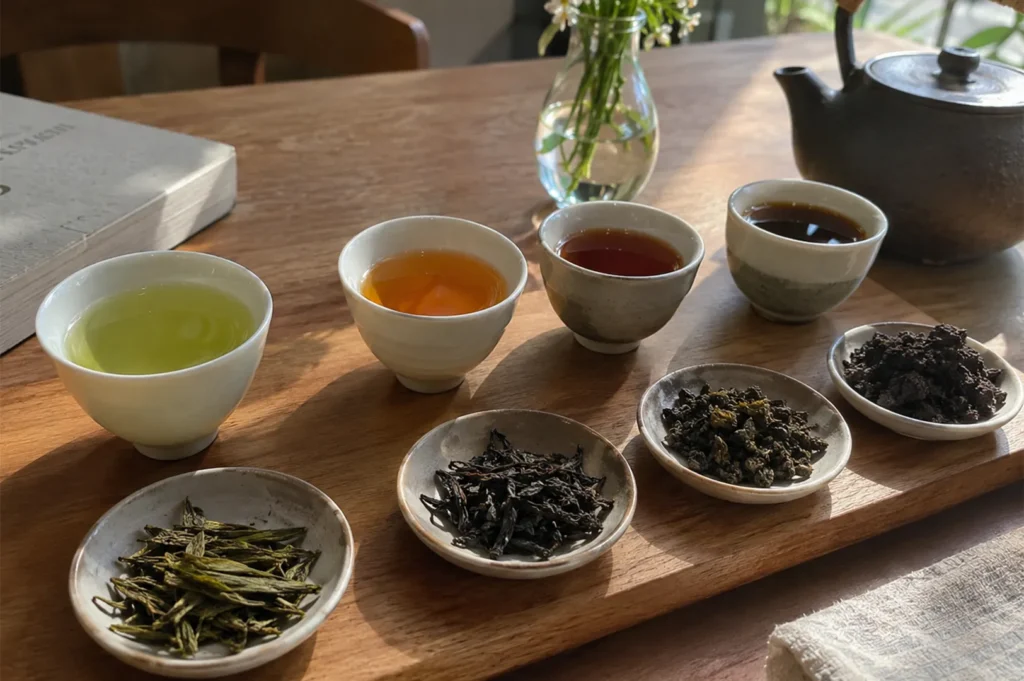
Because what about a rich black tea? Or a roasted oolong? Or a Pu-erh that develops an entirely different character with age?
I think we’re missing quite a lot.
Somewhere along the way, green tea became associated with being healthier and more refined. Its antioxidants receive plenty of attention, while darker teas sometimes get treated as though processing has made them less valuable.
But tea isn’t quite that simple.
Black tea undergoes extensive oxidation, while oolong can fall anywhere across a broad spectrum. These processes change the leaves’ chemistry and flavour, but they don’t automatically make one tea better than another.
And personally, I’d rather choose my tea based on what I enjoy drinking.
There’s something lovely about the malty richness of Assam, the roasted depth of certain oolongs, or the earthy character of ripe Pu-erh. They’re different experiences, and not everyone will enjoy them equally.
That’s perfectly fine.
What bothers me is how easily trends become rules. We discover something popular, convince ourselves it’s the best option, and forget there’s an entire world beyond it.
Maybe that’s why I think the green tea obsession deserves a little questioning.
Not because green tea is overrated in itself, but because no single tea should define what good tea looks like.
Some days, a light green tea might be exactly what I want. Other days, something darker and fuller sounds much more appealing.
I don’t think we need to choose sides.
Green tea can keep its popularity.
I’d just like us to remember that some of the most interesting cups aren’t green at all.
— Maria Tan
On tea, culture, and everyday rituals.

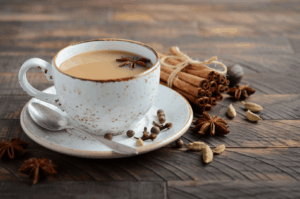
Masala Chai Origins: The Cultural Evolution of India’s Spiced Tea Tradition
The rhythmic clanging of metal kettles echoes through narrow lanes as steam rises from countless chai stalls across India. The intoxicating aroma of cardamom, cinnamon, and fresh ginger mingles with robust black tea, creating an olfactory symphony that has captivated souls for centuries. This is masala chai-not merely a beverage, but a cultural phenomenon that…
-
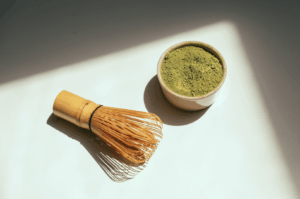
Matcha Tea: The Versatile Japanese Green Tea Powder
The vibrant green powder that transforms simple hot water into liquid jade has captivated tea enthusiasts worldwide. Matcha tea represents more than just a trendy beverage-it’s a bridge connecting ancient Japanese traditions with modern culinary innovation. This unique form of powdered green tea offers endless possibilities, from meditative ceremonial drinking to creative kitchen applications that…
-
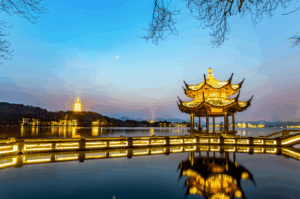
The Dragon Well Legacy: Exploring China’s Legendary Longjing Tea
Among the world’s most revered green teas, few carry the prestige and cultural significance of China’s legendary Dragon Well. This premium tea has captivated tea enthusiasts for centuries, earning its place as an imperial favourite and modern icon alike. From its mystical origins at West Lake to its meticulous processing methods, Longjing represents the pinnacle…