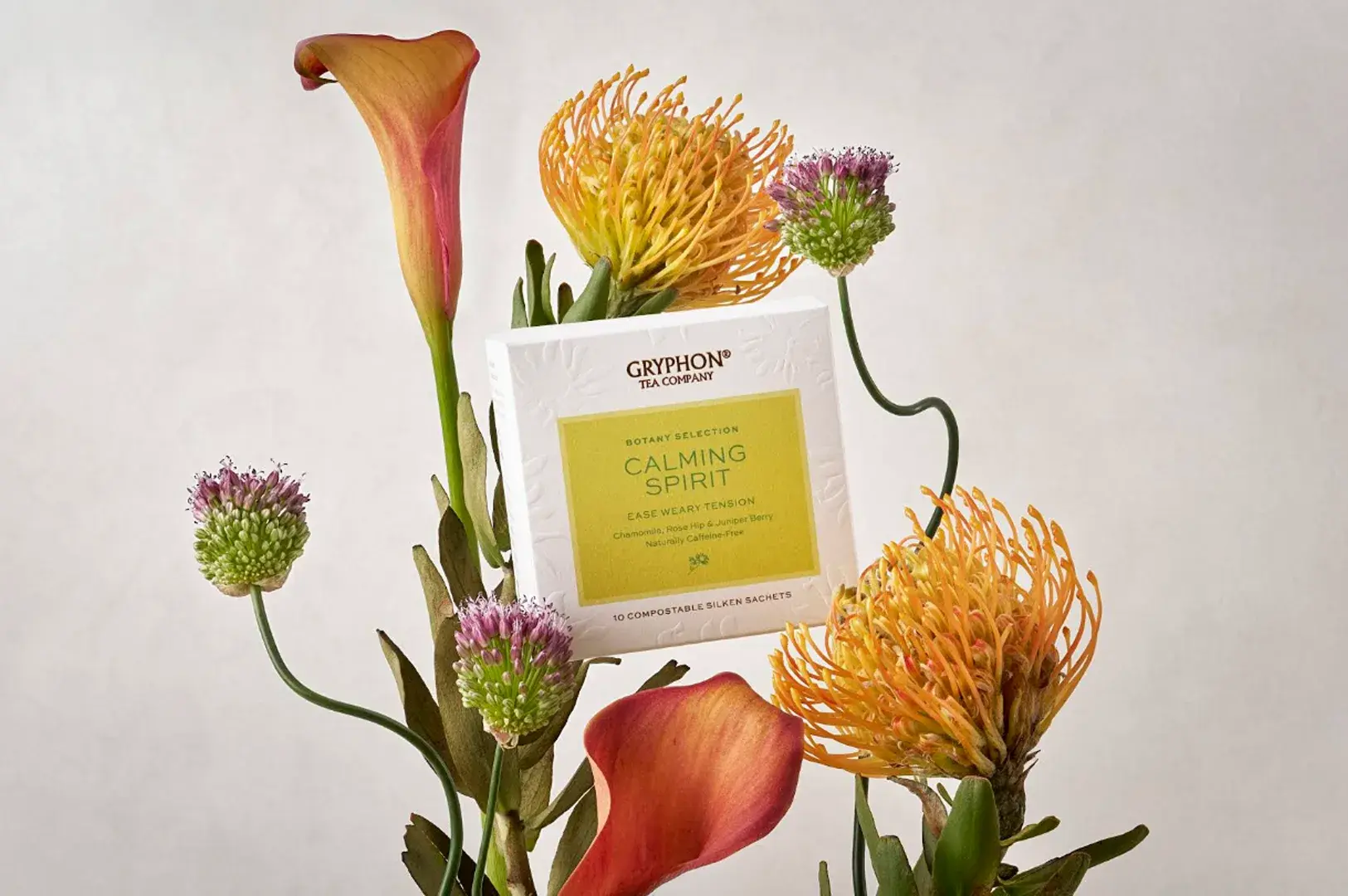
There is a particular hush that settles over my kitchen on a weeknight, after the dishes are done and the day finally loosens its grip. That is when I open a new box of tea from Gryphon Tea Company Singapore. Last week, the box belonged to Gryphon Singapore, and the moment I lifted the lid, a soft cloud of bergamot and lavender drifted up to meet me, showcasing the brand's art and craft of layering botanicals and distilling ingredients into harmonious brews.
Gryphon may feel like a longstanding Singapore name, but the brand itself was founded in 2006, drawing on a family tea legacy that stretches back to 1918. But I had never sat down to really taste their range with intention. So I gathered a small collection and gave myself a quiet few evenings to judge them properly.
I wanted to assess the things that actually matter: taste, aroma, balance, value, packaging, how they hold up as gifts, and whether the quality stays consistent across blends. This is my honest account, sip by sip, of a brand that embodies the art and science of tea making.
What Gryphon Tea Company Feels Like as a Singapore Tea Brand
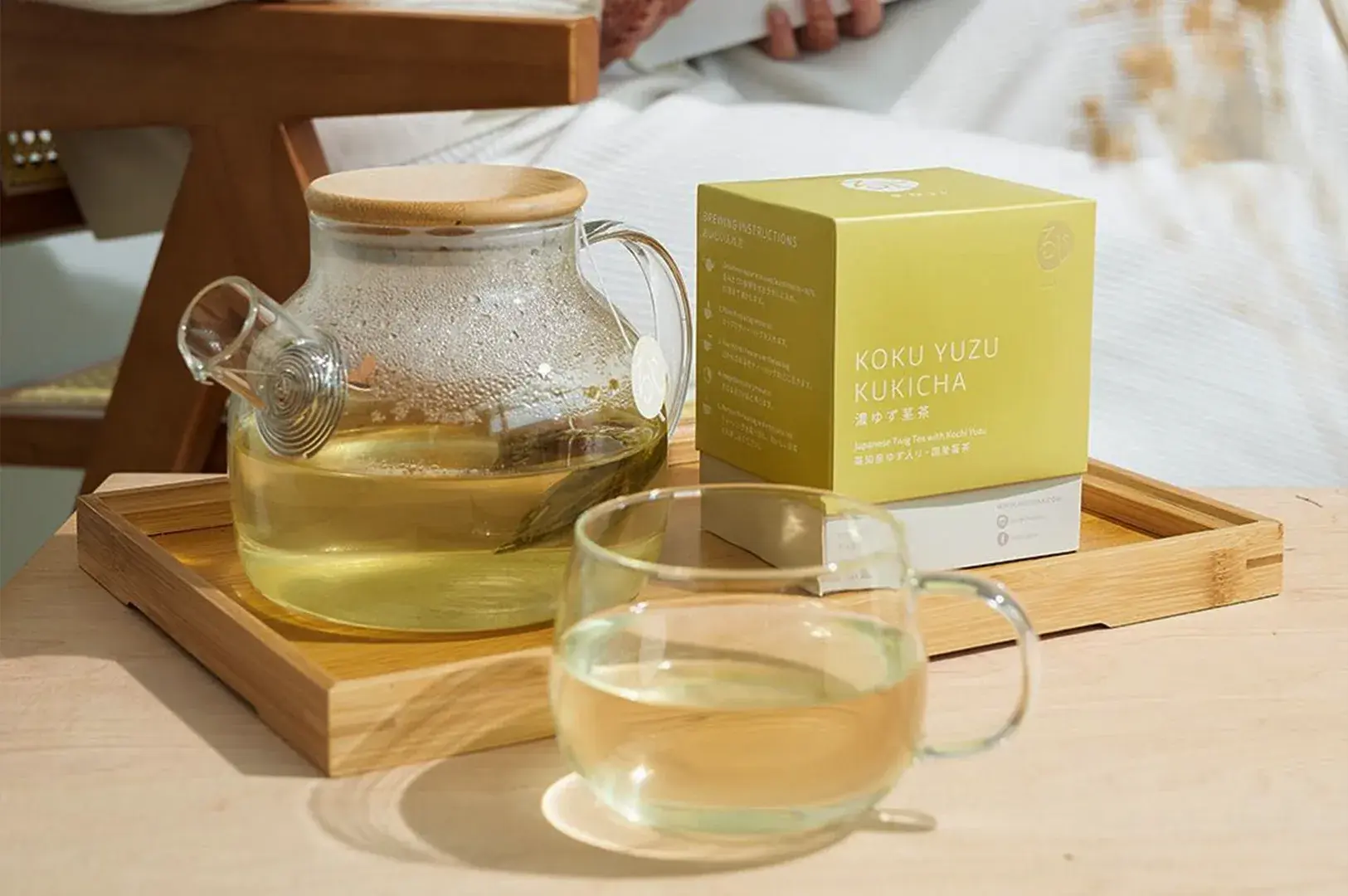
Gryphon Tea Company is an Asian artisanal tea brand built on nearly a century of family-owned heritage. Gryphon embodies the vision and craftsmanship that come from a long journey of creativity and innovation. The teas are not shy; they lean into flavour and emotion, often named after places and feelings rather than plain leaf types.
What strikes me most is how local it feels, even when the inspiration roams across vineyards and souks. This is a brand that understands gifting and the senses in Singapore, where a thoughtful box of tea quietly says more than words often can. Gryphon's monogram on the packaging is a sign of quality and care, inviting guests and customers alike to discover the finest blends.
You see Gryphon served across hospitality outlets here, which gives it a certain familiarity. It sits in that comfortable middle ground: more considered than supermarket teabags, yet far more approachable than the intimidating world of rare loose leaf. This balance is a testament to Gryphon's purpose: to bring simple delight to everyday moments.
My Ordering Experience and What I Actually Tried
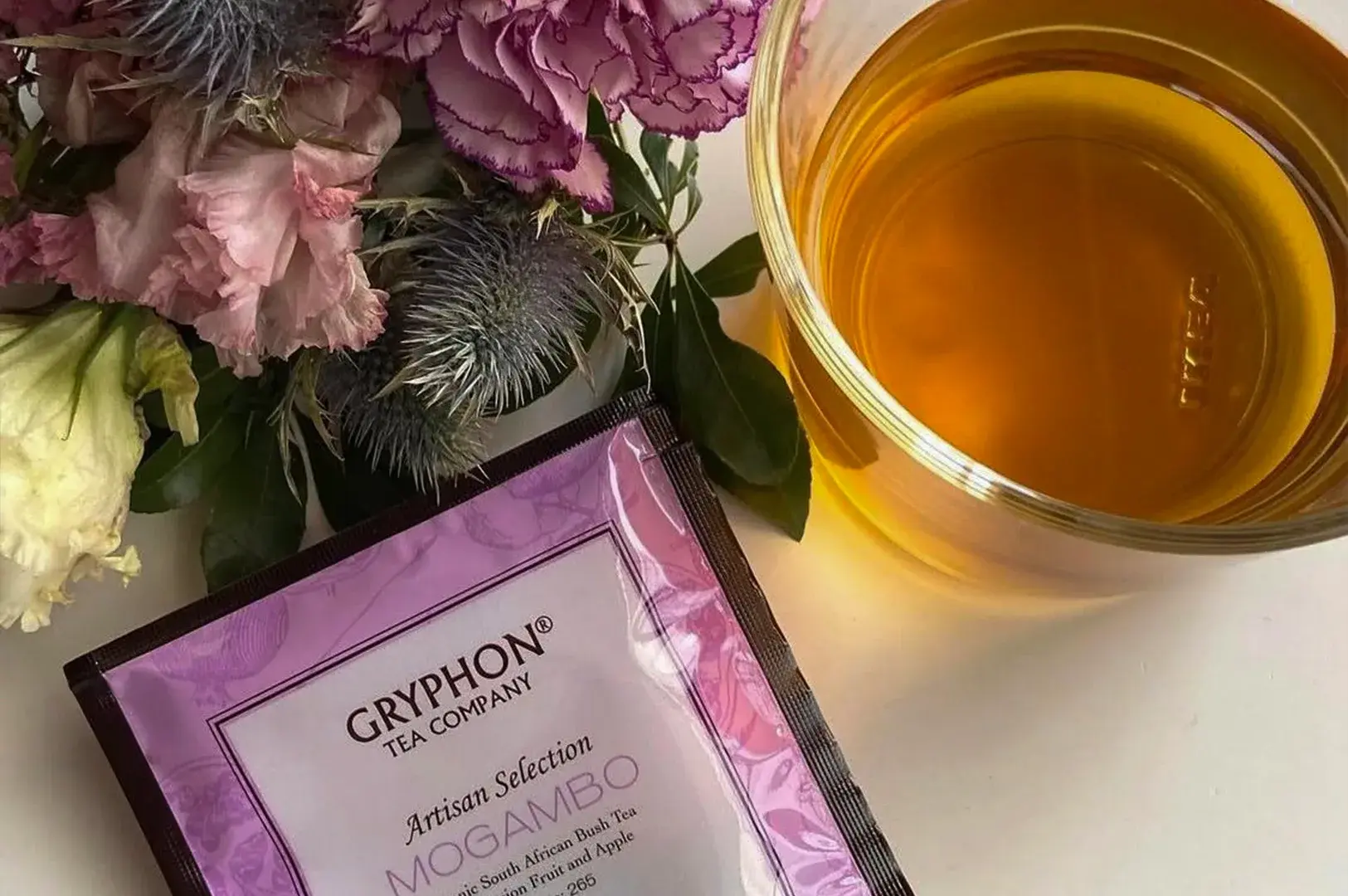
There were only a handful of other shoppers, and the staff were unhurried and warm. When I asked about the difference between two floral blends, the answer came quickly and without any pressure to buy. I appreciated that. Nobody hovered.
The browsing itself is pleasant because the packaging invites you to pick things up. I left with a generous armful and supplemented it later through local delivery, which arrived promptly and well sealed.
What I chose to try ranged across the Gryphon Tea Company's personality. A few classics, a couple of florals, some herbal blends, and two of the gift-ready assortments. Here is how they tasted.
Tasting Notes (The Part Everyone Actually Wants)
Earl Grey Lavender ($12.91)
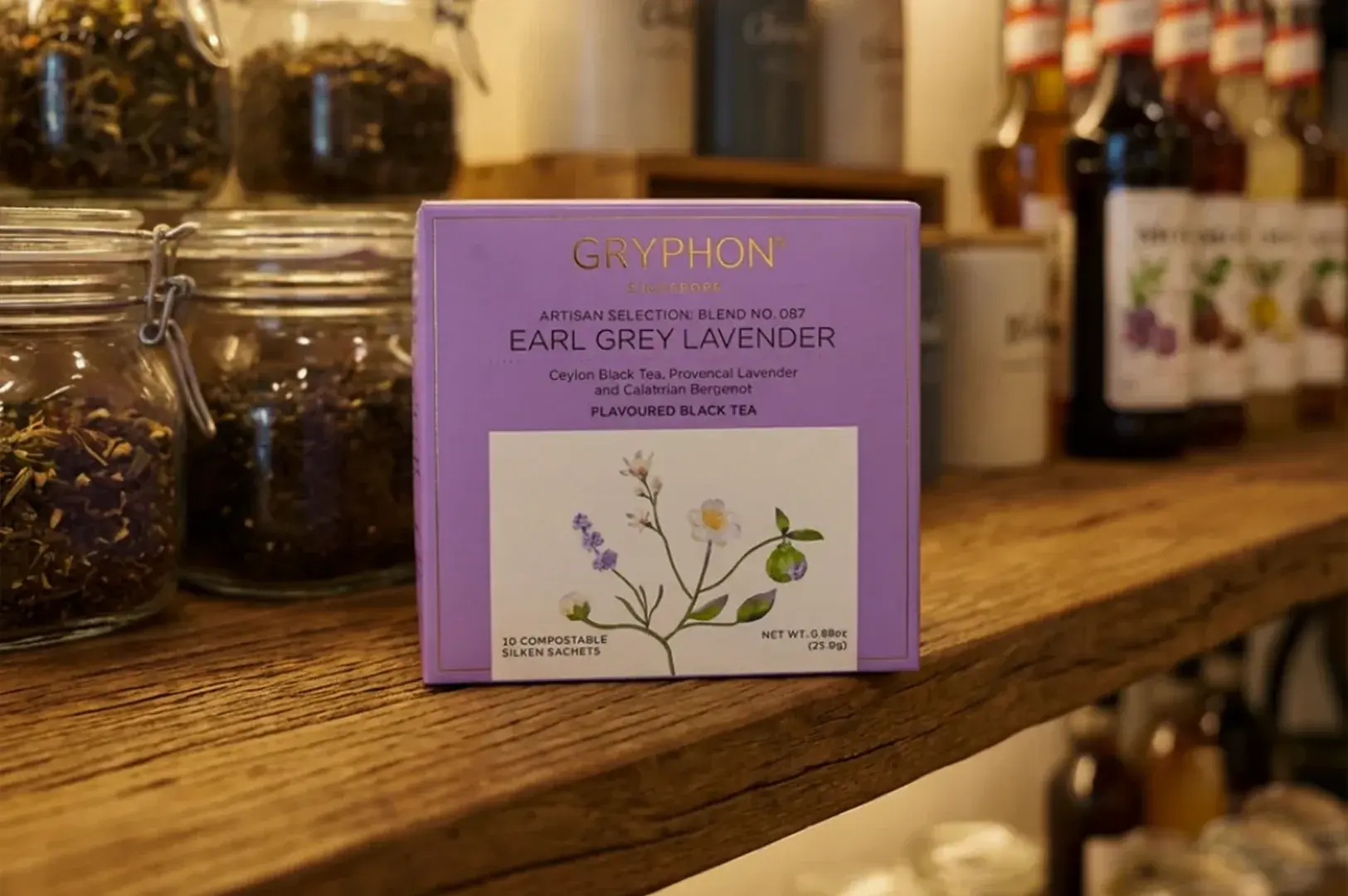
The aroma is the first thing that won me over, all bright bergamot wrapped in a powdery whisper of French lavender. My first sip was smooth and rounded, the black tea base holding firm beneath the floral lift.
Mid-palate, the lavender threatens to take over, but it never quite does. The finish is clean with a gentle, drying astringency that asks for a second sip. This 1-star Great Taste winner suits anyone who loves a classic with a romantic twist. Brew it a touch shorter if you prefer the bergamot to lead.
Earl Grey Lavender is part of Gryphon Tea Company Singapore's celebrated product series, which highlights their commitment to blending traditional Asian ingredients with modern techniques. This blend reflects the brand's story of nearly a century's heritage and their dedication to ethical sourcing and sustainability.
As one of the signature flavors, alongside Pearl of the Orient, it showcases Gryphon's expertise in crafting artisanal teas that appeal to both casual drinkers and connoisseurs. Whether enjoyed in a quiet moment at home or served in a hospitality setting, this tea embodies the balance of flavor and emotion Gryphon is excited to share with its partners and customers alike.
Muscat Beauty ($12.91)
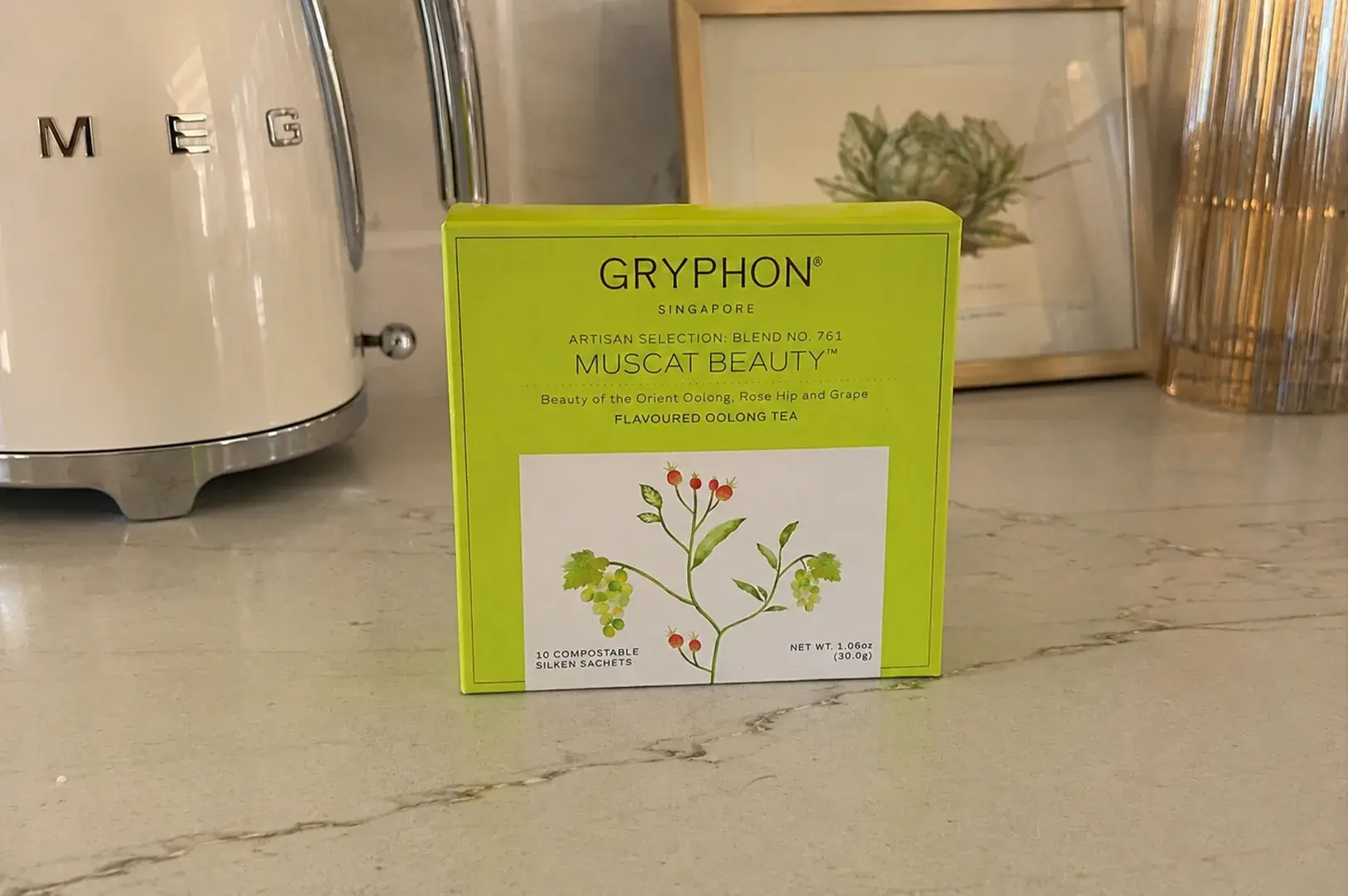
Here is the surprise of the bunch. The aroma is unmistakably juicy, all ripe grape with a whisper of stone fruit. It smells almost like a dessert wine before you sip.
The oolong base gives it body, while rose hips add a soft tartness mid-palate. The finish carries a mild acidity that keeps everything balanced rather than cloying. Halfway through the cup, I found myself slowing down to savour it. Fruit-forward sippers will love this one, hot or gently chilled.
This blend is part of Gryphon Tea Company Singapore's Artisan Selection, which features globally inspired loose-leaf teas and unique blends crafted with care. The brand has decided to innovate by combining traditional Asian ingredients with modern tea-making techniques, ensuring each cup delivers a distinctive experience.
Gryphon's commitment to quality is evident in every sip, making it a delightful addition to any tea pantry. The company also emphasizes ethical sourcing and sustainability, aligning with the values of many modern tea enthusiasts.
British Breakfast ($12.91)
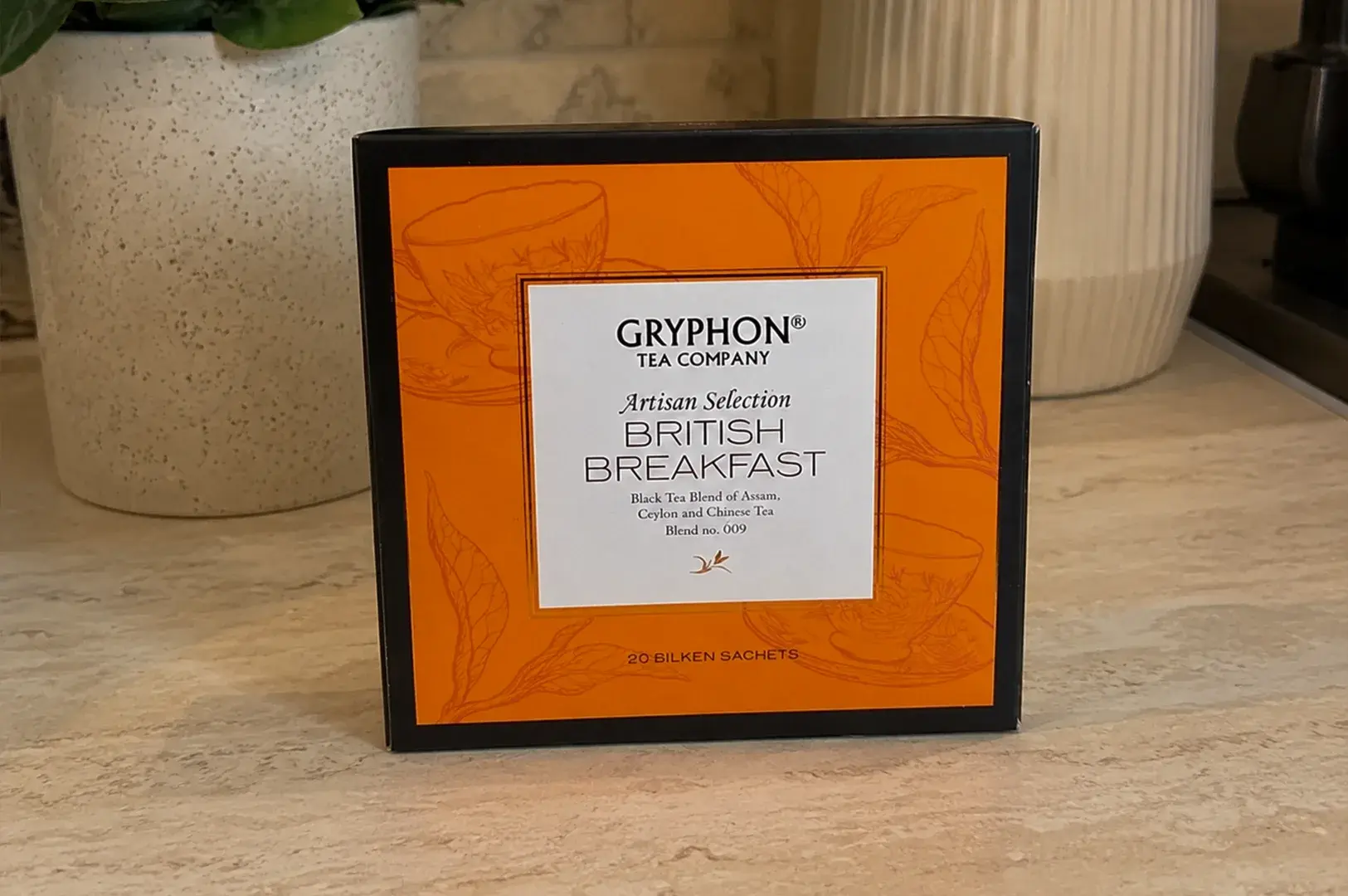
Sometimes you want something dependable, and this is it. The aroma is malty and warm, with a faint floral lift from the high-grown Ceylon tea.
The first sip is robust without being harsh, the Indian tea base giving structure while the African tea lends a caramel-like sweetness. Mid-palate it is brisk, and the finish is full with a satisfying tannic grip. This is for morning people and milk-tea lovers. A splash of milk rounds it beautifully.
If you are a DBS cardholder, purchasing Gryphon Tea Company Singapore products can sometimes come with exclusive promotions, making it a great time to try their offerings.
Lemon Ginger Mint ($12.91)
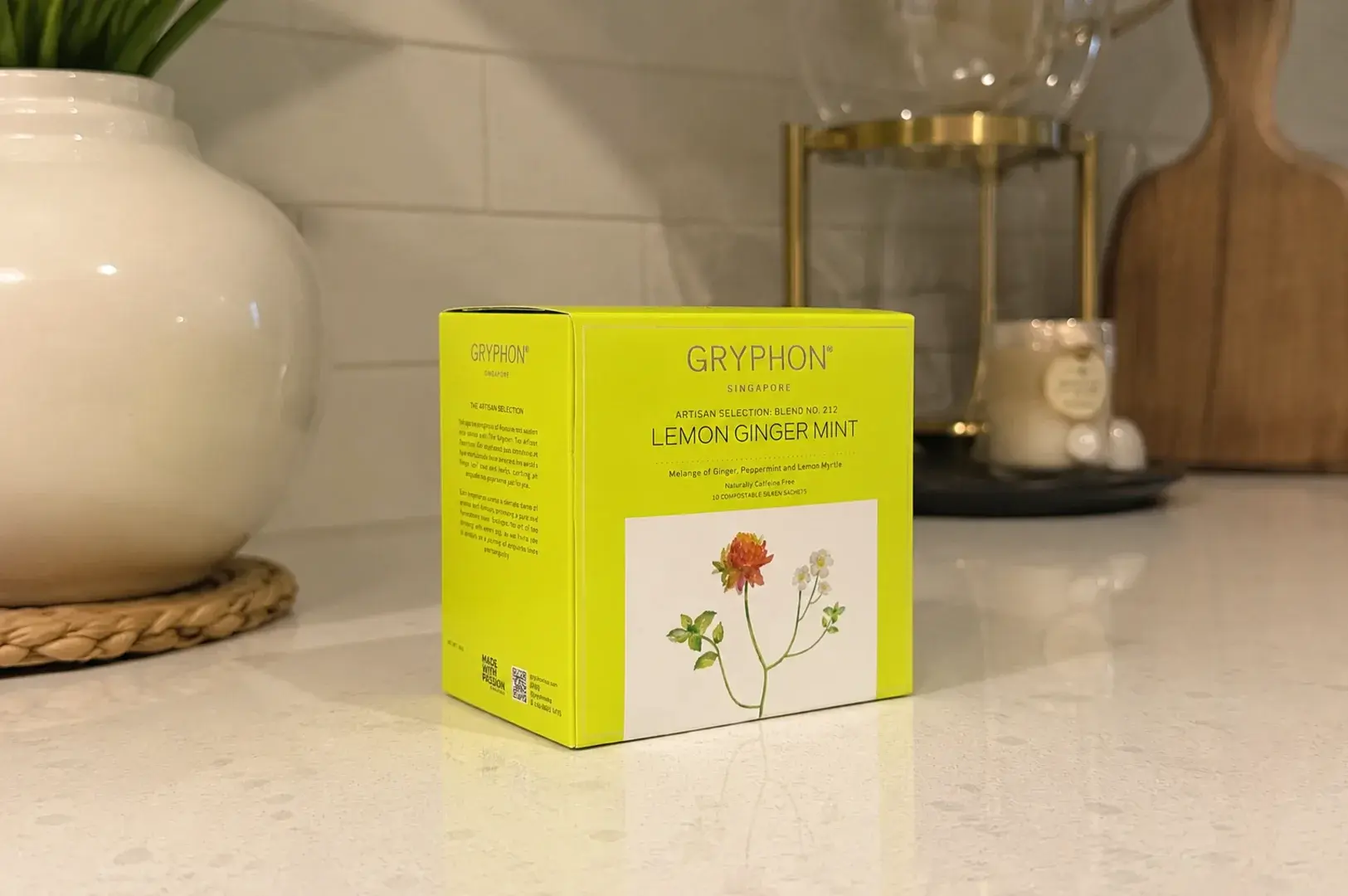
This blend smells like a remedy in the kindest sense, zesty lemon myrtle leading, ginger warming underneath, peppermint cooling the edges. The first sip is lively and clean.
Mid-palate, the ginger gives a gentle, comforting heat, while the mint keeps things refreshing. The finish is bright with no bitterness. It is wonderful when you feel sluggish or slightly unwell. I find it especially soothing iced on a humid Singapore evening.
As part of Gryphon Tea Company Singapore's diverse tea offerings, Lemon Ginger Mint is a caffeine-free herbal blend combining peppermint, ginger, lemon peel, lemon myrtle, galangal, and lemongrass. Its mix of citrus, spice, and mint places it firmly within Gryphon's approachable range of herbal teas, without relying on specific wellness or medicinal claims.
This artisanal tea blend reflects Gryphon's approach to combining familiar botanicals into an approachable caffeine-free herbal tea with citrus, spice, and mint notes.
Packaging, Gifting, and Value (What You're Paying For)
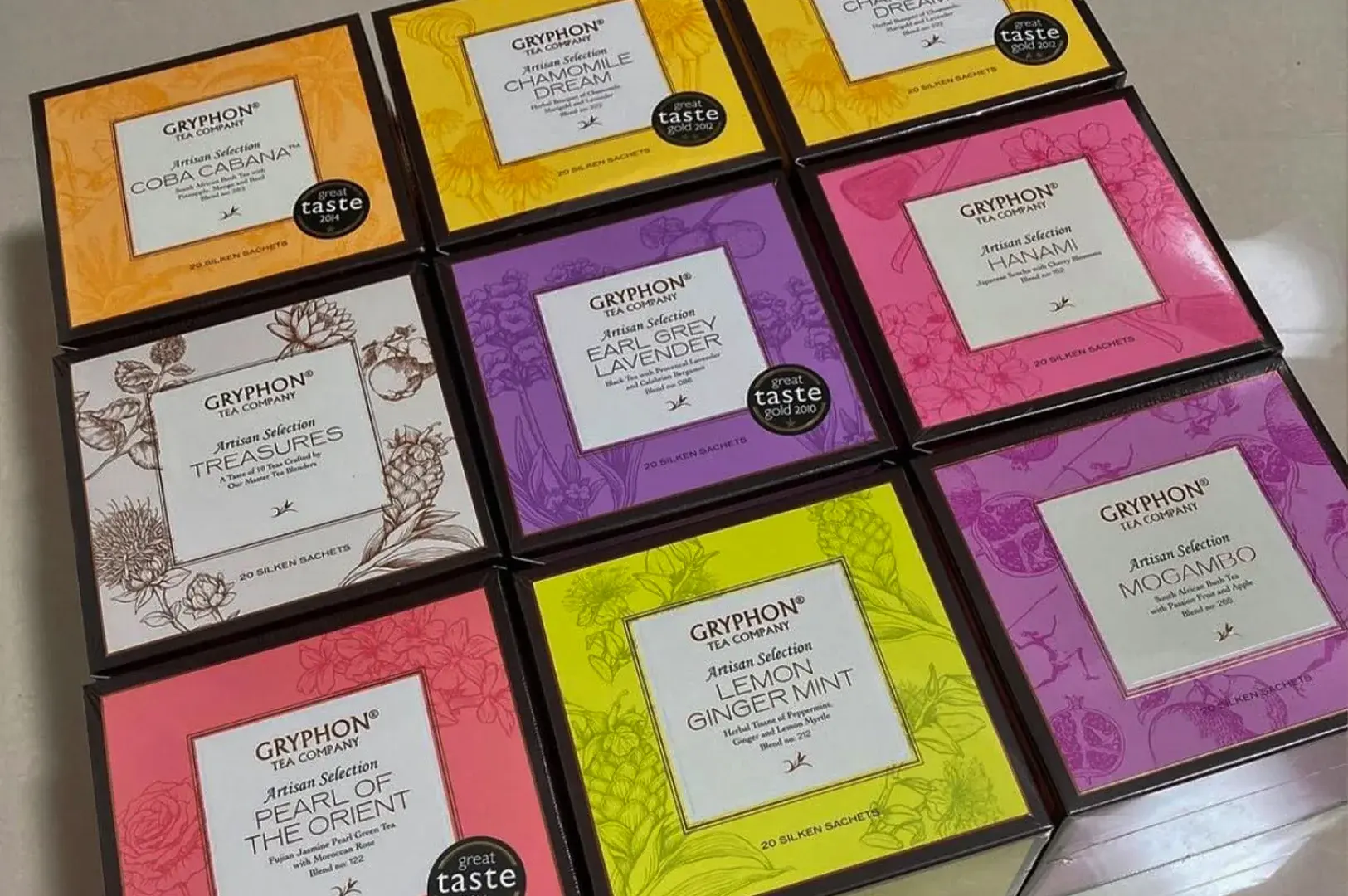
The packaging is genuinely lovely and a sign of Gryphon's dedication to craftsmanship. The boxes feel considered, the silken sachets are individually wrapped, and they are biodegradable, which I appreciate more with each passing year.
For gifting in Singapore, the assortments are the obvious heroes. The Botany Self-Care Assortment ($25.14) gathers sixteen sachets including Aromatherapy in a Cup, Calming Spirit, Miracle Day, and Wonderfull. The Botany Functional Assortment ($25.14) does similar duty with Belly Happy, Bullseye, Smooth Relief, and Wanderlust.
These make thoughtful presents because they offer variety without forcing the recipient to commit to one flavour. At those prices, they feel generous yet accessible.
For everyday value, the single boxes at $12.91 are fair, though you are paying partly for the artisanal blending and the beautiful presentation. The larger boxes like Coba Cabana ($22.20) and Contessa Grey ($22.20) give you more sachets and feel like better value per cup if you find a blend you love.
The Honest Downsides (Because No Brand Is Perfect)
No brand is flawless, and Gryphon has a few quirks worth flagging. A handful of the floral blends read slightly perfumey, especially if you oversteep them. The lavender and rose can tip from elegant to soapy if you are heavy-handed.
The function-forward branding is another small snag. Names like Belly Happy or Celestial Eyes promise wellness outcomes, and while the teas taste pleasant, I would judge them on flavour rather than any medicinal magic. Manage your expectations there.
Value can also feel uneven. A ten-sachet box at $12.91 disappears quickly if tea is your daily ritual, so the larger formats make more sense for committed drinkers. Finally, stock availability fluctuates, and I noticed several blends sold out online, so popular favourites may need a little patience to track down.
Who Gryphon Tea Company Is Best For (and Who Should Skip)
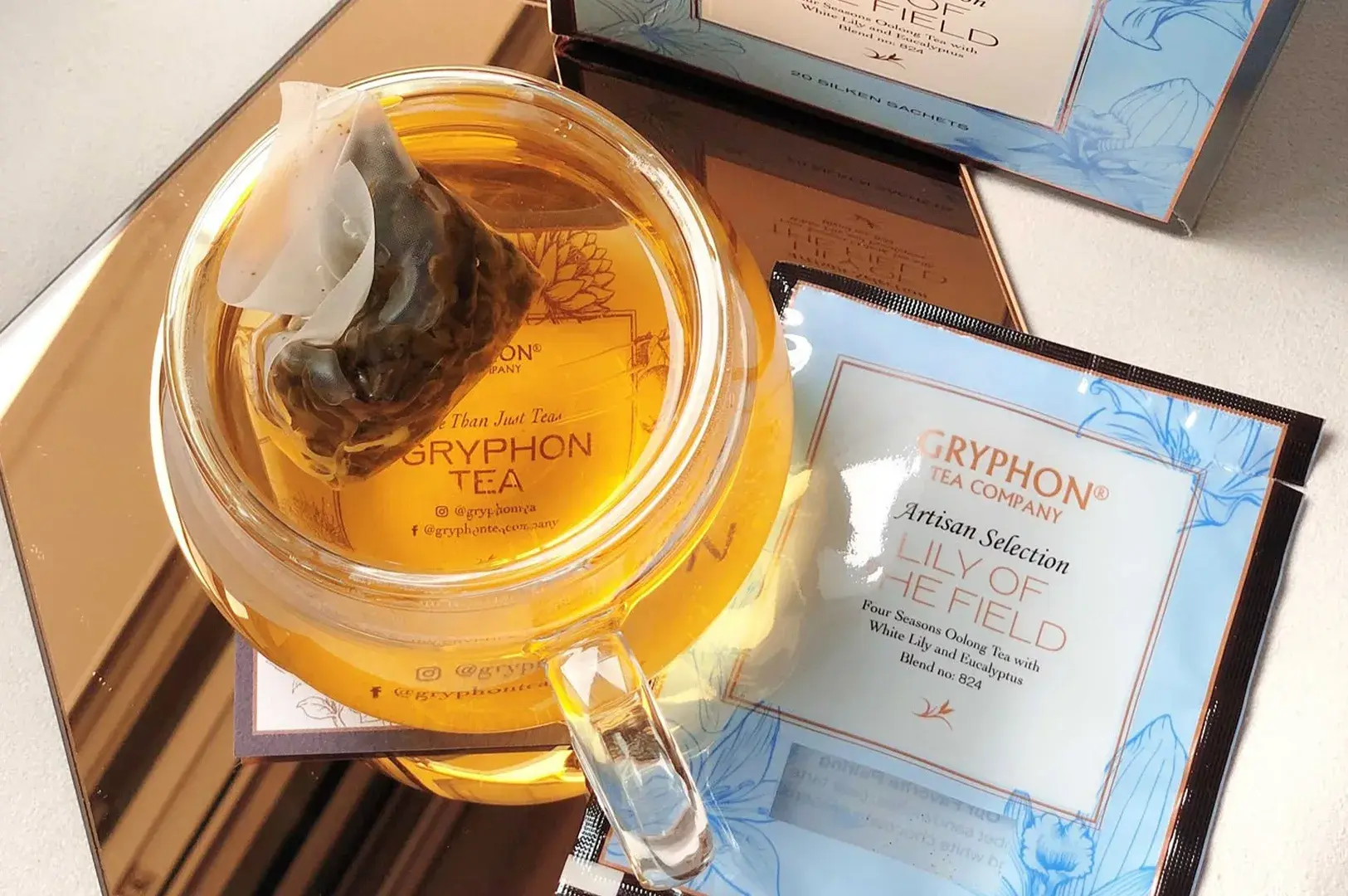
- Perfect for floral and fruit-forward tea lovers who enjoy aromatic, expressive blends.
- Perfect for anyone hunting a tea gift set in Singapore that looks polished and feels thoughtful.
- Perfect for newer tea drinkers who want approachable flavour without fussy brewing.
- Perfect for office or bedside variety, thanks to the assortments and caffeine-free options.
- Avoid if you crave traditional, unflavoured single-origin loose leaf tea above all else.
- Avoid if you dislike pronounced floral or scented profiles.
- Avoid if you want maximum cups per dollar over presentation and blending artistry.
A New Chapter in My Tea Journey with Gryphon
So, would I go back? Yes, gladly. Gryphon tea company continues to bring the finest blends to Singapore's community, creating moments of delight and connection. This new chapter in my tea journey is marked by appreciation for the art, science, and craftsmanship that Gryphon embodies.
If you are new to the brand, I would start with Osmanthus Sencha for its award-winning balance, or Earl Grey Lavender if you want a familiar classic with character. If you are buying for someone else, reach for one of the Botany assortments and let them discover their own favourite.
Brew a pot this week, sit with it properly, and let the aroma find you before the first sip does. That small pause, I think, is the real gift here, a sign of love for tea, for creativity, and for the simple pleasures that make a day good.
If you want to explore tea in different places in Singapore, read our articles here: Where Tea Meets Cuppage Plaza Food
There is a belief in tea that we rarely question. If something costs more, it must be better. It is an understandable assumption. A rare tea from a respected region, carefully harvested and beautifully packaged, naturally creates expectations. We associate price with effort, craftsmanship, and quality. And often, that connection is justified. But not always….

The Seasons in a Tin: How Weather Shapes What I Reach For
I have a small habit that I never really noticed until recently. The weather changes, and somehow, so does the tea I want. On a hot afternoon, I find myself reaching for something light and floral. When rain settles over the windows, I want something darker, warmer, perhaps a little more comforting. On those rare…
-
Ginger Lily Afternoon Tea on Orchard Road: A Floral Chapter in Singapore’s Culinary Story
I noticed the ginger lily flowers before I noticed anything else. Not real ones, exactly. A wall of them, suspended in resin, catching the light as I stepped off the lift on Level 5 at Hilton Singapore Orchard, home to Ginger Lily, a floral-themed afternoon tea lounge on Orchard Road. I stood there a second…
-
Minimalism, But Make It Warm: A Simpler Way to Drink Better Tea
There is a certain irony about tea. The more we learn about it, the easier it becomes to complicate it. A simple cup of leaves and water slowly becomes surrounded by equipment, measurements, techniques, and expectations. We begin collecting teapots, comparing brewing methods, and searching for the perfect setup. None of these things are wrong….
-
A Humble Cup in an Age of Overdesigned Drinks: iTea Review
The bubble tea I queued for last month came with a caramelized brûlée top I had to crack with the back of my spoon. It was fine. Pretty, even. But somewhere between the torched sugar and the cheese foam and the third topping I didn’t ask for, I lost the drink itself. So I went…
-
Matcha Hype Has Gone Too Far (But I Still Drink It)
I have a confession. I am slightly tired of seeing matcha everywhere. Not because I dislike matcha. In fact, I drink it quite often. But there is something amusing about watching a humble tea become the centre of every café menu, wellness conversation, and social media trend. Matcha has gone from a traditional Japanese tea…
-
Hortus Afternoon Tea Review: When the Garden Becomes the Occasion in the Flower Dome
I forgot, for a moment, that I was indoors at Hortus, the Mediterranean restaurant nestled within the Flower Dome at Gardens by the Bay. There were trees above me, real ones, and the air held that cool, green stillness you usually find early in the morning somewhere far from the city. A leaf drifted down…
-
The Real Reason Your Tea at Cafés Tastes Flat
There is a particular disappointment that comes with ordering tea at a café. You see the menu. You notice the carefully written descriptions. Perhaps there is a mention of fragrant jasmine, roasted oolong, or a carefully selected blend. The presentation arrives beautifully arranged, and for a moment, there is anticipation. Then you take the first…
-
Herbal Tea in Chinese: A Cup Shaped by Heat, Balance, and Belief
The first sip was bitter. I was maybe seven, and my grandmother had pressed a small ceramic cup into my hands, dark liquid inside, steam curling up between us. She didn’t explain. She just said, “Drink. You’ve been too heaty.“ I made a face. She didn’t smile. She just waited until I finished. Years later,…
-
Maybe Your Favourite Tea Is Not Your Best Tea
I have a tea sitting in my cupboard that I would never call my “best” tea. It is not the rarest. It is not the most expensive. It does not come with an impressive story about ancient tea trees, remote mountains, or a limited harvest. And yet, I drink it more often than almost anything…
-
Clipper Tea Review: Does the Packaging Match the Pour?
There’s a box of Clipper Tea that’s lived in my cupboard longer than most of my mugs. I didn’t plan to buy it. I was standing in the tea aisle, tired, half-decided on something familiar, when the colour caught me. Bright, cheerful, a little hand-drawn looking. So I brought it home. And I’ve been drinking…