There is a moment, just after the hot water meets the hojicha tea leaves, when the kitchen fills with the aroma of something toasted. Not grassy. Not sharp. Warm, like roasted nuts or the edge of a freshly baked loaf.
That moment is where hojicha begins.
Hojicha (sometimes spelled houjicha) is a roasted green tea from Japan. It comes from the same tea plant as other Japanese green teas like sencha and matcha, but the roasting process changes nearly everything about it. The vibrant green of steamed green tea leaves gives way to a reddish brown color, and the bitterness softens into a natural sweetness. What remains is something gentler, browner, and quietly comforting.
In a world that often celebrates the bright and the bold, hojicha asks for a slower kind of attention.
What Is Hojicha? A Unique Roasted Green Tea
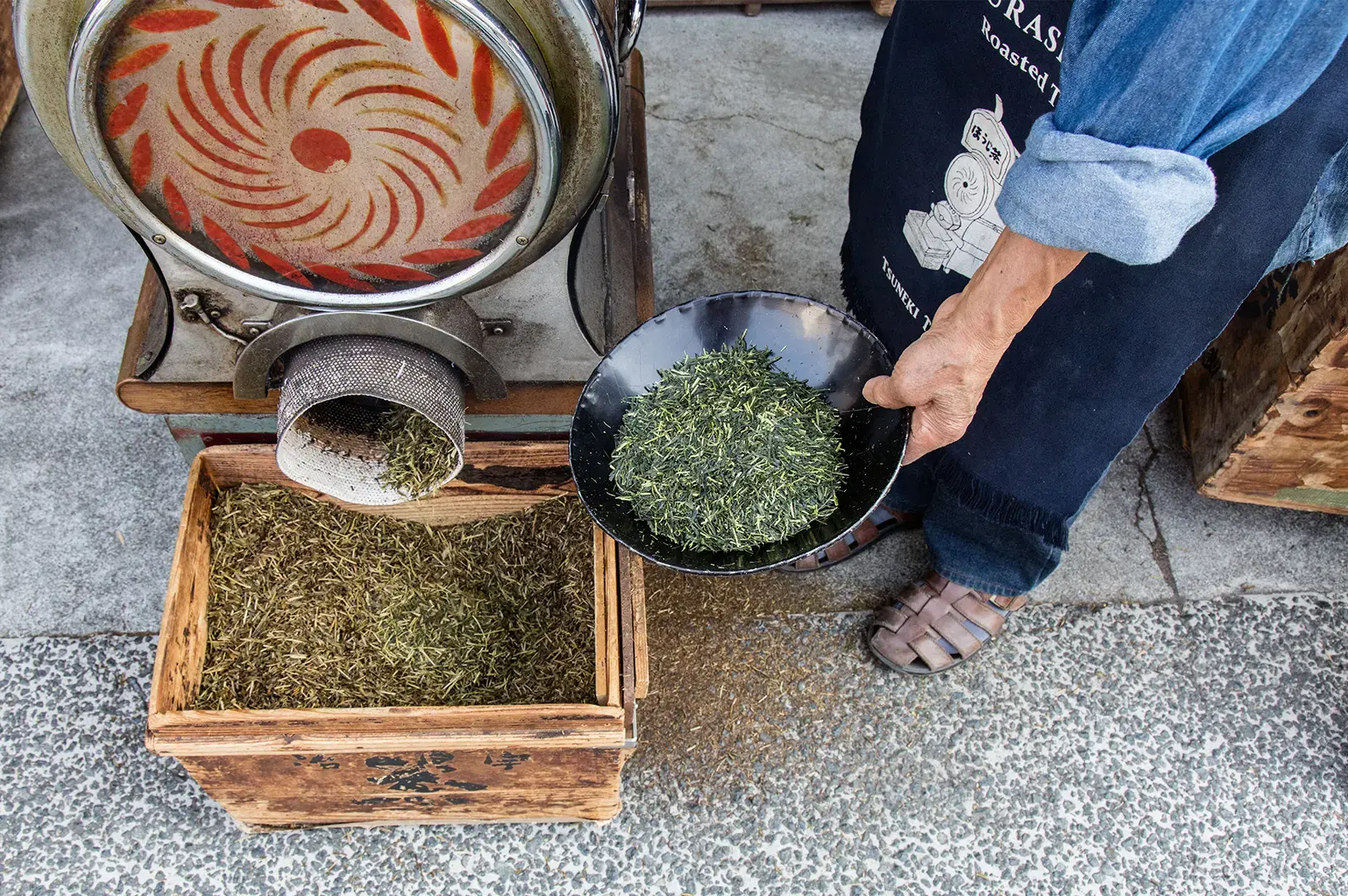
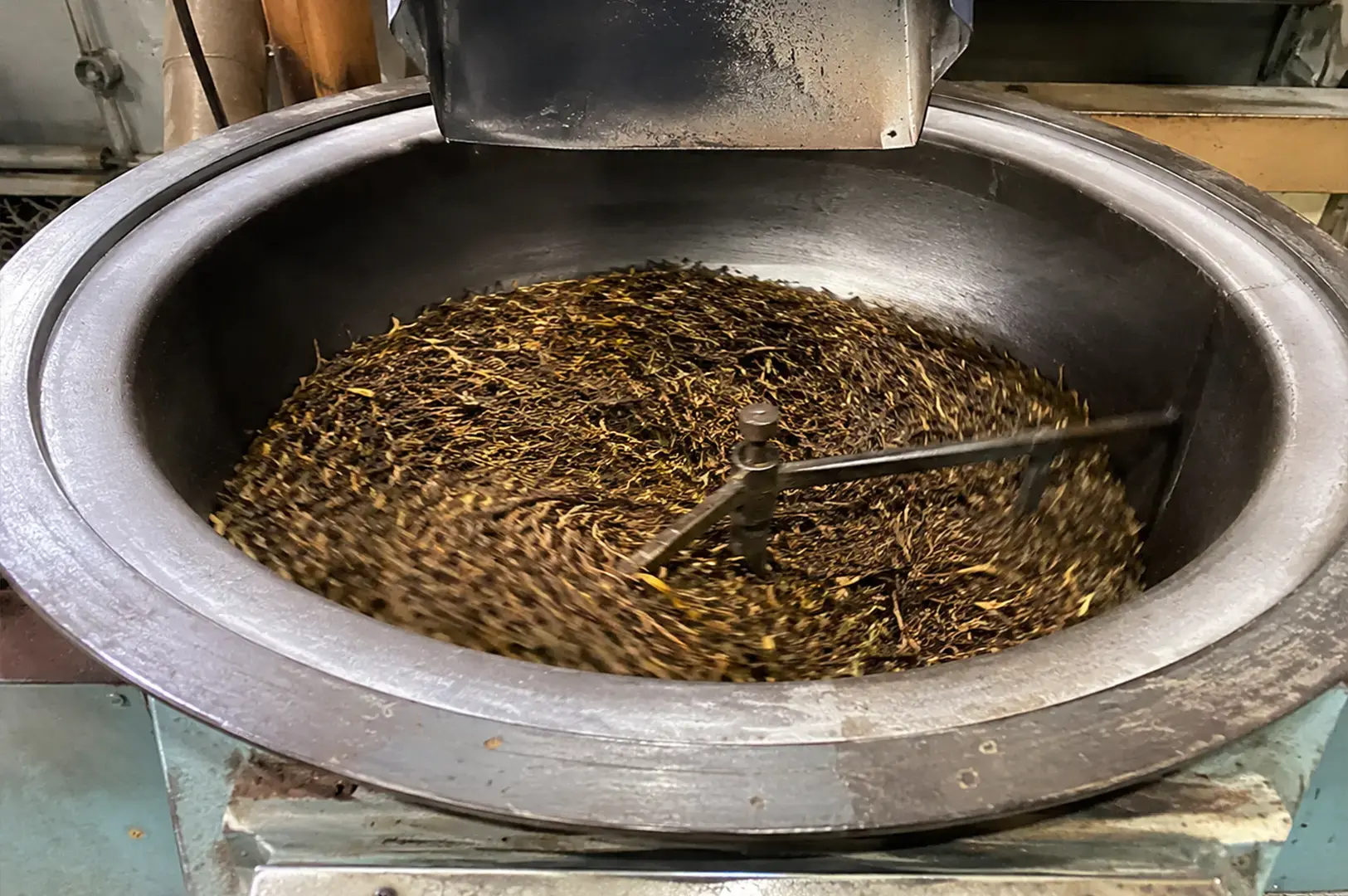
Hojicha is made by roasting green tea leaves over high heat, often charcoal or other heat sources, at high temperature. This roasting process transforms the steamed Japanese green leaves, preventing oxidation and creating a distinctive flavor and aroma. The roasting process is key to hojicha’s reddish brown color and its toasty, slightly nutty flavor profile.
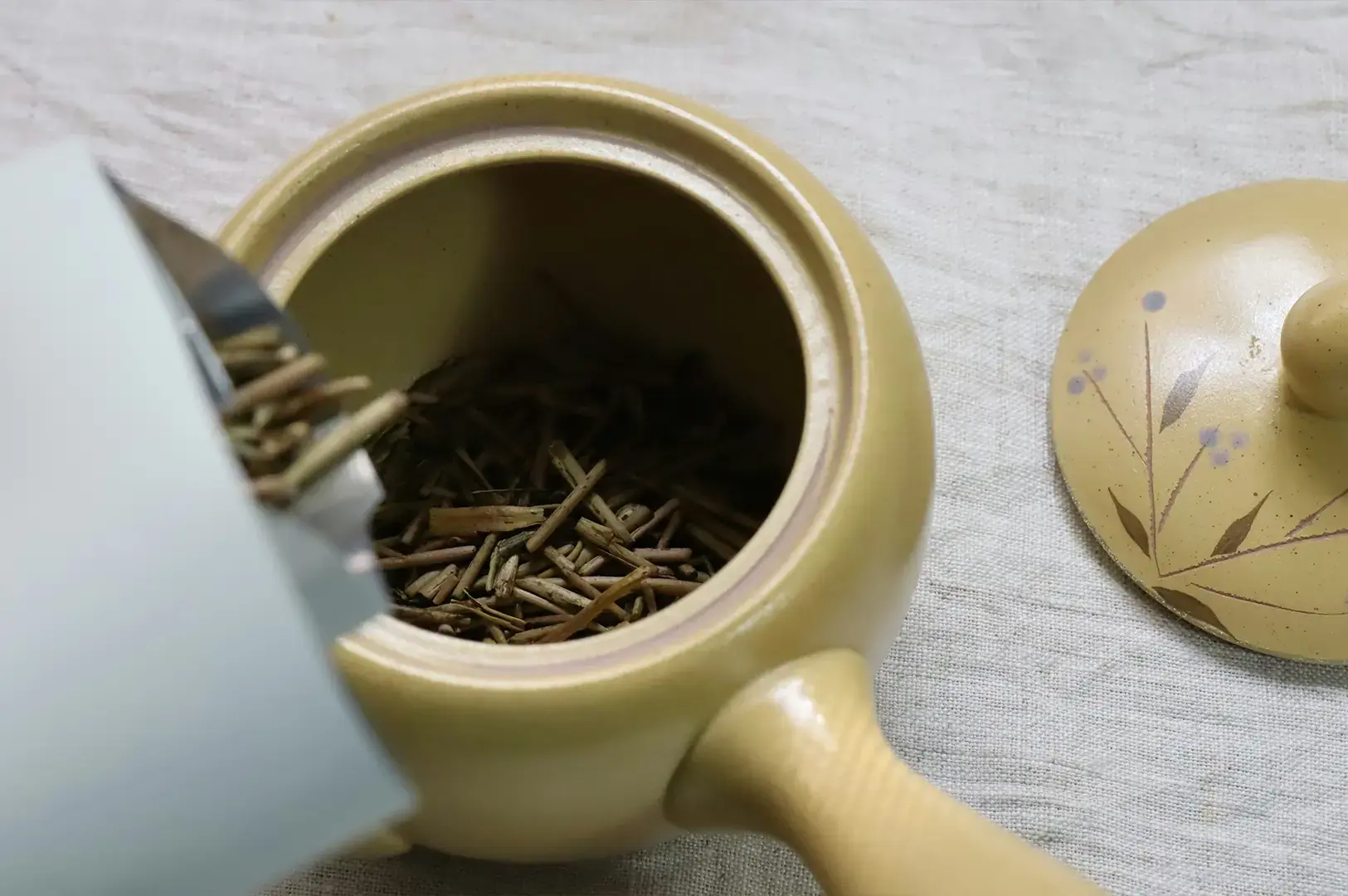
What gets roasted matters. Most hojicha tea is made from bancha, a Japanese green tea harvested later in the season from mature tea leaves. Other varieties include kukicha, made from stems and twigs, which lend a lighter, sweeter character with less caffeine and a softer hojicha taste. Occasionally, finer sencha leaves are roasted too, producing a more refined cup.
This variety is part of why no two hojicha teas taste exactly alike.
The Roasting Process: How Roasting Green Tea Leaves Changes Flavor
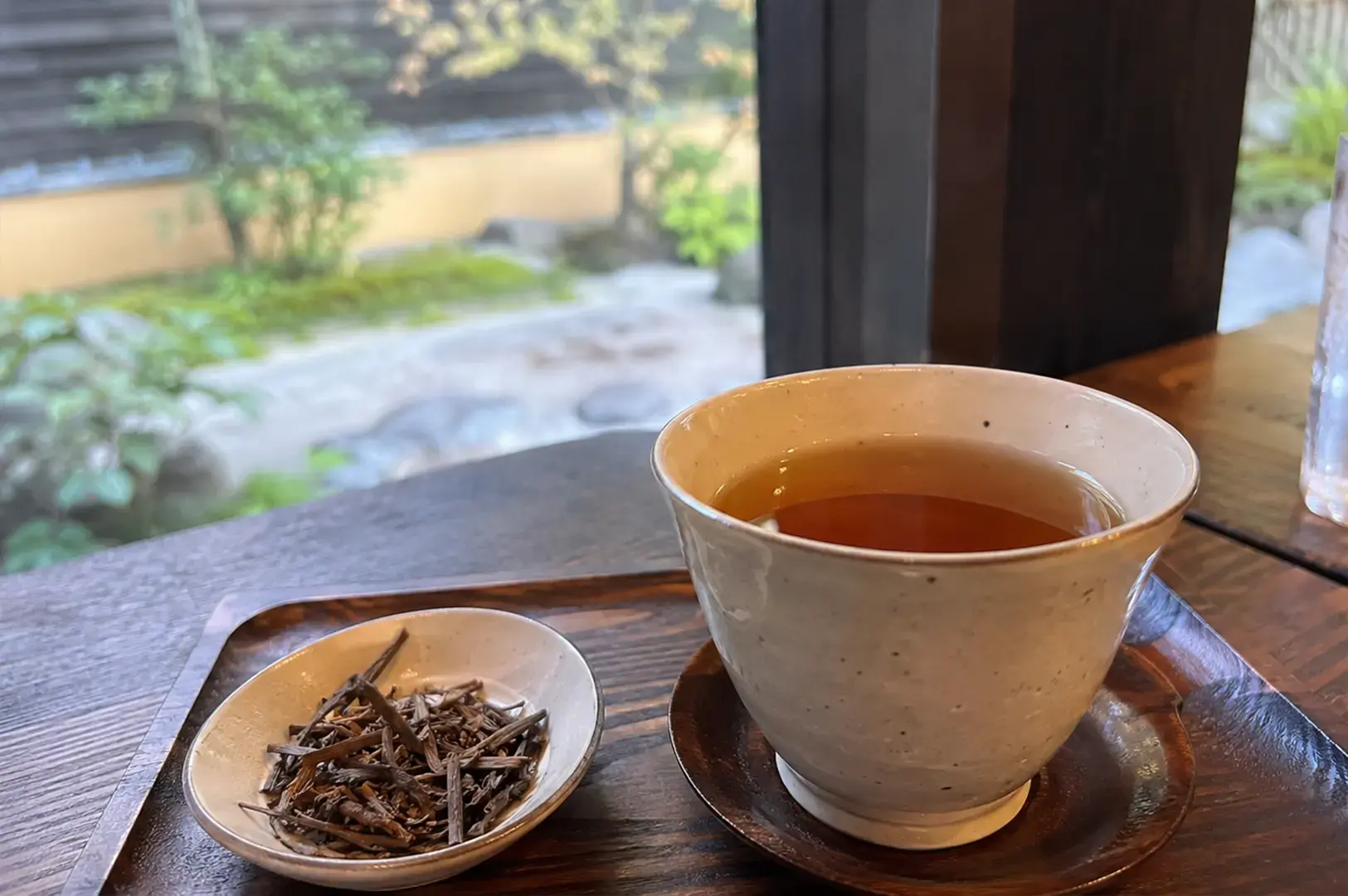
Roasting green tea leaves at high heat is the whole story here. It separates hojicha from every other Japanese green tea. The heat transforms the compounds inside the leaves, reducing astringency and bitterness while bringing out toasty, nutty aromas reminiscent of roasted nuts, caramel, and even chocolate.
The roasting process also reduces caffeine content compared to other Japanese green teas like matcha or sencha, making hojicha a soothing, low-caffeine drink perfect for after dinner or quiet moments. In fact, a typical cup of hojicha contains about 7.7 mg of caffeine, significantly less than standard green teas, which is why it is often enjoyed in the evening or by those sensitive to caffeine.
Additionally, the roasting process influences the production of pyrazines, compounds that contribute to hojicha’s distinctive aroma and may help improve blood circulation. This gentle transformation also preserves antioxidants such as polyphenols and vitamins A, C, and E, which support overall health and digestion. Hojicha’s low tannin levels mean it is mild on the stomach and often consumed to aid digestion after meals.
The roasting process yields a reddish brown color in the tea leaves and the brewed cup, signaling the unique transformation from green to warm amber hues. This production method, originating in Kyoto in the 1920s, reflects a rich tradition of innovative tea crafting that continues to influence Japanese tea culture today.
Hojicha Powder and Other Forms: Exploring Other Varieties
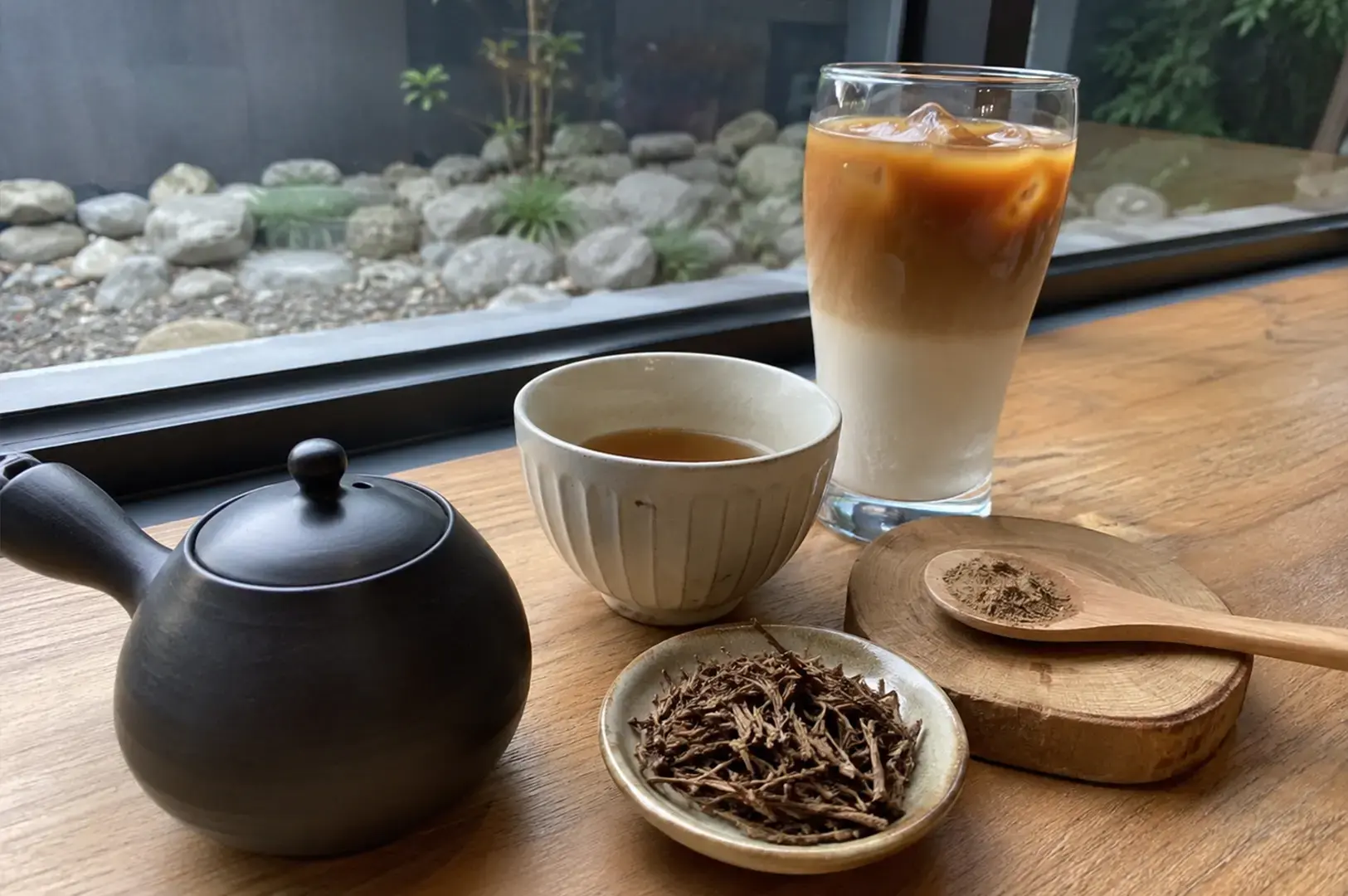
Hojicha is available both as loose hojicha tea leaves and hojicha powder. The powder is made by grinding the roasted leaves into a fine powder, similar to matcha, but with a lighter, toasty flavor and less bitterness. Hojicha powder dissolves quickly in hot water or milk, making it perfect for hojicha lattes, desserts, and other culinary uses.
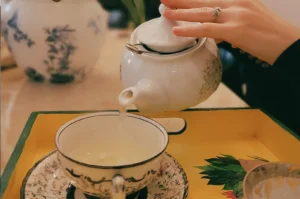
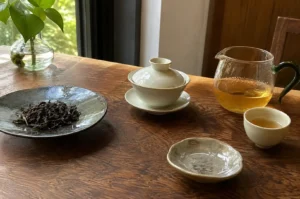
Loose leaf hojicha brews well in a porcelain pot or teaware designed to bring out the best aroma and flavor. Brewing hojicha tea leaves is forgiving; the high heat roasting process means you can steep with hot water around 85 to 95 degrees Celsius without the bitterness that other green teas might develop. Typically, use about 2 grams of hojicha leaves per 230 ml of water and steep for 30 seconds to 1 minute to achieve a balanced, mellow cup.
Cold water can also be used for a refreshing cold brew, steeping the tea leaves for several hours to bring out the natural sweetness and reduce astringency. This cold brew hojicha is a popular choice during warmer months and offers a smooth, lightly roasted flavor that is both soothing and invigorating.
When purchasing hojicha, consider the origin and type of tea leaves used. Authentic hojicha from Kyoto, Japan, is highly prized for its quality and traditional roasting methods. Different varieties, such as bancha hojicha made from mature leaves or kukicha hojicha made from stems and twigs, provide unique flavor profiles and caffeine levels, catering to diverse preferences.
Incorporating hojicha into your daily routine offers not only a delightful taste experience but also health benefits. Rich in antioxidants like polyphenols and vitamins A, C, and E, hojicha supports digestion and overall wellness. Its low caffeine content makes it an ideal choice for those sensitive to stimulants or seeking a calming drink in the evening.
For tea enthusiasts and those exploring Japanese tea culture, hojicha presents a versatile and accessible option. Whether enjoyed as a traditional hot brew, an iced tea, or a creamy latte, hojicha's distinctive roasted flavor and mellow character continue to grow in popularity worldwide, making it a staple in both traditional and modern tea drinking habits.
The Distinctive Flavor and Taste of Hojicha Tea
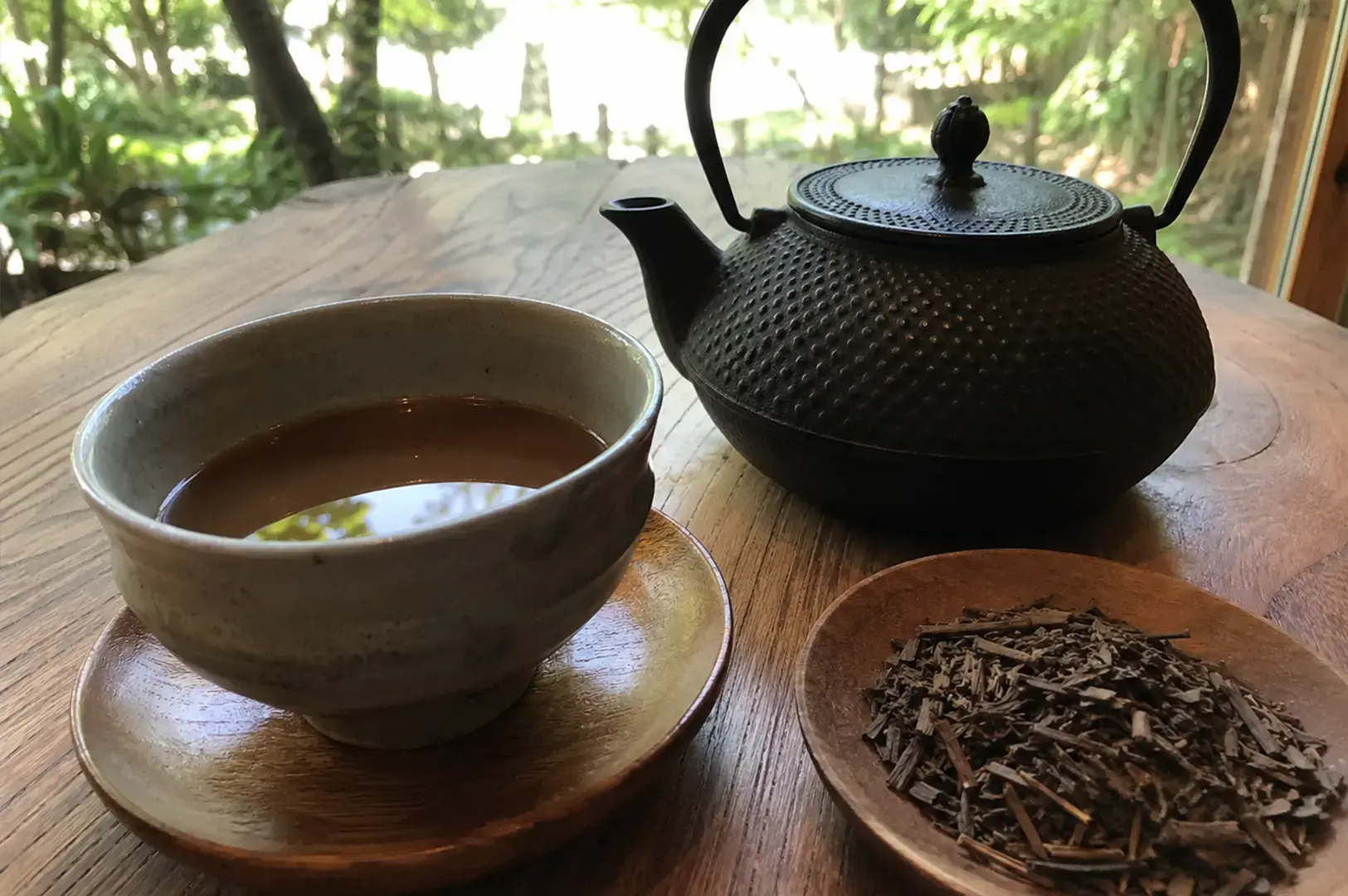
Hojicha taste is mellow and soothing, with a sweet taste that is slightly caramel-like and nutty. The flavor ranges from light and delicate to darker and smoky, depending on the roast level and the tea leaves used.
Common tasting notes include:
- Toasted rice and roasted nuts like hazelnut or chestnut
- A faint caramel sweetness
- Hints of chocolate and woodsmoke in darker roasts
- A natural sweetness that balances the toasty aroma
This distinctive flavor makes hojicha tea a tasty alternative to coffee, especially for those seeking a warm, comforting drink with less caffeine and bitterness.
Hojicha in Japanese Tea Culture and Modern Drinking Habits
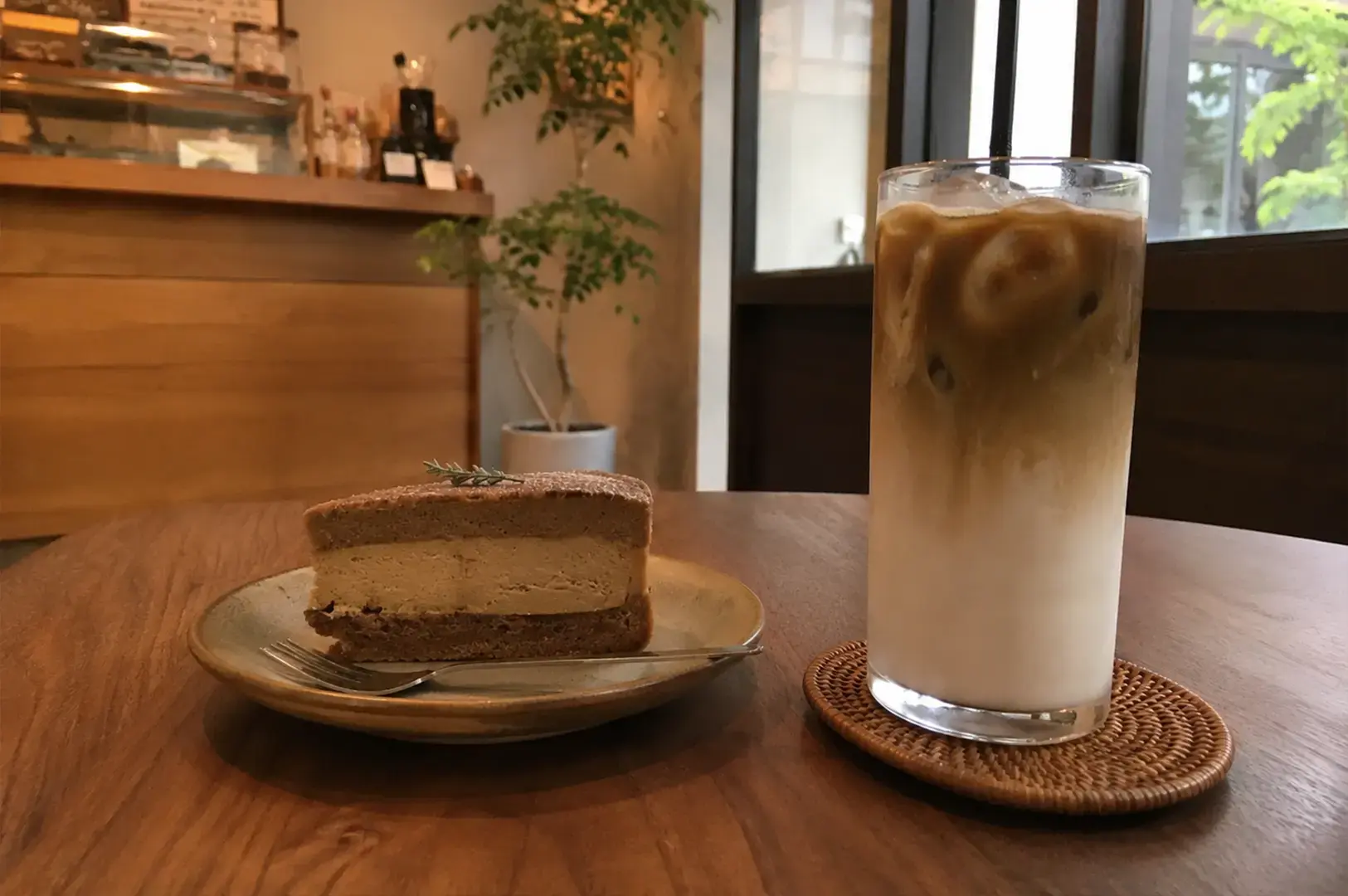
Originating in Kyoto in the 1920s, hojicha was born from practicality, roasting leftover leaves and stems to prevent waste. This humble beginning gave rise to a tea that became a staple at family tables, served warm after dinner or to children and elders due to its low caffeine and soothing qualities.
Today, hojicha is enjoyed worldwide in many forms, from traditional hot brews in a porcelain pot to trendy hojicha lattes made with hojicha powder. It pairs beautifully with desserts and can be explored as a refreshing iced drink, fitting seamlessly into modern lifestyles.
Hojicha Tea Leaves: Varieties and Characteristics
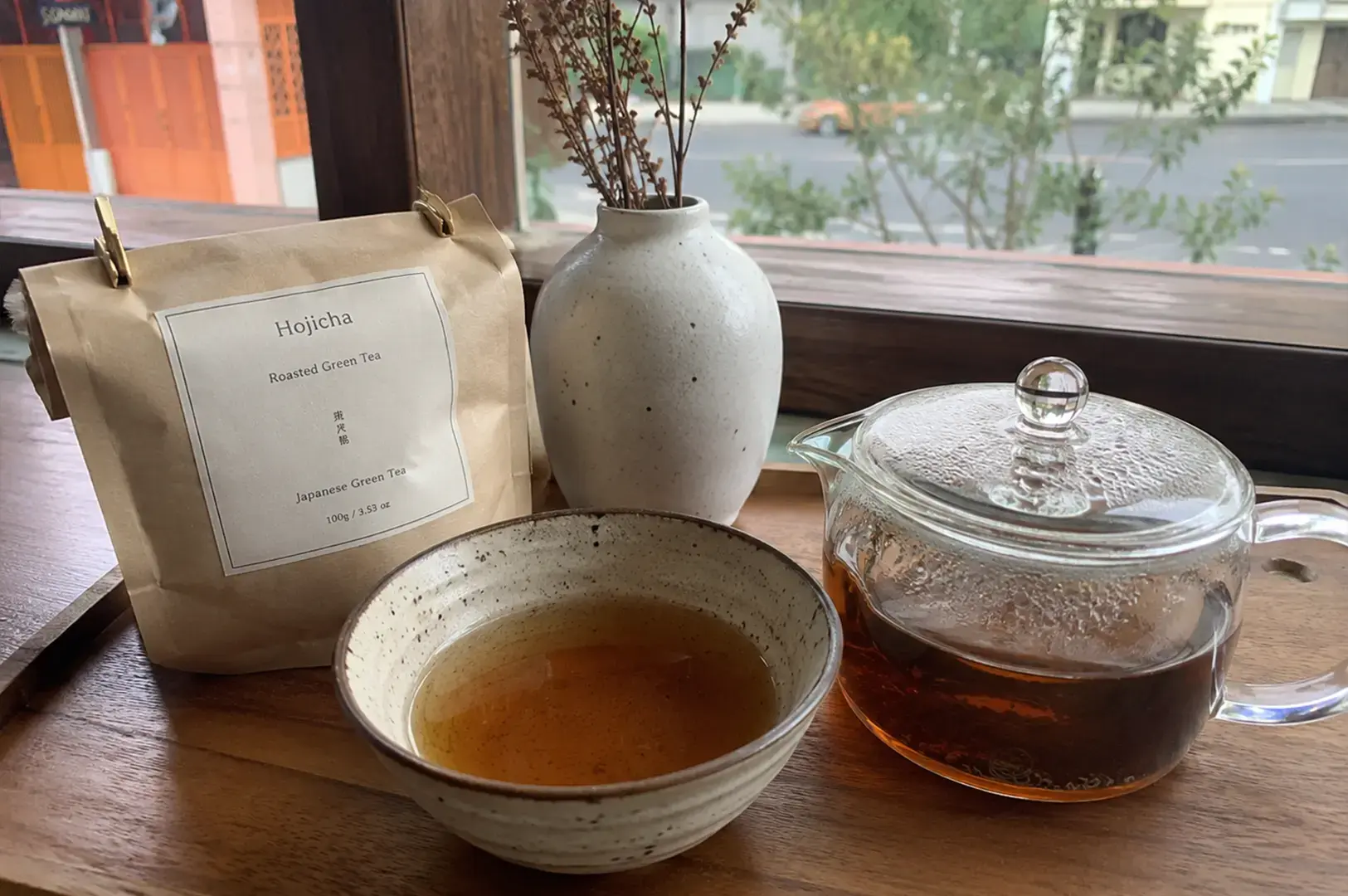
Hojicha tea leaves come in several varieties, each offering a unique flavor and caffeine level. The most common type is made from bancha, which uses mature tea leaves harvested later in the season. Bancha hojicha has a robust, earthy flavor with a gentle sweetness and moderate caffeine content. Another popular variety is kukicha hojicha, crafted from the stems and twigs of the tea plant.
The roasting process transforms these leaves, mellowing bitterness and imparting the signature reddish-brown hue and toasty aroma.
Whether loose leaf or ground into powder, hojicha tea leaves offer versatility for brewing hot, iced, or incorporating into culinary recipes, allowing tea lovers to enjoy its comforting flavor in many forms.
Brewing the Perfect Cup of Hojicha: Tips and Teaware
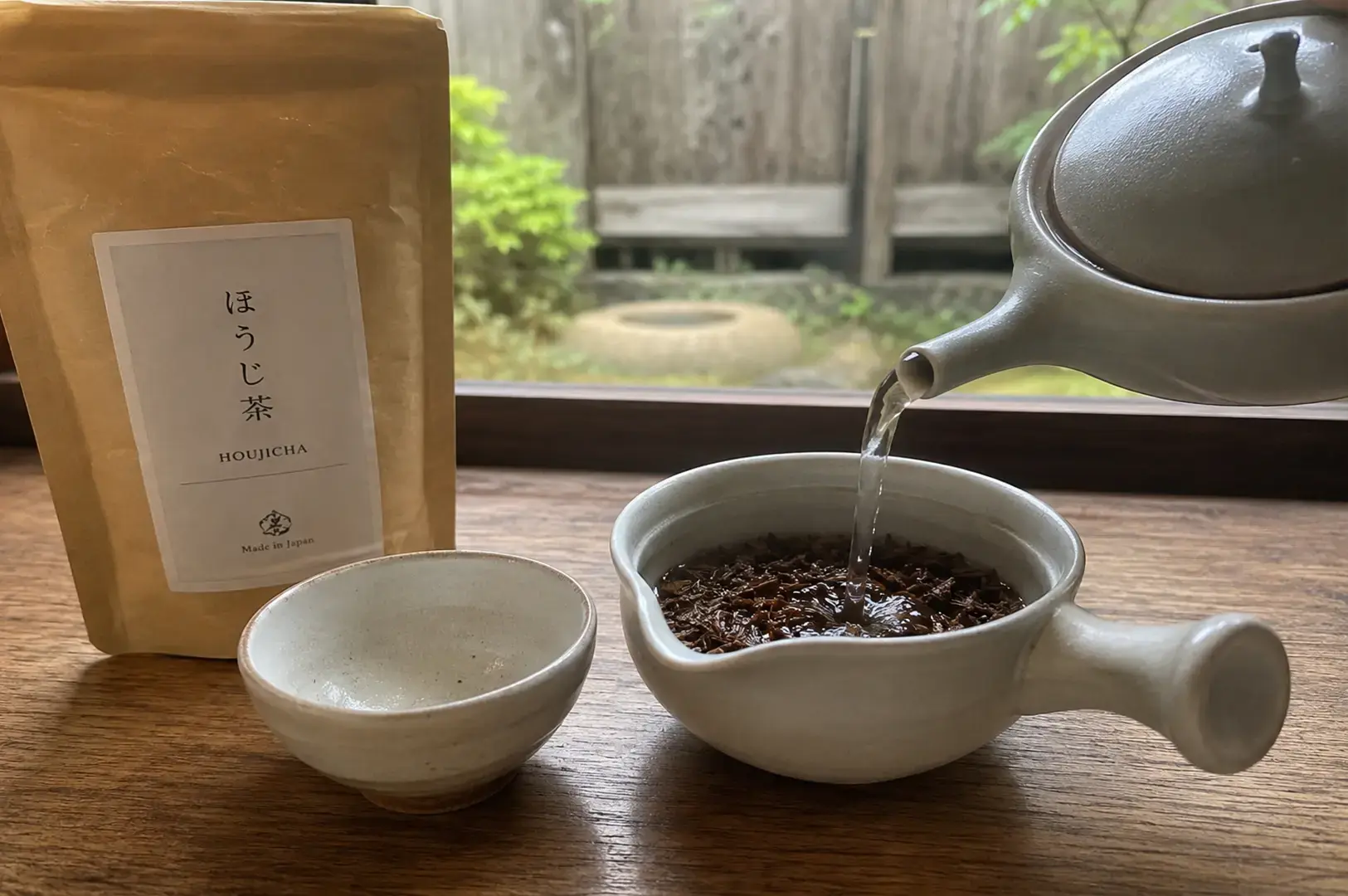
Brewing hojicha tea leaves is simple and forgiving. Use about 2 grams of hojicha leaves per 230 ml of water. Steep for 30 seconds to a minute in hot water between 85 to 95 degrees Celsius. The roasting process allows for brewing with higher temperature water without introducing bitterness.
For a perfect cup, use quality teaware such as a porcelain pot designed for green tea to preserve the aroma and flavor. Cold brewing hojicha with cold water over several hours yields a refreshing, slightly sweet drink ideal for warm climates.
Exploring New Releases and Regular Price Options in Hojicha Shops
As hojicha grows in popularity, many shops offer new releases and other types of roasted green tea for curious drinkers to explore. From lighter to darker roasts, from loose leaves to powder, there is a hojicha to suit every taste and occasion, often available at a regular price that makes it accessible.
Whether you are seeking authentic Japanese hojicha from Kyoto or innovative blends incorporating hojicha powder into lattes and desserts, the variety continues to expand. Specialty tea shops and Japanese omakase restaurants in Singapore and beyond are embracing hojicha for its unique flavor, low caffeine, and health benefits.
This roasted Japanese green tea is gaining recognition not only as a comforting beverage but also as a versatile ingredient in modern culinary creations. Exploring different hojicha offerings allows tea enthusiasts to appreciate the nuances of roasting levels, leaf types such as bancha or kukicha, and brewing methods, deepening their connection to traditional Japanese tea culture.
How Hojicha Compares to Other Japanese Green Teas
Compared to other Japanese green teas, hojicha stands out for its roasting. While matcha is vibrant green, grassy, and rich in umami, hojicha is reddish brown, toasty, and soothing. Sencha and other Japanese green teas are steamed and retain more astringency and caffeine, while hojicha’s roasting process reduces these, creating a smoother, less bitter cup.
Genmaicha, another popular Japanese green tea, combines green tea leaves with roasted brown rice, offering a nutty flavor. Hojicha commits fully to the roast, providing a rounder, deeper roasted flavor profile.
A Toasty, Soothing Cup Worth Exploring
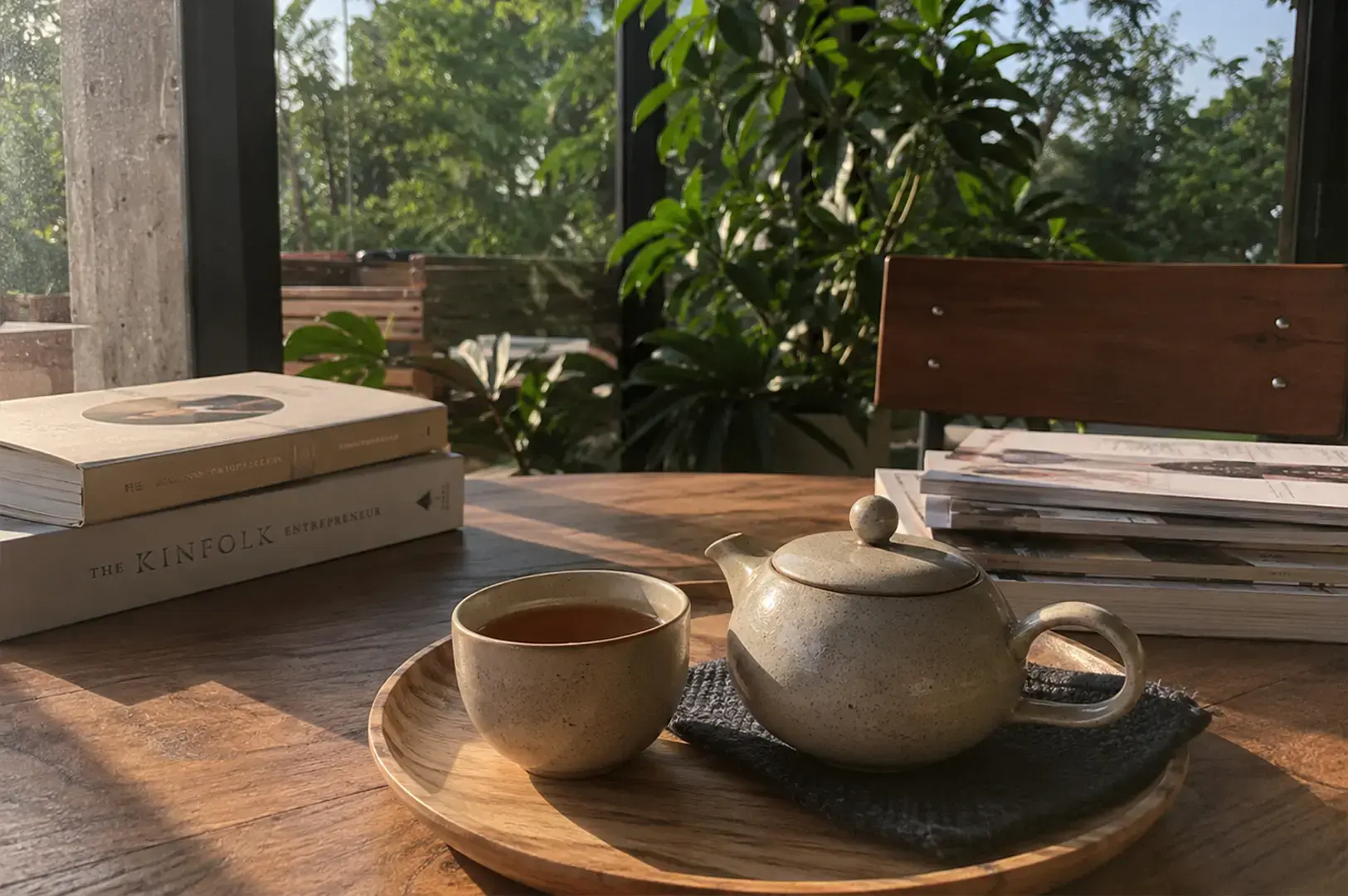
Hojicha is more than just a tea; it is an experience. Its warm aroma, nutty flavor, and natural sweetness invite you to slow down and enjoy a moment of calm. Whether brewed hot in a porcelain pot or iced with cold water, hojicha offers a distinctive flavor that continues to charm tea lovers around the world.
If you are curious about Japanese green teas, hojicha is a perfect place to start exploring the rich diversity and tradition of roasted green tea.
Having caffeinated drinks to start your day is always the way, we have an articles for you to read and fill your own cup, click here.

Clipper Tea Review: Does the Packaging Match the Pour?
There’s a box of Clipper Tea that’s lived in my cupboard longer than most of my mugs. I didn’t plan to buy it. I was standing in the tea aisle, tired, half-decided on something familiar, when the colour caught me. Bright, cheerful, a little hand-drawn looking. So I brought it home. And I’ve been drinking…
-
Hear Me Out, Tea Does Not Need to Be Serious All the Time
There is something I have noticed about tea culture. We take tea very seriously. Perhaps too seriously. We discuss origins, processing methods, brewing temperatures, and the history behind every leaf. We debate whether a tea should be enjoyed in a certain way. We carefully consider the correct vessel, the right water, and the ideal environment….
-
Red Bush Tea: The Tea That Does Not Need to Shout
There is a red pot in my mother’s kitchen that only comes out in the evening. By then the coffee has done its work and gone quiet. The day has loosened. She fills the kettle, drops in a spoonful of something the colour of dried autumn, and lets it sit while she tidies the last…
-
Hear Me Out: High Tea Is Overrated
Hear me out: high tea is one of the most convincing ways we have found to make snacking feel important. I understand the appeal. The room is polished, the cups are delicate, and everything arrives in miniature. There is something satisfying about sitting down in the middle of the afternoon and behaving as though time…
-
Where Tea Is Given Time to Speak: Anteasocial Review
I almost walked past it. Owen Road Singapore doesn’t announce much. A quiet stretch, low buildings, the kind of road you pass through on the way to somewhere louder. Then there it was, unassuming, just numbers on a wall: 117. Anteasocial is a contemporary Oriental specialty teahouse in Singapore, and if you’re looking for a…
-
A Table Set for Stillness: Inside Antea Social’s Quiet Tea Ritual
Luxury usually announces itself before we have time to question it. It arrives through marble lobbies, silver stands and tiny sandwiches placed in strict formation. Antea Social offers a quieter argument. This is not afternoon tea in the familiar hotel sense. There is no grand procession of pastries or waiter lifting a polished lid. Instead,…
-
9 High Tea in Orchard Places for Scones, Tea, and a Quiet Afternoon
There is a particular kind of tiredness that comes from Orchard Road. Not the tiredness of a hard day, but the softer sort, the ache of too many shopfronts, too much bright glass, too many people moving faster than you feel like moving. And somewhere in the middle of all that, if you know where…
-
High Tea Orchard: Why the City Still Does It Best
It is easy to dismiss high tea in Orchard as an expensive pause between shopping bags. The tiered stands are photogenic, the hotel lounges polished, and the prices increasingly difficult to defend. ome scones arrive dry. Some savouries feel like banquet food made miniature. Some desserts are designed more for cameras than appetite. Still, Orchard…
-
McDonald’s Queensway Ridout Tea Garden Review: What It Is Like Dining in a Heritage Setting
I did not expect to find quiet at a McDonald’s Queensway Ridout Tea Garden outlet. But there I was, standing outside the McDonald’s outlet at 580 Queensway, listening to the water instead of the traffic. A much loved pond sat just beyond the glass, surrounded by stone lanterns and trees leaning over it. Somewhere behind…
-
Understanding Tea Beyond the Cup
Tea is deceptively simple. A cup of hot water and leaves. And yet, it carries centuries of culture, craftsmanship, and subtlety that many of us may overlook. As tea lovers, we often focus on taste, aroma, or ritual, but there is more beneath the surface. Take the leaves themselves. Different cultivars, growing regions, and harvest…