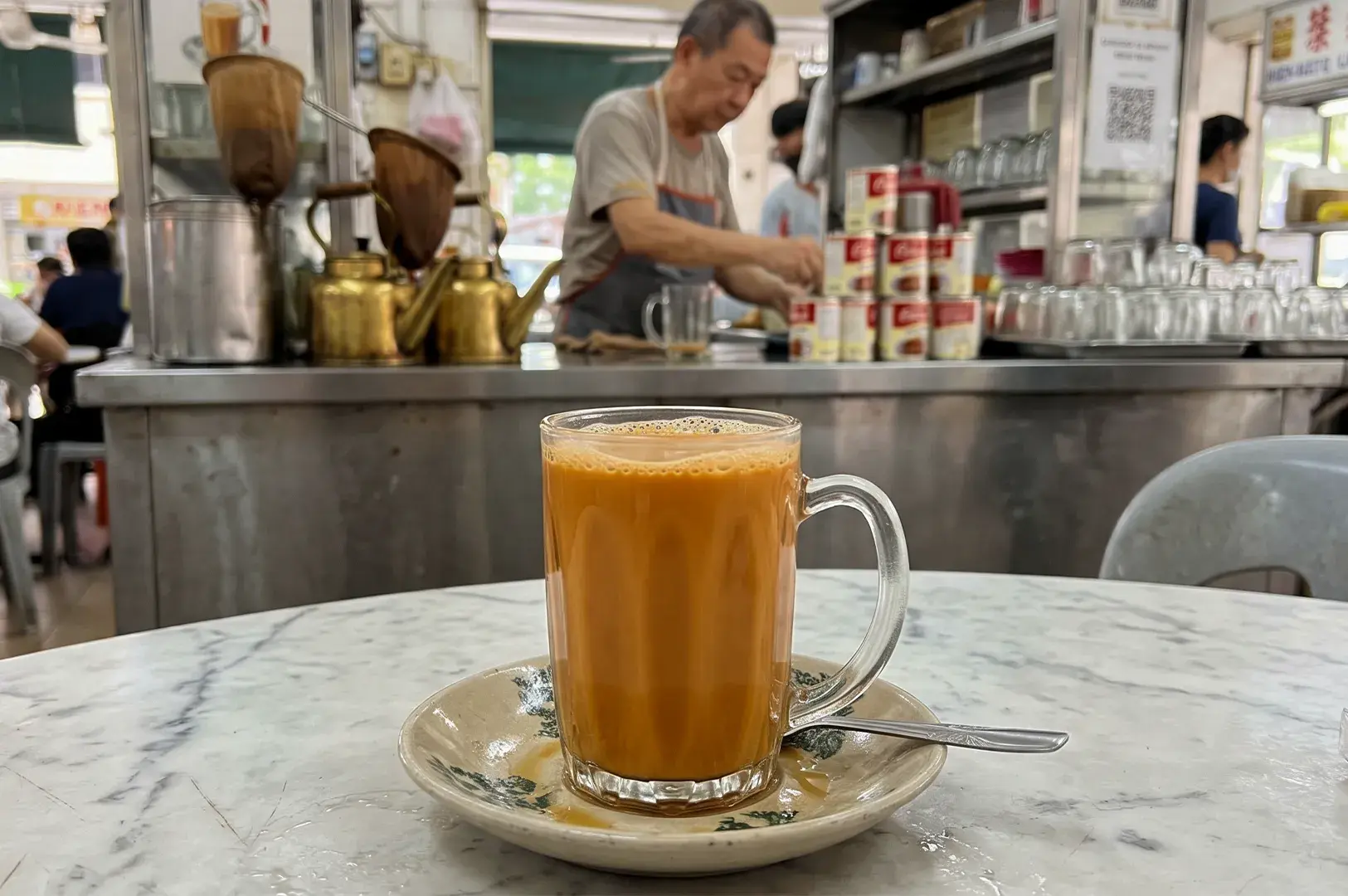
The order is often over before you notice it began.
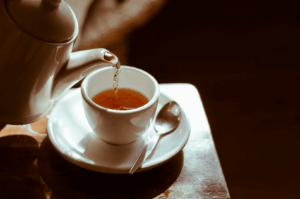
A few syllables are spoken across the counter. There is no menu consulted, no pause, no follow-up question. The drinks uncle nods, reaches for a tin, and a few moments later a glass of tea arrives: milky, sweet, and exactly what was asked for.
To someone standing behind that customer, the exchange can sound like code. Teh c siew dai peng. Kopi o kosong. It is quick and practiced, a small daily ritual at hawker centres and kopitiams across the island.
It is a language, and like most languages, it makes sense once you learn its grammar. This quick guide walks you through that grammar slowly: what the letters mean, how sweetness and strength are adjusted, and why a cup of teh is built the way it is.
By the end, ordering tea or local coffee in Singapore should feel less like a test and more like a conversation, letting you order coffee and tea like a local.
Coffee and Tea at the Kopitiam: Two Drinks, One Language
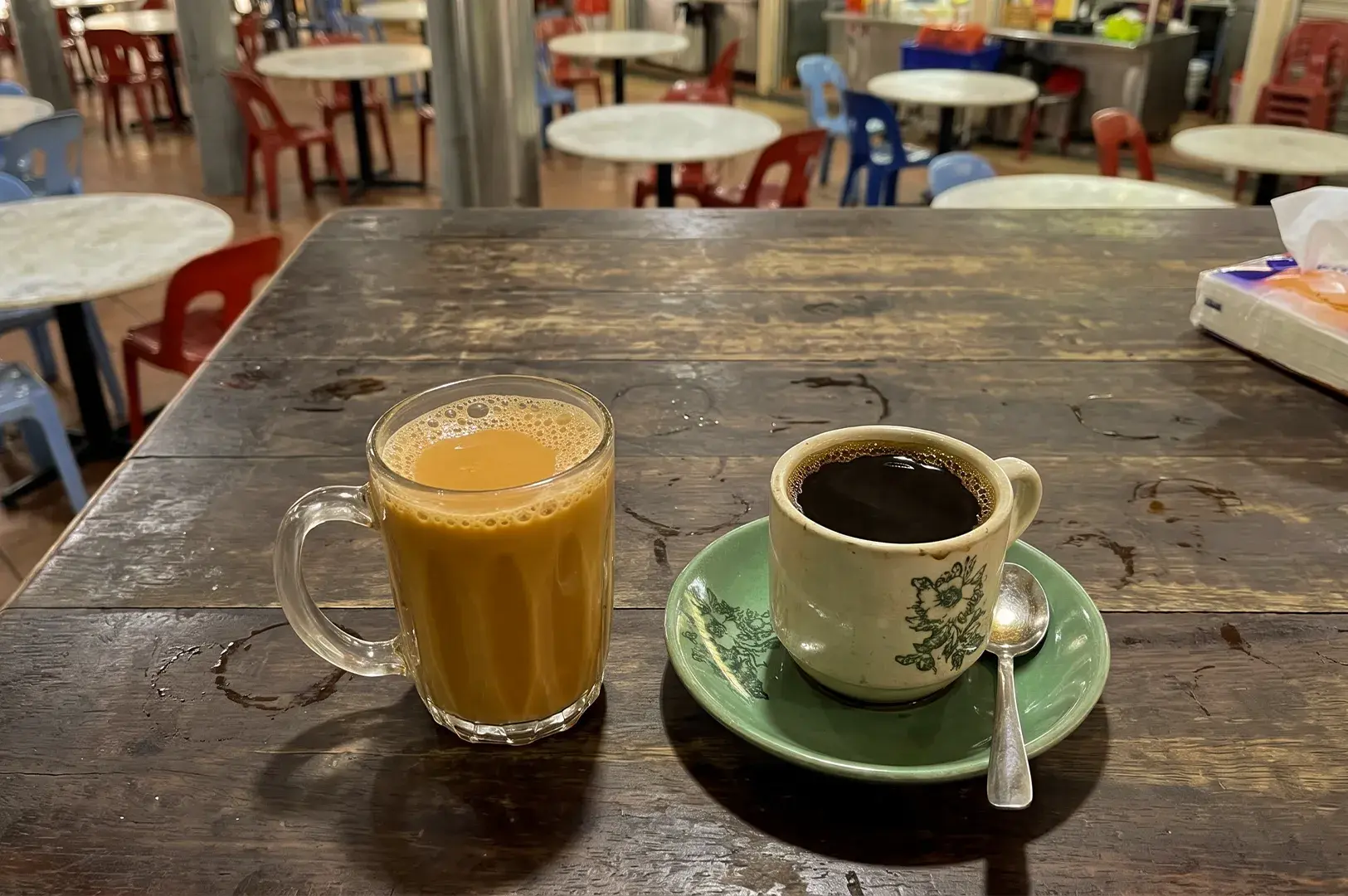
Every order starts with a single word: teh for tea, or kopi for coffee.
These two drinks share a counter, and more importantly, they share a vocabulary. The words you use to adjust a teh are the same words you use to adjust a kopi. Learn one, and you have learned most of the other.
The vocabulary itself is a mix of Malay and Hokkien, with a little Singlish woven through. Teh and kopi come from Malay. Kosong means zero or nothing in Malay. Siew dai and gah dai come from Hokkien. That blend says something about the drink. It belongs to many communities at once, which may be why it has lasted.
The tea used for teh is typically a strong, full-bodied black tea, brewed dark enough to hold its own against milk and sugar. This is not a delicate cup. It is meant to be sturdy.
How to Order Tea in Singapore: The Letters That Matter
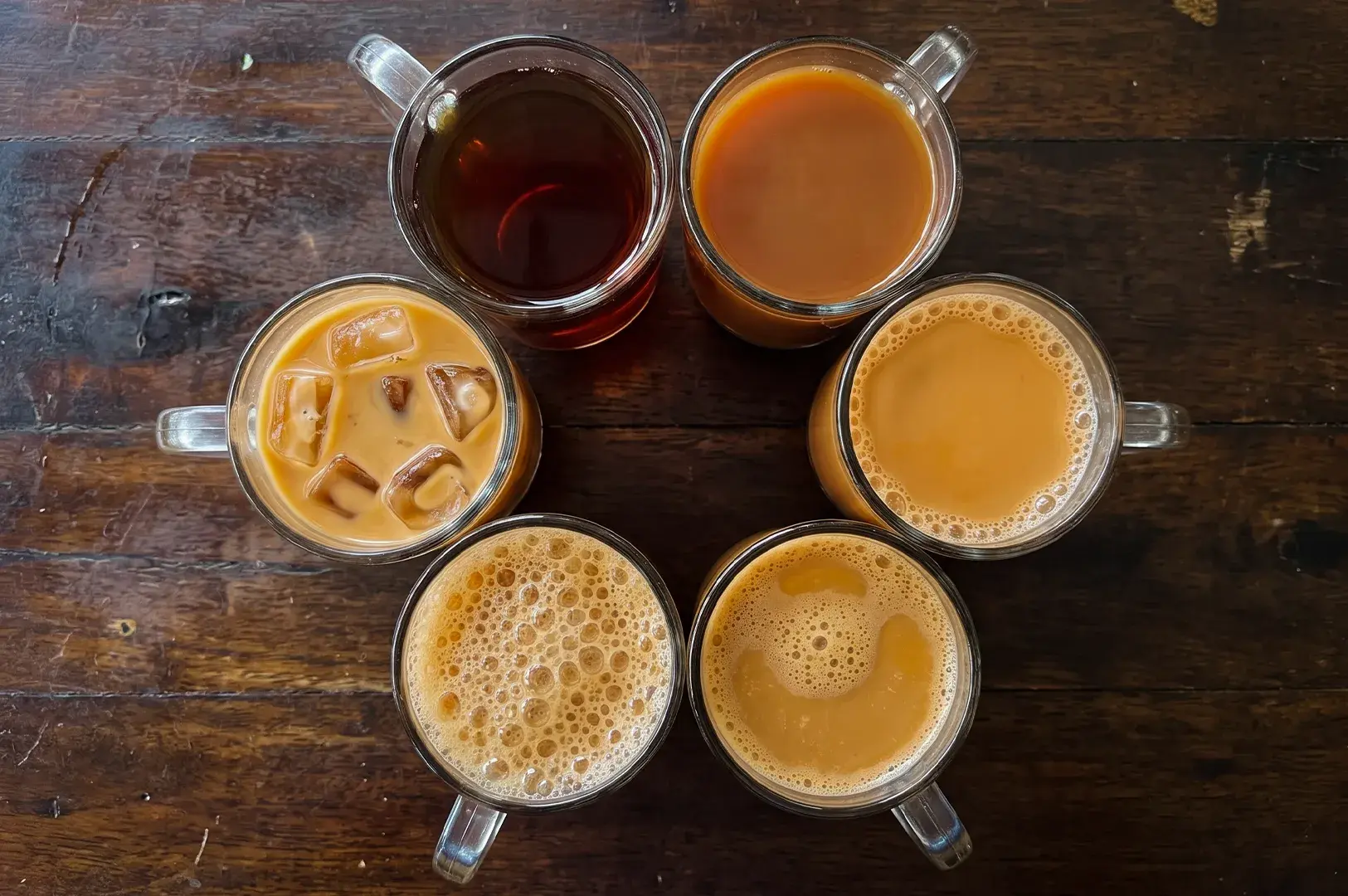
Two letters do most of the work. They decide what kind of milk goes into your cup, or whether any milk goes in at all.
Teh: The Default, With Condensed Milk
If you simply ask for teh, you will receive tea with condensed milk and sugar. This is the starting point, the drink the counter assumes you want unless you say otherwise.
It is rich, sweet, and creamy. For many people, it is the taste of an ordinary morning, a warm cuppa to sip alongside your breakfast or local food.
Teh C: Evaporated Milk Instead
Add the letter C, and the milk changes. Teh c is tea with evaporated milk and sugar.
The result is lighter and less dense than the default. The sweetness comes from added sugar rather than from the milk itself.
Teh O and Teh O Kosong
The letter O removes the milk entirely. Teh o is black tea with sugar.
If you want neither milk nor sugar, add kosong. Teh o kosong is tea at its barest: just the brew, hot and plain. It is the closest a kopitiam beverage comes to a simple cup of black tea.
Condensed Milk vs Evaporated Milk: Why the Difference Matters
It helps to understand what these two milks actually are, because the difference shapes the whole drink.
Condensed milk is milk that has had much of its water removed and sugar added. It is thick, glossy, and very sweet. When it goes into tea, it adds body and sweetness at the same time.
Evaporated milk also has much of its water removed, but it is not sweetened. It is thinner and has a slightly cooked, mellow flavor. In teh c, it brings creaminess without the heavy sweetness, so sugar is added separately.
This is why a default teh and a teh c can taste so different, even though both contain milk. One is built around a sweet, dense dairy base. The other lets the tea come forward a little more.
Sweetness Levels: Siew Dai, Gah Dai, and Extra Sweet
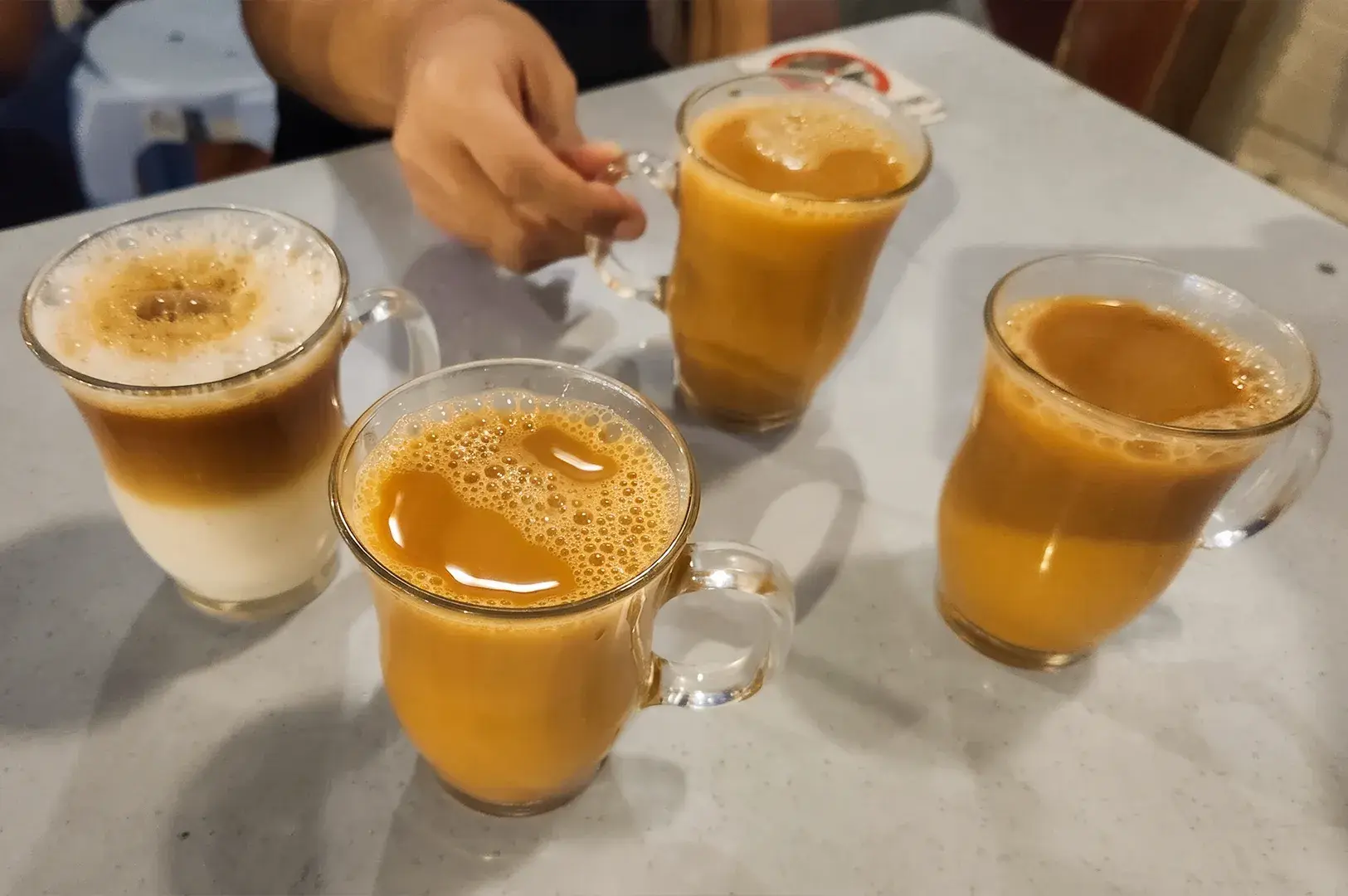
Sweetness works a little differently depending on the drink. Standard teh and kopi get much of their sweetness from condensed milk, while teh O and teh C are usually sweetened with added sugar.
Siew dai means less sweet, and gah dai means extra sweet, although stalls may adjust either the condensed milk or added sugar depending on the order.
- Kosong means no sugar.
- Siew dai (sometimes written siu dai): less sugar.
- Gah dai: more sugar, for those who like it extra sweet.
These words attach to the end of your order. A teh c with reduced sugar becomes teh c siew dai. A kopi made extra sweet becomes kopi gah dai.
For many people, siew dai is a gentle middle ground. The drink keeps its familiar character, just with the sweetness eased back a little. If you want to order coffee, you might say kopi siew dai to get a less sweet local coffee.
Strength: Gao, Po, and Di Lo
Beyond sugar, you can also adjust how strong the drink is.
Gao means stronger, with the brew more concentrated. Po means weaker, with more water added to dilute it. Di lo goes further than gao: extra thick, with no water added at all.
These terms work for both teh and kopi, though they are especially common with coffee. Di lo, in particular, is intense, and worth approaching with some care if you are sensitive to caffeine.
Peng: When You Want It Cold
Standard kopi and teh orders are generally served hot unless you request otherwise. To make them iced, add peng to your order.
Teh peng is the default teh, with condensed milk and sugar, poured over ice. On a heavy afternoon, it is one of the most common orders you will hear.
Peng can sit at the end of almost any combination: teh o peng, teh c siew dai peng, siew dai peng on its own after your base drink.
Building Your Order, One Word at a Time
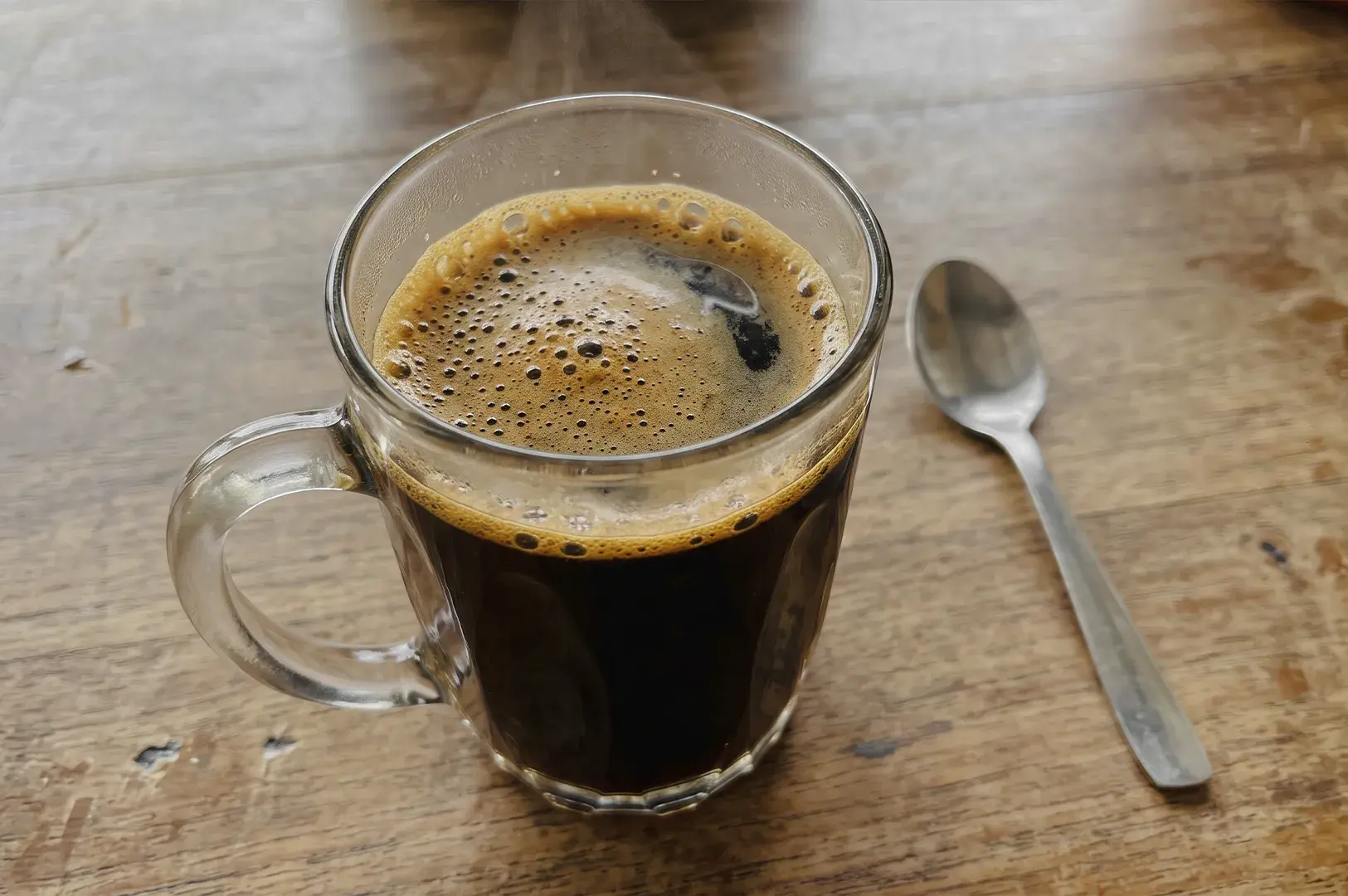
Once the pieces are clear, ordering follows a simple sequence. Think of it as building the drink in the same order it is made.
- Choose your base. Teh or kopi.
- Choose your milk. Nothing for condensed milk, C for evaporated milk, O for no milk.
- Choose your sweetness. Nothing for the default, siew dai for less, gah dai for more, kosong for none.
- Choose your strength. Gao for stronger, po for weaker, di lo for extra thick.
- Choose your temperature. Nothing for warm, peng for iced.
So iced tea with evaporated milk and less sugar becomes teh c siew dai peng. Hot black tea with no sugar becomes teh o kosong.
A quiet tip: If you lose your place mid-sentence, it is perfectly fine to slow down or say it in English. The goal is a drink you enjoy, not a flawless performance.
The Kopi Side: Robusta, Kopi O, and Black Coffee
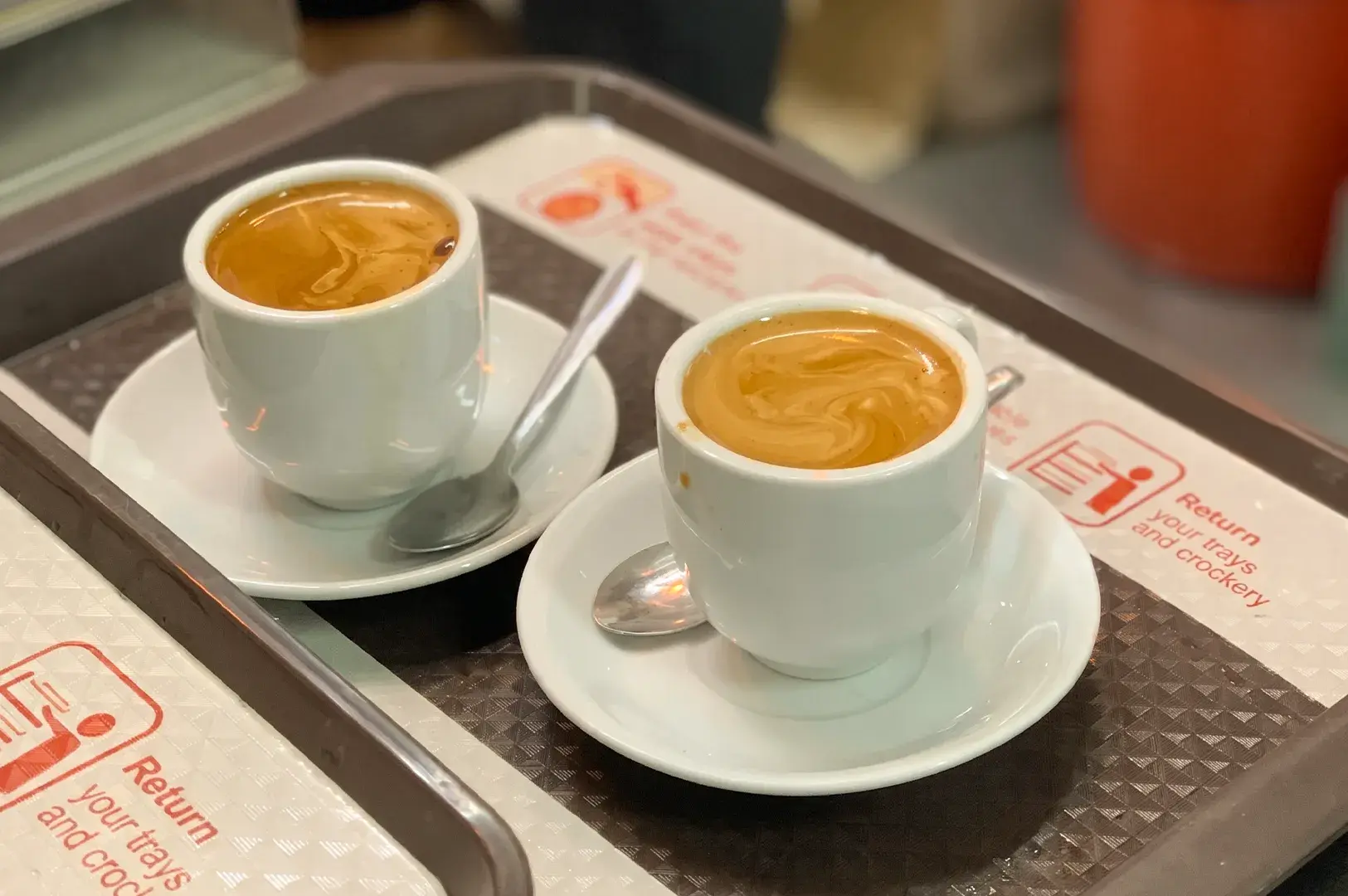
Even if tea is your drink, it helps to understand its neighbor. The two are rarely apart.
What Goes Into Local Kopi
Local coffee, or kopi, sometimes called Nanyang coffee, is usually made from robusta coffee beans. Robusta is a hardy coffee species with a bolder, more bitter character and more caffeine than arabica.
What makes kopi distinctive is the roast. The beans are traditionally roasted with sugar and margarine (some roasters use butter) under high heat, which caramelizes them and deepens their flavor. The ground coffee powder is then brewed with hot water and strained through a cloth sock filter.
The result is dark, aromatic, and slightly smoky: a traditional coffee that pairs naturally with kaya toast and local food.
Kopi O and Black Coffee
Kopi o is black coffee with sugar. Kopi o kosong is black coffee with neither milk nor sugar, the plainest version on offer. If you usually drink your coffee black, this is the order that will feel most familiar.
Kopi Gao, Kopi Po, and Kopi Di Lo
Kopi gao is a stronger, more concentrated coffee, while kopi po is lighter or more diluted. Kopi di lo refers to an especially concentrated preparation, commonly understood as coffee served straight from the brew without the usual dilution. The exact preparation can vary between stalls.
Kopi Gah Dai and Kopi Gu You
Kopi gah dai is coffee made sweeter with extra condensed milk. At some stalls, the precise preparation may vary.
Kopi gu you is less common: hot coffee with a pat of butter melting into it. The butter adds a salty, rich note that surprises many first-time drinkers. It is not offered everywhere, so it is worth asking.
Beyond the Basics: Teh Tarik, Teh Halia, Teh Cino, and Yuanyang
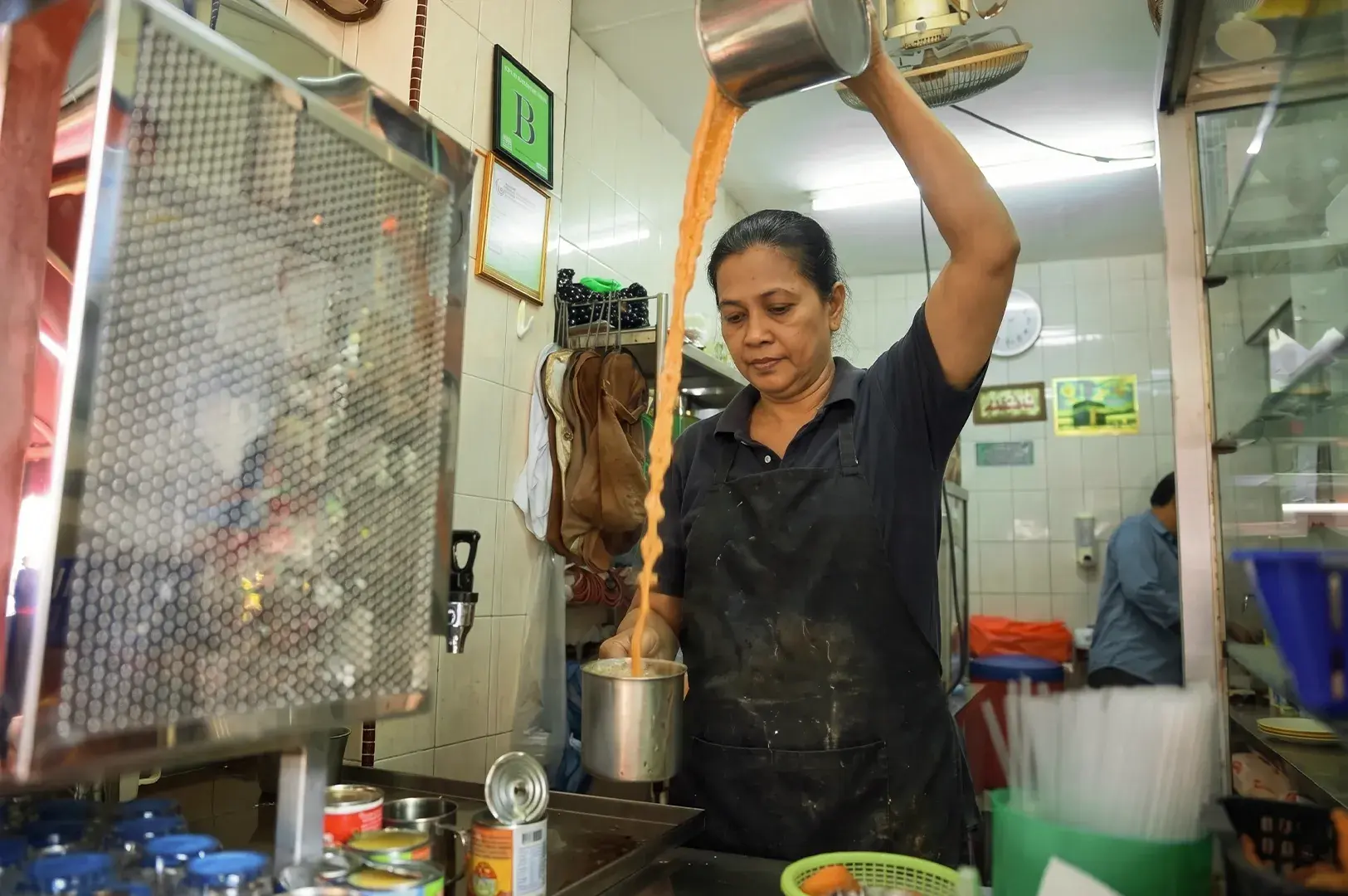
Some teh options carry their own names, often tied to particular stalls and traditions.
Teh Tarik and the Pulled Hot Tea
Tarik means "pull" in Malay. Teh tarik is tea with condensed milk and sugar, poured back and forth between two vessels from a height.
The pulling is not just for show. It cools the tea slightly, blends the milk evenly, and builds a soft layer of foam on top. Watching it done well, the long arc of tea passing through the air, is part of the drink's appeal. You will most often find it at Indian Muslim and Malay stalls.
Teh o tarik follows the same method without milk: pulled hot tea with sugar only.
Teh Halia
Halia means ginger. Teh halia is pulled tea with condensed milk, sugar, and ginger. The ginger brings gentle warmth and a slight bite, which many people turn to on rainy days.
Teh Cino
Teh cino arrives layered: sweetened milk at the bottom, tea resting above it. It is usually served unstirred, so you can see the layers before deciding how to sip it.
Yuanyang
Yuanyang combines coffee and tea in one cup. It is bold and layered, and carries plenty of caffeine.
Where Chinese Tea Fits In
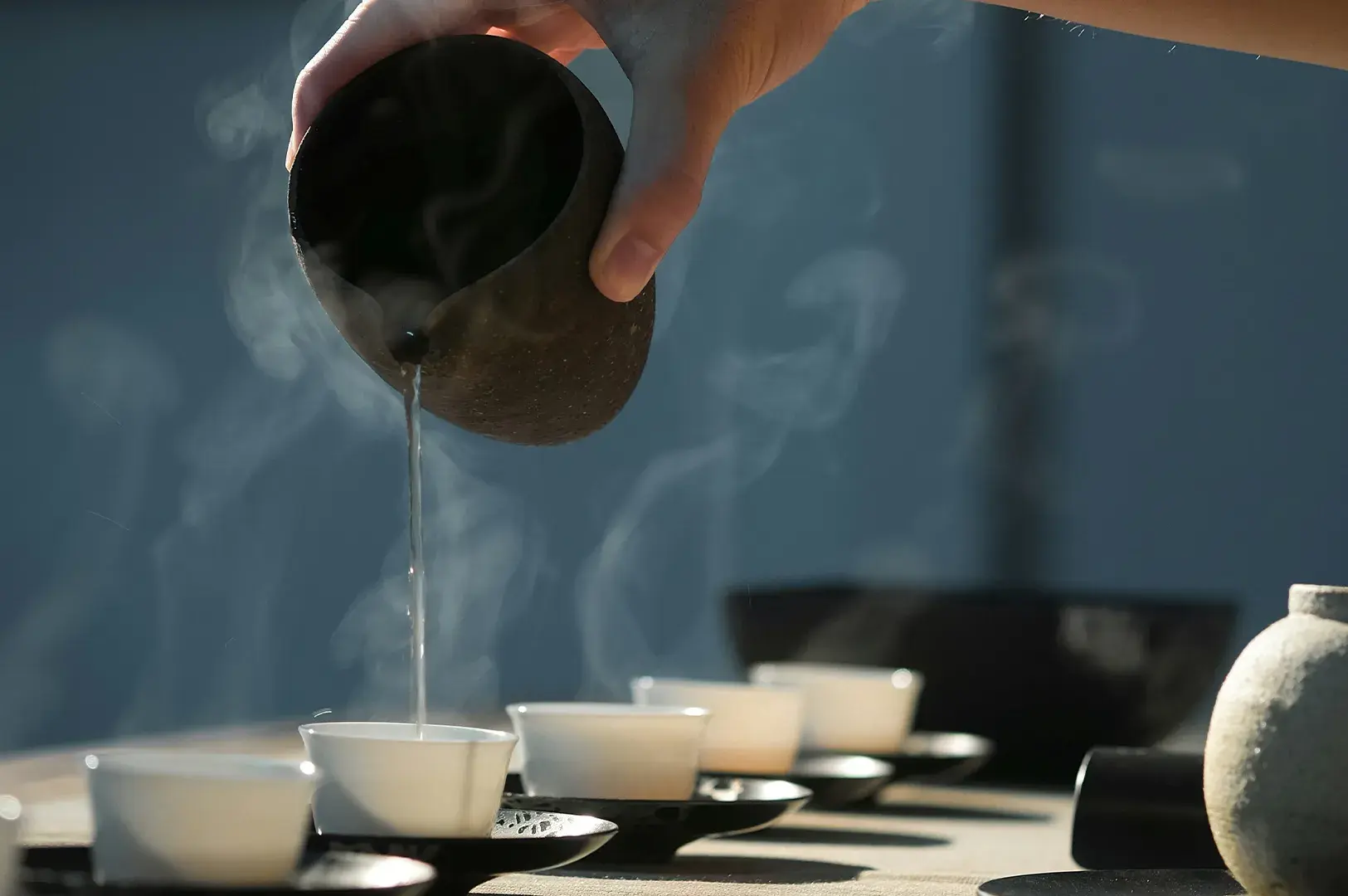
It is worth noting what teh is not. The milky, sweetened tea of the kopitiam is a separate tradition from Chinese tea, which is usually brewed from loose leaves and served without milk or sugar.
Chinese tea often accompanies family meals and dim sum, poured from a pot into small cups and refilled through the meal. Both traditions are part of tea in Singapore, but they answer different moments. One is brisk and comforting. The other is slower and shared.
Small Missteps Worth Avoiding
A few common mix-ups are easy to sidestep:
- Assuming "teh" means plain tea. It means tea with condensed milk and sugar. For plain tea, ask for teh o kosong.
- Mixing up C and O. C adds evaporated milk. O removes milk entirely.
- Forgetting to say peng. Without it, your drink will arrive warm.
- Ordering kopi di lo casually. It is very strong. Start with kopi gao if you want a stronger cup.
A Few Common Questions
Do I need to speak Hokkien or Malay? No. The terms are used by everyone, and English works when you are unsure.
Is siew dai the same everywhere? Not exactly. Each stall has its own hand, so "less sugar" varies.
Can I combine several modifiers? Yes. That is how the system is designed to work.
A Cup That Asks Only for Attention
Learning to order tea in Singapore is not really about memorizing terms. It is about noticing a small, steady ritual that unfolds every day, at every counter, in a language shaped by many hands.
The next time you stand at a drinks stall, listen for a moment before you speak. Then try one new word: siew dai, perhaps, or peng. Let the cup that arrives tell you whether you got it right.
Most of the time, it will.

Silver Needle White Tea: The Delicate Emperor of Chinese Tea
In the vast and storied world of Chinese tea, few varieties command the reverence and prestige of Silver Needle white tea. Celebrated as Bai Hao Yin Zhen (白毫銀針)-meaning “White Hair Silver Needle”-this exceptional Chinese white tea sits atop the hierarchy of not just white tea, but among all tea types. Each slender ‘needle’ is not…
-
Thai Oolong Tea: Thailand’s Oolong Revolution in Ancient Tea Territory
In the shadowy folds of Northern Thailand’s mountains, where cool, misty air hugs the slopes and the morning dew clings to fragrant tea leaves, a revolution is steeping. Once known largely for its role in the Golden Triangle, this region now blossoms as a new epicenter for Thai oolong tea and innovative tea beverages like…
-
Dong Ding Oolong: The Artisanal Craft Behind Taiwan’s Most Famous Tea
Imagine a warm, inviting aroma that fills the room with essence reminiscent of delicate flowers, toasted nuts, honeycomb, chocolate, and ripe stone fruit. The initial scent from a freshly opened tin of Dong Ding Oolong loose leaf tea can feel almost transportive. Upon brewing, the tea’s infusion shines with a brilliant golden colour, and your…

Yerba Mate Tea: Argentina’s Ancient Energy Brew and Modern Revival
Picture a sun-drenched plaza in Buenos Aires, where the air hums with laughter and the scent of fresh flowers. In the center, friends gather in a close-knit circle, a cherished gourd filled with fragrant yerba mate tea making its way from hand to hand. Each person sips this herbal tea-brewed from green yerba mate leaves-through…

The Complete Guide to Kenyan Tea Industry Transformation in the Great Rift Valley
Imagine standing at the edge of Kenya’s Great Rift Valley, the birthplace of world-renowned Kenya tea. Here, undulating hills blanket the landscape in a lush sea of deep green, where rows of thriving tea bushes stretch across the horizon. This breathtaking region forms the core of the Kenyan tea industry-a powerhouse producing some of the…
-
Ceylon High Grown Tea: The Bright, Crisp Profiles of Nuwara Eliya
Imagine standing amidst a sea of emerald green on the island of Sri Lanka, where manicured tea bushes climb rolling hills and disappear into a cool, persistent mist. This is the world of Ceylon high grown tea, centred in Nuwara Eliya – a region characterized by bright sunshine in the morning and cool, misty nights….
-
Masala Chai Origins: The Cultural Evolution of India’s Spiced Tea Tradition
The rhythmic clanging of metal kettles echoes through narrow lanes as steam rises from countless chai stalls across India. The intoxicating aroma of cardamom, cinnamon, and fresh ginger mingles with robust black tea, creating an olfactory symphony that has captivated souls for centuries. This is masala chai-not merely a beverage, but a cultural phenomenon that…
-
Matcha Tea: The Versatile Japanese Green Tea Powder
The vibrant green powder that transforms simple hot water into liquid jade has captivated tea enthusiasts worldwide. Matcha tea represents more than just a trendy beverage-it’s a bridge connecting ancient Japanese traditions with modern culinary innovation. This unique form of powdered green tea offers endless possibilities, from meditative ceremonial drinking to creative kitchen applications that…
-
The Dragon Well Legacy: Exploring China’s Legendary Longjing Tea
Among the world’s most revered green teas, few carry the prestige and cultural significance of China’s legendary Dragon Well. This premium tea has captivated tea enthusiasts for centuries, earning its place as an imperial favourite and modern icon alike. From its mystical origins at West Lake to its meticulous processing methods, Longjing represents the pinnacle…