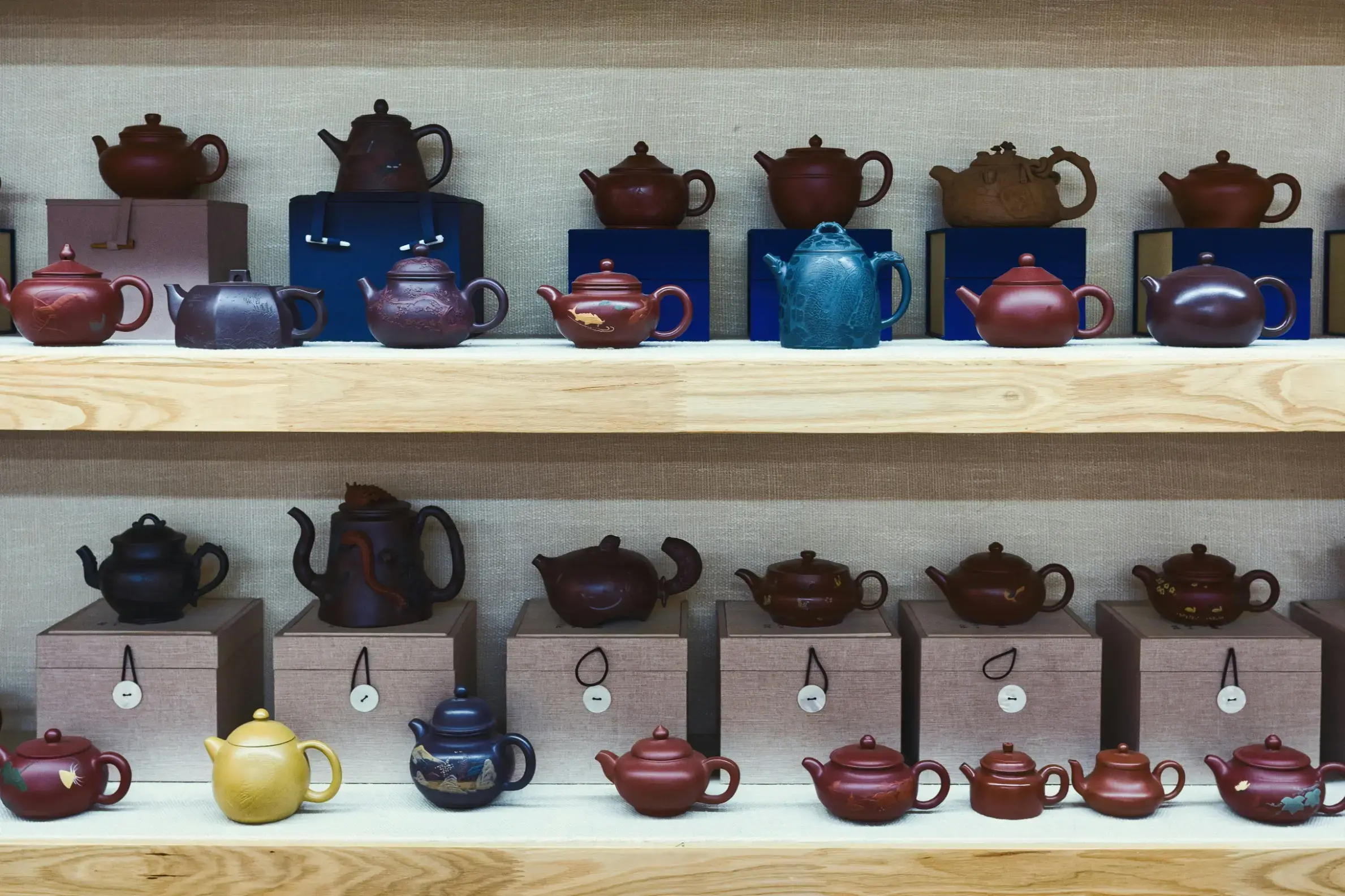
In many Singapore teaware shops, a Yixing teapot immediately draws attention. This iconic piece of Yixing pottery is crafted from unique purple clay found only in the Yixing region of China, west of Taihu Lake in Jiangsu Province. Yixing has a rich heritage in Chinese art and pottery, with production dating back to the Neolithic period and a focus on zisha or 'purple sand' teapots since the 16th century. Its unglazed exterior, muted earth tones like beige and sandy hues, and compact form distinguish it from typical porcelain or glass vessels found in beginner tea sets. These teapots represent the pinnacle of craftsmanship and artistry.
For newcomers interested in traditional brewing tea, the Yixing teapot prompts questions: Does it truly affect the taste and essence of tea? Is it only for advanced users? Is the higher price justified? A zisha teapot is more than decoration; it embodies a centuries-old tradition emphasizing material interaction, patience, and consistency.
The Science Behind Yixing Clay and Yixing Pottery
A common misconception is that a Yixing teapot “infuses minerals” like iron into tea. This is false. The magic lies in the porosity and absorption of the clay.
Yixing clay includes types such as zisha, banshanlu, and zhusha, mixed to create a range of colors and textures in teapots. The firing process also affects the surface color and properties.
The porous purple clay absorbs natural oils and aromatic compounds from the infusion of tea leaves. Over months of use, the pot develops a “memory,” softening bitterness and rounding flavors. This subtle seasoning reflects the craftsmanship of the potters perfected over centuries.
Instant flavor changes are unrealistic; instead, the surface gradually preserves the tea’s essence, enriching each sip.
Understanding Cost and Quality in Singapore’s Yixing Ware Market
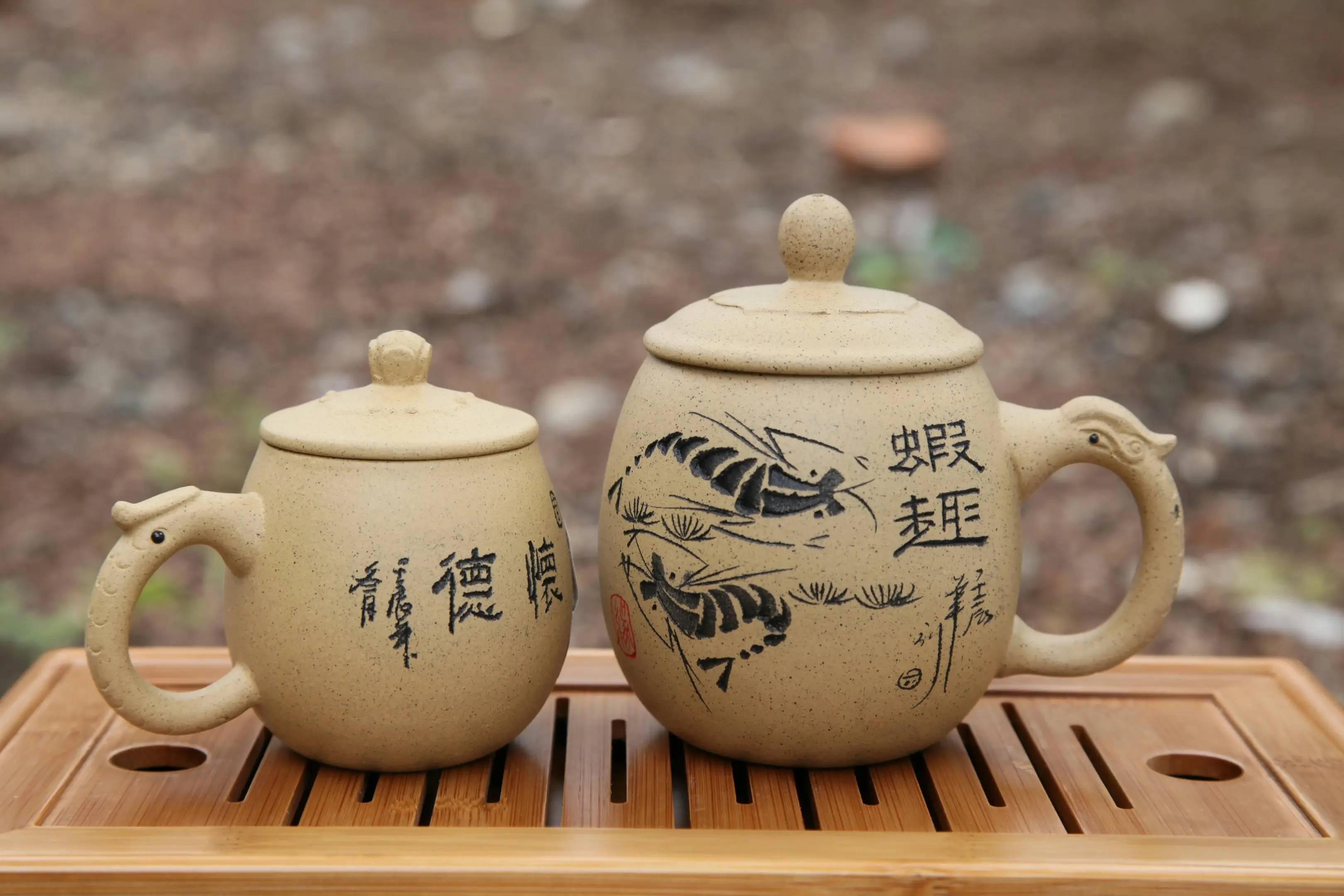
Singapore imports these artisan goods, so price varies by the origins of the clay and the skill of the artist or potter. Typical ranges are:
- Entry-level (SGD $30–$80): Often machine-assisted with mixed clay, functional but lacking deep seasoning ability.
- Mid-range (SGD $100–$300): Semi-handmade with reliable clay and good craftsmanship, ideal for beginners.
- High-end / Collector pieces (SGD $500–$2000+): Fully handmade by master potters using rare clay, often stamped with an artist's seal. These belong to exceptional collections and appeal to collectors worldwide.
Choosing Quality Yixing Ware: What to Look For
When holding a Yixing teapot, the clay should feel smooth with natural texture, and the weight balanced. The body, spout, and handle should align harmoniously, reflecting refined craftsmanship.
Check the lid fits snugly without wobbling, and the spout pours a clean, controlled stream that stops sharply. This functionality is essential for brewing.
Beware of cheap “Yixing” pots from tourist shops, they rarely use genuine zisha clay. Avoid overly shiny surfaces indicating chemical coatings. If the pot smells like soap or chemicals, reject it immediately.
Brewing with a Zisha Teapot: A Simple Routine
Using your zisha teapot need not be complicated. Consistency is key:
- Rinse with warm water only; never use soap. Porous clay absorbs chemicals, ruining seasoning.
- Pre-warm the pot with hot water before adding leaves.
- Brew only one specific type of tea such as roasted oolong or raw pu-erh, to develop proper seasoning.
- Discard leaves after each session; do not leave them inside overnight.
- Rinse and air dry naturally, leaving the lid off to prevent moisture buildup.
- Repeat regularly.
Pro Tip: Singapore’s tap water varies in taste due to chemical treatment. Using filtered water enhances tea taste and preserves your pot’s seasoning.
Lessons from Yixing Pottery Enthusiasts
Lesson 1: The First-Time Confusion
A beginner brews different teas such as green, pu-erh, and oolong in one pot.
- Result: Mixed flavors muddle the pot’s seasoning.
- Lesson: Dedicate your pot to the same type of tea.
Lesson 2: The Over-Cleaner
Using soap to clean the teapot.
- Result: Clay absorbs soap, spoiling future brews.
- Lesson: Hot water alone cleans a Yixing teapot.
Lesson 3: The Patient User
Consistently brewing roasted Wuyi oolong in a mid-range pot.
- Result: After months, tea becomes smoother, bitterness softens.
- Lesson: Patience allows porous clay to enhance tea essence.
Embracing Yixing Pottery Tradition in Singapore
Singapore’s teaware shops reflect a blend of tradition and modernity, with Chinese tea culture prevailing, especially in Yixing ware and gongfu-style.
Compact urban living favors small teapots and minimal setups. Humidity demands proper drying to avoid moisture retention in unglazed clay.
Beyond function, Yixing teapots symbolize a slower, intentional lifestyle, feels like a pause in a fast city connecting tea enthusiasts to a rich heritage and artistry spanning centuries.
Specific Types and Styles of Yixing Teapots
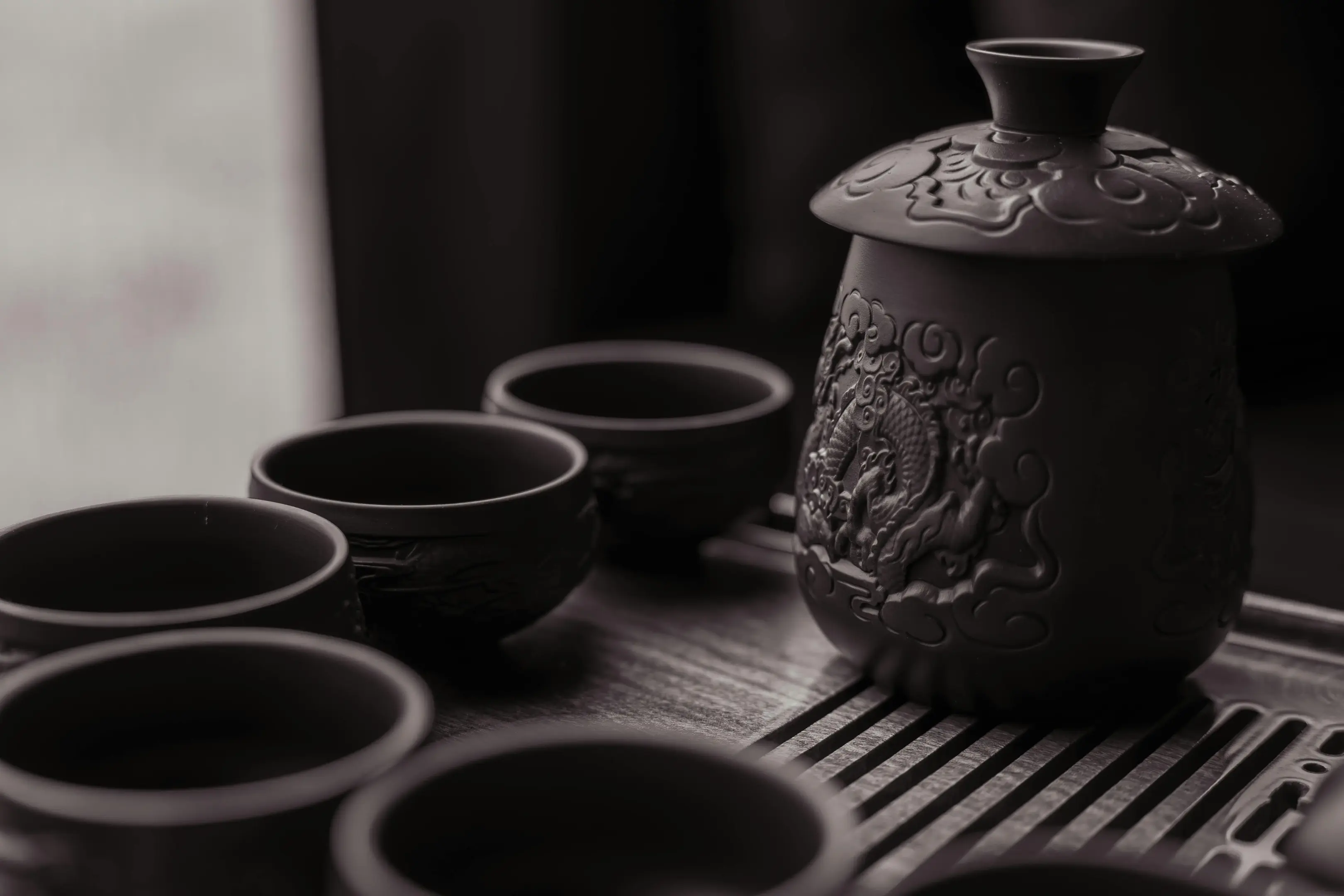
Yixing pottery includes four main specific types:
- Geometric styles: Shapes like round lanterns crafted using the slab method.
- Naturalistic styles: Forms mimicking nature, such as lotus leaves.
- Ribbed or segmented bodies: Made by press-moulding.
- Miniature teapots (shuiping hu): Designed for gongfu tea, often made with orange-red or cinnabar clay.
All are handcrafted rather than thrown on a wheel, using traditional techniques and firing processes that influence clay color and functionality.
Collectors seek pieces stamped with the seal of master artists or potters, marking the pinnacle of excellence in Chinese art and pottery. These treasured vessels are displayed in exceptional collections worldwide, including San Francisco and Beijing.
Conclusion
Is a Yixing teapot worth it?
If you expect an instant upgrade of cheap tea, you may be disappointed. But if you seek a mindful ritual, a connection to tradition and craftsmanship, then it is a worthwhile investment. If you want to understand teaware more deeply before choosing pieces like this, it helps to start with a beginner’s guide to teaware and tea tools.
A Yixing teapot is a living object that grows more beautiful and purposeful alongside your practice. Visit a local shop or browse online, test the stock carefully, and find a pot that feels right. The journey unfolds quietly, one sip at a time, celebrating the excellence and heritage of Yixing ware.

Understanding Oolong Tea Oxidation Levels: The Spectrum of Oxidation in Tea Classification
When you step into the world of tea, you quickly learn about the main categories: white, green, oolong, and black. For many, green tea is fresh and vegetal, while black tea is bold and malty. But what about oolong? This category seems to defy easy definition, with some oolongs tasting light and floral like a…
-
Beyond Matcha: Exploring the Diverse World of Japanese Green Tea Varieties
Let’s be honest, when you hear “Japanese green tea,” your mind likely pictures a vibrant, frothy bowl of matcha. From trendy matcha lattes in every café to ice cream and desserts, matcha has become the undisputed global face of Japanese tea culture. And for good reason! It’s a delicious, versatile ingredient with numerous health benefits….
-
Silver Needle White Tea: The Delicate Emperor of Chinese Tea
In the vast and storied world of Chinese tea, few varieties command the reverence and prestige of Silver Needle white tea. Celebrated as Bai Hao Yin Zhen (白毫銀針)-meaning “White Hair Silver Needle”-this exceptional Chinese white tea sits atop the hierarchy of not just white tea, but among all tea types. Each slender ‘needle’ is not…
-
Thai Oolong Tea: Thailand’s Oolong Revolution in Ancient Tea Territory
In the shadowy folds of Northern Thailand’s mountains, where cool, misty air hugs the slopes and the morning dew clings to fragrant tea leaves, a revolution is steeping. Once known largely for its role in the Golden Triangle, this region now blossoms as a new epicenter for Thai oolong tea and innovative tea beverages like…
-
Dong Ding Oolong: The Artisanal Craft Behind Taiwan’s Most Famous Tea
Imagine a warm, inviting aroma that fills the room with essence reminiscent of delicate flowers, toasted nuts, honeycomb, chocolate, and ripe stone fruit. The initial scent from a freshly opened tin of Dong Ding Oolong loose leaf tea can feel almost transportive. Upon brewing, the tea’s infusion shines with a brilliant golden colour, and your…

Yerba Mate Tea: Argentina’s Ancient Energy Brew and Modern Revival
Picture a sun-drenched plaza in Buenos Aires, where the air hums with laughter and the scent of fresh flowers. In the center, friends gather in a close-knit circle, a cherished gourd filled with fragrant yerba mate tea making its way from hand to hand. Each person sips this herbal tea-brewed from green yerba mate leaves-through…

The Complete Guide to Kenyan Tea Industry Transformation in the Great Rift Valley
Imagine standing at the edge of Kenya’s Great Rift Valley, the birthplace of world-renowned Kenya tea. Here, undulating hills blanket the landscape in a lush sea of deep green, where rows of thriving tea bushes stretch across the horizon. This breathtaking region forms the core of the Kenyan tea industry-a powerhouse producing some of the…
-
Ceylon High Grown Tea: The Bright, Crisp Profiles of Nuwara Eliya
Imagine standing amidst a sea of emerald green on the island of Sri Lanka, where manicured tea bushes climb rolling hills and disappear into a cool, persistent mist. This is the world of Ceylon high grown tea, centred in Nuwara Eliya – a region characterized by bright sunshine in the morning and cool, misty nights….
-
Masala Chai Origins: The Cultural Evolution of India’s Spiced Tea Tradition
The rhythmic clanging of metal kettles echoes through narrow lanes as steam rises from countless chai stalls across India. The intoxicating aroma of cardamom, cinnamon, and fresh ginger mingles with robust black tea, creating an olfactory symphony that has captivated souls for centuries. This is masala chai-not merely a beverage, but a cultural phenomenon that…
-
Matcha Tea: The Versatile Japanese Green Tea Powder
The vibrant green powder that transforms simple hot water into liquid jade has captivated tea enthusiasts worldwide. Matcha tea represents more than just a trendy beverage-it’s a bridge connecting ancient Japanese traditions with modern culinary innovation. This unique form of powdered green tea offers endless possibilities, from meditative ceremonial drinking to creative kitchen applications that…