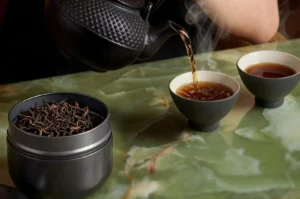
In a city that moves as fast as Singapore, the simple act of brewing a cup of tea can feel like a small rebellion—a moment of intentional calm. More and more tea lovers are discovering that this moment is profoundly elevated when they make the switch from conventional tea bags to loose tea leaves. This shift is more than just a change in format; it’s a lifestyle upgrade that unlocks superior taste, higher quality, and even access to award-winning teas that have earned recognition for their exceptional quality and craftsmanship—a more sustainable, mindful way to enjoy one of the world’s oldest beverages.
This guide will explore the wonderful world of loose tea leaves Singapore enthusiasts are embracing, highlighting the carefully crafted nature of these teas and the impressive range of options available to local tea lovers. From understanding their inherent benefits to starting your own loose leaf journey, we cover it all.
What Are Loose Tea Leaves? A Journey into Loose Leaf Teas and Tea Leaves
At its core, the definition is simple: loose tea leaves are whole or minimally broken dried leaves from the Camellia sinensis plant, sold without the confinement of a tea bag. Unlike the tea in most conventional bags—which often consists of “fannings” or “dust,” the small leftover pieces from processing—loose leaf tea represents the plant in a much purer form.
During production, these whole leaves are carefully withered, rolled, oxidized (for black tea and oolong teas), and dried. Throughout this process, the leaves are meticulously crafted with attention to detail, ensuring they retain more of their natural goodness, aromatic compounds, and beneficial antioxidants. When you open a package of quality loose leaf tea, you can see the integrity of the leaves, a clear testament to higher quality.
The Loose Tea Leaves Advantage: Why Tea Lovers Choose Loose Leaf Over Bags
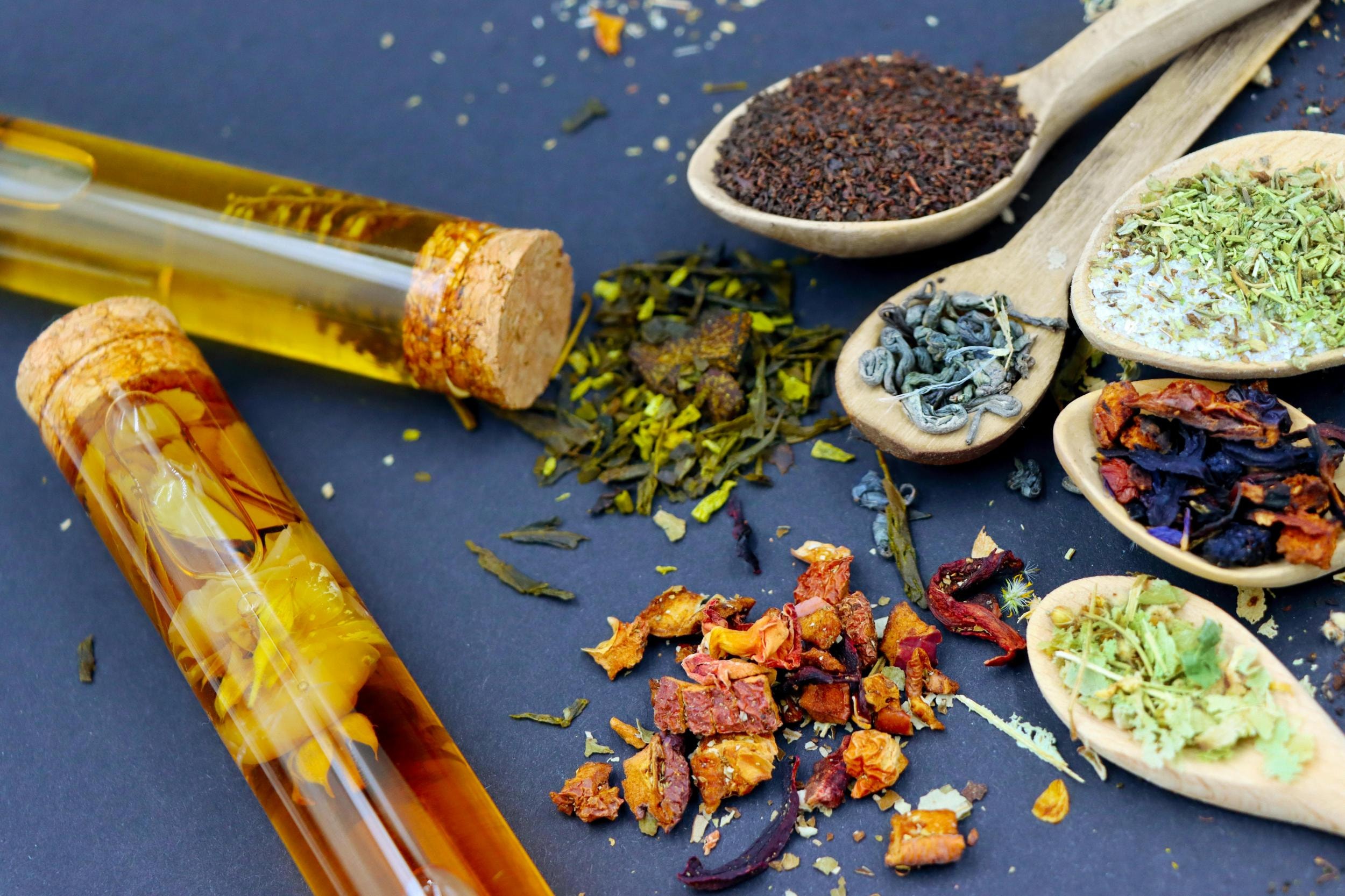
If you’ve only ever used tea bags, you might wonder if making the switch is worth it. The answer is a resounding yes. Here’s why:
Superior Taste, Aroma, and Flavours
The most significant advantage is the taste. Loose tea leaves need space to expand and “unfurl” as they steep. This movement allows water to circulate freely, extracting a full spectrum of complex flavors, essential oils, and subtle aromatics. Tea bags constrict this process, resulting in a flat, one-dimensional, and often bitter brew. Every sip of loose leaf tea is a unique tea experience that delights the senses. Immerse yourself in the rich flavours and aromas of loose tea leaves for a truly indulgent sensory journey.
Higher Quality and Freshness Preserved
The tea industry typically reserves its higher-grade, whole leaves for the loose leaf market. The dust and fannings packed into tea bags are byproducts of this process. By choosing loose leaves, you are inherently selecting a higher quality product. These larger leaves also retain their freshness longer when stored correctly in airtight tea tins.
Greater Control and Customization in Your Tea Ritual
Loose tea leaves put you in the driver’s seat. You have complete control over the strength and flavor of your cup. Prefer a stronger brew? Add more leaves. Want something lighter? Use less. You can precisely manage steeping time to avoid bitterness, a level of customization impossible with pre-portioned tea bags. This ability to create your perfect cup enhances the tea experience and elevates your mood.
Better Value for Tea Connoisseurs
While a package of loose tea leaves may seem more expensive upfront in terms of price compared to other options, it is often more economical in the long run. Quality leaves can be re-steeped multiple times, with each infusion revealing new, subtle layers of flavour. You’re also paying for pure tea, not for the paper, string, staple, and packaging that come with tea bags.
Environmental Benefits for Conscious Tea Lovers
The switch to loose leaves is a win for the planet. It eliminates the waste from individual tea bags, many of which contain plastics and are not biodegradable. This simple change reduces your daily environmental footprint, a value that resonates strongly with conscious consumers in Singapore.
Health Benefits from Natural Goodness
Because they are less processed and contain larger leaf particles, loose tea leaves retain a higher concentration of beneficial compounds like antioxidants (polyphenols) and L-theanine. This means you’re likely getting a healthier, more potent cup infused with natural goodness.
Understanding Loose Leaf Tea Varieties: From Green Tea to Black Tea and Beyond
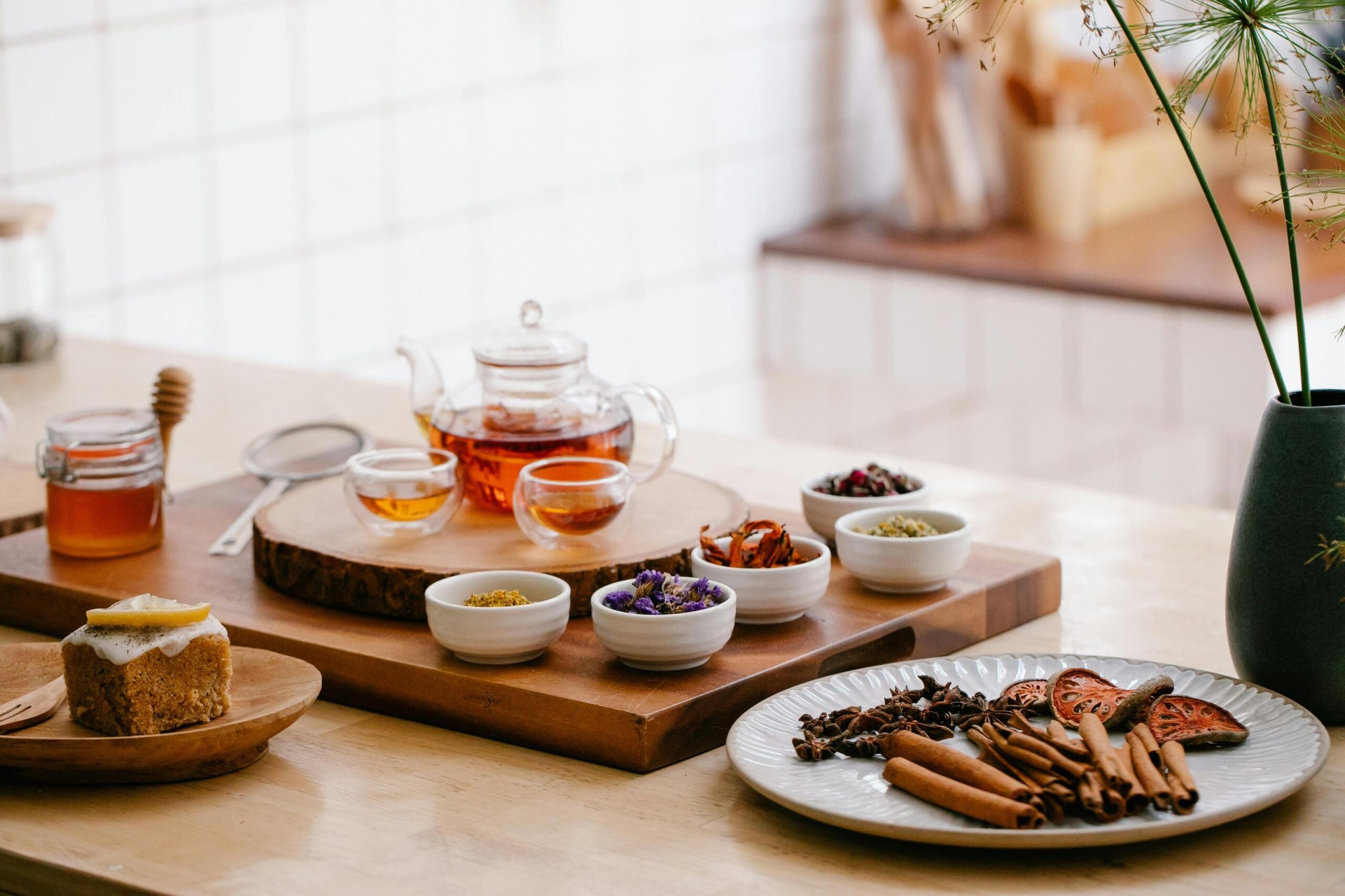
The world of loose leaf teas is vast and exciting. Here are the main categories to explore:
- Loose Leaf Green Tea: Unoxidized and quickly heated after harvesting, green tea is known for its fresh, vibrant, and often grassy or vegetal flavours. It’s packed with antioxidants and has a light, refreshing character. Many green teas are sourced from lush tea gardens in China and Taiwan.
- Loose Leaf Black Tea: Fully oxidized, these leaves produce a dark, amber-coloured infusion with robust, malty, or fruity notes. Popular varieties include Assam, Darjeeling, and Keemun. Signature collections often include classic blends like Earl Grey, which is adorned with bergamot and sometimes complemented with a hint of cream or vanilla.
- Oolong Loose Leaves: This category sits between green and black tea, with oxidation levels ranging from light to dark. This creates a wide spectrum of flavours, from floral and creamy to dark and roasty.
- White Tea Loose Leaves: Made from the youngest buds and leaves of the tea plant, white tea is the least processed of all. It has a delicate, subtle, and naturally sweet flavour profile that connoisseurs savour.
- Pu-erh Loose Leaves: A fermented tea from Yunnan, China, pu-erh has a deep, earthy, and complex profile that, like fine wine, can improve with age.
- Herbal and Floral Loose Leaves: These are not technically “teas” as they don’t come from the Camellia sinensis plant, but they are enjoyed in the same way. This category includes caffeine-free options like chamomile flowers, peppermint leaves, and rooibos, offering a refreshing, naturally sweet infusion. Many specialty blends are tea infused with herbs, fruits, or flowers to create unique and aromatic experiences. Honey is often used as a natural sweetener or flavour enhancer for these infusions, adding a fragrant and premium touch.
Starting Your Loose Leaf Tea Journey in Singapore: Crafting Your Personal Tea Collection
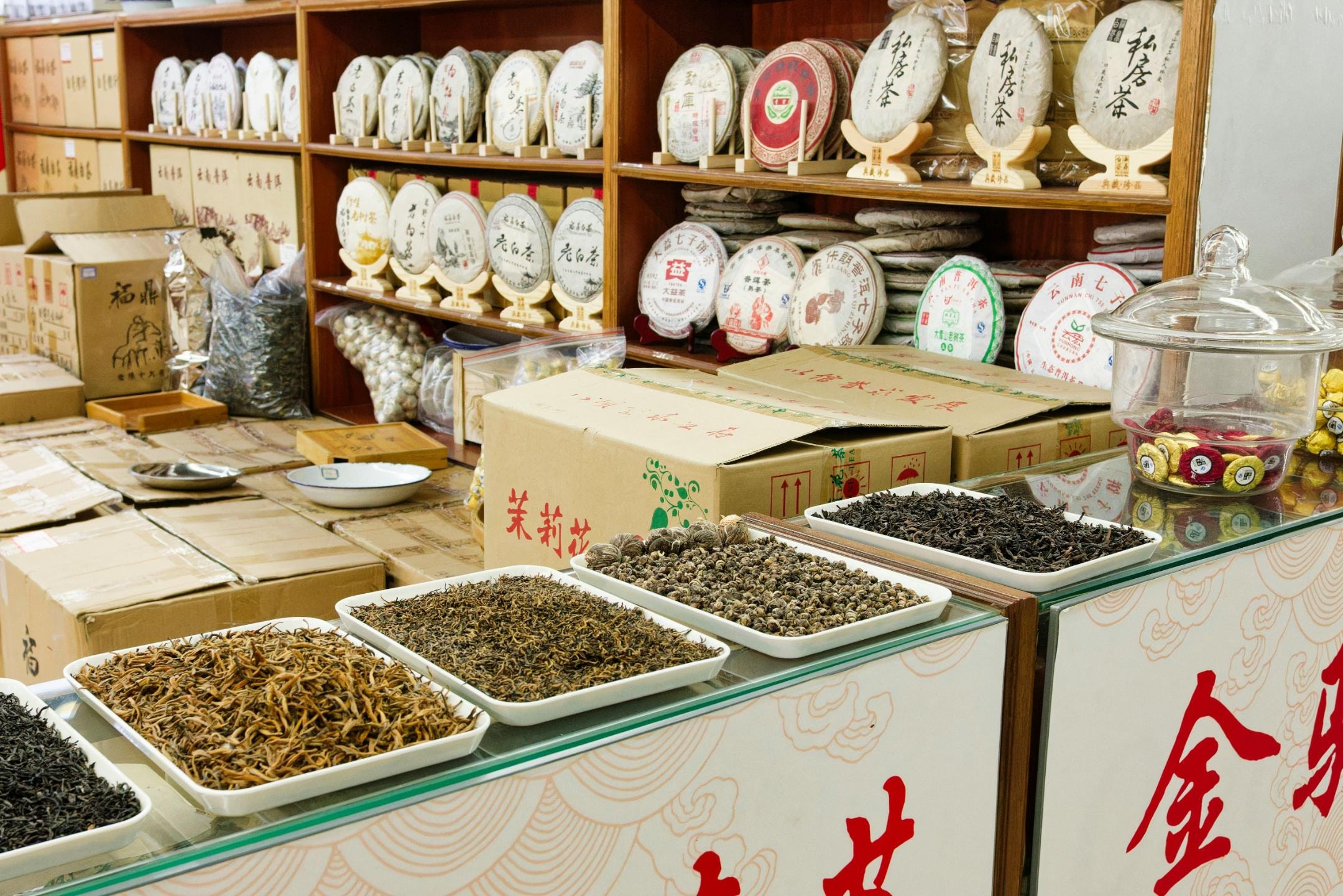
Ready to make the switch? Here’s how to begin your adventure in Singapore.
- Essential Equipment: You don’t need much to start. A simple teapot with a built-in strainer, a mug with an infuser basket, or a traditional Chinese gaiwan is perfect. You’ll also want some airtight tea tins for storage to preserve freshness and aroma.
- Where to Begin: Start with a flavour you already know and love. If you enjoy English Breakfast tea bags, try a loose leaf Assam or Ceylon blend, or explore teas inspired by traditional or cultural practices. This will give you a direct comparison of the quality difference and elevate your palate.
- Building a Signature Collection: Don’t overwhelm yourself. Begin with 3-5 different types of loose tea leaves—perhaps a green, a black, and an oolong—to start developing your palate and discovering what you enjoy.
- Storage Considerations: Singapore’s humidity is the enemy of fresh tea. Store your leaves in airtight, opaque containers in a cool, dark cupboard away from strong-smelling spices to preserve the natural goodness and flavour.
- Community and Learning: The loose tea leaves Singapore community is vibrant. Look for tea appreciation workshops offered by local tea houses. For a wealth of digital knowledge on tea varieties, global traditions, and expert brewing guides, online resources like Tea Manor Singapore offer a fantastic platform to delve deeper into the tea experience.
The Lifestyle Benefits of Loose Leaf Tea: A Tea Ritual to Elevate Every Moment of the Day
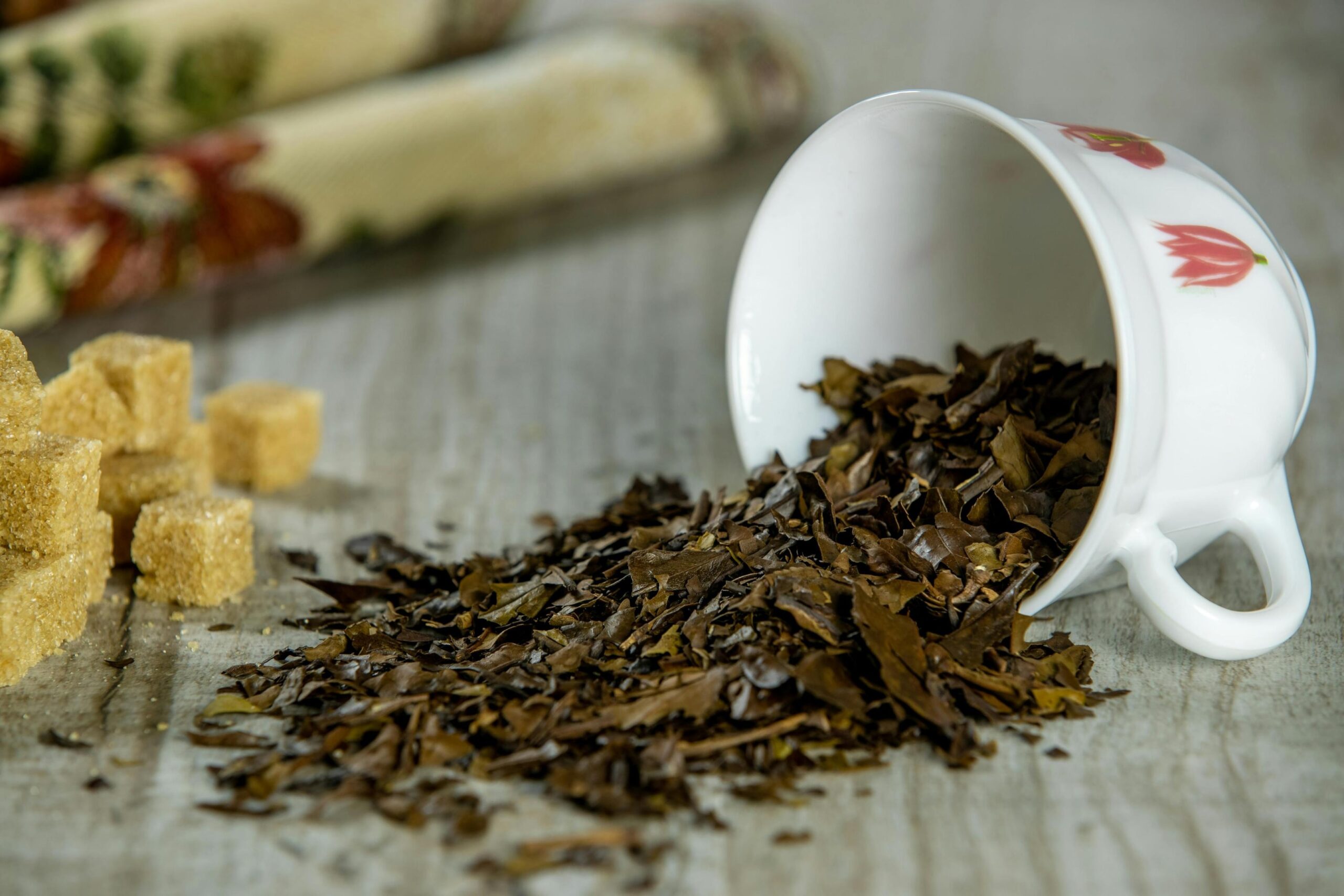
The advantages of loose leaf tea go beyond the practical. Embracing this practice offers a richer life experience.
- A Ritual of Mindfulness: The act of measuring leaves, scooping the perfect amount, heating water, and watching the timer is a small, meditative tea ritual that provides a moment of calm in a busy day.
- Aesthetic Pleasure: There is a simple beauty in watching the dried, curled leaves slowly unfurl and dance in the hot water, releasing their colour and aroma that adorn your cup. The vibrant colour of the infusion enhances the visual appeal, making each cup a feast for the senses.
- Social Connection: Preparing and sharing a pot of quality loose leaf tea is a wonderful way to connect with friends and family, fostering conversation and shared experience. Sharing loose leaf tea can turn any gathering into a special occasion, making memorable moments even more meaningful.
- A Journey of Discovery: The world of tea is vast. Exploring different varieties, origins, and processing methods is a lifelong journey of learning and discovery for your senses. Savor each sip as you uncover new flavours and aromas, enriching your tea experience.
Gifts and Special Occasions: Sharing the Beauty of Loose Leaf Tea
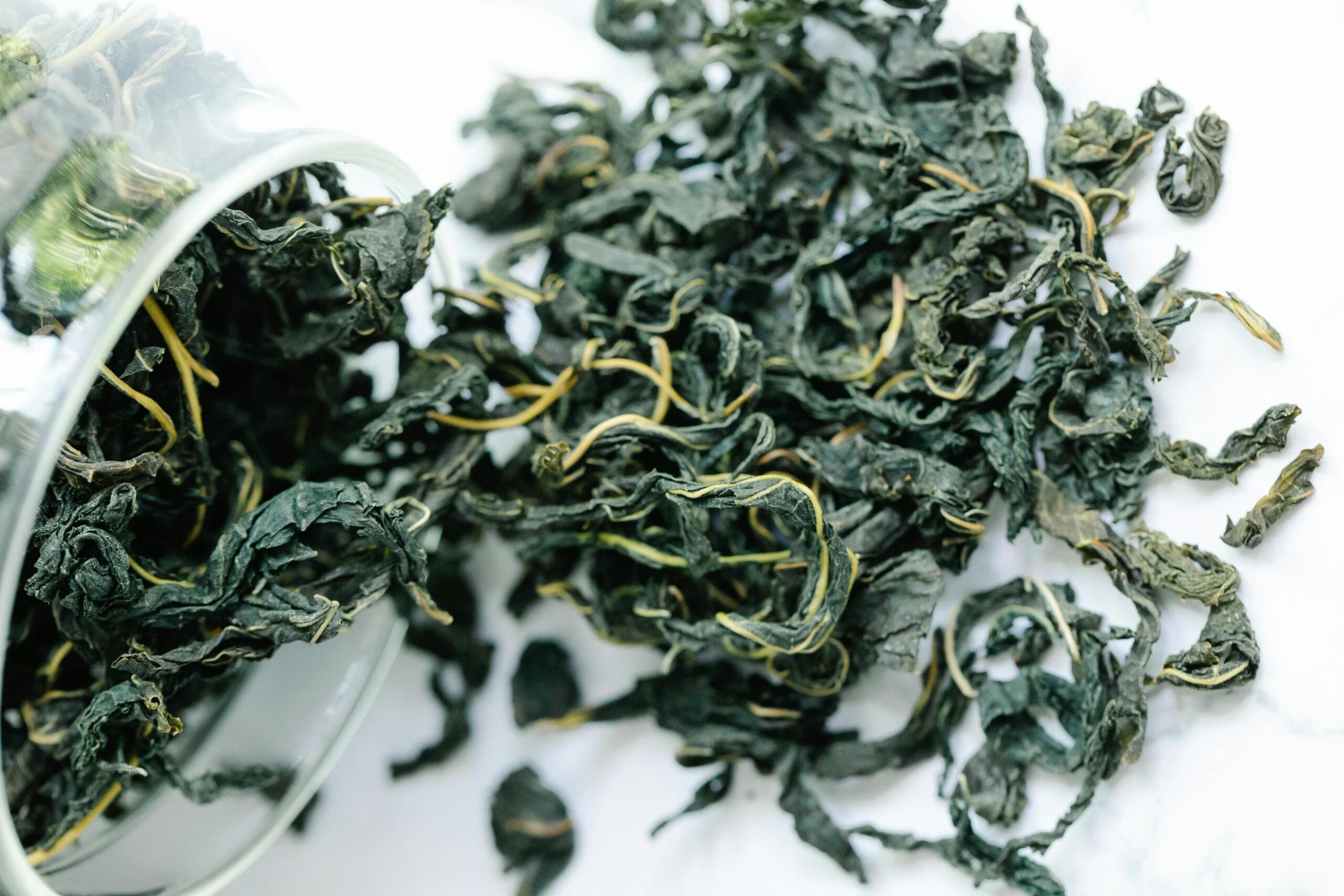
Loose leaf tea makes an exceptional gift for tea lovers and novices alike. Beautifully crafted tea tins, signature collections, and unique tea blends offer thoughtful presents that convey care and appreciation. Whether for birthdays, holidays, or special occasions, gifting loose leaf tea invites friends and family to indulge in a unique tea experience that celebrates natural goodness and tradition.
Conclusion: Indulge in a Unique Tea Experience with Loose Tea Leaves
Making the switch to loose tea leaves is one of the easiest and most impactful ways to elevate your daily tea ritual. It’s an investment in better flavour, higher quality, and a more mindful, sustainable lifestyle. This simple change transforms a mundane habit into a moment of accessible luxury, connecting you to global tea traditions and offering a pause of genuine quality in your busy routine.
As you begin this exciting journey, remember that knowledge enhances appreciation. For detailed, Singapore-specific guidance on selecting the best tea leaves, understanding local storage requirements, and mastering brewing techniques for different varieties, be sure to read our Complete Guide to Tea Leaves in Singapore: From Selection to Brewing. Welcome to a more flavourful world where every sip is a celebration of the beauty and tradition of tea.

Stop Calling It “Premium”: Why Most Luxury Tea Branding Is Empty
There is a word I have become increasingly cautious of in the tea world. Premium. It appears everywhere. Premium leaves. Premium harvests. Premium collections. Premium experiences. The word sounds reassuring. It suggests care, quality, and something worth paying attention to. But after seeing it attached to almost everything, I sometimes wonder whether it has started…
-
Pryce Tea: A Modern Pour with Old Tea-Room Ambitions
I visited on a weekday afternoon, around three, when the city had quieted into that particular lull between lunch and the evening rush. I’d been curious about Pryce Tea for a while, mostly because the brand keeps surfacing among people who talk about teas the way some people talk about wine. With a reputation built…
-
The Seasons in a Tin: How Weather Shapes What I Reach For
I have a small habit that I never really noticed until recently. The weather changes, and somehow, so does the tea I want. On a hot afternoon, I find myself reaching for something light and floral. When rain settles over the windows, I want something darker, warmer, perhaps a little more comforting. On those rare…
-
Ginger Lily Afternoon Tea on Orchard Road: A Floral Chapter in Singapore’s Culinary Story
I noticed the ginger lily flowers before I noticed anything else. Not real ones, exactly. A wall of them, suspended in resin, catching the light as I stepped off the lift on Level 5 at Hilton Singapore Orchard, home to Ginger Lily, a floral-themed afternoon tea lounge on Orchard Road. I stood there a second…
-
Minimalism, But Make It Warm: A Simpler Way to Drink Better Tea
There is a certain irony about tea. The more we learn about it, the easier it becomes to complicate it. A simple cup of leaves and water slowly becomes surrounded by equipment, measurements, techniques, and expectations. We begin collecting teapots, comparing brewing methods, and searching for the perfect setup. None of these things are wrong….
-
A Humble Cup in an Age of Overdesigned Drinks: iTea Review
The bubble tea I queued for last month came with a caramelized brûlée top I had to crack with the back of my spoon. It was fine. Pretty, even. But somewhere between the torched sugar and the cheese foam and the third topping I didn’t ask for, I lost the drink itself. So I went…
-
Matcha Hype Has Gone Too Far (But I Still Drink It)
I have a confession. I am slightly tired of seeing matcha everywhere. Not because I dislike matcha. In fact, I drink it quite often. But there is something amusing about watching a humble tea become the centre of every café menu, wellness conversation, and social media trend. Matcha has gone from a traditional Japanese tea…
-
Hortus Afternoon Tea Review: When the Garden Becomes the Occasion in the Flower Dome
I forgot, for a moment, that I was indoors at Hortus, the Mediterranean restaurant nestled within the Flower Dome at Gardens by the Bay. There were trees above me, real ones, and the air held that cool, green stillness you usually find early in the morning somewhere far from the city. A leaf drifted down…
-
The Real Reason Your Tea at Cafés Tastes Flat
There is a particular disappointment that comes with ordering tea at a café. You see the menu. You notice the carefully written descriptions. Perhaps there is a mention of fragrant jasmine, roasted oolong, or a carefully selected blend. The presentation arrives beautifully arranged, and for a moment, there is anticipation. Then you take the first…
-
Herbal Tea in Chinese: A Cup Shaped by Heat, Balance, and Belief
The first sip was bitter. I was maybe seven, and my grandmother had pressed a small ceramic cup into my hands, dark liquid inside, steam curling up between us. She didn’t explain. She just said, “Drink. You’ve been too heaty.“ I made a face. She didn’t smile. She just waited until I finished. Years later,…