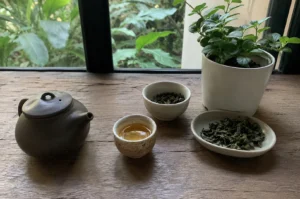
The rhythmic clanging of metal kettles echoes through narrow lanes as steam rises from countless chai stalls across India. The intoxicating aroma of cardamom, cinnamon, and fresh ginger mingles with robust black tea, creating an olfactory symphony that has captivated souls for centuries. This is masala chai—not merely a beverage, but a cultural phenomenon that transcends social boundaries and geographical borders. What began as ancient Ayurvedic medicine has evolved into global comfort, yet its heart remains distinctly Indian, preserving traditions that unite millions over a simple cup of masala chai.
Ancient Beginnings: When Spices Met Tea
Long before tea leaves reached Indian shores, Ayurvedic practitioners were brewing medicinal concoctions with warming spices. The tea plant arrived in India through various trade routes, but it was the indigenous wisdom of combining fragrant spices with these leaves that birthed what we know as masala tea.
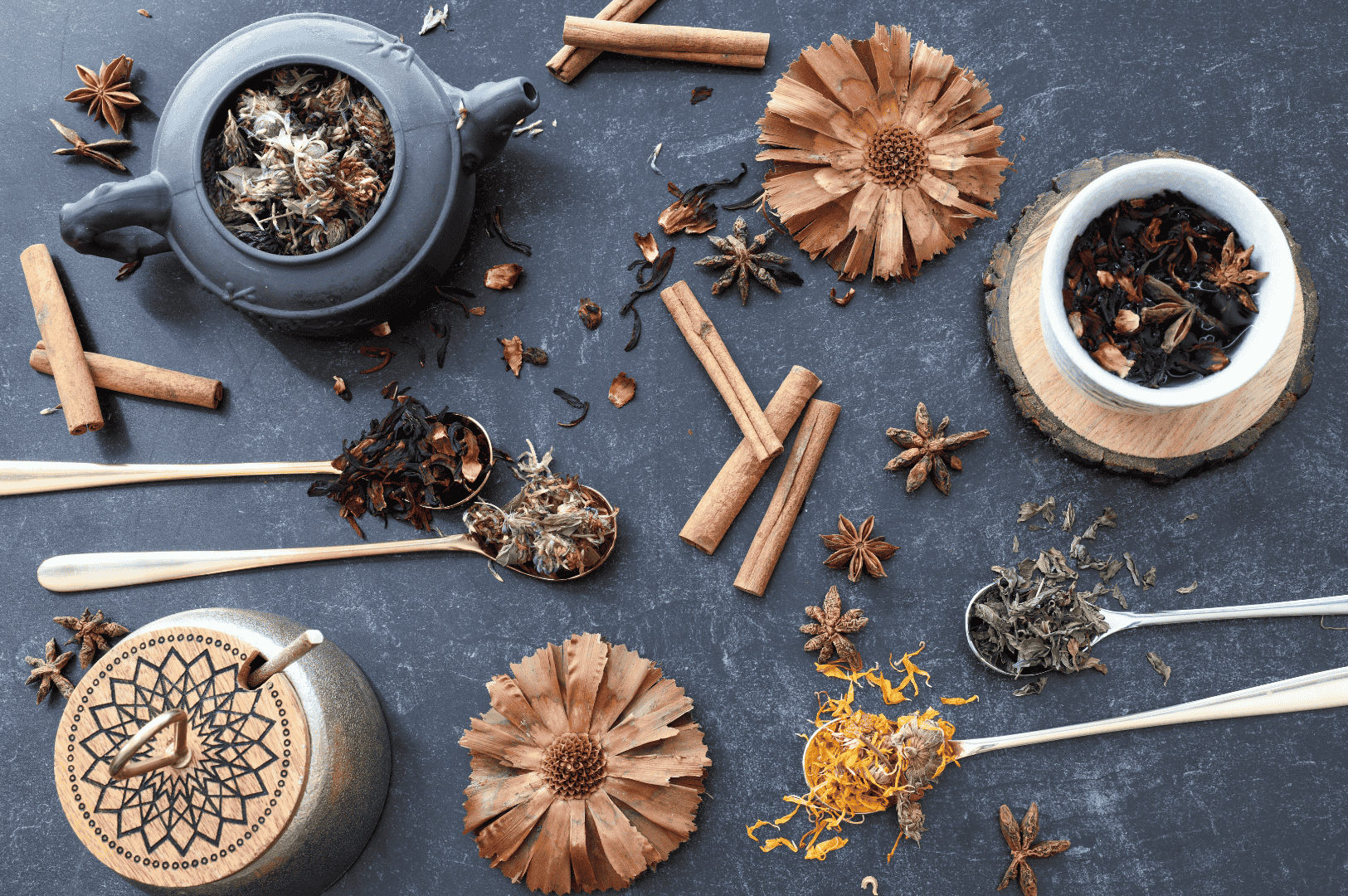
Ancient texts prescribed fresh ginger for digestion, green cardamom pods for respiratory health, and ceylon cinnamon for circulation. These aromatic spices formed the foundation of traditional indian tea culture, where drinking tea became synonymous with healing. The masala chai translates to "spiced tea," reflecting this marriage between medicinal herbs and the newly introduced tea leaves that would revolutionize Indian tea drinking practices.
Colonial Influence: The British Legacy Transformed
The Rise of Tea Plantations and Black Tea
The British East India Company established sprawling tea plantations across Assam and Darjeeling, transforming these regions into the backbone of global tea trade. The Tea Board of India promoted assam tea and darjeeling tea production, but Indian tea drinkers had different ideas about how to consume this bitter brew.
Rather than adopting British tea customs, Indians revolutionized the experience by adding milk and sugar along with their beloved whole spices. Tea stalls sprouted at railway stations where chai vendors became cultural ambassadors, serving steaming cups to travelers from all walks of life.
The chai wallahs emerged as vital figures in Indian society, making authentic masala chai accessible to working-class Indians who couldn't afford elaborate tea ceremonies. Their metal kettles and clay cups became symbols of democratic refreshment, where a perfect cup cost mere pennies but delivered immeasurable comfort.
Regional Variations & Ingredients: The Masala Dabba Tradition
Traditional Masala Chai Recipes Across India
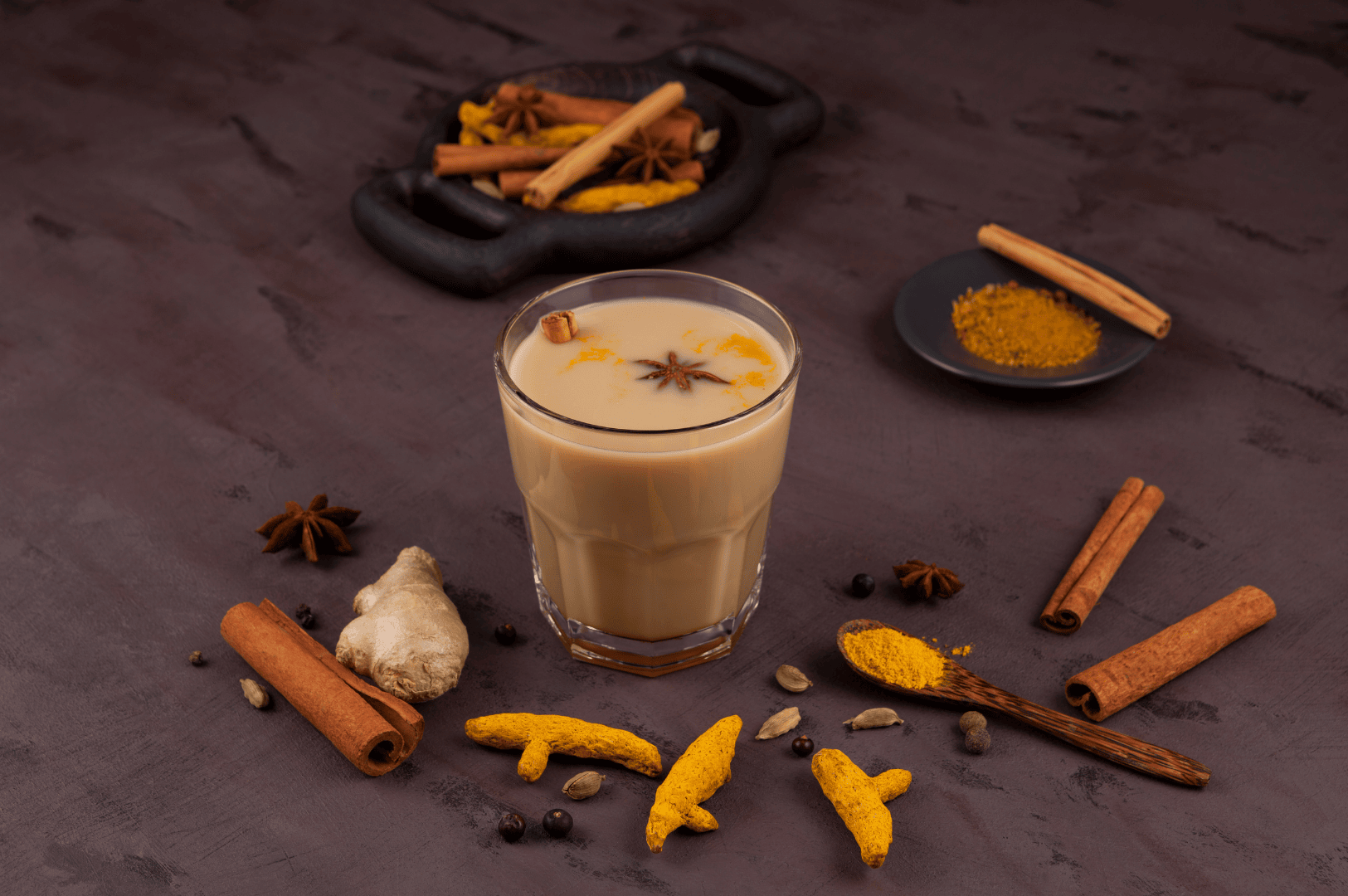
Every Indian household treasures its masala dabba—a spice box containing the essential ingredients to make masala chai. The fundamental recipe combines black tea bags or loose tea with aromatic herbs, but regional preferences create delightful variations.
Kashmir celebrates cardamom-heavy blends, while Gujarat favors ground ginger's fiery kick. South india incorporates black pepper and star anise, creating complex flavor profiles that reflect local palates. The spice mix typically includes cinnamon sticks, fennel seeds, and sometimes maple syrup for sweetness instead of brown sugar.
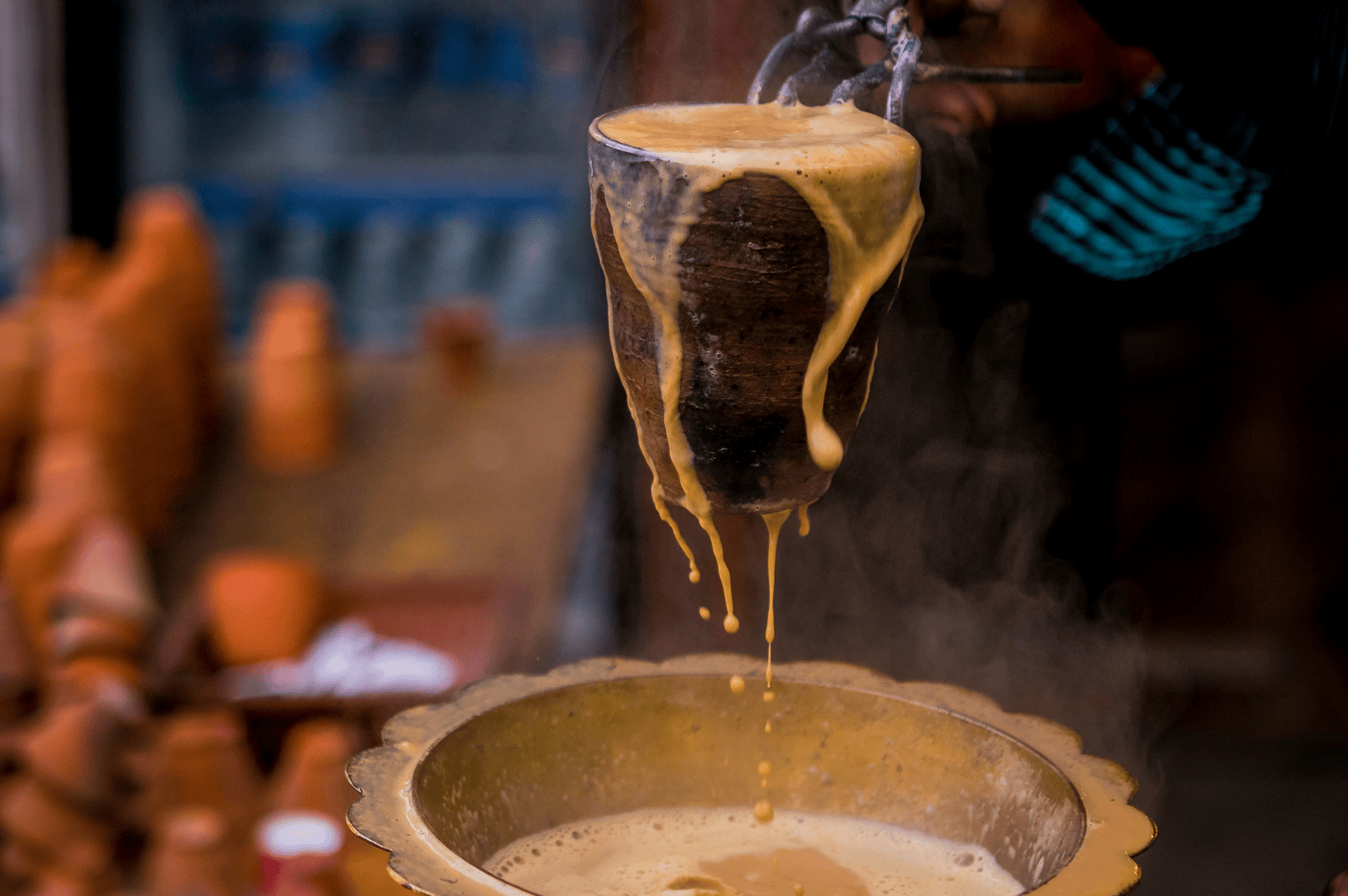
Authentic preparation involves boiling water with whole spices, adding tea leaves, then incorporating milk to create that signature milky tea consistency. The technique to aerate chai—pouring the mixture between vessels to create foam—transforms a simple hot cup into a textured delight. Traditional serving in clay cups enhances the earthy experience, making each sip a sensory journey through India's rich culinary heritage.
Cultural Significance: More Than Just Drinking Tea
The Social Fabric of Chai Culture
Masala chai serves as India's great equalizer, transcending caste, class, and religious boundaries. The phrase "chai pe charcha" (discussion over tea) captures how this spiced tea facilitates conversations that might otherwise remain unspoken. From boardrooms to construction sites, tea breaks punctuate Indian life with moments of shared humanity.
Women have been the custodians of chai masala powder recipes, passing down secret spice combinations through generations. These family formulations represent culinary heritage more precious than gold, with each household claiming their blend creates the ultimate cup of chai.
The Indian diaspora carried these traditions worldwide, establishing south asian grocery stores and introducing coffee shops to authentic masala chai preparation. What started as traditional indian tea became a bridge connecting immigrant communities to their roots while introducing new cultures to this aromatic beverage.
International coffee chains began offering chai tea latte versions, though purists argue these steamed milk concoctions pale compared to the real experience. The journey from street-side tea stalls to global recognition demonstrates chai's universal appeal while highlighting the importance of preserving authentic preparation methods.
Singapore's Masala Chai Scene: Where to Find Authentic Masala Chai
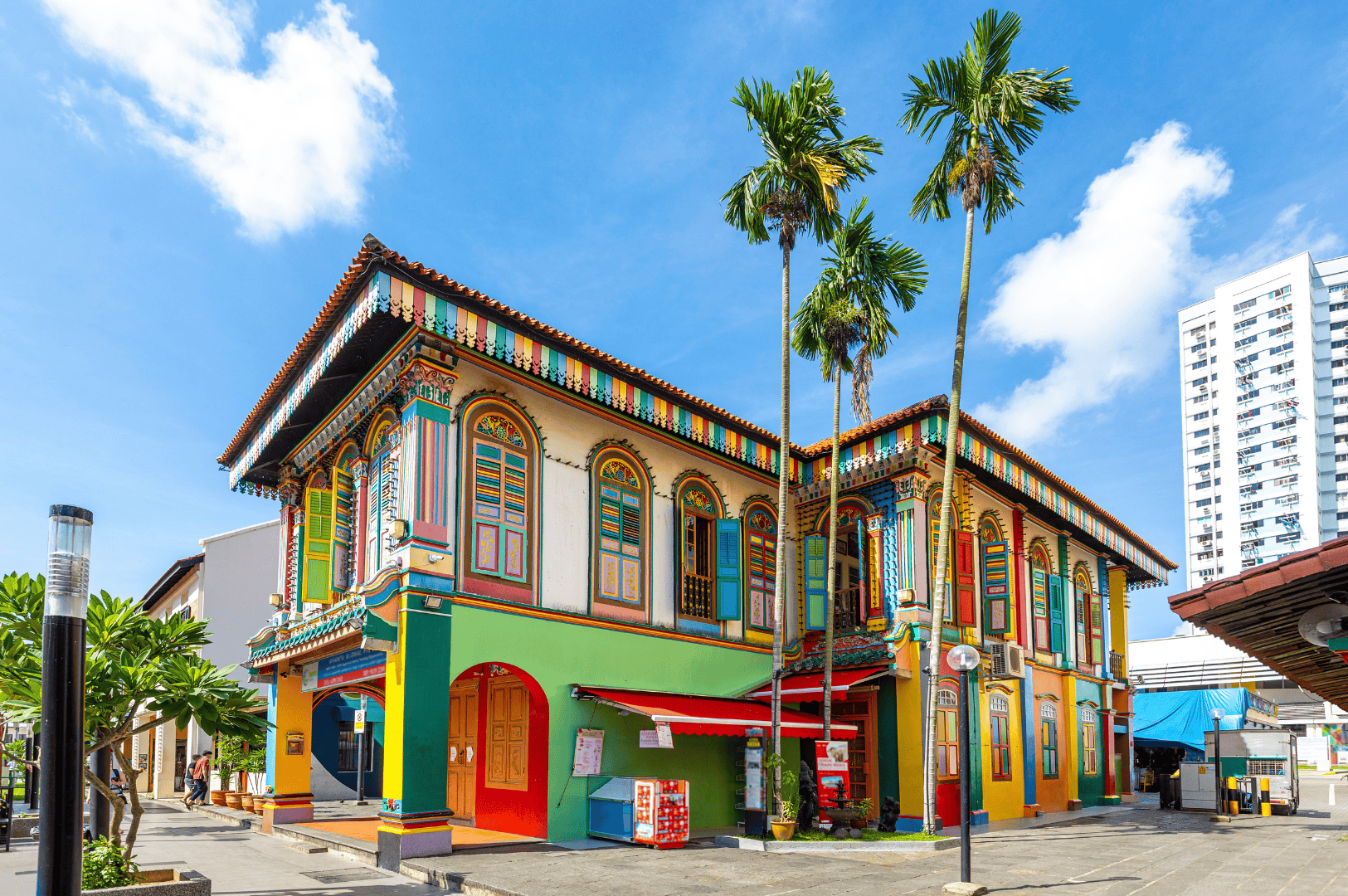
Traditional Establishments in Little India
Singapore's vibrant indian tea culture thrives in Little India, where the aroma of chai masala wafts through bustling streets. Tekka Centre houses numerous chai vendors who prepare authentic masala chai using traditional methods, boiling water with fragrant spices before adding strong CTC tea and creating that perfect milky cup.
Banana Leaf Apolo has been serving generations of families their signature masala chai, prepared with fresh ginger and a carefully guarded spice mix. The restaurant's tea sellers understand that each cup of chai represents cultural continuity, maintaining recipes that connect Singapore's Indian community to their ancestral homeland.
MTR (Mavalli Tiffin Room) brings South Indian chai traditions to Singapore, incorporating unique spices that reflect regional preferences from Karnataka. Their approach demonstrates how indian masala chai varies across different states while maintaining core preparation principles.
Contemporary Cafés and Artisanal Producers
Modern establishments like CHAITEA balance tradition with innovation, using oat milk for lactose-intolerant customers while preserving the essential spice combinations that define authentic masala chai. They source ingredients from reputable tea vendors who understand the importance of quality in creating the perfect cup.
The Singapura Club offers a premium chai experience, using single-origin tea leaves and grinding their own spice mix fresh daily. Their commitment to authenticity attracts both homesick Indians and curious locals eager to experience genuine indian tea culture.
Local artisanal producers now create chai masala powder blends specifically for Singapore's diverse palate, available in south asian grocery stores throughout the island. These locally-made products allow residents to make masala chai at home, using traditional recipes adapted for modern convenience without compromising flavor integrity.
Modern Innovations & Future of Chai Tea
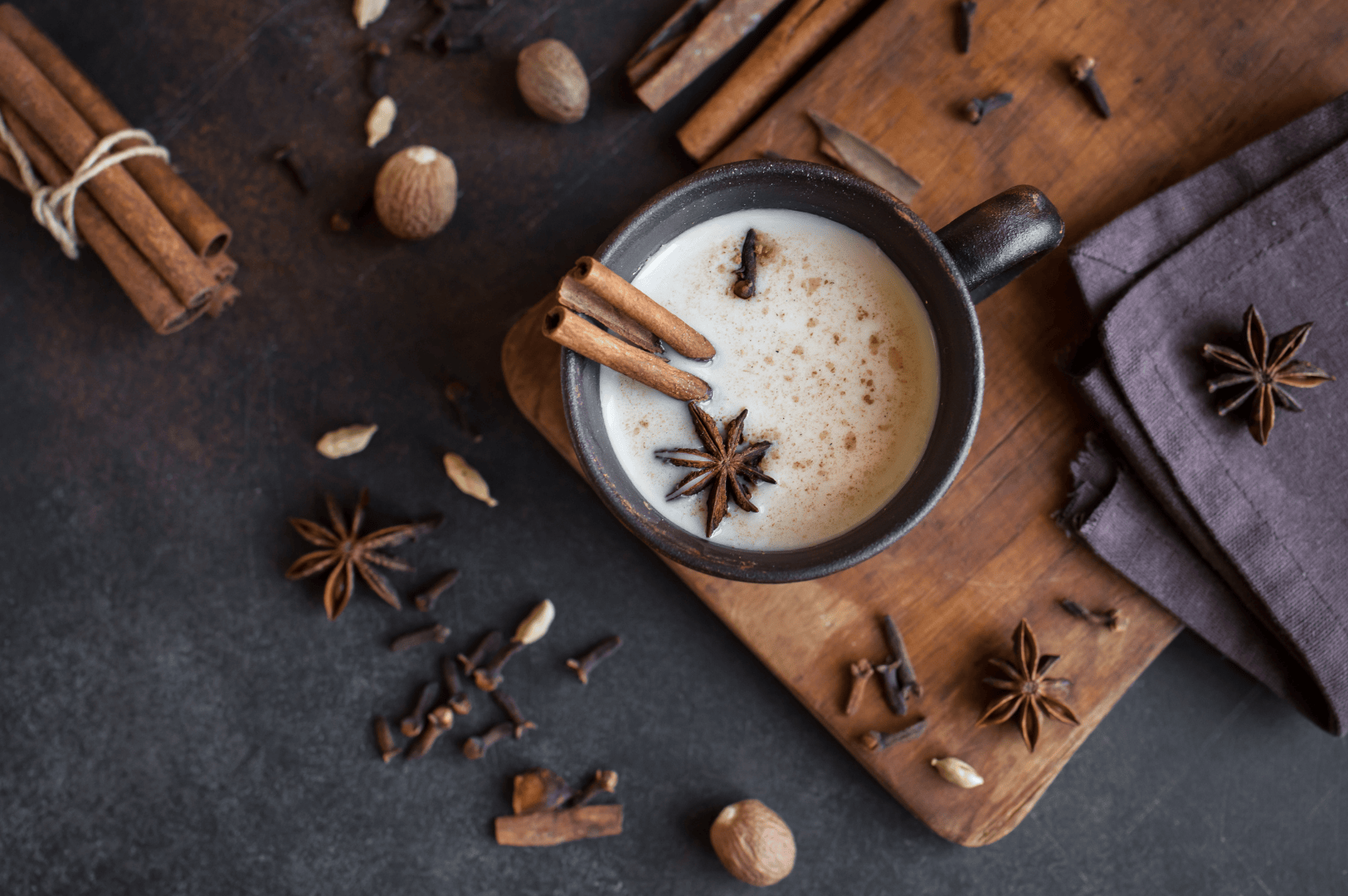
Contemporary culinary artists incorporate masala chai flavors into desserts, ice creams, and baked goods, expanding the beverage's influence beyond traditional boundaries. Local coffee shops experiment with coconut sugar and alternative sweeteners, accommodating health-conscious consumers while maintaining the warming spice profiles that make chai distinctive.
The artisanal movement emphasizes quality sourcing, with tea producers focusing on single-estate leaves and organic spice cultivation. This shift toward premium ingredients reflects growing appreciation for craftsmanship in tea production, elevating masala chai from street beverage to gourmet experience.
Digital platforms now connect traditional chai vendors with modern consumers, allowing authentic recipes to reach global audiences. This technological bridge ensures that time-honored preparation methods survive while adapting to contemporary lifestyles, proving that traditions can evolve without losing their soul.
A Cup of Masala Chai and Beyond
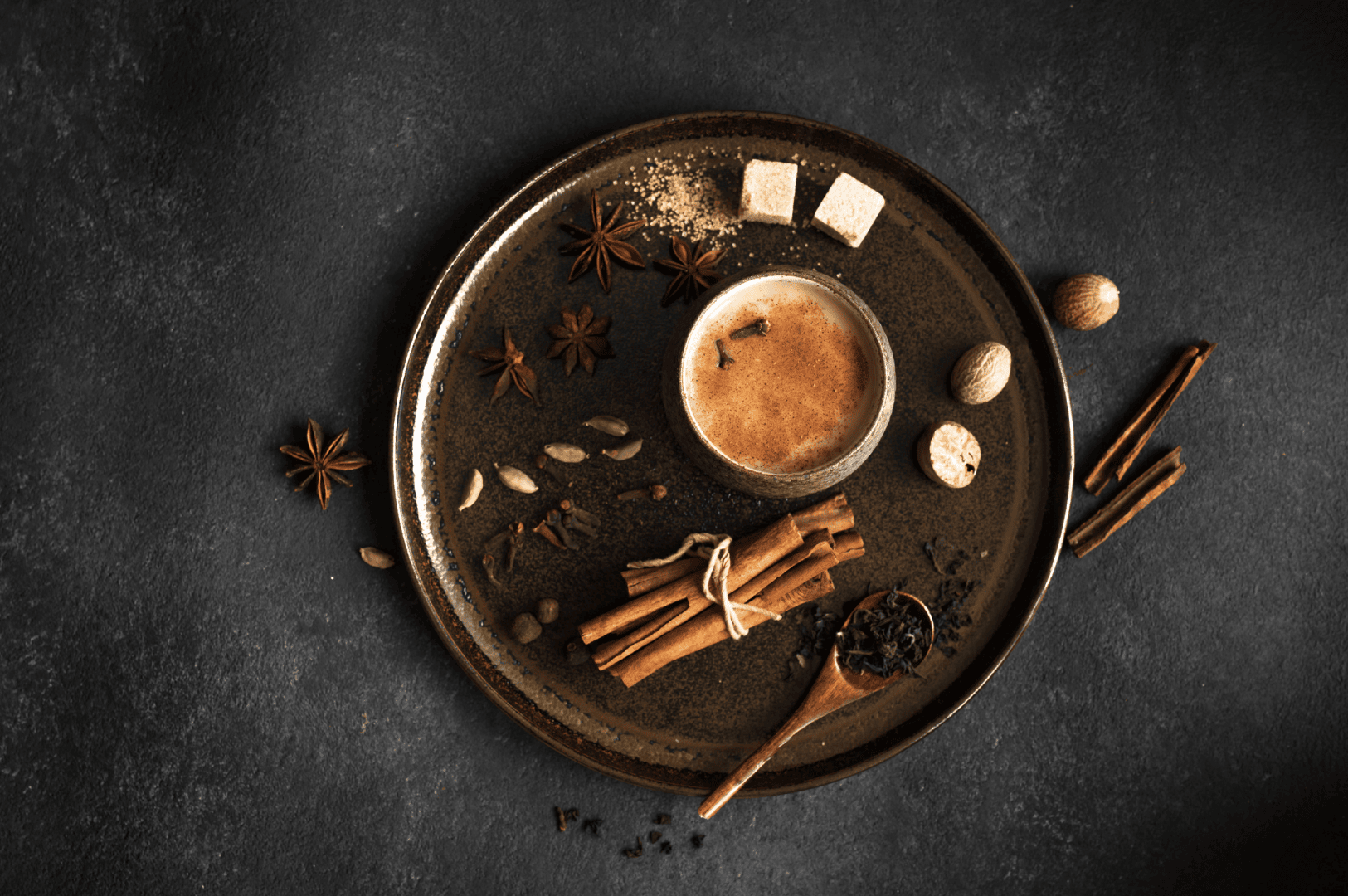
Masala chai's remarkable journey from ancient Ayurvedic medicine to global comfort beverage demonstrates the power of cultural adaptation and preservation. Singapore's authentic masala chai scene offers residents and visitors opportunities to experience this rich tradition firsthand, whether through traditional tea stalls or innovative contemporary interpretations. As chai continues evolving worldwide, its essence remains unchanged: bringing people together over shared warmth, one perfect cup at a time.
If you’d like to explore more iconic teas, you can discover The Dragon Well Legacy: Exploring China’s Legendary Longjing Tea or learn about Matcha Tea: The Versatile Japanese Green Tea Powder.

The Tea That Keeps Me Coming Back
I have a tea I return to more than any other. It is not rare. It is not expensive. In fact, most people would probably pass it by without a second thought. And yet, somehow, it has become a quiet companion over the years. I first drank it on a rainy afternoon. I had been…
-
Tie Guan Yin: The Iron Goddess of Chinese Oolong Tea
Tie Guan Yin, also known as Iron Goddess or Iron Goddess Oolong, is a celebrated Chinese oolong tea originating from Anxi County in Fujian Province, China. This tea from Anxi Fujian holds a special place among other teas due to its unique aroma, flavour, and rich cultural story. It is made from the tea plant…
-
Why Tea Shops Might Be the Last Quiet Places We Have
There is a growing habit in Singapore that I find both comforting and slightly unsettling. People are working everywhere now. Cafés, co-working spaces, neighborhood bakeries, even small corner shops. A laptop seems to turn any table into an office. And in many ways, this flexibility is impressive. It reflects how life has adapted to work,…
-
Why Not Every Tea Deserves Your Attention
Tea culture encourages curiosity. There are endless varieties, origins, and rituals to explore. Some teas are rare, some are aged, some are celebrated in distant mountains. The temptation is to try them all, to chase novelty in the hope that every cup will surprise you. But not every tea deserves your attention. I have learned…
-
Sipping Serenity: Where to Enjoy Chamomile Tea Singapore in the City
Singapore moves quickly. The trains run on time, the workdays stretch long, and the humidity outside rarely lets anyone slow down by choice. Yet within this busy rhythm, a quiet counter-current persists. People look for small pockets of stillness, and increasingly, they find one in a warm cup of chamomile tea. There is something fitting…
-
Why Some Teas Taste Better When Shared
I’ve always found that tea, more than most drinks, seems to gain something when shared. A cup alone can be comforting, quiet, even meditative. But a cup shared with someone else, whether a friend, a family member, or a stranger in a small tea house, somehow becomes richer, fuller, more alive. It’s not just the…
-
The Timeless Charm of Tea Culture Through English Breakfast Singapore
There is a small ritual I return to on the warmest Singapore afternoons. The city outside shimmers with heat, the air conditioning hums softly, and I reach for a familiar tin of English Breakfast tea. The kettle clicks, steam rises, and within a minute or two the kitchen fills with a warm, malty aroma that…
-
The Tea That Reminds Me of Home
I still remember the first cup of tea I drank after returning from a long trip. It was nothing remarkable, a simple black tea brewed in my kitchen but it tasted different from any cup I had drunk abroad. It wasn’t the leaves themselves. It wasn’t the water or the pot. It was the familiarity…
-
A Tea Lover’s Honest Review of Gryphon Tea Company Singapore
There is a particular hush that settles over my kitchen on a weeknight, after the dishes are done and the day finally loosens its grip. That is when I open a new box of tea from Gryphon Tea Company Singapore. Last week, the box belonged to Gryphon Singapore, and the moment I lifted the lid,…
-
Why Tea Can Teach Us About Mindful Consumption
I’ve been thinking a lot about waste lately. Not just the kind we notice-the piles of packaging, leftover food, discarded cups-but the quiet, everyday kind: the tea leaves left unused, the leaves steeped once and thrown away, the water poured down because the cup is “not perfect.” Tea has a way of making you notice…