
There’s a unique kind of magic in crafting your own café-quality matcha green tea latte at home. It’s the satisfaction of watching vibrant green matcha swirl into creamy, frothed milk, the joy of customizing it to your exact taste, and the simple pleasure of sipping a wholesome, delicious beverage you made yourself. Beyond the significant cost savings, making your own matcha lattes gives you complete control over the quality of your ingredients. Preparing a homemade matcha latte is surprisingly easy, requires no specialized equipment, and offers a calming, healthy alternative to coffee shop versions.
This beloved drink beautifully blends the ancient ritual of Japanese tea with the modern comfort of a creamy latte. As a highlight of drinks cuisine, the matcha green tea latte stands out for its cultural roots and culinary versatility, celebrated both in traditional Japanese settings and modern cafés worldwide. While it may seem complex, mastering the perfect matcha green tea latte recipe is an accessible and rewarding skill. This guide will provide you with step-by-step instructions, troubleshooting tips, and creative variations to help you perfect this delightful matcha latte tea in your own kitchen.
Why Make Matcha Green Tea Lattes at Home?
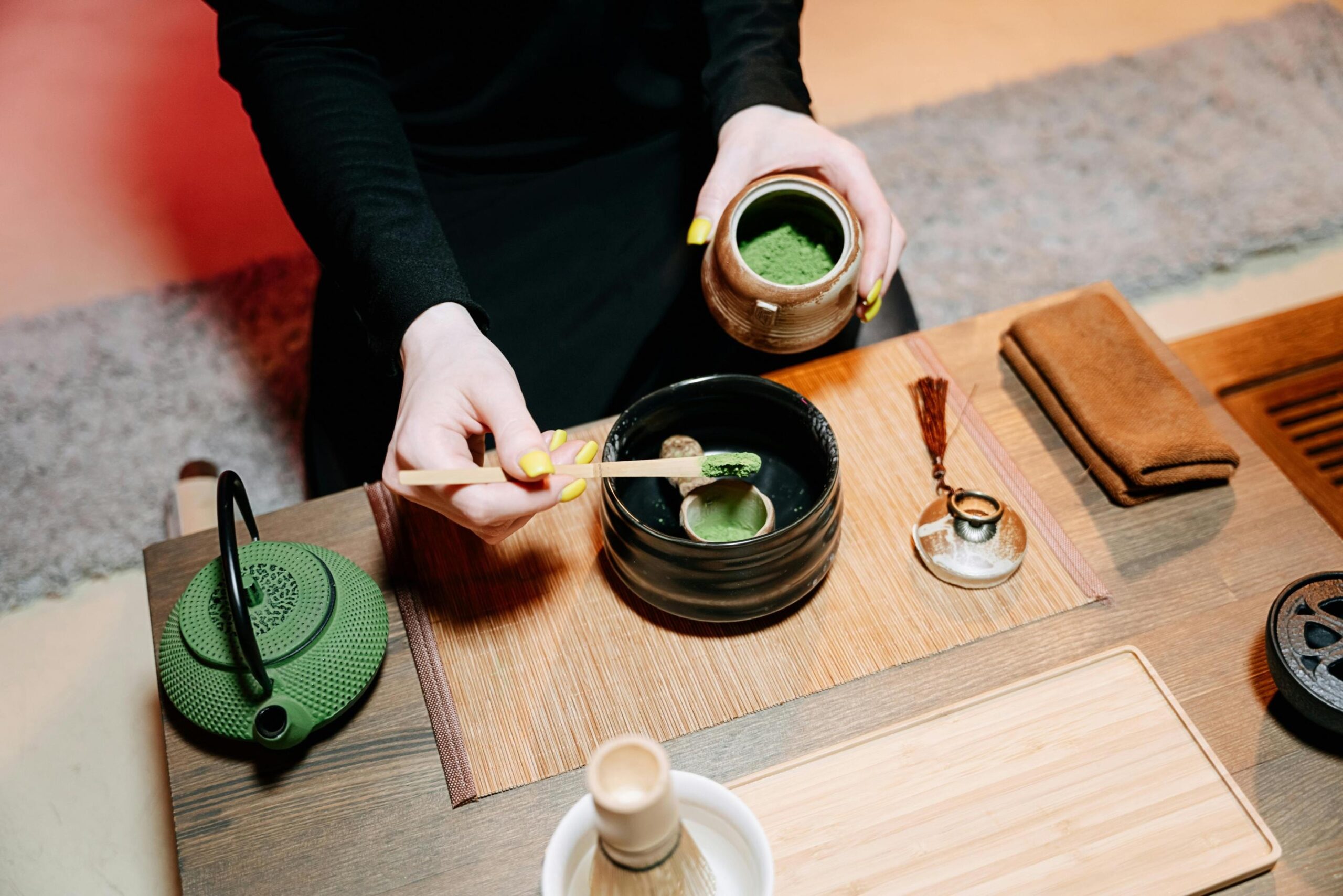
Your daily café run for a matcha latte can add up quickly. Bringing this ritual home offers several fantastic benefits:
- Cost Savings: A single tin of good quality matcha powder can make 20-30 lattes, bringing the cost per one cup of matcha latte down significantly compared to coffee shops.
- Customization: You control the sweetness, the type of milk—whether oat milk, almond milk, soy milk, cashew milk, or whole milk—and the strength of the matcha taste. You can add more matcha if you prefer a stronger flavor or higher nutritional content, creating a drink that is perfectly tailored to your preferences.
- Quality Control: You get to choose high-quality, pure matcha green tea powder without the fillers or excessive sugars often found in latte mixes at coffee shops.
- The Ritual: The process of whisking matcha with a bamboo whisk is a mindful and satisfying ritual rooted in the Japanese tea ceremony that can be a calming start to your day or a relaxing afternoon break.
Essential Ingredients for Your Matcha Green Tea Latte
The secret to a great matcha green tea latte recipe lies in a few simple, high-quality ingredients. Here’s what you’ll need:
- Matcha Powder: 1-2 teaspoons of ceremonial grade matcha or culinary grade for a more budget-friendly option. Ceremonial matcha is the highest quality, traditionally crafted for drinking straight and prized for its exceptional flavor and craftsmanship. Matcha powder is made from ground green tea leaves, which are stone-milled into a fine powder.
- Hot Water: 60 ml (¼ cup), heated to around 80°C (176°F) to avoid bitterness from boiling water
- Milk or Milk Alternative: 180-200 ml (¾ cup) of your choice—whole milk, oat milk, almond milk, soy milk, or cashew milk
- Sweetener (Optional): 1-2 teaspoons of maple syrup, coconut sugar, agave syrup, honey, or simple syrup
Using a fine powder of matcha green tea made from shade grown tea leaves ensures a vibrant green color and the best matcha taste. During the last few weeks before harvest, the tea plants are shaded to increase chlorophyll content and vibrant green color. This powdered green tea is made by grinding whole tea leaves into a bright green, lump free powder that preserves the chlorophyll content and nutritional values.
Step-by-Step Matcha Green Tea Latte Recipe

This recipe works for both hot and iced matcha latte versions. It adapts the traditional matcha tea preparation—where finely ground green tea powder is whisked with hot water—into a modern latte format. Follow these steps for a perfectly smooth, clump-free latte every time.
Prep time: 5 minutes
Cook time: 2 minutes
Serving size: 1 cup
Matcha can also be enjoyed in a variety of teas and drinks beyond just lattes, making it a versatile ingredient for many recipes.
For a Hot Matcha Green Tea Latte:
- Sift the Matcha: Sift 1-2 teaspoons of matcha powder into a small bowl or mug using a fine-mesh sifter to ensure a lump free mix.
- Make the Paste: Pour the hot water (not boiling water) over the sifted matcha powder. Using water that is too hot will result in a bitter matcha taste.
- Whisk Briskly: Using a bamboo whisk or a milk frother, whisk the matcha and water in the usual circular pattern or a rapid “W” or “M” motion for about 20-30 seconds. Continue until all clumps dissolve and a layer of fine foam forms on the surface.
- Add Sweetener: Stir in your choice of sweetener like maple syrup, coconut sugar, or agave syrup until fully dissolved.
- Heat and Froth Milk: Gently heat your milk or milk alternative and use a milk frother to create a creamy, velvety foam.
- Combine and Serve: Pour the warm, frothed milk into your mug, then gently pour the matcha paste into the center. Enjoy immediately.
For an Iced Matcha Latte Recipe:
- Prepare the Matcha Paste: Follow steps 1-4 above to create your sweetened matcha paste.
- Add Ice: Fill a tall glass completely with ice cubes.
- Add Milk: Pour cold milk or your preferred milk alternative over the ice, filling the glass about three-quarters full.
- Layer and Serve: Gently pour the prepared matcha paste over the milk. The matcha will slowly cascade through the milk, creating a beautiful layered effect. Stir before drinking to combine.
Equipment Essentials for the Perfect Green Tea Latte
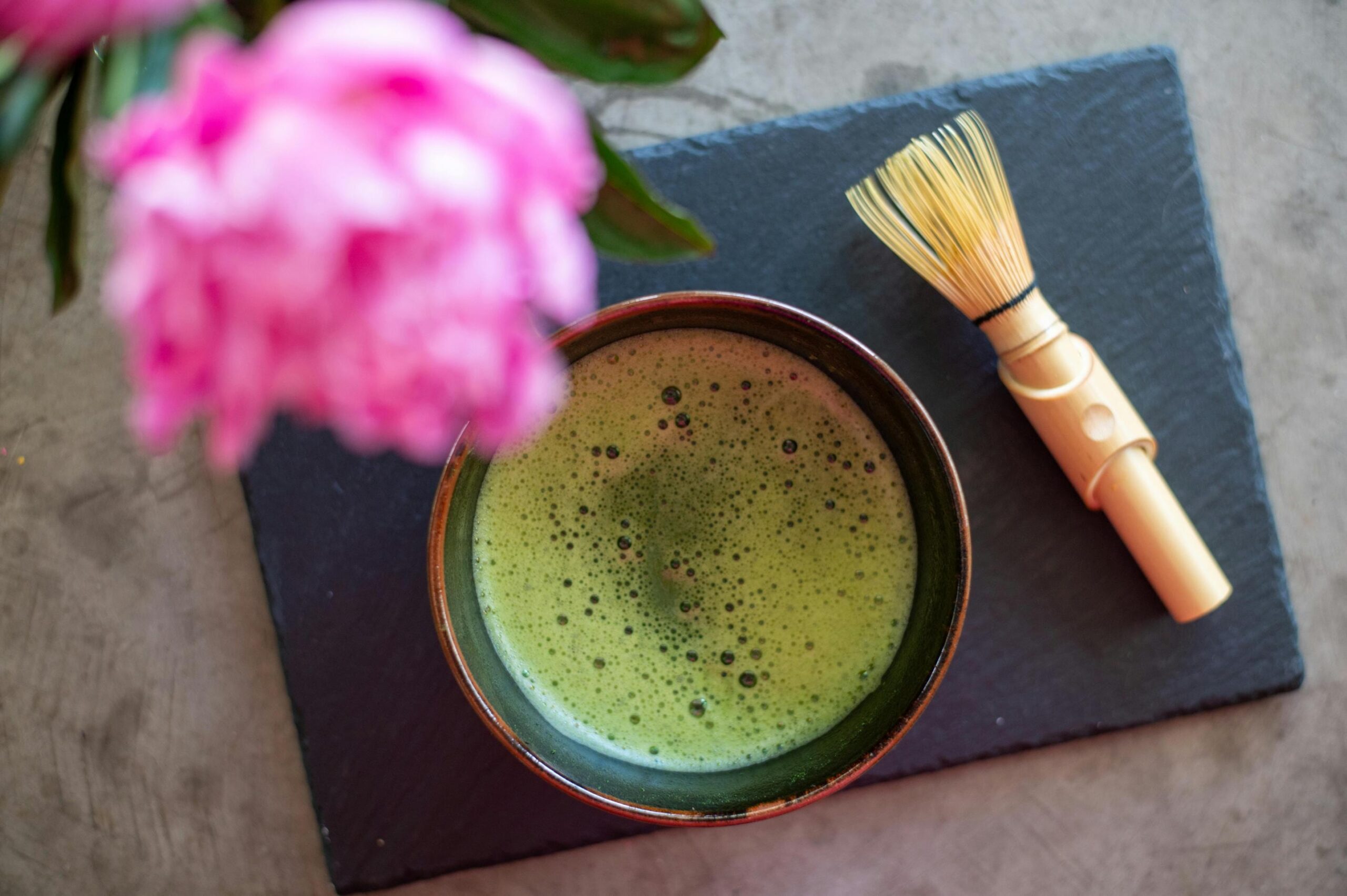
You don’t need fancy barista skills or expensive equipment to make a great matcha green tea latte.
- Bamboo Whisk (Chasen): Traditional tool with 100 fine prongs perfect for breaking up clumps and aerating the matcha powder for smooth texture.
- Milk Frother: A handheld electric frother is a fast and convenient modern alternative for whisking briskly and frothing milk.
- Mason Jar: For quick iced matcha, add matcha, water, milk, and sweetener to a jar, seal it, and shake vigorously.
- Additional Accessories: A fine-mesh sifter, thermometer (to check water temperature), and a proper bowl or mug make the process easier.
Troubleshooting Common Matcha Green Tea Problems
- Clumpy Latte: Always sift your matcha powder and whisk briskly until lump free.
- Bitter Taste: Avoid boiling water; use water around 80°C (176°F). Start with one teaspoon matcha powder and adjust.
- Lack of Flavor: Use good quality matcha powder, preferably ceremonial grade matcha or best matcha powder available.
- Milk Won’t Foam: Almond milk doesn’t foam well; oat milk, soy milk, and whole milk are better choices.
- Separation in Iced Matcha: Stir before drinking; separation is natural.
Ingredient Substitution Guide: Add Milk Your Way
- Whole Milk: Rich, creamy foam with natural sweetness balancing matcha taste.
- Oat Milk: Café favorite for frothing with neutral, slightly sweet flavor.
- Almond Milk: Lighter, nuttier, low-calorie option with less foam.
- Soy Milk: Froths well, distinct flavor that complements matcha green.
- Cashew Milk: Adds creamy texture and subtle sweetness.
Flavor Variations to Try with Your Matcha Green Tea Latte
- Vanilla Matcha Latte: Add vanilla extract or syrup to your frothed milk.
- Honey Lavender Matcha Latte: Warm milk with lavender buds before frothing; sweeten with honey.
- Iced Brown Sugar Matcha Latte: Use oat milk and sweeten with brown sugar simple syrup.
- Matcha Chai Latte Fusion: Add chai spices to matcha powder before sifting.
Techniques for Café-Quality Matcha Green Tea Latte Drinks
- Perfect Foam: Use cold milk and frother; aerate near surface then submerge for smooth vortex.
- Temperature Control: Water too hot makes matcha bitter; milk too hot scalds and won’t foam.
- Basic Latte Art: Pour matcha paste first, then slowly add frothed milk to create simple designs.
Nutritional Values and Health Benefits of Matcha Green Tea Latte
Your homemade matcha green tea latte is a healthy drink packed with antioxidants and moderate caffeine.
- Caffeine: Contains 30-70mg per cup, less than coffee but more than black tea.
- L-theanine: Promotes calm alertness alongside caffeine.
- Antioxidants: Consuming the entire leaf means you get powerful antioxidants to fight cellular damage. Compared to regular green tea, which is typically infused and then discarded, matcha provides more nutrients because you consume the whole powdered leaf.
Matcha green tea lattes are not only healthy—they also taste good, with a delicious and appealing flavor profile.
Storage and Prep-Ahead Tips for Your Matcha Green Tea Latte Recipe
- Batch-Make Matcha Concentrate: Whisk a larger batch of matcha paste and store in fridge up to 2 days.
- Pre-Portion Ingredients: Prepare matcha powder and sweetener in small containers for quick use.
Cost Comparison: Homemade vs. Coffee Shops
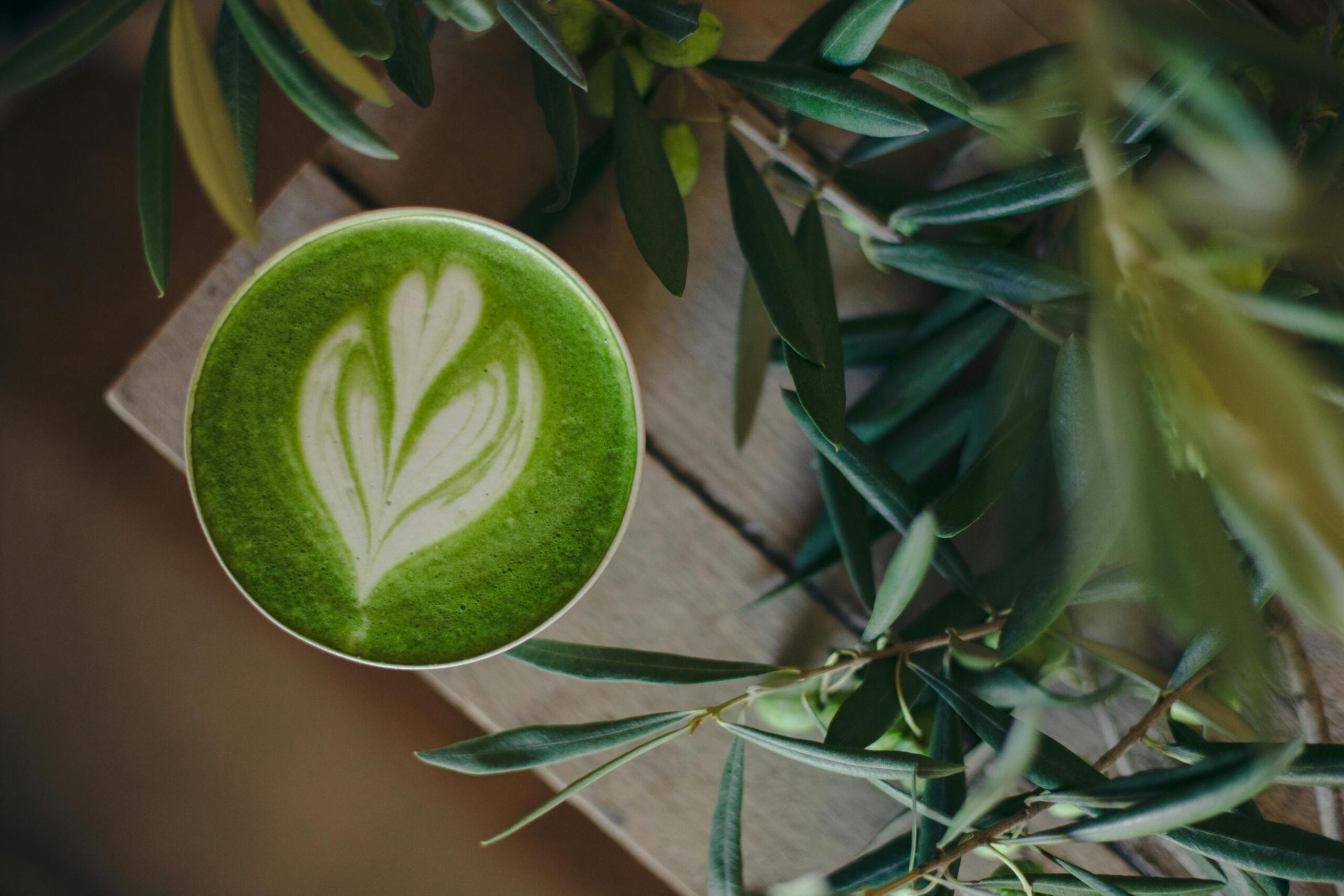
A daily matcha latte from coffee shops can cost $7-$9. A 30g tin of high quality matcha powder costs about $30 and yields several cups, making homemade matcha green tea lattes much more economical. According to a recipe developer, preparing matcha lattes at home not only saves money but also lets you experiment with different recipes, allowing for creative variations and personal preferences.
Conclusion: Your Journey to the Perfect Matcha Green Tea Latte
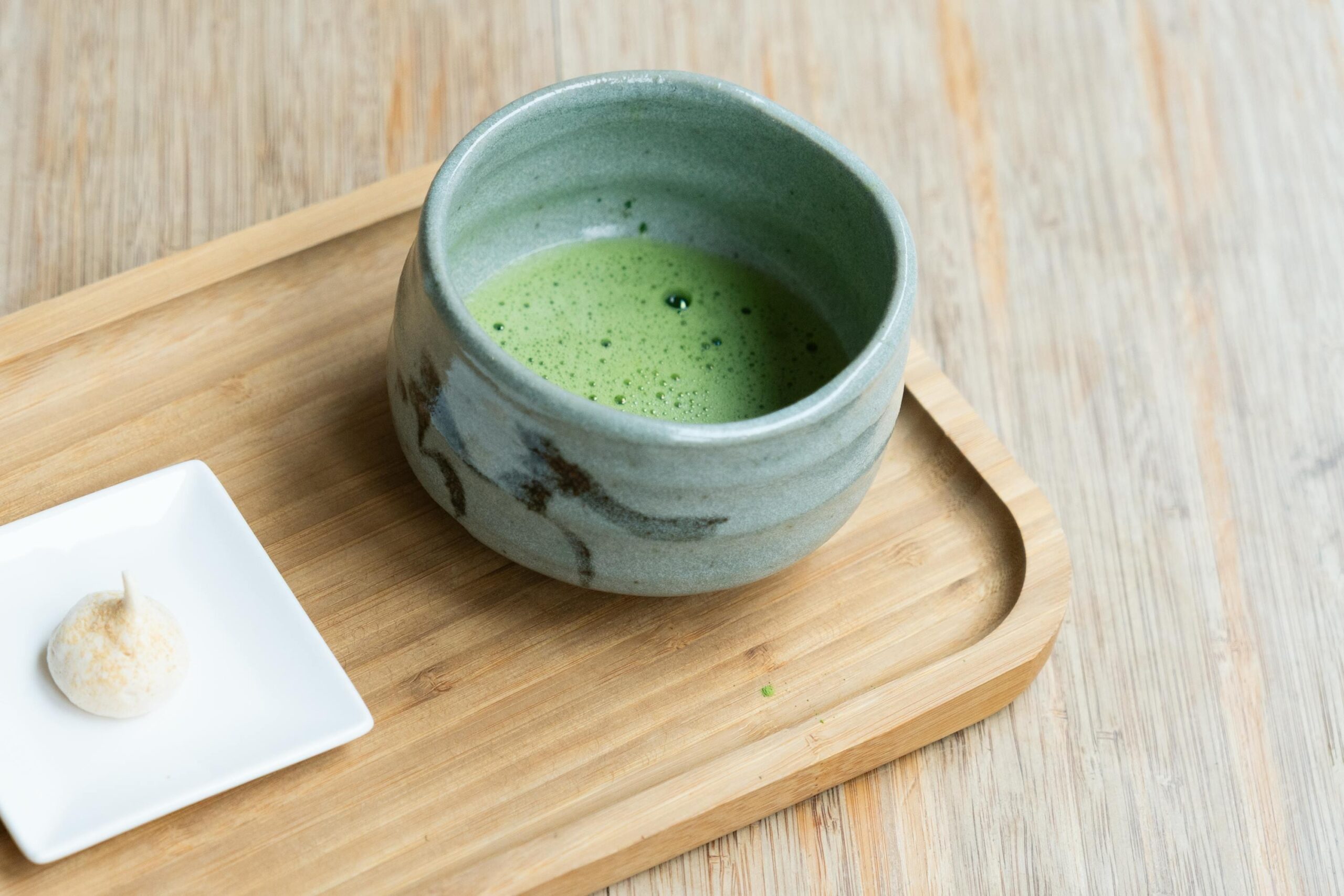
Mastering this matcha green tea latte recipe transforms your kitchen into your favorite café. With quality matcha powder, simple equipment, and a bit of practice, you can enjoy creamy, vibrant green tea lattes anytime. Ready to start? Explore premium matcha powders and accessories to deepen your appreciation of this tea ceremony tradition and the delicious matcha taste it delivers.
Feel free to comment something below to share your experience or review recipe tips! Enjoy your matcha journey! explore more about the journey of matcha from its origins to your cup by reading our detailed article: The Complete Guide to Matcha for Lattes: From Bean to Cup.
The Soul of Tea: Unveiling the Beauty of Traditional Tea Ceremonies
Tea is more than just a drink, isn’t it? It is a quiet moment in the middle of a busy day, a small ritual that grounds us. We are not just drinking tea; we are experiencing something far more profound, a glimpse into the centuries-old traditions of cultures that revere this simple beverage. Whether in…
The Matcha Latte and the Tea It Came From
The matcha latte drink has become one of the most recognizable tea-based beverages in modern cafés. From Starbucks menus to independent tea bars, it is served hot in ceramic mugs or as iced matcha lattes layered in a glass with cold milk and ice. It is marketed as a healthy drink. It is praised for…

We Are Drinking Tea Too Quickly
There is something ironic about rushing tea. We order it to relax. We call it calming. We describe it as grounding. And yet, more often than not, we drink it the same way we drink everything else — between emails, between meetings, between scrolling. Tea has become background noise. A mug beside the laptop. A…

Cuppage Plaza Food Culture Through a Tea Lens
Walk into Cuppage Plaza Singapore and you immediately feel the shift. Just a short walk from Somerset MRT Station, Cuppage Plaza is an accessible destination for food lovers seeking authentic Japanese cuisine. Orchard Road may glitter just outside, but inside this aging building, the mood changes. The corridors are dim. The signboards feel layered with…

Milk Tea Is Not Tea
This is not an argument about preference. It is a question about naming. Milk tea is everywhere now. It travels in oversized cups, sealed with plastic film. It arrives layered with foam, syrup, pearls, jelly, whipped cream. It is photographed before it is tasted. It is queued for. It is branded. It is loved. But…
A Journey into Herbal Teas: Exploring Nature’s Finest Infusions
Imagine cupping your hands around a warm mug, inhaling the sweet, floral scent of chamomile tea or the invigorating peppermint tea aroma from the peppermint plant. As you take the first sip, you feel a sense of calm and comfort wash over you. This soothing experience is the magic of herbal teas, a diverse and…
Singapore Tea for Every Palate and Every Ritual
What draws us to seek something deeper in a simple cup of tea? In Singapore, where countless cultures have settled like leaves steeping in warm water, the answer unfolds quietly in the spaces between tradition and modernity. Good tea emerges from patient sourcing, from the steady hands of those who understand its language, from leaves…
Why Private Room Singapore Spaces Are Perfect for Tea Rituals
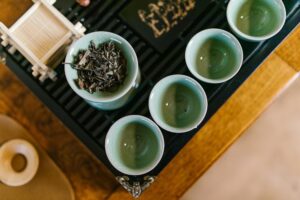
In a city that never truly rests, quiet becomes something you have to choose. You feel it when you’re weaving through Orchard Road in the middle of the day, or squeezing past crowds in the Central Business District at lunch hour. The lights are bright, the notifications keep coming, and even when you sit down,…
Tea Is Losing Its Ceremony — And We Let It Happen
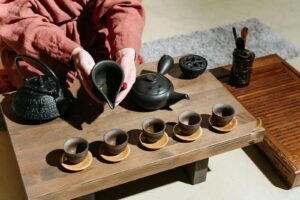
No one announced it. There was no collective decision, no moment of cultural shift. And yet, the ceremony has quietly receded from everyday tea. What was once deliberate has become automatic. Tea used to require attention. Water temperature mattered. Leaves were measured with care. The cup was chosen, not grabbed. Even in the absence of…
The Art of Aging: Understanding Authentic Yunnan Pu-erh Tea
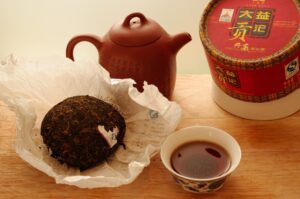
Among the world’s most revered fermented dark teas, few types evoke as much intrigue and respect as Yunnan pu erh tea (普洱). Crafted from ancient tea trees in Yunnan province, this tea produced by traditional methods is a living testament to China’s rich beverage heritage. Unlike most loose leaf tea or black teas, high-quality pu…