Among the world's most revered green teas, few carry the prestige and cultural significance of China's legendary Dragon Well. This premium tea has captivated tea enthusiasts for centuries, earning its place as an imperial favourite and modern icon alike. From its mystical origins at West Lake to its meticulous processing methods, Longjing represents the pinnacle of Chinese tea craftsmanship.
Dragon Well: What "Longjing" Literally Translates To & Where It Comes From
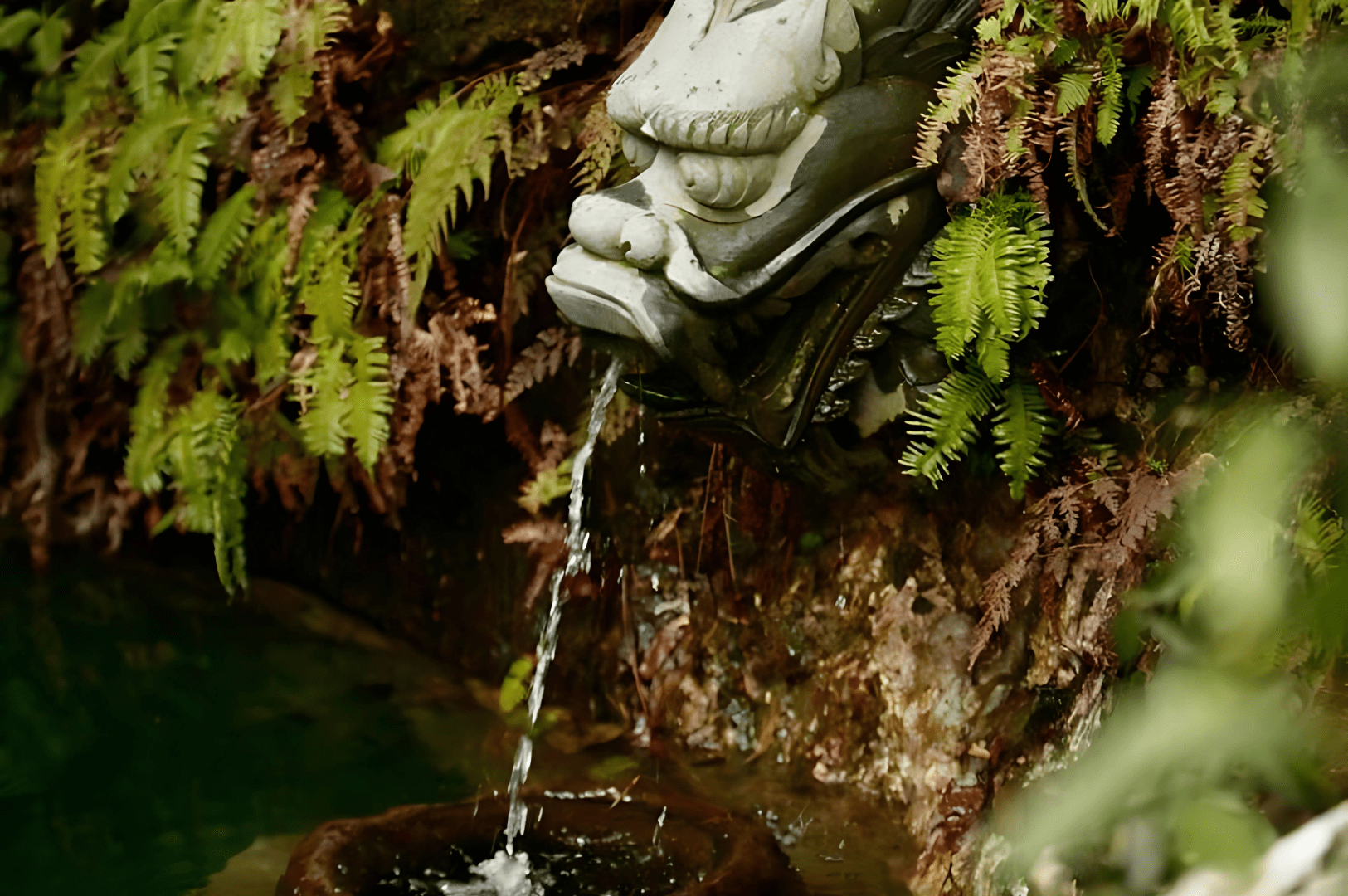
The name "Longjing" literally translates to "Dragon Well," a reference steeped in both geography and mythology. This legendary green tea originates from the pristine hills surrounding West Lake in Hangzhou, Zhejiang province, China. The origin West Lake Hangzhou region has nurtured this exceptional tea plant for over a millennium.
According to local legend, the famous well displayed a curious phenomenon where lighter rainwater floating on relatively dense water created a sinuous and twisting boundary. This mysterious pattern, resembling the movement of a Chinese dragon, gave the well—and subsequently the tea—its evocative name. The twisting boundary became a symbol of the dragon's presence, forever linking this sacred site to the tea's mystical reputation.
West Lake serves as the core production region, where the unique microclimate and soil composition create ideal conditions for cultivating premium tea leaves.
Longjing Tea: From Court Favourite to Cultural Icon (Qing Dynasty)
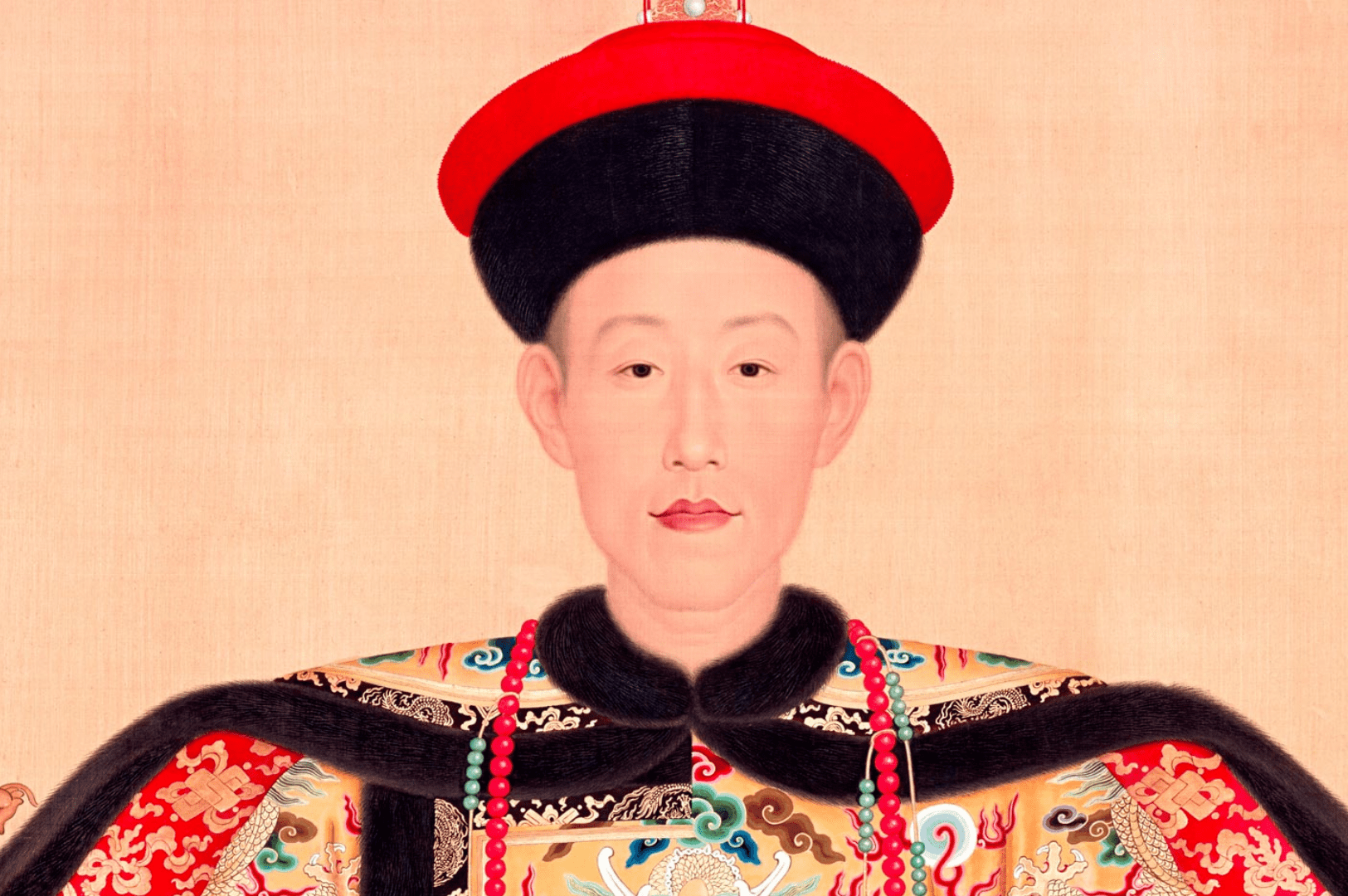
During the Qing Dynasty, Longjing tea achieved imperial status when Emperor Qian Long developed a profound appreciation for this local treasure. The emperor Qian Long personally visited the tea gardens, bestowing royal recognition upon what would become an imperial tea of unmatched prestige.
Emperor Qian Long's patronage elevated Longjing from a regional speciality to a national treasure. His endorsement transformed this beverage into a symbol of refined taste and cultural sophistication, a reputation that endures today. (See background on the Qianlong legend and Lion Peak in this reference from Seven Cups.
The transition from court favourite to modern cultural icon reflects China's evolving relationship with its tea heritage, where ancient traditions meet contemporary appreciation.
Core Origins: Shifeng/Lion Peak & the West Lake Zone
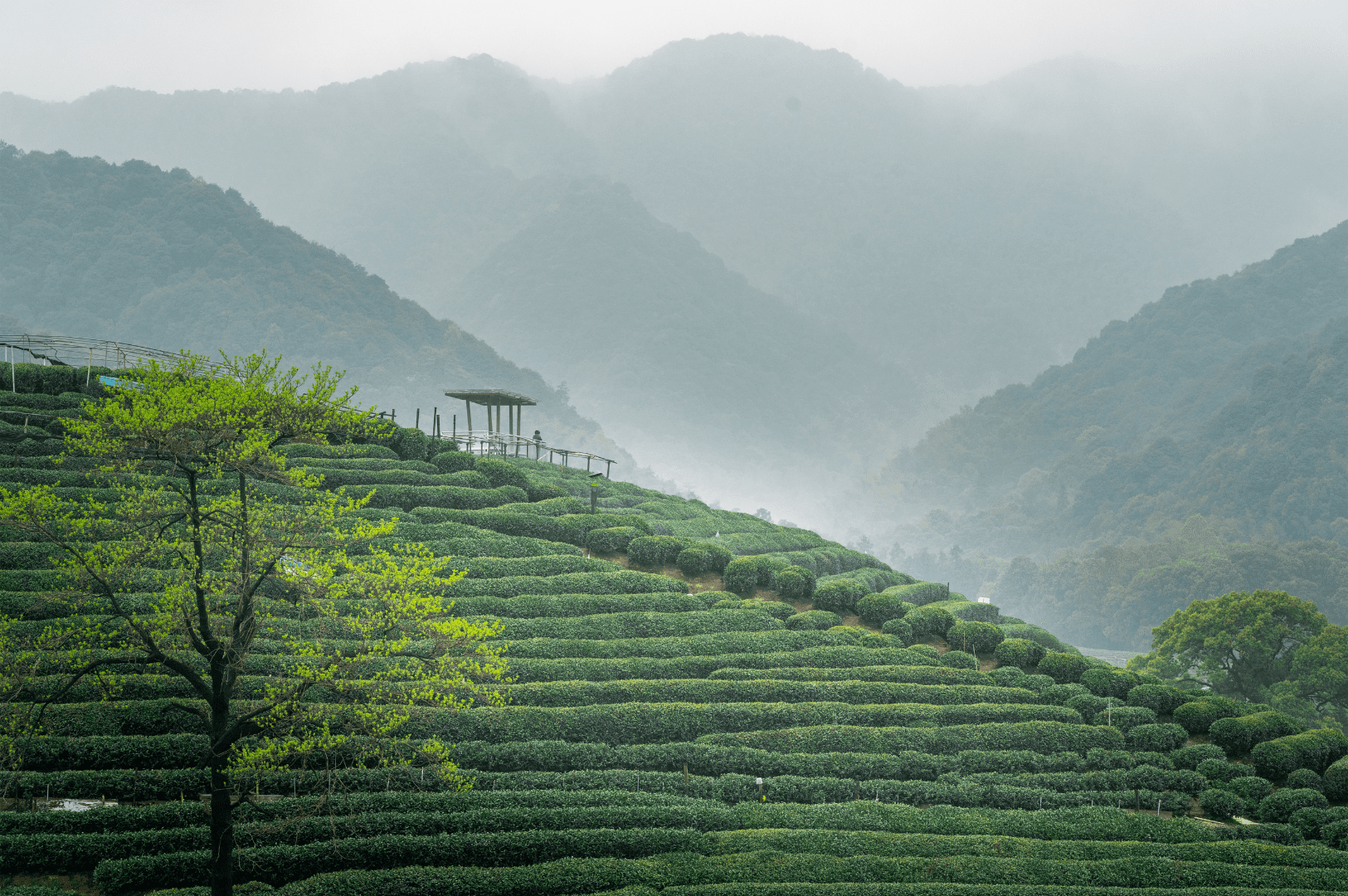
The authentic Longjing production region encompasses several micro-zones, with Shi Feng (Lion Peak) representing the most prestigious terroir. Lion Peak's elevated position and unique soil composition produce teas of exceptional quality and complexity.
These hillside gardens benefit from morning mists, afternoon sunshine, and well-draining soils that stress the tea plant just enough to concentrate flavours. The specific terroir of each micro-zone creates subtle variations in taste and aroma.
Authentic origin West Lake Hangzhou labelling ensures traceability and quality, distinguishing genuine Longjing from inferior imitations grown in other regions across China.
Long Jing Tea Cultivars: #43 vs Qunti (Heirloom)
Modern Long Jing tea production utilises two primary cultivars, each offering distinct characteristics. The Longjing #43 cultivar, developed for earlier harvesting, produces young buds that are rich in free amino acids and contain vitamin C, resulting in a sweeter, more delicate cup.
Traditional qunti (heirloom) varietals maintain genetic diversity and complex flavour profiles. These heritage plants often yield more nuanced teas with deeper mineral notes and longer-lasting fragrance.
The choice of cultivar significantly impacts the final cup, with #43 offering consistent sweetness whilst heirloom varieties provide greater complexity and fresh tasting notes that evolve across multiple infusions.
Tea Leaves & Picking Season: Spring Shoots Prior to Qingming
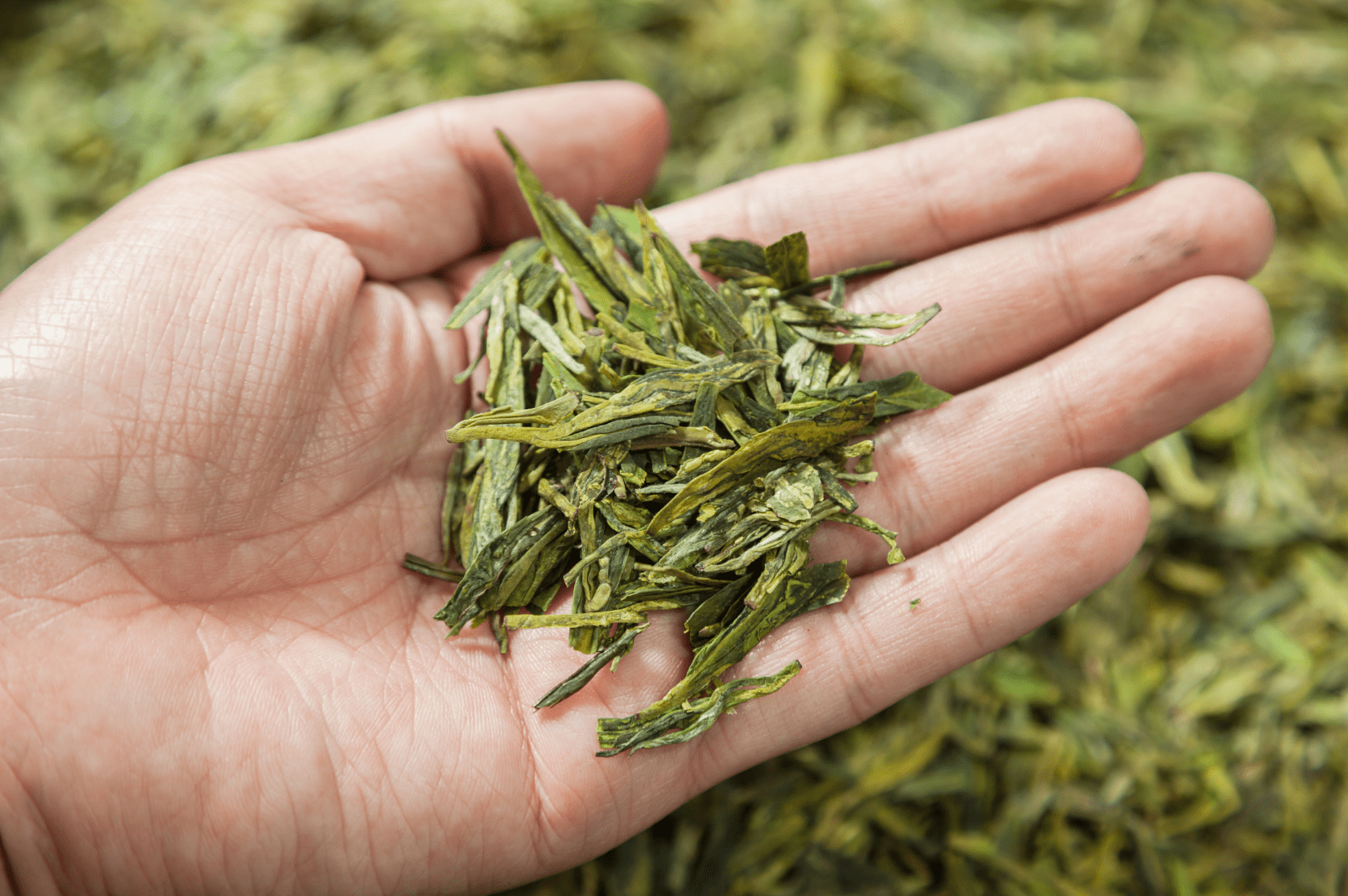
The picking season defines Longjing's quality, with spring season harvests commanding the highest prices. The most prized teas come from spring shoots prior to the Qingming festival, known as Ming Qian grade.
These early fresh tea leaves, picked before April 5th, feature tender young buds with minimal tannins and maximum sweetness. The colour light green appearance of properly processed spring leaves indicates optimal harvesting timing.
Each leaf requires hand-selection, with pickers choosing only the finest buds and first leaves. This meticulous attention to timing and selection ensures the tea's characteristic delicate flavour and light body.
Processing Mastery: Roasted Pan-Firing & the Signature Flat Leaf
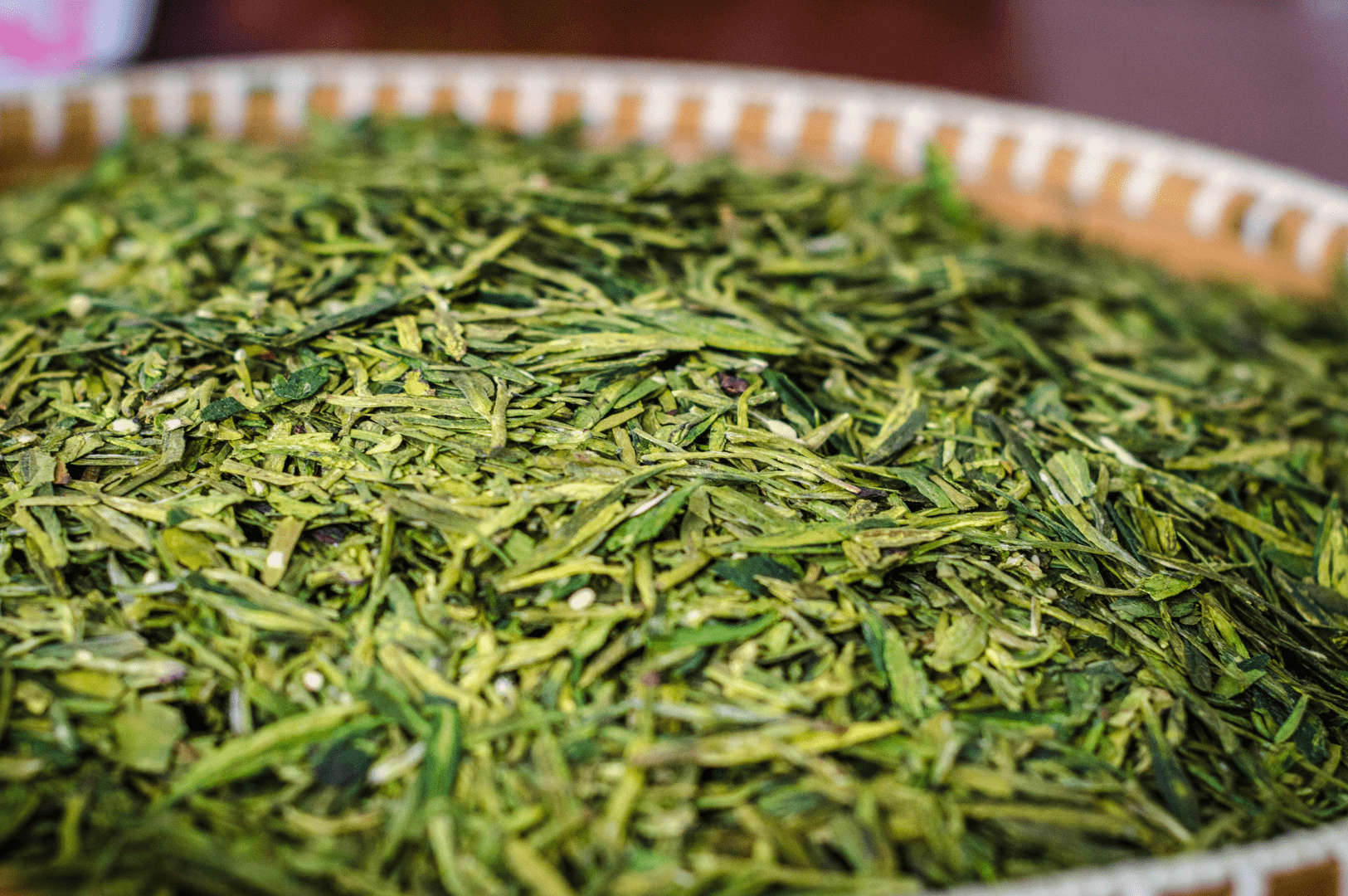
Longjing's distinctive character emerges through masterful pan-firing techniques that halt oxidation whilst developing the tea's signature flat leaf shape. The roasted process requires precise temperature control and constant hand movement to prevent burning.
Skilled artisans press each leaf against heated woks, creating the characteristic flat, sword-like appearance that defines authentic Longjing. This technique develops the tea's notable aroma chestnuts or beans, with subtle aroma roasted with hints of spring vegetables.
The resulting cup offers a light yet rich drinking experience with long lasting fragrance that distinguishes premium Longjing from ordinary green teas.
Grading & Why Longjing is a Premium Tea
Longjing's premium tea status stems from rigorous grading standards that evaluate leaf appearance, uniformity, and cup quality. The highest grades feature consistently sized leaves with minimal breakage and uniform colour.
Grade Long classifications help consumers identify quality levels, though authentic premium grades require careful evaluation beyond simple numbering systems. The finest teas display colour golden yellow to colour light green liquors with crystal clarity.
Premium Longjing commands high prices due to labour-intensive cultivation, precise processing requirements, and limited production from authentic origin zones.
Taste & Aroma: What to Expect in the Cup
Exceptional Longjing offers a complex sensory experience beginning with its distinctive aroma chestnuts or beans. The initial taste presents fresh, clean notes with subtle mineral undertones that reflect the tea's terroir.
Each sip reveals new dimensions of flavour, from initial sweetness to lingering vegetal notes. The fresh tasting quality peaks in properly stored spring harvests, whilst the drink evolves beautifully across multiple infusions.
Every moment of tasting offers new discoveries, from the fragrance that rises with each cup to the subtle aroma changes as the tea cools.
Brewing & Teaware: Water, Vessels, Ratios, Temperatures
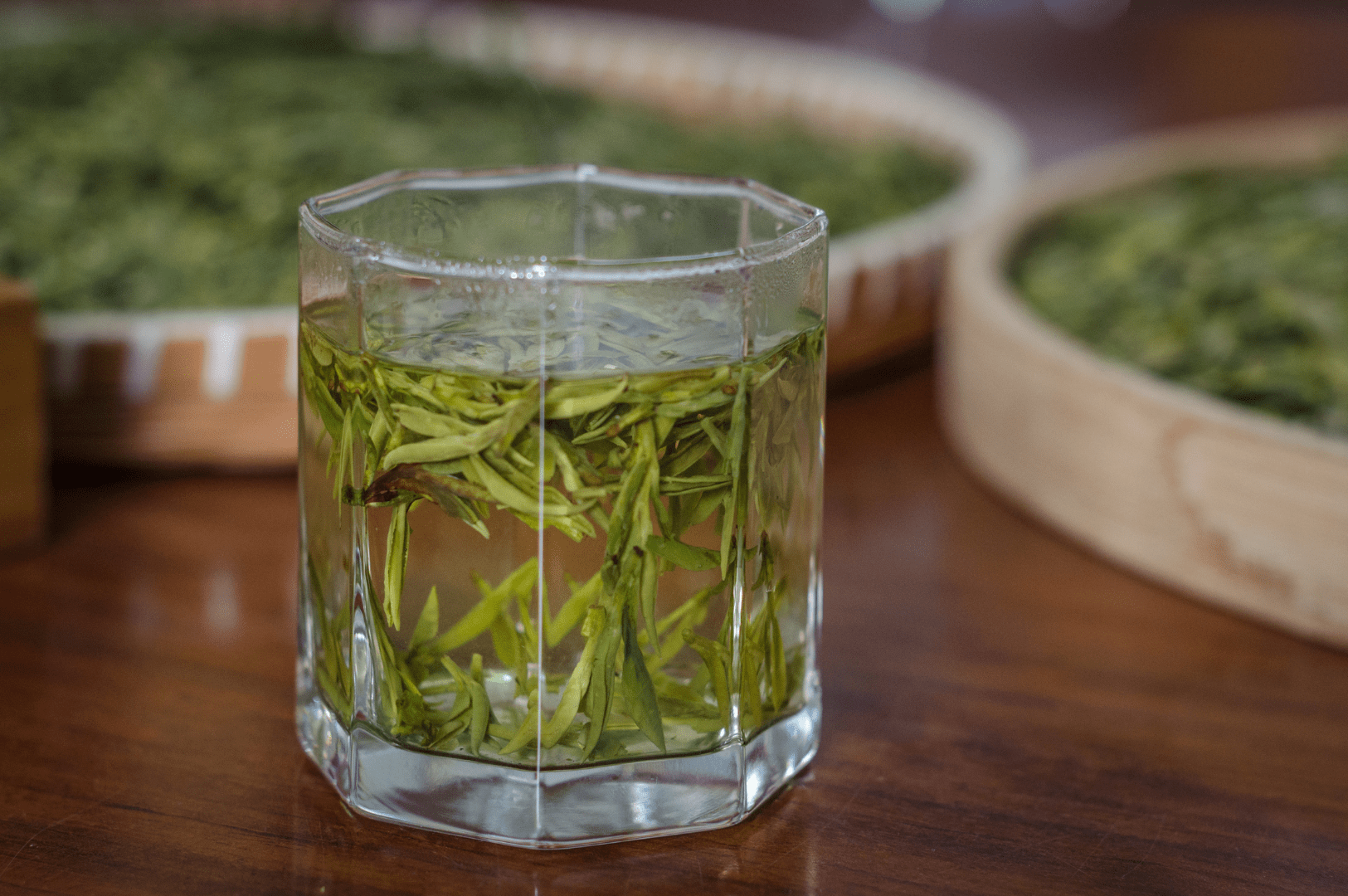
Proper brewing unlocks Longjing's full potential through careful attention to water temperature, leaf ratios, and steeping times. Green tea requires cooler water (75-80°C) to preserve delicate compounds and prevent bitterness.
Traditional tall glass brewing showcases the tea's beautiful leaf unfurling, whilst gaiwan brewing allows precise control over extraction. Western-style teapots work well with adjusted ratios and shorter steeping times.
Multiple brewed infusions reveal different aspects of the tea's character, with each successive cup offering unique flavour notes and aromatic experiences. For more practical guidance on brewing, you can read more here.
Dark Pu'er Tea vs Longjing: Two Different Worlds
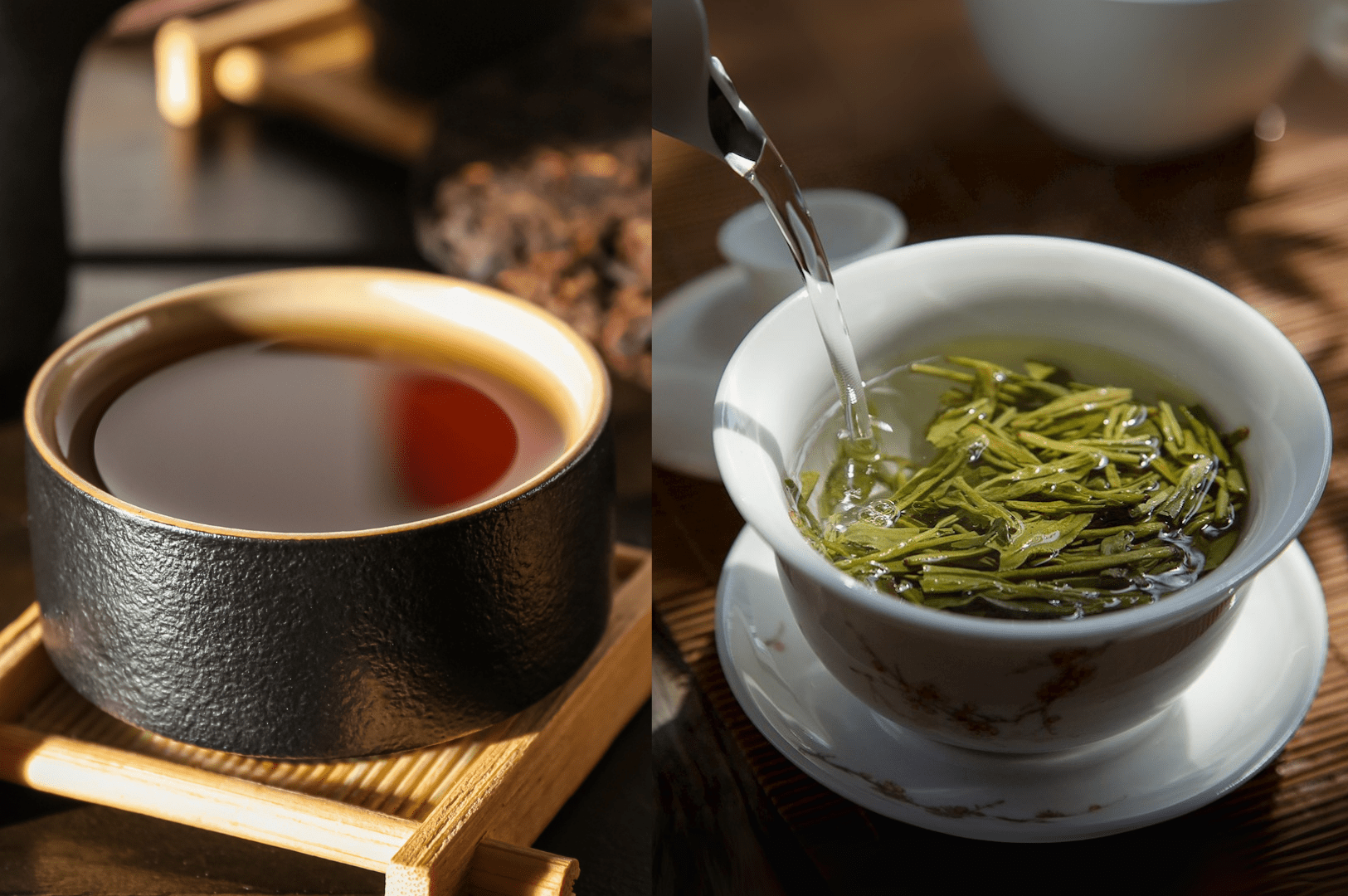
Understanding Longjing requires distinguishing it from China's other famous teas. Dark Pu'er tea from origin Yunnan undergoes post-fermentation, creating colour reddish brown to colour clear golden brown liquors with aroma earth and woody characteristics and hints of ripe fruits.
These aged teas offer completely different experiences from Longjing's fresh, vegetal profile. Rock tea oolong from origin Wuyi Mountain Fujian provides another contrast, with its roasted, mineral-rich character differing markedly from Longjing's delicate green tea nature.
Each tea represents distinct processing methods, origins, and cultural traditions within China's diverse tea landscape.
Where to Buy & Drink Longjing Tea in Singapore
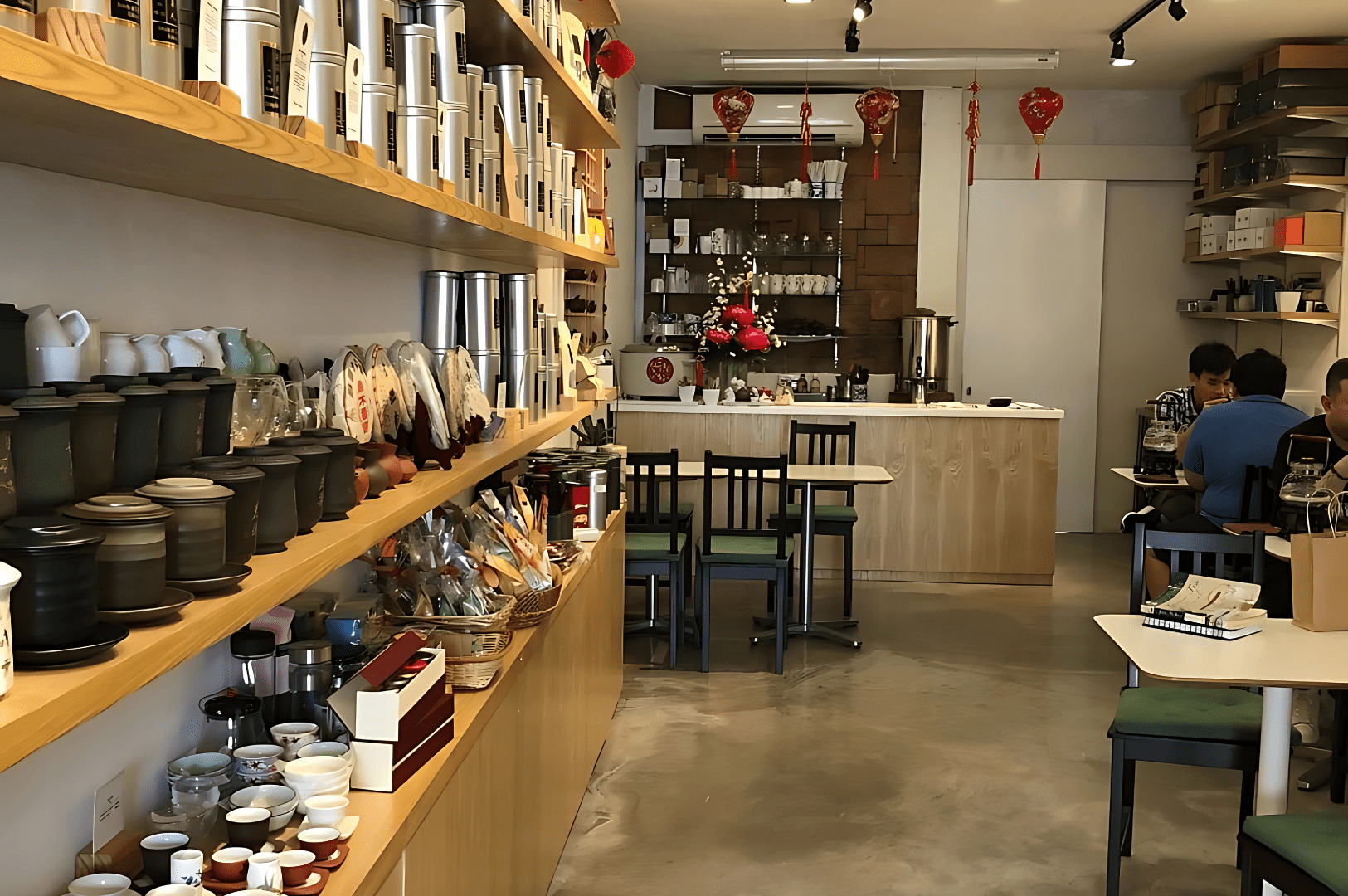
Singapore offers excellent options for sourcing authentic Longjing through various vendor types. Yixing Xuan Teahouse in Chinatown carries multiple grades including premium Shi Feng spring harvests with detailed tasting notes.
Wang San Yang Tea Merchant at Hong Lim Complex offers heritage selections of Mingqian grades with knowledgeable staff guidance. TWG Tea boutiques stock Dragon Well within their single-estate range, though availability varies seasonally.
Tea Cottage Singapore provides online options with clear origin documentation, whilst Eu Yan Sang offers convenient access for casual buyers seeking quality Longjing.
Storage & Freshness
Proper storage maintains Longjing's delicate character through airtight containers kept cool and dark. Refrigeration requires careful moisture control to prevent condensation damage.
Fresh storage preserves the tea's signature aroma and colour light green clarity whilst preventing deterioration of flavour compounds. Well-stored Longjing maintains its fresh tasting qualities for extended periods.
Temperature fluctuations and light exposure rapidly degrade green tea quality, making proper storage essential for premium purchases.
Context & Comparisons: China's Tea Map at a Glance
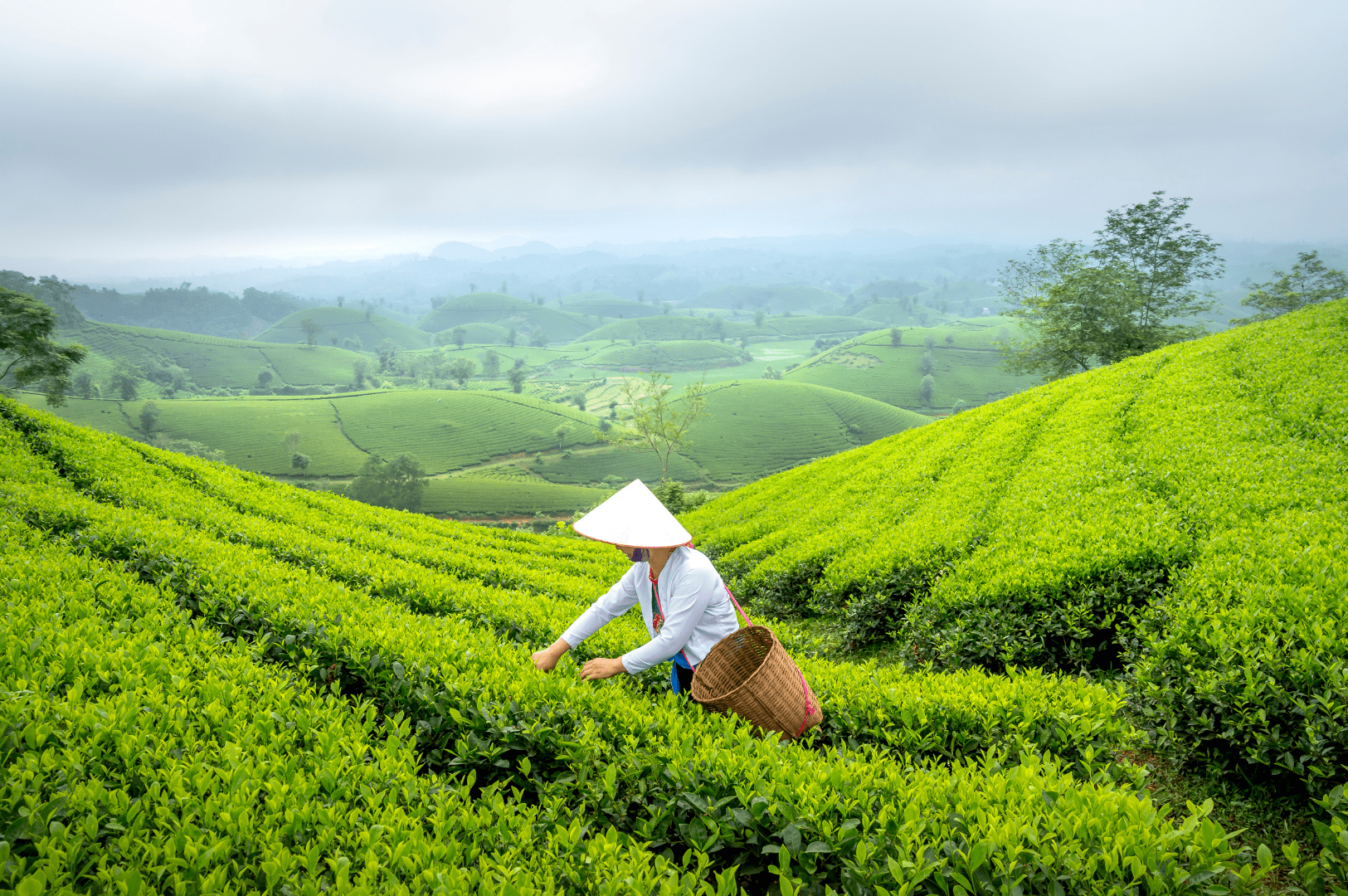
Understanding Longjing's place within China's tea landscape requires recognising regional distinctions. Hangzhou's Dragon Well differs fundamentally from Wuyi's rock tea oolong and Yunnan's dark Pu'er tea traditions.
Each production region develops unique processing methods, cultivars, and flavour profiles reflecting local terroir and cultural preferences. This diversity showcases China's remarkable tea heritage whilst highlighting Longjing's specific contributions to global tea culture.
Ready to explore more of China's legendary teas? Discover our comprehensive guides to regional tea traditions and brewing techniques. Sign up for Tea Manor's newsletter to receive expert insights, seasonal recommendations, and exclusive access to premium tea selections from across Asia.

Maybe Your Favourite Tea Is Not Your Best Tea
I have a tea sitting in my cupboard that I would never call my “best” tea. It is not the rarest. It is not the most expensive. It does not come with an impressive story about ancient tea trees, remote mountains, or a limited harvest. And yet, I drink it more often than almost anything…
-
Clipper Tea Review: Does the Packaging Match the Pour?
There’s a box of Clipper Tea that’s lived in my cupboard longer than most of my mugs. I didn’t plan to buy it. I was standing in the tea aisle, tired, half-decided on something familiar, when the colour caught me. Bright, cheerful, a little hand-drawn looking. So I brought it home. And I’ve been drinking…
-
Hear Me Out, Tea Does Not Need to Be Serious All the Time
There is something I have noticed about tea culture. We take tea very seriously. Perhaps too seriously. We discuss origins, processing methods, brewing temperatures, and the history behind every leaf. We debate whether a tea should be enjoyed in a certain way. We carefully consider the correct vessel, the right water, and the ideal environment….
-
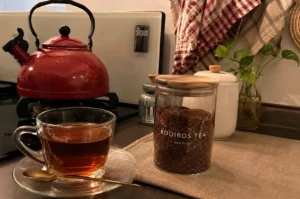
Red Bush Tea: The Tea That Does Not Need to Shout
There is a red pot in my mother’s kitchen that only comes out in the evening. By then the coffee has done its work and gone quiet. The day has loosened. She fills the kettle, drops in a spoonful of something the colour of dried autumn, and lets it sit while she tidies the last…
-
Hear Me Out: High Tea Is Overrated
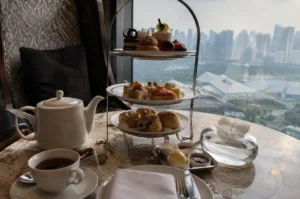
Hear me out: high tea is one of the most convincing ways we have found to make snacking feel important. I understand the appeal. The room is polished, the cups are delicate, and everything arrives in miniature. There is something satisfying about sitting down in the middle of the afternoon and behaving as though time…
-
Where Tea Is Given Time to Speak: Anteasocial Review
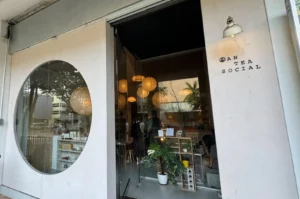
I almost walked past it. Owen Road Singapore doesn’t announce much. A quiet stretch, low buildings, the kind of road you pass through on the way to somewhere louder. Then there it was, unassuming, just numbers on a wall: 117. Anteasocial is a contemporary Oriental specialty teahouse in Singapore, and if you’re looking for a…
-
A Table Set for Stillness: Inside Antea Social’s Quiet Tea Ritual
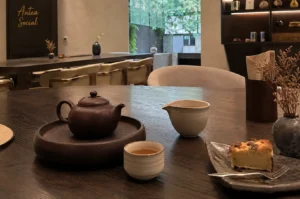
Luxury usually announces itself before we have time to question it. It arrives through marble lobbies, silver stands and tiny sandwiches placed in strict formation. Antea Social offers a quieter argument. This is not afternoon tea in the familiar hotel sense. There is no grand procession of pastries or waiter lifting a polished lid. Instead,…
-
9 High Tea in Orchard Places for Scones, Tea, and a Quiet Afternoon
There is a particular kind of tiredness that comes from Orchard Road. Not the tiredness of a hard day, but the softer sort, the ache of too many shopfronts, too much bright glass, too many people moving faster than you feel like moving. And somewhere in the middle of all that, if you know where…
-
High Tea Orchard: Why the City Still Does It Best
It is easy to dismiss high tea in Orchard as an expensive pause between shopping bags. The tiered stands are photogenic, the hotel lounges polished, and the prices increasingly difficult to defend. ome scones arrive dry. Some savouries feel like banquet food made miniature. Some desserts are designed more for cameras than appetite. Still, Orchard…
-
McDonald’s Queensway Ridout Tea Garden Review: What It Is Like Dining in a Heritage Setting
I did not expect to find quiet at a McDonald’s Queensway Ridout Tea Garden outlet. But there I was, standing outside the McDonald’s outlet at 580 Queensway, listening to the water instead of the traffic. A much loved pond sat just beyond the glass, surrounded by stone lanterns and trees leaning over it. Somewhere behind…