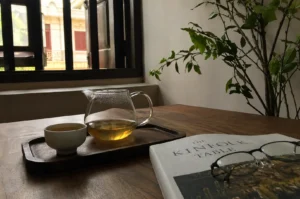
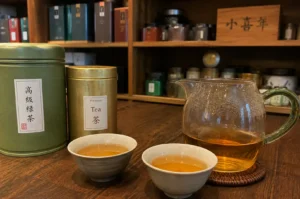
Among the world's most revered green teas, few carry the prestige and cultural significance of China's legendary Dragon Well. This premium tea has captivated tea enthusiasts for centuries, earning its place as an imperial favourite and modern icon alike. From its mystical origins at West Lake to its meticulous processing methods, Longjing represents the pinnacle of Chinese tea craftsmanship.
Dragon Well: What "Longjing" Literally Translates To & Where It Comes From
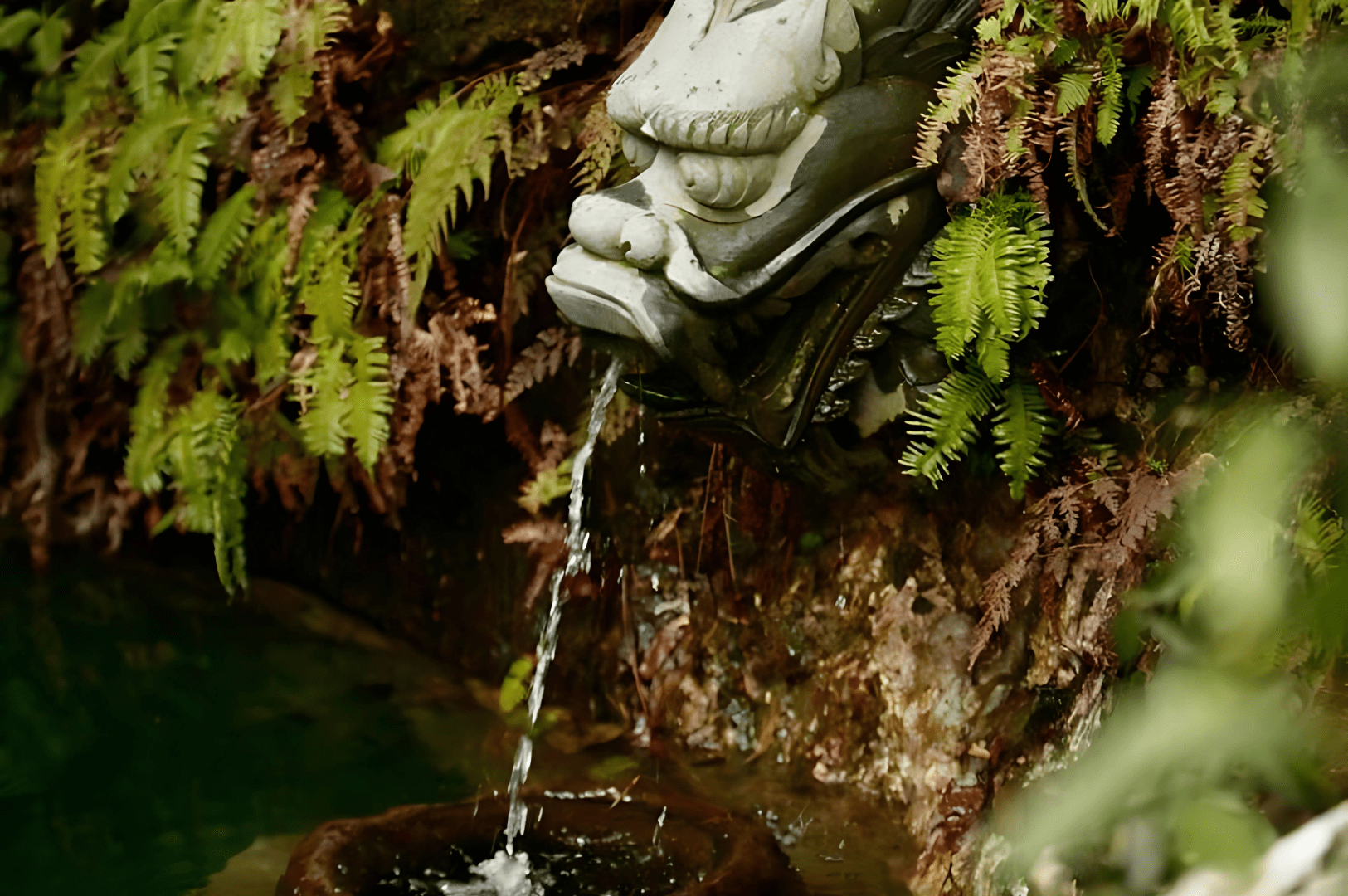
The name "Longjing" literally translates to "Dragon Well," a reference steeped in both geography and mythology. This legendary green tea originates from the pristine hills surrounding West Lake in Hangzhou, Zhejiang province, China. The origin West Lake Hangzhou region has nurtured this exceptional tea plant for over a millennium.
According to local legend, the famous well displayed a curious phenomenon where lighter rainwater floating on relatively dense water created a sinuous and twisting boundary. This mysterious pattern, resembling the movement of a Chinese dragon, gave the well—and subsequently the tea—its evocative name. The twisting boundary became a symbol of the dragon's presence, forever linking this sacred site to the tea's mystical reputation.
West Lake serves as the core production region, where the unique microclimate and soil composition create ideal conditions for cultivating premium tea leaves.
Longjing Tea: From Court Favourite to Cultural Icon (Qing Dynasty)
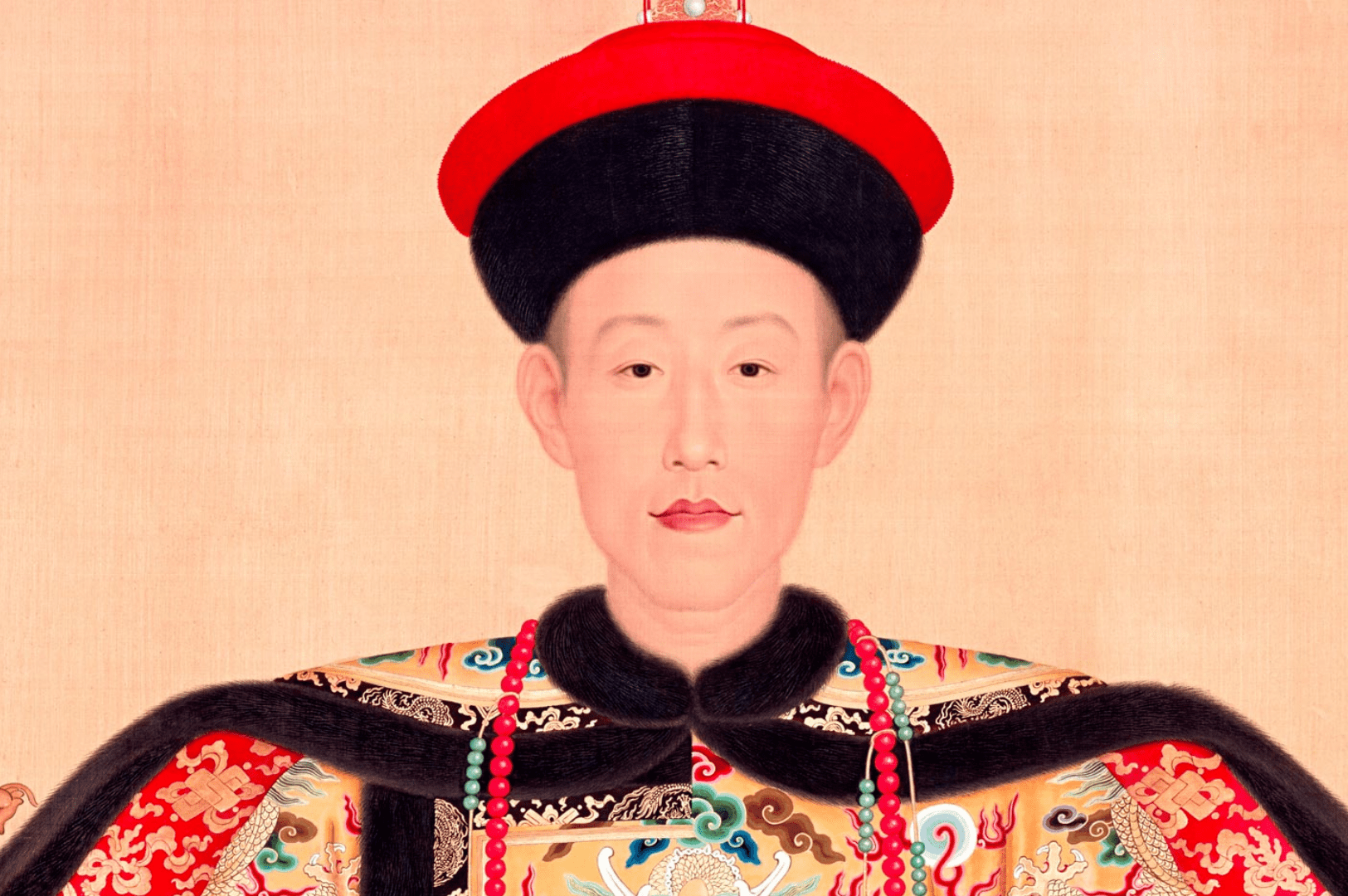
During the Qing Dynasty, Longjing tea achieved imperial status when Emperor Qian Long developed a profound appreciation for this local treasure. The emperor Qian Long personally visited the tea gardens, bestowing royal recognition upon what would become an imperial tea of unmatched prestige.
Emperor Qian Long's patronage elevated Longjing from a regional speciality to a national treasure. His endorsement transformed this beverage into a symbol of refined taste and cultural sophistication, a reputation that endures today. (See background on the Qianlong legend and Lion Peak in this reference from Seven Cups.
The transition from court favourite to modern cultural icon reflects China's evolving relationship with its tea heritage, where ancient traditions meet contemporary appreciation.
Core Origins: Shifeng/Lion Peak & the West Lake Zone
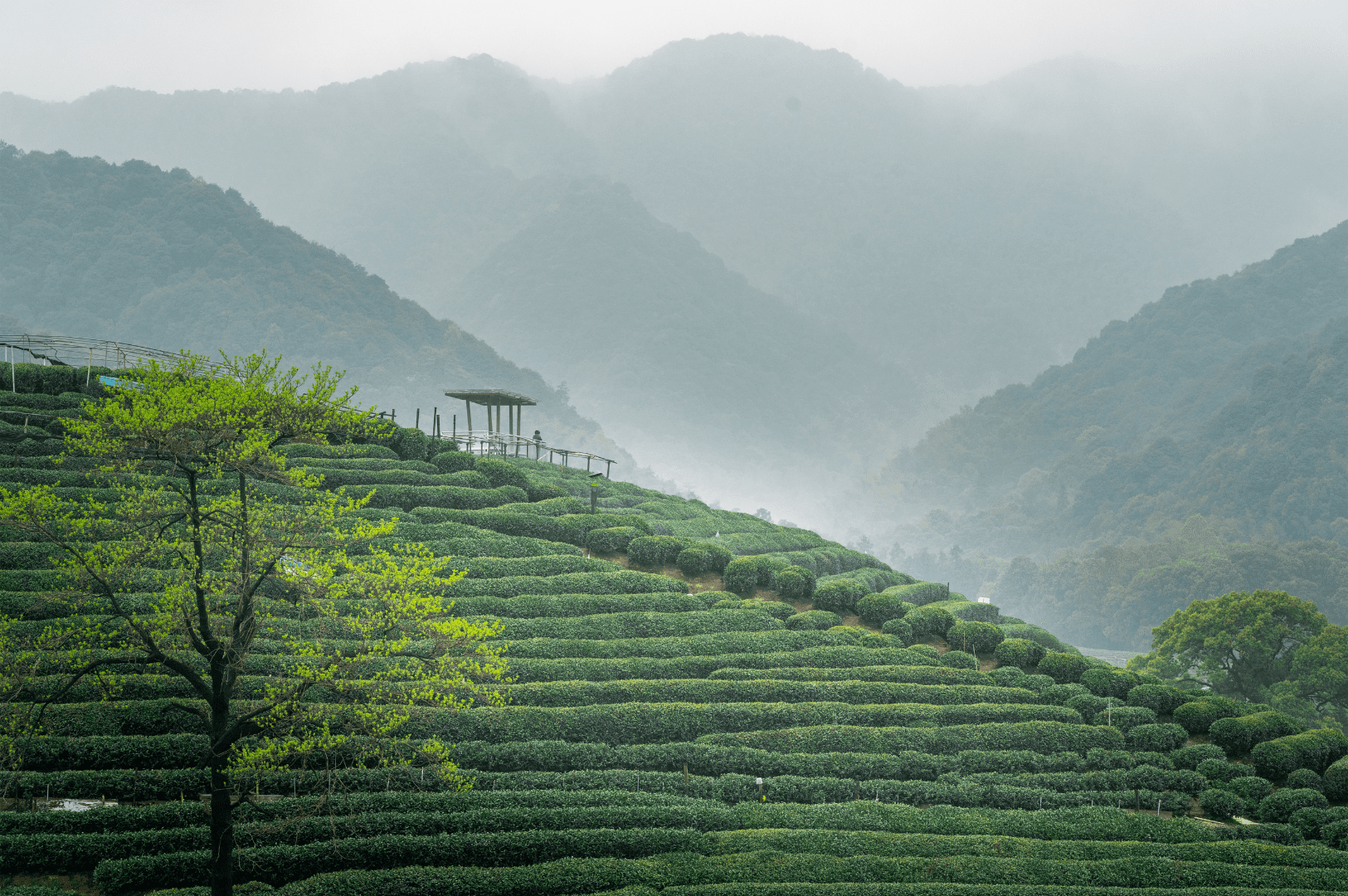
The authentic Longjing production region encompasses several micro-zones, with Shi Feng (Lion Peak) representing the most prestigious terroir. Lion Peak's elevated position and unique soil composition produce teas of exceptional quality and complexity.
These hillside gardens benefit from morning mists, afternoon sunshine, and well-draining soils that stress the tea plant just enough to concentrate flavours. The specific terroir of each micro-zone creates subtle variations in taste and aroma.
Authentic origin West Lake Hangzhou labelling ensures traceability and quality, distinguishing genuine Longjing from inferior imitations grown in other regions across China.
Long Jing Tea Cultivars: #43 vs Qunti (Heirloom)
Modern Long Jing tea production utilises two primary cultivars, each offering distinct characteristics. The Longjing #43 cultivar, developed for earlier harvesting, produces young buds that are rich in free amino acids and contain vitamin C, resulting in a sweeter, more delicate cup.
Traditional qunti (heirloom) varietals maintain genetic diversity and complex flavour profiles. These heritage plants often yield more nuanced teas with deeper mineral notes and longer-lasting fragrance.
The choice of cultivar significantly impacts the final cup, with #43 offering consistent sweetness whilst heirloom varieties provide greater complexity and fresh tasting notes that evolve across multiple infusions.
Tea Leaves & Picking Season: Spring Shoots Prior to Qingming
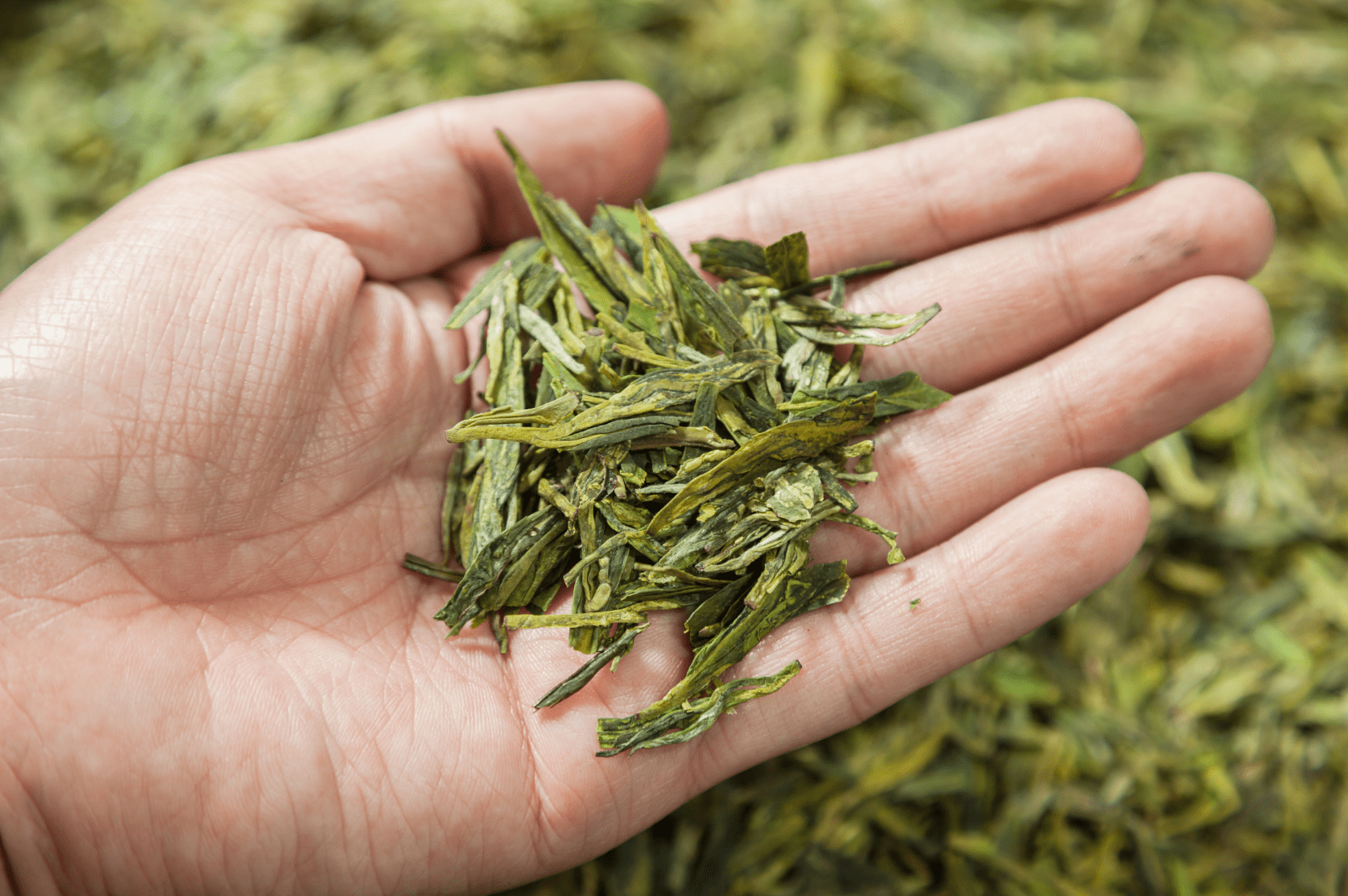
The picking season defines Longjing's quality, with spring season harvests commanding the highest prices. The most prized teas come from spring shoots prior to the Qingming festival, known as Ming Qian grade.
These early fresh tea leaves, picked before April 5th, feature tender young buds with minimal tannins and maximum sweetness. The colour light green appearance of properly processed spring leaves indicates optimal harvesting timing.
Each leaf requires hand-selection, with pickers choosing only the finest buds and first leaves. This meticulous attention to timing and selection ensures the tea's characteristic delicate flavour and light body.
Processing Mastery: Roasted Pan-Firing & the Signature Flat Leaf
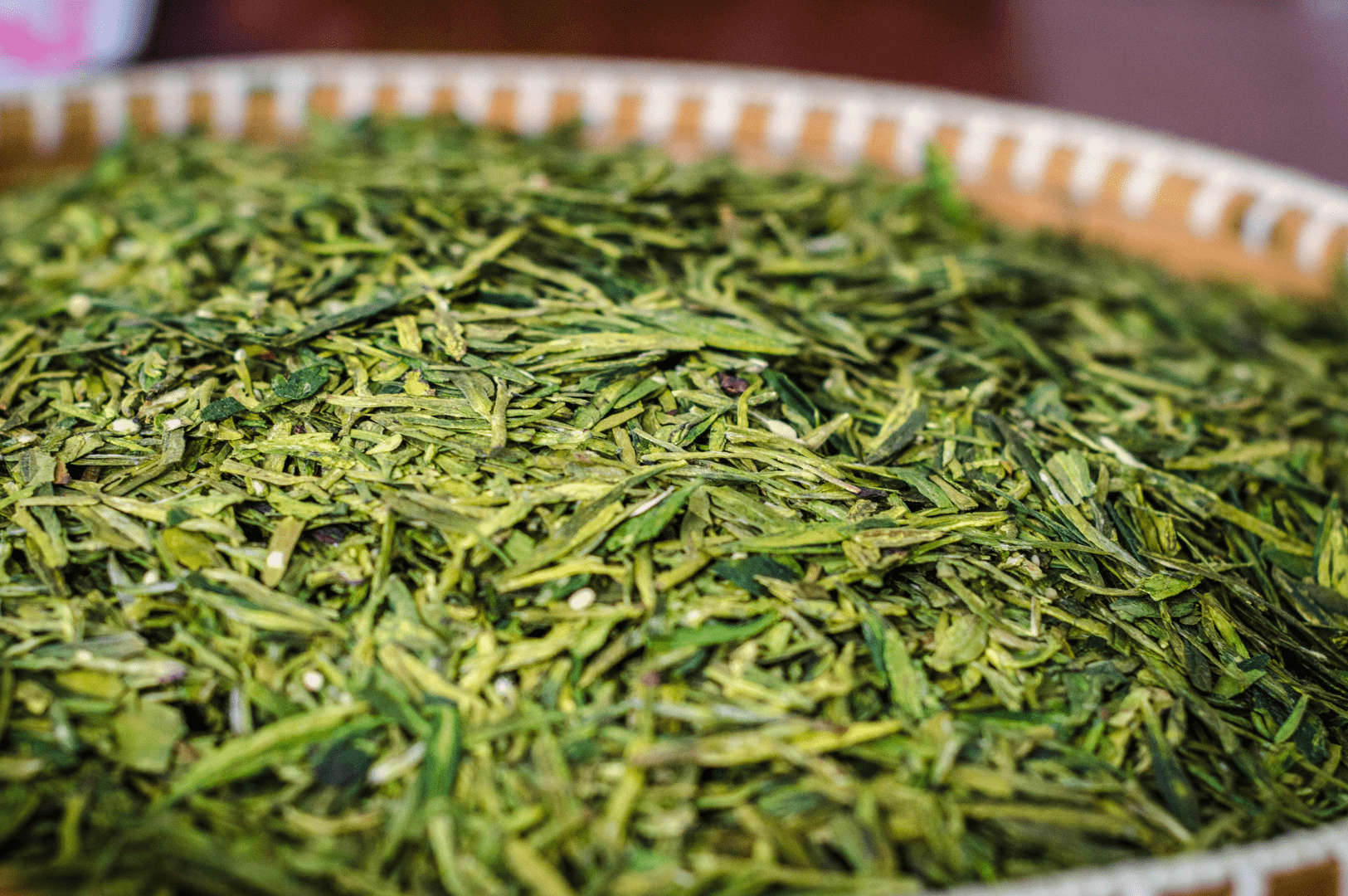
Longjing's distinctive character emerges through masterful pan-firing techniques that halt oxidation whilst developing the tea's signature flat leaf shape. The roasted process requires precise temperature control and constant hand movement to prevent burning.
Skilled artisans press each leaf against heated woks, creating the characteristic flat, sword-like appearance that defines authentic Longjing. This technique develops the tea's notable aroma chestnuts or beans, with subtle aroma roasted with hints of spring vegetables.
The resulting cup offers a light yet rich drinking experience with long lasting fragrance that distinguishes premium Longjing from ordinary green teas.
Grading & Why Longjing is a Premium Tea
Longjing's premium tea status stems from rigorous grading standards that evaluate leaf appearance, uniformity, and cup quality. The highest grades feature consistently sized leaves with minimal breakage and uniform colour.
Grade Long classifications help consumers identify quality levels, though authentic premium grades require careful evaluation beyond simple numbering systems. The finest teas display colour golden yellow to colour light green liquors with crystal clarity.
Premium Longjing commands high prices due to labour-intensive cultivation, precise processing requirements, and limited production from authentic origin zones.
Taste & Aroma: What to Expect in the Cup
Exceptional Longjing offers a complex sensory experience beginning with its distinctive aroma chestnuts or beans. The initial taste presents fresh, clean notes with subtle mineral undertones that reflect the tea's terroir.
Each sip reveals new dimensions of flavour, from initial sweetness to lingering vegetal notes. The fresh tasting quality peaks in properly stored spring harvests, whilst the drink evolves beautifully across multiple infusions.
Every moment of tasting offers new discoveries, from the fragrance that rises with each cup to the subtle aroma changes as the tea cools.
Brewing & Teaware: Water, Vessels, Ratios, Temperatures
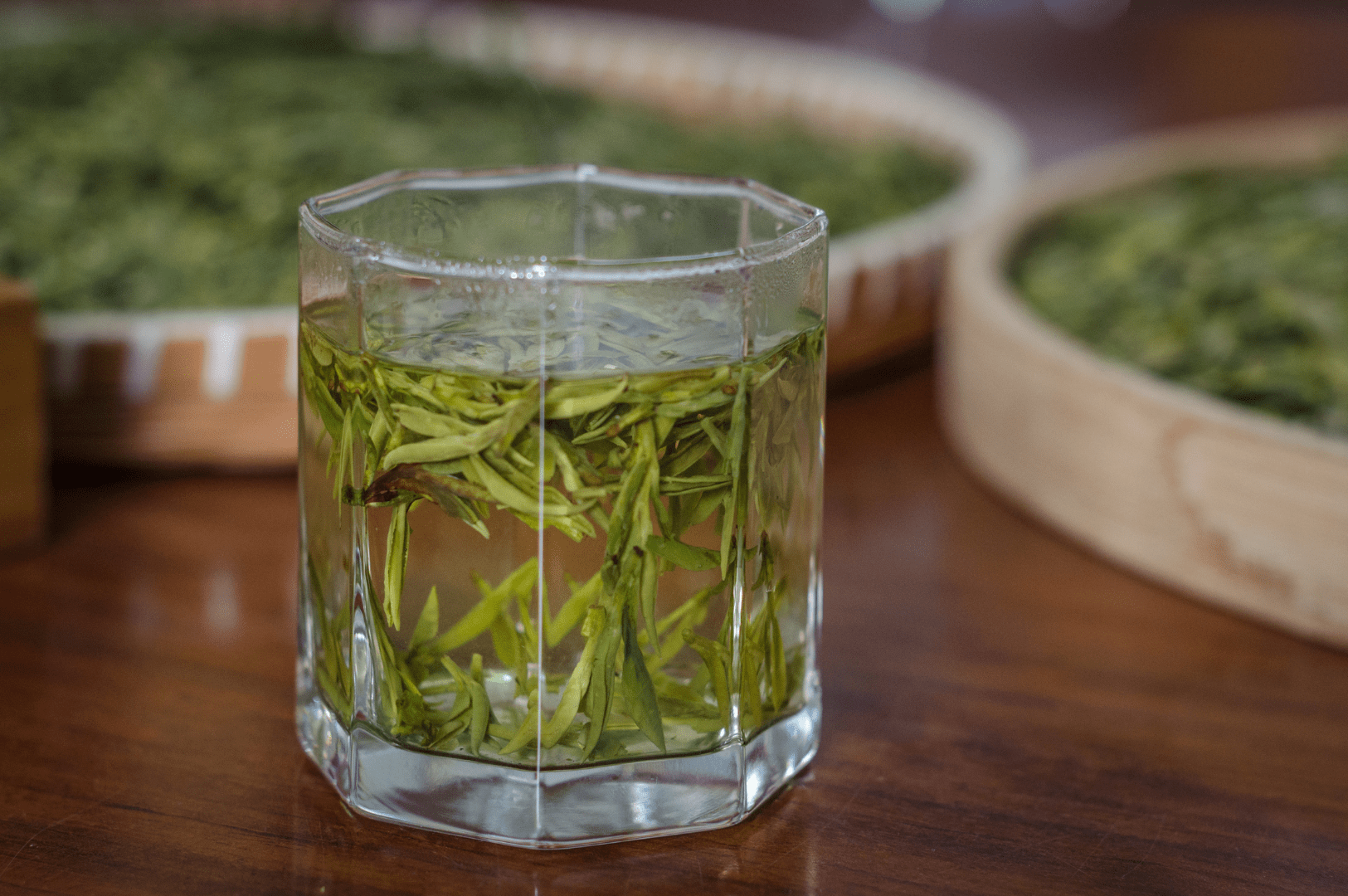
Proper brewing unlocks Longjing's full potential through careful attention to water temperature, leaf ratios, and steeping times. Green tea requires cooler water (75-80°C) to preserve delicate compounds and prevent bitterness.
Traditional tall glass brewing showcases the tea's beautiful leaf unfurling, whilst gaiwan brewing allows precise control over extraction. Western-style teapots work well with adjusted ratios and shorter steeping times.
Multiple brewed infusions reveal different aspects of the tea's character, with each successive cup offering unique flavour notes and aromatic experiences. For more practical guidance on brewing, you can read more here.
Dark Pu'er Tea vs Longjing: Two Different Worlds
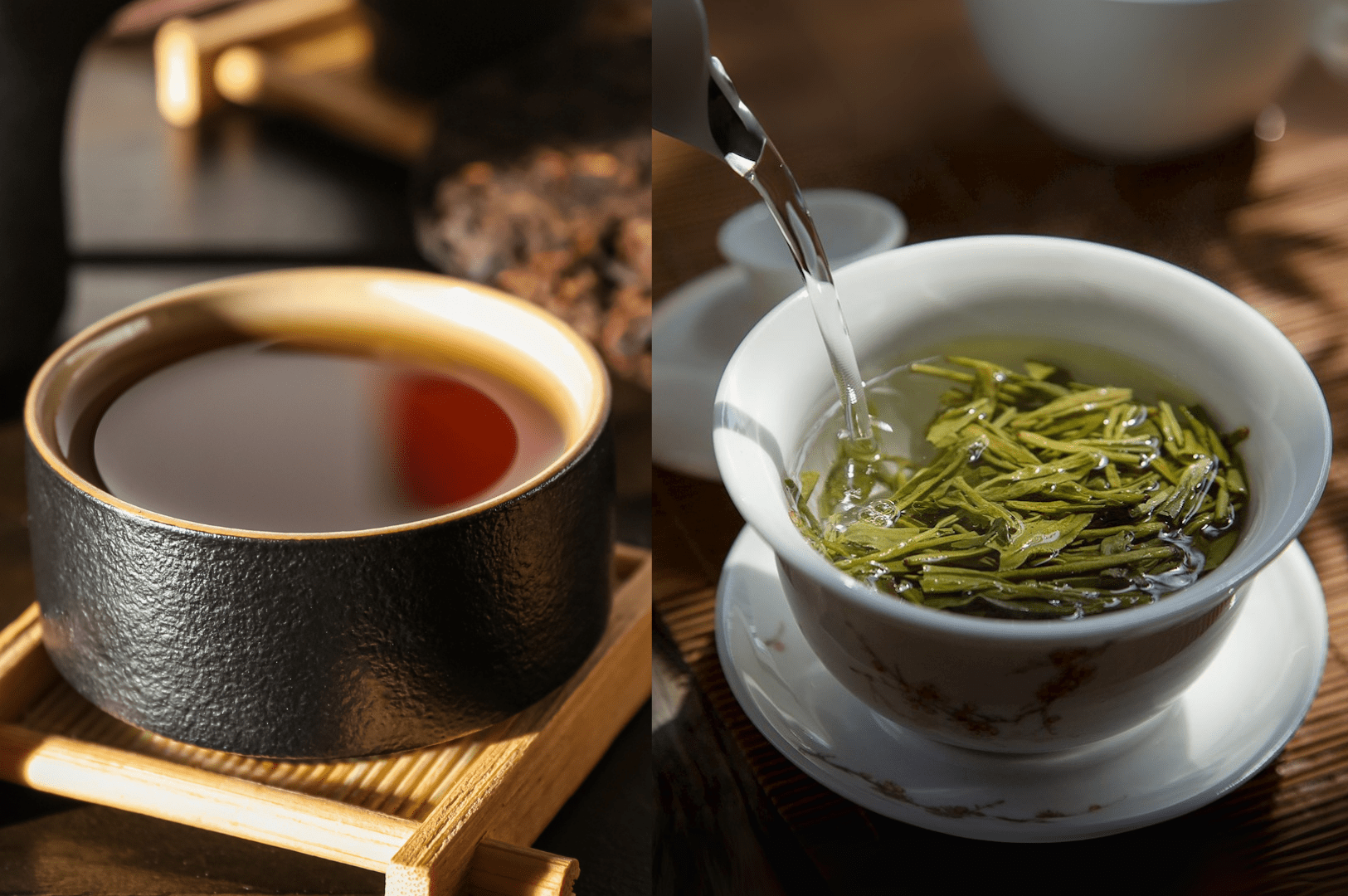
Understanding Longjing requires distinguishing it from China's other famous teas. Dark Pu'er tea from origin Yunnan undergoes post-fermentation, creating colour reddish brown to colour clear golden brown liquors with aroma earth and woody characteristics and hints of ripe fruits.
These aged teas offer completely different experiences from Longjing's fresh, vegetal profile. Rock tea oolong from origin Wuyi Mountain Fujian provides another contrast, with its roasted, mineral-rich character differing markedly from Longjing's delicate green tea nature.
Each tea represents distinct processing methods, origins, and cultural traditions within China's diverse tea landscape.
Where to Buy & Drink Longjing Tea in Singapore
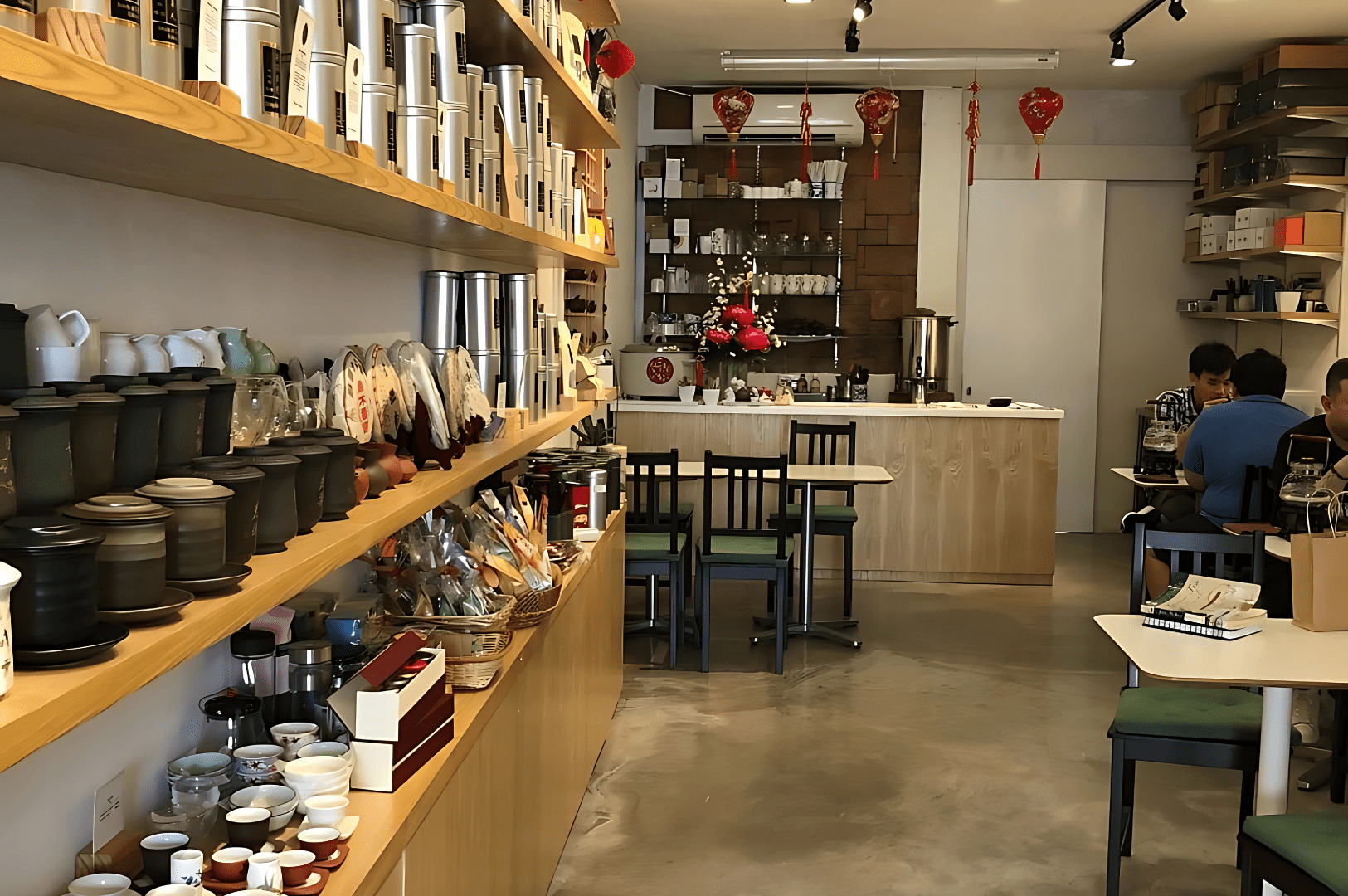
Singapore offers excellent options for sourcing authentic Longjing through various vendor types. Yixing Xuan Teahouse in Chinatown carries multiple grades including premium Shi Feng spring harvests with detailed tasting notes.
Wang San Yang Tea Merchant at Hong Lim Complex offers heritage selections of Mingqian grades with knowledgeable staff guidance. TWG Tea boutiques stock Dragon Well within their single-estate range, though availability varies seasonally.
Tea Cottage Singapore provides online options with clear origin documentation, whilst Eu Yan Sang offers convenient access for casual buyers seeking quality Longjing.
Storage & Freshness
Proper storage maintains Longjing's delicate character through airtight containers kept cool and dark. Refrigeration requires careful moisture control to prevent condensation damage.
Fresh storage preserves the tea's signature aroma and colour light green clarity whilst preventing deterioration of flavour compounds. Well-stored Longjing maintains its fresh tasting qualities for extended periods.
Temperature fluctuations and light exposure rapidly degrade green tea quality, making proper storage essential for premium purchases.
Context & Comparisons: China's Tea Map at a Glance
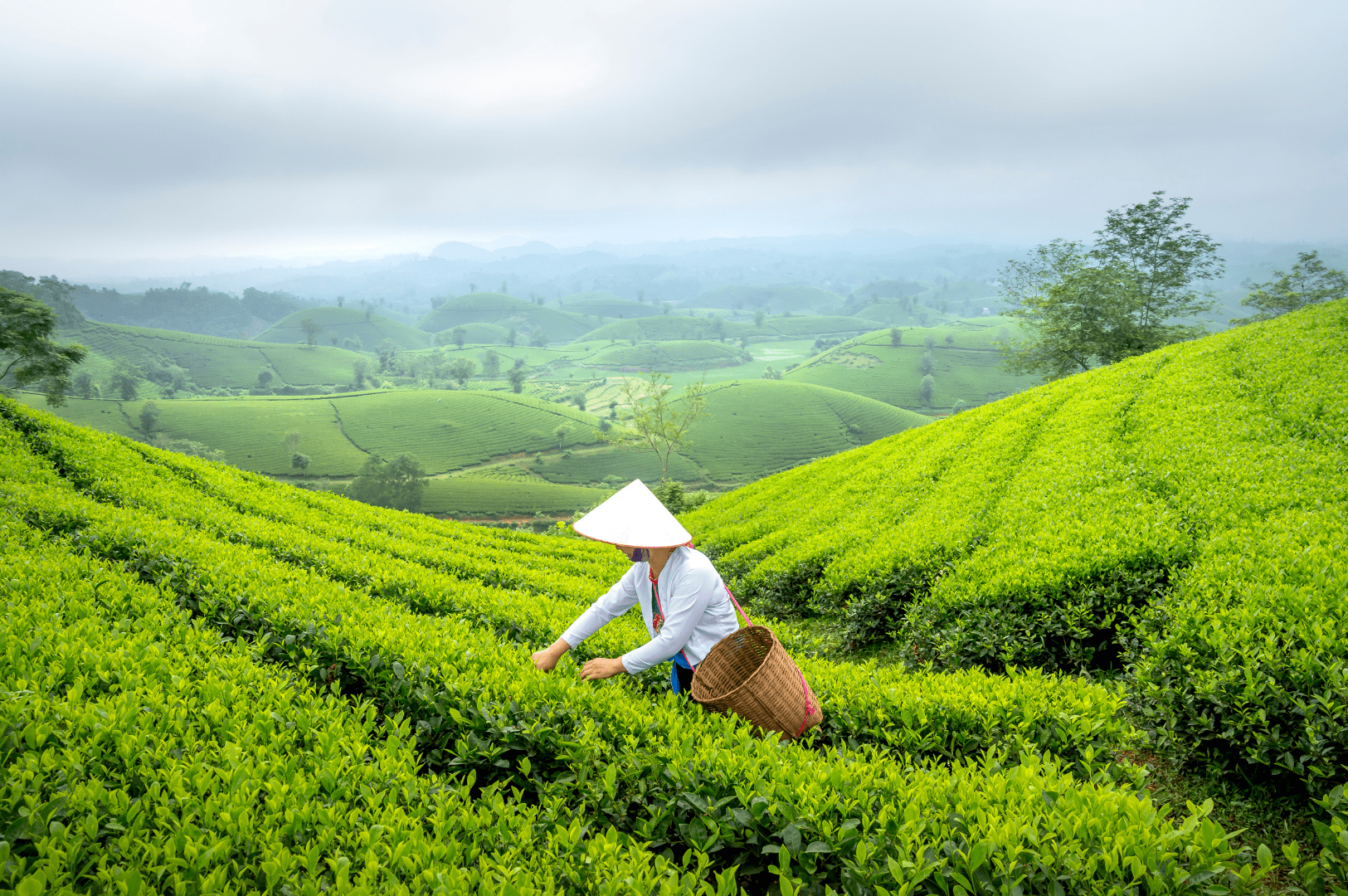
Understanding Longjing's place within China's tea landscape requires recognising regional distinctions. Hangzhou's Dragon Well differs fundamentally from Wuyi's rock tea oolong and Yunnan's dark Pu'er tea traditions.
Each production region develops unique processing methods, cultivars, and flavour profiles reflecting local terroir and cultural preferences. This diversity showcases China's remarkable tea heritage whilst highlighting Longjing's specific contributions to global tea culture.
Ready to explore more of China's legendary teas? Discover our comprehensive guides to regional tea traditions and brewing techniques. Sign up for Tea Manor's newsletter to receive expert insights, seasonal recommendations, and exclusive access to premium tea selections from across Asia.

“Detox Tea” Is Mostly Marketing: Here’s What Tea Actually Does
I have always found the phrase “detox tea” a little strange. Not because I dislike tea. Quite the opposite. Tea has been part of my daily life for years. I love the quiet ritual of choosing leaves, waiting for the water, and taking a moment to slow down. But somewhere along the way, tea became…
-
The Tea House That Time Did Not Forget: Tea Chapter Trading Pte Ltd
I almost walked past it. Located at Nine Neil Road, Tea Chapter Trading Pte Ltd sits quietly, a three-storey shophouse just across from Maxwell MRT in Singapore, its restored facade catching afternoon light. Around it, Chinatown moves at its usual pace. Inside, something slower has been happening since October 1989. I stepped in on a…
-
Expensive Tea Doesn’t Guarantee a Better Cup, Here’s Why
There is a belief in tea that we rarely question. If something costs more, it must be better. It is an understandable assumption. A rare tea from a respected region, carefully harvested and beautifully packaged, naturally creates expectations. We associate price with effort, craftsmanship, and quality. And often, that connection is justified. But not always….
-
SUN with MOON Singapore at Wheelock Place: A Unique Tea Dining Cafe Experience on Orchard Road
The lunch crowd had gone. Dinner hadn’t arrived yet. I came in during that strange, in-between hour, a little after three on a weekday, when the escalators at Wheelock Place hum quietly and Orchard Road feels almost gentle. Most people were still at their desks. I wasn’t. I wanted tea, and I wanted to sit…
-
Cold Brew Tea Is Underrated (And Hot Purists Are Missing Out)
I used to think tea had to be hot. There was something about the ritual of it. Boiling water, warming the pot, watching the leaves open. A proper cup of tea seemed to require steam. Then I tried cold brew tea, and I had to admit something slightly uncomfortable. I liked it. More than I…
-
All Things Delicious Review: The Quiet Pleasure of Tea and Cake.
There’s a particular kind of afternoon that asks for tea, and All Things Delicious answers it with a quiet, comforting tea-and-cake experience on Arab Street: handmade sweet treats, warm approachable teas, and a room that makes simple pleasures feel like enough. Not coffee, with its urgency. Tea. The slow kind, poured while the conversation drifts…
-
Wellness Tea Is a Scam, but Tea Can Still Be Good for You
There is a strange contradiction in the way we talk about tea today. For centuries, tea was appreciated for its taste, its rituals, and the moments it created. Today, it is often sold as something else entirely. A solution. A promise. A shortcut. The language surrounding wellness tea has become increasingly familiar. Detox tea. Cleansing…
-
Camellia Tea: A Blossom, A Leaf, A Legacy Rooted in Camellia Sinensis
My grandmother kept her camellia tea in a battered tin that had once held biscuits. She never called it anything fancy. It was just cha, brewed strong in the mornings using fresh tea leaves from the tea plant, poured into small cups that had lost their matching saucers years ago. I didn’t know then that…
-
Why “Caffeine-Free Tea” Marketing Should Be Regulated (Seriously)
Hear me out: we have become far too comfortable with the phrase “caffeine-free tea.” It appears on beautiful packaging, wellness websites, and café menus with the confidence of a health guarantee. The words suggest calm evenings, better sleep, and a gentler relationship with what we drink. But there is a problem. The phrase sounds clearer…
-
The Forgotten Luxury of Sitting Still at Japanese Tea House
You stoop to enter the traditional japanese tea house. That is the first thing the tea house asks of you, before the tea, before the talk, before anything at all. The doorway is low, deliberately so, and even the tall must bow to pass through it. In that small act of folding the body, something…