Among the world’s most revered fermented dark teas, few types evoke as much intrigue and respect as Yunnan pu erh tea (普洱). Crafted from ancient tea trees in Yunnan province, this tea produced by traditional methods is a living testament to China’s rich beverage heritage. Unlike most loose leaf tea or black teas, high-quality pu erh tea not only endures the test of time; it improves, deepening its complex flavours, aroma, and value over decades. For connoisseurs and collectors alike, the world of pu erh, its variety of tea leaves, and artisanal processes make each cup an exploration of Chinese culture, craftsmanship, and the passage of time.
If you’re curious to explore their full tea selection and learn more about their philosophy, visit Tea Manor: https://tea-manor.com.sg/
What Is Yunnan Pu Erh Tea? (Yunnan Pu Erh Tea)
Yunnan pu erh tea is a category of type of fermented tea made from the broad-leaf tea plant (Camellia sinensis var. assamica) grown in the forests and mountains of Yunnan province, west China. Known for both its wild tea and cultivated garden sources, pu erh (or puer tea, pu’er, pu erh, or pu er) is prized for its potential to age, develop, and achieve good quality status. “Pu erh” literally refers to the famed county and city in Yunnan that historically served as a major trading hub.
Unlike black teas, pu erh is processed as a fermented dark tea, undergoing a unique post fermentation, which allows for dramatic transformation in flavour, aroma, and texture as it matures. Each cake, brick, or loose leaf batch reflects the local terroir, county, village, tree age and craft of its makers.
The Living Tea: Unique Characteristics of Yunnan Pu Erh
The magic of Yunnan pu erh lies in the careful aging, where natural microbes and fermentation interact with leaf compounds over the years. This post fermentation is essential: it is what makes pu erh a living, evolving beverage, delivering a broad array of complex flavors and aftertastes; from full bodied, earthy, forest-like notes (aroma earth and woody) to aromatic, fruity, floral characteristics that linger cup after cup. Bitterness transforms to sweetness, astringency mellows, and distinct “vintage” character emerges in prized, well-aged stock.
What distinguishes pu erh from oolong, green, and black teas is this deliberate embrace of natural change, with cakes or loose leaf tea purposefully stored in environments tailored for long-term fermentation. Each sip of a fine, aged pu erh tells the history of its tree, batch, village, and years of careful storage.
Forest Tea: The Role of Ancient Tea Trees and Villages
Many of the finest pu erh teas are made with tea leaves from ancient tea trees and “forest tea” (also called wild tea), often centuries old, that thrive in Yunnan’s lush mountains. Trees such as those found in Yiwu, Bulang, and Jingmai are known for their thick trunks, deep roots, and ability to absorb minerals from their natural environment.
Villages with renowned status cultivate these tea trees using traditional, chemical-free methods. The village name like Lao Banzhang, a prized area on a puer tea cake or loose pouch signals sought-after origins and unique characteristics. True forest tea from secluded mountains is rare and coveted, yielding tea leaves with remarkable depth, sweetness, and a honey or floral fragrance unmatched by mass-market teas.
Raw vs. Ripe: Two Paths of Pu Erh Tea
Pu erh comes in two principal forms: raw (sheng) and ripe (shou). Each path offers different experiences in taste, aroma, and aging potential:
- Raw Pu Erh (Sheng): This tea is sun-dried, pressed, and aged naturally, like a vintage wine. When young, it is light but can be bitter, full bodied, with fruity, floral, or forest notes. With careful aging, sheng smooths, develops sweet and mellow flavours, and shows the prized “vintage pu’er” character.
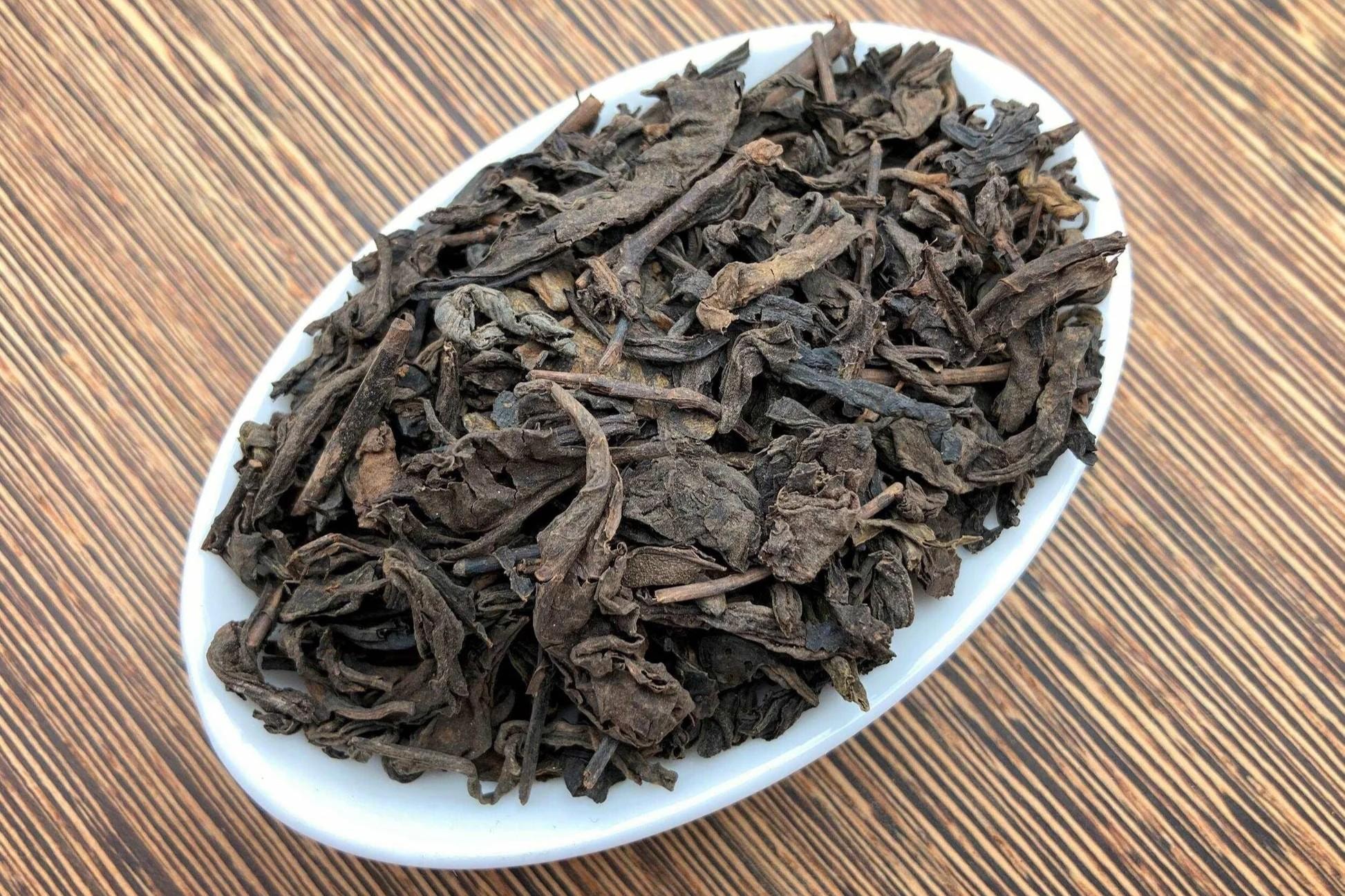
- Ripe Pu Erh (Shou): Created by artificially accelerating the fermentation (pile wet fermentation or wo dui), ripe tea is dark, smooth, earthy, and ready to drink sooner. It shares similarities with black teas but retains the unique taste and aftertaste of fermented dark tea.
Each type of tea leaves—whether fresh mao cha (the loose leaf material before pressing) or blended tea batches from older stock—offers a distinct journey in every cup.
The Tea Cake: From Mao Cha to Pressed Masterpiece (Tea Cake)
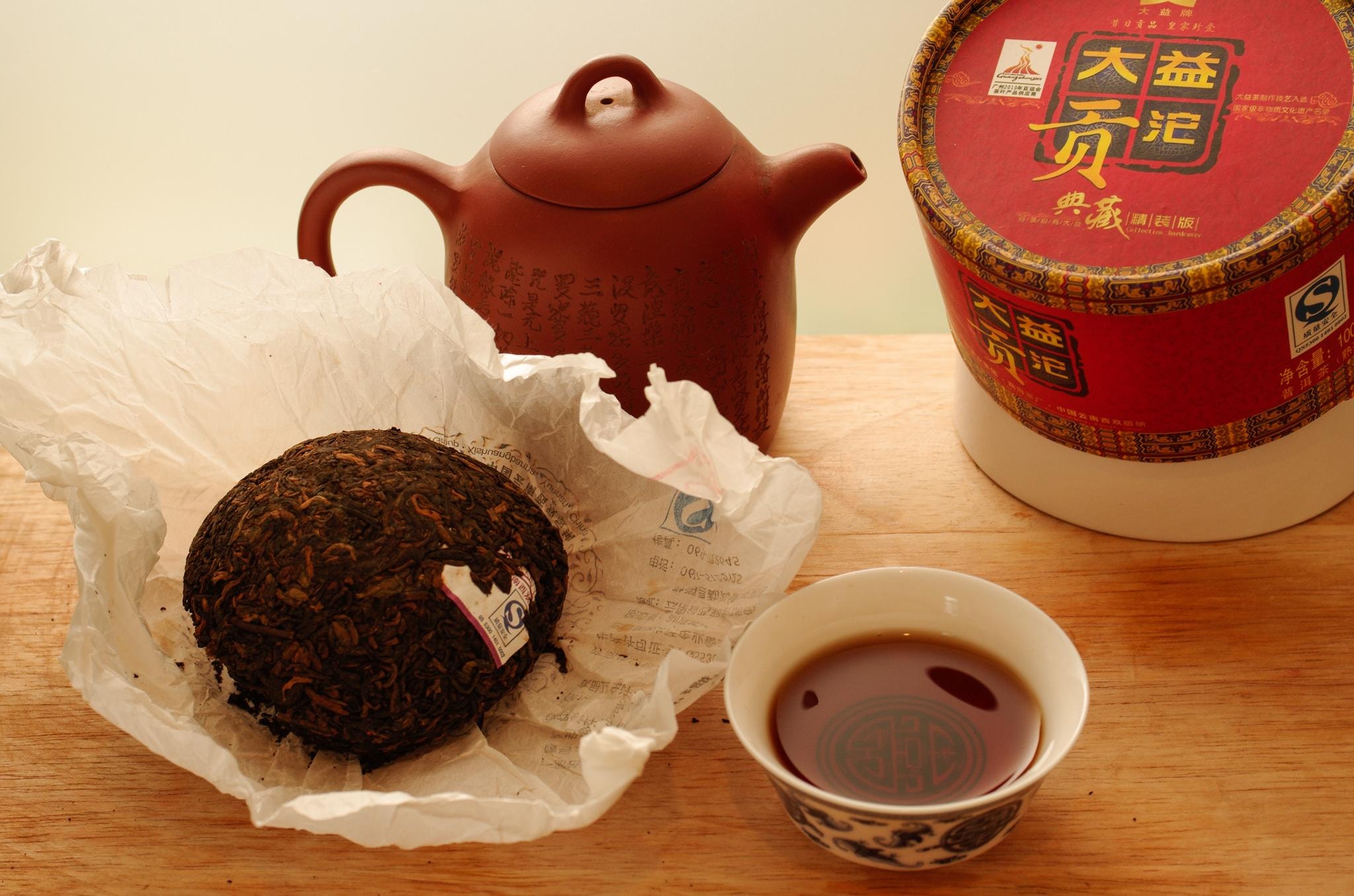
One of the most iconic forms of pu erh is the tea cake: a dense, pressed disc of tea leaves designed for aging, trade, and storage. Loose leaf tea is painstakingly compressed into different shapes (be it cake, brick, tuo cha, or ball) using centuries-old craft. Authentic cakes often retain their “factory ticket” and are traditionally wrapped in bamboo or paper for breathability.
The transformation from mao cha (loose leaf) to cake locks in flavour compounds while providing stability for decades. Cakes are both collectible and practical, as properly aged “vintage pu’er” cakes are among the world’s rarest and most valuable teas.
Vintage Pu’er: The Status of Aged Tea (Vintage Pu’er)
Vintage pu’er is the pinnacle for many collectors; rare cakes and bricks decades old, often called “vintage pu’er,” command astronomical prices at auction. These teas are highly valued for their aroma, smoothness, long, sweet aftertaste, and layers of complex flavors that only emerge with time.
Good quality vintage pu’er (be it sheng or shou) shows a clarity of taste, absence of off-notes, and a deep, sweet, harmonious aftertaste. Authentic vintage stock will have appropriate aged aroma, intact factory ticket, and provenance records linking the tea cake to its origin, tree type, and year.
Wild Tea, Village Terroir, and Yunnan’s Tea Map
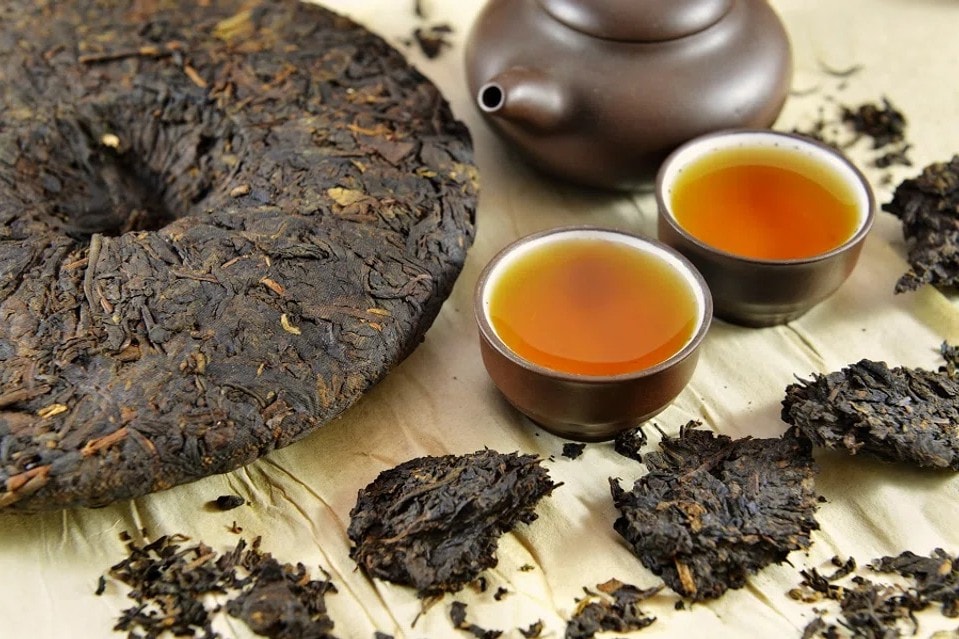
Not all pu erh is equal. Village-specific pu erh—such as from Jingmai, Yiwu, Bulang, and Lao Banzhang—carries status among serious tea drinkers. Pu erh from wild tea trees (known as forest tea) is rarer, sought after for its distinct natural fragrance, subtle honey sweetness, and highly persistent aftertaste.
Pu erh’s character is shaped by county, microclimate, tree age, altitude, and even the methods of harvest, blending, and craft. Single-village teas, forest tea, and master blends all contribute to the wide palette of pu erh available to connoisseurs today.
The Role of Blending and Mixing in Yunnan Craft
While single-source batches are celebrated, much of Yunnan’s finest pu erh is created through expert mixing and blending of tea leaves from different villages or even types of tree. The result: layered, complex flavors with balanced strengths—fruits, honey, woods, floral, even rare hints of ripe fruits or aromatic nuts.
Each batch, stamped with its ticket, year, and sometimes pressing facility, reflects a harmony of craft and nature, establishing the unique characteristics for that particular pu erh.
Tea Produced: The Craft, From Picking to Pressing
The journey from tree to cake is meticulous: only good quality fresh tea leaves are picked, sun-withered, then either processed as mao cha (for raw tea) or undergo wet fermentation (for ripe tea). Experienced artisans assess texture, colour, aroma, and moisture at every step, ensuring prized, pressed cakes or loose leaf batches will age gracefully.
For bricks and cakes, the tea is steamed and pressed, usually with a stamp or ticket signifying factory, batch, and sometimes the village.
Fermentation & Storage: Creating Fragrant, Dark, and Smooth Tea
Fermentation is the soul of pu erh tea. Raw varieties ferment slowly (decades), while ripe tea undergoes a process that produces a fragrant, earthy, and full-bodied brew known for unique characteristics. Well-aged pu erh develops a distinct texture, mouthfeel, and lingering aftertaste.
Tong storage (stacking cakes together in bamboo pouches or cartons) encourages regulated aging. Storage location (west-facing walls, certain counties), humidity (dry vs wet), and craft all impact a tea’s ultimate status and value.
Tea Cake Storage: Home and Collector Tips
- Store tea cakes and loose leaf puer in breathable material (bamboo, thick paper)
- Avoid plastic, sunlight, and strong odours
- Light airflow, stable moderate humidity, and regular inspection promote careful aging
- Special “pouch” and “bricks” are traditional for storage, with each batch identified by year, village, and estate.
Brewing Your Cup: Unlocking the Flavour
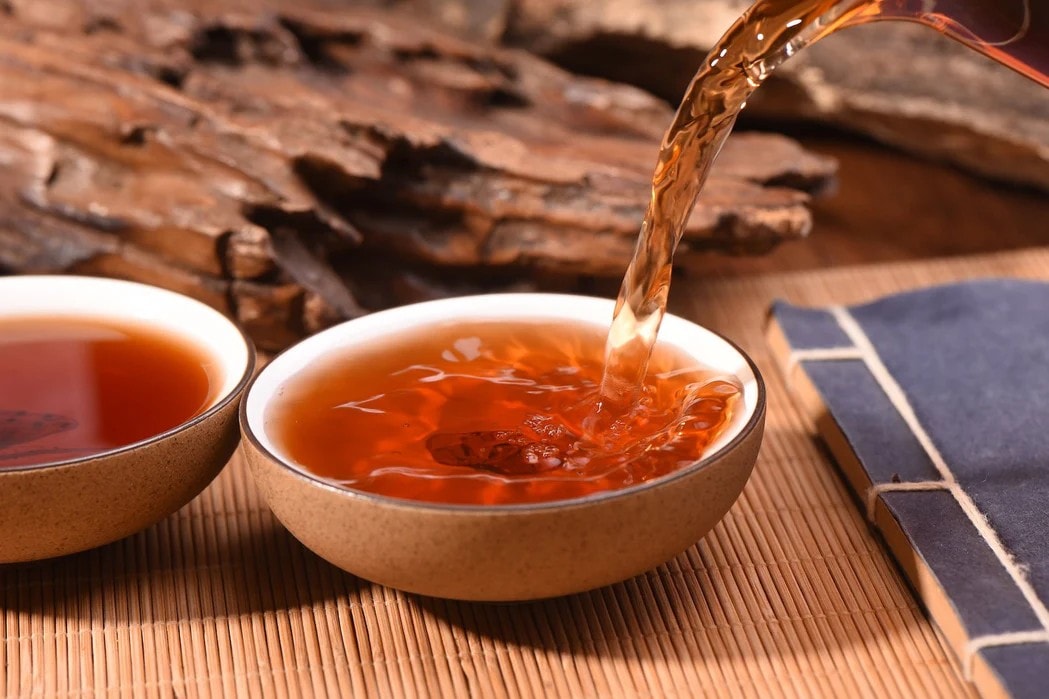
Brewing aged pu erh is an art. Gongfu style uses small, unglazed Yixing clay teapots or gaiwan; Western style works well for broken cakes or loose leaf. Use fresh, soft water at boiling temperature; rinse the tea first, then steep in very short infusions—well aged cakes yield 10+ aromatic, smooth cups. Full bodied, sweet, honeyed, fruity, woody, and earthy notes may all appear, depending on age, batch, and blending.
Forest Tea, Sheng, and Ripe: Comparing Yunnan’s Range (Forest Tea)
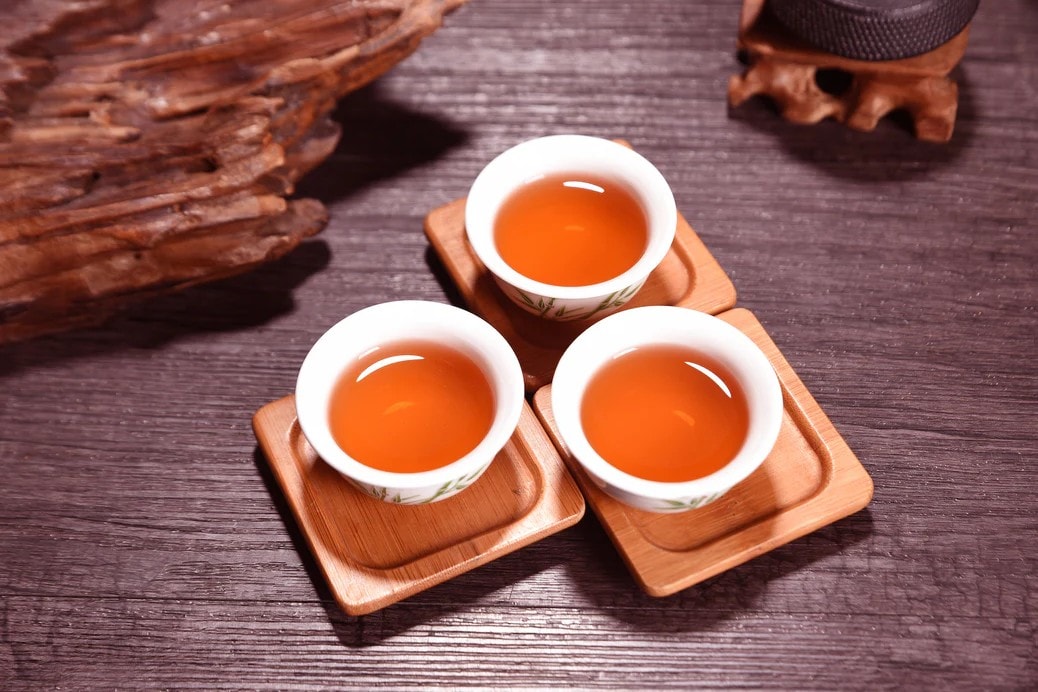
Forest tea, made from old wild trees, is often sheng (raw), showcasing pronounced floral and honey aromas, natural sweetness, and vibrant energy. These wild teas, when aged, become exceptionally complex, prized for their finesse and light, sweet, long-lasting cup.
Ripe tea (shou), by contrast, is famous for its dark, full bodied, smooth texture—less bitterness, more pronounced earthiness, and notes of wet wood, dates, and fruits.
Vintage Stock, Good Quality, and Modern Market
Today the market offers a stunning range: wild tea, vintage pu’er, loose leaf mao cha, ripe tea cakes, bricks, and even black teas and oolong for comparison. Stock from famous villages, incorporating natural forest leaves, are held as investment, consumed on special occasions, or collected as rare pieces of Yunnan’s cultural heritage.
Expert buyers look for proper fermentation, careful aging, absence of musty or too wet notes, and aroma that is fragrant, sweet, and clean. Labels (“ticket”), provenance, texture, and pressing style all matter in establishing status and value.
Conclusion: The Lasting Legacy in Every Cup
From the mist-shrouded forests of Yunnan province to modern tea cellars worldwide, pu erh is more than a beverage—it’s a living, evolving link to Chinese history, family, and tradition. Each tea cake tells the story of its tree, village, season, and the hands that crafted it. As the cup offers light or dark brews, honey, fruit, earth, or woodland fragrance, we taste not only flavour but the passing of time itself.
Pu erh stands as a testament to the virtues of patience, natural craft, and generational wisdom—a category of tea that rewards the curious, the careful, and the devoted with every aromatic, well-aged sip.

“Detox Tea” Is Mostly Marketing: Here’s What Tea Actually Does
I have always found the phrase “detox tea” a little strange. Not because I dislike tea. Quite the opposite. Tea has been part of my daily life for years. I love the quiet ritual of choosing leaves, waiting for the water, and taking a moment to slow down. But somewhere along the way, tea became…
-
The Tea House That Time Did Not Forget: Tea Chapter Trading Pte Ltd
I almost walked past it. Located at Nine Neil Road, Tea Chapter Trading Pte Ltd sits quietly, a three-storey shophouse just across from Maxwell MRT in Singapore, its restored facade catching afternoon light. Around it, Chinatown moves at its usual pace. Inside, something slower has been happening since October 1989. I stepped in on a…
-
Expensive Tea Doesn’t Guarantee a Better Cup, Here’s Why
There is a belief in tea that we rarely question. If something costs more, it must be better. It is an understandable assumption. A rare tea from a respected region, carefully harvested and beautifully packaged, naturally creates expectations. We associate price with effort, craftsmanship, and quality. And often, that connection is justified. But not always….
-
SUN with MOON Singapore at Wheelock Place: A Unique Tea Dining Cafe Experience on Orchard Road
The lunch crowd had gone. Dinner hadn’t arrived yet. I came in during that strange, in-between hour, a little after three on a weekday, when the escalators at Wheelock Place hum quietly and Orchard Road feels almost gentle. Most people were still at their desks. I wasn’t. I wanted tea, and I wanted to sit…
-
Cold Brew Tea Is Underrated (And Hot Purists Are Missing Out)
I used to think tea had to be hot. There was something about the ritual of it. Boiling water, warming the pot, watching the leaves open. A proper cup of tea seemed to require steam. Then I tried cold brew tea, and I had to admit something slightly uncomfortable. I liked it. More than I…
-
All Things Delicious Review: The Quiet Pleasure of Tea and Cake.
There’s a particular kind of afternoon that asks for tea, and All Things Delicious answers it with a quiet, comforting tea-and-cake experience on Arab Street: handmade sweet treats, warm approachable teas, and a room that makes simple pleasures feel like enough. Not coffee, with its urgency. Tea. The slow kind, poured while the conversation drifts…
-
Wellness Tea Is a Scam, but Tea Can Still Be Good for You
There is a strange contradiction in the way we talk about tea today. For centuries, tea was appreciated for its taste, its rituals, and the moments it created. Today, it is often sold as something else entirely. A solution. A promise. A shortcut. The language surrounding wellness tea has become increasingly familiar. Detox tea. Cleansing…
-
Camellia Tea: A Blossom, A Leaf, A Legacy Rooted in Camellia Sinensis
My grandmother kept her camellia tea in a battered tin that had once held biscuits. She never called it anything fancy. It was just cha, brewed strong in the mornings using fresh tea leaves from the tea plant, poured into small cups that had lost their matching saucers years ago. I didn’t know then that…
-
Why “Caffeine-Free Tea” Marketing Should Be Regulated (Seriously)
Hear me out: we have become far too comfortable with the phrase “caffeine-free tea.” It appears on beautiful packaging, wellness websites, and café menus with the confidence of a health guarantee. The words suggest calm evenings, better sleep, and a gentler relationship with what we drink. But there is a problem. The phrase sounds clearer…
-
The Forgotten Luxury of Sitting Still at Japanese Tea House
You stoop to enter the traditional japanese tea house. That is the first thing the tea house asks of you, before the tea, before the talk, before anything at all. The doorway is low, deliberately so, and even the tall must bow to pass through it. In that small act of folding the body, something…