The first thing I noticed was the smell.
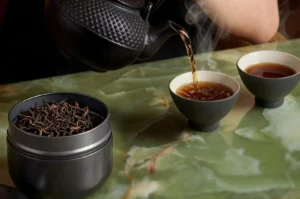
Not perfume, not incense. Something warmer and older than both. Roasted tea leaves, drifting out onto Mosque Street before I even reached the door. It's the kind of smell that makes you slow your steps without knowing why.
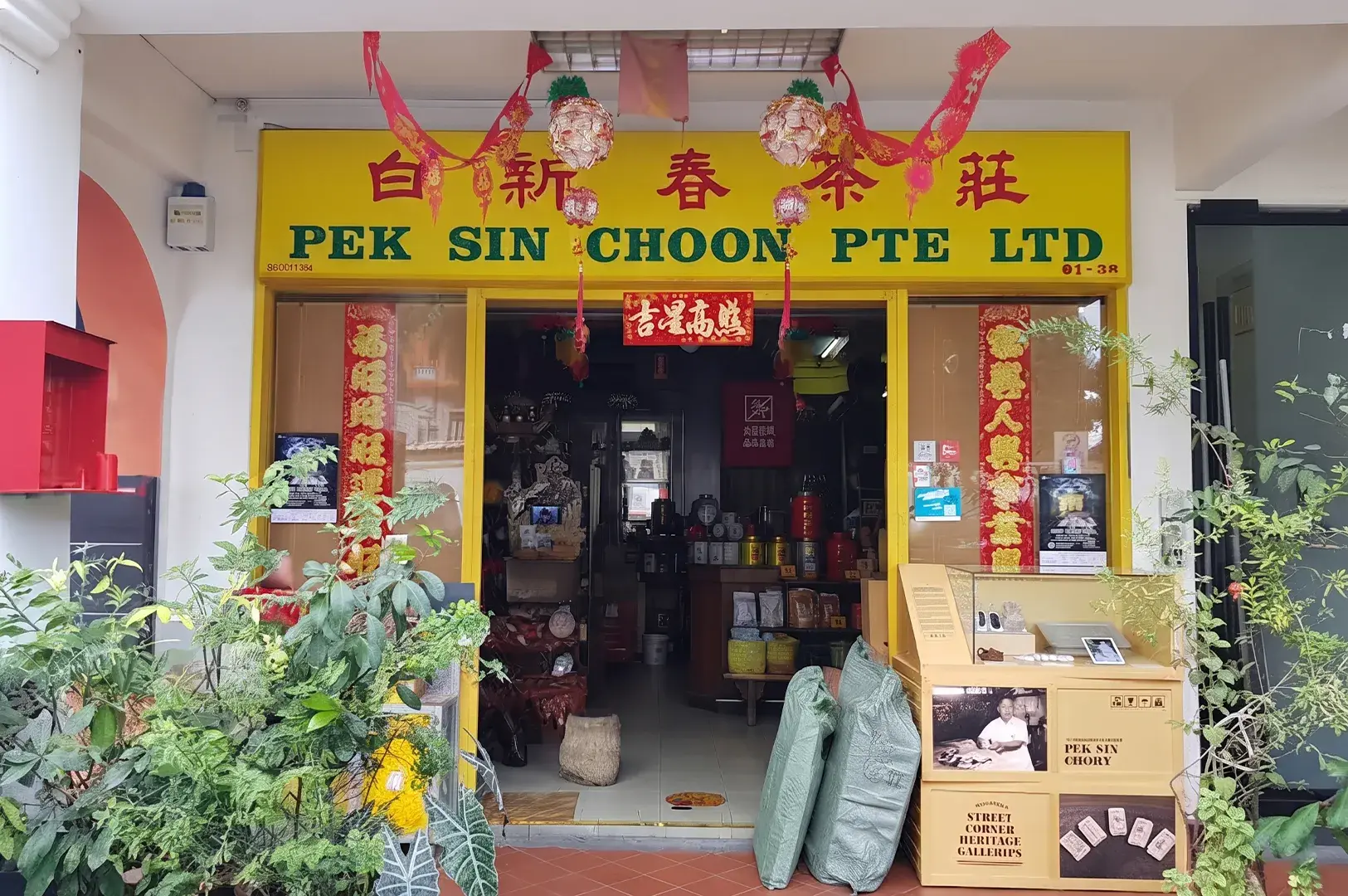
Pek Sin Choon has been on this corner of Chinatown for a long time. Since 1925, in fact, which makes it one of Singapore's oldest tea merchants. Fourth-generation owner Kenry Peh runs the company now, and the shop still carries that rare feeling of a place that never rushed to become something else.
Quality Chinese Tea: A Business Rooted in Tradition
Step inside and it's clear this is a working shop, not a showroom.
Tins line the walls. There are packets wrapped in pink paper, the way tea was always packed here, the same paper once used by Chinese medicine halls. Nothing here is styled for a photograph. It's simply how things have been done for close to a hundred years.
I learned that up to 120kg of tea leaves are blended and roasted here every single day. They still use a woven basket, said to be as old as the shop itself, and a roasting oven made right here in Singapore. That's a lot of quiet, unglamorous work behind a beverage most of us drink without a second thought.
You may already know their tea without realizing it. Pek Sin Choon supplies tea to over 80% of Singapore's bak kut teh establishments, as well as Chinese restaurants including Din Tai Fung. Chances are, you've tasted their work over a bowl of peppery pork rib soup and never once looked up the name.
Premium Tea: Rich Flavors from China
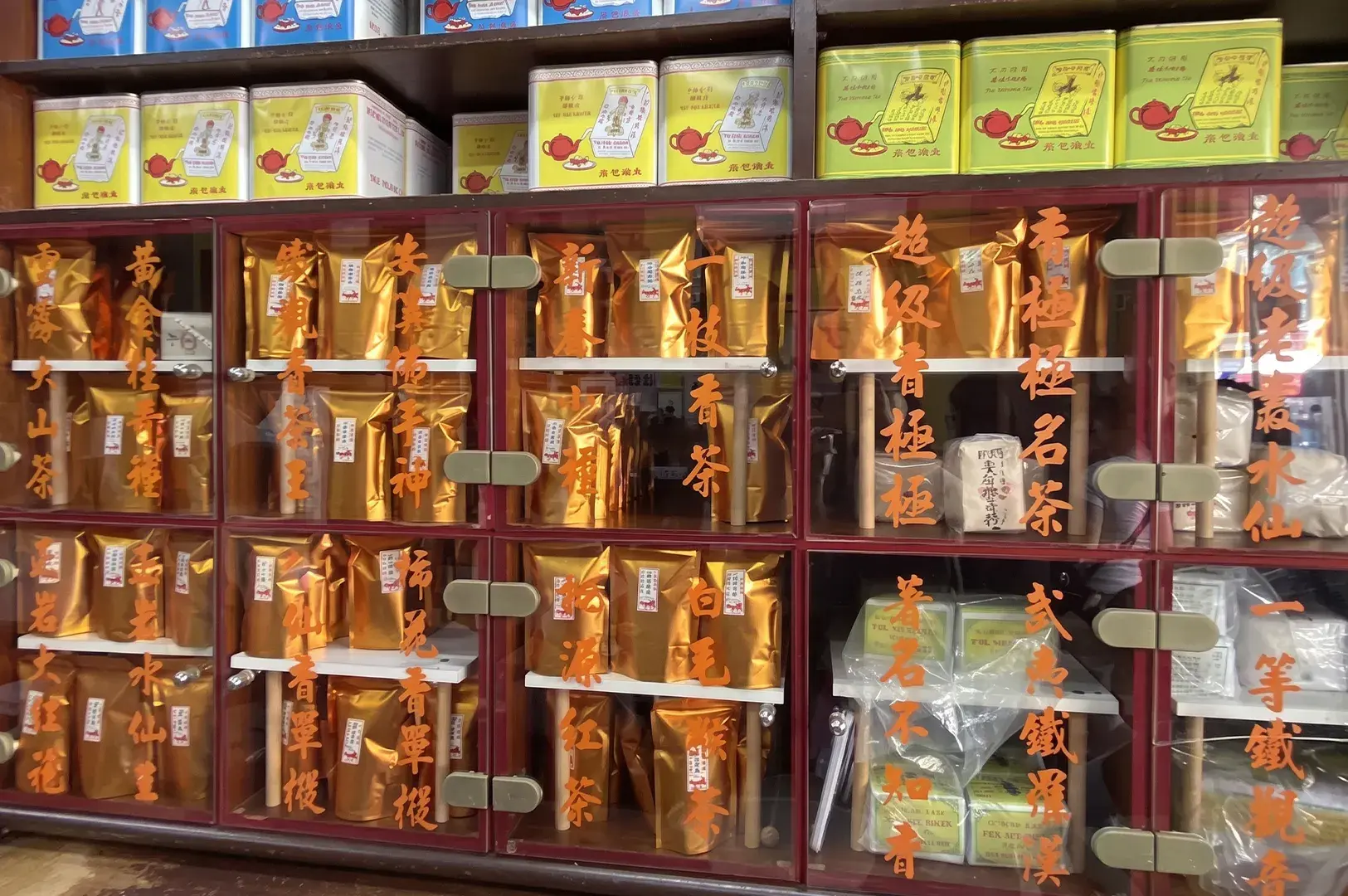
For quality Chinese tea, this is a place that rewards curiosity.
Their most famous product is the Renowned Unknown Fragrance, a a closely guarded traditional oolong blend recipe that regular customers simply trust. It runs from $10.50 to $52.50, depending on the tin, and it's the one I'd start with if you want to understand the house style.
If you're new to Chinese tea heritage, the more affordable roast tea options are a gentle way in. The Tie Guanyin Grade 1 sits between $6 and $29, and the Wuyi Iron Arhat from $7.50 to $33. Both are honest, everyday teas that offer a strong yet light taste.
The Nanyang Tea range is where their character really shows. These are traditional blends, roasted and packed here, made for the local palate rather than an imported ideal. The Sin Choon Shuixian ($33) belongs to this family, and it's a lovely, grounding cup that customers enjoy.
For those willing to go deeper, there are premium Chinese tea types worth lingering over. The Eight Immortal Fragrance Dancong ($29.80 to $89.40), the Dong Ding Oolong ($49.80 to $149.40), and the Da Hong Pao ($99.80 to $299.40) all carry more weight and history. And for a serious occasion, the Royal Tie Guanyin Competition Grade sits at $150.
Chinese Tea Heritage: A Company That Supports Tradition
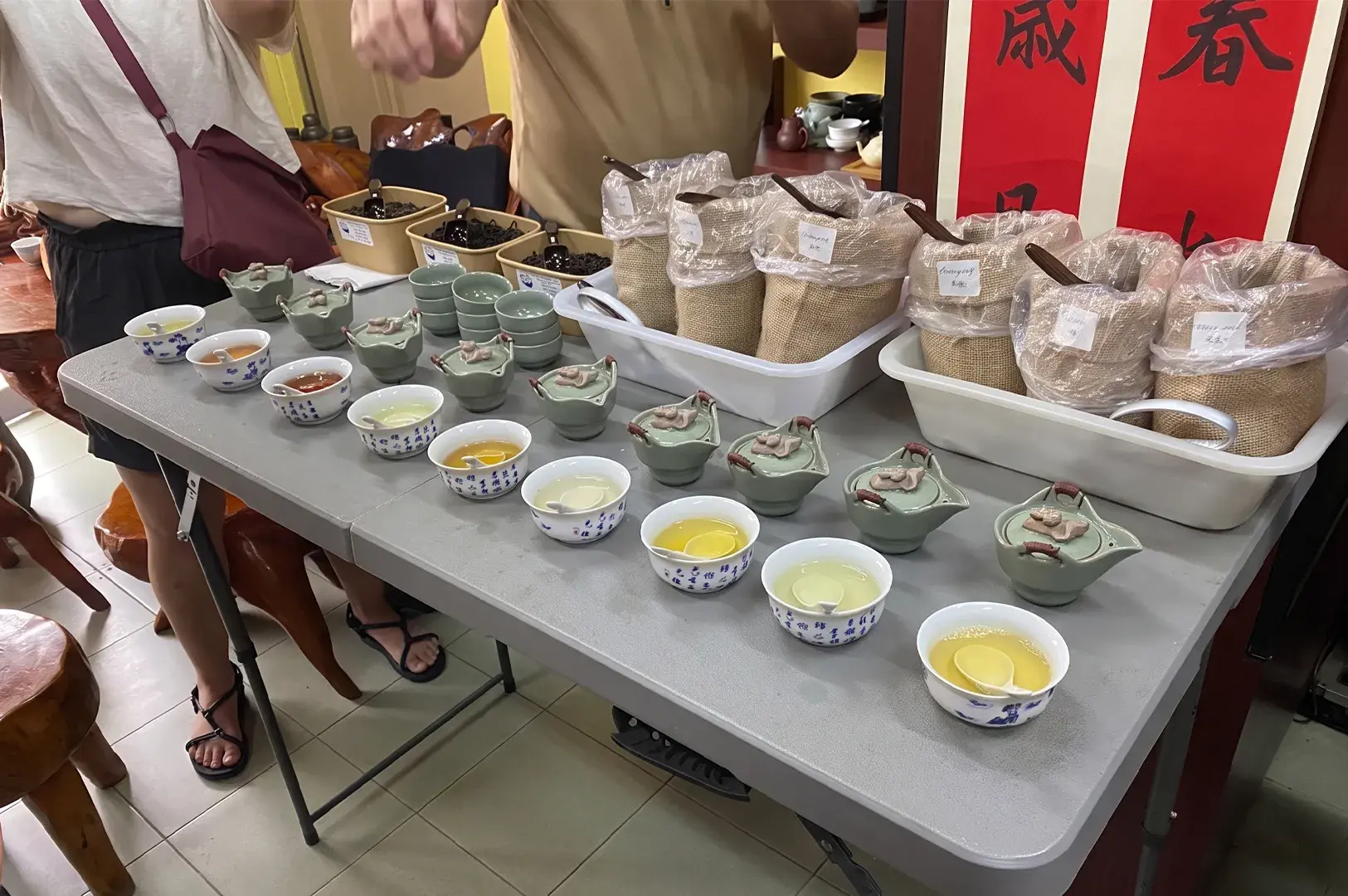
What stayed with me most wasn't a tea. It was the sense of someone who actually cares.
If you're lucky, Kenry Peh himself is around, and he's happy to talk. He'll tell you about local tea culture while you sip something freshly brewed, and you get the feeling he isn't performing. He's just sharing what he loves.
There's no hard sell here. No one hovering, no upselling. You're allowed to be a beginner. You're allowed to ask the plain questions. That kind of patience feels increasingly rare today.
Nanyang Tea: Traditional Blends for the Public
A few practical notes.
You'll find Pek Sin Choon at 36 Mosque Street, Singapore 059514, in the heart of Chinatown. It's open Monday to Saturday, 8:30am to 6:30pm, and closed on Sundays, so plan around that.
Payment is easy: SG QR, PayNow, or cash and cheque in-store. If you can't visit, they ship worldwide, and they also offer wholesale, blending, and customized packaging.
Quality Chinese: Enjoy Tea That’s Cheaper and Rich in Flavor
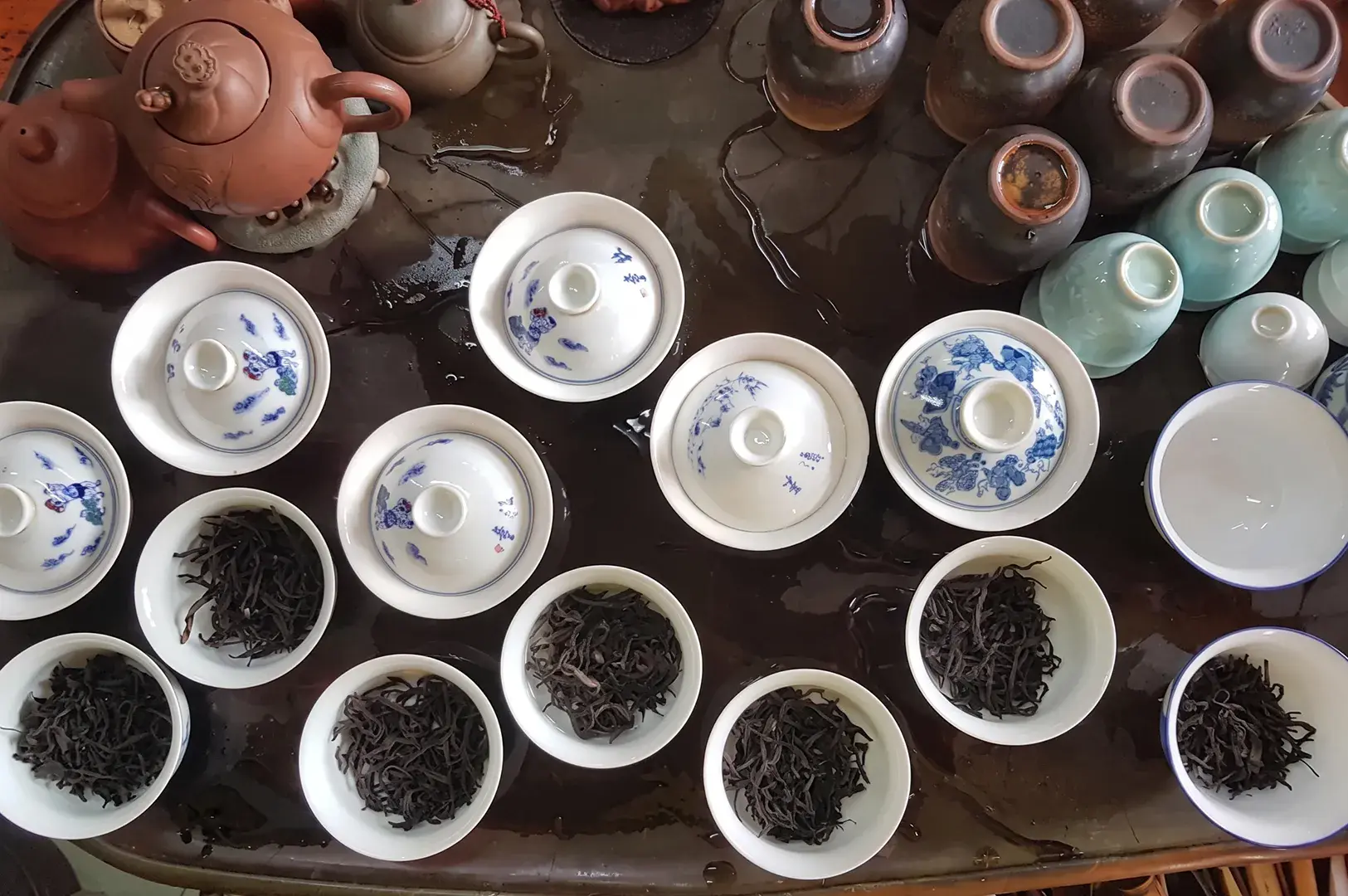
Quietly, yes.
This isn't a slick tasting bar, and it isn't trying to be. It's a merchant that has kept its craft alive through war, redevelopment, and every passing trend, without losing its calm.
I'd recommend it to anyone who wants their tea to come with a story, or who simply wants to buy premium tea from people who understand it deeply. Come with a little time and an open mind. Eat, drink, and enjoy something you'll actually brew, not just display.
Some places sell tea. This one keeps a tradition steeping.
FAQ
Where is Pek Sin Choon located?
At 36 Mosque Street, Singapore 059514, in Chinatown.
What are the opening hours?
Monday to Saturday, 8:30am to 6:30pm. It's closed on Sundays.
What should a first-timer buy?
The Renowned Unknown Fragrance ($10.50 to $52.50) is the signature blend and a good starting point. Grade 1 Tie Guanyin ($6 to $29) is a friendly, affordable option too.
Is Pek Sin Choon really that established?
Yes. Founded in 1925, it's one of Singapore's oldest tea merchants, now run by fourth-generation owner Kenry Peh.
Can I buy online?
You can. They ship worldwide and also offer wholesale, blending, and customized packaging.

Stop Calling It “Premium”: Why Most Luxury Tea Branding Is Empty
There is a word I have become increasingly cautious of in the tea world. Premium. It appears everywhere. Premium leaves. Premium harvests. Premium collections. Premium experiences. The word sounds reassuring. It suggests care, quality, and something worth paying attention to. But after seeing it attached to almost everything, I sometimes wonder whether it has started…
-
Pryce Tea: A Modern Pour with Old Tea-Room Ambitions
I visited on a weekday afternoon, around three, when the city had quieted into that particular lull between lunch and the evening rush. I’d been curious about Pryce Tea for a while, mostly because the brand keeps surfacing among people who talk about teas the way some people talk about wine. With a reputation built…
-
The Seasons in a Tin: How Weather Shapes What I Reach For
I have a small habit that I never really noticed until recently. The weather changes, and somehow, so does the tea I want. On a hot afternoon, I find myself reaching for something light and floral. When rain settles over the windows, I want something darker, warmer, perhaps a little more comforting. On those rare…
-
Ginger Lily Afternoon Tea on Orchard Road: A Floral Chapter in Singapore’s Culinary Story
I noticed the ginger lily flowers before I noticed anything else. Not real ones, exactly. A wall of them, suspended in resin, catching the light as I stepped off the lift on Level 5 at Hilton Singapore Orchard, home to Ginger Lily, a floral-themed afternoon tea lounge on Orchard Road. I stood there a second…
-
Minimalism, But Make It Warm: A Simpler Way to Drink Better Tea
There is a certain irony about tea. The more we learn about it, the easier it becomes to complicate it. A simple cup of leaves and water slowly becomes surrounded by equipment, measurements, techniques, and expectations. We begin collecting teapots, comparing brewing methods, and searching for the perfect setup. None of these things are wrong….
-
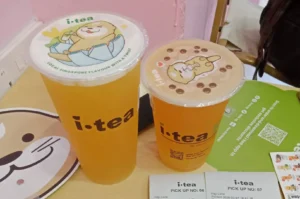
A Humble Cup in an Age of Overdesigned Drinks: iTea Review
The bubble tea I queued for last month came with a caramelized brûlée top I had to crack with the back of my spoon. It was fine. Pretty, even. But somewhere between the torched sugar and the cheese foam and the third topping I didn’t ask for, I lost the drink itself. So I went…
-
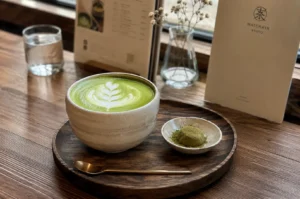
Matcha Hype Has Gone Too Far (But I Still Drink It)
I have a confession. I am slightly tired of seeing matcha everywhere. Not because I dislike matcha. In fact, I drink it quite often. But there is something amusing about watching a humble tea become the centre of every café menu, wellness conversation, and social media trend. Matcha has gone from a traditional Japanese tea…
-
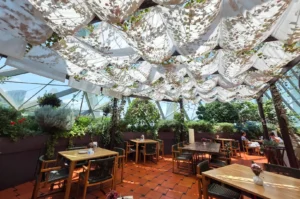
Hortus Afternoon Tea Review: When the Garden Becomes the Occasion in the Flower Dome
I forgot, for a moment, that I was indoors at Hortus, the Mediterranean restaurant nestled within the Flower Dome at Gardens by the Bay. There were trees above me, real ones, and the air held that cool, green stillness you usually find early in the morning somewhere far from the city. A leaf drifted down…
-
The Real Reason Your Tea at Cafés Tastes Flat
There is a particular disappointment that comes with ordering tea at a café. You see the menu. You notice the carefully written descriptions. Perhaps there is a mention of fragrant jasmine, roasted oolong, or a carefully selected blend. The presentation arrives beautifully arranged, and for a moment, there is anticipation. Then you take the first…
-
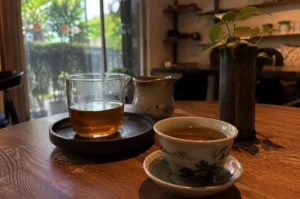
Herbal Tea in Chinese: A Cup Shaped by Heat, Balance, and Belief
The first sip was bitter. I was maybe seven, and my grandmother had pressed a small ceramic cup into my hands, dark liquid inside, steam curling up between us. She didn’t explain. She just said, “Drink. You’ve been too heaty.“ I made a face. She didn’t smile. She just waited until I finished. Years later,…