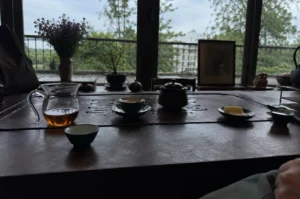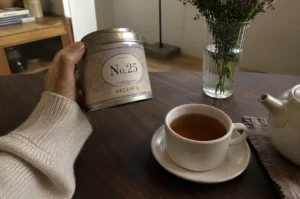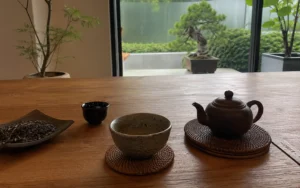
Walking through Chinatown’s Mosque Street, you encounter two distinct tea traditions that embody Singapore’s rich heritage and evolving culture. Pek Sin Choon, one of the oldest tea merchants in Singapore, stands as a living root of Chinese tea culture, while modern teaware shops offer a fresh perspective on tea appreciation through design and brewing systems. Together, they reveal the wide array of ways tea leaves and premium tea are experienced in this vibrant city.
Pek Sin Choon: The Heart of Chinese Tea Tradition
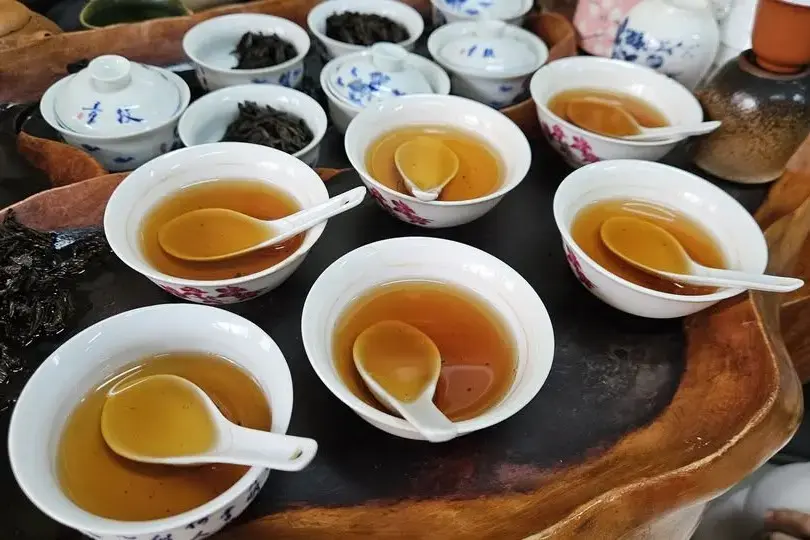
Established in 1925, Pek Sin Choon is a historic tea shop deeply rooted in Singapore’s tea culture. Known for its signature Nanyang tea blends, Pek Sin Choon supplies over 80% of bak kut teh shops, defining the taste of this iconic local food and beverage. The shop’s identity is tied to traditional methods: tea leaves are imported from China, roasted, blended, and packed manually, preserving a heritage that honors the senses and passion of generations.
At Pek Sin Choon, tea appreciation centers on the leaf itself. Customers purchase loose tea leaves, such as pu erh, oolong, and tie guanyin, selected by type, roast, and harvest grade. The tea is packed in simple, traditional packaging, often gifted as a small gift to friends or family, symbolizing respect and connection. The store’s atmosphere, thick with the roasted aroma of premium tea, invites visitors to sip and savor tea the same way their mothers and grandfathers did.
Read more about Chinese tea traditions here.
Modern Tea Shops: Curated Tea Appreciation and Brewing Systems
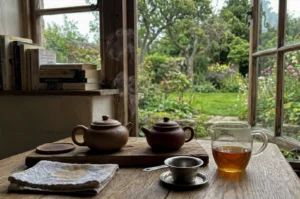
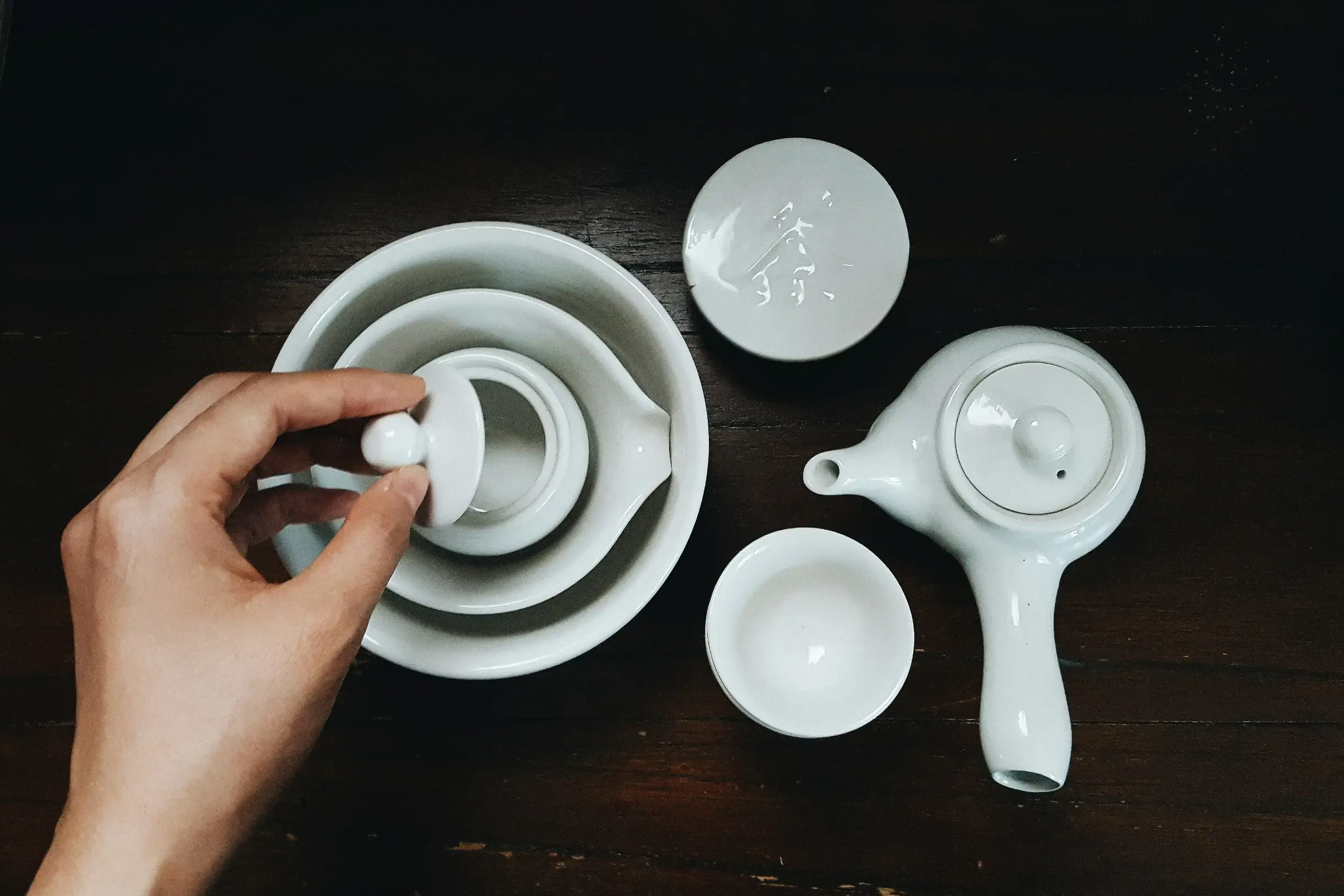
In contrast, modern tea shops in Singapore present tea appreciation as a curated experience centered on brewing tools and aesthetics. These shops showcase premium tea alongside a wide array of teaware like gaiwans, clay teapots, glass pitchers, and textured cups, each selected to enhance the flavour and aroma of specific tea leaves.
Here, tea is introduced as a structured system. Customers learn multi-step brewing techniques and the importance of temperature, steeping time, and vessel material. This approach transforms drinking tea into a mindful ritual that engages all senses, with the teaware often becoming a statement of personal taste and lifestyle.
Modern tea shops also offer educational experiences, guiding visitors through the nuances of tea types like tie guanyin or pu erh, and the subtle flavour notes that distinguish each harvest. This method appeals to a new generation eager to explore tea beyond mere consumption, turning each sip into a moment of discovery and appreciation.
Pek Sin Choon and Nanyang Tea: A Unique Blend
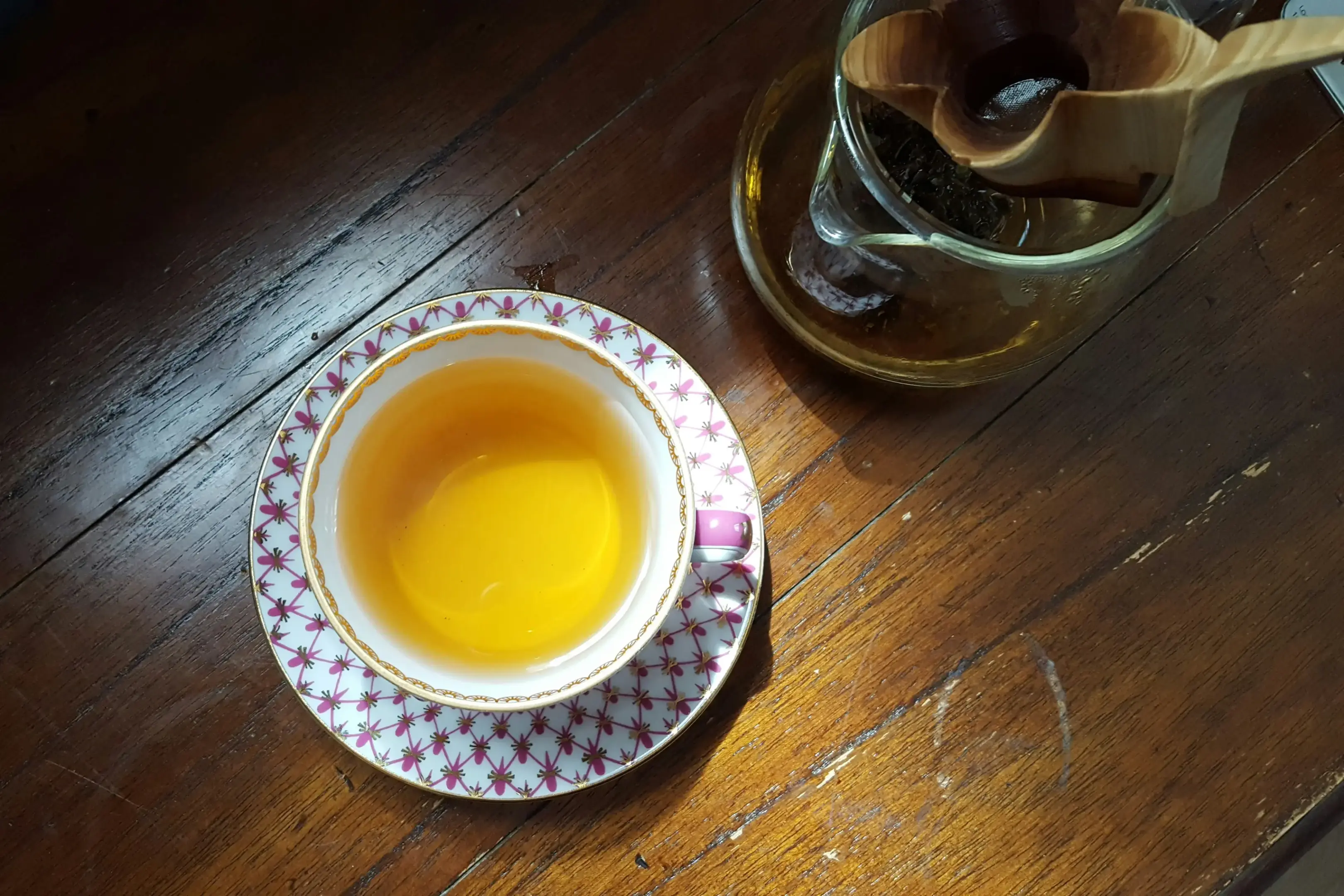
Pek Sin Choon’s Nanyang tea is a blend uniquely crafted in Singapore, reflecting the city’s multicultural palate. These blends are roasted and mixed locally to complement bak kut teh, a beloved food that pairs perfectly with the slightly bitter, roasted notes of the tea. This blend’s popularity underscores Pek Sin Choon’s role not just as a supplier but as a cultural custodian, preserving and promoting a traditional flavour profile that is distinctly Singaporean.
Tea Leaves and Premium Tea: The Common Ground
Despite their differences, both Pek Sin Choon and modern tea shops share a commitment to premium tea quality. Whether it’s the carefully sourced pu erh from China or the fragrant tie guanyin, the emphasis remains on the tea leaves’ origin, grade, and processing. Both traditions invite consumers to taste and decide for themselves, fostering a deeper understanding of tea’s complexity.
Tea Appreciation: Tradition Meets Modernity
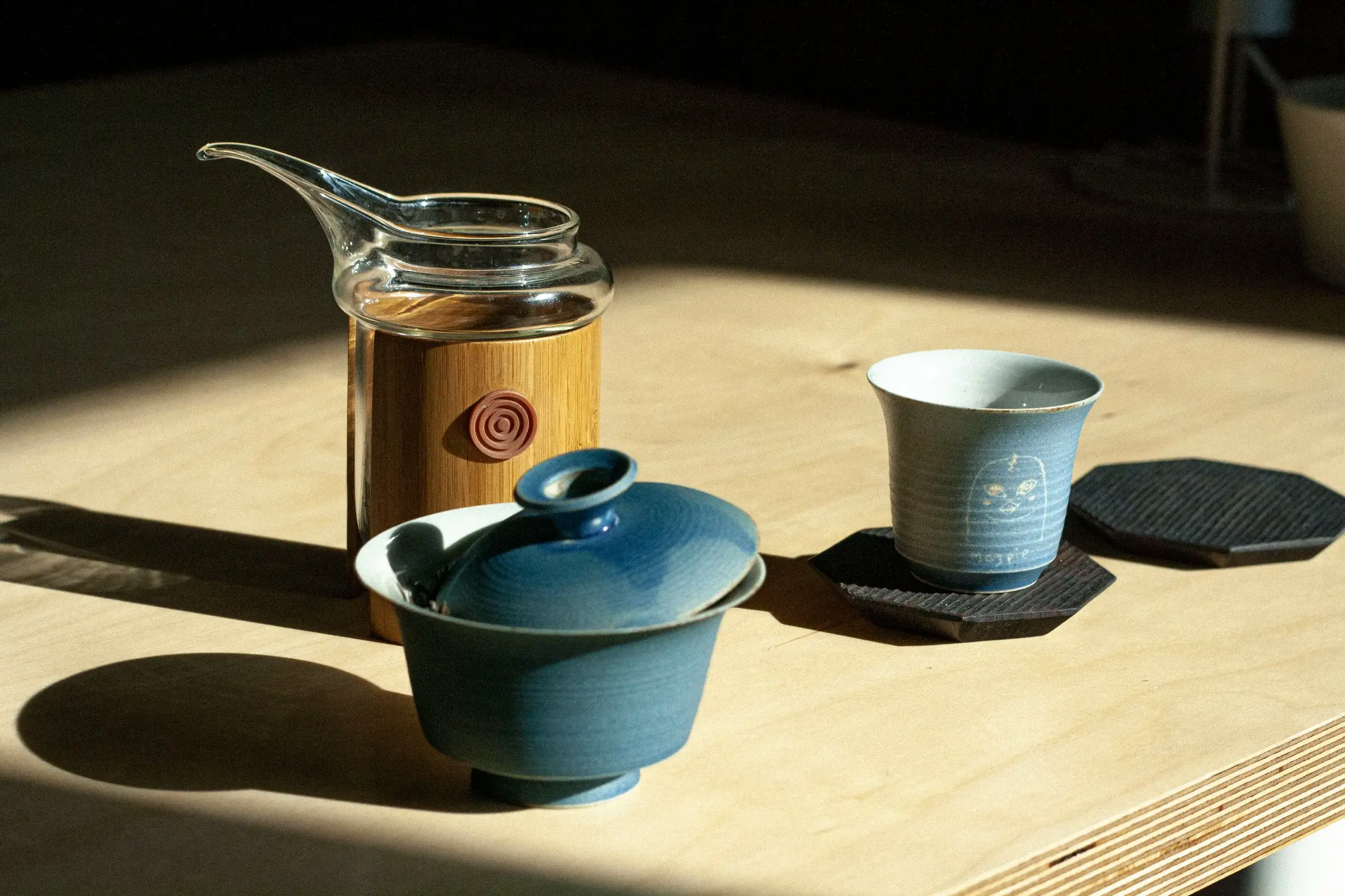
Tea appreciation in Singapore is undoubtedly enriched by the coexistence of these two tea cultures. Pek Sin Choon offers an authentic, tradition-rooted experience where tea is a daily beverage connected to family and history. Modern tea shops provide an interactive, design-focused exploration that elevates tea drinking to an art form. For those starting their tea journey, it can be helpful to check out guides about tea shops and tea ware shops.
Visitors to Chinatown can enjoy this duality: from sitting in Pek Sin Choon’s historic shop, watching tea packed and sold much like in decades past, to visiting contemporary tea shops where tea appreciation is taught through curated sets and brewing workshops.
Small Gifts and Cultural Connection
Tea from Pek Sin Choon often serves as a meaningful small gift, packed with cultural significance. Presenting premium tea leaves or a blend like Nanyang tea to friends or family is a gesture that transcends the beverage itself, symbolizing care and shared moments. This tradition continues to thrive alongside modern gifting trends that favor stylish teaware sets and curated tea blends.
Conclusion: Two Paths to the Same Cup
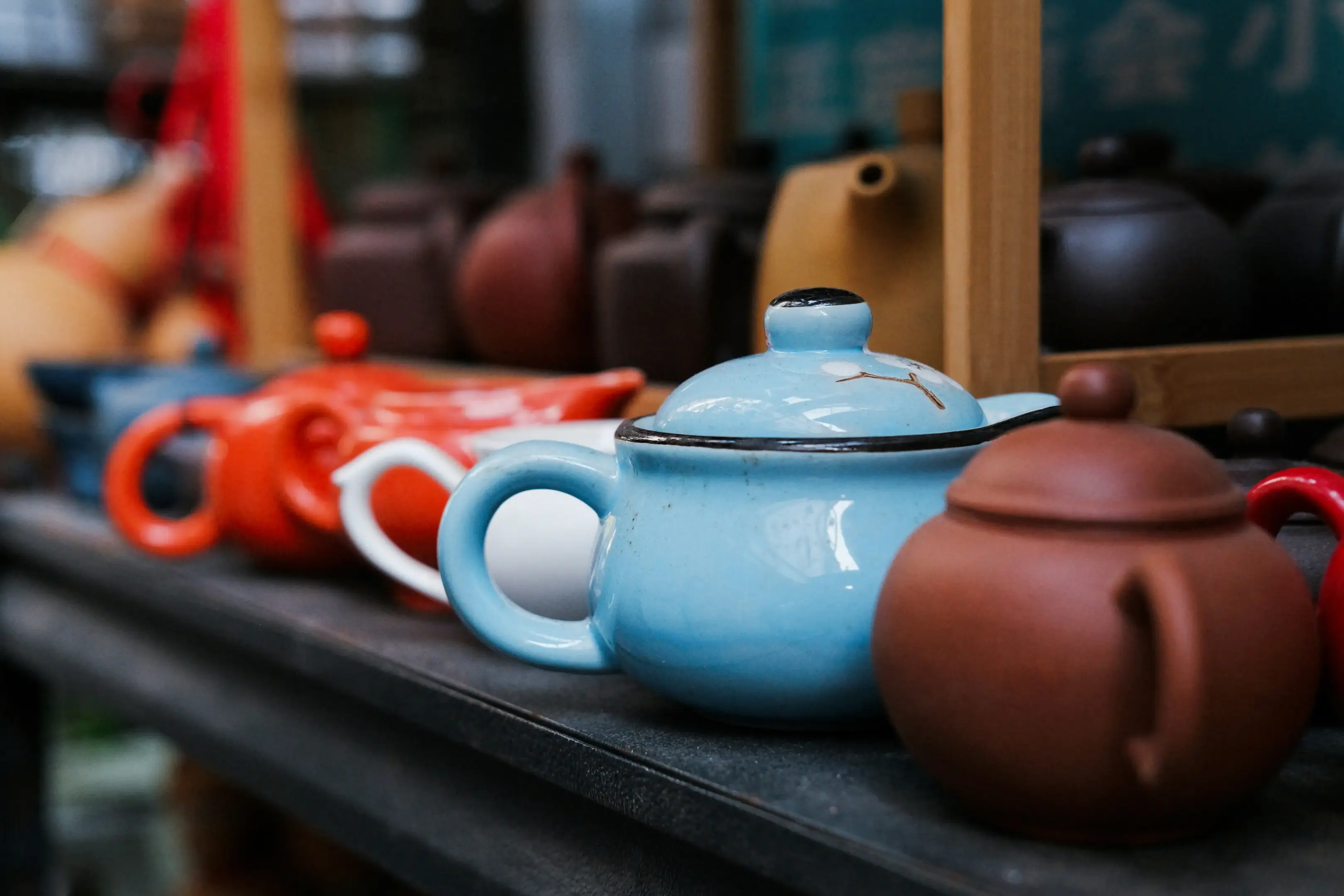
Pek Sin Choon and modern tea shops represent two complementary ways to engage with tea in Singapore. One honors the root of Chinese tea culture through simplicity and heritage; the other invites exploration through premium tea and the art of brewing. Together, they enrich Singapore’s tea landscape, offering every tea lover, whether beginner or connoisseur, a chance to sip, taste, and appreciate tea in their own way.
By embracing both traditions, Singapore continues to celebrate tea as a timeless beverage and a living culture, where every cup tells a story of passion, history, and community.

The Best Tea Sessions Are Usually Unplanned
Some of the most memorable tea sessions begin without intention. No special occasion. No carefully selected tea ware. No plan to spend an afternoon appreciating tea. Someone simply puts water on to boil. A tea is chosen almost absentmindedly. Cups are found. The tea is poured. And somehow, those sessions often become the ones we…
-
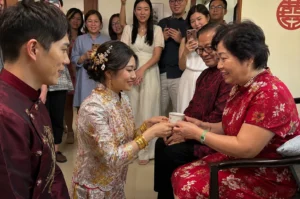
A Guide to the Wedding Tea Ceremony in Singapore: Tradition, Family, and Meaning
I still remember the morning of my older sister’s wedding day. We were packed into my parents’ flat, and the sticky humidity in the air was intense, even with the air conditioning running on full blast. Amidst the loud laughter and the fun of the morning gatecrash, everything suddenly slowed down. I watched her kneel…
-
Why Tea Gifts Always Feel More Personal
There are easier gifts to buy than tea. Gift cards, flowers, candles. They require very little thought. Most people will appreciate them, and if they don’t, no real harm is done. Tea feels different. Giving someone tea involves a small act of interpretation. You are making a quiet guess about what they might enjoy. Something…
-
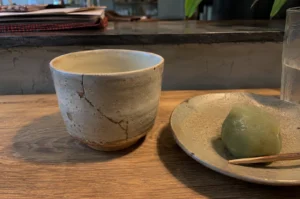
Wabi Sabi Meaning: Discovering Beauty in Imperfection
Singapore is famous for its spotless streets, impressive glass towers, and a culture that constantly celebrates the new-be it design trends, the latest matcha drinks, or the next “perfect place” for brunch. For a long time, I bought into this idea of curated perfection. My home had to be pristine, my days measured for maximum…
-
The Strange Pressure to Understand Every Tea Immediately
Tea drinkers do something interesting. When trying a new tea, many immediately begin searching for the “correct” tasting notes. Floral. Roasted. Fruity. Mineral. Someone takes a sip and suddenly feels pressure to identify every subtle characteristic as though there is a right answer hidden somewhere inside the cup. And if the tea feels confusing at…
-
Tea Ceremony: The Hidden Meaning Behind Small Gestures
My first tea ceremony singapore experience left me more worried about etiquette than soaking in the moment. Surrounded by seasoned guests, I focused on getting every gesture right, how to bow, how to hold the cup, afraid of missing some point that makes tea culture here so unique. Looking back, I missed how these small…
-
Why Tea Always Feels More Honest Than Coffee
This might be slightly controversial, but tea has always felt more honest to me than coffee. Coffee often arrives with ambition. Productivity. Hustle culture. The promise that after one cup, you will suddenly become more awake, more focused, more efficient. Tea asks for much less. It doesn’t demand transformation. It simply sits beside you quietly….

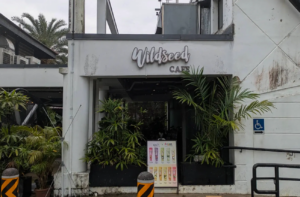
Wildseed Cafe Singapore: A Garden Escape for Tea Lovers
Sometimes, you just need to get out of the concrete city jungle and bask in nature. Last weekend, I was craving a quiet afternoon away from the chaotic mall crowds, so I made a reservation at Wildseed Cafe Singapore. Tucked away in the precincts of Seletar Aerospace Park within The Summerhouse, this multi concept restaurant…

Not Every Expensive Tea Is Actually Better
Tea drinkers rarely say this out loud. But many have probably thought it at least once. Sometimes an expensive tea tastes… fine. Not extraordinary. Not life-changing. Just fine. And yet modern tea culture often treats expensive tea as though it automatically deserves deeper admiration. A rare mountain harvest. Ancient tea trees. A tea produced in…

The Quiet Difference Between Muslim-Owned Cafés and MUIS-Certified Halal High Tea Spots in Singapore
I remember wandering down Arab Street years ago, searching for a quiet café where I could settle into an afternoon of coffee, tea, and conversation. I found a minimalist little space filled with delicate pastries and beautiful dessert displays, but hesitation quietly crept in as I began wondering about alcohol-based syrups, gelatin, and whether the…