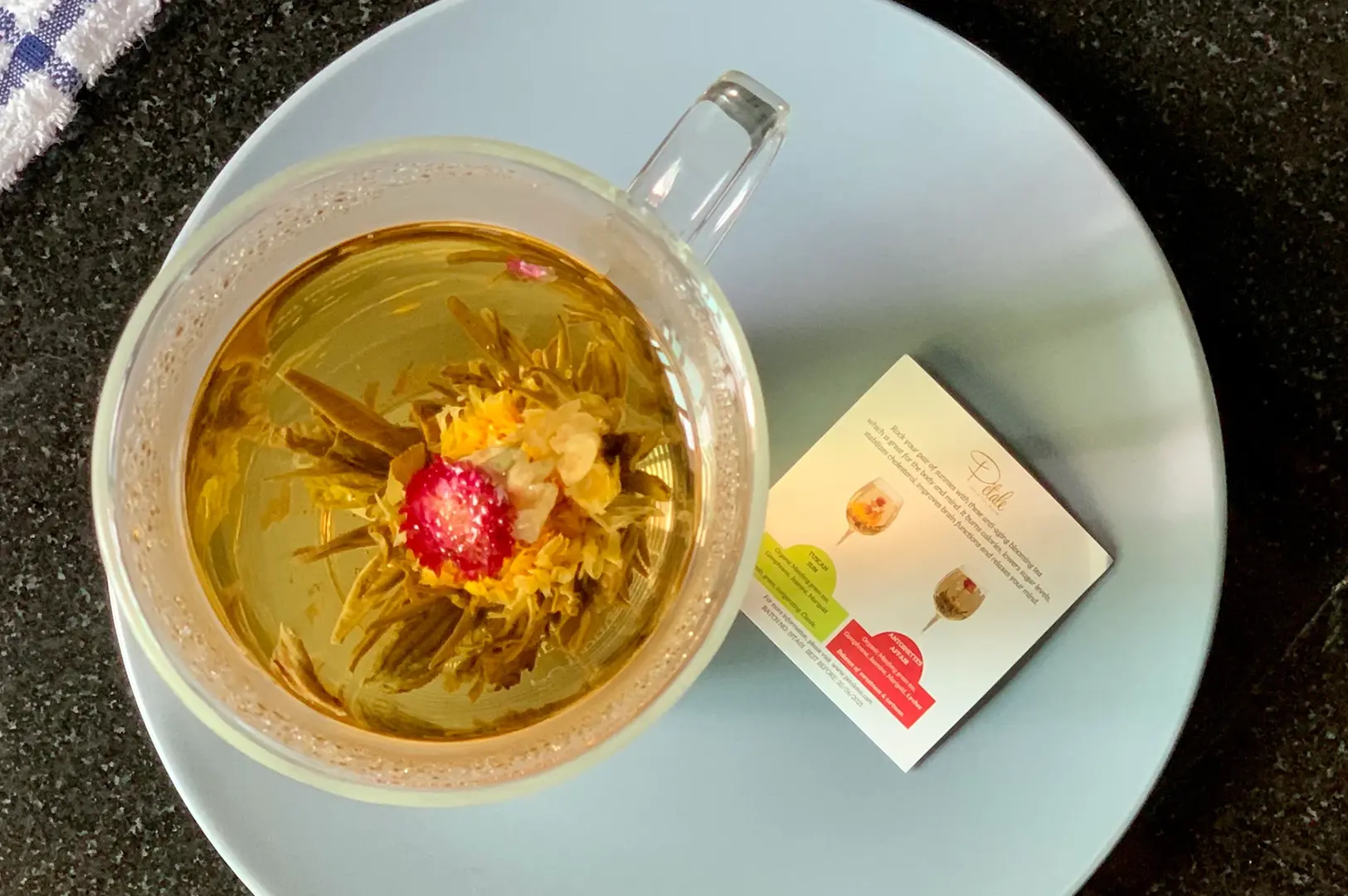
It begins as something small and closed. A tight, round bundle of dried leaves, about the size of a large marble, resting at the bottom of a clear glass.
Then the water arrives.
For a while, nothing seems to happen. The ball darkens and grows heavy. A few leaves loosen at the edges. Then, slowly, the bundle opens. Green leaves fan outward, and from the centre a flower rises, held in place by a thread you can only just see. The glass becomes a small, still garden.
This quiet transformation sits at the heart of Petale Tea, a Singapore-based brand built around hand-sewn blooming teas. Watching a flowering tea open can feel like a performance. But behind that moment are patient hands, a long tradition of pairing flowers with tea, and a modern habit of attaching meaning to what we drink and give.
This piece follows that thread.
The Story Behind Pétale Tea
Pétale Tea was founded by Rosemary Kwa in 2015 and established its identity as a blooming tea specialist in 2018. The Singapore-based brand specialises in handcrafted blooming teas designed to make tea-drinking a mindful, sensory experience.
The brand tells its own beginnings in gentle terms. Its About page says Kwa's story "began in the tearooms," where she spent years refining her craft before shaping a traditional practice into something modern. The company describes tea as "a ritual of self-discovery" and uses the line Sip. Reflect. Bloom. as a kind of quiet promise.
From blooming teas to a wider range
Blooming teas came first, and they remain the brand's signature. Over time, the range has grown to include wellness infusions and each tea blend is designed with a distinct flavour and story.
Pétale Tea introduced its Wellness Teas collection at a Takashimaya Shopping Centre pop-up in January 2024, before making the range available through its website later that year. Kwa explained that café and restaurant clients had asked for options beyond blooming teas, and that many customers wanted non-caffeinated choices. The result was a set of 10 floral blends, which first appeared at the brand's pop-up at Takashimaya Shopping Centre before moving online.
The same report notes something that many casual drinkers might not expect. More than 60% of Pétale Tea's sales come from the HoReCa sector, meaning hotels, restaurants and cafés, with the rest from retail. Much of its business happens behind the scenes, delivering tea served by others.
Kwa also spoke candidly about the market she entered. By her account, there were already more than 50 local independent tea brands when Pétale Tea started. Her response was to focus on becoming a tea specialist, curating blends and teaching people how to sew blooming teas themselves.
An aspiration, stated plainly
The brand's ambitions are written clearly on its website. It hopes to become what it calls Southeast Asia's leading sustainable luxury tea brand by 2029.
That is a goal, not a measure of where it stands today. I find it useful to read such lines for what they are: a glimpse of how a small company sees its own future. Recent news and business updates can offer further context, though its stated ambition remains its own purpose and inspiration.
When Tea Leaves and Flowers Become an Experience
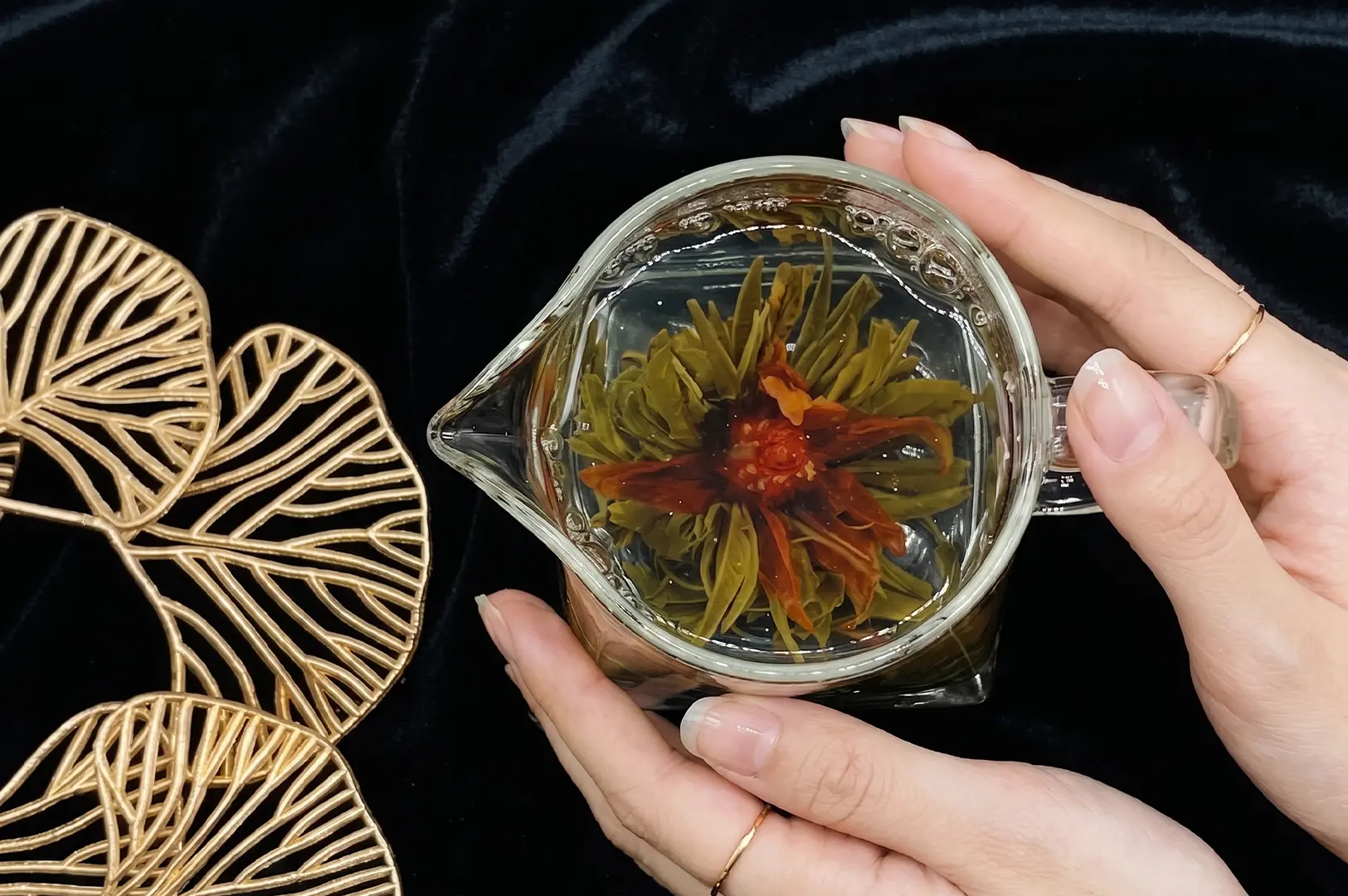
So what is a blooming tea, exactly?
At its simplest, it is a bundle of tea leaves and dried flowers sewn together by hand into a ball. When steeped, the leaves relax and open, revealing the flowers tucked inside. Pétale Tea describes its own as "artisan hand-sewn tea balls that bloom in hot water."
The Straits Times offered a closer look in August 2025. In the brand's Gratitude tin, each blooming tea ball is made of lily and gomphrena, hand-sewn with cotton string to green tea leaves. The Growth tin pairs carnation and jasmine flowers with green tea leaves, carrying a muscat and apple flavour.
Each tin holds eight blooming tea balls alongside a loose-leaf blend. For Gratitude, that loose tea is a mix of black Ceylon tea with mint, coconut bits and pandan extract. For Growth, it is a muscat white tea with marigold and rose petals.
There is something worth pausing on here. The flowers are not simply placed among the leaves. They are stitched. Someone has to hold each element in place and draw the thread through, again and again, so that the bloom rises properly when water meets it.
That is slow work. It is easy to forget, watching the glass, that the opening you see was decided long before by a pair of hands.
Beyond Appearance
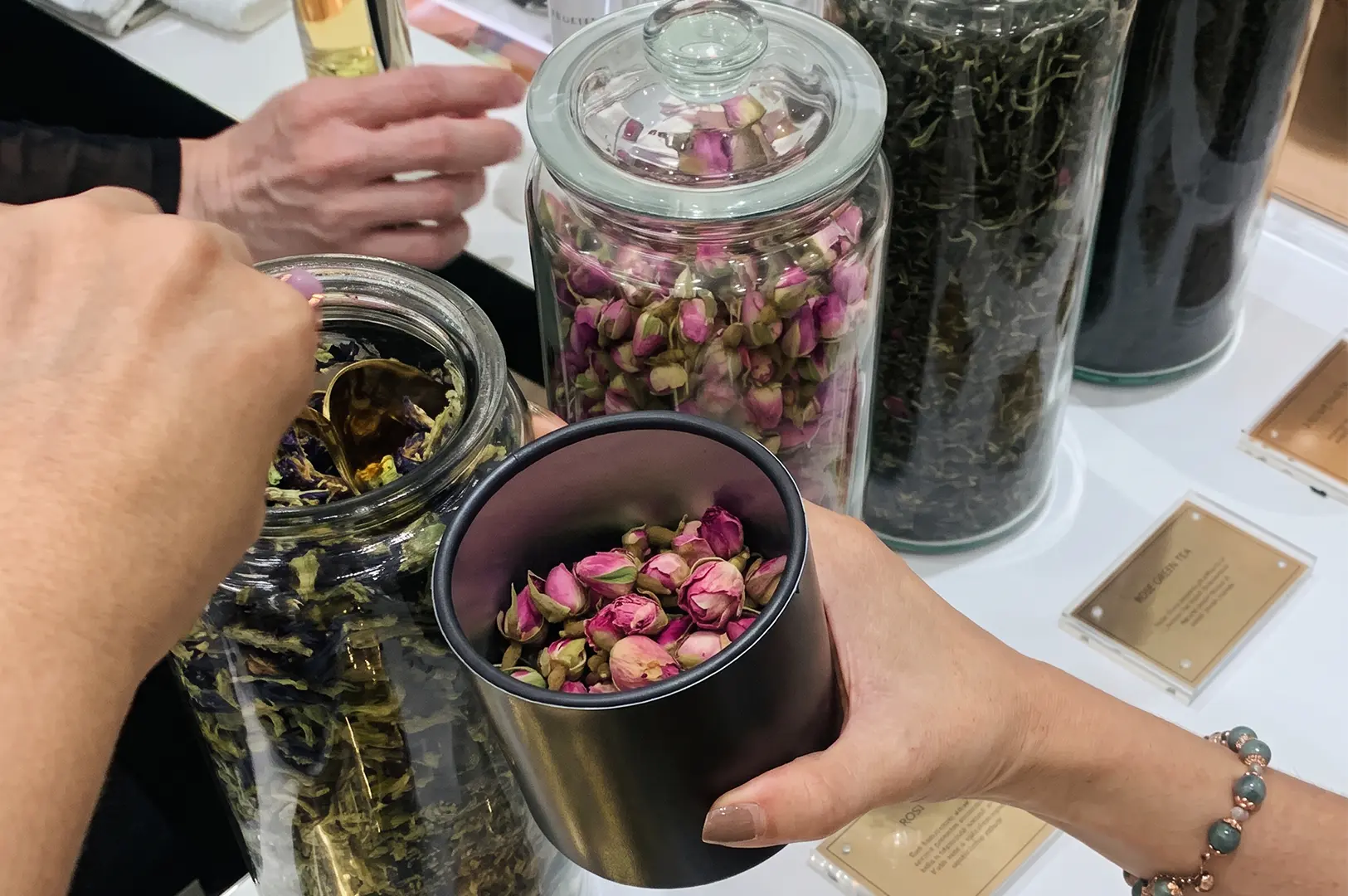
A blooming tea invites the eyes first. But a cup is still meant to be drunk. It is a beverage as well as a visual experience, and Pétale Tea combines taste with artistry.
Aroma, flavour and texture all depend on the tea and flowers inside, how they were made, and how they are steeped. These vary from blend to blend and from cup to cup. I will not pretend to describe a taste I cannot vouch for, and I would gently suggest that no one judge a tea by its bloom alone.
What can be said is this. The blooming teas described above are built on green tea leaves, which come from Camellia sinensis, the plant behind green, black, white and oolong teas. That means they are true teas, and they naturally contain caffeine.
Pétale Tea's Wellness Teas are different. The brand describes them as caffeine-free floral infusions. They are closer to what many people call herbal or flower teas, made without tea leaves.
The distinction matters, especially for anyone watching their caffeine. Not every floral blend is caffeine-free, and not every flowering tea is an herbal tea. It is always worth asking what sits beneath the petals and checking product details before you order.
Flowers, Tea and Cultural Meaning
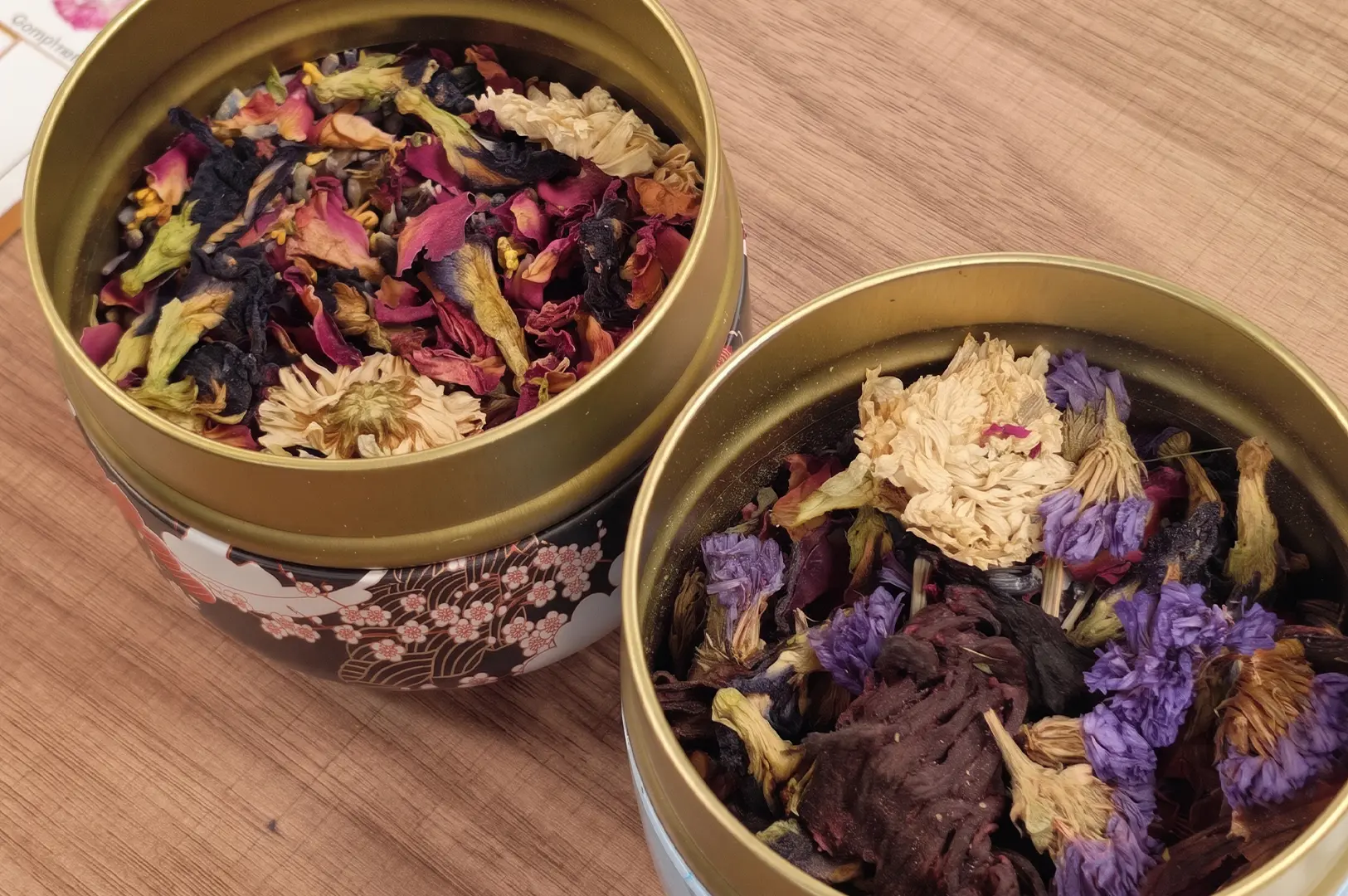
Flowers and tea have kept each other company for a long time. Many of us in Singapore grew up around jasmine or chrysanthemum in the cup, poured at family tables or bought cold from a hawker drinks stall.
The precise origins of hand-tied flowering teas are told in different ways, and I would rather not repeat a story I cannot check. What feels clearer is how such teas are being read today. Pétale Tea leans into the bloom as a symbol: of growth, of patience, of a moment that unfolds in its own time.
A taste of home in a tin
The brand's storytelling becomes most interesting when it turns local.
Gratitude, which The Straits Times described as a best-seller, is inspired by ondeh ondeh. For many in Singapore, that kueh carries its own small memories: soft glutinous rice balls, gula melaka bursting inside, a dusting of grated coconut on the fingertips. Gratitude's loose-leaf blend brings coconut and pandan into the cup, reaching for that familiar flavour and a gentle sense of nostalgia.
According to The Straits Times, the tin's message is about noticing what is going well and letting that awareness shape one's outlook. It is a modern idea placed beside an old snack.
Pétale Tea has played with local flavours before. NutraIngredients reported a nasi lemak-inspired blend, one the brand says it developed itself. Whether such pairings suit your taste is a personal matter. Still, they show a brand trying to speak in a language its home audience already understands.
Storytelling in Singapore's Tea Culture
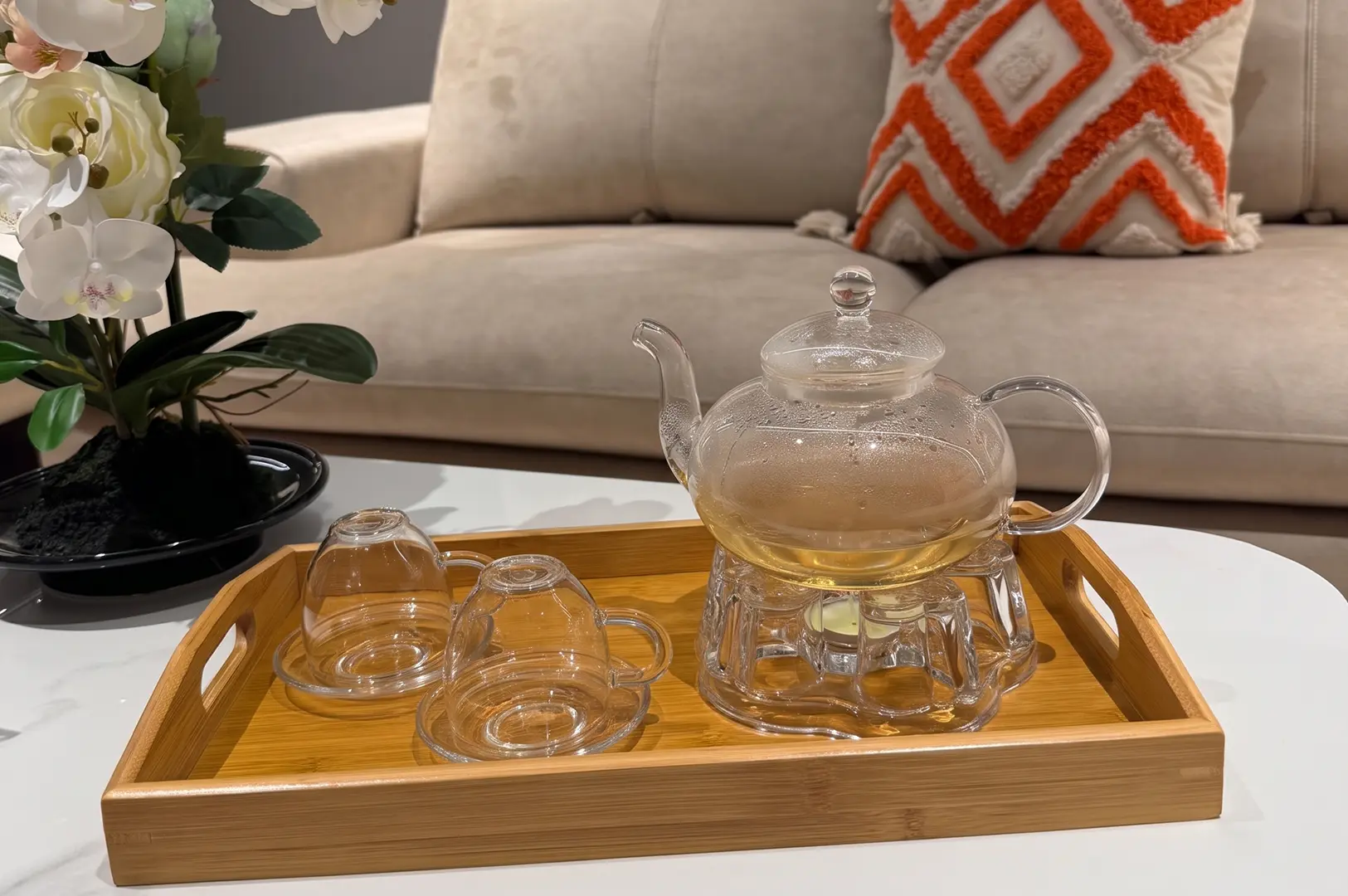
In June 2025, Pétale Tea launched its Classic Storytelling Tin series. The collection has 10 flavours, each named after an attribute such as Elegance, Passion, Resilience, Gratitude and Growth.
When it was introduced, The Straits Times reported a launch price of $58 for both Gratitude and Growth, with a usual price of $63. Prices may since have been updated, so it is worth checking the brand directly.
Growth carries a particularly fitting message. As The Straits Times put it, the tin stands for how personal growth happens gradually, just as a tea bud slowly unfurls. The tea, in other words, is meant to be both a drink and a quiet reminder.
Tea as a gift
Tea has long been something we give. A tin brought to a relative's home. A box exchanged between colleagues. A small gesture that says I thought of you.
Pétale Tea seems to understand this well. Kwa told NutraIngredients that because teas are often given as gifts, being at Takashimaya, where many people shop for presents, has worked well for the brand. People who love thoughtful gifts may find that a tea tin offers a personal alternative to more familiar choices.
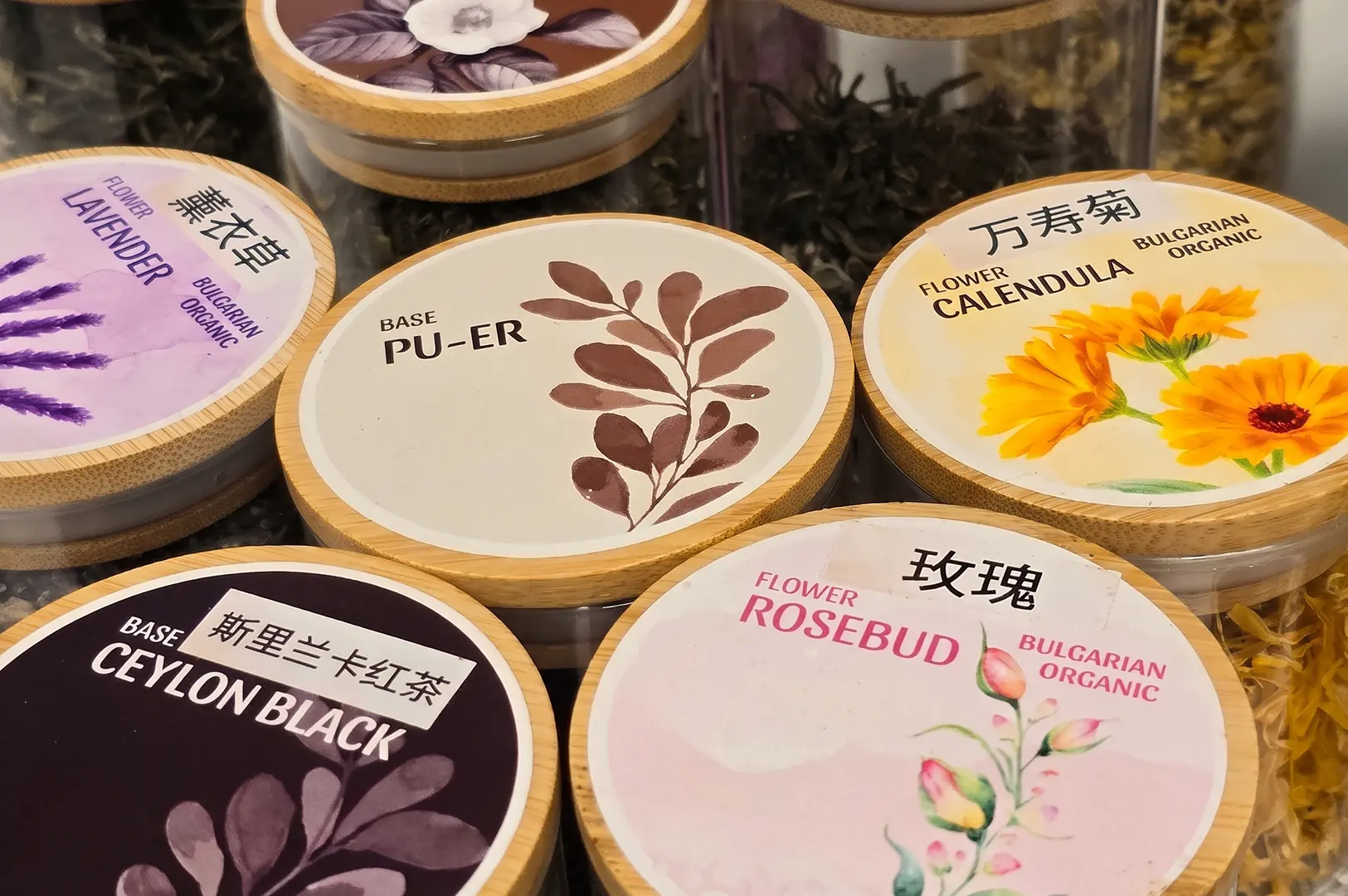
Its corporate work extends the same idea. In one example shared with NutraIngredients, Pétale Tea created a blend for Mercedes that reflected the brand's values. Mango pandan offered a local, nostalgic touch. Bulgarian black tea with rosebud stood for elegance. Forget-me-not was added because the campaign focused on customer renewal.
Pétale Tea has also created a bespoke blend for Singapore Airlines, showing how a tea can express a brand's identity through flavour and story. These collaborations are a lot more than selecting ingredients: each one is chosen to carry a message. That is storytelling, expressed in leaves and petals.
Shared hands, shared cups
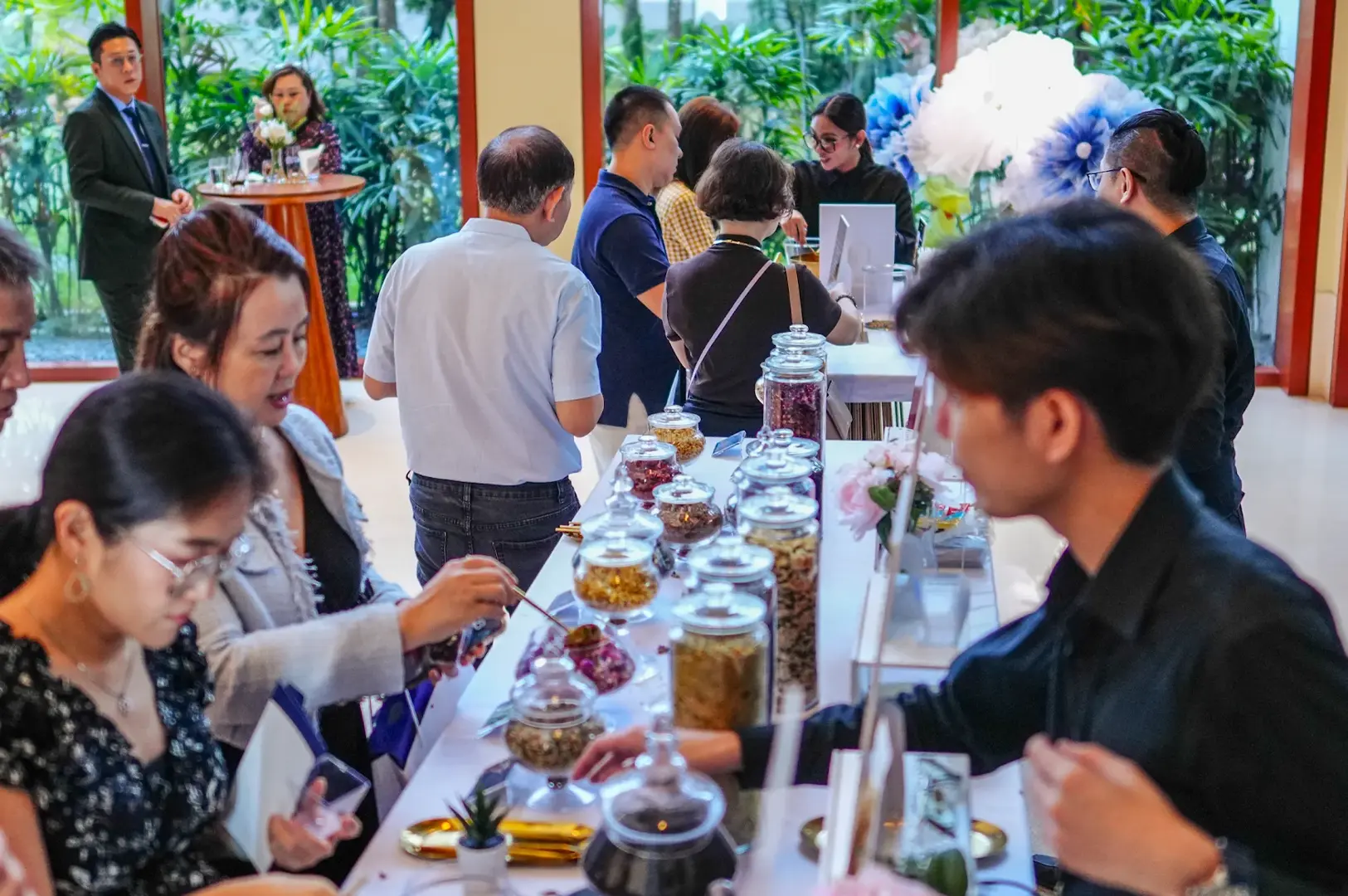
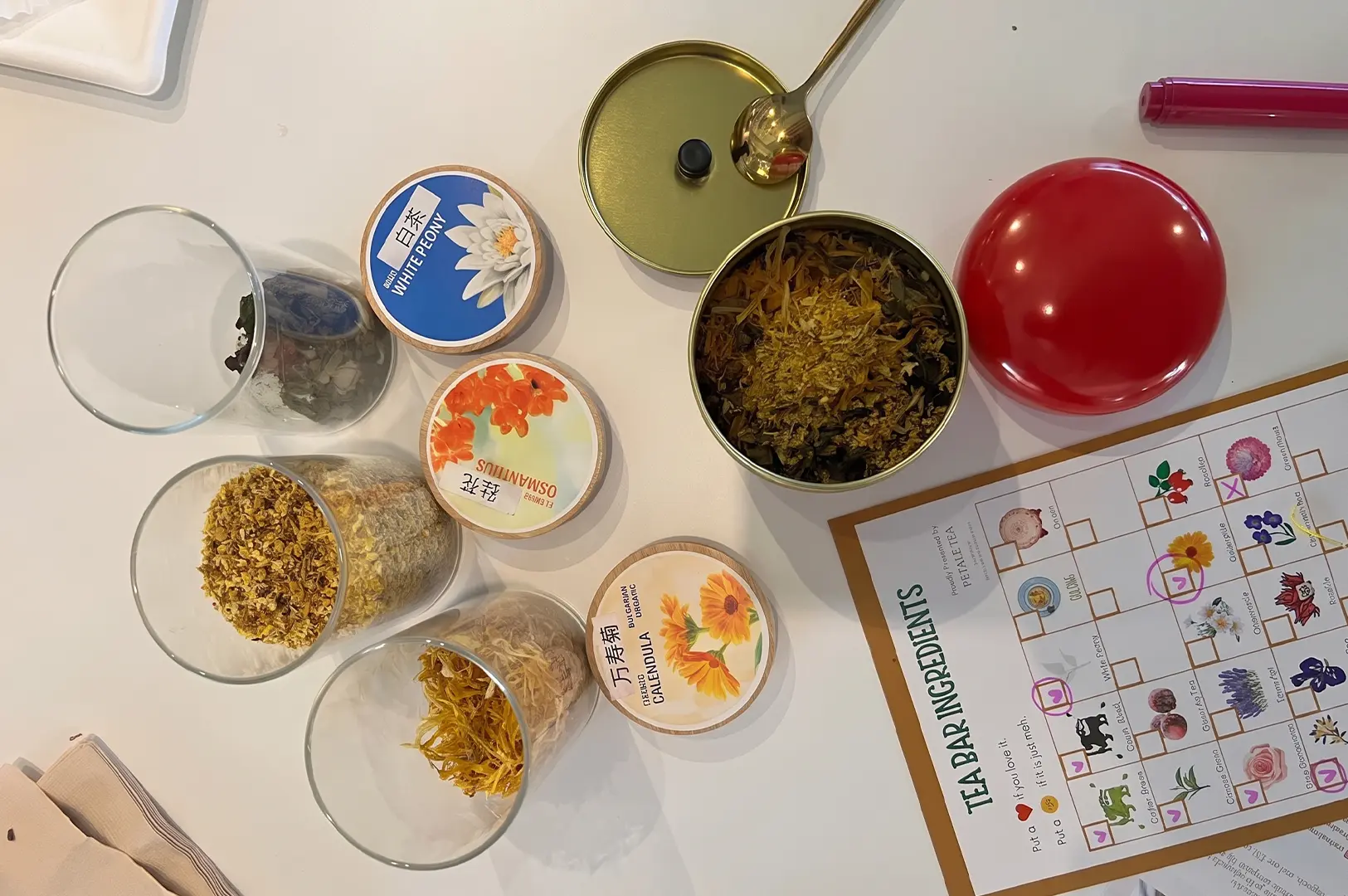
The brand's site also lists tea appreciation sessions, DIY blooming tea workshops and event activations. Kwa noted in 2024 that workshops teaching people to sew blooming teas were part of how the brand set itself apart.
There is something meaningful in that. To sew a blooming tea yourself is to understand how much care goes into each one. Workshops can also create genuine connections as participants share the stories behind their choices, learn about tea leaves and their meanings, and take home a handcrafted blend. As with any listed offering, current availability is best confirmed with the brand.
Part of a wider bloom
Pétale Tea is not alone. In its August 2025 report on Singapore's growing tea scene, The Straits Times observed that floral and herbal infusions, as well as tea balls combining Chinese and Western teas, were gaining popularity. Pétale Tea was one of seven purveyors featured.
That context is worth holding gently. Blooming tea in Singapore is not a single brand's story. It is part of a broader return to tea as something to slow down with, alongside gongfu brewing, fresh fruit teas and much else. You may agree that the appeal lies in both the cup and the pause around it.
Conclusion
A blooming tea asks for very little. A glass. Some hot water. A few minutes of attention.
What it gives back depends partly on the tea and partly on us. If we rush, it is just a pretty drink. If we wait, it can become a small pause in an otherwise crowded day: a reminder that some things open only in their own time.
Pétale Tea has built its work around that pause. Its hand-sewn blooms, its local flavours and its storytelling tins all point in the same quiet direction, toward tea as something shared, given and noticed.
If you are curious, Pétale Tea's site lists its blooming teas, wellness infusions and stockists across Singapore, with pick-up from its Ubi Techpark office by appointment. Check the website for current details, sign up for news if available, and review any email updates or subscription preferences before choosing to receive marketing messages. For the latest products and availability, contact the brand directly.
For those who prefer a more intimate setting with their teas, read our article about private dining rooms in Singapore for places to enjoy a quieter meal with family and friends.

Why Tea Gifts Always Feel More Personal
There are easier gifts to buy than tea. Gift cards, flowers, candles. They require very little thought. Most people will appreciate them, and if they don’t, no real harm is done. Tea feels different. Giving someone tea involves a small act of interpretation. You are making a quiet guess about what they might enjoy. Something…
-
Wabi Sabi Meaning: Discovering Beauty in Imperfection
Singapore is famous for its spotless streets, impressive glass towers, and a culture that constantly celebrates the new-be it design trends, the latest matcha drinks, or the next “perfect place” for brunch. For a long time, I bought into this idea of curated perfection. My home had to be pristine, my days measured for maximum…
-
The Strange Pressure to Understand Every Tea Immediately
Tea drinkers do something interesting. When trying a new tea, many immediately begin searching for the “correct” tasting notes. Floral. Roasted. Fruity. Mineral. Someone takes a sip and suddenly feels pressure to identify every subtle characteristic as though there is a right answer hidden somewhere inside the cup. And if the tea feels confusing at…
-
Tea Ceremony: The Hidden Meaning Behind Small Gestures
My first tea ceremony singapore experience left me more worried about etiquette than soaking in the moment. Surrounded by seasoned guests, I focused on getting every gesture right, how to bow, how to hold the cup, afraid of missing some point that makes tea culture here so unique. Looking back, I missed how these small…
-
Why Tea Always Feels More Honest Than Coffee
This might be slightly controversial, but tea has always felt more honest to me than coffee. Coffee often arrives with ambition. Productivity. Hustle culture. The promise that after one cup, you will suddenly become more awake, more focused, more efficient. Tea asks for much less. It doesn’t demand transformation. It simply sits beside you quietly….

Wildseed Cafe Singapore: A Garden Escape for Tea Lovers
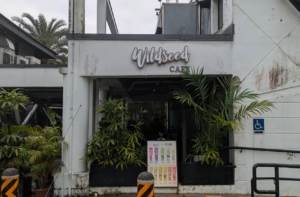
Sometimes, you just need to get out of the concrete city jungle and bask in nature. Last weekend, I was craving a quiet afternoon away from the chaotic mall crowds, so I made a reservation at Wildseed Cafe Singapore. Tucked away in the precincts of Seletar Aerospace Park within The Summerhouse, this multi concept restaurant…

Not Every Expensive Tea Is Actually Better
Tea drinkers rarely say this out loud. But many have probably thought it at least once. Sometimes an expensive tea tastes… fine. Not extraordinary. Not life-changing. Just fine. And yet modern tea culture often treats expensive tea as though it automatically deserves deeper admiration. A rare mountain harvest. Ancient tea trees. A tea produced in…

The Quiet Difference Between Muslim-Owned Cafés and MUIS-Certified Halal High Tea Spots in Singapore
I remember wandering down Arab Street years ago, searching for a quiet café where I could settle into an afternoon of coffee, tea, and conversation. I found a minimalist little space filled with delicate pastries and beautiful dessert displays, but hesitation quietly crept in as I began wondering about alcohol-based syrups, gelatin, and whether the…
-
Why Tea Shops Always Feel Slightly Different From Cafés
I’ve noticed something interesting over the years. People behave differently in tea shops. Not dramatically different, of course. No one suddenly becomes wiser the moment tea is poured. But the atmosphere tends to shift in subtle ways. Conversations slow down. Phones appear less often. Even silence feels more comfortable somehow. Tea shops carry a different…
-
High Tea Halal Singapore: Elegant and Inclusive Dining Experiences
A tiered stand arrives. A pot of tea follows, still too hot to pour. For many of my Muslim friends, there’s usually a quiet moment before anyone reaches for a scone. Someone asks whether the kitchen is halal certified. Only then does the high tea afternoon properly begin. This list tries to take care of…