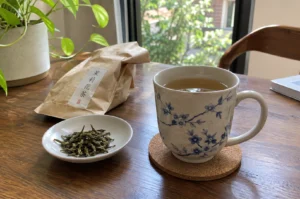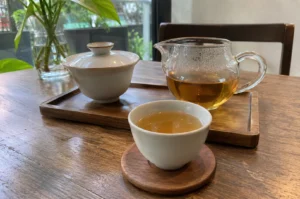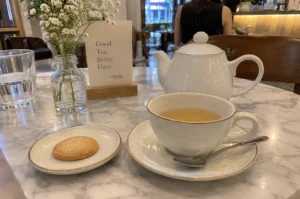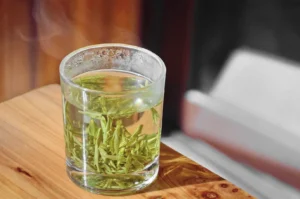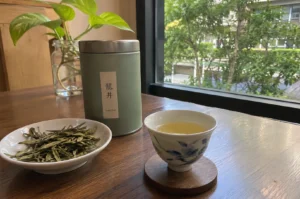
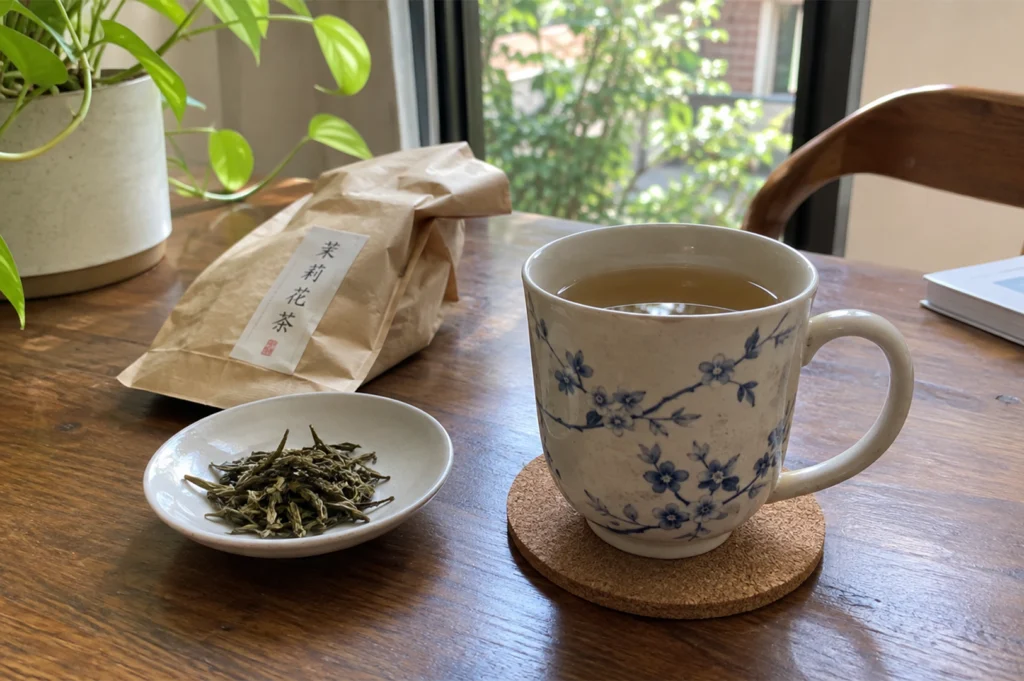
There is something reassuring about making tea in an ordinary mug.
No carefully arranged tray. No matching cups. No elaborate preparation.
Just leaves, hot water, and a few quiet minutes.
I have always appreciated beautiful teaware. A well-made gaiwan, a traditional clay teapot, or a thoughtfully arranged tea table can bring a certain pleasure to brewing. These objects carry knowledge, craftsmanship, and sometimes generations of tradition.
But I wonder when we began treating them as requirements.
Tea culture has accumulated an impressive collection of equipment. We speak of vessels, materials, temperatures, and techniques with considerable seriousness.
Much of this knowledge is valuable.
Yet I sometimes worry that we have made the appearance of tea preparation more important than the experience itself.
A cup of jasmine green tea does not become less fragrant because it was brewed in a kitchen mug. A good Assam does not lose its character simply because the person preparing it owns no specialised equipment.
The leaves respond to water and time.
Not to the beauty of the table.
Of course, different vessels can influence how tea brews. A gaiwan allows greater control over successive infusions, while certain teapots offer their own practical advantages.
There is satisfaction in learning these distinctions.
But knowledge should expand our enjoyment, not establish conditions for it.
I think about how easily we postpone simple pleasures while waiting for the right circumstances. The better teapot. The proper cups. A quiet afternoon when everything can be arranged perfectly.
Meanwhile, the tea remains untouched.
Perhaps we have misunderstood what makes a tea ritual meaningful.
It is not necessarily the equipment, nor the precision of our movements. Sometimes it is simply the decision to pay attention to something ordinary.
To notice the fragrance.
To taste without distraction.
To allow a familiar cup a little space in the day.
I would never discourage someone from collecting beautiful teaware. There is genuine pleasure in craftsmanship, and much to learn from traditional methods.
But I would rather see someone enjoy tea imperfectly than hesitate because their kitchen lacks the proper arrangement.
A tea setup can deepen an experience.
It should never become the price of admission.
The mug you already own is enough to begin.
With quiet regard,
N. P. Lim

You Don’t Need a Tea Setup to Make a Good Cup
There is something reassuring about making tea in an ordinary mug. No carefully arranged tray. No matching cups. No elaborate preparation. Just leaves, hot water, and a few quiet minutes. I have always appreciated beautiful teaware. A well-made gaiwan, a traditional clay teapot, or a thoughtfully arranged tea table can bring a certain pleasure to…
-
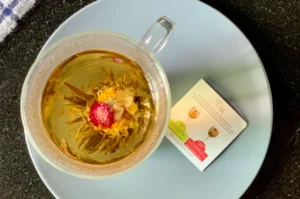
Where Flowers Meet the Art of Tea: Petale Tea
It begins as something small and closed. A tight, round bundle of dried leaves, about the size of a large marble, resting at the bottom of a clear glass. Then the water arrives. For a while, nothing seems to happen. The ball darkens and grows heavy. A few leaves loosen at the edges. Then, slowly,…
-
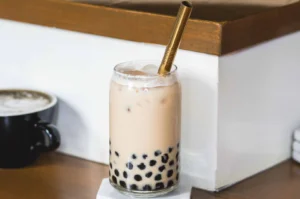
If Your Bubble Tea Has No Tea Taste, It’s Dessert—Own It
I have nothing against drinking dessert through a straw. Actually, I think it’s one of the more enjoyable things about modern bubble tea culture. Brown sugar pearls. Creamy toppings. Flavoured jellies. Drinks that look more like something you’d order after dinner than a traditional cup of tea. They’re fun, and I understand the appeal. But…
-
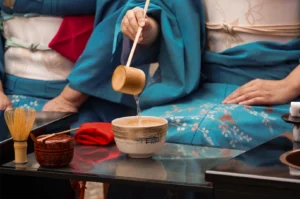
Tea Ceremony Outfit: Dressing for Silence, Grace, and Tradition
The room is very quiet. Someone kneels on the tatami, hands resting on their thighs, and waits. Outside, a car passes and fades. Inside, there is only the soft hiss of water warming in an iron kettle, and the faint smell of woven rush underfoot. Nobody in the room is looking at what anyone is…
-
Tea Doesn’t Have to Be Rare to Be Worth Paying Attention To
There is a curious tendency among tea enthusiasts to speak more carefully about leaves that are difficult to obtain. A limited harvest. An ageing Pu-erh cake. A Long Jing from a particularly celebrated growing area. The language changes almost immediately. We become more attentive to provenance, more patient with preparation, and more willing to search…
-
The White Label Singapore: A Quiet Look at High Tea Di Malayan
Some afternoons ask for very little. A pot of tea. A small plate of something sweet. A table near a window, and nowhere urgent to be. In Singapore, that kind of afternoon has more than one accent. There is the English idea of tea with cakes and sandwiches on tiered stands, and the kopitiam cup…
-
Why Your Favorite Café’s Tea Tastes Like Nothing (And They Know It)
I’ve always found it strange how a café can spend so much time perfecting its coffee and then serve tea that tastes like someone briefly introduced a teabag to hot water. You know the kind. Beautiful cup. Lovely presentation. Maybe even a little biscuit on the side. And then you take a sip. Nothing much…
-
The Quiet Luxury of a Fresh Spring Cup: Long Jing Green Tea
Some luxuries make a sound. Others barely announce themselves at all. A small handful of flat, pale green tea leaves. Water allowed to cool after boiling. A glass, perhaps, so the leaves can be watched as they open and drift. Nothing about it is loud. Yet a fresh cup of Long Jing green tea carries…
-
The People Behind the Tea I’m Grateful to Drink
It is easy to forget how many hands have touched a tea leaf before it reaches ours. We speak of mountains, harvest seasons, famous gardens, and the qualities of particular cultivars. We admire the fragrance of a good Long Jing or the complexity of a carefully roasted Tie Guan Yin. Yet the people responsible for…
-
Traditional Japanese Tea Ceremony in Osaka: Finding Stillness in Japan’s Most Restless City
Osaka is a city that talks back. Walk through Dotonbori in the evening and everything competes for your attention: neon signs stacked several stories high, takoyaki stalls calling out to passers-by, crowds pressing along the canal toward the next thing to eat. The city even has a word for its appetite, kuidaore, often translated as…