There was a time when knowing where a tea came from was enough.
Now, it sometimes feels as though we need to know everything.
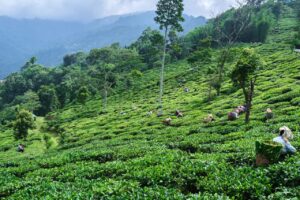
The mountain. The village. The garden. The harvest date. The particular plot where the leaves were grown.
Single-origin tea has become a mark of quality in modern tea culture. The idea is appealing. A specific place gives us a story, and the story gives us a sense of authenticity.
But I wonder if we have started placing too much value on the label.
Knowing a tea’s origin can tell us something important. Soil, climate, elevation, cultivar, and farming practices can all influence what eventually reaches the cup. For serious tea drinkers, tracing these details can be part of the pleasure.
But origin is not a guarantee of enjoyment.
A tea from a celebrated mountain can still leave you unmoved. A blended tea with no prestigious geographical story can become the one you reach for every morning.
I have experienced this more than once.
A tea arrives with an impressive pedigree. I approach it expecting something extraordinary. Sometimes it delivers. Other times, I finish the cup and wonder why I was so impressed by everything except the tea itself.
Perhaps this is the problem with obsession.
We start drinking the story before we drink the tea.
We see the name on the package and begin forming an opinion. We expect certain flavours because we know where the tea comes from. We search for complexity because we have been told it should be there.
The cup becomes an examination of whether our expectations were correct.
That seems a little unfair to tea.
Tea is not a passport. Its value does not come solely from where it was grown.
What matters is what happens when the leaves meet water, and what happens between that first sip and the last.
This does not mean origin is unimportant. Quite the opposite. Understanding where tea comes from can deepen our respect for the farmers, landscapes, and traditions behind it.
But perhaps we should treat origin as an invitation rather than a verdict.
Let the place tell you where the tea began.
Then let the cup tell you whether you want to return.
Because sometimes the most interesting tea is not the one with the most impressive address.
It is the one that makes you forget to check the label.
With quiet regard,
N. P. Lim
A reflection on single-origin tea and why knowing where a tea comes from should deepen appreciation, not decide whether we enjoy it.

The Samovar’s Role in Russian Tea Culture: How This Unique Device Shaped Russian Tea Tradition
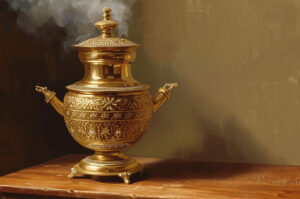
Picture a cozy room in the heart of a Russian winter, snow blanketing the world outside. Inside, at the center of a family table, stands a gleaming metal urn, steam gently puffing from its chimney. This is the samovar-the traditional self-boiler that has shaped Russian tea culture for centuries. More than a tool to heat…
-
The Art of Pouring: Height, Froth, and Hospitality in Moroccan Tea Service
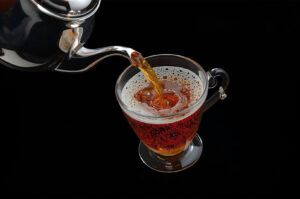
Imagine this: you’re seated on low cushions in a Marrakech riad, surrounded by patterned tiles and the scent of spices wafting through the air. Your host approaches with a polished silver teapot, or berrad, holding it high above a small glass. A thin stream of steaming green tea flows gracefully, landing perfectly in an ornate…
-
British Tea Traditions: Beyond Cucumber Sandwiches and Modern Tea Accompaniments
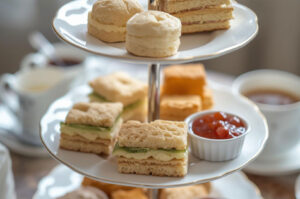
The ritual of British tea-especially the celebrated afternoon tea-conjures a very specific image: tiered cake stands laden with delicate finger sandwiches, fluffy scones, and exquisite cakes. This cherished tradition, born in the 1840s, is often attributed to Anna, the seventh Duchess of Bedford, who sought a small meal to bridge the long gap between lunch…
-
The Dance of Aroma: Appreciating Tea Through All Senses in Gongfu Cha
Imagine a wisp of steam carrying the scent of orchids from a tiny tea cup, a fragrance so vivid it transports you to a misty mountainside in China. This sensory immersion lies at the heart of the gongfu cha method, the traditional Chinese tea ceremony where every movement, from handling the tea leaves to pouring…
-
Japanese Tea Ceremony Principles: Harmony, Respect, Purity, and Tranquility
In a quiet tea room, a host moves with deliberate grace. The sound of hot water being ladled from an iron pot fills the air. This is the Japanese tea ceremony, known as Chanoyu or the Way of Tea, an art form that transforms the simple act of drinking tea into a profound experience. Far…
-
Beyond Chamomile: Exploring Lesser-Known Herbal Infusions from Around the World
Tea is one of the most popular drinks worldwide, cherished for centuries as much for its taste as for its role in tradition and culture. While many people immediately think of green tea, black tea, or perhaps a steaming mug of mint tea, the spectrum of herbal infusions—blends using various herbs, fruits, and flowers—offers countless…
-
Raw vs. Ripe: Understanding the Two Paths of Pu Erh Processing
In the vast and ancient world of Chinese tea, few categories carry as much mystery and prestige as pu erh tea. Pu’er tea is renowned for its unique fermentation and aging techniques, which not only develop its complex flavor profiles but also contribute to its cultural significance and traditional production methods. Unlike most teas such…

From Keemun to Darjeeling: A Global Tour of Premium Black Teas
Black tea is more than just a morning ritual; it’s a global phenomenon steeped in rich history, cultural significance, and craftsmanship. From the misty mountains of India to the ancient gardens of China, each cup tells a story of its origin, flavor, and tradition. Throughout history, brewed tea has been cherished in various cultures, with…
-
Understanding Oolong Tea Oxidation Levels: The Spectrum of Oxidation in Tea Classification
When you step into the world of tea, you quickly learn about the main categories: white, green, oolong, and black. For many, green tea is fresh and vegetal, while black tea is bold and malty. But what about oolong? This category seems to defy easy definition, with some oolongs tasting light and floral like a…
-
Beyond Matcha: Exploring the Diverse World of Japanese Green Tea Varieties
Let’s be honest, when you hear “Japanese green tea,” your mind likely pictures a vibrant, frothy bowl of matcha. From trendy matcha lattes in every café to ice cream and desserts, matcha has become the undisputed global face of Japanese tea culture. And for good reason! It’s a delicious, versatile ingredient with numerous health benefits….