There was a time when knowing where a tea came from was enough.
Now, it sometimes feels as though we need to know everything.
The mountain. The village. The garden. The harvest date. The particular plot where the leaves were grown.
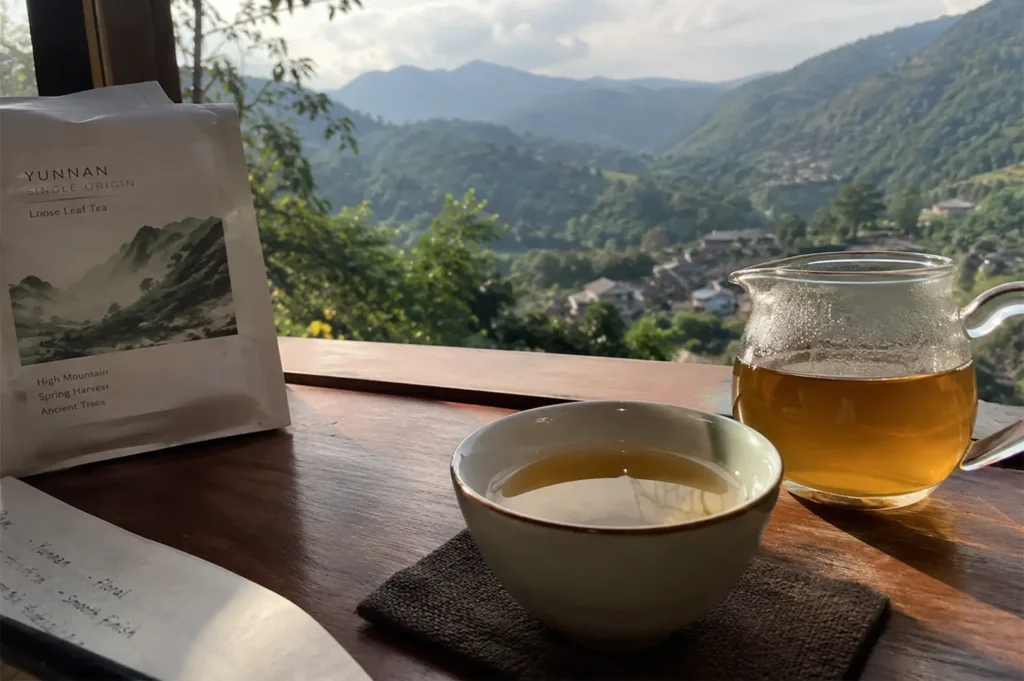
Single-origin tea has become a mark of quality in modern tea culture. The idea is appealing. A specific place gives us a story, and the story gives us a sense of authenticity.
But I wonder if we have started placing too much value on the label.
Knowing a tea’s origin can tell us something important. Soil, climate, elevation, cultivar, and farming practices can all influence what eventually reaches the cup. For serious tea drinkers, tracing these details can be part of the pleasure.
But origin is not a guarantee of enjoyment.
A tea from a celebrated mountain can still leave you unmoved. A blended tea with no prestigious geographical story can become the one you reach for every morning.
I have experienced this more than once.
A tea arrives with an impressive pedigree. I approach it expecting something extraordinary. Sometimes it delivers. Other times, I finish the cup and wonder why I was so impressed by everything except the tea itself.
Perhaps this is the problem with obsession.
We start drinking the story before we drink the tea.
We see the name on the package and begin forming an opinion. We expect certain flavours because we know where the tea comes from. We search for complexity because we have been told it should be there.
The cup becomes an examination of whether our expectations were correct.
That seems a little unfair to tea.
Tea is not a passport. Its value does not come solely from where it was grown.
What matters is what happens when the leaves meet water, and what happens between that first sip and the last.
This does not mean origin is unimportant. Quite the opposite. Understanding where tea comes from can deepen our respect for the farmers, landscapes, and traditions behind it.
But perhaps we should treat origin as an invitation rather than a verdict.
Let the place tell you where the tea began.
Then let the cup tell you whether you want to return.
Because sometimes the most interesting tea is not the one with the most impressive address.
It is the one that makes you forget to check the label.
With quiet regard,
N. P. Lim
A reflection on single-origin tea and why knowing where a tea comes from should deepen appreciation, not decide whether we enjoy it.

The Complete Guide to Matcha for Lattes: From Bean to Cup
A perfectly crafted matcha latte isn’t just a trendy drink, it’s a centuries-old Japanese tea tradition that’s been adapted for today’s tastes. Unlike your regular green tea, where you steep the leaves and then toss them, matcha powder dissolves completely, giving you a bold flavor and a nutrient boost that coffee just can’t match. Matcha…
-
Top 7 Best Teas for Weight Loss: Evidence-Based Options Ranked
Looking for the best teas for weight loss is a popular first step for anyone starting a wellness journey. While no single tea can magically melt away body fat, some teas contain natural compounds that can help with weight loss, boost metabolism, and manage appetite. The secret is consistency, drinking tea daily as part of…
-
Does Diet Tea Work? Comparing Options for Safe and Effective Weight Management
The term diet tea has become one of the most searched phrases among people eager to lose weight naturally. For many, losing weight is the primary motivation behind trying these teas. Yet behind its popularity lies a maze of confusion. The market overflows with everything from authentic teas like green tea and oolong to questionable…
-
Does Green Tea Help To Lose Weight? The Role of Green Tea Extract, Drinking Green Tea, and Green Tea Preparations in Weight Management
For thousands of years, green tea has been revered in Asian cultures for its health-promoting properties. But can this ancient beverage actually help you lose weight, or is it just another overhyped health trend? The answer lies somewhere between the marketing hype and scientific reality. While green tea won’t magically melt away pounds overnight, decades…
-
Is Green Tea Caffeine? Everything You Need to Know
Green tea has long been celebrated for its health benefits and calming properties. It is a popular tea worldwide, known for its cultural significance and widespread consumption. Both green tea and black tea are made from the Camellia sinensis plant, also known as the tea plant. These teas come from the same plant, camellia sinensis,…
-
Is Green Tea Healthy? 7 Science-Backed Advantages of Green Tea
Is green tea healthy? The short answer is a resounding yes. For thousands of years, this beverage from the Camellia sinensis plant has been celebrated not only for its soothing taste but also for its numerous health benefits. Modern research continues to validate what tradition long suggested: drinking green tea regularly offers powerful advantages for…
-
The Complete Guide to Drinking Green Tea: Health Benefits, Brewing Techniques, and Cultural Traditions
For over 4,000 years, drinking green tea has been more than just a beverage choice-it’s been a pathway to wellness, mindfulness, and cultural connection. A cup of green tea offers a range of possible health benefits, supported by a growing body of scientific research exploring green tea benefits. Today, drinking green tea has become one…
-
Butter Tea Nutrition: Survival Through Tea in High Altitudes
Imagine waking up to a world where the air is thin and every breath feels like an effort. The wind outside is sharp, cutting across snow-covered peaks that stretch endlessly toward the sky. This is life at high altitudes-where the human body must constantly adapt to reduced oxygen levels, cold climatic conditions, and intense physical…
-
From Street Corners to Family Homes: The Social Geography and Cultural Significance of Indian Chai Culture
The air hangs thick with the sweet, spicy aroma of cardamom, ginger, and cloves mingling with the robust scent of boiling black tea and milk. The rhythmic clinking of glass against metal, the hiss of the gas stove, and the low hum of conversation create a familiar soundtrack. This is the sensory world of Indian…
-
Seasonal Aesthetics in the Korean Tea Ceremony: Reflecting Nature’s Rhythm and Subtle Beauty
Imagine sitting in a quiet, sunlit hanok-a traditional Korean house-its polished wooden floors warm beneath you. Before you rests a simple tea tray adorned with earthenware cups and a graceful teapot, each featuring intricate designs that showcase the detailed craftsmanship and artistry of Korean teaware. Outside, a soft breeze carries the aroma of blossoming flowers….