There was a time when knowing where a tea came from was enough.
Now, it sometimes feels as though we need to know everything.
The mountain. The village. The garden. The harvest date. The particular plot where the leaves were grown.
Single-origin tea has become a mark of quality in modern tea culture. The idea is appealing. A specific place gives us a story, and the story gives us a sense of authenticity.
But I wonder if we have started placing too much value on the label.
Knowing a tea’s origin can tell us something important. Soil, climate, elevation, cultivar, and farming practices can all influence what eventually reaches the cup. For serious tea drinkers, tracing these details can be part of the pleasure.
But origin is not a guarantee of enjoyment.
A tea from a celebrated mountain can still leave you unmoved. A blended tea with no prestigious geographical story can become the one you reach for every morning.
I have experienced this more than once.
A tea arrives with an impressive pedigree. I approach it expecting something extraordinary. Sometimes it delivers. Other times, I finish the cup and wonder why I was so impressed by everything except the tea itself.
Perhaps this is the problem with obsession.
We start drinking the story before we drink the tea.
We see the name on the package and begin forming an opinion. We expect certain flavours because we know where the tea comes from. We search for complexity because we have been told it should be there.
The cup becomes an examination of whether our expectations were correct.
That seems a little unfair to tea.
Tea is not a passport. Its value does not come solely from where it was grown.
What matters is what happens when the leaves meet water, and what happens between that first sip and the last.
This does not mean origin is unimportant. Quite the opposite. Understanding where tea comes from can deepen our respect for the farmers, landscapes, and traditions behind it.
But perhaps we should treat origin as an invitation rather than a verdict.
Let the place tell you where the tea began.
Then let the cup tell you whether you want to return.
Because sometimes the most interesting tea is not the one with the most impressive address.
It is the one that makes you forget to check the label.
With quiet regard,
N. P. Lim
A reflection on single-origin tea and why knowing where a tea comes from should deepen appreciation, not decide whether we enjoy it.

Why “No Bitterness” Is a Terrible Goal (And Makes Tea Boring)
I used to think a good tea was supposed to be smooth. No bitterness. No sharp edges. Nothing that made me pause and wonder whether I was doing something wrong. It seemed logical. We naturally gravitate toward things that are easy to enjoy. A tea that is sweet, gentle, and immediately comforting feels like a…
-
Best Tea Brands Singapore: 10 Names Worth Knowing
There’s a small sound I’ve always liked. It’s the soft knock of a teapot lid settling back into place, just before the first pour. It happens at home. It happens in old shophouses and in bright mall boutiques like those in Suntec City. The setting changes, but the pause stays the same. This list is…
-
“Rare” Tea Is Often Manufactured Scarcity: Here’s How to Tell
There is a word in tea that carries unusual power. Rare. It immediately creates curiosity. A rare harvest. A rare batch. A rare tree. A tea that may never return. The suggestion is simple: if something is difficult to obtain, it must be more valuable. Sometimes, this is true. Some teas are genuinely limited because…
-
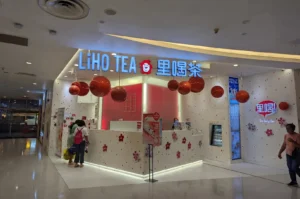
LiHO Tea Singapore: A Greeting You Can Drink
Some words carry a whole childhood inside them. Li ho. I heard it at kopitiam tables, across corridors, from uncles who never waited for a real answer. It meant “how are you,” but it also meant I see you. So when I saw that name on a tea shop sign, somewhere in the middle of…

The Myth of “Perfect” Tea: What I Stopped Chasing
For a long time, I thought I was looking for the perfect tea. I imagined there would be a moment when I found the one. The tea that made every other tea feel unnecessary. The tea I would recommend to everyone. The tea that would finally make me understand what true appreciation was supposed to…
-
Teh O: Understanding the Tea Order Behind the Name
There is a stall near where I grew up that has changed hands twice, but the tea has stayed the same. I still remember the first time I ordered teh o on my own, sometime in my early teens, mumbling the words at the counter and half-expecting to get them wrong. The uncle didn’t blink….
-
Stop Buying Tea for the Aesthetic: How Packaging Hijacks Taste
There is something fascinating about the way we buy tea today. Before we taste the leaves, we have already formed an opinion. The box is elegant. The label is beautifully designed. The colours suggest calm, luxury, or tradition. The story feels carefully written. And before the first sip, we have already decided that the tea…
-
A Tea Table in the Clouds: The Westin Singapore High Tea Review
It was one of those afternoons when the city felt too loud and too fast, and I wanted to sit somewhere quiet without really explaining why. So I went up. All the way up, to Level 32 of The Westin Singapore, where the Lobby Lounge sits above the noise like it knows something the rest…
-
“Caffeine-Free Tea” Confuses Everyone—Let’s Fix the Language
I have noticed that tea conversations can become surprisingly confusing. Not because tea itself is complicated, but because we sometimes use the same words to mean completely different things. One phrase that always catches my attention is “caffeine-free tea.” It sounds simple enough. A tea without caffeine. But is that really what we mean? Because…
-
The Pull, Pour, and Ritual Behind Singapore’s Favourite Milk Tea: Teh Tarik
It starts with a sound. A long ribbon of tea, arcing from one metal mug held high to another held low. The stream catches the light. Then the froth rises, pale and soft, and the whole thing gets poured back and lifted again. Nobody at the stall looks up. This happens a hundred times a…