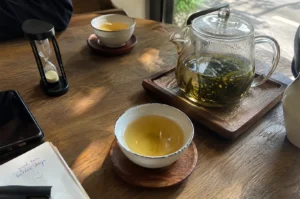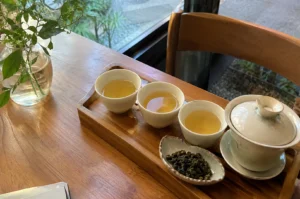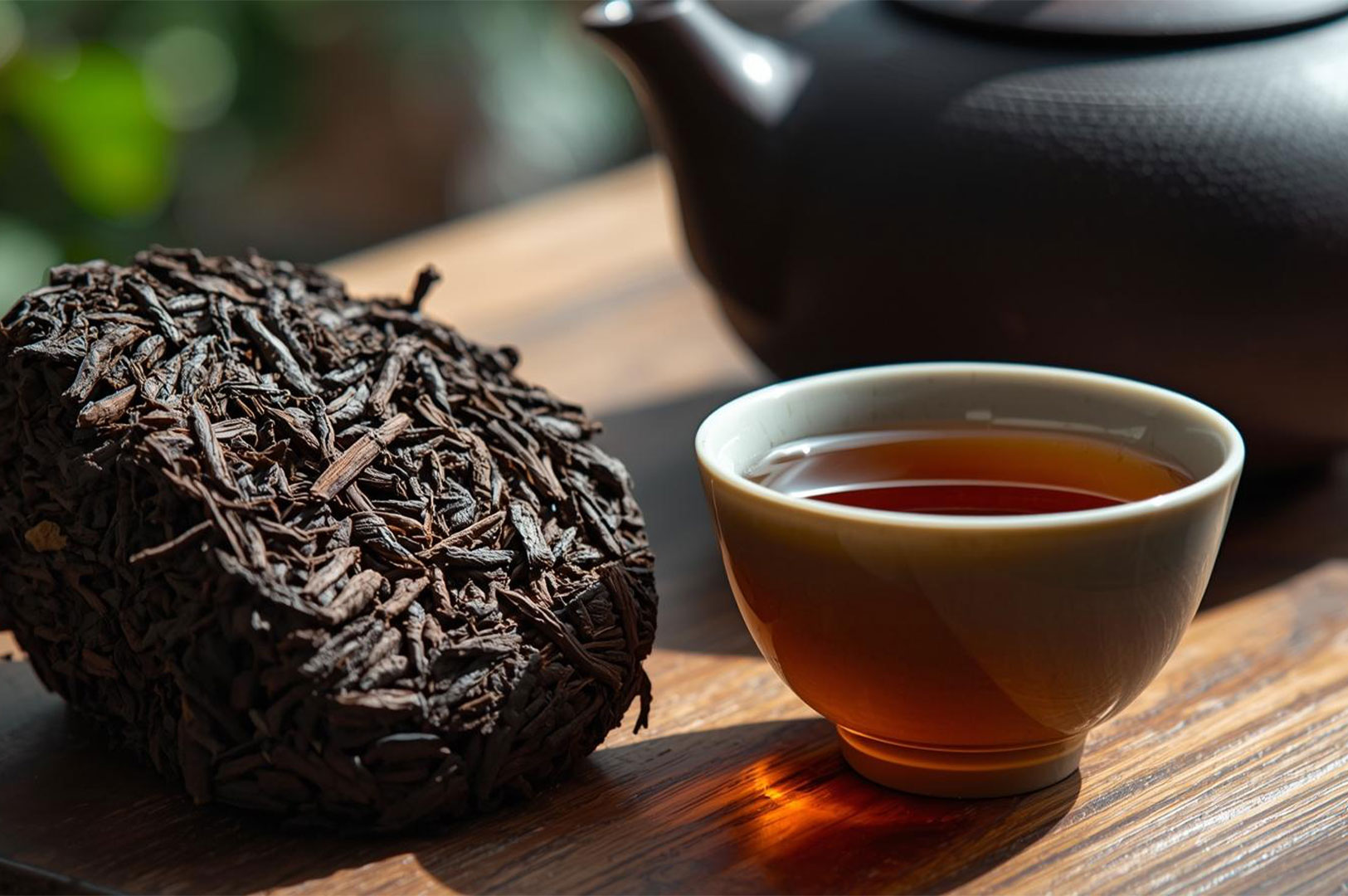
In the vast and ancient world of Chinese tea, few categories carry as much mystery and prestige as pu erh tea. Pu'er tea is renowned for its unique fermentation and aging techniques, which not only develop its complex flavor profiles but also contribute to its cultural significance and traditional production methods. Unlike most teas such as green tea, oolong teas, or black tea, pu’er tea is a post fermented tea made from large-leaf tea plant (Camellia sinensis) in Yunnan province, southern China. Its fermentation process and aging process make it one of the most unique dark teas in the world.
Introduction to Fermented Teas
Fermented teas have long held a special place in Chinese culture, with pu erh tea standing out as one of the most celebrated examples. Unlike other teas, pu erh teas undergo a unique fermentation process that transforms the tea leaves of the Camellia sinensis plant, resulting in a distinctive earthy flavor and aroma. This microbial fermentation not only gives pu erh its signature taste but also contributes to its reputation for health benefits. The world of fermented teas is rich and varied, but pu erh tea is especially prized for its ability to develop complex flavors and a unique taste profile as it ages. Whether enjoyed for its deep, earthy notes or its potential wellness properties, pu erh tea continues to captivate tea enthusiasts around the globe.
Regional Varieties of Black Tea
Black tea is a truly global beverage, with each region imparting its own signature to the cup. In India, the lush Assam region produces black teas with a famously strong and malty flavor, while the high-altitude gardens of Darjeeling yield teas celebrated for their delicate taste and floral notes. Sri Lanka, formerly known as Ceylon, is renowned for its bright, lively teas that range from light and citrusy to rich and coppery, depending on the elevation where the tea is grown. Kenyan black teas are prized for their robust, full-bodied taste and deep color, making them a favorite in many tea blends. Meanwhile, China’s black teas, such as Keemun, are known for their smooth, fruity flavors and subtle complexity. These regional differences in black tea are shaped by the unique combination of climate, soil, and traditional processing methods, ensuring that every cup offers a distinct taste and flavor reflective of its origin.
A Tea Steeped in History: How Pu Erh Teas Began
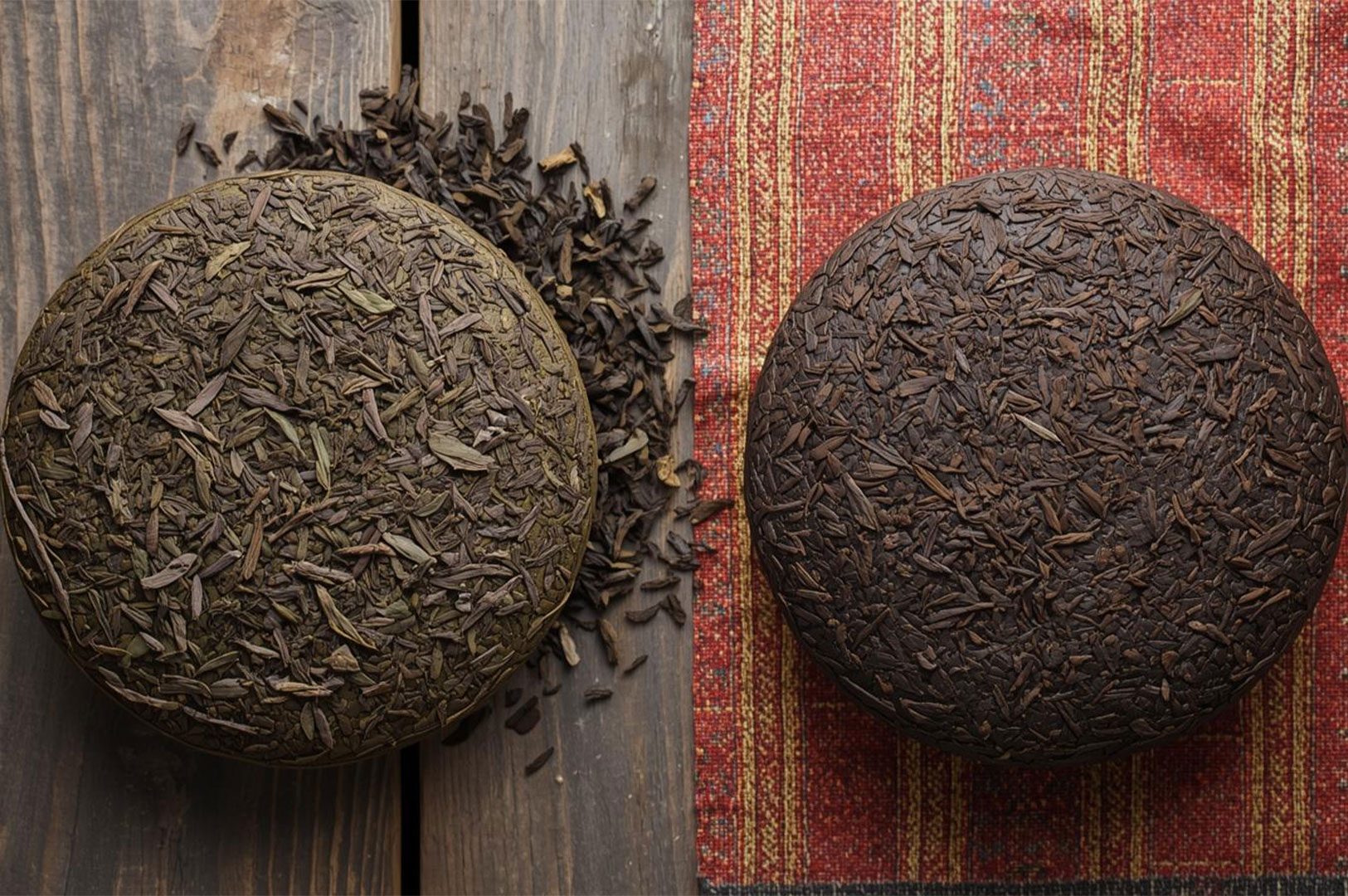
From the Tang dynasty through the Chinese Civil War, tea makers in Yunnan compressed tea leaves into pressed tea cakes for transport along the Tea Horse Road. During these journeys, microbial fermentation and natural fermentation transformed raw tea into smoother, sweeter, more complex and subtle flavors. Traditionally, the tea was sun dried as part of the processing, a method that halted oxidation and contributed to its unique flavor and aging potential. Over time, sheng cha (raw pu erh) gained fame as an aged tea with growing health benefits and cultural value.
Raw (Sheng) Pu-erh Tea: The Path of Natural Fermentation
The Sheng Pu Erh Tea Production Method
- Harvesting Tea Leaves – From wild tea trees, wild arbor, or plantation bushes of Camellia sinensis in Yunnan.
- Withering – Reduces moisture for further processing.
- Killing Green – A dry roasted step that halts most enzymatic activity but allows slow oxidation process.
- Rolling – Releases oils and aroma.
- Sun Drying – Creates mao cha, often sold loose leaf form or later compressed.
- Compression – Steamed and shaped into tea cakes, bricks, or nests.
These traditional steps result in raw pu'er tea, a minimally processed tea that naturally ages over time and develops unique flavors.
Flavor Profile of Raw Pu’er Tea
- Young Sheng Pu Erh – Floral, grassy, with bitterness and earthy flavor.
- Aged Sheng Pu’er – Camphor, honey, dried fruit, and subtle flavors that evolve over decades.
- Mouthfeel – Thick, vibrant, with a sweet lingering unique taste.
Compared to shou pu'er, sheng pu'er is distinguished by its natural aging process, evolving flavor profile, and traditional production methods, which contribute to its complexity and cultural significance.
Ripe (Shou) Pu-erh Tea: The Accelerated Fermentation Process
The Shou Pu Erh Tea Production Method
In the 1970s, after the Chinese Civil War, factories introduced a process called wo dui (or wet piling) to meet demand for aged tea. This innovation created shou pu erh, also known as shou cha or shu cha.
- Piling and Moisture – Mao cha is stacked and moistened.
- Fungal Fermentation – Starter microbes accelerate change.
- Turning – Prevents overheating during accelerated fermentation.
- Drying & Compression – Results in a fully fermented tea, compressed or sold loose.
Flavor Profile of Shou Pu Erh
- Aroma – Earthy, with forest floor, molasses, and dark chocolate notes.
- Flavor – Smooth, mellow, with no harshness; a comforting contrast to sheng pu erh.
- Mouthfeel – Creamy and velvety, offering immediate drinkability.
The Significance of Raw Tea
Raw tea, known as sheng cha, represents the purest expression of pu erh tea. Crafted from the leaves of wild tea trees in Yunnan, raw pu erh undergoes a natural fermentation process that can span years or even decades. This slow transformation allows sheng pu erh tea to develop complex and subtle flavors, ranging from floral and grassy notes in its youth to rich, earthy flavors as it matures. The production of raw pu erh is a meticulous, labor-intensive process involving sun drying and minimal oxidation, which preserves the tea’s natural character and unique taste. For many tea enthusiasts, raw pu erh is a delicacy, sought after for its vibrant profile, potential health benefits, and the way its flavors evolve over time. Each cup of sheng pu erh offers a glimpse into the wild origins and artisanal traditions of Yunnan’s tea culture.
Comparison to Other Teas: Pu Erh vs. Black and Green Teas
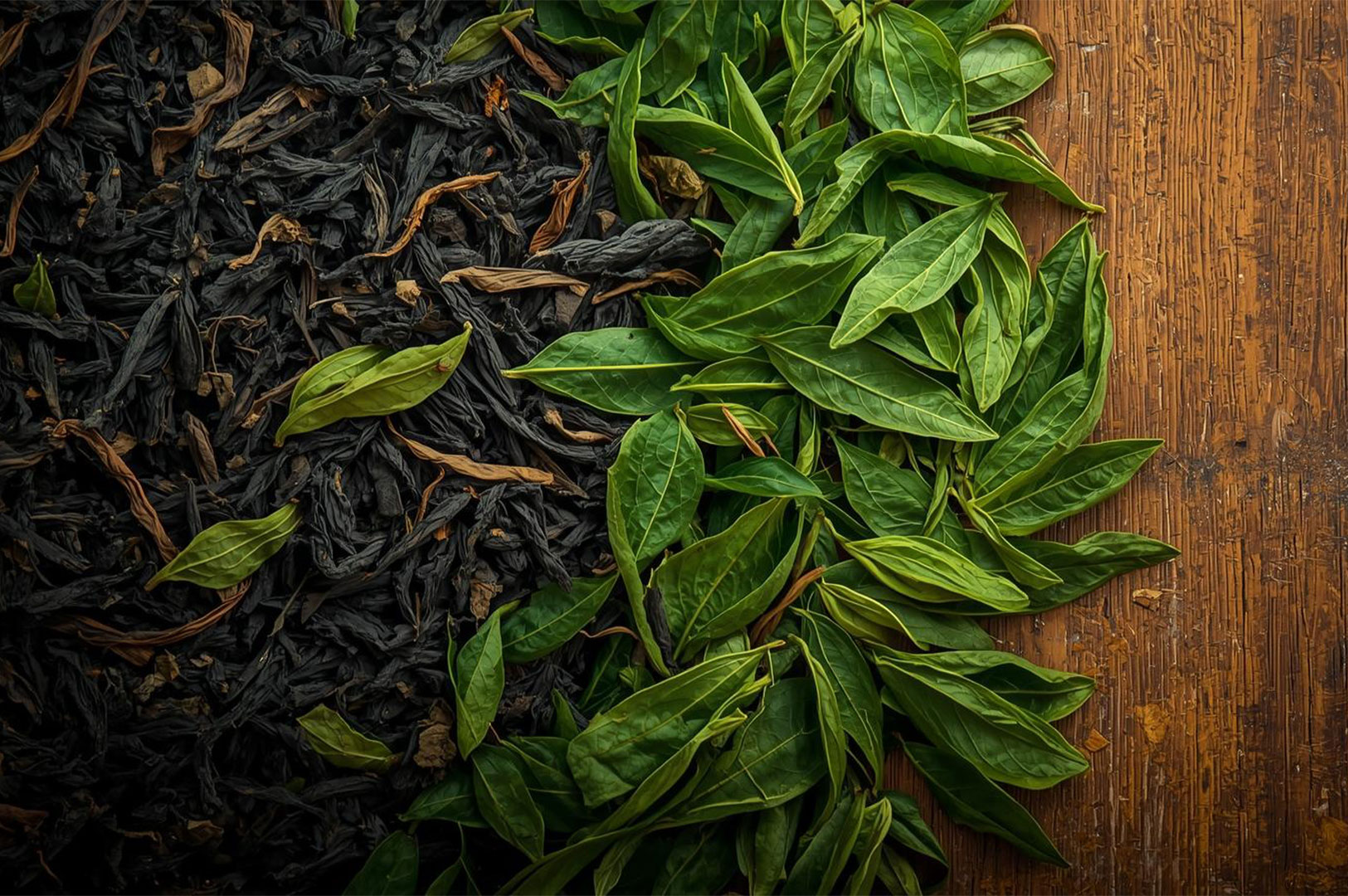
Pu erh teas are often compared to black teas and green teas, but their fermentation process sets them apart in both flavor and character. While black teas are fully oxidized, giving them a bold taste and dark color, and green teas are minimally oxidized to preserve their fresh, grassy notes, pu erh teas undergo microbial fermentation. This process, unique to pu erh, imparts a pronounced earthy flavor and a depth that continues to develop with age. Both raw pu erh and ripe pu erh teas offer a unique taste experience that differs from the lighter, vegetal notes of green teas and the malty richness of black teas. Compared to oolong teas, which are partially oxidized, pu erh teas stand out for their robust, earthy character and potential health benefits, making them a favorite among those seeking something truly distinctive in the world of tea.
Health Benefits of Pu Erh Tea
Pu erh tea has earned a reputation for its potential health benefits, making it a popular choice among health-conscious tea drinkers. The fermentation process involved in crafting pu erh tea is believed to produce unique compounds that support digestion, aid in weight management, and help reduce cholesterol levels. Rich in antioxidants, pu erh tea may also help protect the body from oxidative stress and support overall wellness.
Just as South American cultures turn to Yerba Mate for its energizing properties, pu erh has long been valued not only for its complex flavors but also for its ability to promote digestive health and assist in maintaining healthy cholesterol. For many, enjoying pu erh tea is as much about its health benefits as it is about savoring its rich, earthy taste.
Caffeine Content in Pu Erh Teas
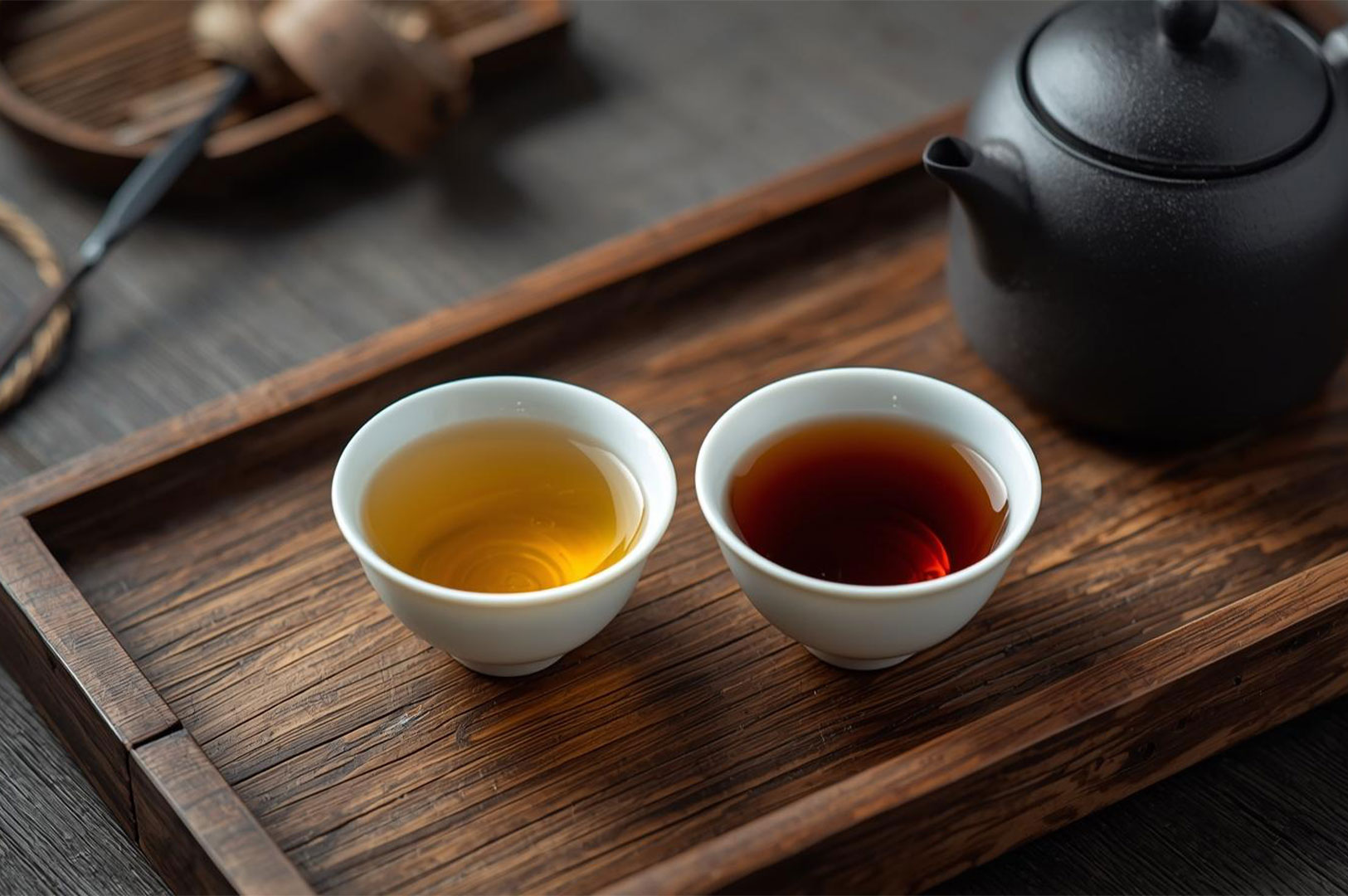
When it comes to caffeine, pu erh teas offer a moderate option for tea lovers. Generally, pu erh teas contain less caffeine than black tea, with most cups providing around 30-50 milligrams per 8-ounce serving. The fermentation process used in making pu erh tea can help break down some caffeine compounds, resulting in a smoother, less stimulating brew. This makes pu erh tea a suitable choice for those who are sensitive to caffeine or prefer to enjoy their tea throughout the day without the jitters. Whether you choose raw or ripe pu erh, you can savor the unique flavors and health benefits of this ancient tea with the added bonus of a gentler caffeine kick.
Brewing Pu Erh Tea: From Loose Leaf Tea to Pressed Tea Cakes
Among the world’s most famous blends, Earl Grey combines black tea with bergamot oil for a refreshing, citrusy twist. It demonstrates how tea blends elevate flavor, offering both tradition and innovation in a single cup.
Earl Grey is traditionally enjoyed in small cups, which help to enhance its aromatic qualities and provide a refined tea-tasting experience.
Brew Black Tea: How to Brew the Perfect Cup
To enjoy raw pu’er and ripe pu’er, tea drinkers often use the gongfu method.
- Rinse – Always rinse compressed tea cakes to awaken leaves.
- Hot Water – Boiling hot water is best; tea is made to endure it.
- Multiple Infusions – Both sheng pu erh and shou pu erh reveal complex and subtle flavors over many brews.
Compared to other teas like green tea or red tea (called red tea in Chinese characters), pu erh production creates a rare fermented tea with a unique cultivation process and evolving character.
Buying and Storing Raw Pu’er Tea and Shou Cha
- Samples First – Start with loose leaf tea or mini cakes.
- Quality Check – For ripened sheng pu erhs, ensure clean storage; for shou cha, seek clarity and no muddiness.
- Storage – Raw pu erh requires airflow and humidity to age; shou pu erh tea is stable once fully fermented.
Proper storage allows tea increases in value and depth, offering digestive support and other health benefits, similar to fermented foods.
Flavor Face-Off: Sheng Pu Erh vs. Shou Pu Erh
| Category | Sheng Pu’er (Raw Pu’er) | Shou Pu’er (Ripe Pu’er) |
|---|---|---|
| Fermentation | Natural fermentation, decades-long aging | Accelerated fermentation process, 45–60 days |
| Youth Profile | Bright, floral, bitter, vegetal | Smooth, dark, mellow, earthy |
| Aged Profile | Honeyed, woody, fruity aged tea | Stable, chocolatey, molasses |
| Mouthfeel | Vibrant, lingering sweetness | Creamy, velvety, grounding |
The Legacy of Pu Erh Tea in Chinese Tea Culture
Unlike other teas, pu erh tea is living and ever-changing. Whether you prefer the challenge of raw pu’er tea (sheng cha) or the immediate comfort of ripe pu’er (shu cha), both represent centuries of innovation in pu erh processing.
From sun drying leaves in Yunnan’s villages to the industrial wet piling of Kunming factories, this remarkable fermented tea bridges the ancient with the modern. Every cup tells a story of tea tree traditions, aging process, and the artistry of tea makers.
Your journey into the world of dark teas awaits—brew a session of sheng pu erh tea alongside shou pu erh tea, savor their subtle flavors, and discover the path that speaks most to your palate.

Stop Adding Sugar First: You’re Training Your Tongue Wrong
There is a habit I have noticed among tea drinkers. Sugar goes in before the first sip. Perhaps it is only a small spoonful. Perhaps two. But the tea is sweetened before it has been given a chance to introduce itself. I used to do this too. It seemed harmless. Tea was bitter, sugar made…
-
Is Tea a Diuretic? What Your Daily Cup Really Does for Hydration
Picture a sticky afternoon in Singapore. The kind where the air sits heavy on your shoulders and the walk from the MRT feels longer than it should. You reach for something cold. Maybe a teh peng from the drinks stall, ice clinking in a plastic cup. Maybe a bottle of green tea from the convenience…
-
Cold Brew Tea Isn’t Lazy, Hot Purists Just Don’t Like Being Wrong
I used to think cold brew tea was cheating. Not seriously, of course. But there was something about it that felt almost too easy. No kettle. No worrying about water temperature. No watching the clock while the leaves steep. Just tea, cold water, and a little patience. It seemed suspiciously effortless. Then I actually started…
-
A Taste of Taiwan in Every Pour: Yi Fang Taiwan Fruit Tea
There are drinks that catch your eye before you even take a sip. A tall cup, fruit pressed gently against the plastic, tea glowing amber underneath. Something about it feels right for a warm afternoon. Light. A little cheerful. Easy to carry. But if you slow down for a moment, some of those cups have…
-
Your Tea Isn’t Bitter—You’re Overbrewing It (And It’s Not Your Fault)
There is a particular disappointment that comes from making a cup of tea that tastes bitter. You choose the leaves carefully. You heat the water. You wait. Then the first sip arrives, and something feels wrong. For a long time, I assumed bitterness meant the tea itself was not very good. Perhaps the leaves were…
-
When Tea Meets Tropical: 5 Fruit Teas in Singapore to Try
There’s a specific kind of Singapore afternoon. The air feels thick, your shirt clings a little, and every mall entrance feels like a reward. On days like that, I don’t want anything heavy. I want something cold, bright, and full of fruit, but still recognizably tea. That’s where fruit teas come in. In Singapore, they’ve…
-
Temperature Rules Are Overblown: The Real Brewing Variable Nobody Mentions
I used to think making tea required a thermometer. Not literally, perhaps, but almost. Every tea seemed to have a number attached to it. Green tea at this temperature. Oolong at another. Black tea a little hotter. Too hot and you had apparently ruined everything. For a while, I took these rules quite seriously. Then…
-
Afternoon Tea at Prada Caffè ION Orchard: A Green Room, a Pale-Blue Cup
Afternoon tea has always been about the pause for me. Not the tiers or the silverware. Just the moment when the cup is set down, the steam rises, and everything outside seems to slow a little. So I wondered what a pause would feel like inside a fashion house. One floor above Orchard Road, past…
-
A Love Letter to Oolong: The In-Between That Changed My Mind
I did not understand oolong when I first encountered it. It seemed unnecessarily complicated. Green tea was green tea. Black tea was black tea. I understood where they stood. Oolong seemed determined to remain somewhere in between. Perhaps that was what initially kept me from appreciating it. Over time, however, I began to realise that…
-
Tea from Assam: The Geography, Craft, and Character Behind the Brew
The colour arrives first. A deep amber that darkens towards red as the tea leaves give up their strength. Then comes the aroma. It is warm and rounded, often compared to malt or the crust of fresh bread. The first sip has weight. It fills the mouth with a rich body and leaves a slight,…