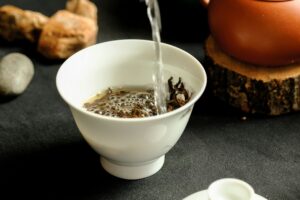
There are certain smells that bring us somewhere else before we even realise it.
The scent of rain on warm pavement. A familiar perfume. The food someone used to make when we were younger.
For me, tea belongs in that category.
Sometimes, before I even take a sip, the aroma is enough to bring back a moment I had forgotten. A quiet morning before the day became busy. An afternoon conversation that lasted longer than expected. A cup shared with someone who is no longer nearby.
It is strange how something as simple as steeped leaves can hold so much memory.
I think that is one of the reasons I continue returning to tea.
Not every cup is extraordinary. Most of them are not. Some are made quickly between tasks. Some are forgotten on the table until they become cold. Some are brewed simply because there happens to be a kettle nearby.
But those cups still matter.
We often talk about tea through its flavours. Floral notes. Roasted aromas. A lingering sweetness. These details are wonderful, and they help us understand the craft behind each leaf.
But sometimes, the most meaningful part of tea has nothing to do with taste.
It is about association.
A certain tea becomes the one we drink during difficult weeks. Another becomes connected to a particular home, a particular person, or a particular stage of life.
Over time, the tea becomes more than a drink.
It becomes a marker of where we have been.
I find this especially interesting because tea is such a quiet ritual. It does not announce itself. It does not demand that we stop everything and pay attention. It simply sits beside us, waiting.
The kettle boils.
The leaves open.
The room begins to smell familiar.
And somehow, for a few minutes, we feel a little more grounded.
Perhaps that is why people often say they have a favourite tea, even when there are countless better-known or more expensive options available. A favourite tea is rarely chosen only because of quality.
Sometimes, it is chosen because of everything that came with it.
The conversations.
The seasons.
The memories we did not realise we were collecting.
Maybe that is the quiet gift of tea.
It does not only give us something to drink.
It gives us something to return to.
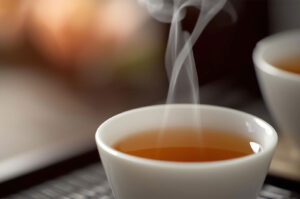
So the next time you prepare a cup, take a moment before the first sip. Notice the scent rising from the cup. Notice what it reminds you of.
You might be surprised by where it takes you.
— Maria Tan
On tea, culture, and everyday rituals.

Seasonal Aesthetics in the Korean Tea Ceremony: Reflecting Nature’s Rhythm and Subtle Beauty
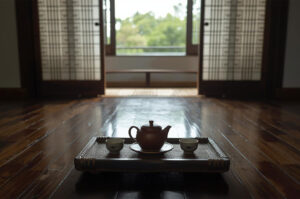
Imagine sitting in a quiet, sunlit hanok-a traditional Korean house-its polished wooden floors warm beneath you. Before you rests a simple tea tray adorned with earthenware cups and a graceful teapot, each featuring intricate designs that showcase the detailed craftsmanship and artistry of Korean teaware. Outside, a soft breeze carries the aroma of blossoming flowers….
-
The Samovar’s Role in Russian Tea Culture: How This Unique Device Shaped Russian Tea Tradition
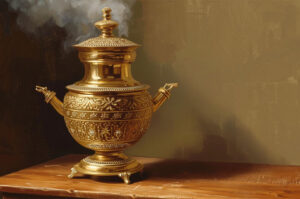
Picture a cozy room in the heart of a Russian winter, snow blanketing the world outside. Inside, at the center of a family table, stands a gleaming metal urn, steam gently puffing from its chimney. This is the samovar-the traditional self-boiler that has shaped Russian tea culture for centuries. More than a tool to heat…
-
The Art of Pouring: Height, Froth, and Hospitality in Moroccan Tea Service
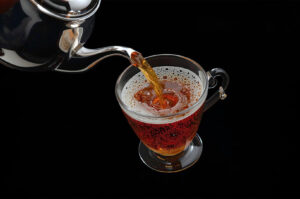
Imagine this: you’re seated on low cushions in a Marrakech riad, surrounded by patterned tiles and the scent of spices wafting through the air. Your host approaches with a polished silver teapot, or berrad, holding it high above a small glass. A thin stream of steaming green tea flows gracefully, landing perfectly in an ornate…
-
British Tea Traditions: Beyond Cucumber Sandwiches and Modern Tea Accompaniments
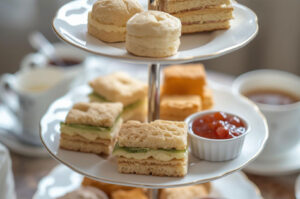
The ritual of British tea-especially the celebrated afternoon tea-conjures a very specific image: tiered cake stands laden with delicate finger sandwiches, fluffy scones, and exquisite cakes. This cherished tradition, born in the 1840s, is often attributed to Anna, the seventh Duchess of Bedford, who sought a small meal to bridge the long gap between lunch…
-
The Dance of Aroma: Appreciating Tea Through All Senses in Gongfu Cha
Imagine a wisp of steam carrying the scent of orchids from a tiny tea cup, a fragrance so vivid it transports you to a misty mountainside in China. This sensory immersion lies at the heart of the gongfu cha method, the traditional Chinese tea ceremony where every movement, from handling the tea leaves to pouring…
-
Japanese Tea Ceremony Principles: Harmony, Respect, Purity, and Tranquility
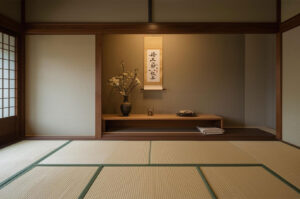
In a quiet tea room, a host moves with deliberate grace. The sound of hot water being ladled from an iron pot fills the air. This is the Japanese tea ceremony, known as Chanoyu or the Way of Tea, an art form that transforms the simple act of drinking tea into a profound experience. Far…
-
Beyond Chamomile: Exploring Lesser-Known Herbal Infusions from Around the World
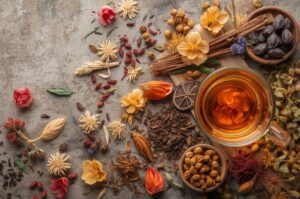
Tea is one of the most popular drinks worldwide, cherished for centuries as much for its taste as for its role in tradition and culture. While many people immediately think of green tea, black tea, or perhaps a steaming mug of mint tea, the spectrum of herbal infusions—blends using various herbs, fruits, and flowers—offers countless…
-
Raw vs. Ripe: Understanding the Two Paths of Pu Erh Processing
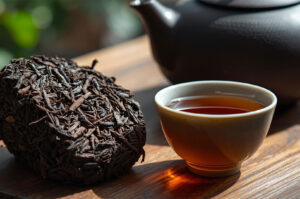
In the vast and ancient world of Chinese tea, few categories carry as much mystery and prestige as pu erh tea. Pu’er tea is renowned for its unique fermentation and aging techniques, which not only develop its complex flavor profiles but also contribute to its cultural significance and traditional production methods. Unlike most teas such…

From Keemun to Darjeeling: A Global Tour of Premium Black Teas
Black tea is more than just a morning ritual; it’s a global phenomenon steeped in rich history, cultural significance, and craftsmanship. From the misty mountains of India to the ancient gardens of China, each cup tells a story of its origin, flavor, and tradition. Throughout history, brewed tea has been cherished in various cultures, with…
-
Understanding Oolong Tea Oxidation Levels: The Spectrum of Oxidation in Tea Classification
When you step into the world of tea, you quickly learn about the main categories: white, green, oolong, and black. For many, green tea is fresh and vegetal, while black tea is bold and malty. But what about oolong? This category seems to defy easy definition, with some oolongs tasting light and floral like a…