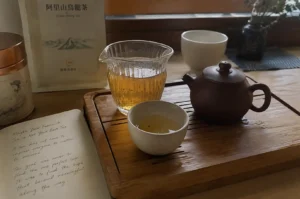
Imagine sitting in a quiet, sunlit hanok—a traditional Korean house—its polished wooden floors warm beneath you. Before you rests a simple tea tray adorned with earthenware cups and a graceful teapot, each featuring intricate designs that showcase the detailed craftsmanship and artistry of Korean teaware. Outside, a soft breeze carries the aroma of blossoming flowers. Your host moves with calm precision, measuring green tea leaves with a delicate tea scoop, pouring hot water with care, and whisking the tea into a jade-colored froth. Each motion feels intentional—an act of harmony, balance, and reverence for nature. The ceremony is centered around enjoying tea in a mindful, deliberate manner, focusing on the tranquil and reflective experience that elevates each sip into a moment of contemplation.
This serene experience captures the essence of the Korean tea ceremony (darye, 다례), a centuries-old practice within Korean tea culture that embodies etiquette, mindfulness, and respect for the natural world. Korean tea ceremonies are traditional cultural practices with historical roots and ritual significance, reflecting the heritage and values of Korea. More than just drinking tea, the ceremony represents deep cultural significance—a reminder that tea is not just a beverage, but a way of appreciating beauty, simplicity, and the present moment.
A Legacy of Simplicity in Korean Tea Culture: From Buddhist Temples to the Joseon Dynasty
The history of the Korean tea ceremony stretches back over a thousand years, beginning in Buddhist temples during the Silla Kingdom (57 BCE–935 CE). Monks used tea as a meditative aid, helping them maintain focus and inner peace during long hours of reflection.
During the Goryeo Dynasty, tea preparation evolved into a refined ritual celebrated by the royal court and aristocrats. However, under the Joseon Dynasty, with its Confucian focus on modesty and restraint, elaborate tea practices declined. Tea drinking retreated into monastic life, where monks quietly preserved its traditions.
Over the centuries, a wide range of Korean teas and tea varieties developed, each with unique flavors and cultural significance, reflecting the richness and depth of Korean tea traditions.
In the 20th century, figures such as the monk Hyodang revitalized Korean tea culture, emphasizing simplicity, natural materials, and subtle beauty. In contrast to the Japanese tea ceremony, which follows strict, formalized brewing techniques, the Korean tea ceremony embraces a relaxed, fluid rhythm—one that mirrors the gentle flow of nature.
Tea Preparation and Equipment: The Artistry of Tools and Ritual

In the heart of the Korean tea ceremony, the art of tea preparation unfolds as a quiet celebration of mindfulness and subtle beauty. Whether in a traditional Korean house or a modern tea house, every step is guided by a deep respect for nature and the desire to create a peaceful atmosphere. The tea master’s hands move with gentle precision, selecting the finest green tea leaves—often nokcha, prized for its delicate flavor and health benefits—and measuring them with a slender tea scoop crafted from wood or bamboo.
The brewing process is a meditative experience, where attention to detail transforms the simple act of making tea into a moment of harmony. Hot water is heated to just the right temperature, never rushed, to coax out the tea’s essence without bitterness. The teapot, often made from Korean ceramic ware, is chosen not only for its beauty but for its ability to distribute heat evenly, ensuring that each cup reveals the full aroma and taste of the tea leaves. The tea container, tea tray, and small cups—each fashioned from natural materials—reflect the Korean tradition of finding elegance in simplicity and a sense of connection to the natural world.
Unlike the formal etiquette and precise movements of the Japanese tea ceremony, the Korean tea ceremony embraces a more relaxed and fluid approach. Here, the focus is not on perfection, but on creating a serene ambiance where guests can appreciate the present moment. The tea master’s role is to guide the brewing techniques with quiet confidence, allowing the ceremony to flow naturally and inviting guests to savor the subtle flavors and textures of the tea.
As the tea is poured into small cups, the senses are awakened—the gentle steam rising, the earthy aroma filling the air, the first sip revealing layers of taste that speak of the land and the season. Each element, from the tea scoop to the teapot, is chosen with care, not only for its function but for its ability to create a sense of harmony and beauty.
A Ceremony for Every Season: The Beauty of Nature’s Rhythm
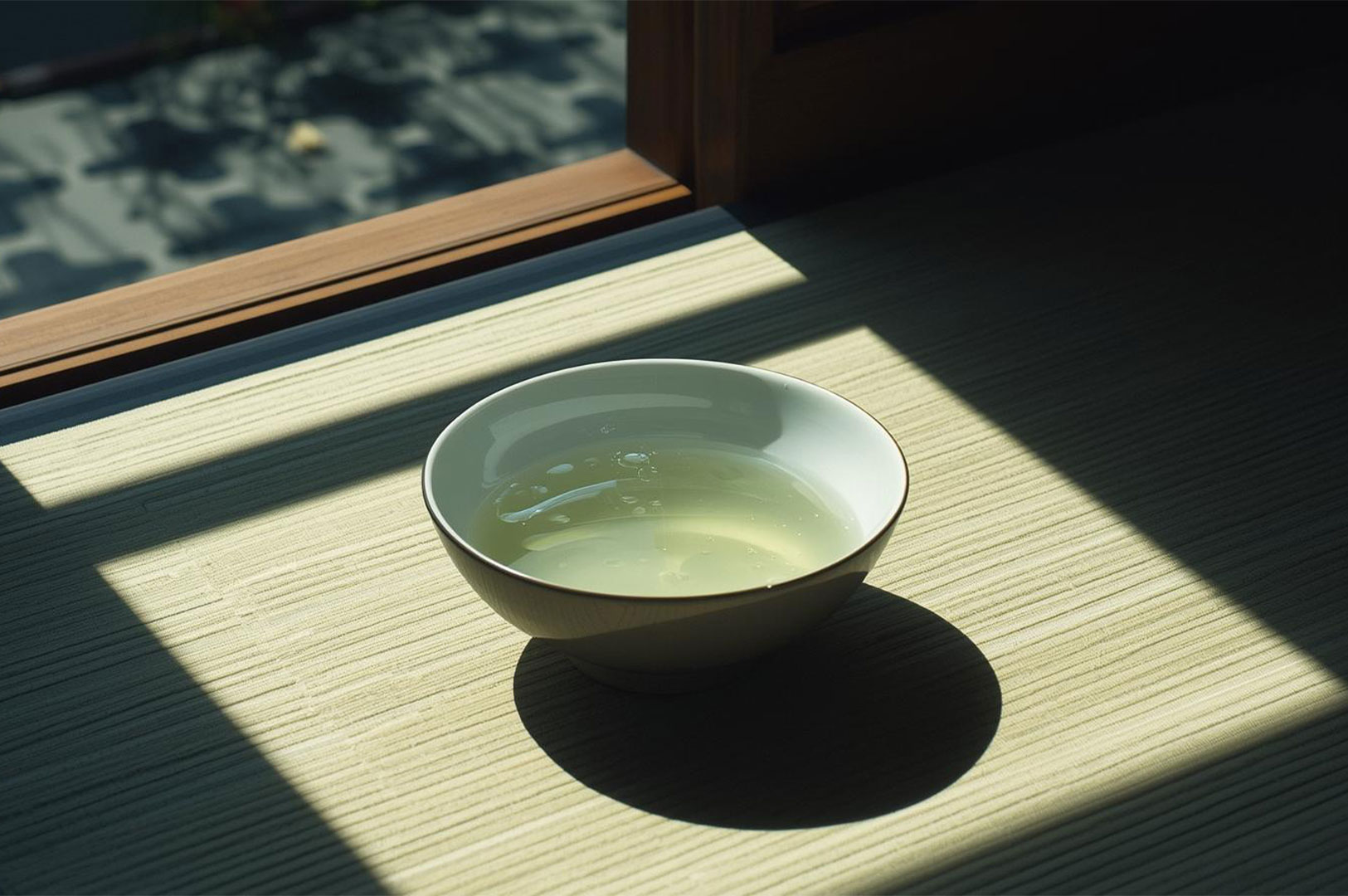
The tea ceremony in Korean culture is inseparable from the four seasons of Korea. From the type of tea leaves to the choice of teapot, tea container, and room décor, each element changes to reflect nature’s rhythm. Through these details, the tea master creates a serene ambiance that celebrates harmony between humans and the environment.
Spring Tea Ceremony: The Awakening of Nature and the Essence of Renewal
Spring marks the beginning of life’s renewal—a time of soft light and fragrant blossoms.
The Tea: The ujeon (before the rain) green tea is harvested from the year’s first tea leaves. Its light, sweet taste captures spring’s vitality.
The Teaware: Celadon-glazed pottery in delicate hues of blue and green reflects the sky and budding plants.
The Atmosphere: A single plum or cherry branch decorates the tea tray, reminding guests of nature’s fragile beauty.
The ceremony becomes a meditative experience, celebrating rebirth and the simple act of appreciating tea.
Summer Tea Ceremony: A Serene Experience of Coolness and Calm
As South Korea’s summer heat intensifies, the tea master creates a peaceful atmosphere of cool repose.
The Tea: Green tea remains popular, often served at lower water temperature or chilled as malcha (powdered green tea). Barley tea (bori cha) may also appear, known for its refreshing health benefits.
The Teaware: Thin white porcelain and bamboo accessories evoke freshness and purity. Wide, shallow small cups allow the tea to cool gently.
The Atmosphere: Light snacks such as fruit or translucent jellies accompany the drink. A woven fan or open window completes the serene experience.
Autumn Tea Ceremony: The Cultural Significance of Harvest and Reflection
Autumn in Korea brings golden leaves, crisp air, and moments of reflection on abundance and change.
The Tea: Fermented teas (balhyocha) are favored for their rich aroma and deep amber hue, their taste mirroring the season’s earthy warmth.
The Teaware: Rustic pottery in browns, reds, and ochres reflects the land’s harvest colors. The natural materials and rough textures embrace imperfection and subtle beauty.
The Atmosphere: The tea tray may hold a persimmon, a handful of chestnuts, or maple leaves. The mood invites guests to enjoy tea while contemplating the sense of impermanence.
Winter Tea Ceremony: Finding Warmth in Stillness
Winter’s tea preparation emphasizes comfort, stillness, and reflection.
The Tea: Black tea or deeply fermented balhyocha provides warmth and grounding energy. These teas are rich, sweet, and soothing.
The Teaware: Thick, dark earthenware retains heat, and small cups encourage slow tea drinking.
The Atmosphere: A candle flickers beside the teapot. Traditional sweets like yakgwa (honey cookies) accompany the drink.
Modern Keepers of Korean Tea: Living Traditions in Today’s Fast-Paced World
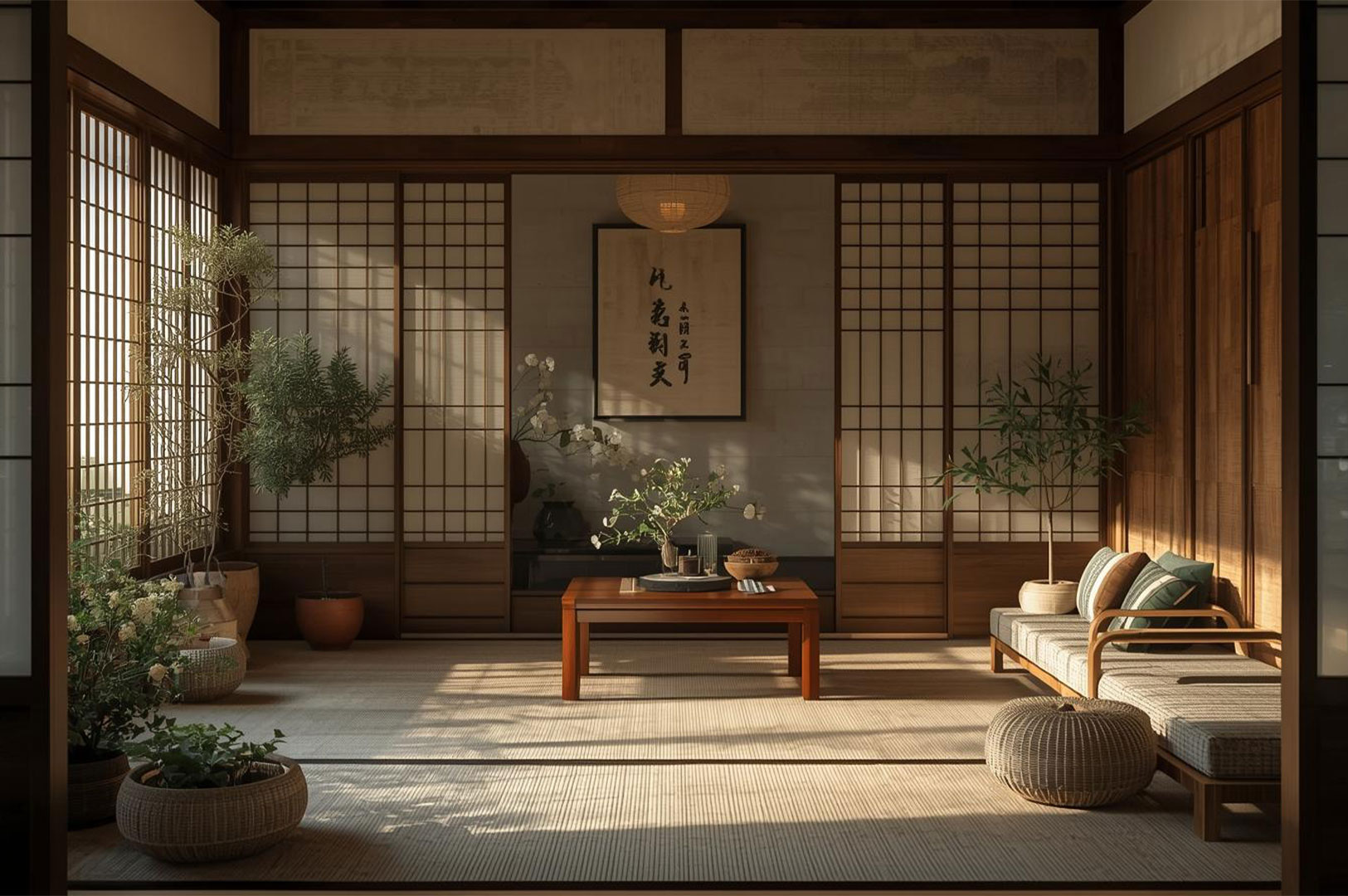
Even in today’s fast-paced world, tea masters like Hong Kyeong-hee emphasize that the Korean tea ceremony is not about rigid rules, but about cultivating harmony. “When we prepare tea,” she says, “we are tasting the season itself.”
Across South Korea, tea houses (chatjip) preserve this heritage, inviting visitors to discover the cultural significance of tea drinking through private tours and workshops. Some tea houses are found within traditional Korean houses, offering guests the full sensory experience—the aroma of green tea, the serene ambiance of wood and clay, and the simple pleasure of shared silence.
Those seeking a deeper understanding can also explore Buddhist temple tea ceremonies, where monks practice ancient tea preparation rituals as part of meditation. These settings highlight the health benefits and spiritual nourishment that come from mindful tea drinking.
Beyond the Korean Tea Ceremony: Connections with Other Tea Ceremonies and Global Traditions
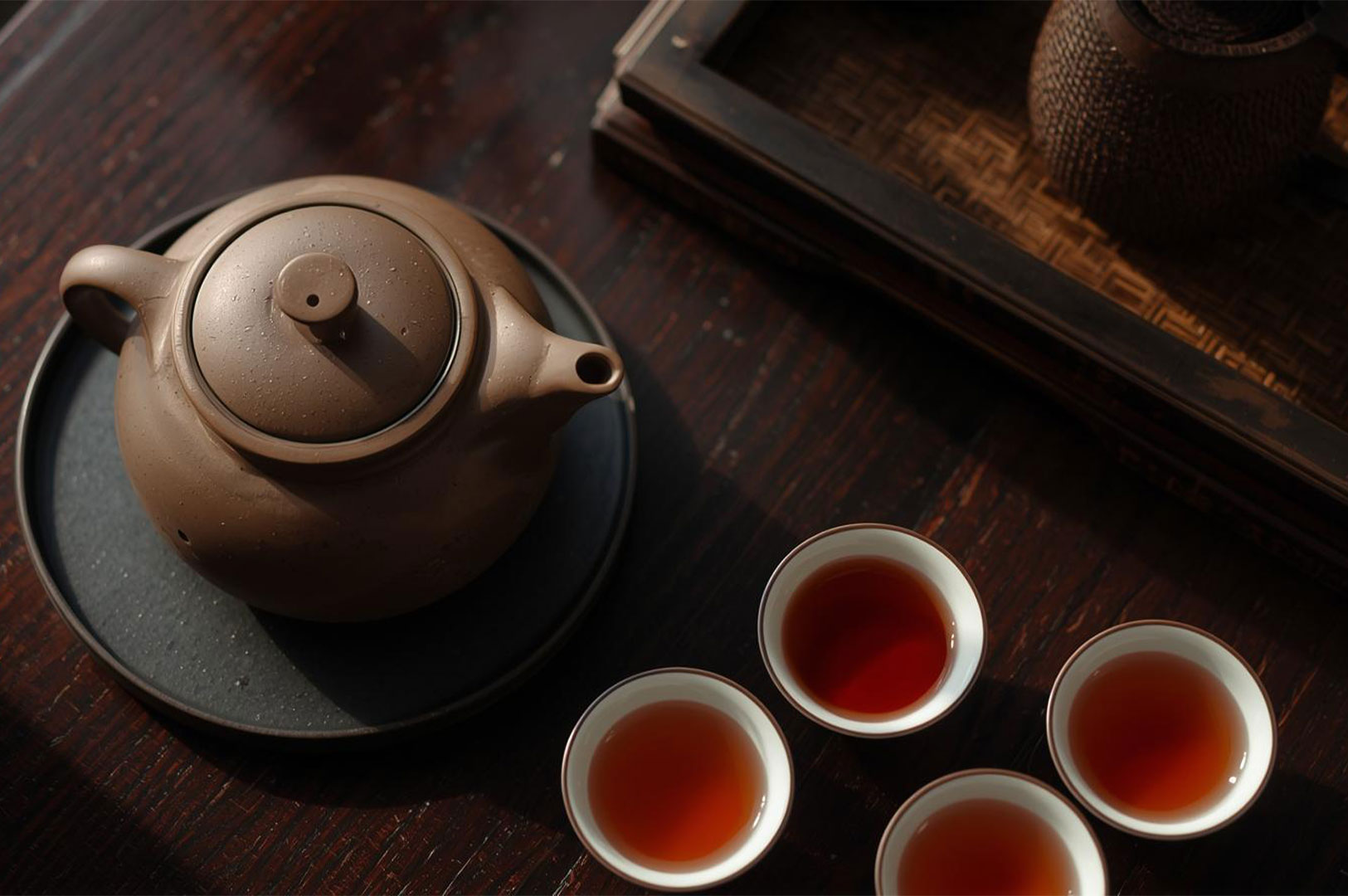
While the Korean tea ceremony shares its meditative roots with other tea ceremonies—such as China’s gong fu cha or Japan’s Japanese tea ceremony—it remains distinct in its sense of relaxed grace.
Japanese Tradition: Emphasizes precision, formality, and aesthetic control.
Chinese Gong Fu Cha: Focuses on the brewing process and mastery of brewing techniques.
Korean Tradition: Centers on natural flow, harmony, and appreciation for subtle beauty over perfection.
All three traditions, however, share one essence—the belief that drinking tea connects humans with nature, mindfulness, and each other.
Other global tea cultures—from India’s masala chai and Kenyan black teas to Taiwan’s Dong Ding oolong and Thailand’s oolong revolution—share the same devotion to nature and mindfulness, though expressed in unique local ways.
Finding Inner Peace and a Deeper Appreciation in Everyday Life
The Korean tea ceremony offers timeless wisdom for modern living. You need not be a tea master to embrace its lessons. In your daily life, you can find deeper appreciation for the simple act of making tea.
Choose a cup that suits the season, pay attention to the aroma and taste, and take a moment to breathe. Allow the peaceful atmosphere of this small ritual to anchor you in the present moment.
In doing so, you carry forward a Korean tradition that celebrates beauty, harmony, and the gentle flow of time—reminding us that even the smallest act, like brewing tea, can awaken well-being and a lasting sense of connection to the world around us.

Maybe Your Favourite Tea Is Not Your Best Tea
I have a tea sitting in my cupboard that I would never call my “best” tea. It is not the rarest. It is not the most expensive. It does not come with an impressive story about ancient tea trees, remote mountains, or a limited harvest. And yet, I drink it more often than almost anything…
-
Clipper Tea Review: Does the Packaging Match the Pour?
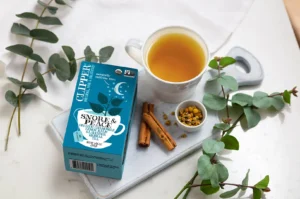
There’s a box of Clipper Tea that’s lived in my cupboard longer than most of my mugs. I didn’t plan to buy it. I was standing in the tea aisle, tired, half-decided on something familiar, when the colour caught me. Bright, cheerful, a little hand-drawn looking. So I brought it home. And I’ve been drinking…
-
Hear Me Out, Tea Does Not Need to Be Serious All the Time
There is something I have noticed about tea culture. We take tea very seriously. Perhaps too seriously. We discuss origins, processing methods, brewing temperatures, and the history behind every leaf. We debate whether a tea should be enjoyed in a certain way. We carefully consider the correct vessel, the right water, and the ideal environment….
-
Red Bush Tea: The Tea That Does Not Need to Shout
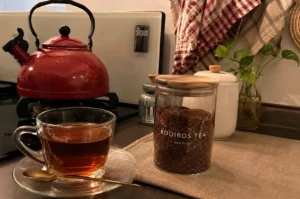
There is a red pot in my mother’s kitchen that only comes out in the evening. By then the coffee has done its work and gone quiet. The day has loosened. She fills the kettle, drops in a spoonful of something the colour of dried autumn, and lets it sit while she tidies the last…
-
Hear Me Out: High Tea Is Overrated
Hear me out: high tea is one of the most convincing ways we have found to make snacking feel important. I understand the appeal. The room is polished, the cups are delicate, and everything arrives in miniature. There is something satisfying about sitting down in the middle of the afternoon and behaving as though time…
-
Where Tea Is Given Time to Speak: Anteasocial Review
I almost walked past it. Owen Road Singapore doesn’t announce much. A quiet stretch, low buildings, the kind of road you pass through on the way to somewhere louder. Then there it was, unassuming, just numbers on a wall: 117. Anteasocial is a contemporary Oriental specialty teahouse in Singapore, and if you’re looking for a…
-
A Table Set for Stillness: Inside Antea Social’s Quiet Tea Ritual
Luxury usually announces itself before we have time to question it. It arrives through marble lobbies, silver stands and tiny sandwiches placed in strict formation. Antea Social offers a quieter argument. This is not afternoon tea in the familiar hotel sense. There is no grand procession of pastries or waiter lifting a polished lid. Instead,…
-
9 High Tea in Orchard Places for Scones, Tea, and a Quiet Afternoon
There is a particular kind of tiredness that comes from Orchard Road. Not the tiredness of a hard day, but the softer sort, the ache of too many shopfronts, too much bright glass, too many people moving faster than you feel like moving. And somewhere in the middle of all that, if you know where…
-
High Tea Orchard: Why the City Still Does It Best
It is easy to dismiss high tea in Orchard as an expensive pause between shopping bags. The tiered stands are photogenic, the hotel lounges polished, and the prices increasingly difficult to defend. ome scones arrive dry. Some savouries feel like banquet food made miniature. Some desserts are designed more for cameras than appetite. Still, Orchard…
-
McDonald’s Queensway Ridout Tea Garden Review: What It Is Like Dining in a Heritage Setting
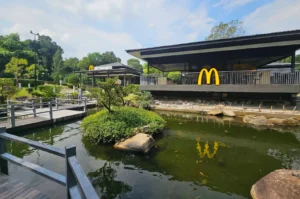
I did not expect to find quiet at a McDonald’s Queensway Ridout Tea Garden outlet. But there I was, standing outside the McDonald’s outlet at 580 Queensway, listening to the water instead of the traffic. A much loved pond sat just beyond the glass, surrounded by stone lanterns and trees leaning over it. Somewhere behind…