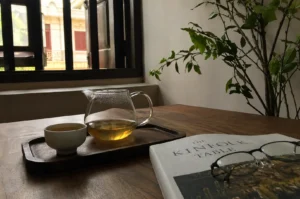
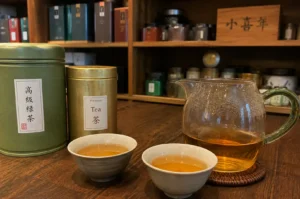
Imagine sitting in a quiet, sunlit hanok—a traditional Korean house—its polished wooden floors warm beneath you. Before you rests a simple tea tray adorned with earthenware cups and a graceful teapot, each featuring intricate designs that showcase the detailed craftsmanship and artistry of Korean teaware. Outside, a soft breeze carries the aroma of blossoming flowers. Your host moves with calm precision, measuring green tea leaves with a delicate tea scoop, pouring hot water with care, and whisking the tea into a jade-colored froth. Each motion feels intentional—an act of harmony, balance, and reverence for nature. The ceremony is centered around enjoying tea in a mindful, deliberate manner, focusing on the tranquil and reflective experience that elevates each sip into a moment of contemplation.
This serene experience captures the essence of the Korean tea ceremony (darye, 다례), a centuries-old practice within Korean tea culture that embodies etiquette, mindfulness, and respect for the natural world. Korean tea ceremonies are traditional cultural practices with historical roots and ritual significance, reflecting the heritage and values of Korea. More than just drinking tea, the ceremony represents deep cultural significance—a reminder that tea is not just a beverage, but a way of appreciating beauty, simplicity, and the present moment.
A Legacy of Simplicity in Korean Tea Culture: From Buddhist Temples to the Joseon Dynasty
The history of the Korean tea ceremony stretches back over a thousand years, beginning in Buddhist temples during the Silla Kingdom (57 BCE–935 CE). Monks used tea as a meditative aid, helping them maintain focus and inner peace during long hours of reflection.
During the Goryeo Dynasty, tea preparation evolved into a refined ritual celebrated by the royal court and aristocrats. However, under the Joseon Dynasty, with its Confucian focus on modesty and restraint, elaborate tea practices declined. Tea drinking retreated into monastic life, where monks quietly preserved its traditions.
Over the centuries, a wide range of Korean teas and tea varieties developed, each with unique flavors and cultural significance, reflecting the richness and depth of Korean tea traditions.
In the 20th century, figures such as the monk Hyodang revitalized Korean tea culture, emphasizing simplicity, natural materials, and subtle beauty. In contrast to the Japanese tea ceremony, which follows strict, formalized brewing techniques, the Korean tea ceremony embraces a relaxed, fluid rhythm—one that mirrors the gentle flow of nature.
Tea Preparation and Equipment: The Artistry of Tools and Ritual

In the heart of the Korean tea ceremony, the art of tea preparation unfolds as a quiet celebration of mindfulness and subtle beauty. Whether in a traditional Korean house or a modern tea house, every step is guided by a deep respect for nature and the desire to create a peaceful atmosphere. The tea master’s hands move with gentle precision, selecting the finest green tea leaves—often nokcha, prized for its delicate flavor and health benefits—and measuring them with a slender tea scoop crafted from wood or bamboo.
The brewing process is a meditative experience, where attention to detail transforms the simple act of making tea into a moment of harmony. Hot water is heated to just the right temperature, never rushed, to coax out the tea’s essence without bitterness. The teapot, often made from Korean ceramic ware, is chosen not only for its beauty but for its ability to distribute heat evenly, ensuring that each cup reveals the full aroma and taste of the tea leaves. The tea container, tea tray, and small cups—each fashioned from natural materials—reflect the Korean tradition of finding elegance in simplicity and a sense of connection to the natural world.
Unlike the formal etiquette and precise movements of the Japanese tea ceremony, the Korean tea ceremony embraces a more relaxed and fluid approach. Here, the focus is not on perfection, but on creating a serene ambiance where guests can appreciate the present moment. The tea master’s role is to guide the brewing techniques with quiet confidence, allowing the ceremony to flow naturally and inviting guests to savor the subtle flavors and textures of the tea.
As the tea is poured into small cups, the senses are awakened—the gentle steam rising, the earthy aroma filling the air, the first sip revealing layers of taste that speak of the land and the season. Each element, from the tea scoop to the teapot, is chosen with care, not only for its function but for its ability to create a sense of harmony and beauty.
A Ceremony for Every Season: The Beauty of Nature’s Rhythm
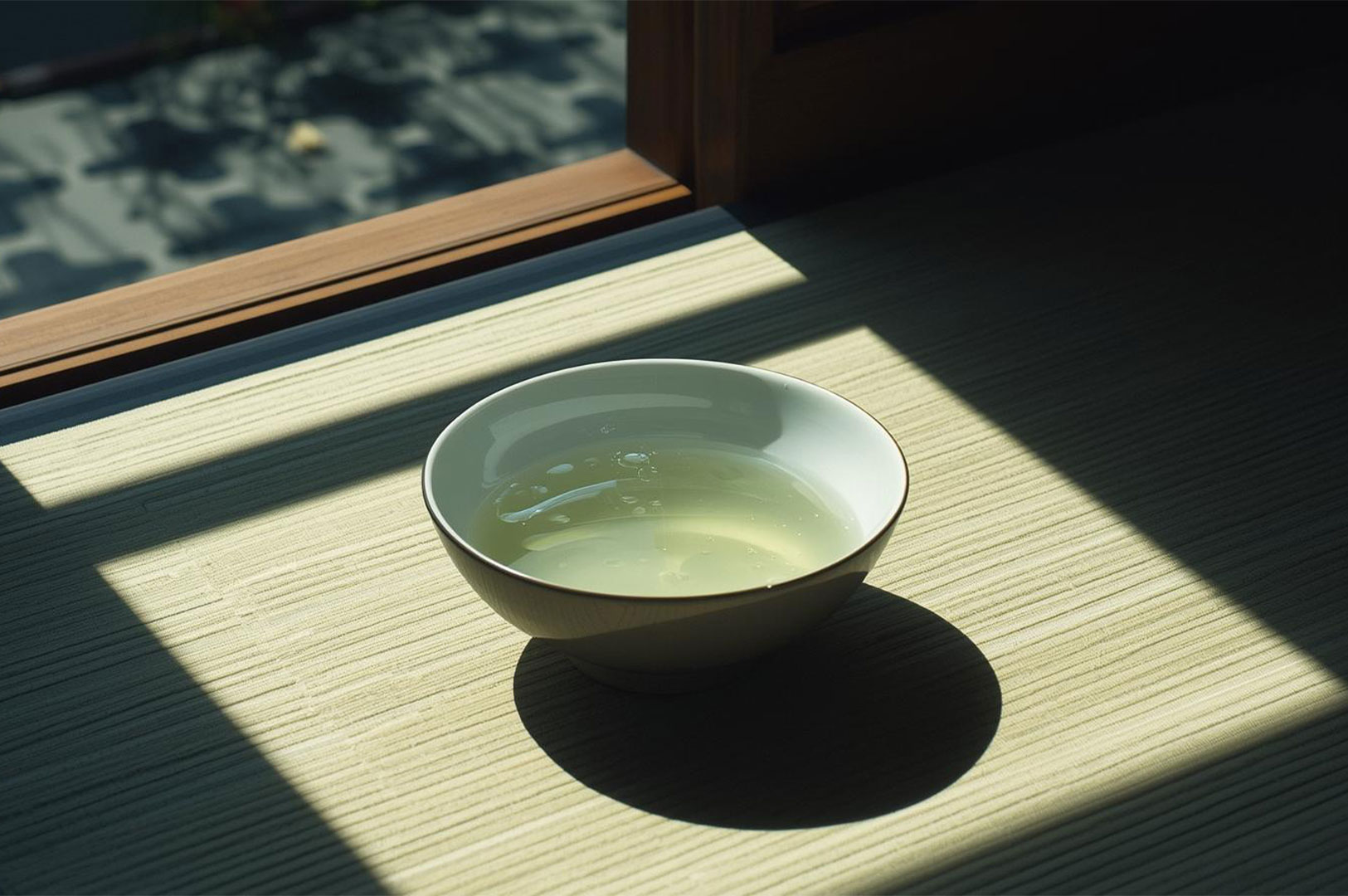
The tea ceremony in Korean culture is inseparable from the four seasons of Korea. From the type of tea leaves to the choice of teapot, tea container, and room décor, each element changes to reflect nature’s rhythm. Through these details, the tea master creates a serene ambiance that celebrates harmony between humans and the environment.
Spring Tea Ceremony: The Awakening of Nature and the Essence of Renewal
Spring marks the beginning of life’s renewal—a time of soft light and fragrant blossoms.
The Tea: The ujeon (before the rain) green tea is harvested from the year’s first tea leaves. Its light, sweet taste captures spring’s vitality.
The Teaware: Celadon-glazed pottery in delicate hues of blue and green reflects the sky and budding plants.
The Atmosphere: A single plum or cherry branch decorates the tea tray, reminding guests of nature’s fragile beauty.
The ceremony becomes a meditative experience, celebrating rebirth and the simple act of appreciating tea.
Summer Tea Ceremony: A Serene Experience of Coolness and Calm
As South Korea’s summer heat intensifies, the tea master creates a peaceful atmosphere of cool repose.
The Tea: Green tea remains popular, often served at lower water temperature or chilled as malcha (powdered green tea). Barley tea (bori cha) may also appear, known for its refreshing health benefits.
The Teaware: Thin white porcelain and bamboo accessories evoke freshness and purity. Wide, shallow small cups allow the tea to cool gently.
The Atmosphere: Light snacks such as fruit or translucent jellies accompany the drink. A woven fan or open window completes the serene experience.
Autumn Tea Ceremony: The Cultural Significance of Harvest and Reflection
Autumn in Korea brings golden leaves, crisp air, and moments of reflection on abundance and change.
The Tea: Fermented teas (balhyocha) are favored for their rich aroma and deep amber hue, their taste mirroring the season’s earthy warmth.
The Teaware: Rustic pottery in browns, reds, and ochres reflects the land’s harvest colors. The natural materials and rough textures embrace imperfection and subtle beauty.
The Atmosphere: The tea tray may hold a persimmon, a handful of chestnuts, or maple leaves. The mood invites guests to enjoy tea while contemplating the sense of impermanence.
Winter Tea Ceremony: Finding Warmth in Stillness
Winter’s tea preparation emphasizes comfort, stillness, and reflection.
The Tea: Black tea or deeply fermented balhyocha provides warmth and grounding energy. These teas are rich, sweet, and soothing.
The Teaware: Thick, dark earthenware retains heat, and small cups encourage slow tea drinking.
The Atmosphere: A candle flickers beside the teapot. Traditional sweets like yakgwa (honey cookies) accompany the drink.
Modern Keepers of Korean Tea: Living Traditions in Today’s Fast-Paced World
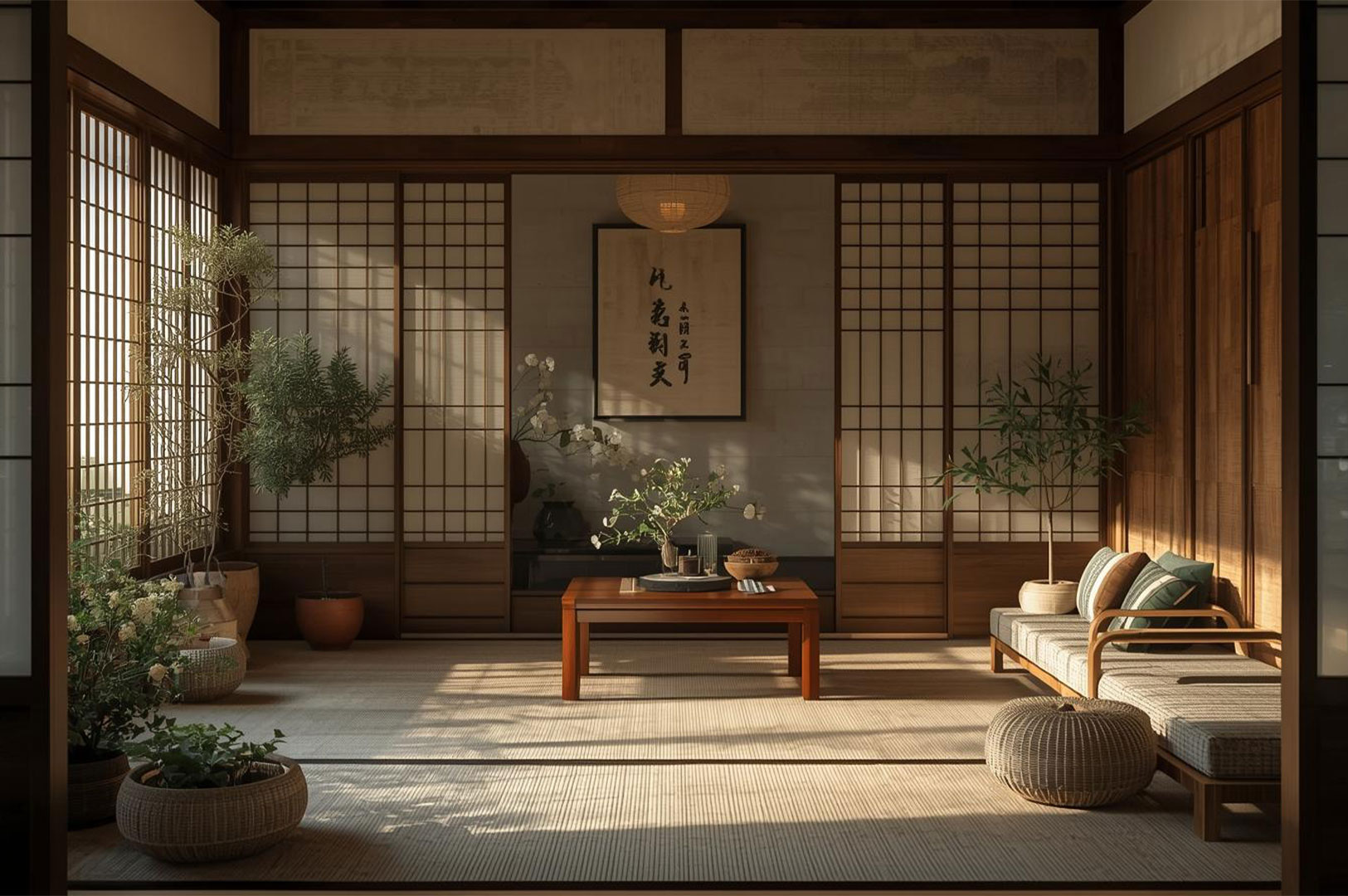
Even in today’s fast-paced world, tea masters like Hong Kyeong-hee emphasize that the Korean tea ceremony is not about rigid rules, but about cultivating harmony. “When we prepare tea,” she says, “we are tasting the season itself.”
Across South Korea, tea houses (chatjip) preserve this heritage, inviting visitors to discover the cultural significance of tea drinking through private tours and workshops. Some tea houses are found within traditional Korean houses, offering guests the full sensory experience—the aroma of green tea, the serene ambiance of wood and clay, and the simple pleasure of shared silence.
Those seeking a deeper understanding can also explore Buddhist temple tea ceremonies, where monks practice ancient tea preparation rituals as part of meditation. These settings highlight the health benefits and spiritual nourishment that come from mindful tea drinking.
Beyond the Korean Tea Ceremony: Connections with Other Tea Ceremonies and Global Traditions
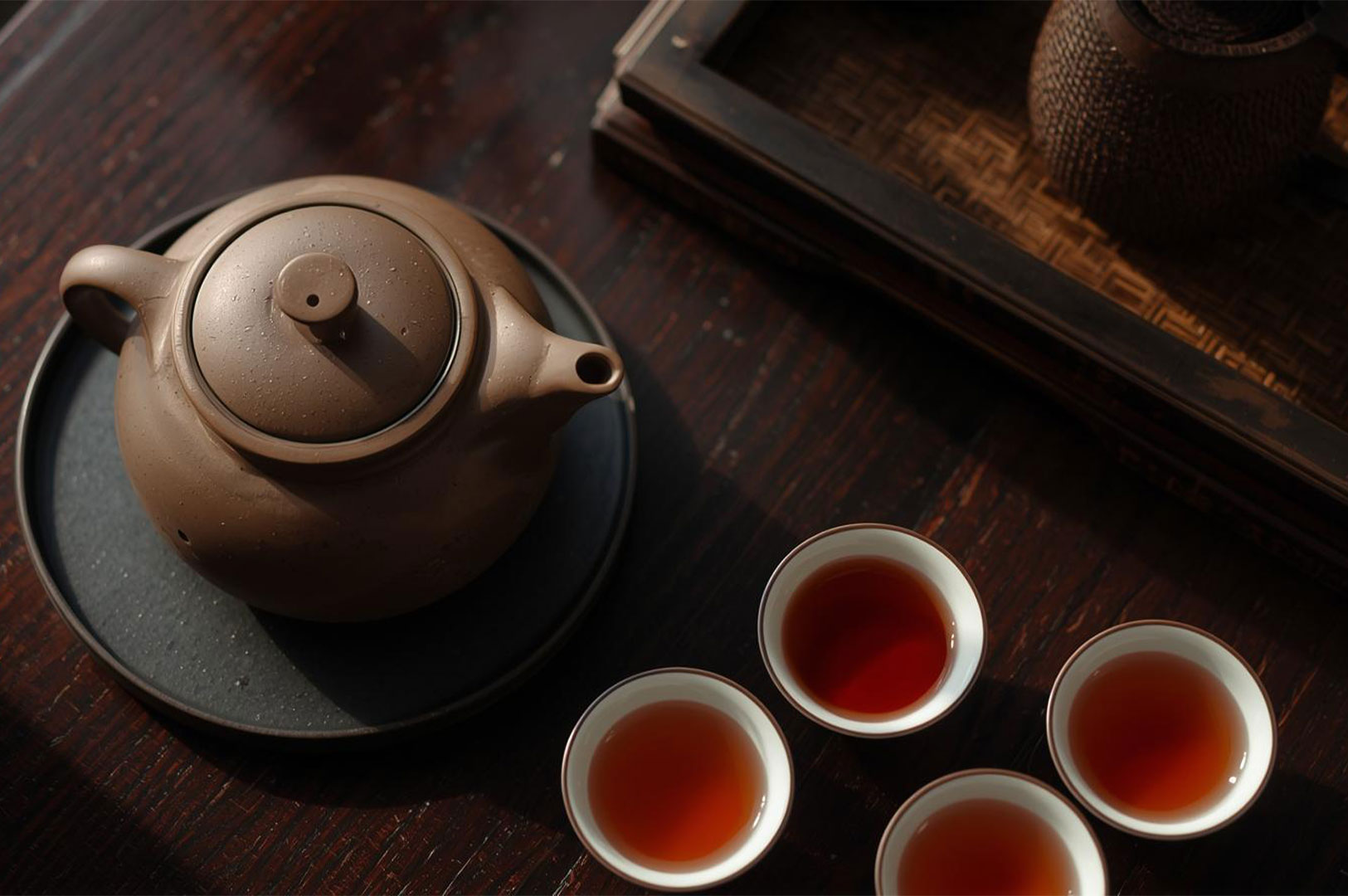
While the Korean tea ceremony shares its meditative roots with other tea ceremonies—such as China’s gong fu cha or Japan’s Japanese tea ceremony—it remains distinct in its sense of relaxed grace.
Japanese Tradition: Emphasizes precision, formality, and aesthetic control.
Chinese Gong Fu Cha: Focuses on the brewing process and mastery of brewing techniques.
Korean Tradition: Centers on natural flow, harmony, and appreciation for subtle beauty over perfection.
All three traditions, however, share one essence—the belief that drinking tea connects humans with nature, mindfulness, and each other.
Other global tea cultures—from India’s masala chai and Kenyan black teas to Taiwan’s Dong Ding oolong and Thailand’s oolong revolution—share the same devotion to nature and mindfulness, though expressed in unique local ways.
Finding Inner Peace and a Deeper Appreciation in Everyday Life
The Korean tea ceremony offers timeless wisdom for modern living. You need not be a tea master to embrace its lessons. In your daily life, you can find deeper appreciation for the simple act of making tea.
Choose a cup that suits the season, pay attention to the aroma and taste, and take a moment to breathe. Allow the peaceful atmosphere of this small ritual to anchor you in the present moment.
In doing so, you carry forward a Korean tradition that celebrates beauty, harmony, and the gentle flow of time—reminding us that even the smallest act, like brewing tea, can awaken well-being and a lasting sense of connection to the world around us.

“Detox Tea” Is Mostly Marketing: Here’s What Tea Actually Does
I have always found the phrase “detox tea” a little strange. Not because I dislike tea. Quite the opposite. Tea has been part of my daily life for years. I love the quiet ritual of choosing leaves, waiting for the water, and taking a moment to slow down. But somewhere along the way, tea became…
-
The Tea House That Time Did Not Forget: Tea Chapter Trading Pte Ltd
I almost walked past it. Located at Nine Neil Road, Tea Chapter Trading Pte Ltd sits quietly, a three-storey shophouse just across from Maxwell MRT in Singapore, its restored facade catching afternoon light. Around it, Chinatown moves at its usual pace. Inside, something slower has been happening since October 1989. I stepped in on a…
-
Expensive Tea Doesn’t Guarantee a Better Cup, Here’s Why
There is a belief in tea that we rarely question. If something costs more, it must be better. It is an understandable assumption. A rare tea from a respected region, carefully harvested and beautifully packaged, naturally creates expectations. We associate price with effort, craftsmanship, and quality. And often, that connection is justified. But not always….
-
SUN with MOON Singapore at Wheelock Place: A Unique Tea Dining Cafe Experience on Orchard Road
The lunch crowd had gone. Dinner hadn’t arrived yet. I came in during that strange, in-between hour, a little after three on a weekday, when the escalators at Wheelock Place hum quietly and Orchard Road feels almost gentle. Most people were still at their desks. I wasn’t. I wanted tea, and I wanted to sit…
-
Cold Brew Tea Is Underrated (And Hot Purists Are Missing Out)
I used to think tea had to be hot. There was something about the ritual of it. Boiling water, warming the pot, watching the leaves open. A proper cup of tea seemed to require steam. Then I tried cold brew tea, and I had to admit something slightly uncomfortable. I liked it. More than I…
-
All Things Delicious Review: The Quiet Pleasure of Tea and Cake.
There’s a particular kind of afternoon that asks for tea, and All Things Delicious answers it with a quiet, comforting tea-and-cake experience on Arab Street: handmade sweet treats, warm approachable teas, and a room that makes simple pleasures feel like enough. Not coffee, with its urgency. Tea. The slow kind, poured while the conversation drifts…
-
Wellness Tea Is a Scam, but Tea Can Still Be Good for You
There is a strange contradiction in the way we talk about tea today. For centuries, tea was appreciated for its taste, its rituals, and the moments it created. Today, it is often sold as something else entirely. A solution. A promise. A shortcut. The language surrounding wellness tea has become increasingly familiar. Detox tea. Cleansing…
-
Camellia Tea: A Blossom, A Leaf, A Legacy Rooted in Camellia Sinensis
My grandmother kept her camellia tea in a battered tin that had once held biscuits. She never called it anything fancy. It was just cha, brewed strong in the mornings using fresh tea leaves from the tea plant, poured into small cups that had lost their matching saucers years ago. I didn’t know then that…
-
Why “Caffeine-Free Tea” Marketing Should Be Regulated (Seriously)
Hear me out: we have become far too comfortable with the phrase “caffeine-free tea.” It appears on beautiful packaging, wellness websites, and café menus with the confidence of a health guarantee. The words suggest calm evenings, better sleep, and a gentler relationship with what we drink. But there is a problem. The phrase sounds clearer…
-
The Forgotten Luxury of Sitting Still at Japanese Tea House
You stoop to enter the traditional japanese tea house. That is the first thing the tea house asks of you, before the tea, before the talk, before anything at all. The doorway is low, deliberately so, and even the tall must bow to pass through it. In that small act of folding the body, something…