Singapore moves quickly. The trains run on time, the workdays stretch long, and the humidity outside rarely lets anyone slow down by choice. Yet within this busy rhythm, a quiet counter-current persists. People look for small pockets of stillness, and increasingly, they find one in a warm cup of chamomile tea.
There is something fitting about chamomile in a city like this. It is gentle, unhurried, and asks for nothing more than a few minutes of attention. In a place built on speed, a soft floral infusion becomes a small act of pause.
This article looks at how chamomile tea fits into Singapore life, where to buy chamomile tea in Singapore, what a thoughtful chamomile experience looks like, and the kinds of city settings where it feels most at home. It also touches on simple pairings and the quiet rituals that make chamomile a steady companion for busy days.
Understanding Herbal Tea and Chamomile Tea in Singapore
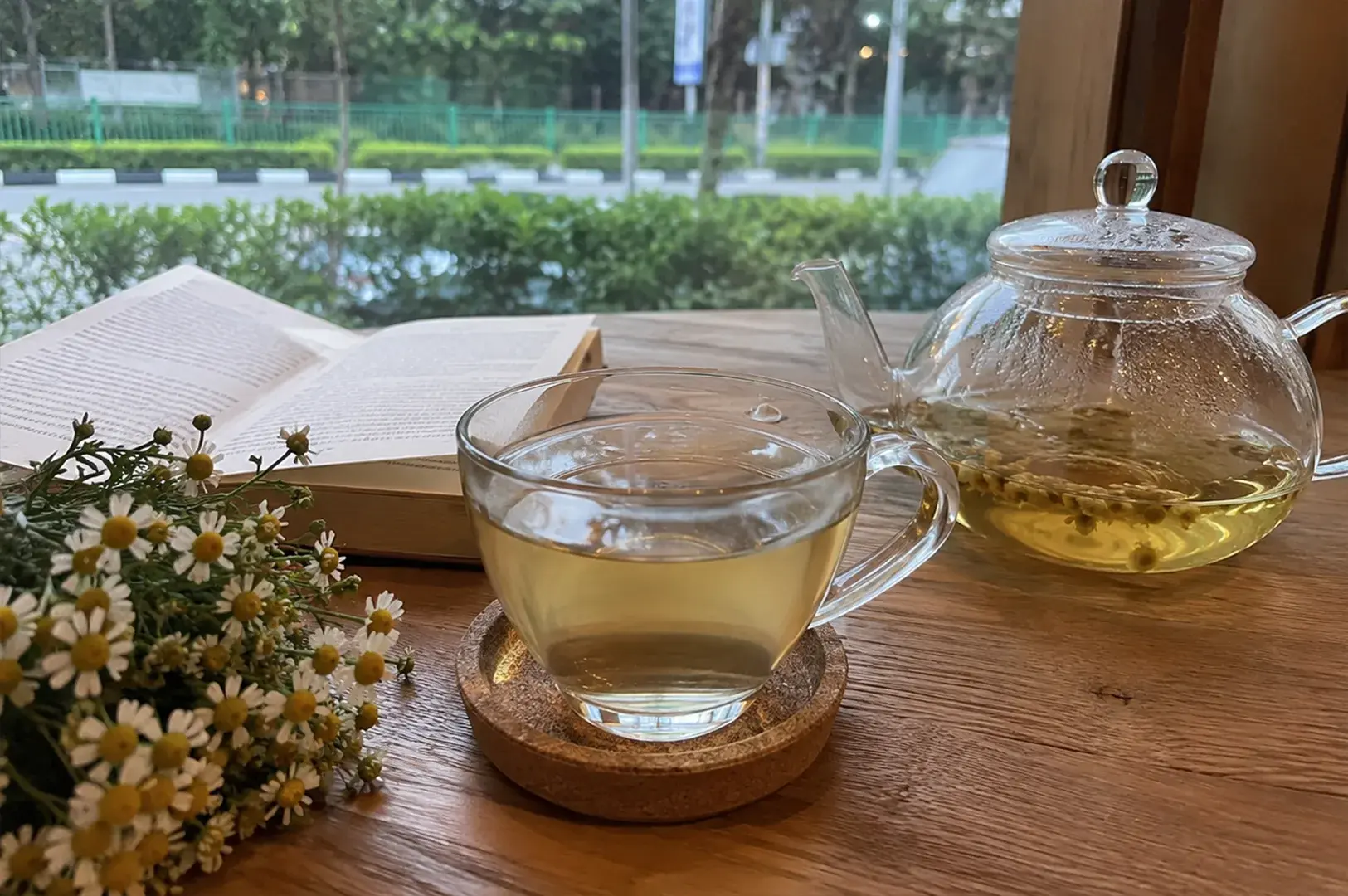
Before going further, a small clarification helps. Strictly speaking, chamomile is not a true tea. True teas, such as green tea, black tea, oolong, and white, all come from the same plant, Camellia sinensis. Chamomile, in contrast, is an herbal tea made by steeping the dried chamomile flowers of a daisy-like plant in hot water.
The word "tea" has simply grown to include these herbal brews in everyday language, and that is perfectly fine. The distinction is worth knowing, though, because it explains why chamomile behaves differently in the cup and why it sits in a category of its own on a thoughtful menu.
Chamomile Flowers and How They Differ from Green Tea and Earl Grey
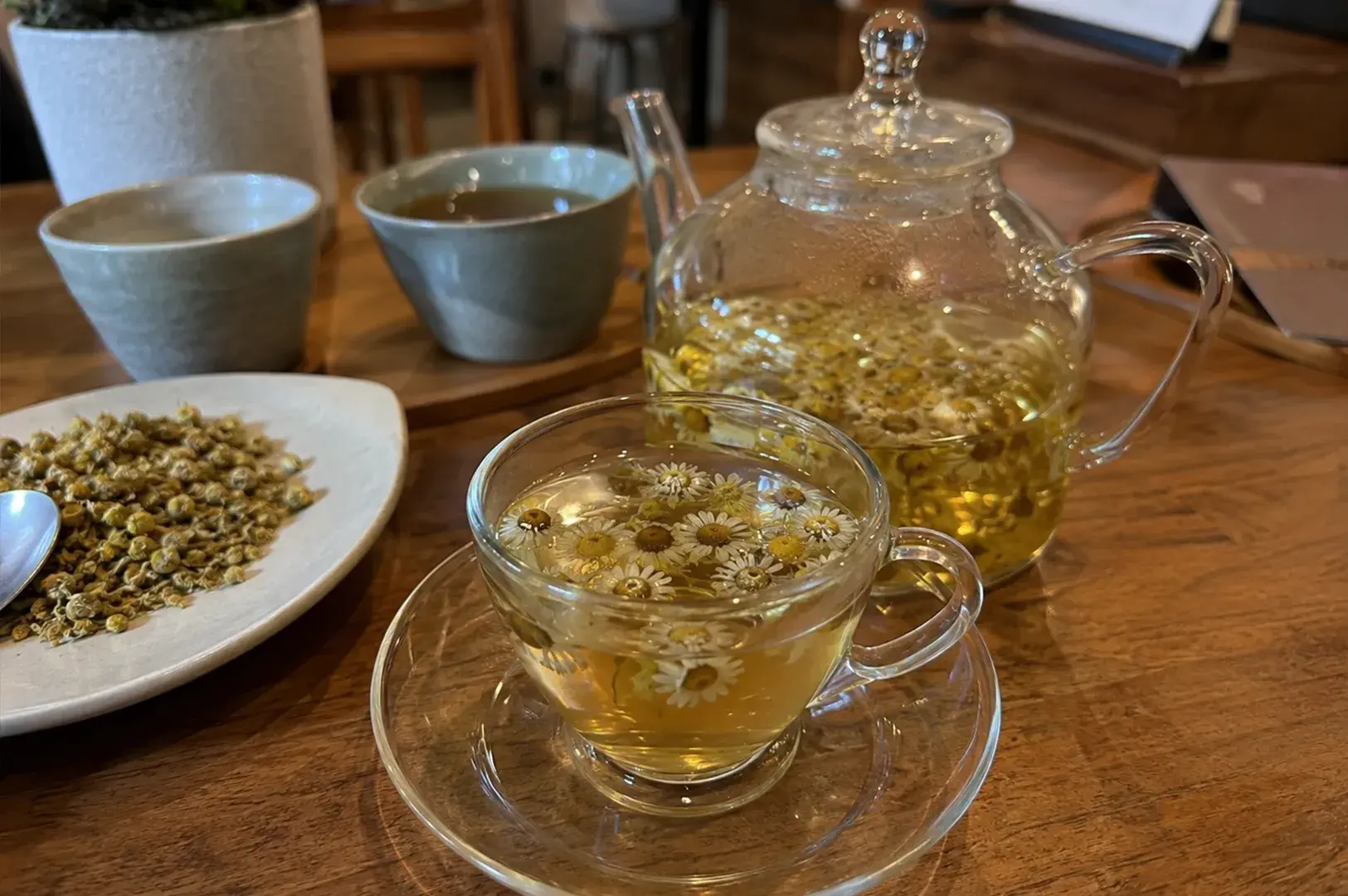
Most chamomile served today comes from one of two varieties. German chamomile is the more common, valued for its abundant chamomile flowers and soft, mellow character. Roman chamomile is a little less widespread and tends to carry a slightly more herbaceous, apple-like note. Both share a gentle floral profile that is easy to enjoy.
On modern menus in Singapore, chamomile tea usually appears beside true teas like green tea and Earl Grey rather than in competition with them. A tea lounge might list a brisk Earl Grey, a fragrant green tea, and a calming chamomile side by side. In this context, chamomile fills a particular role. It is the caffeine-free option, the evening choice, the soothing pour for those who want flavour without stimulation.
More broadly, this reflects a long tradition. Across many cultures, herbal infusions have been part of daily life for centuries, used as gentle, comforting drinks. Singapore, with its own deep tea heritage spanning Chinese, Malay, Indian, and Western influences, absorbs chamomile easily into this wider tapestry.
To explore and learn more about Chamomile Tea visit our article: Chamomile Tea Benefits Explained
Where to Buy Chamomile Tea in Singapore: Quality, Packaging, and Convenience
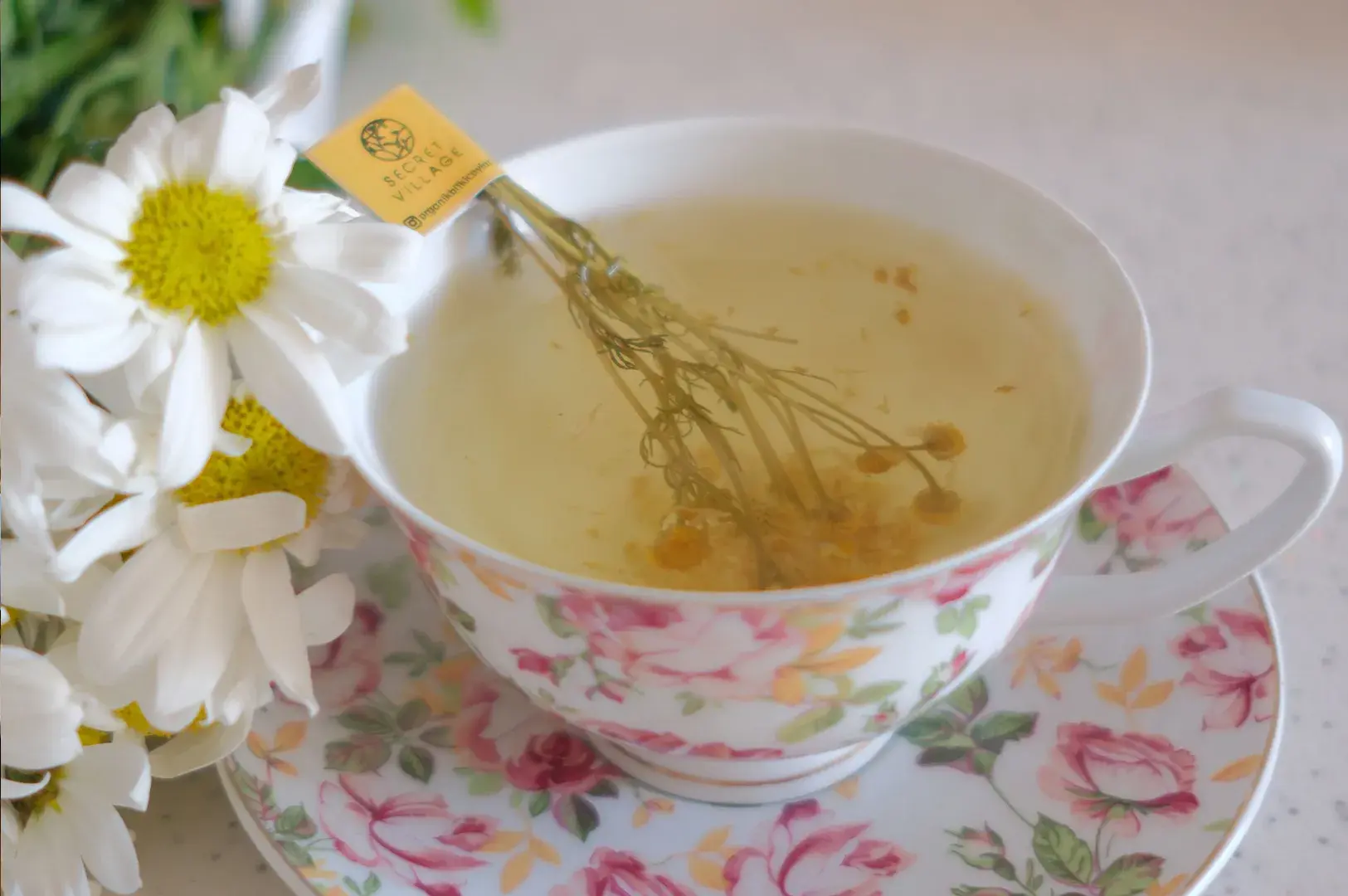
Finding good chamomile tea in Singapore is easier than ever, thanks to the growing availability of quality products both in physical stores and online. When searching for chamomile tea, consider options featuring organic chamomile and whole chamomile flowers for the best taste and health benefits.
Many brands offer chamomile tea in convenient tea bags, which make brewing the perfect cup simple and mess-free. Popular brands like Twinings provide a range of chamomile tea bags with carefully measured net weight per pack, ensuring consistent flavour and quality. Packaging often highlights the soft yellow hues of chamomile flowers, sometimes accented with blue or lavender designs that reflect the calming nature of the tea.
For those who prefer to shop online, many websites accept orders with fast delivery and secure payment options. Look for product reviews and community feedback on the performance and taste of various chamomile tea brands to find your favourite. Some online sales even bundle chamomile tea with complementary herbal tea blends like peppermint and vanilla, creating a refreshing and mellow collection to explore.
Storing chamomile tea in a cool, dry place preserves its quality and aroma, especially when the packaging is designed to protect against moisture and additives. Whether buying in a physical store or online, the convenience of tea bags and the range of products available make it easy to connect with this soothing infusion anytime.
What a Good Chamomile Tea Brew Looks Like: The Art of the Perfect Cup
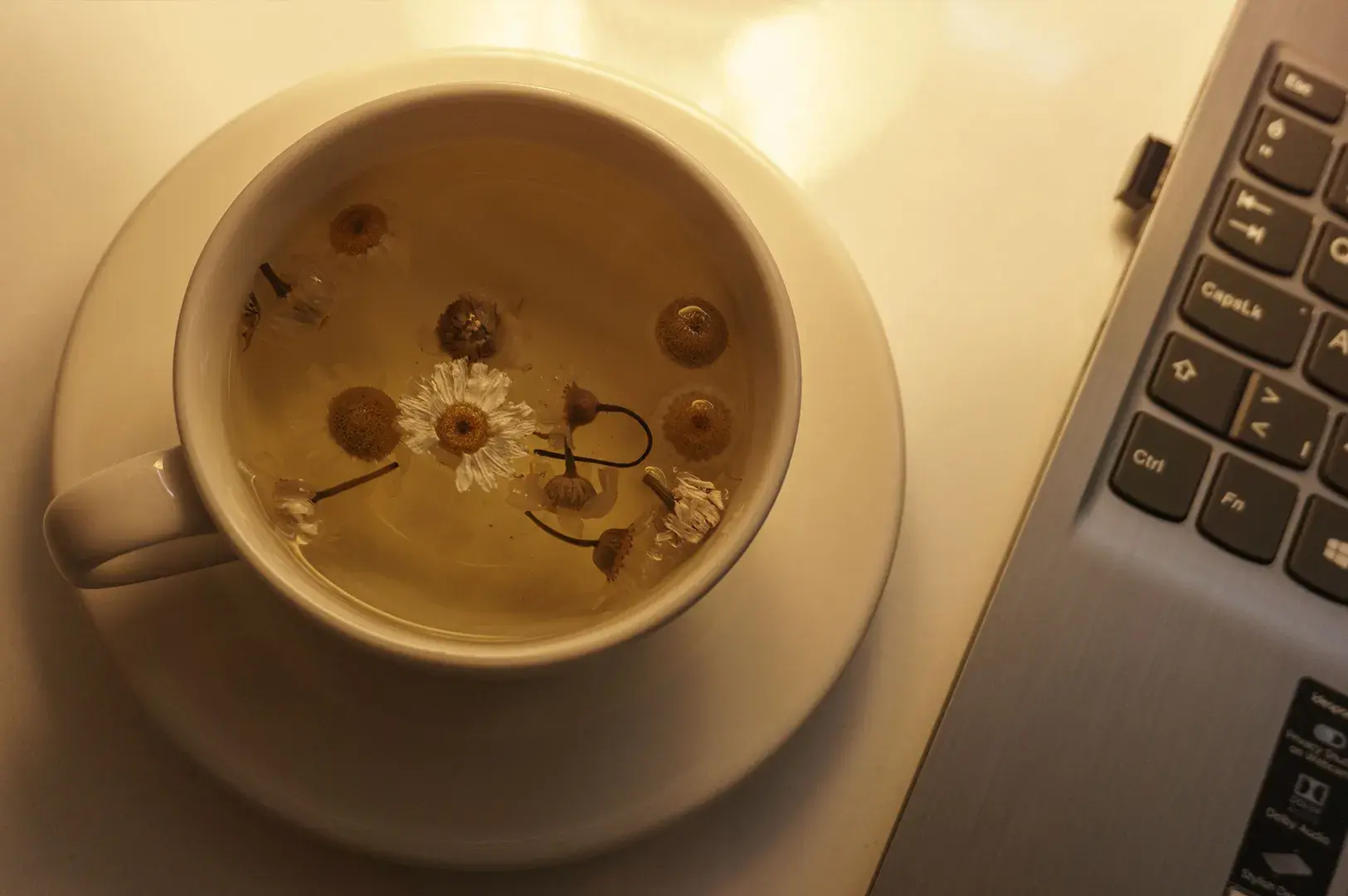
Not all chamomile tea is created equal, and the difference often shows in the cup. A well-prepared chamomile tea reveals itself through aroma, colour, and a clean, rounded sweetness. A poorly made one can taste flat, dusty, or strangely bitter.
The quality usually begins with the chamomile flowers themselves. Whole, intact blossoms tend to produce a brighter aroma and a smoother infusion. In contrast, fine chamomile dust packed into low-grade bags can steep quickly into something harsh and one-dimensional.
Signs of Quality Chamomile Tea and Common Disappointments
For those who want to notice the difference, a few simple signals help.
Signs of quality
- Whole or largely intact dried chamomile flowers rather than fine powder
- A soft, honeyed, slightly apple-like aroma with hints of bergamot, vanilla, or lavender
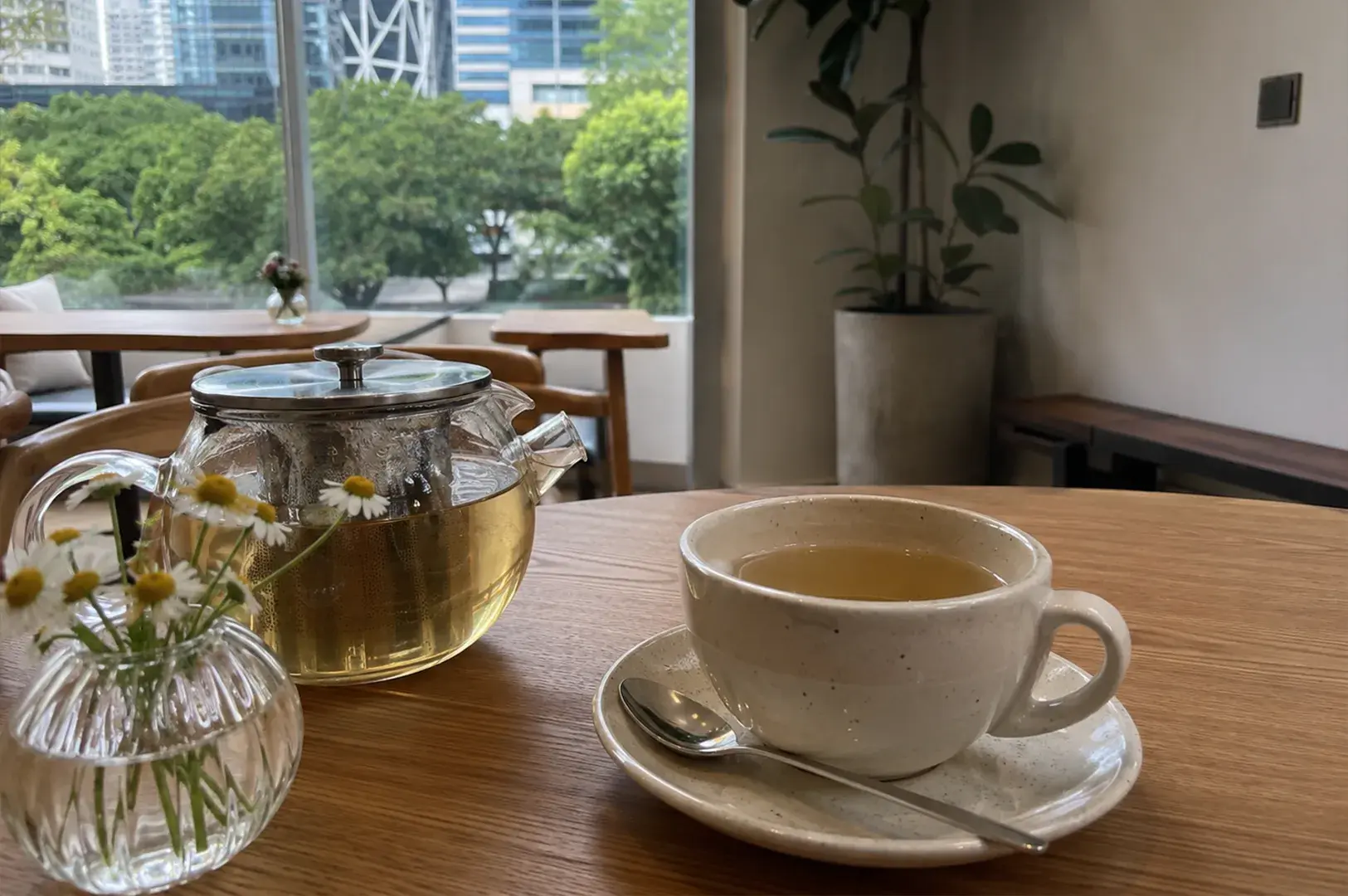
- A clear golden to pale amber colour when steeped, sometimes with a yellow tint
- Served in a vessel that allows the flowers room to open, such as a pot or a wide infuser
- A clean, naturally sweet finish without sharp bitterness or additives
Common disappointments
- Chamomile dust in a tightly packed bag, offering little aroma
- A dull, greyish, or cloudy brew
- An overly bitter taste, often a sign of water that was too hot or steeping that ran too long
Water temperature and steeping time matter here, though chamomile is forgiving. Water just off the boil, allowed to rest for a moment, tends to coax out the flavour gently. Traditionally, a few minutes of steeping is enough to release the sweetness without drawing out bitterness. There is no need for fuss, only a little care.
Pairing Chamomile Tea with Flavours and Treats in Singapore
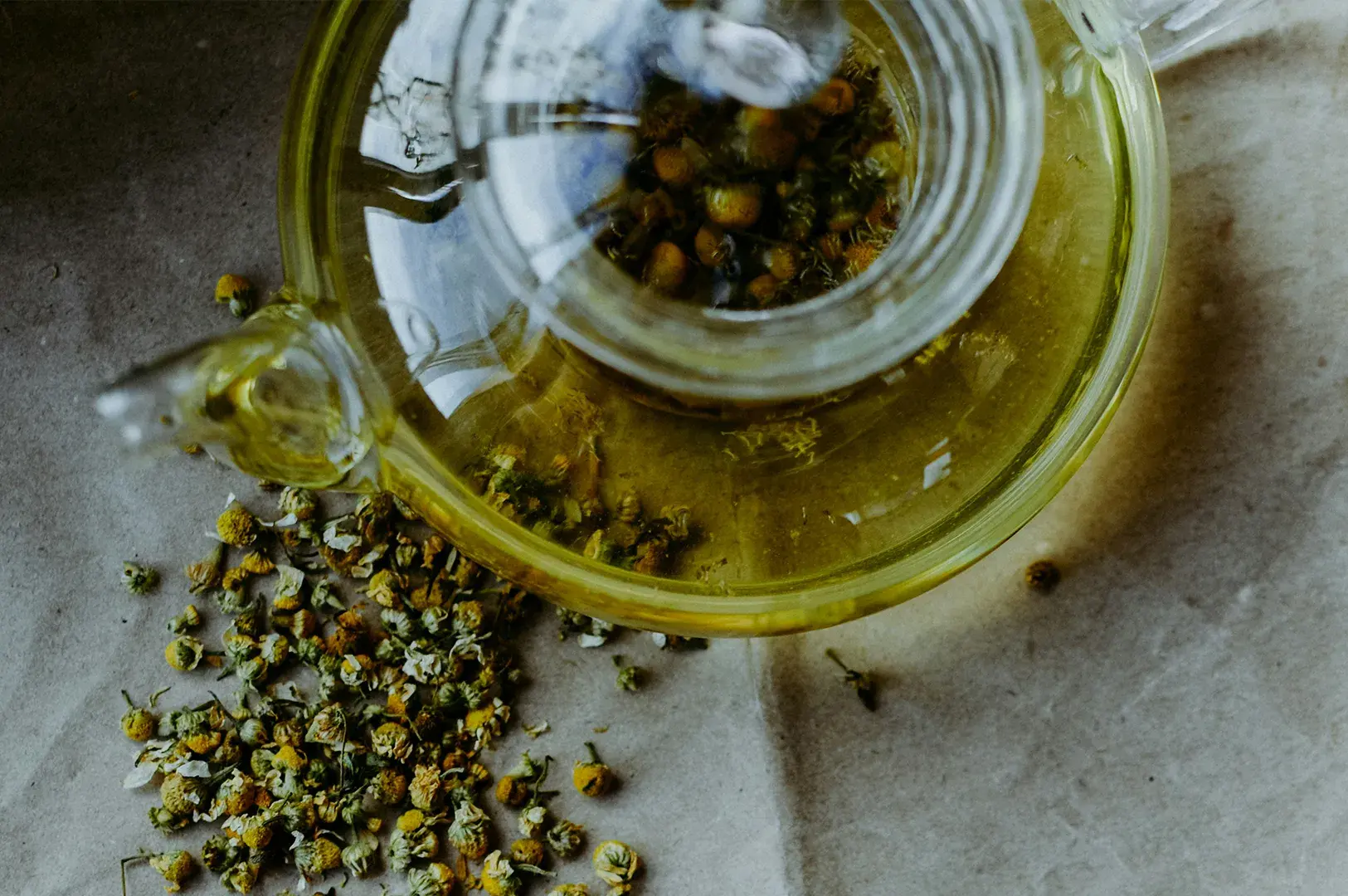
Chamomile's soft, honeyed character makes it an agreeable partner at the table. Its gentleness means it rarely overpowers food, and it tends to complement light, delicate flavours rather than rich or heavy ones.
In Singapore, where afternoon tea culture is well loved, chamomile tea finds easy companions among lighter pastries and floral sweets. A simple butter cake, a citrus tart, or honey-glazed cookies can echo and lift the tea's natural notes.
A few pairing ideas worth considering:
- Light pastries such as plain scones or shortbread
- A spoon of honey stirred gently into the cup
- Citrus-forward desserts, including lemon tarts or orange cakes
- Floral sweets like lavender or vanilla-scented treats
- Simple butter cakes that let the tea's softness shine
The guiding idea behind chamomile tea pairing is balance. Because the infusion is subtle, the food beside it should be subtle too. Anything overly sweet or strongly spiced tends to overwhelm the delicate chamomile flowers.
Mindful Rituals and the Body: Chamomile Tea for Sleep and Relaxation
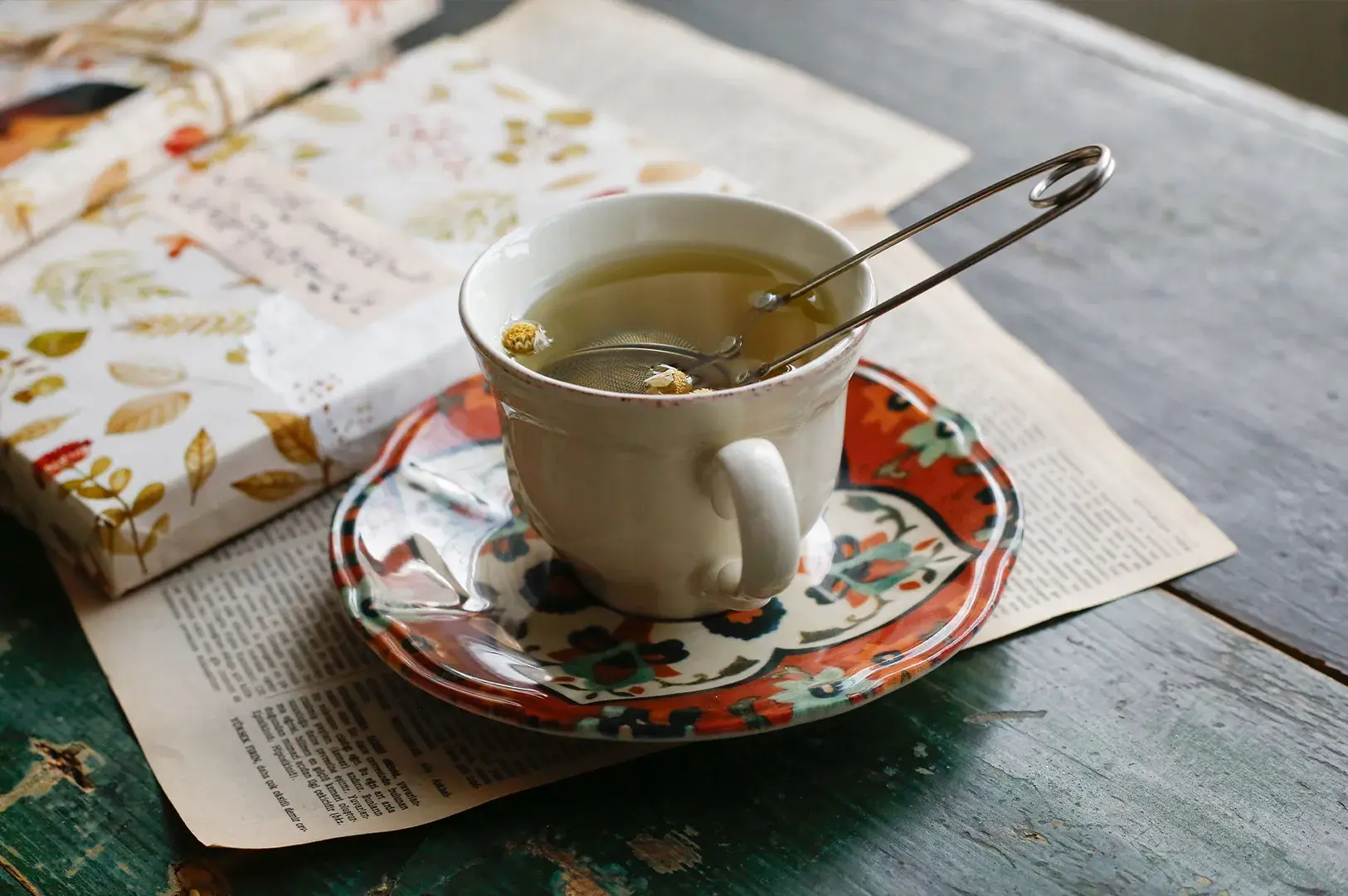
Beyond flavour and setting, chamomile tea carries a quiet cultural value. For many, it is less about the drink itself and more about the small ritual that surrounds it.
Brewing a pot at the close of a long day, setting aside the phone, and waiting for the colour to deepen creates a brief and deliberate pause. This is not therapy, and it makes no promises. It is simply a practical rhythm, a way of marking the shift from a busy day into a slower evening.
Many people choose chamomile precisely because it is caffeine-free and associated with calm and sleep. Some find that the act of preparing it, more than any single ingredient, is what soothes the mind and body.
In this sense, chamomile fits Singapore beautifully. The climate is warm, the days are full, and the value of a small, repeatable moment of stillness becomes easy to appreciate. A cup of calming tea, taken without rush, becomes a gentle habit rather than a grand gesture.
Traditionally, herbal infusions have been woven into daily life across the world in just this way, as quiet anchors rather than cures. Chamomile continues that lineage in a modern, urban form.
A Gentle Invitation to Explore Chamomile Tea in Singapore
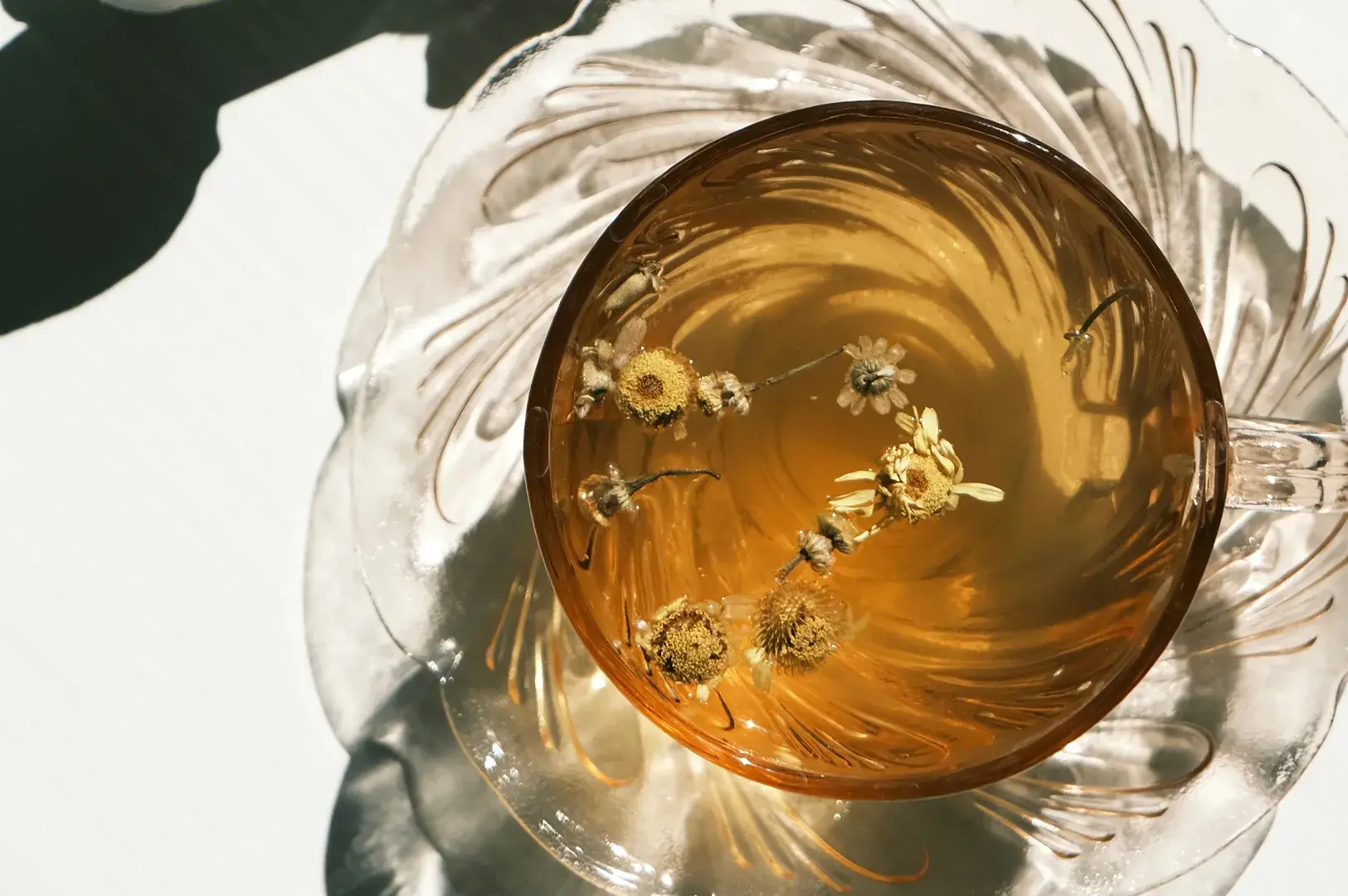
Chamomile endures because it offers something the city often lacks. It is soft where the day is hard, slow where the pace is fast, and steady where the schedule shifts. As a caffeine-free herbal tea, it slips easily into evenings, quiet afternoons, and the small gaps between obligations.
Understanding it a little more deeply, from the difference between German and Roman chamomile to the marks of a well-made cup, allows that ritual to feel richer and more intentional. None of it requires expertise, only a willingness to slow down and notice.
For those curious to explore where to buy chamomile tea in Singapore or to discover a wider range of herbal tea collections, many brands and websites offer a variety of products to suit different tastes and needs. Whether you prefer tea bags for convenience or loose chamomile flowers for the art of brewing, Singapore’s tea community welcomes you to connect, order, and enjoy.
Brew a pot, sit with it for a few unhurried minutes, and let the city wait just a little longer.
At Tea Manor we always make sure you have the best tea that you can indulge on your own accord. Visit us for a wide Herbal tea that will make you enjoy and be healthy.

Pek Sin Choon vs Modern Teaware Shops: Two Tea Traditions in Singapore
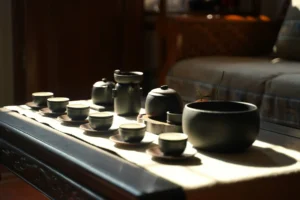
Walking through Chinatown’s Mosque Street, you encounter two distinct tea traditions that embody Singapore’s rich heritage and evolving culture. Pek Sin Choon, one of the oldest tea merchants in Singapore, stands as a living root of Chinese tea culture, while modern teaware shops offer a fresh perspective on tea appreciation through design and brewing systems….
-
Why I Stopped Saving My “Good Tea” for Special Occasions
For the longest time, I treated my favorite teas like they needed a reason. I would buy something beautiful, maybe a delicate oolong or a tea that smelled faintly floral the moment I opened the tin, then immediately start rationing it in my head. I’ll save this for guests. For weekends. For days that feel…
-
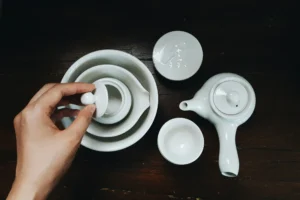
Teapot Set: How It Shapes the Tea Experience
On certain afternoons in Singapore, when rain softens the edges of the day, I find myself lingering before the water reaches its boil. The teapot rests nearby, waiting. There is always a moment like this before tea (quiet, unhurried) when the world seems willing to pause with you. A teapot set belongs to these moments….
-
The Quiet Difference Between Drinking Tea Alone and With Someone
There are days when I reach for tea just to sit with myself for a while. No distractions, no need to fill the silence. Just the slow rhythm of pouring, waiting, sipping. When I’m alone, tea feels almost like a pause button. The kind that lets the day settle a little before continuing. But tea…
-
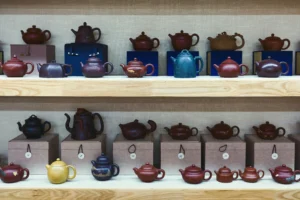
Is a Yixing Teapot Worth It? A Singapore Tea Guide
In many Singapore teaware shops, a Yixing teapot immediately draws attention. This iconic piece of Yixing pottery is crafted from unique purple clay found only in the Yixing region of China, west of Taihu Lake in Jiangsu Province. Yixing has a rich heritage in Chinese art and pottery, with production dating back to the Neolithic…

Tea Gift Sets: Curating Meaningful Moments, One Steep at a Time
Tea has long been associated with care, connection, and quiet intention. Across cultures, it is shared during moments of reflection, conversation, and celebration. Offering tea gift sets carries this meaning forward, creating a gesture that feels both personal and considered. Unlike many conventional gifts, tea sets invite time. They are not rushed or consumed all…
-
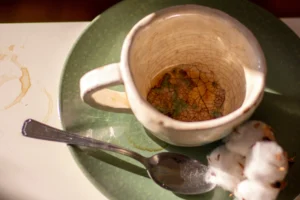
The Last Sip of Tea and What It Teaches
There is a moment in every cup that arrives quietly. The last sip. It comes softer than the first. The tea has given almost everything it holds. The warmth lingers, the flavour has softened, and only a gentle echo of the leaves remains. We lift the cup, tilt it slowly, and suddenly the moment feels…
-
Teaware Shop 101: A Beginner’s Guide to Tea Ware, Sets, and What You Actually Need
Stepping into a traditional teaware shop in Singapore’s Chinatown can be overwhelming. Shelves brim with porcelain teacups, raw clay teapots, and bamboo trays, all inviting yet unfamiliar. Many people feel unsure about what matches their tea or worry about buying unnecessary items. Whether you’re looking to drink tea in style, find the perfect tea…

Tea Leaves Singapore: How to Choose and Enjoy Every Cup
Tea begins long before it reaches your cup. It starts in quiet mountain regions where climate, soil, and tradition shape every leaf. From China to Japan and Taiwan, each origin brings its own character, creating a diverse and evolving world of tea. In Singapore, tea has become both a daily ritual and a refined indulgence….
-
The Matcha Craze and Why It’s Okay to Be Skeptical
Matcha is everywhere. In smoothies, lattes, ice cream, even in brownies. It’s the trendiest ingredient right now, and it’s easy to get swept up in the hype. But is it really as magical as they say? When matcha first became popular, it was celebrated for its health benefits: antioxidants, boosting metabolism, improving focus. Suddenly, everyone…