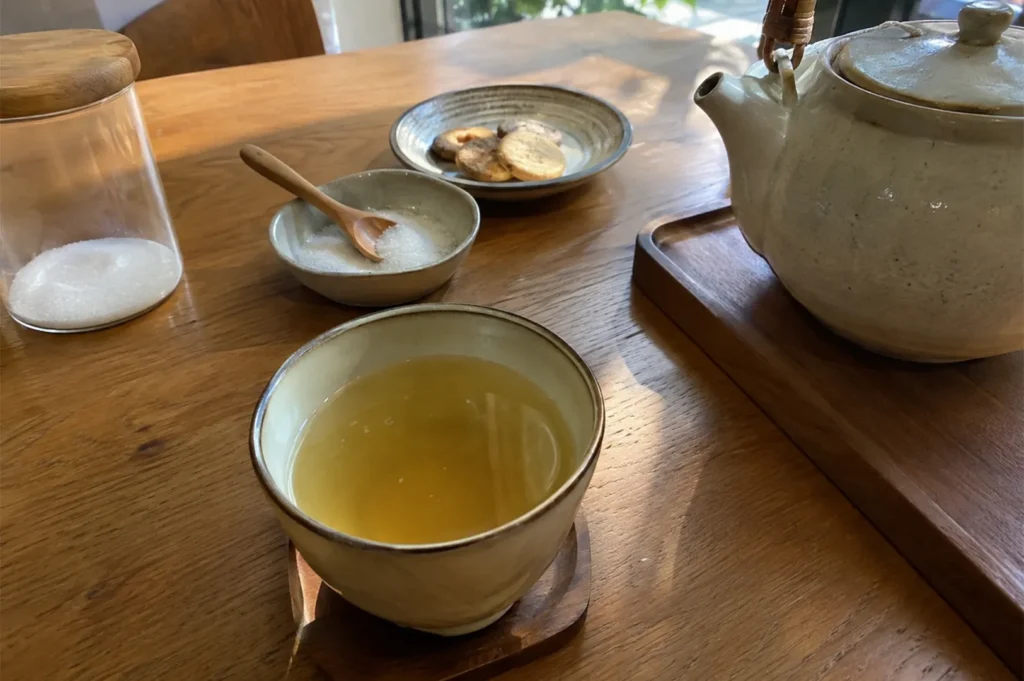
There is a habit I have noticed among tea drinkers.
Sugar goes in before the first sip.
Perhaps it is only a small spoonful. Perhaps two. But the tea is sweetened before it has been given a chance to introduce itself.
I used to do this too.
It seemed harmless. Tea was bitter, sugar made it pleasant, and there was little reason to question the habit.
But eventually I began wondering what I was missing.
Tea has a remarkable range of flavours. Some are naturally sweet. Others are floral, roasted, earthy, fruity, or slightly astringent. These qualities can be subtle, particularly when we are accustomed to sweetness.
If sugar arrives first, those details become harder to notice.
This does not mean sugar has no place in tea. It certainly does. Milk tea, sweet tea, and many traditional preparations around the world have been enjoyed with sweetness for generations.
The problem is not adding sugar.
It is adding it before deciding whether the tea needs it.
There is a difference.
I have found that drinking tea without sweetener, at least initially, changes the way I experience it. A tea that once seemed bitter may reveal a gentle sweetness after a few sips. A roasted oolong may show more depth. A green tea may reveal a fresh, almost vegetal character that sweetness would have hidden.
The palate adjusts.
Perhaps this is what we mean when we talk about developing a taste for tea. It is not necessarily about becoming more sophisticated. It is simply about becoming more attentive.
We train ourselves to notice what is already there.
Modern tea culture sometimes encourages us to chase stronger flavours, sweeter drinks, and immediate pleasure. There is nothing wrong with enjoying those things.
But if every cup begins with sugar, we may never discover what the leaves were trying to say.
So I have adopted a small rule for myself.
Taste first.
Sweeten later, if necessary.
Sometimes the tea is better without sugar.
Sometimes it is better with it.
The important part is knowing the difference.
With quiet regard,
N. P. Lim

The Simplicity of Tea: Finding Joy in the Uncomplicated
Tea seems simple, doesn’t it? Water. Leaves. A cup. Yet we’ve turned this quiet ritual into something complicated. The perfect temperature, the right teapot, the precise timing. But is it really necessary? Tea, at its core, was never meant to be complicated. In the beginning, it was an uncomplicated drink shared between friends, brewed over…

Tea Chapter Singapore: A Tranquil Tea House in Chinatown
When it comes to tea in Singapore, there’s something special about stepping into a place like Tea Chapter Singapore. Tucked away in the heart of Chinatown, this tea house isn’t just about offering a wide selection of teas. It’s about the experience, the atmosphere, and the chance to disconnect from the fast pace of the…
-
Why Tea People Secretly Judge Your Tea Bags
There is a moment every tea drinker recognizes. You visit someone’s home, they kindly offer you tea, and you happily say yes. The kettle begins to boil. A cupboard opens. And then it happens. A tea bag appears. Now, there is nothing wrong with tea bags. They are convenient and often exactly what someone wants…
-
The Finest High Tea Singapore: An Exploration of Elegant Afternoon Delights
Picture this: a gleaming three-tiered stand arrives at your table, laden with delicate finger sandwiches, freshly baked scones served with clotted cream, and artful delicate pastries. The gentle clink of fine china accompanies the pouring of a perfectly brewed pot of TWG Tea or Bacha Coffee. This is the enduring magic of high tea, a…

The Quiet Patience That Tea Teaches
Tea does not rush. Water must be heated. Leaves must open. Flavour slowly reveals itself in the cup. None of these things happen instantly. Perhaps this is why tea has always felt slightly different from other drinks. It asks for patience. Not loudly, but quietly. The tea will be ready when it is ready. For…
-
A Guide to the Best Tea Singapore Has to Offer
Introduction In a city known for its vibrant food culture, tea quietly holds its own place among Singapore’s favourite indulgences. While coffee often dominates cafe conversations, many tea lovers know that the search for the best tea Singapore offers leads to a surprisingly diverse world of flavours, traditions, and carefully crafted blends. Across the city,…
-
A Tea Lover’s Guide to the Best Japanese Restaurant Singapore Dining Experiences
Searching for the best Japanese restaurant Singapore offers usually leads people toward sushi counters, omakase menus, or beautifully plated sashimi. Those elements certainly define much of the appeal of Japanese cuisine, but anyone who has spent time dining in Japan knows that the experience rarely ends with the food alone. Tea quietly accompanies the meal….

Why Tea Conversations Always Last Longer Than Expected
There is a small pattern I have started to notice about tea. Whenever tea is involved, conversations tend to last longer than planned. Someone says they will only stay for a short while. A kettle is placed on the stove. Tea is poured into a few cups, and suddenly the conversation begins to stretch in…
-
White Tea: The Most Delicate Expression of Chinese Tea
Introduction Among the many tea types that have emerged from centuries of tea cultivation, white tea often stands apart for its quiet character. It is light in colour, gentle in aroma, and remarkably simple in its making. Yet behind this softness lies a long tradition of craftsmanship that has shaped some of the most refined…
-
The Quiet Discipline of Brewing Tea
There is a quiet discipline that lives inside the act of brewing tea. It is not something that announces itself loudly. There are no strict rules written on the wall, no visible signs that something significant is taking place. From the outside, the process appears simple enough. Water is heated. Leaves are placed into a…