There is a habit I have noticed among tea drinkers.
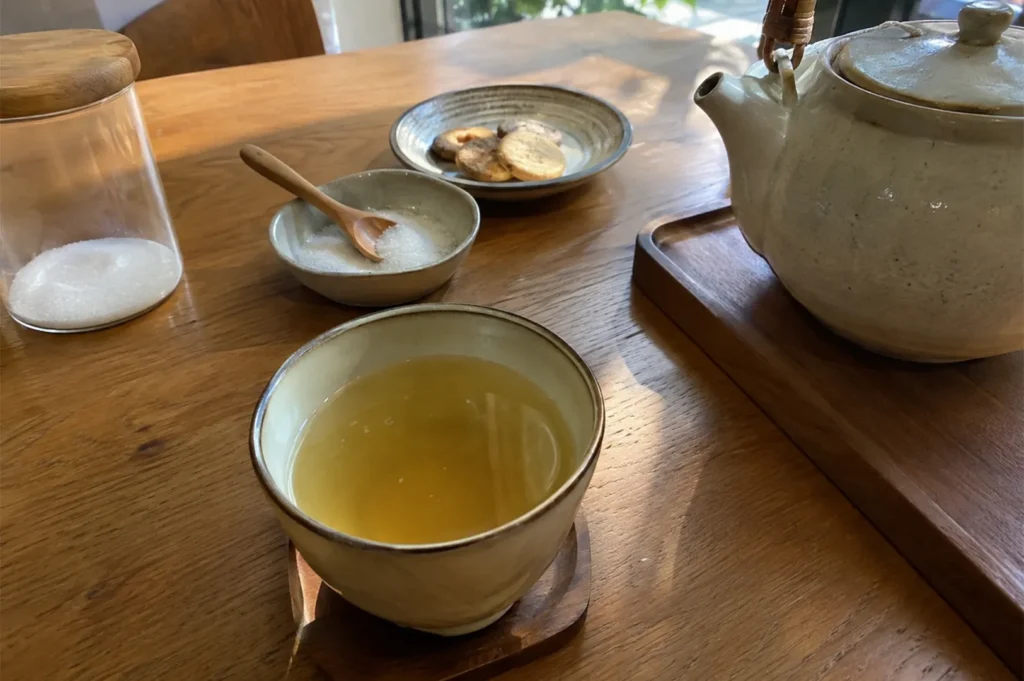
Sugar goes in before the first sip.
Perhaps it is only a small spoonful. Perhaps two. But the tea is sweetened before it has been given a chance to introduce itself.
I used to do this too.
It seemed harmless. Tea was bitter, sugar made it pleasant, and there was little reason to question the habit.
But eventually I began wondering what I was missing.
Tea has a remarkable range of flavours. Some are naturally sweet. Others are floral, roasted, earthy, fruity, or slightly astringent. These qualities can be subtle, particularly when we are accustomed to sweetness.
If sugar arrives first, those details become harder to notice.
This does not mean sugar has no place in tea. It certainly does. Milk tea, sweet tea, and many traditional preparations around the world have been enjoyed with sweetness for generations.
The problem is not adding sugar.
It is adding it before deciding whether the tea needs it.
There is a difference.
I have found that drinking tea without sweetener, at least initially, changes the way I experience it. A tea that once seemed bitter may reveal a gentle sweetness after a few sips. A roasted oolong may show more depth. A green tea may reveal a fresh, almost vegetal character that sweetness would have hidden.
The palate adjusts.
Perhaps this is what we mean when we talk about developing a taste for tea. It is not necessarily about becoming more sophisticated. It is simply about becoming more attentive.
We train ourselves to notice what is already there.
Modern tea culture sometimes encourages us to chase stronger flavours, sweeter drinks, and immediate pleasure. There is nothing wrong with enjoying those things.
But if every cup begins with sugar, we may never discover what the leaves were trying to say.
So I have adopted a small rule for myself.
Taste first.
Sweeten later, if necessary.
Sometimes the tea is better without sugar.
Sometimes it is better with it.
The important part is knowing the difference.
With quiet regard,
N. P. Lim

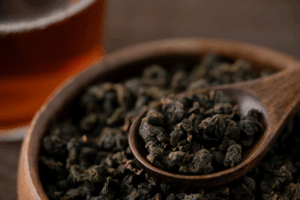
Dong Ding Oolong: The Artisanal Craft Behind Taiwan’s Most Famous Tea
Imagine a warm, inviting aroma that fills the room with essence reminiscent of delicate flowers, toasted nuts, honeycomb, chocolate, and ripe stone fruit. The initial scent from a freshly opened tin of Dong Ding Oolong loose leaf tea can feel almost transportive. Upon brewing, the tea’s infusion shines with a brilliant golden colour, and your…

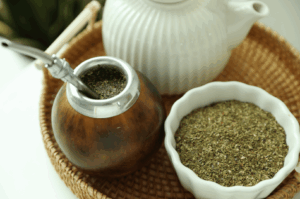
Yerba Mate Tea: Argentina’s Ancient Energy Brew and Modern Revival
Picture a sun-drenched plaza in Buenos Aires, where the air hums with laughter and the scent of fresh flowers. In the center, friends gather in a close-knit circle, a cherished gourd filled with fragrant yerba mate tea making its way from hand to hand. Each person sips this herbal tea-brewed from green yerba mate leaves-through…

The Complete Guide to Kenyan Tea Industry Transformation in the Great Rift Valley
Imagine standing at the edge of Kenya’s Great Rift Valley, the birthplace of world-renowned Kenya tea. Here, undulating hills blanket the landscape in a lush sea of deep green, where rows of thriving tea bushes stretch across the horizon. This breathtaking region forms the core of the Kenyan tea industry-a powerhouse producing some of the…
-
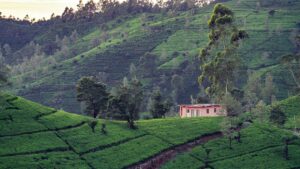
Ceylon High Grown Tea: The Bright, Crisp Profiles of Nuwara Eliya
Imagine standing amidst a sea of emerald green on the island of Sri Lanka, where manicured tea bushes climb rolling hills and disappear into a cool, persistent mist. This is the world of Ceylon high grown tea, centred in Nuwara Eliya – a region characterized by bright sunshine in the morning and cool, misty nights….
-
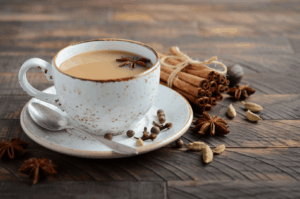
Masala Chai Origins: The Cultural Evolution of India’s Spiced Tea Tradition
The rhythmic clanging of metal kettles echoes through narrow lanes as steam rises from countless chai stalls across India. The intoxicating aroma of cardamom, cinnamon, and fresh ginger mingles with robust black tea, creating an olfactory symphony that has captivated souls for centuries. This is masala chai-not merely a beverage, but a cultural phenomenon that…
-
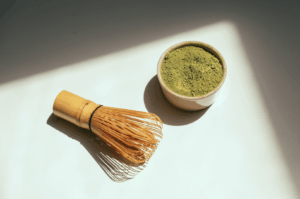
Matcha Tea: The Versatile Japanese Green Tea Powder
The vibrant green powder that transforms simple hot water into liquid jade has captivated tea enthusiasts worldwide. Matcha tea represents more than just a trendy beverage-it’s a bridge connecting ancient Japanese traditions with modern culinary innovation. This unique form of powdered green tea offers endless possibilities, from meditative ceremonial drinking to creative kitchen applications that…
-
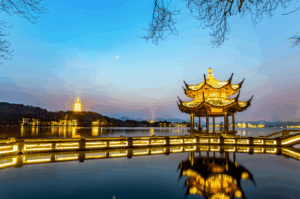
The Dragon Well Legacy: Exploring China’s Legendary Longjing Tea
Among the world’s most revered green teas, few carry the prestige and cultural significance of China’s legendary Dragon Well. This premium tea has captivated tea enthusiasts for centuries, earning its place as an imperial favourite and modern icon alike. From its mystical origins at West Lake to its meticulous processing methods, Longjing represents the pinnacle…