There is a habit I have noticed among tea drinkers.
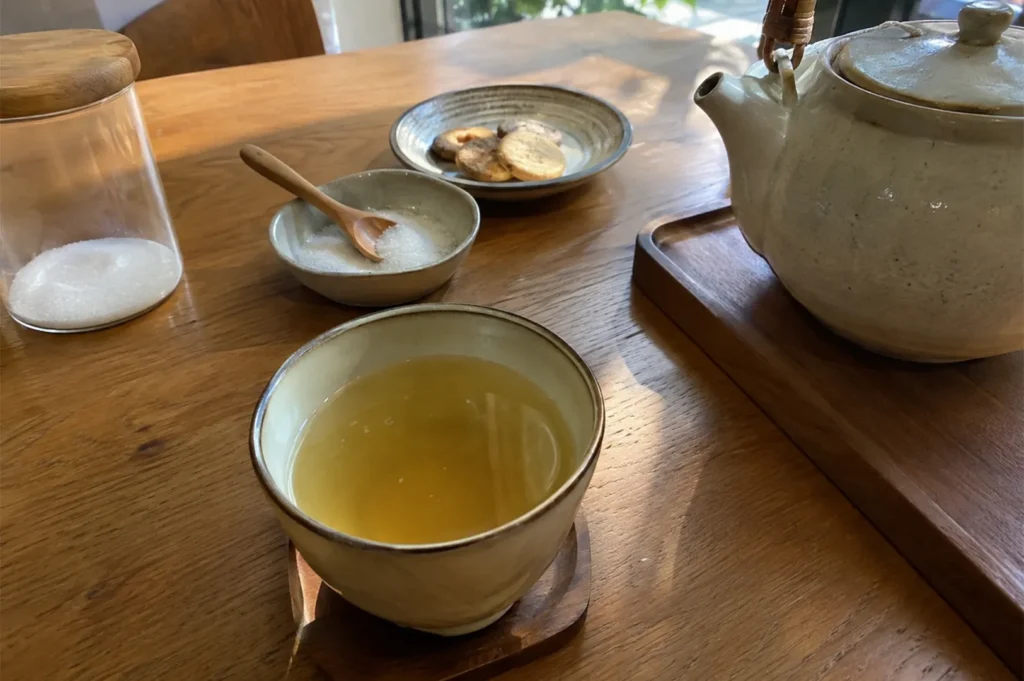
Sugar goes in before the first sip.
Perhaps it is only a small spoonful. Perhaps two. But the tea is sweetened before it has been given a chance to introduce itself.
I used to do this too.
It seemed harmless. Tea was bitter, sugar made it pleasant, and there was little reason to question the habit.
But eventually I began wondering what I was missing.
Tea has a remarkable range of flavours. Some are naturally sweet. Others are floral, roasted, earthy, fruity, or slightly astringent. These qualities can be subtle, particularly when we are accustomed to sweetness.
If sugar arrives first, those details become harder to notice.
This does not mean sugar has no place in tea. It certainly does. Milk tea, sweet tea, and many traditional preparations around the world have been enjoyed with sweetness for generations.
The problem is not adding sugar.
It is adding it before deciding whether the tea needs it.
There is a difference.
I have found that drinking tea without sweetener, at least initially, changes the way I experience it. A tea that once seemed bitter may reveal a gentle sweetness after a few sips. A roasted oolong may show more depth. A green tea may reveal a fresh, almost vegetal character that sweetness would have hidden.
The palate adjusts.
Perhaps this is what we mean when we talk about developing a taste for tea. It is not necessarily about becoming more sophisticated. It is simply about becoming more attentive.
We train ourselves to notice what is already there.
Modern tea culture sometimes encourages us to chase stronger flavours, sweeter drinks, and immediate pleasure. There is nothing wrong with enjoying those things.
But if every cup begins with sugar, we may never discover what the leaves were trying to say.
So I have adopted a small rule for myself.
Taste first.
Sweeten later, if necessary.
Sometimes the tea is better without sugar.
Sometimes it is better with it.
The important part is knowing the difference.
With quiet regard,
N. P. Lim

British Tea Traditions: Beyond Cucumber Sandwiches and Modern Tea Accompaniments
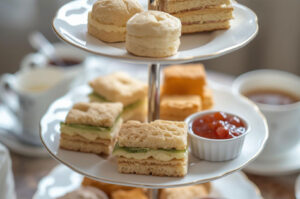
The ritual of British tea-especially the celebrated afternoon tea-conjures a very specific image: tiered cake stands laden with delicate finger sandwiches, fluffy scones, and exquisite cakes. This cherished tradition, born in the 1840s, is often attributed to Anna, the seventh Duchess of Bedford, who sought a small meal to bridge the long gap between lunch…
-
The Dance of Aroma: Appreciating Tea Through All Senses in Gongfu Cha
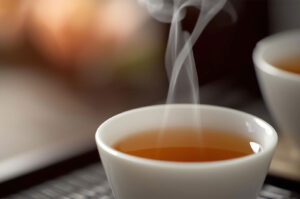
Imagine a wisp of steam carrying the scent of orchids from a tiny tea cup, a fragrance so vivid it transports you to a misty mountainside in China. This sensory immersion lies at the heart of the gongfu cha method, the traditional Chinese tea ceremony where every movement, from handling the tea leaves to pouring…
-
Japanese Tea Ceremony Principles: Harmony, Respect, Purity, and Tranquility
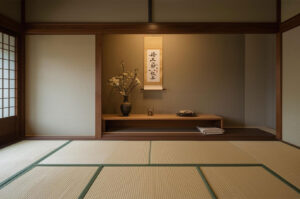
In a quiet tea room, a host moves with deliberate grace. The sound of hot water being ladled from an iron pot fills the air. This is the Japanese tea ceremony, known as Chanoyu or the Way of Tea, an art form that transforms the simple act of drinking tea into a profound experience. Far…
-
Beyond Chamomile: Exploring Lesser-Known Herbal Infusions from Around the World
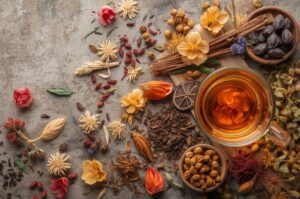
Tea is one of the most popular drinks worldwide, cherished for centuries as much for its taste as for its role in tradition and culture. While many people immediately think of green tea, black tea, or perhaps a steaming mug of mint tea, the spectrum of herbal infusions—blends using various herbs, fruits, and flowers—offers countless…
-
Raw vs. Ripe: Understanding the Two Paths of Pu Erh Processing
In the vast and ancient world of Chinese tea, few categories carry as much mystery and prestige as pu erh tea. Pu’er tea is renowned for its unique fermentation and aging techniques, which not only develop its complex flavor profiles but also contribute to its cultural significance and traditional production methods. Unlike most teas such…

From Keemun to Darjeeling: A Global Tour of Premium Black Teas
Black tea is more than just a morning ritual; it’s a global phenomenon steeped in rich history, cultural significance, and craftsmanship. From the misty mountains of India to the ancient gardens of China, each cup tells a story of its origin, flavor, and tradition. Throughout history, brewed tea has been cherished in various cultures, with…
-
Understanding Oolong Tea Oxidation Levels: The Spectrum of Oxidation in Tea Classification
When you step into the world of tea, you quickly learn about the main categories: white, green, oolong, and black. For many, green tea is fresh and vegetal, while black tea is bold and malty. But what about oolong? This category seems to defy easy definition, with some oolongs tasting light and floral like a…
-
Beyond Matcha: Exploring the Diverse World of Japanese Green Tea Varieties
Let’s be honest, when you hear “Japanese green tea,” your mind likely pictures a vibrant, frothy bowl of matcha. From trendy matcha lattes in every café to ice cream and desserts, matcha has become the undisputed global face of Japanese tea culture. And for good reason! It’s a delicious, versatile ingredient with numerous health benefits….
-
Silver Needle White Tea: The Delicate Emperor of Chinese Tea
In the vast and storied world of Chinese tea, few varieties command the reverence and prestige of Silver Needle white tea. Celebrated as Bai Hao Yin Zhen (白毫銀針)-meaning “White Hair Silver Needle”-this exceptional Chinese white tea sits atop the hierarchy of not just white tea, but among all tea types. Each slender ‘needle’ is not…
-
Thai Oolong Tea: Thailand’s Oolong Revolution in Ancient Tea Territory
In the shadowy folds of Northern Thailand’s mountains, where cool, misty air hugs the slopes and the morning dew clings to fragrant tea leaves, a revolution is steeping. Once known largely for its role in the Golden Triangle, this region now blossoms as a new epicenter for Thai oolong tea and innovative tea beverages like…