Stop Treating Pu-erh Like Crypto: Collecting Isn’t the Same as Enjoying
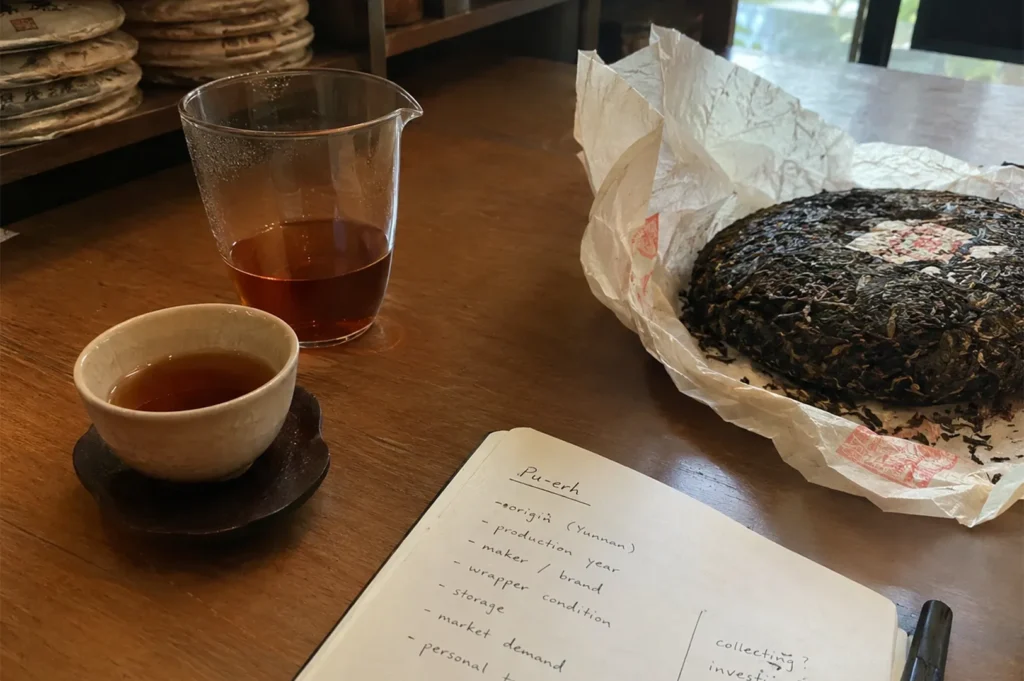
There is something peculiar about buying tea that we have no intention of drinking.
We examine its origin. We study the production year. We consider the reputation of the maker, the condition of the wrapper, and whether the tea might become more valuable in another decade.
Then we put it away.
I understand the attraction. Pu-erh has a history that rewards curiosity, and its ability to change with age makes it unlike many other teas. A well-stored cake of raw Pu-erh can develop characteristics quite different from those it possessed when first produced.
There is pleasure in witnessing that transformation.
But somewhere along the way, I wonder whether we have confused appreciation with accumulation.
Tea collecting has begun to resemble another familiar activity: investing in something because we believe someone else might eventually pay more for it.
The language is remarkably similar.
Scarcity. Provenance. Appreciation. Market demand.
Even the anxiety feels familiar.
We worry about buying too late, choosing the wrong vintage, or opening something that might be worth more unopened. A tea cake becomes less a drink and more an asset whose future value must be protected.
I find that a strange responsibility to place upon a few hundred grams of leaves.
Of course, collecting Pu-erh is not inherently foolish. Serious collectors have helped preserve important teas, documented production histories, and developed knowledge about ageing that ordinary drinkers might otherwise never encounter.
I respect that.
There is also nothing unreasonable about setting aside tea to observe how it changes over time. That is part of Pu-erh’s fascination, particularly with sheng, or raw Pu-erh, which can undergo significant changes during storage.
But ageing is not a guarantee of improvement. Time changes tea; it does not automatically make it better. Storage conditions, the original material, and personal taste all influence whether those changes are desirable.
With quiet regard, N. P. Lim

The Tea I Keep Drinking When I Don’t Feel Like Myself
There are days when tea feels unnecessary. Not because I stop liking it, but because I don’t feel like the version of myself who usually drinks it slowly, thoughtfully, and with attention. On those days, I still make tea anyway. Not out of ritual, but out of habit. It is never the elaborate kind of…
-
Tea Ceremony Kyoto: A Slow Dance of Bowls and Breath
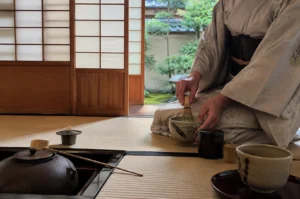
The room is quiet enough to hear water. Somewhere beyond the paper screens of this traditional tea ceremony venue, a garden drips after morning rain. Inside a tea house on a tatami mat worn soft by years of kneeling, a tea master lifts a bamboo whisk and begins tea making. There is no rush in…
-
Why We Keep Romanticising Tea Moments That Never Happened
I sometimes wonder if we are drinking tea or remembering something that never really happened. A quiet morning that feels softer in memory than it ever was in real life. A perfect cup by the window that somehow always looks better in hindsight. A tea moment that feels cinematic, even though it probably lasted only…
-
Masala Chai Tea Origins: The Cultural Evolution of India’s Spiced Tea Tradition
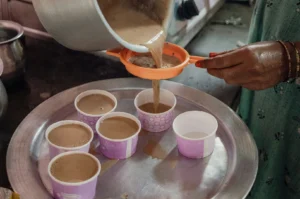
There is a sound that belongs to mornings across India: the hiss of milk rising in a battered pot, the clink of a spoon against metal, the low murmur of a tea seller calling out to passing crowds. Before the first sip, there is the scent. Cardamom pods, fresh ginger, and cinnamon stick curling into…
-
We Are Turning Tea Into Something It Was Never Meant to Be
There is something quietly strange happening in tea culture. The more popular the tea becomes, the more it starts to resemble everything it once stood apart from. Speed. Branding. Productivity. Performance. Tea, which once belonged to unhurried moments, is increasingly being asked to do more. To energize. To optimize focus. To replace coffee. To support…
-
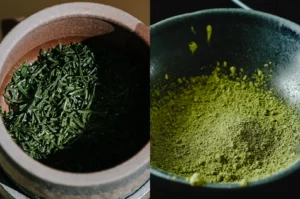
Sencha Green Tea vs. Matcha Powder: Understanding the Differences in Japanese Green Tea
Two tins of tea powder sit side by side on a shelf. Both hold a fine green powder. Both promise the taste of authentic Japanese tea. To the eye, they look almost identical, and that is precisely where the confusion begins. One is matcha powder, often used in matcha lattes and desserts. The other is…
-
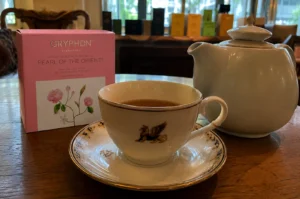
Discovering Gryphon Tea Company’s Earl Grey in Singapore
I recently tried the Earl Grey from Gryphon Tea Company Singapore, and I have to admit, it surprised me. Not because it was flawless-it wasn’t, but because it felt like a tea that knew exactly what it wanted to be. The aroma is the first thing that hits you. Bergamot is present but subtle, not…
-
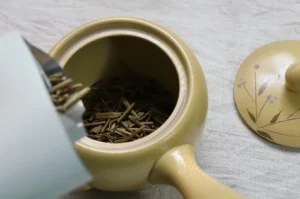
Hojicha: The Roasted Japanese Green Tea With A Mellow Twist
There is a moment, just after the hot water meets the hojicha tea leaves, when the kitchen fills with the aroma of something toasted. Not grassy. Not sharp. Warm, like roasted nuts or the edge of a freshly baked loaf. That moment is where hojicha begins. Hojicha (sometimes spelled houjicha) is a roasted green tea…
-
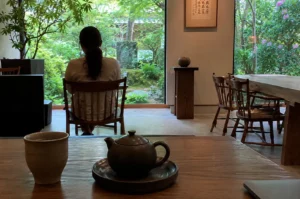
A Quiet Afternoon at Yixing Xuan Teahouse
I recently spent a quiet afternoon at Yixing Xuan Teahouse, a place that feels like a pause in the city. The moment you step inside, the world seems slower. The air carries the gentle aroma of steeped leaves, and the staff move with quiet precision. I chose an oolong, simple yet familiar. Watching the leaves…
-
The Controversial Smoky Tea That Divides Enthusiasts: Lapsang Souchong Black Tea
There is a tea that empties rooms and fills them in equal measure. Open a box of loose leaf lapsang souchong black tea, and someone nearby will lean in with delight while another quietly steps away. Few teas provoke such immediate, honest reactions. That divide is part of its story. This smoked lapsang souchong smells…