Tea as Hospitality: The Small Gestures That Make a Home
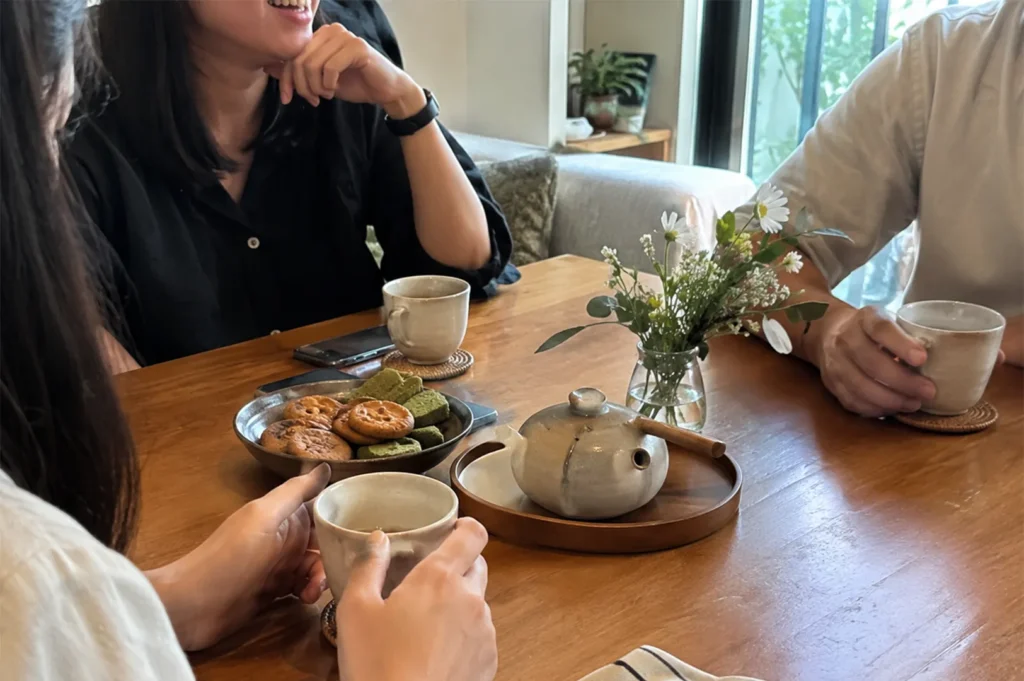
I think we sometimes make hospitality sound more complicated than it needs to be.
A beautifully arranged dining table. Matching plates. Fresh flowers. Something impressive coming out of the oven just as everyone arrives.
All lovely things, of course.
But when I think about the homes where I have felt most welcome, the details I remember are usually much smaller.
Someone offering me a seat before asking anything else. A glass of water appearing without me having to request it. Or, my personal favourite, being asked whether I would like some tea.
It’s such an ordinary question.
And yet, I think it says quite a lot.
Offering tea is one of those gestures that can make someone feel welcome without requiring a grand display of hospitality. You’re not necessarily promising an elaborate experience. You’re simply inviting someone to settle in.
And sometimes, that’s exactly what a guest needs.
I’ve always found it interesting how tea manages to fit into so many different versions of hospitality. In some Chinese households, serving tea is closely connected to respect and family relationships. In Japan, the traditions surrounding tea can involve careful attention to the guest, the setting, and the moment itself. Across many South Asian homes, chai is a familiar part of welcoming visitors and spending time together.
The customs aren’t identical, and I wouldn’t want to pretend they are.
But there is something worth appreciating in how a drink can become part of the way people express care.
Not through the tea alone, but through everything happening around it.
The person who remembers you prefer your tea without sugar. The host who brings out another cup because someone has arrived unexpectedly. The family member who starts preparing tea while everyone is still figuring out where to sit.
None of these gestures requires particularly expensive leaves or beautiful teaware.
They require attention.
And I wonder whether that’s the part of hospitality we sometimes overlook.
We spend so much time thinking about what we should serve guests that we forget to consider how we make them feel while they’re there.
Does everyone have somewhere comfortable to sit? Are we actually listening to the conversation? Does someone feel awkward about accepting a second cup?
I know I’m guilty of thinking too much about getting everything ready and not enough about simply being present.
Because here’s the thing about offering tea: the preparation doesn’t have to be perfect.
The cups don’t need to match. The tea doesn’t need an impressive origin story. You don’t even need to know the ideal brewing temperature to make someone feel at home.
Of course, good tea is always appreciated. I love the idea of choosing something thoughtfully, especially when you know what your guest enjoys.
But I don’t think hospitality should depend on how much we know about tea.
Someone might prefer a strong black tea with milk. Someone else might ask for something floral or caffeine-free. Another person might not want tea at all.
And that’s okay.
Maybe genuine hospitality is also knowing when not to insist.
There’s a difference between wanting to share something you enjoy and expecting everyone else to enjoy it in exactly the same way.
I’ve come to think that the best hosts understand this without making a big deal of it.
They offer, they listen, and they let people feel comfortable enough to be themselves.
What I especially like about tea is that it gives people something to do together without demanding constant conversation.
You can sit with a cup while catching up on months of news. You can talk about absolutely nothing important. You can even have a comfortable silence while everyone enjoys their drink.
Not every gathering needs to become an occasion.
Sometimes a visit is just a visit.
Someone drops by after a long day. A friend has an hour to spare. A relative comes over without much warning.
The kettle goes on, a few cups come out, and suddenly there’s a reason to sit together for a little longer.
I like that.
Perhaps we’ve become so used to seeing hospitality presented through beautiful interiors, carefully styled tables, and impressive food that the everyday version feels almost too ordinary to celebrate.
But what if the most welcoming homes aren’t necessarily the ones that have everything prepared?
What if they’re simply the places where nobody feels like an inconvenience?
Tea can’t create that feeling on its own, obviously. A beautifully brewed cup means very little if the person holding it feels unwelcome.
Still, I think offering tea can be a lovely place to begin.
It’s a small way of saying there’s room for you here.
And maybe that’s what makes a home feel like a home in the first place.
Not the things we put on display.
But the little ways we make space for one another.
— Maria Tan On tea, culture, and everyday rituals.

The Complete Guide to Matcha for Lattes: From Bean to Cup
A perfectly crafted matcha latte isn’t just a trendy drink, it’s a centuries-old Japanese tea tradition that’s been adapted for today’s tastes. Unlike your regular green tea, where you steep the leaves and then toss them, matcha powder dissolves completely, giving you a bold flavor and a nutrient boost that coffee just can’t match. Matcha…
-
Top 7 Best Teas for Weight Loss: Evidence-Based Options Ranked
Looking for the best teas for weight loss is a popular first step for anyone starting a wellness journey. While no single tea can magically melt away body fat, some teas contain natural compounds that can help with weight loss, boost metabolism, and manage appetite. The secret is consistency, drinking tea daily as part of…
-
Does Diet Tea Work? Comparing Options for Safe and Effective Weight Management
The term diet tea has become one of the most searched phrases among people eager to lose weight naturally. For many, losing weight is the primary motivation behind trying these teas. Yet behind its popularity lies a maze of confusion. The market overflows with everything from authentic teas like green tea and oolong to questionable…
-
Does Green Tea Help To Lose Weight? The Role of Green Tea Extract, Drinking Green Tea, and Green Tea Preparations in Weight Management
For thousands of years, green tea has been revered in Asian cultures for its health-promoting properties. But can this ancient beverage actually help you lose weight, or is it just another overhyped health trend? The answer lies somewhere between the marketing hype and scientific reality. While green tea won’t magically melt away pounds overnight, decades…
-
Is Green Tea Caffeine? Everything You Need to Know
Green tea has long been celebrated for its health benefits and calming properties. It is a popular tea worldwide, known for its cultural significance and widespread consumption. Both green tea and black tea are made from the Camellia sinensis plant, also known as the tea plant. These teas come from the same plant, camellia sinensis,…
-
Is Green Tea Healthy? 7 Science-Backed Advantages of Green Tea
Is green tea healthy? The short answer is a resounding yes. For thousands of years, this beverage from the Camellia sinensis plant has been celebrated not only for its soothing taste but also for its numerous health benefits. Modern research continues to validate what tradition long suggested: drinking green tea regularly offers powerful advantages for…
-
The Complete Guide to Drinking Green Tea: Health Benefits, Brewing Techniques, and Cultural Traditions
For over 4,000 years, drinking green tea has been more than just a beverage choice-it’s been a pathway to wellness, mindfulness, and cultural connection. A cup of green tea offers a range of possible health benefits, supported by a growing body of scientific research exploring green tea benefits. Today, drinking green tea has become one…
-
Butter Tea Nutrition: Survival Through Tea in High Altitudes
Imagine waking up to a world where the air is thin and every breath feels like an effort. The wind outside is sharp, cutting across snow-covered peaks that stretch endlessly toward the sky. This is life at high altitudes-where the human body must constantly adapt to reduced oxygen levels, cold climatic conditions, and intense physical…
-
From Street Corners to Family Homes: The Social Geography and Cultural Significance of Indian Chai Culture
The air hangs thick with the sweet, spicy aroma of cardamom, ginger, and cloves mingling with the robust scent of boiling black tea and milk. The rhythmic clinking of glass against metal, the hiss of the gas stove, and the low hum of conversation create a familiar soundtrack. This is the sensory world of Indian…
-
Seasonal Aesthetics in the Korean Tea Ceremony: Reflecting Nature’s Rhythm and Subtle Beauty
Imagine sitting in a quiet, sunlit hanok-a traditional Korean house-its polished wooden floors warm beneath you. Before you rests a simple tea tray adorned with earthenware cups and a graceful teapot, each featuring intricate designs that showcase the detailed craftsmanship and artistry of Korean teaware. Outside, a soft breeze carries the aroma of blossoming flowers….