Tea as Hospitality: The Small Gestures That Make a Home
I think we sometimes make hospitality sound more complicated than it needs to be.
A beautifully arranged dining table. Matching plates. Fresh flowers. Something impressive coming out of the oven just as everyone arrives.
All lovely things, of course.
But when I think about the homes where I have felt most welcome, the details I remember are usually much smaller.
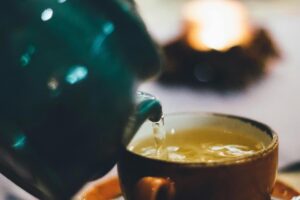
Someone offering me a seat before asking anything else. A glass of water appearing without me having to request it. Or, my personal favourite, being asked whether I would like some tea.
It’s such an ordinary question.
And yet, I think it says quite a lot.
Offering tea is one of those gestures that can make someone feel welcome without requiring a grand display of hospitality. You’re not necessarily promising an elaborate experience. You’re simply inviting someone to settle in.
And sometimes, that’s exactly what a guest needs.
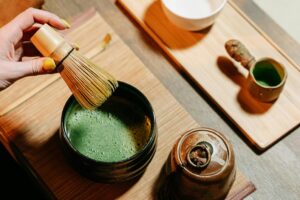
I’ve always found it interesting how tea manages to fit into so many different versions of hospitality. In some Chinese households, serving tea is closely connected to respect and family relationships. In Japan, the traditions surrounding tea can involve careful attention to the guest, the setting, and the moment itself. Across many South Asian homes, chai is a familiar part of welcoming visitors and spending time together.
The customs aren’t identical, and I wouldn’t want to pretend they are.
But there is something worth appreciating in how a drink can become part of the way people express care.
Not through the tea alone, but through everything happening around it.
The person who remembers you prefer your tea without sugar. The host who brings out another cup because someone has arrived unexpectedly. The family member who starts preparing tea while everyone is still figuring out where to sit.
None of these gestures requires particularly expensive leaves or beautiful teaware.
They require attention.
And I wonder whether that’s the part of hospitality we sometimes overlook.
We spend so much time thinking about what we should serve guests that we forget to consider how we make them feel while they’re there.
Does everyone have somewhere comfortable to sit? Are we actually listening to the conversation? Does someone feel awkward about accepting a second cup?
I know I’m guilty of thinking too much about getting everything ready and not enough about simply being present.
Because here’s the thing about offering tea: the preparation doesn’t have to be perfect.
The cups don’t need to match. The tea doesn’t need an impressive origin story. You don’t even need to know the ideal brewing temperature to make someone feel at home.
Of course, good tea is always appreciated. I love the idea of choosing something thoughtfully, especially when you know what your guest enjoys.
But I don’t think hospitality should depend on how much we know about tea.
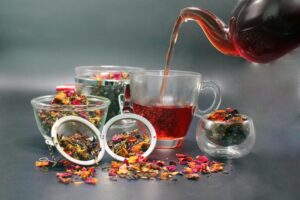
Someone might prefer a strong black tea with milk. Someone else might ask for something floral or caffeine-free. Another person might not want tea at all.
And that’s okay.
Maybe genuine hospitality is also knowing when not to insist.
There’s a difference between wanting to share something you enjoy and expecting everyone else to enjoy it in exactly the same way.
I’ve come to think that the best hosts understand this without making a big deal of it.
They offer, they listen, and they let people feel comfortable enough to be themselves.
What I especially like about tea is that it gives people something to do together without demanding constant conversation.
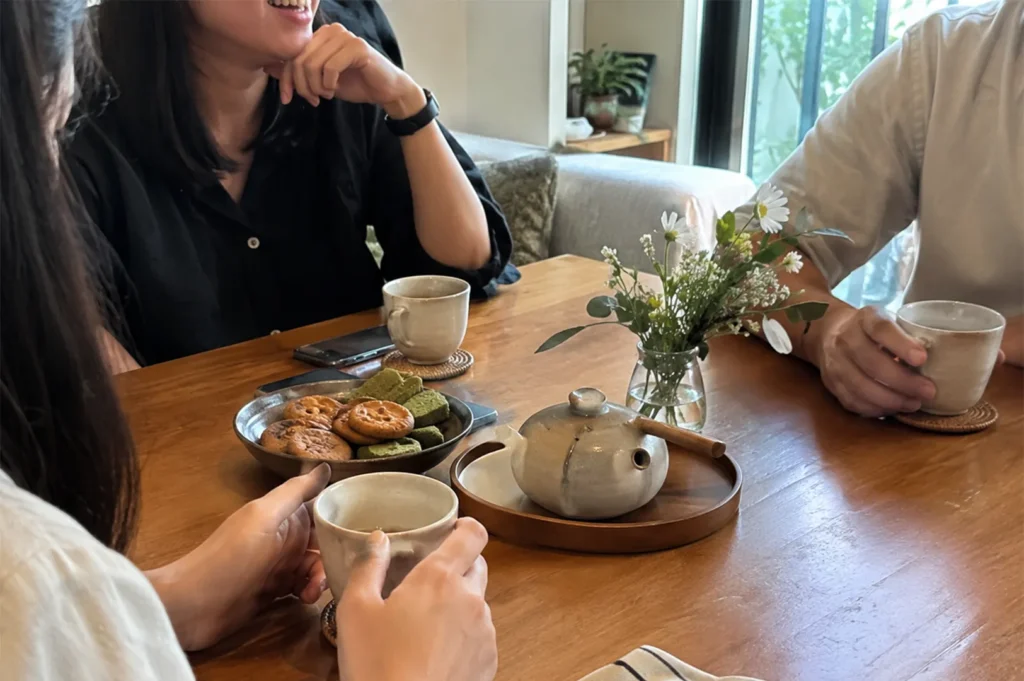
You can sit with a cup while catching up on months of news. You can talk about absolutely nothing important. You can even have a comfortable silence while everyone enjoys their drink.
Not every gathering needs to become an occasion.
Sometimes a visit is just a visit.
Someone drops by after a long day. A friend has an hour to spare. A relative comes over without much warning.
The kettle goes on, a few cups come out, and suddenly there’s a reason to sit together for a little longer.
I like that.
Perhaps we’ve become so used to seeing hospitality presented through beautiful interiors, carefully styled tables, and impressive food that the everyday version feels almost too ordinary to celebrate.
But what if the most welcoming homes aren’t necessarily the ones that have everything prepared?
What if they’re simply the places where nobody feels like an inconvenience?
Tea can’t create that feeling on its own, obviously. A beautifully brewed cup means very little if the person holding it feels unwelcome.
Still, I think offering tea can be a lovely place to begin.
It’s a small way of saying there’s room for you here.
And maybe that’s what makes a home feel like a home in the first place.
Not the things we put on display.
But the little ways we make space for one another.
— Maria Tan On tea, culture, and everyday rituals.

The Art of Aging: Understanding Authentic Yunnan Pu-erh Tea
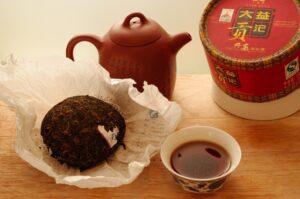
Among the world’s most revered fermented dark teas, few types evoke as much intrigue and respect as Yunnan pu erh tea (普洱). Crafted from ancient tea trees in Yunnan province, this tea produced by traditional methods is a living testament to China’s rich beverage heritage. Unlike most loose leaf tea or black teas, high-quality pu…

Cafe Singapore Says It Values Craft. So Why Is Tea an Afterthought?
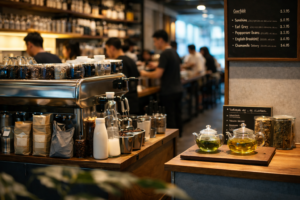
Singapore loves its café culture. We celebrate espresso machines. We admire single-origin beans. We debate tasting notes and extraction times like it is a sport. When someone says “Cafe Singapore,” most of us immediately picture coffee. But look at the tea menu. In many cafés, tea is reduced to a small corner of the page….
-
Tea from Japan: A Journey Through Culture, History, and Varieties
In Japan, tea is not merely a drink; it is a cultural cornerstone, a spiritual discipline, and an integral part of daily life. Tea is an important part of Japanese food culture, traditional ceremonies, and daily routines, reflecting its deep-rooted presence in society. The simple act of preparing and drinking Japanese tea is imbued with…
-
Sobacha: Exploring the Japanese Tradition of Roasted Buckwheat Tea (Sobacha)
Beyond the celebrated world of Japanese green tea lies a treasure trove of comforting, traditional beverages. Among the most beloved is sobacha (そば茶), a nutty and wholesome roasted buckwheat tea. It’s a staple in Japanese households and restaurants, cherished not just for its delightful flavor but for its deep connection to Japanese culinary culture and…
-
Ginger Tea Singapore: A Practical Journey to Finding and Enjoying This Wellness Beverage
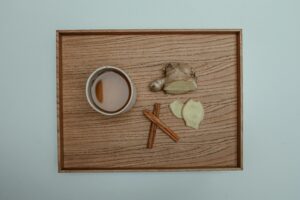
Ginger tea is more than just a comforting beverage in Singapore; it’s a staple of modern wellness, a go-to remedy for chasing away the chill of an air-conditioned office, and a familiar taste of home across many cultures. The gentle warmth of ginger tea provides a soothing and invigorating sensory experience, evoking feelings of coziness…
-
Beyond Coffee: Cafe Singapore Cafes Worth Visiting for Their Tea
Author’s Note: I made just a few tweaks here and there to smooth out the flow and make your reading experience as enjoyable as possible. Hope you enjoy the read as much as I enjoyed fine-tuning it for you! If you close your eyes and imagine a typical cafe Singapore scene, you’d likely hear the…
-
Green Tea in Japan: Exploring the Cultural and Social Dimensions of Green Tea in Japan
In Japan, green tea is more than just a beverage; it is a cultural cornerstone, deeply woven into the fabric of daily life, social customs, and national identity. It’s the welcoming drink offered to a guest, the quiet moment of reflection in a busy day, and the centerpiece of a centuries-old ceremony. While many are…

Singapore Ginger Tea: A Complete Guide to Traditional Wellness in the Lion City
In Singapore’s multicultural landscape, ginger tea is a beloved staple that transcends cultural boundaries. Known locally as teh halia, this warming brew embodies centuries of traditional wisdom adapted to modern Singapore life. Whether you seek relief from air-conditioned chill, digestive support after a big meal, or a refreshing sip on a rainy day, Singapore ginger…
-
Loose Tea Leaves: Elevate Your Singapore Tea Experience
In a city that moves as fast as Singapore, the simple act of brewing a cup of tea can feel like a small rebellion—a moment of intentional calm. More and more tea lovers are discovering that this moment is profoundly elevated when they make the switch from conventional tea bags to loose tea leaves. This…
-
Tea Leaf Singapore: An Exquisite Journey of Flavours, Traditions, and Moments
Singapore’s strategic position as a maritime trading hub has nurtured a rich tea culture where ancient traditions blend with modern innovation. The local love for tea runs deep, shaping Singapore’s unique tea culture and fostering a strong appreciation for every cup. Singapore continues to honor its tea traditions while embracing new innovations, ensuring that the…