Tea as Hospitality: The Small Gestures That Make a Home
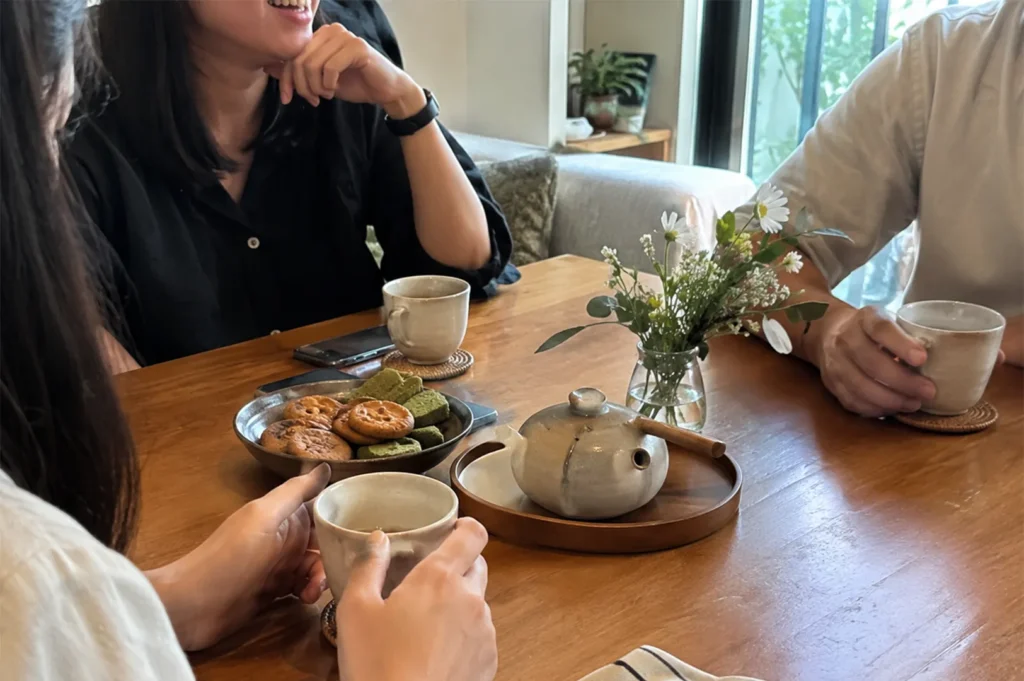
I think we sometimes make hospitality sound more complicated than it needs to be.
A beautifully arranged dining table. Matching plates. Fresh flowers. Something impressive coming out of the oven just as everyone arrives.
All lovely things, of course.
But when I think about the homes where I have felt most welcome, the details I remember are usually much smaller.
Someone offering me a seat before asking anything else. A glass of water appearing without me having to request it. Or, my personal favourite, being asked whether I would like some tea.
It’s such an ordinary question.
And yet, I think it says quite a lot.
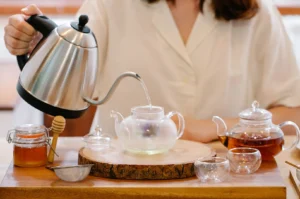
Offering tea is one of those gestures that can make someone feel welcome without requiring a grand display of hospitality. You’re not necessarily promising an elaborate experience. You’re simply inviting someone to settle in.
And sometimes, that’s exactly what a guest needs.
I’ve always found it interesting how tea manages to fit into so many different versions of hospitality. In some Chinese households, serving tea is closely connected to respect and family relationships. In Japan, the traditions surrounding tea can involve careful attention to the guest, the setting, and the moment itself. Across many South Asian homes, chai is a familiar part of welcoming visitors and spending time together.
The customs aren’t identical, and I wouldn’t want to pretend they are.
But there is something worth appreciating in how a drink can become part of the way people express care.
Not through the tea alone, but through everything happening around it.
The person who remembers you prefer your tea without sugar. The host who brings out another cup because someone has arrived unexpectedly. The family member who starts preparing tea while everyone is still figuring out where to sit.
None of these gestures requires particularly expensive leaves or beautiful teaware.
They require attention.
And I wonder whether that’s the part of hospitality we sometimes overlook.
We spend so much time thinking about what we should serve guests that we forget to consider how we make them feel while they’re there.
Does everyone have somewhere comfortable to sit? Are we actually listening to the conversation? Does someone feel awkward about accepting a second cup?
I know I’m guilty of thinking too much about getting everything ready and not enough about simply being present.
Because here’s the thing about offering tea: the preparation doesn’t have to be perfect.
The cups don’t need to match. The tea doesn’t need an impressive origin story. You don’t even need to know the ideal brewing temperature to make someone feel at home.
Of course, good tea is always appreciated. I love the idea of choosing something thoughtfully, especially when you know what your guest enjoys.
But I don’t think hospitality should depend on how much we know about tea.
Someone might prefer a strong black tea with milk. Someone else might ask for something floral or caffeine-free. Another person might not want tea at all.
And that’s okay.
Maybe genuine hospitality is also knowing when not to insist.
There’s a difference between wanting to share something you enjoy and expecting everyone else to enjoy it in exactly the same way.
I’ve come to think that the best hosts understand this without making a big deal of it.
They offer, they listen, and they let people feel comfortable enough to be themselves.
What I especially like about tea is that it gives people something to do together without demanding constant conversation.
You can sit with a cup while catching up on months of news. You can talk about absolutely nothing important. You can even have a comfortable silence while everyone enjoys their drink.
Not every gathering needs to become an occasion.
Sometimes a visit is just a visit.
Someone drops by after a long day. A friend has an hour to spare. A relative comes over without much warning.
The kettle goes on, a few cups come out, and suddenly there’s a reason to sit together for a little longer.
I like that.
Perhaps we’ve become so used to seeing hospitality presented through beautiful interiors, carefully styled tables, and impressive food that the everyday version feels almost too ordinary to celebrate.
But what if the most welcoming homes aren’t necessarily the ones that have everything prepared?
What if they’re simply the places where nobody feels like an inconvenience?
Tea can’t create that feeling on its own, obviously. A beautifully brewed cup means very little if the person holding it feels unwelcome.
Still, I think offering tea can be a lovely place to begin.
It’s a small way of saying there’s room for you here.
And maybe that’s what makes a home feel like a home in the first place.
Not the things we put on display.
But the little ways we make space for one another.
— Maria Tan On tea, culture, and everyday rituals.

Why “No Bitterness” Is a Terrible Goal (And Makes Tea Boring)
I used to think a good tea was supposed to be smooth. No bitterness. No sharp edges. Nothing that made me pause and wonder whether I was doing something wrong. It seemed logical. We naturally gravitate toward things that are easy to enjoy. A tea that is sweet, gentle, and immediately comforting feels like a…
-
Best Tea Brands Singapore: 10 Names Worth Knowing
There’s a small sound I’ve always liked. It’s the soft knock of a teapot lid settling back into place, just before the first pour. It happens at home. It happens in old shophouses and in bright mall boutiques like those in Suntec City. The setting changes, but the pause stays the same. This list is…
-
“Rare” Tea Is Often Manufactured Scarcity: Here’s How to Tell
There is a word in tea that carries unusual power. Rare. It immediately creates curiosity. A rare harvest. A rare batch. A rare tree. A tea that may never return. The suggestion is simple: if something is difficult to obtain, it must be more valuable. Sometimes, this is true. Some teas are genuinely limited because…
-
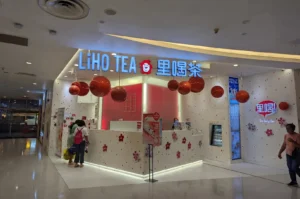
LiHO Tea Singapore: A Greeting You Can Drink
Some words carry a whole childhood inside them. Li ho. I heard it at kopitiam tables, across corridors, from uncles who never waited for a real answer. It meant “how are you,” but it also meant I see you. So when I saw that name on a tea shop sign, somewhere in the middle of…

The Myth of “Perfect” Tea: What I Stopped Chasing
For a long time, I thought I was looking for the perfect tea. I imagined there would be a moment when I found the one. The tea that made every other tea feel unnecessary. The tea I would recommend to everyone. The tea that would finally make me understand what true appreciation was supposed to…
-
Teh O: Understanding the Tea Order Behind the Name
There is a stall near where I grew up that has changed hands twice, but the tea has stayed the same. I still remember the first time I ordered teh o on my own, sometime in my early teens, mumbling the words at the counter and half-expecting to get them wrong. The uncle didn’t blink….
-
Stop Buying Tea for the Aesthetic: How Packaging Hijacks Taste
There is something fascinating about the way we buy tea today. Before we taste the leaves, we have already formed an opinion. The box is elegant. The label is beautifully designed. The colours suggest calm, luxury, or tradition. The story feels carefully written. And before the first sip, we have already decided that the tea…
-
A Tea Table in the Clouds: The Westin Singapore High Tea Review
It was one of those afternoons when the city felt too loud and too fast, and I wanted to sit somewhere quiet without really explaining why. So I went up. All the way up, to Level 32 of The Westin Singapore, where the Lobby Lounge sits above the noise like it knows something the rest…
-
“Caffeine-Free Tea” Confuses Everyone—Let’s Fix the Language
I have noticed that tea conversations can become surprisingly confusing. Not because tea itself is complicated, but because we sometimes use the same words to mean completely different things. One phrase that always catches my attention is “caffeine-free tea.” It sounds simple enough. A tea without caffeine. But is that really what we mean? Because…
-
The Pull, Pour, and Ritual Behind Singapore’s Favourite Milk Tea: Teh Tarik
It starts with a sound. A long ribbon of tea, arcing from one metal mug held high to another held low. The stream catches the light. Then the froth rises, pale and soft, and the whole thing gets poured back and lifted again. Nobody at the stall looks up. This happens a hundred times a…