Tea usually arrives quietly. Steam rising from a pot, a cup set down on a saucer, the scent of roasted tea leaves or jasmine drifting across a kitchen table.
A cocktail bar keeps a different rhythm. The light is low, the glassware is chilled cocktail glass, and ice rattles sharply in a cocktail shaker. Yet the two worlds meet more often than you might expect, especially in refreshing summer cocktail creations.
Tea based cocktails are mixed drinks that use tea as a working ingredient. The tea might be infused into a spirit like vodka, rum, or blanco tequila, brewed into a simple syrup or folded into a cordial. At their most thoughtful, these drinks ask bartenders and beverage directors to approach the leaf as a careful tea drinker would, paying attention to temperature, time, and what the tea brings beyond taste.
That idea is older than it looks.
Tea Based Cocktails Have Deeper Roots Than They Appear
Long before the modern cocktail menu, there was punch. PUNCH magazine has noted that tea was once a central element in punch, a shared drink often described as the cocktail's forerunner. It brought together booze, lemon juice, lime juice, simple syrup, and spice, and tea sometimes served as the lengthening brewed tea that held everything together.
Punch has largely faded from bar counters. Tea, however, found its way back. Near the start of the contemporary cocktail revival in the early 2000s, Audrey Saunders created the Earl Grey MarTEAni, built on gin infused with Earl Grey tea leaves. PUNCH has described it as the only true modern classic that requires a tea ingredient.
The MarTEAni was not the first drink to pair tea and spirits. It was, however, an influential one. It showed that a familiar household tea could give a cocktail real identity. In the years since, bartenders have experimented with chai, matcha powder, green tea, oolong, rooibos, and more. Chamomile and rooibos are herbal infusions rather than tea in the strict sense, but they followed the same path behind the bar.
What Green Tea and Brewed Tea Bring to Modern Mixology
The most obvious contribution is aroma. In an Earl Grey cocktail, the citrus perfume of lemon peel and bergamot can sit comfortably beside the botanicals in gin. Hojicha, a Japanese green tea roasted until it turns reddish brown, offers toasty notes that may suit aged spirits like rye whiskey or brandy.
Oolong is harder to pin down, and that is part of its appeal. Depending on how it is processed, it can lean floral and bright, deeply roasted, or softly fruity. That range is why oolong cocktails can differ so much from one menu to the next. Green teas, meanwhile, may taste grassy, vegetal or quietly savoury, with an umami depth that changes with origin and preparation.
These are possibilities rather than rules. The same name on a tea tin can mean very different flavours, shaped by where the tea leaves were grown and how they were handled.
Then there is texture. Tea from the Camellia sinensis plant, which includes green, white, oolong and black teas, contains tannins. Tannins create astringency: the drying, slightly puckering feeling you notice after a strong cup of black tea or sweet tea. Astringency is a sensation in the mouth, not a taste. Bitterness, by contrast, is registered on the tongue.
Used with care, that dryness gives a drink structure and grip. Many herbal infusions carry less tannin, so they tend to contribute aroma more than texture. It is also worth remembering that true teas contain caffeine, so a tea-based drink should not be assumed caffeine-free.
From Infusion to Intention: The Role of Simple Syrup and Cocktail Shaker
Tea-infused mixology works through a handful of quiet techniques, and each one plays a different role.
A tea-infused spirit draws flavour directly into the alcohol, so the tea becomes part of the drink's backbone. Brewed tea lengthens a drink, much as it once did in punch. A tea syrup combines sweetness and tea character in one concentrated ingredient, often made with simple syrup and honey. A cordial goes a step further. It usually adds acid like lemon juice to sugar and water, and is sometimes fortified with a little spirit like whiskey or vermouth.
What ties these approaches together is extraction. Speaking to PUNCH, the beverage director at London's Lyaness observed that even a standard brew involves variables such as temperature, time and concentration. Water, alcohol and fermentation each pull different qualities from the leaf, and so do hot and cold methods.
The risk is easy to imagine. Steep too long or too hot, and astringency or bitterness can overwhelm everything else in the glass. This is where cocktail-making echoes the tea table. No single temperature or infusion time suits every tea, and good results come from paying attention rather than following a formula.
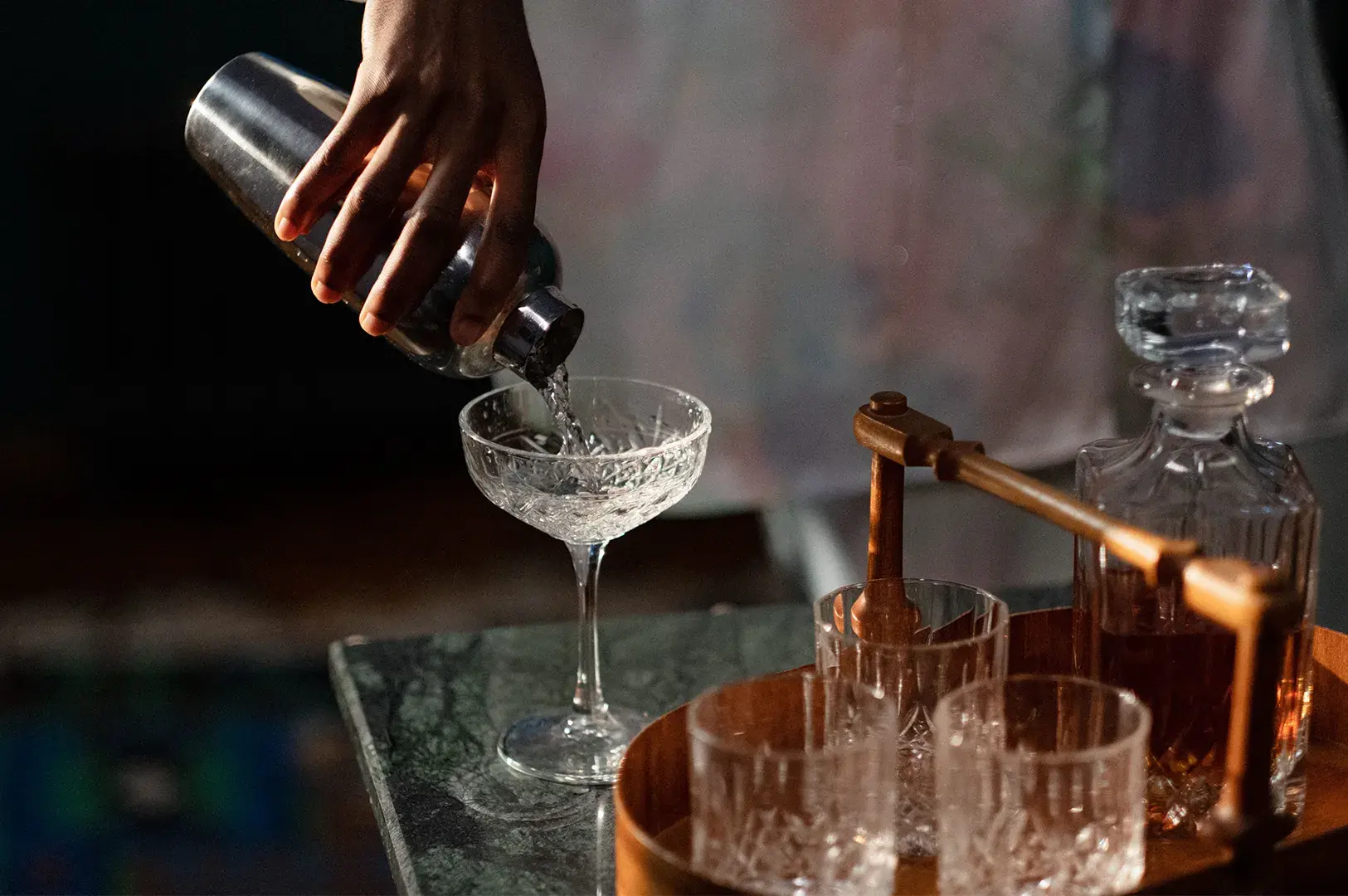
Bartenders often shake tea based cocktails vigorously in a cocktail shaker to combine ingredients like egg white, lime juice, and fresh mint, then strain into a chilled cocktail glass. Garnishes like lemon peel or a sprig of fresh mint add visual appeal and aroma.
Tea-Infused Mixology Through a Singapore Lens: Inspiration for Summer Nights
Singapore has its own chapter in this story, recorded in dated reporting.
In 2021, PUNCH documented the Genmaicha Bellini at Jigger & Pony. The drink used a genmaicha purée made from genmaicha tea, gin, agar agar and sugar, topped with Prosecco, an Italian sparkling wine. Genmaicha blends green tea with toasted rice, and its warm, nutty character brings something homely into a celebratory glass perfect for summer nights.
In June 2023, Men's Folio reported that Mixology Salon, a Tokyo bar founded by Shuzo Nagumo, had opened a Singapore outpost on the second floor of InterContinental at Robertson Quay. The bar was led locally by Nagumo's protégé, Kaoru Takii, the beverage director. The reported menu included a Sencha Gin & Tonic that drew on sencha from Shizuoka and Saga, and a Green Tea Old Fashioned made with matcha powder, kuromitsu (Japanese black sugar syrup), bourbon, and rye whiskey.
The same feature described a course built around three infusions of gyokuro, a shade-grown Japanese green tea. That detail reflects a familiar tea practice, in which the same tea leaves are steeped more than once to reveal different layers. Mixology Salon Singapore subsequently closed in October 2024. The cocktails described here reflect its historical menu rather than drinks currently available at the former Robertson Quay location.
These examples draw on Japanese tea traditions specifically. Singapore's own tea habits, from kopitiam teh to Chinese iced tea served at family meals, have their own histories. Tea cocktails in Singapore do not merge these traditions. Instead, they place one familiar ingredient in a new setting and invite drinkers to notice it again.
Beyond Alcohol: Refreshing Tea-Based Cocktails Without Losing Complexity
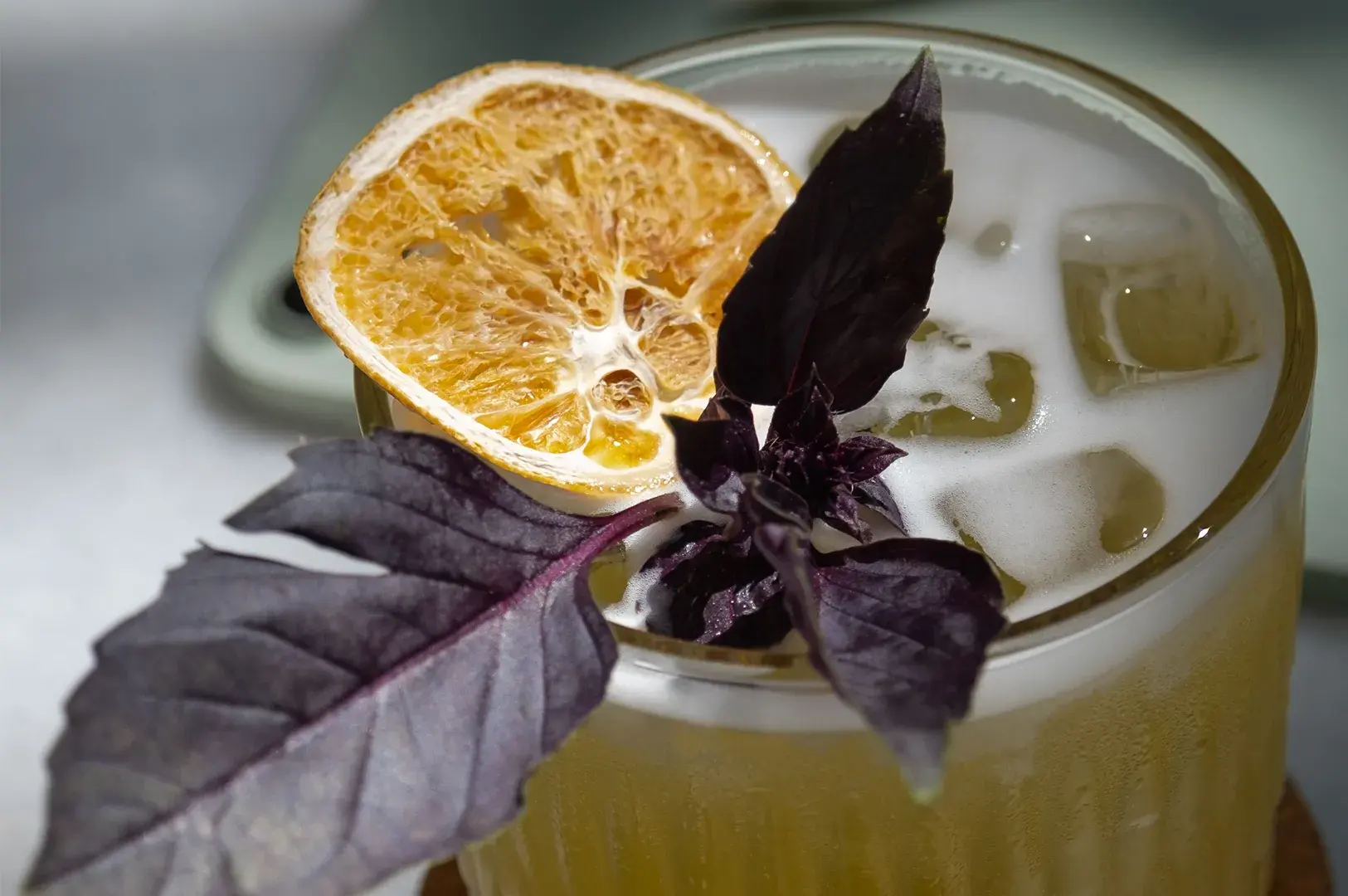
Tea may be most useful where alcohol is absent. Non-alcoholic tea cocktails can borrow tea's natural tannin to suggest the weight and grip that spirits usually provide. PUNCH reported that some bartenders deliberately extract tea further to echo the mouthfeel of a barrel-aged spirit.
Aroma helps too. A well-chosen tea can give a zero-proof drink a sense of depth that sugar, soda water, and juice alone rarely achieve.
A few clarifications matter, though. Adding tea does not make a cocktail low in alcohol, alcohol-free or healthier. A drink with gin and green tea is still a drink with booze. Fermented tea ingredients such as kombucha can contain small amounts of alcohol, and caffeinated teas still carry caffeine.
A New Setting for a Familiar Ritual: Sip, Shake, and Experiment
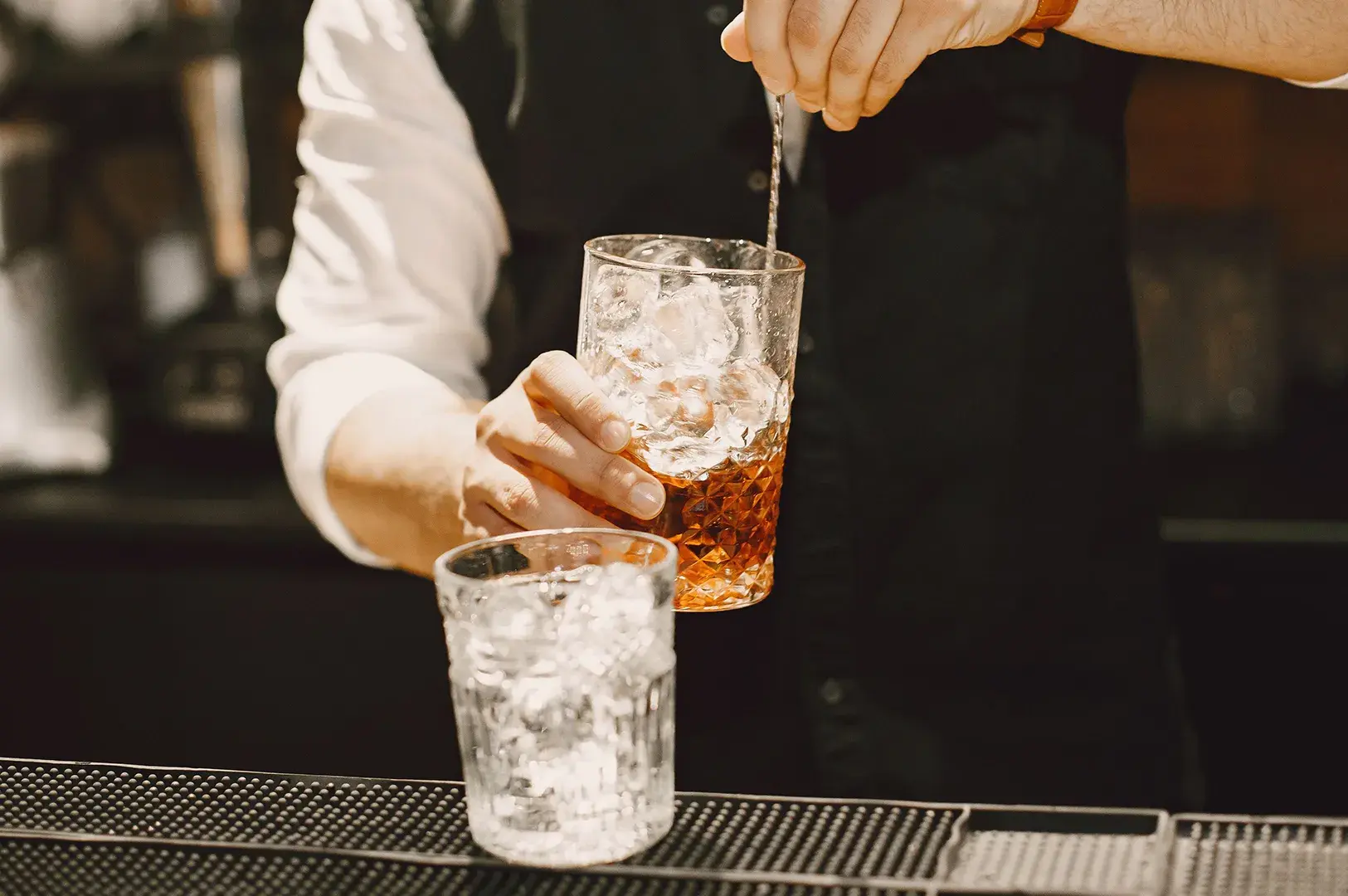
It is easy to see tea cocktails as novelty, a clever twist on a bar menu. The history suggests something steadier. Tea sat in the punch bowl long before it reached the martini glass, and the best modern versions still rely on the same attention that a good pot of tea asks for.
Perhaps that is the quiet thread here. Whether it is steeped in a kitchen or measured behind a bar, the leaf responds to care.
If you choose to drink, consider asking about the tea behind your next cocktail. Where does it come from, and what is it there to do? If you would rather skip alcohol, a non-alcoholic tea-based drink offers its own way into the same story.
Sip, Shake, and Savor: The Perfect Tea Cocktail Finale
Enjoy the refreshing taste of tea cocktails on a warm summer evening with friends, garnished with fresh mint and lemon peel, poured from the bottle into your favorite cocktail glass, and shaken well in a cocktail shaker.
Whether you prefer the sweet notes of chai or the subtle earthiness of matcha powder, there is a tea cocktail recipe to inspire your next sip. Experiment with ingredients like rye whiskey, brandy, rum, or vermouth, and add a splash of sparkling water or soda water for that perfect spritz.
Celebrate humanity's love for tea and booze combined, and make your summer nights memorable with these refreshing, sweet, and fresh tea-based cocktails.
Discover the rich fusion of tea culture at Cuppage Plaza in Singapore with this in-depth exploration of food and tea experiences.

Understanding the Six Types of Chinese Tea and What Makes Each Unique
Introduction Across centuries of Chinese culture, tea has held a place of quiet importance. It appears in homes, markets, and tea houses across China, where the simple act of sharing a cup reflects patience, hospitality, and tradition. For many people, Chinese tea is not only a beverage. It is a moment of reflection and a…
-
Stepping Into a Tea Shop Singapore: A World of Leaves, Craft, and Calm
Introduction A good tea shop Singapore offers is not simply a place to buy tea. It is a place where flavour, craft, and tradition meet. In a city known for speed and convenience, a proper tea house offers something different. It invites people to slow down, pay attention, and actually taste what is in their…
-
When Tea Becomes Too Beautiful to Drink
I recently saw a photograph of a tea session online that looked almost too perfect. The teapot sat neatly on a polished tray. The cups were aligned in a way that suggested someone had carefully adjusted them, perhaps more than once. A small branch of flowers leaned gently toward the tea set as if it…

How Tea in Singapore Traveled From Colonial Tables to Modern Teahouses
Tea in Singapore moves quietly through the day, carrying within its steam the gentle convergence of traditions that have found their way to this island over generations. In the soft morning light of hawker centers, the rhythmic pour of teh tarik creates small moments of pause, while afternoon finds its way into tranquil tea rooms…

Are We Drinking Tea or Just Collecting It?
There was a time when buying tea meant something simple. You chose a tea you liked, brought it home, and brewed it. The leaves were meant for hot water, not long-term storage. Yet something has quietly changed. Today it is not unusual to meet tea drinkers with shelves filled with sealed cakes, tins, and packets…

The Soul of Tea: Unveiling the Beauty of Traditional Tea Ceremonies
Tea is more than just a drink, isn’t it? It is a quiet moment in the middle of a busy day, a small ritual that grounds us. We are not just drinking tea; we are experiencing something far more profound, a glimpse into the centuries-old traditions of cultures that revere this simple beverage. Whether in…
-
The Matcha Latte and the Tea It Came From
The matcha latte drink has become one of the most recognizable tea-based beverages in modern cafés. From Starbucks menus to independent tea bars, it is served hot in ceramic mugs or as iced matcha lattes layered in a glass with cold milk and ice. It is marketed as a healthy drink. It is praised for…

We Are Drinking Tea Too Quickly
There is something ironic about rushing tea. We order it to relax. We call it calming. We describe it as grounding. And yet, more often than not, we drink it the same way we drink everything else — between emails, between meetings, between scrolling. Tea has become background noise. A mug beside the laptop. A…
-
Where Tea Meets Cuppage Plaza Food: Restaurants That Serve Both Well
Walk into Cuppage Plaza Singapore and you immediately feel the shift. Just a short walk from Somerset MRT Station, Cuppage Plaza is a go-to spot for anyone craving authentic Japanese cuisine. Sure, Orchard Road is just outside, all shiny and bustling, but once you step inside this older building, the vibe totally shifts. The hallways…
-
Milk Tea Is Not Tea
This is not an argument about preference. It is a question about naming. Milk tea is everywhere now. It travels in oversized cups, sealed with plastic film. It arrives layered with foam, syrup, pearls, jelly, whipped cream. It is photographed before it is tasted. It is queued for. It is branded. It is loved. But…