I used to think choosing good tea meant knowing what to look for.
The right origin. A respected producer. Beautiful leaves. A good harvest. Maybe even a price tag that made me think, “This must be worth it.”
Over time, I realised I was making tea shopping much harder than it needed to be.
Because what does “quality” actually mean?
For some people, it might mean rare leaves from a particular mountain. For others, it might mean organic farming, careful processing, or a tea that has been produced using traditional methods.
All of those things can matter.
But for me, quality has become much more personal.
I want tea that I actually look forward to drinking.
That sounds almost too simple, but I think we forget it.
I have bought teas because everyone seemed to love them. I admired the packaging, read the tasting notes, and convinced myself I was going to enjoy them.
Then the tea sat in my cupboard.
Meanwhile, there was another tea I kept reaching for because I simply liked how it tasted.
That taught me something.
A tea can be technically excellent and still not be the right tea for you.
I also pay more attention now to how the tea makes me feel after drinking it. Not in the exaggerated wellness sense, but in a much simpler way. Does it suit the moment? Do I enjoy the flavour? Would I happily make another cup tomorrow?
Those questions tell me far more than a fancy description ever could.
Of course, I still care about where my tea comes from. I want to know that the leaves have been handled thoughtfully and that the people behind them are respected. Understanding the journey from tea garden to cup makes the experience more meaningful.
But I no longer believe quality has to be complicated.
Sometimes quality is a beautiful tea that rewards careful attention.
Sometimes it is simply a tea that makes an ordinary afternoon better.
And sometimes, honestly, it is the tea you keep coming back to even when there are dozens of other options sitting in the cupboard.
Maybe that is my definition of quality now.
Not the tea everyone tells me I should love.
The tea I genuinely do.
— Maria Tan
On tea, culture, and everyday rituals.

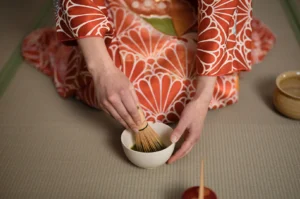
Traditional Japanese Tea Ceremony in Osaka: Finding Stillness in Japan’s Most Restless City
Osaka is a city that talks back. Walk through Dotonbori in the evening and everything competes for your attention: neon signs stacked several stories high, takoyaki stalls calling out to passers-by, crowds pressing along the canal toward the next thing to eat. The city even has a word for its appetite, kuidaore, often translated as…
-
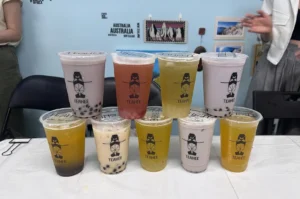
A Tea Break with a Twist: Inside Teahee Singapore
Most tea breaks are small things. A kettle clicks off. Someone brings over a cup. For ten minutes, the work waits, and nobody asks very much of the tea except that it be warm. There is another kind of tea break, though. One where you are the one brewing, measuring, pouring. Where the cup in…
-
The Teas I Keep Coming Back To—and the Ones I’ve Outgrown
I used to believe that discovering better tea meant gradually leaving ordinary preferences behind. The more I learned, the more refined my tastes were supposed to become. I would move towards rarer leaves, more complicated flavours, and teas that demanded greater attention. But taste does not always develop in a straight line. Some teas remain…
-
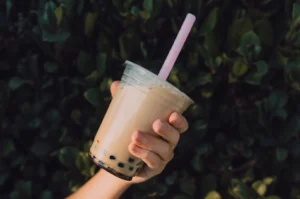
Best Milk Tea in Singapore: The Search for the Perfect Tea-to-Milk Ratio
A cup of milk tea is a small negotiation. Too much milk, and the leaf disappears. Too little, and the tea turns sharp and thin. Somewhere between the two is the balance people keep looking for, one plastic cup at a time. This list looks back at Singapore’s milk foam and cheese tea scene in…
-
Milk Tea Can Be Elegant—Most Shops Just Don’t Try
I think milk tea deserves a little more respect. Not because it needs to become expensive or sophisticated, but because we’ve somehow accepted that milk tea is supposed to be sweet, colourful, and filled with enough toppings to qualify as dessert. And honestly, I enjoy a good bubble tea. There’s something fun about choosing your…
-
A Look at the Cup That Started the Brown Sugar Boba Wave: R&B Tea Singapore
Some drinks arrive in a city quietly. Others change the way a whole country queues. R&B Tea’s story began before Singapore’s brown sugar boba boom. According to its official history, the Taiwan-origin brand opened its first outlet in Suzhou, China, in 2006. The February 2018 date marks the Singapore brown sugar boba milestone claimed by…
-
What I Want a Tea Shop to Feel Like
I have never believed that a good tea shop needs to impress me. Beautiful shelves are pleasant. Carefully arranged teaware can be lovely. And there is something reassuring about a shopkeeper who knows the difference between a young sheng Pu-erh and one that has spent twenty years ageing. But none of these things tells me…
-
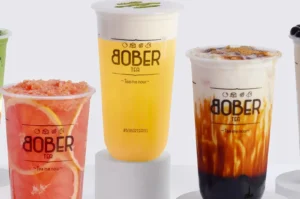
Between Pearls and Tea: Inside Bober Tea at Compassvale Link
Some drinks belong to a particular hour. Late afternoon in an HDB estate. School bags on shoulders, a void deck still warm, someone holding a plastic cup with condensation running down the side. Bubble tea has become part of that rhythm in Singapore, sitting easily between errands, after dinner, on the walk home. I came…
-
Green Tea Obsession Is Overrated: The Case for Deeper, Darker Teas
I have a feeling green tea has become the tea we’re all supposed to love. It’s everywhere. Wellness conversations, morning routines, skincare trends, and those beautiful matcha drinks that somehow make an ordinary afternoon look more interesting. And honestly, I get it. Green tea can be wonderful. Fresh, grassy, sometimes sweet. But I’ve started wondering…
-
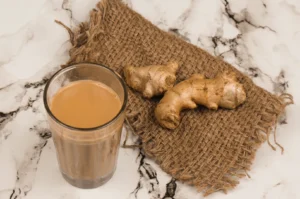
The Ginger-Laced Tea Worth Knowing: Teh Halia
Some drinks reach you before the cup does. At a drinks stall or coffee shops across Southeast Asia, the scent of brewed loose leaf tea or tea bags and sweetened condensed milk is usually in the air. But every so often, something sharper cuts through it, warm and a little peppery, freshly grated young fresh…