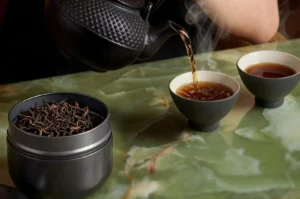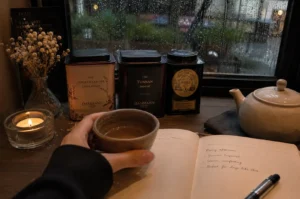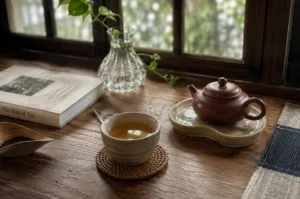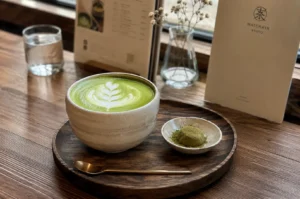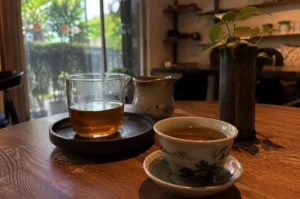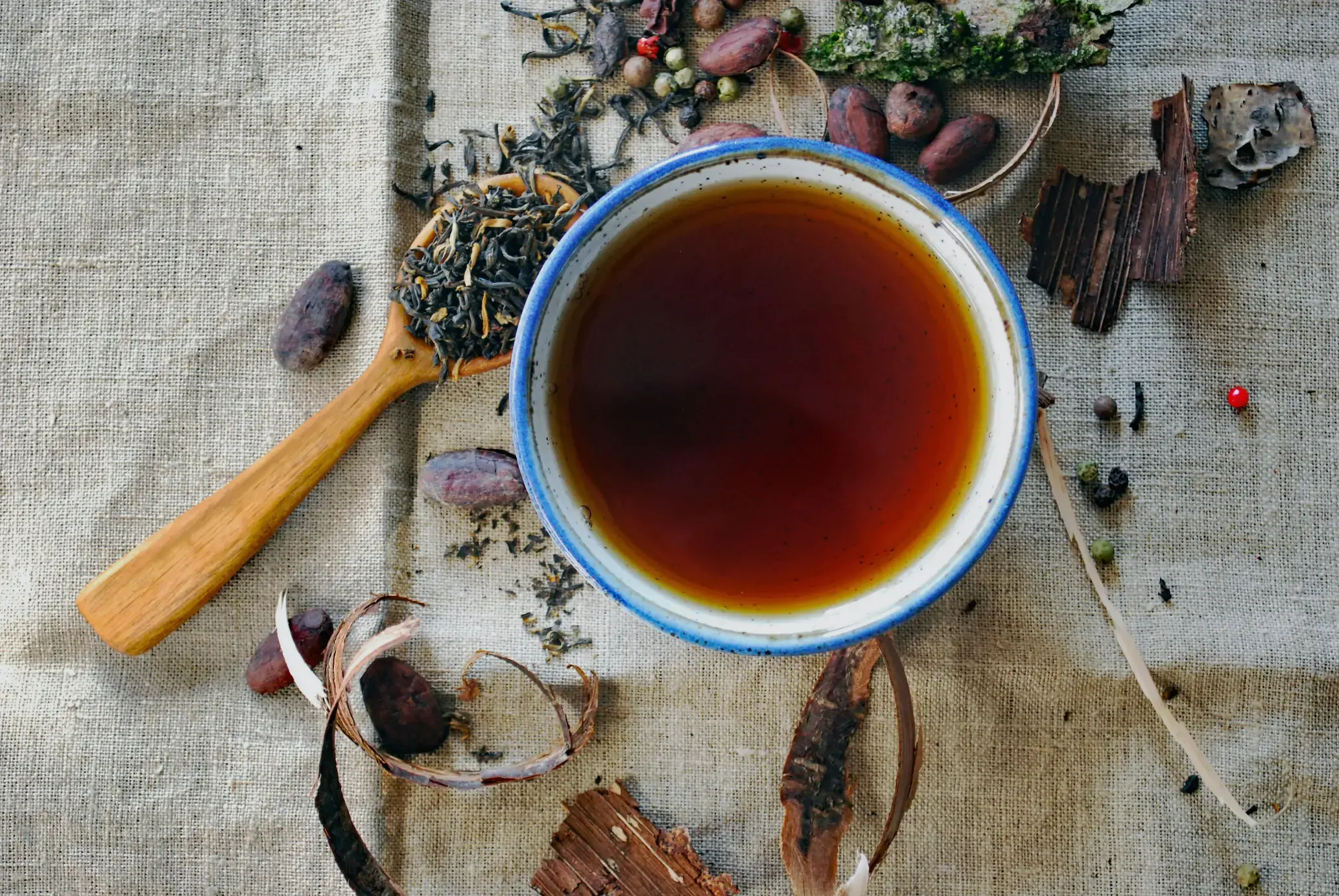
Tea begins long before it reaches your cup. It starts in quiet mountain regions where climate, soil, and tradition shape every leaf. From China to Japan and Taiwan, each origin brings its own character, creating a diverse and evolving world of tea.
In Singapore, tea has become both a daily ritual and a refined indulgence. It offers a moment to pause, to reconnect, and to enjoy something crafted with care.
Loose-leaf tea allows this experience to unfold fully. Unlike tea bags, the leaves have space to expand, releasing a more expressive aroma and flavour. Each cup becomes something to savour, not rush.
From Leaf to Cup: Understanding Tea Types
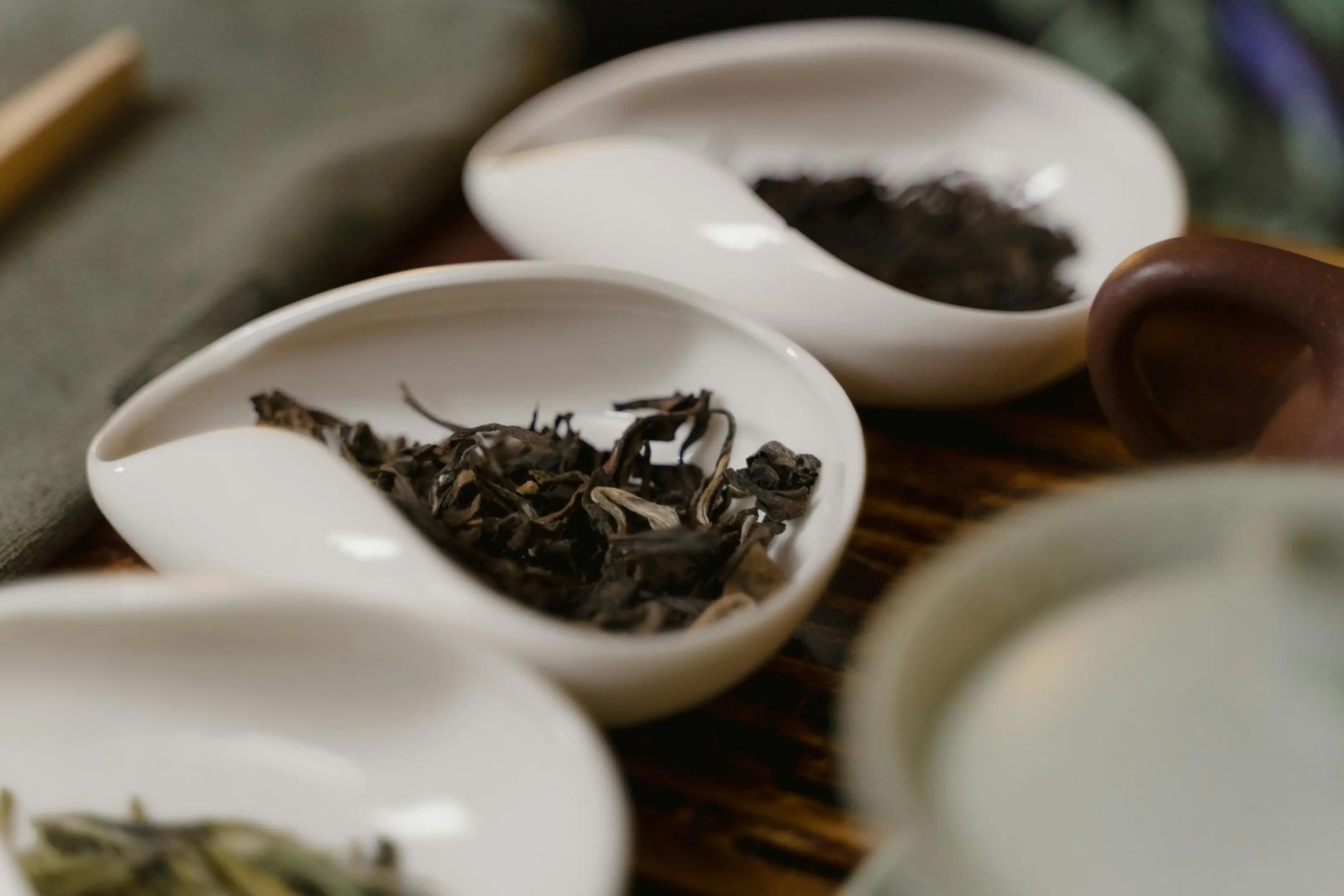
Every tea begins with the same plant, yet the journey from leaf to cup creates a remarkable range of flavours and experiences. The difference lies in how each leaf is handled, shaped, and allowed to oxidise.
Green Tea: Fresh, Light, and Delicate
Green tea is known for its clean and refreshing profile. It is minimally processed, allowing the leaf's natural qualities to remain.
What you can expect:
- Fresh and grassy notes
- Subtle sweetness
- Light colour and gentle aroma
Common origins include China and Japan, each offering slight variations in taste and character.
Oolong Tea: Complex and Aromatic
Oolong tea offers a balance between light and dark profiles. It is partially oxidised, creating layers of flavour that evolve with each infusion.
What makes it unique:
- Floral and fruity notes
- Smooth and aromatic finish
- A flavour that develops over multiple steeps
Oolong is often crafted in regions such as Taiwan and parts of China, where tradition plays a key role in its production.
Black Tea: Bold and Full-Bodied
Black tea is fully oxidised, resulting in a deeper colour and stronger taste. It is often chosen for its richness and depth.
Key characteristics:
- Deep amber colour
- Bold aroma
- Notes of malt, spice, or citrus
Blends like Earl Grey introduce a fragrant citrus layer, adding a familiar yet refined touch.
Herbal and Botanical Infusions
Herbal infusions offer a different experience. They are naturally caffeine-free and often lighter in profile.
Popular ingredients include:
- Rooibos for earthy warmth
- Lemongrass for a refreshing citrus note
- Fruits for a naturally sweet and vibrant flavour
These blends are ideal for winding down or enjoying a calming moment at any time of day.
The Craft and Quality Behind Premium Tea Leaves
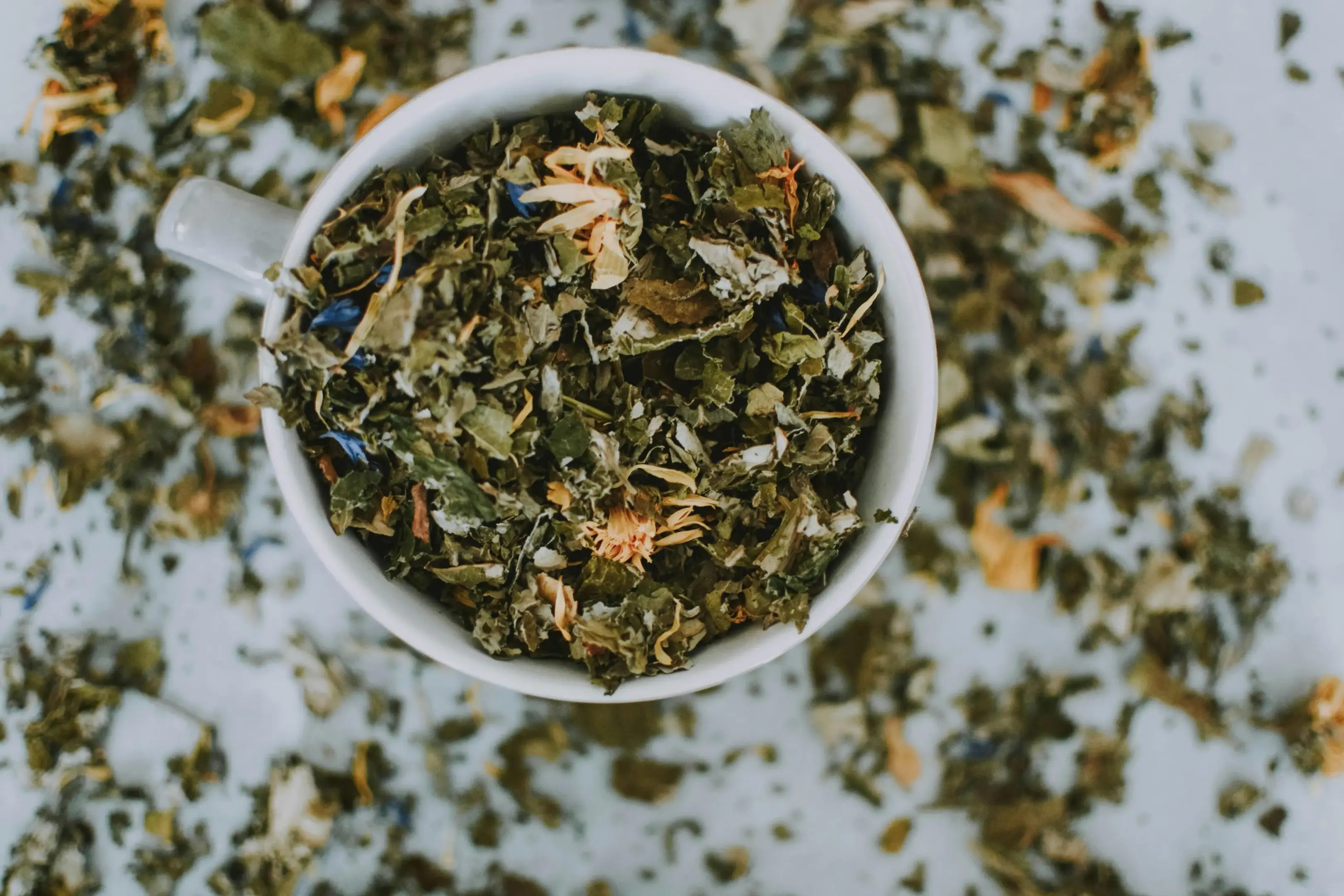
Every cup of tea begins with the leaf, but its quality depends on how it is grown and handled. The environment plays an important role. Climate, soil, and altitude all shape the flavour and aroma of the tea.
Premium tea leaves are picked at the right time, when they hold the best balance of taste and freshness. Regions such as Fujian in China are known for this level of care, with practices that have been refined over generations.
After harvesting, the leaves go through several steps that define their character. These include withering, oxidation, shaping, and drying. Each step is controlled carefully, as even small changes can affect the final taste, colour, and fragrance.
Well-crafted tea feels balanced and clean. The flavours are clear, the aroma is distinct, and the cup remains smooth from start to finish.
With time, these qualities become easier to notice, and you begin to recognise what makes a tea truly refined.
How to Choose Tea Leaves for Your Palate, Mood, and Occasion
Choosing tea is a personal experience. The right tea depends on what you enjoy, how you feel, and the moment you want to create.
You can start by considering:
- Your Flavour Preference - Tea can be light or full-bodied. Green tea and floral blends offer a fresh and delicate taste. Black tea has a stronger and richer flavour. Oolong sits in between with a balanced and layered profile.
- Your Mood - Tea can match how you feel. Herbal and lighter teas bring a sense of calm. Stronger blends feel more energising and help you stay focused.
- The Occasion - The setting can guide your choice. A familiar blend works well for daily tea time. A more aromatic tea suits quiet moments. A curated selection makes a thoughtful and elegant gift.
If you're looking to see how these flavours pair with a meal, you can find inspiration in this Japanese restaurant tea guide to see how professionals elevate the experience
Brewing Tea Leaves for the Perfect Cup
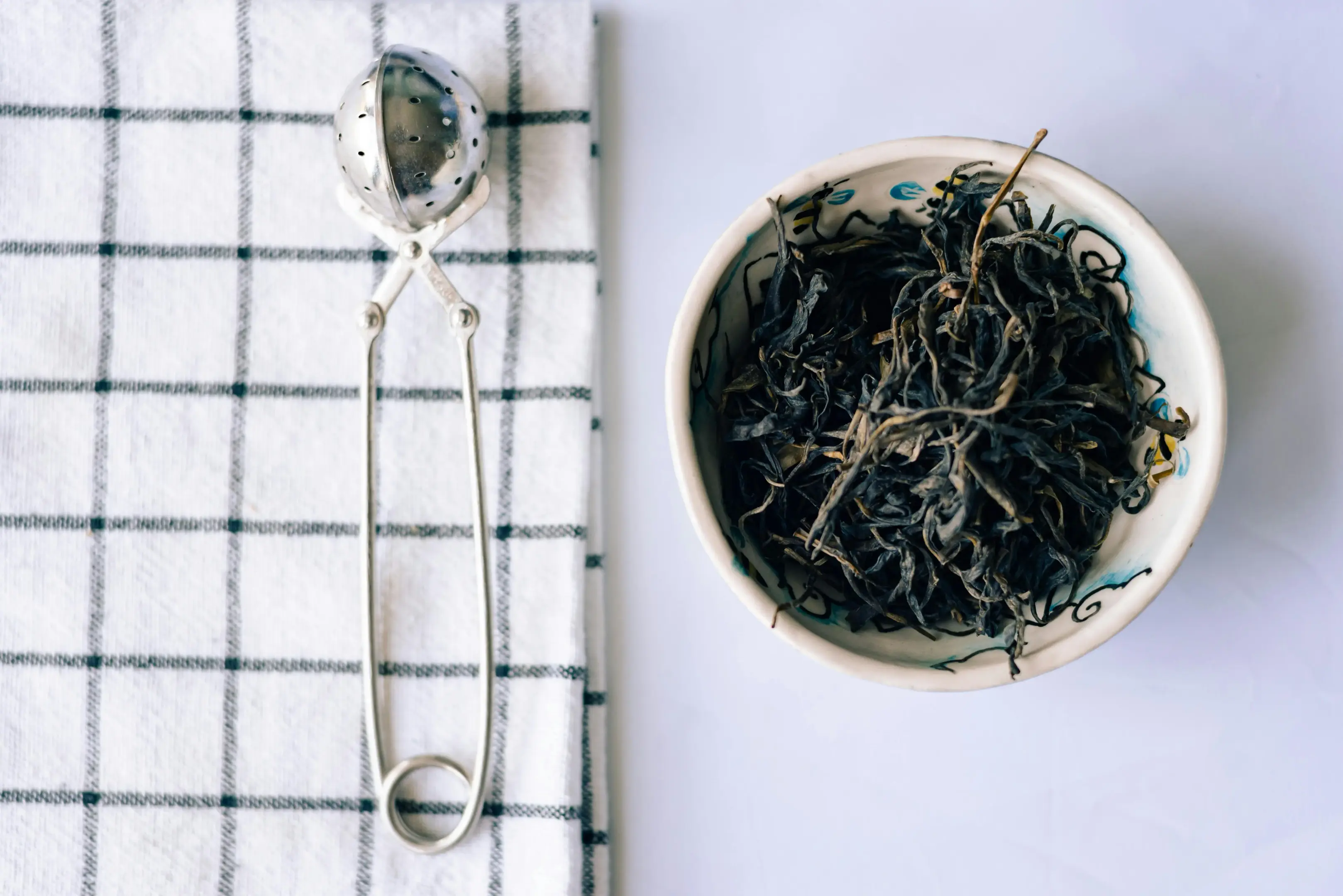
Brewing is where everything comes together. The way you prepare your tea has a direct impact on how it tastes and feels.
Water temperature is important. If the water is too hot, green tea can become bitter. If it is too cool, black tea and oolong may taste flat and lack depth. Steeping time also plays a role. A little too long can make the tea too strong, while too short may leave it underdeveloped.
A good teapot or gaiwan gives the leaves enough space to open up. This allows the flavours and aroma to come through more clearly in each cup.
The tools you use can make a difference. A well-made teapot or simple accessories can improve the brewing process and make tea time feel more enjoyable and relaxed.
The Sensory Experience and Culture of Tea in Singapore
Tea is not only about taste. It is an experience that engages all the senses.
The aroma rises first, inviting you in with its fragrant notes. The colour of the infusion reflects the character of the leaves, from pale gold to deep amber. Then comes the taste, followed by the lingering impression on the palate.
In Singapore, tea culture continues to evolve, blending traditional practices with modern lifestyles. It is present in quiet moments at home, in conversations shared over a pot, and in the simple act of pausing during a busy day.
For discerning tea lovers, tea offers more than refreshment. It becomes a way to slow down, to reconnect, and to appreciate the details that often go unnoticed.
Curating Your Tea Collection and Elevating Everyday Tea Moments
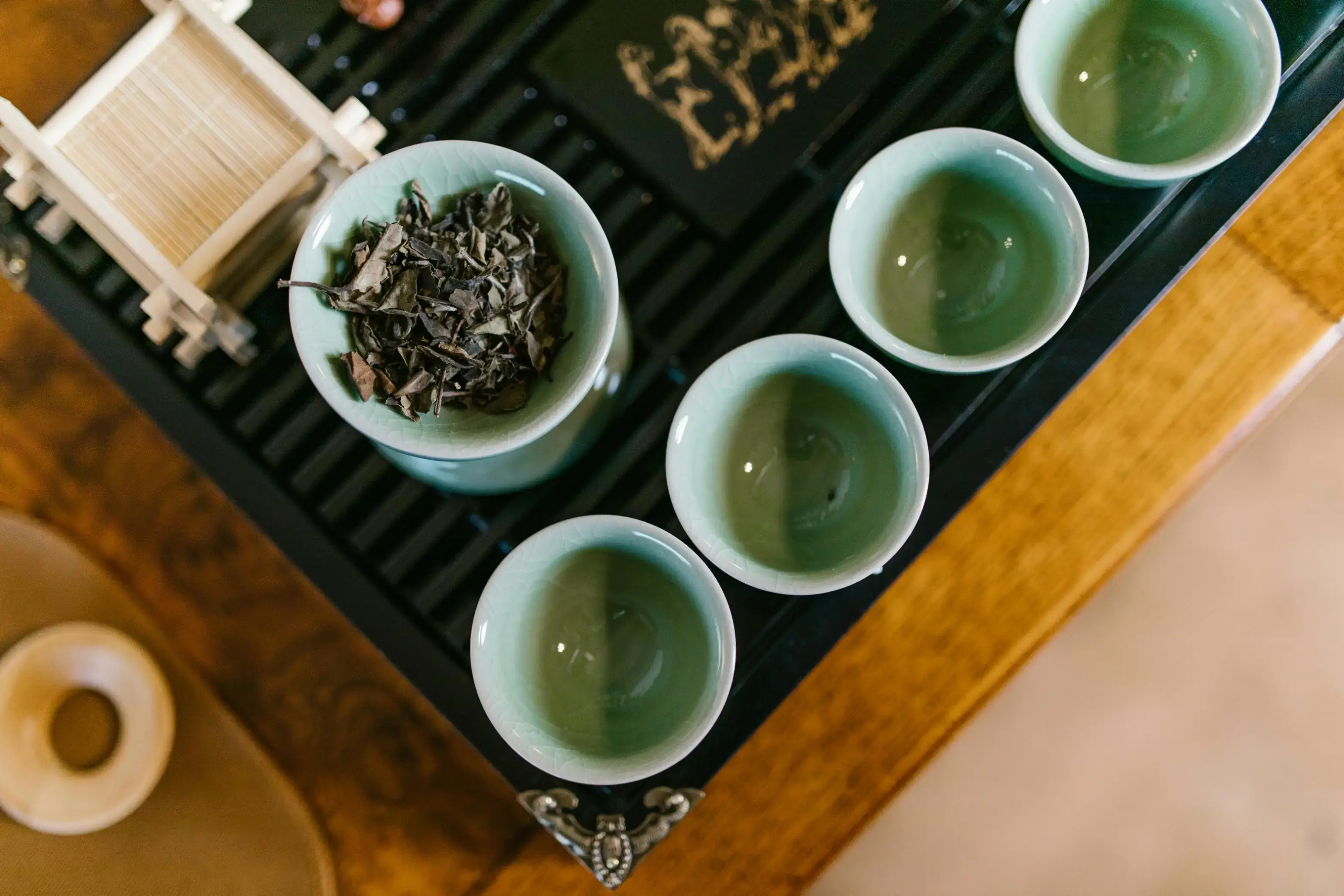
Building a thoughtful tea collection is one of the simplest ways to bring more joy into daily life.
Here’s how to get started:
- Begin with three or four favourite teas that suit different moods and times of day.
- Gradually explore new origins and blends as your palate develops.
- Store your loose leaf tea in airtight containers, away from strong light, heat, and moisture to preserve maximum freshness.
- Turn tea time into a gentle daily ritual. Light a candle, put away your phone for a few minutes, and simply savour the cup in front of you.
These small, mindful pauses are where the true pleasure of tea reveals itself.
Frequently Asked Questions
What are the best tea leaves to start with? Green tea is a good starting point due to its light and refreshing taste. Oolong offers more complexity, while black tea provides a stronger and fuller flavour.
How do you choose tea leaves in Singapore? Choose tea leaves based on flavour, origin, and quality. Look for loose leaf tea with a clean aroma and well-formed leaves.
What is the difference between green, oolong, and black tea? Green tea is minimally processed and light in taste. Oolong is partially oxidised with balanced flavours. Black tea is fully oxidised and bold.
How should tea leaves be stored? Store tea leaves in airtight containers away from light, heat, and moisture to keep them fresh.
How much tea leaves should be used for one cup? Use about one teaspoon of loose leaf tea per cup. Adjust based on taste and tea type.
A Final Sip: Embracing the Journey of Tea
Tea invites you to slow down. It offers a space to pause, reflect, and appreciate what is in front of you.
Each cup is part of a larger journey. From the origin of the leaves to the way they are brewed and enjoyed, every detail contributes to the experience.
As you continue exploring, your palate will evolve. Your appreciation will deepen. What begins as a simple cup becomes something more meaningful.
In that quiet moment, with tea in hand, there is always something new to discover.

Stop Calling It “Premium”: Why Most Luxury Tea Branding Is Empty
There is a word I have become increasingly cautious of in the tea world. Premium. It appears everywhere. Premium leaves. Premium harvests. Premium collections. Premium experiences. The word sounds reassuring. It suggests care, quality, and something worth paying attention to. But after seeing it attached to almost everything, I sometimes wonder whether it has started…
-
Pryce Tea: A Modern Pour with Old Tea-Room Ambitions
I visited on a weekday afternoon, around three, when the city had quieted into that particular lull between lunch and the evening rush. I’d been curious about Pryce Tea for a while, mostly because the brand keeps surfacing among people who talk about teas the way some people talk about wine. With a reputation built…
-
The Seasons in a Tin: How Weather Shapes What I Reach For
I have a small habit that I never really noticed until recently. The weather changes, and somehow, so does the tea I want. On a hot afternoon, I find myself reaching for something light and floral. When rain settles over the windows, I want something darker, warmer, perhaps a little more comforting. On those rare…
-
Ginger Lily Afternoon Tea on Orchard Road: A Floral Chapter in Singapore’s Culinary Story
I noticed the ginger lily flowers before I noticed anything else. Not real ones, exactly. A wall of them, suspended in resin, catching the light as I stepped off the lift on Level 5 at Hilton Singapore Orchard, home to Ginger Lily, a floral-themed afternoon tea lounge on Orchard Road. I stood there a second…
-
Minimalism, But Make It Warm: A Simpler Way to Drink Better Tea
There is a certain irony about tea. The more we learn about it, the easier it becomes to complicate it. A simple cup of leaves and water slowly becomes surrounded by equipment, measurements, techniques, and expectations. We begin collecting teapots, comparing brewing methods, and searching for the perfect setup. None of these things are wrong….
-
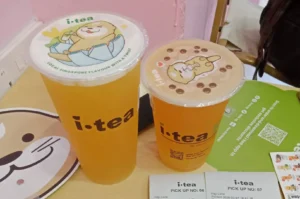
A Humble Cup in an Age of Overdesigned Drinks: iTea Review
The bubble tea I queued for last month came with a caramelized brûlée top I had to crack with the back of my spoon. It was fine. Pretty, even. But somewhere between the torched sugar and the cheese foam and the third topping I didn’t ask for, I lost the drink itself. So I went…
-
Matcha Hype Has Gone Too Far (But I Still Drink It)
I have a confession. I am slightly tired of seeing matcha everywhere. Not because I dislike matcha. In fact, I drink it quite often. But there is something amusing about watching a humble tea become the centre of every café menu, wellness conversation, and social media trend. Matcha has gone from a traditional Japanese tea…
-
Hortus Afternoon Tea Review: When the Garden Becomes the Occasion in the Flower Dome
I forgot, for a moment, that I was indoors at Hortus, the Mediterranean restaurant nestled within the Flower Dome at Gardens by the Bay. There were trees above me, real ones, and the air held that cool, green stillness you usually find early in the morning somewhere far from the city. A leaf drifted down…
-
The Real Reason Your Tea at Cafés Tastes Flat
There is a particular disappointment that comes with ordering tea at a café. You see the menu. You notice the carefully written descriptions. Perhaps there is a mention of fragrant jasmine, roasted oolong, or a carefully selected blend. The presentation arrives beautifully arranged, and for a moment, there is anticipation. Then you take the first…
-
Herbal Tea in Chinese: A Cup Shaped by Heat, Balance, and Belief
The first sip was bitter. I was maybe seven, and my grandmother had pressed a small ceramic cup into my hands, dark liquid inside, steam curling up between us. She didn’t explain. She just said, “Drink. You’ve been too heaty.“ I made a face. She didn’t smile. She just waited until I finished. Years later,…