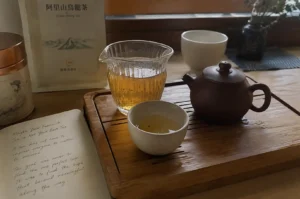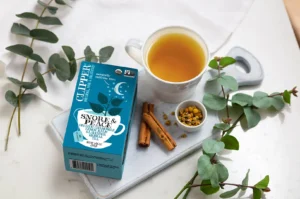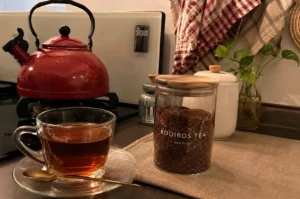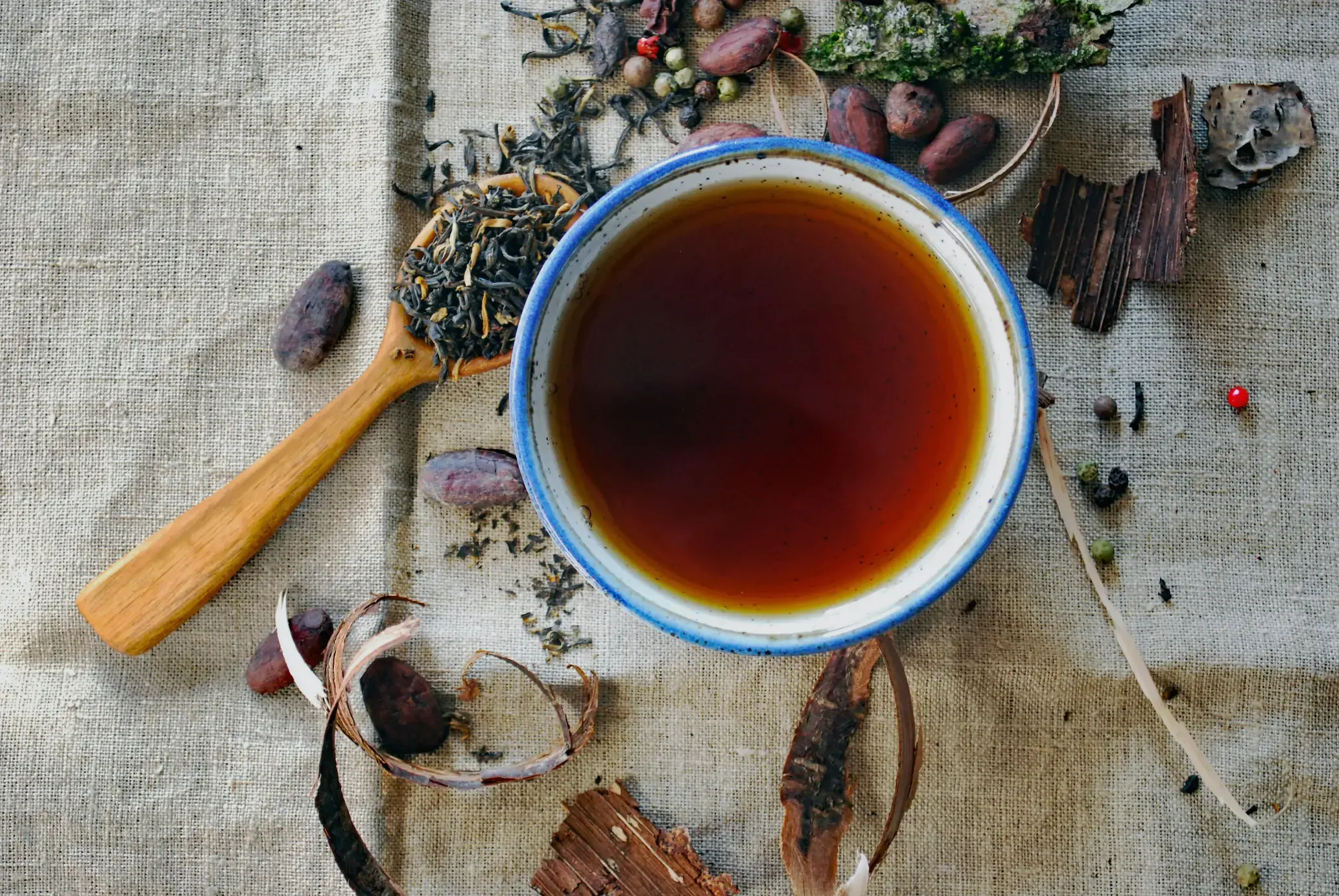
Tea begins long before it reaches your cup. It starts in quiet mountain regions where climate, soil, and tradition shape every leaf. From China to Japan and Taiwan, each origin brings its own character, creating a diverse and evolving world of tea.
In Singapore, tea has become both a daily ritual and a refined indulgence. It offers a moment to pause, to reconnect, and to enjoy something crafted with care.
Loose-leaf tea allows this experience to unfold fully. Unlike tea bags, the leaves have space to expand, releasing a more expressive aroma and flavour. Each cup becomes something to savour, not rush.
From Leaf to Cup: Understanding Tea Types
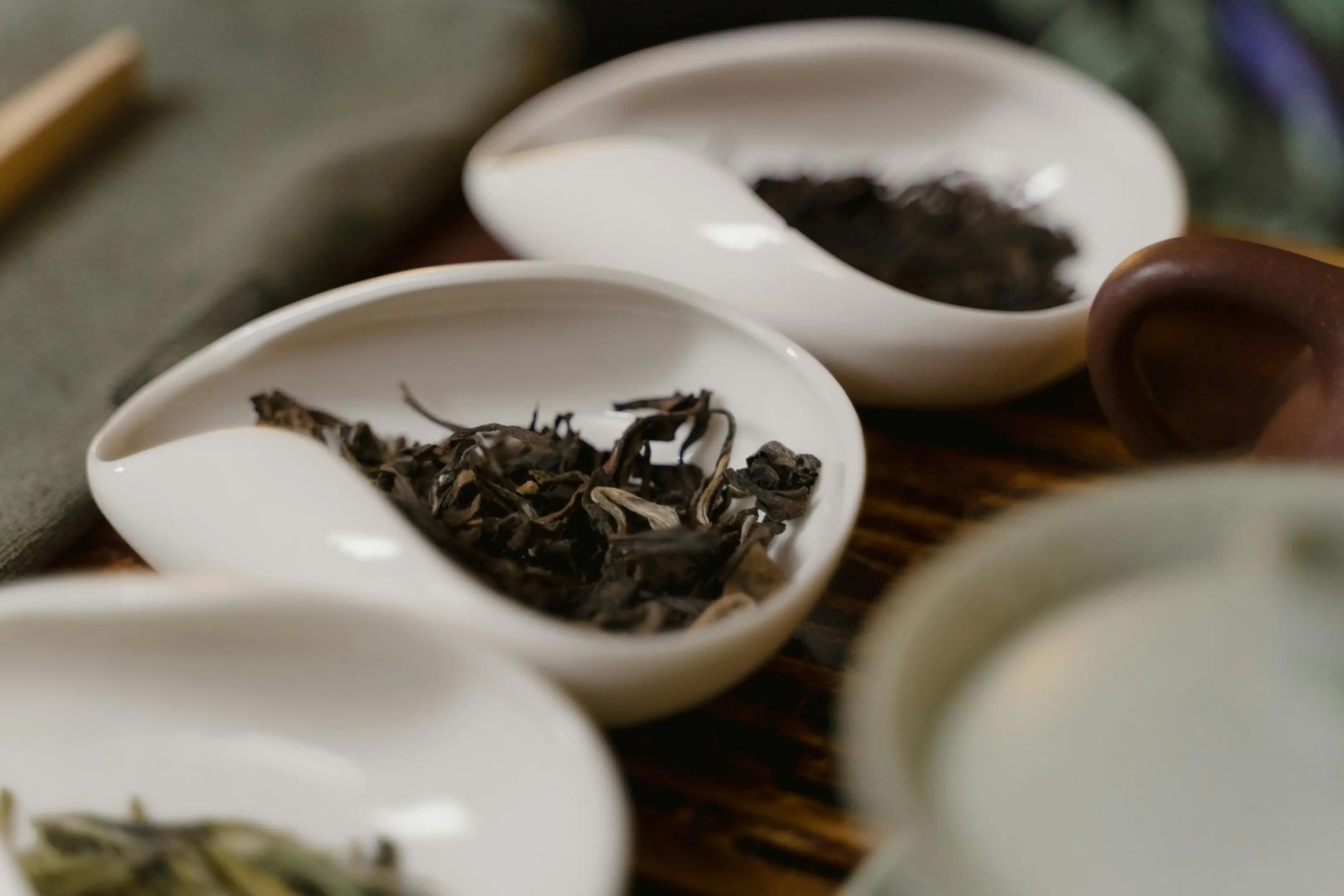
Every tea begins with the same plant, yet the journey from leaf to cup creates a remarkable range of flavours and experiences. The difference lies in how each leaf is handled, shaped, and allowed to oxidise.
Green Tea: Fresh, Light, and Delicate
Green tea is known for its clean and refreshing profile. It is minimally processed, allowing the leaf's natural qualities to remain.
What you can expect:
- Fresh and grassy notes
- Subtle sweetness
- Light colour and gentle aroma
Common origins include China and Japan, each offering slight variations in taste and character.
Oolong Tea: Complex and Aromatic
Oolong tea offers a balance between light and dark profiles. It is partially oxidised, creating layers of flavour that evolve with each infusion.
What makes it unique:
- Floral and fruity notes
- Smooth and aromatic finish
- A flavour that develops over multiple steeps
Oolong is often crafted in regions such as Taiwan and parts of China, where tradition plays a key role in its production.
Black Tea: Bold and Full-Bodied
Black tea is fully oxidised, resulting in a deeper colour and stronger taste. It is often chosen for its richness and depth.
Key characteristics:
- Deep amber colour
- Bold aroma
- Notes of malt, spice, or citrus
Blends like Earl Grey introduce a fragrant citrus layer, adding a familiar yet refined touch.
Herbal and Botanical Infusions
Herbal infusions offer a different experience. They are naturally caffeine-free and often lighter in profile.
Popular ingredients include:
- Rooibos for earthy warmth
- Lemongrass for a refreshing citrus note
- Fruits for a naturally sweet and vibrant flavour
These blends are ideal for winding down or enjoying a calming moment at any time of day.
The Craft and Quality Behind Premium Tea Leaves
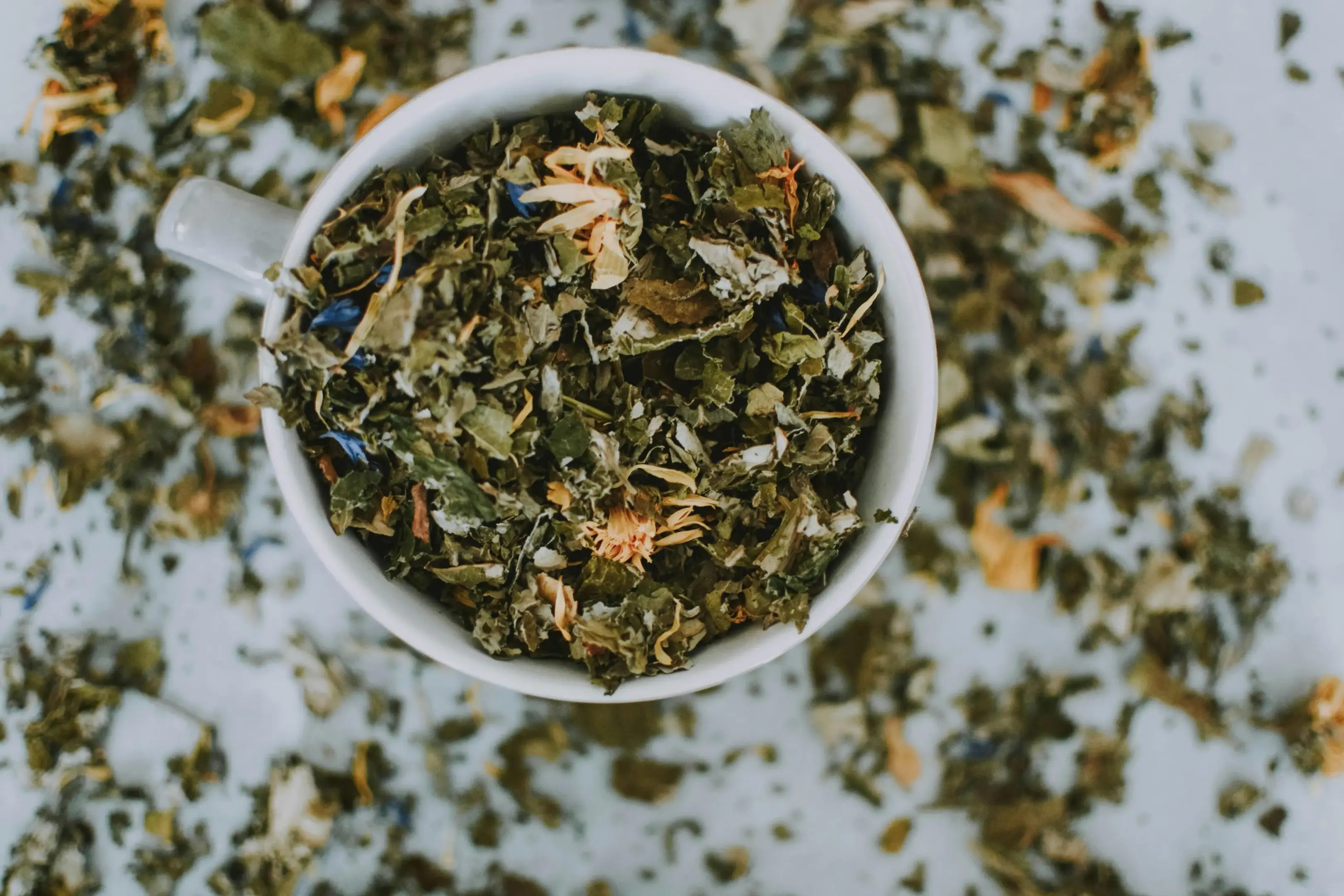
Every cup of tea begins with the leaf, but its quality depends on how it is grown and handled. The environment plays an important role. Climate, soil, and altitude all shape the flavour and aroma of the tea.
Premium tea leaves are picked at the right time, when they hold the best balance of taste and freshness. Regions such as Fujian in China are known for this level of care, with practices that have been refined over generations.
After harvesting, the leaves go through several steps that define their character. These include withering, oxidation, shaping, and drying. Each step is controlled carefully, as even small changes can affect the final taste, colour, and fragrance.
Well-crafted tea feels balanced and clean. The flavours are clear, the aroma is distinct, and the cup remains smooth from start to finish.
With time, these qualities become easier to notice, and you begin to recognise what makes a tea truly refined.
How to Choose Tea Leaves for Your Palate, Mood, and Occasion
Choosing tea is a personal experience. The right tea depends on what you enjoy, how you feel, and the moment you want to create.
You can start by considering:
- Your Flavour Preference - Tea can be light or full-bodied. Green tea and floral blends offer a fresh and delicate taste. Black tea has a stronger and richer flavour. Oolong sits in between with a balanced and layered profile.
- Your Mood - Tea can match how you feel. Herbal and lighter teas bring a sense of calm. Stronger blends feel more energising and help you stay focused.
- The Occasion - The setting can guide your choice. A familiar blend works well for daily tea time. A more aromatic tea suits quiet moments. A curated selection makes a thoughtful and elegant gift.
If you're looking to see how these flavours pair with a meal, you can find inspiration in this Japanese restaurant tea guide to see how professionals elevate the experience
Brewing Tea Leaves for the Perfect Cup
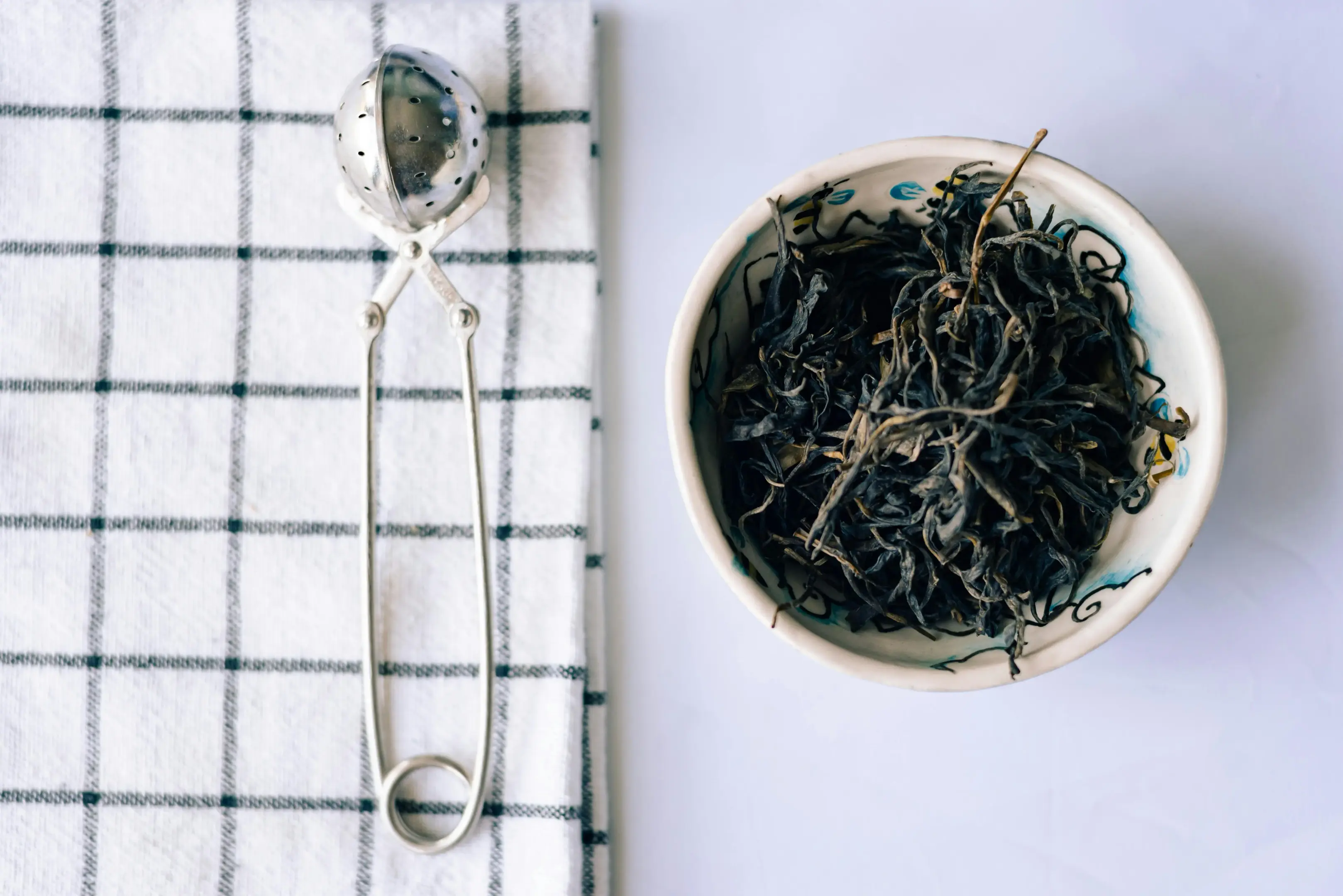
Brewing is where everything comes together. The way you prepare your tea has a direct impact on how it tastes and feels.
Water temperature is important. If the water is too hot, green tea can become bitter. If it is too cool, black tea and oolong may taste flat and lack depth. Steeping time also plays a role. A little too long can make the tea too strong, while too short may leave it underdeveloped.
A good teapot or gaiwan gives the leaves enough space to open up. This allows the flavours and aroma to come through more clearly in each cup.
The tools you use can make a difference. A well-made teapot or simple accessories can improve the brewing process and make tea time feel more enjoyable and relaxed.
The Sensory Experience and Culture of Tea in Singapore
Tea is not only about taste. It is an experience that engages all the senses.
The aroma rises first, inviting you in with its fragrant notes. The colour of the infusion reflects the character of the leaves, from pale gold to deep amber. Then comes the taste, followed by the lingering impression on the palate.
In Singapore, tea culture continues to evolve, blending traditional practices with modern lifestyles. It is present in quiet moments at home, in conversations shared over a pot, and in the simple act of pausing during a busy day.
For discerning tea lovers, tea offers more than refreshment. It becomes a way to slow down, to reconnect, and to appreciate the details that often go unnoticed.
Curating Your Tea Collection and Elevating Everyday Tea Moments
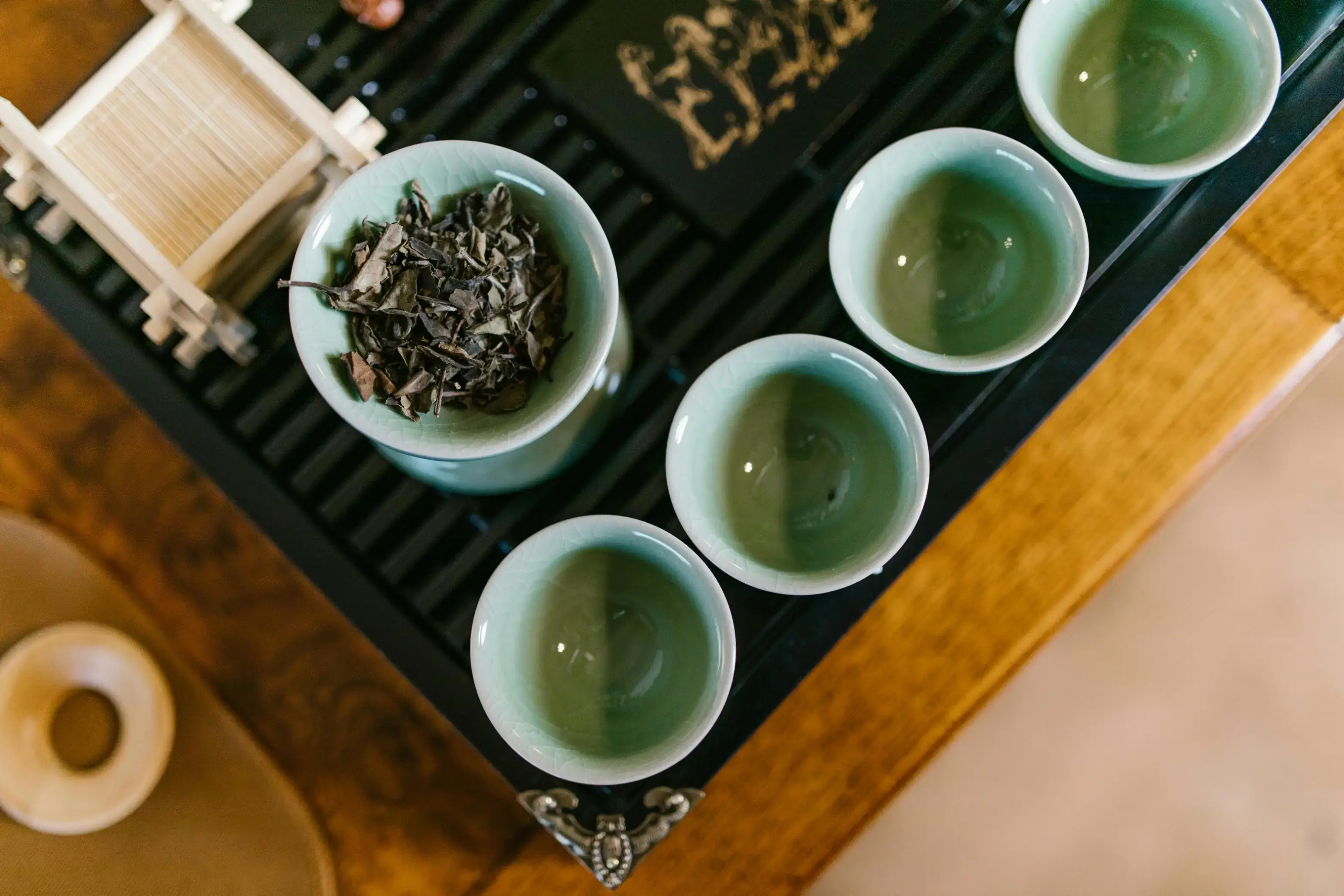
Building a thoughtful tea collection is one of the simplest ways to bring more joy into daily life.
Here’s how to get started:
- Begin with three or four favourite teas that suit different moods and times of day.
- Gradually explore new origins and blends as your palate develops.
- Store your loose leaf tea in airtight containers, away from strong light, heat, and moisture to preserve maximum freshness.
- Turn tea time into a gentle daily ritual. Light a candle, put away your phone for a few minutes, and simply savour the cup in front of you.
These small, mindful pauses are where the true pleasure of tea reveals itself.
Frequently Asked Questions
What are the best tea leaves to start with? Green tea is a good starting point due to its light and refreshing taste. Oolong offers more complexity, while black tea provides a stronger and fuller flavour.
How do you choose tea leaves in Singapore? Choose tea leaves based on flavour, origin, and quality. Look for loose leaf tea with a clean aroma and well-formed leaves.
What is the difference between green, oolong, and black tea? Green tea is minimally processed and light in taste. Oolong is partially oxidised with balanced flavours. Black tea is fully oxidised and bold.
How should tea leaves be stored? Store tea leaves in airtight containers away from light, heat, and moisture to keep them fresh.
How much tea leaves should be used for one cup? Use about one teaspoon of loose leaf tea per cup. Adjust based on taste and tea type.
A Final Sip: Embracing the Journey of Tea
Tea invites you to slow down. It offers a space to pause, reflect, and appreciate what is in front of you.
Each cup is part of a larger journey. From the origin of the leaves to the way they are brewed and enjoyed, every detail contributes to the experience.
As you continue exploring, your palate will evolve. Your appreciation will deepen. What begins as a simple cup becomes something more meaningful.
In that quiet moment, with tea in hand, there is always something new to discover.

Maybe Your Favourite Tea Is Not Your Best Tea
I have a tea sitting in my cupboard that I would never call my “best” tea. It is not the rarest. It is not the most expensive. It does not come with an impressive story about ancient tea trees, remote mountains, or a limited harvest. And yet, I drink it more often than almost anything…
-
Clipper Tea Review: Does the Packaging Match the Pour?
There’s a box of Clipper Tea that’s lived in my cupboard longer than most of my mugs. I didn’t plan to buy it. I was standing in the tea aisle, tired, half-decided on something familiar, when the colour caught me. Bright, cheerful, a little hand-drawn looking. So I brought it home. And I’ve been drinking…
-
Hear Me Out, Tea Does Not Need to Be Serious All the Time
There is something I have noticed about tea culture. We take tea very seriously. Perhaps too seriously. We discuss origins, processing methods, brewing temperatures, and the history behind every leaf. We debate whether a tea should be enjoyed in a certain way. We carefully consider the correct vessel, the right water, and the ideal environment….
-
Red Bush Tea: The Tea That Does Not Need to Shout
There is a red pot in my mother’s kitchen that only comes out in the evening. By then the coffee has done its work and gone quiet. The day has loosened. She fills the kettle, drops in a spoonful of something the colour of dried autumn, and lets it sit while she tidies the last…
-
Hear Me Out: High Tea Is Overrated
Hear me out: high tea is one of the most convincing ways we have found to make snacking feel important. I understand the appeal. The room is polished, the cups are delicate, and everything arrives in miniature. There is something satisfying about sitting down in the middle of the afternoon and behaving as though time…
-
Where Tea Is Given Time to Speak: Anteasocial Review
I almost walked past it. Owen Road Singapore doesn’t announce much. A quiet stretch, low buildings, the kind of road you pass through on the way to somewhere louder. Then there it was, unassuming, just numbers on a wall: 117. Anteasocial is a contemporary Oriental specialty teahouse in Singapore, and if you’re looking for a…
-
A Table Set for Stillness: Inside Antea Social’s Quiet Tea Ritual
Luxury usually announces itself before we have time to question it. It arrives through marble lobbies, silver stands and tiny sandwiches placed in strict formation. Antea Social offers a quieter argument. This is not afternoon tea in the familiar hotel sense. There is no grand procession of pastries or waiter lifting a polished lid. Instead,…
-
9 High Tea in Orchard Places for Scones, Tea, and a Quiet Afternoon
There is a particular kind of tiredness that comes from Orchard Road. Not the tiredness of a hard day, but the softer sort, the ache of too many shopfronts, too much bright glass, too many people moving faster than you feel like moving. And somewhere in the middle of all that, if you know where…
-
High Tea Orchard: Why the City Still Does It Best
It is easy to dismiss high tea in Orchard as an expensive pause between shopping bags. The tiered stands are photogenic, the hotel lounges polished, and the prices increasingly difficult to defend. ome scones arrive dry. Some savouries feel like banquet food made miniature. Some desserts are designed more for cameras than appetite. Still, Orchard…
-
McDonald’s Queensway Ridout Tea Garden Review: What It Is Like Dining in a Heritage Setting
I did not expect to find quiet at a McDonald’s Queensway Ridout Tea Garden outlet. But there I was, standing outside the McDonald’s outlet at 580 Queensway, listening to the water instead of the traffic. A much loved pond sat just beyond the glass, surrounded by stone lanterns and trees leaning over it. Somewhere behind…