I used to believe that discovering better tea meant gradually leaving ordinary preferences behind.
The more I learned, the more refined my tastes were supposed to become. I would move towards rarer leaves, more complicated flavours, and teas that demanded greater attention.
But taste does not always develop in a straight line.
Some teas remain with us. Others gradually lose their appeal.
And I have come to think there is nothing unfortunate about that.
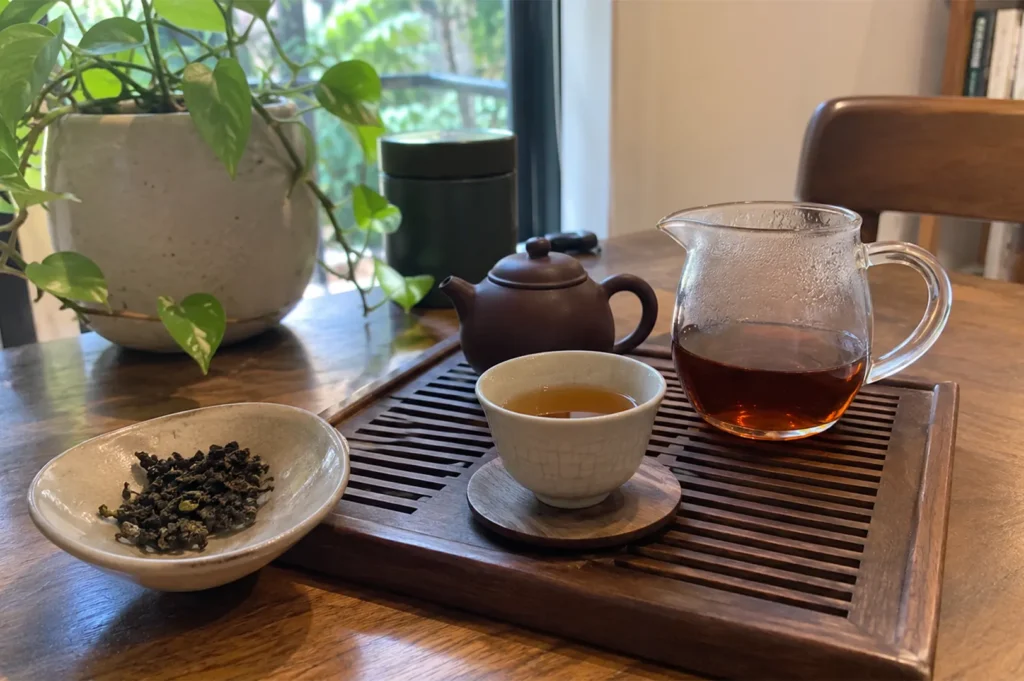
Dong Ding oolong is the kind of tea I find myself returning to. Particularly the traditionally roasted styles from Taiwan, where the warmth of the roast sits alongside a gentle sweetness.
It offers complexity without demanding that I analyse every infusion.
There is comfort in that familiarity.
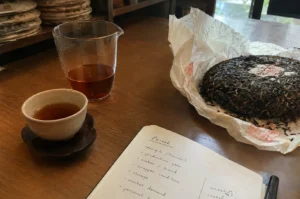
I feel something similar about ripe Pu-erh, or shou Pu-erh. Its earthy, mellow character can seem unremarkable to those searching for bright aromas and dramatic flavours.
But I increasingly appreciate teas that do not need to announce themselves.
Not every cup needs to surprise me.
Then there are teas I have gradually outgrown.
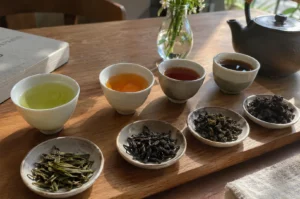
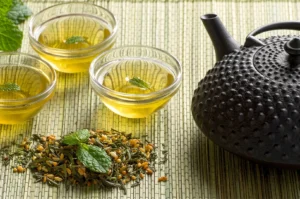
Japanese sencha once represented much of what I admired about tea. Its grassy freshness, savoury character, and sometimes sharp finish seemed to reward careful preparation.
I still recognise those qualities.
Yet I no longer reach for that particular flavour as often. What once felt exciting can now feel less suited to the way I prefer to drink tea.
That does not make sencha inferior.
It simply means my preferences have changed.
I think tea enthusiasts sometimes struggle with this distinction. We become attached to the idea that our taste should continuously advance towards something more sophisticated.
But perhaps developing a palate is not about climbing a hierarchy.
Perhaps it is about becoming more honest with ourselves.
A tea we once loved can remain excellent even when we no longer desire it. And a familiar, inexpensive tea can continue to offer pleasure long after we have encountered supposedly finer alternatives.
There is no need to defend either choice.
I no longer want my tea collection to represent how much I have learned.
I want it to reflect what I genuinely enjoy drinking.
The difference, I think, is worth keeping.
With quiet regard,
N. P. Lim

Milk Tea Can Be Elegant—Most Shops Just Don’t Try
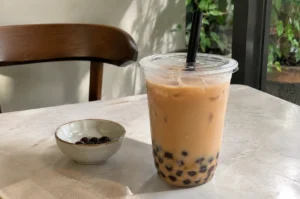
I think milk tea deserves a little more respect. Not because it needs to become expensive or sophisticated, but because we’ve somehow accepted that milk tea is supposed to be sweet, colourful, and filled with enough toppings to qualify as dessert. And honestly, I enjoy a good bubble tea. There’s something fun about choosing your…
-
A Look at the Cup That Started the Brown Sugar Boba Wave: R&B Tea Singapore
Some drinks arrive in a city quietly. Others change the way a whole country queues. R&B Tea’s story began before Singapore’s brown sugar boba boom. According to its official history, the Taiwan-origin brand opened its first outlet in Suzhou, China, in 2006. The February 2018 date marks the Singapore brown sugar boba milestone claimed by…
-
What I Want a Tea Shop to Feel Like
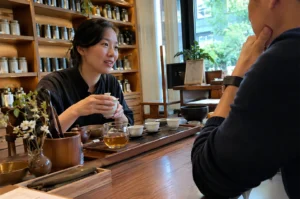
I have never believed that a good tea shop needs to impress me. Beautiful shelves are pleasant. Carefully arranged teaware can be lovely. And there is something reassuring about a shopkeeper who knows the difference between a young sheng Pu-erh and one that has spent twenty years ageing. But none of these things tells me…
-
Between Pearls and Tea: Inside Bober Tea at Compassvale Link
Some drinks belong to a particular hour. Late afternoon in an HDB estate. School bags on shoulders, a void deck still warm, someone holding a plastic cup with condensation running down the side. Bubble tea has become part of that rhythm in Singapore, sitting easily between errands, after dinner, on the walk home. I came…
-
Green Tea Obsession Is Overrated: The Case for Deeper, Darker Teas
I have a feeling green tea has become the tea we’re all supposed to love. It’s everywhere. Wellness conversations, morning routines, skincare trends, and those beautiful matcha drinks that somehow make an ordinary afternoon look more interesting. And honestly, I get it. Green tea can be wonderful. Fresh, grassy, sometimes sweet. But I’ve started wondering…
-
The Ginger-Laced Tea Worth Knowing: Teh Halia
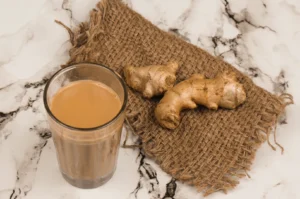
Some drinks reach you before the cup does. At a drinks stall or coffee shops across Southeast Asia, the scent of brewed loose leaf tea or tea bags and sweetened condensed milk is usually in the air. But every so often, something sharper cuts through it, warm and a little peppery, freshly grated young fresh…
-
Stop Treating Pu-erh Like Crypto: Collecting Isn’t the Same as Enjoying
Stop Treating Pu-erh Like Crypto: Collecting Isn’t the Same as Enjoying There is something peculiar about buying tea that we have no intention of drinking. We examine its origin. We study the production year. We consider the reputation of the maker, the condition of the wrapper, and whether the tea might become more valuable in…
-
How to Order Tea in Singapore: A Quiet Guide to Kopi and Teh
The order is often over before you notice it began. A few syllables are spoken across the counter. There is no menu consulted, no pause, no follow-up question. The drinks uncle nods, reaches for a tin, and a few moments later a glass of tea arrives: milky, sweet, and exactly what was asked for. To…
-
Tea as Hospitality: The Small Gestures That Make a Home
Tea as Hospitality: The Small Gestures That Make a Home I think we sometimes make hospitality sound more complicated than it needs to be. A beautifully arranged dining table. Matching plates. Fresh flowers. Something impressive coming out of the oven just as everyone arrives. All lovely things, of course. But when I think about the…
-
Genmaicha Green Tea: The Unexpected Marriage of Rice and Leaves in Japanese Green Tea
Some teas announce themselves before the cup reaches the lips. The water goes in, and almost at once the air changes. The scent is not grassy or floral but toasted, something like rice left a moment too long in a dry pan. Look into the cup and a few small grains may drift near the…