I used to think making tea required a thermometer.
Not literally, perhaps, but almost.
Every tea seemed to have a number attached to it. Green tea at this temperature. Oolong at another. Black tea a little hotter. Too hot and you had apparently ruined everything.
For a while, I took these rules quite seriously.
Then I started paying attention to something else.
How long I actually left the tea alone.
Because temperature matters, of course. Anyone who has accidentally poured boiling water over a delicate green tea knows that some leaves are less forgiving than others.
But I think we sometimes give temperature too much credit.
The variable nobody talks about enough is time.
You can have the recommended water temperature and still end up with a disappointing cup if you forget about the leaves for ten minutes while answering messages. I have done this more times than I would like to admit.
And strangely, some of those supposedly “wrong” cups were not terrible at all.
That made me think.
We spend so much time trying to find the perfect temperature that we sometimes forget tea is not being brewed in a laboratory. We are making it in real kitchens, busy offices, quiet bedrooms, and cafés where someone may be waiting for their order.
Tea has to live in the real world.
Of course, understanding temperature is useful. It gives us a starting point. It helps us avoid obvious mistakes and can make certain teas taste better.
But perhaps we should treat these numbers as guidance rather than commandments.
The same tea can taste different depending on the amount of leaf, the water, the vessel, the steeping time, and even how many times you have brewed it.
And then there is us.
Our mood changes. Our preferences change. What tastes perfect one morning may feel completely different that evening.
Maybe this is why I have become less interested in getting every variable exactly right.
I would rather understand the tea well enough to experiment with it.
A little hotter.
A little cooler.
A little longer.
A little less.
Sometimes the most interesting cup is the one that happens because you stopped worrying about making it perfect.
So yes, keep the thermometer if you enjoy it.
I probably will too.
But don’t let a number convince you that you have ruined your tea before you have even tasted it.
After all, isn’t tasting it the whole point?
— Maria Tan
On tea, culture, and everyday rituals.

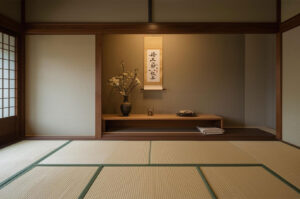
Japanese Tea Ceremony Principles: Harmony, Respect, Purity, and Tranquility
In a quiet tea room, a host moves with deliberate grace. The sound of hot water being ladled from an iron pot fills the air. This is the Japanese tea ceremony, known as Chanoyu or the Way of Tea, an art form that transforms the simple act of drinking tea into a profound experience. Far…
-
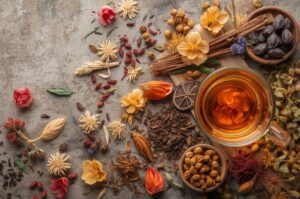
Beyond Chamomile: Exploring Lesser-Known Herbal Infusions from Around the World
Tea is one of the most popular drinks worldwide, cherished for centuries as much for its taste as for its role in tradition and culture. While many people immediately think of green tea, black tea, or perhaps a steaming mug of mint tea, the spectrum of herbal infusions—blends using various herbs, fruits, and flowers—offers countless…
-
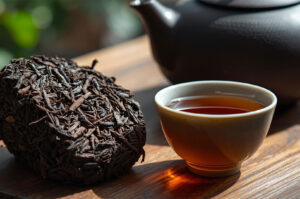
Raw vs. Ripe: Understanding the Two Paths of Pu Erh Processing
In the vast and ancient world of Chinese tea, few categories carry as much mystery and prestige as pu erh tea. Pu’er tea is renowned for its unique fermentation and aging techniques, which not only develop its complex flavor profiles but also contribute to its cultural significance and traditional production methods. Unlike most teas such…

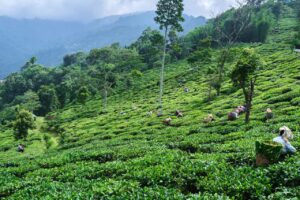
From Keemun to Darjeeling: A Global Tour of Premium Black Teas
Black tea is more than just a morning ritual; it’s a global phenomenon steeped in rich history, cultural significance, and craftsmanship. From the misty mountains of India to the ancient gardens of China, each cup tells a story of its origin, flavor, and tradition. Throughout history, brewed tea has been cherished in various cultures, with…
-
Understanding Oolong Tea Oxidation Levels: The Spectrum of Oxidation in Tea Classification
When you step into the world of tea, you quickly learn about the main categories: white, green, oolong, and black. For many, green tea is fresh and vegetal, while black tea is bold and malty. But what about oolong? This category seems to defy easy definition, with some oolongs tasting light and floral like a…
-
Beyond Matcha: Exploring the Diverse World of Japanese Green Tea Varieties
Let’s be honest, when you hear “Japanese green tea,” your mind likely pictures a vibrant, frothy bowl of matcha. From trendy matcha lattes in every café to ice cream and desserts, matcha has become the undisputed global face of Japanese tea culture. And for good reason! It’s a delicious, versatile ingredient with numerous health benefits….
-
Silver Needle White Tea: The Delicate Emperor of Chinese Tea
In the vast and storied world of Chinese tea, few varieties command the reverence and prestige of Silver Needle white tea. Celebrated as Bai Hao Yin Zhen (白毫銀針)-meaning “White Hair Silver Needle”-this exceptional Chinese white tea sits atop the hierarchy of not just white tea, but among all tea types. Each slender ‘needle’ is not…
-
Thai Oolong Tea: Thailand’s Oolong Revolution in Ancient Tea Territory
In the shadowy folds of Northern Thailand’s mountains, where cool, misty air hugs the slopes and the morning dew clings to fragrant tea leaves, a revolution is steeping. Once known largely for its role in the Golden Triangle, this region now blossoms as a new epicenter for Thai oolong tea and innovative tea beverages like…
-
Dong Ding Oolong: The Artisanal Craft Behind Taiwan’s Most Famous Tea
Imagine a warm, inviting aroma that fills the room with essence reminiscent of delicate flowers, toasted nuts, honeycomb, chocolate, and ripe stone fruit. The initial scent from a freshly opened tin of Dong Ding Oolong loose leaf tea can feel almost transportive. Upon brewing, the tea’s infusion shines with a brilliant golden colour, and your…
-
Yerba Mate Tea: Argentina’s Ancient Energy Brew and Modern Revival
Picture a sun-drenched plaza in Buenos Aires, where the air hums with laughter and the scent of fresh flowers. In the center, friends gather in a close-knit circle, a cherished gourd filled with fragrant yerba mate tea making its way from hand to hand. Each person sips this herbal tea-brewed from green yerba mate leaves-through…