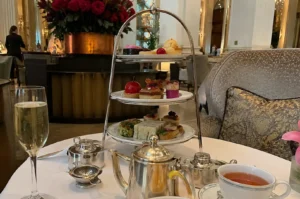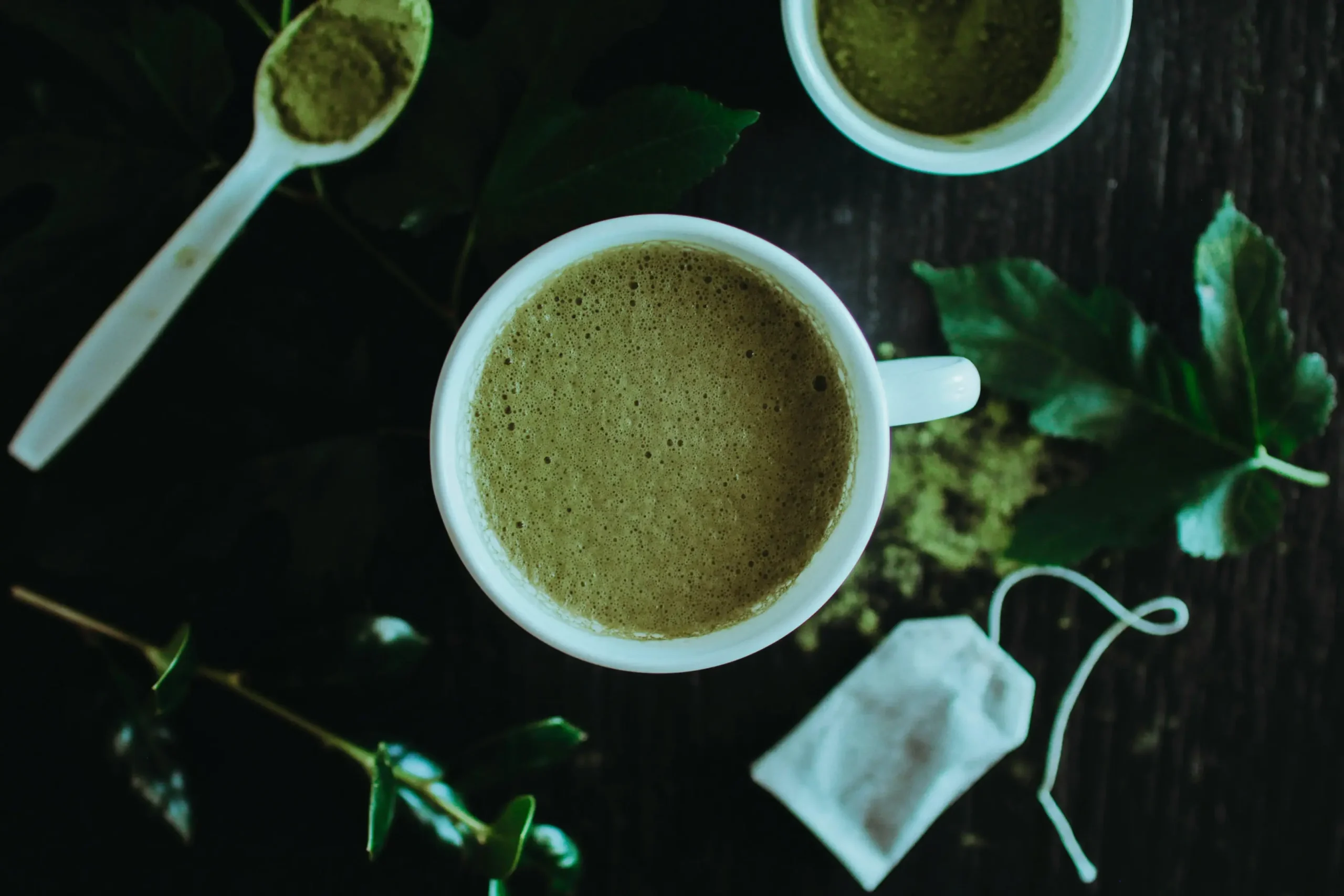
The matcha latte drink has become one of the most recognizable tea-based beverages in modern cafés. From Starbucks menus to independent tea bars, it is served hot in ceramic mugs or as iced matcha lattes layered in a glass with cold milk and ice.
It is marketed as a healthy drink. It is praised for antioxidants and steady energy. It is photographed for its vibrant green color.
But the matcha latte is often simplified.
To understand what a matcha latte truly represents, we must examine the matcha powder behind it.
Matcha Powder and Matcha Green Tea Powder: What You Are Actually Drinking
Matcha powder, sometimes labeled as matcha green tea powder or simply green tea powder, is made from shade-grown tea leaves that are steamed, dried, and ground into a fine powder.
Unlike regular green tea, which is brewed from tea leaves and then discarded, matcha consists of powdered green tea consumed entirely. This means when you drink one cup of matcha, you ingest ground green tea leaves rather than an infusion.
This difference explains why matcha delivers:
- Higher antioxidant density
- More concentrated caffeine moderated by L-theanine
- A thicker texture
- A deeper vegetal taste
Because the whole leaf is consumed, nutrition calories and antioxidant discussions often center around matcha rather than regular green tea.
Preparation matters. Traditional matcha involves adding warm water to matcha powder in a bowl and whisking briskly until smooth. The goal is a vibrant green surface free of clumps. No milk. No sugar. No simple syrup.
This is the structural foundation before the latte enters the conversation.
Make a Matcha Latte: What Changes When You Add Milk
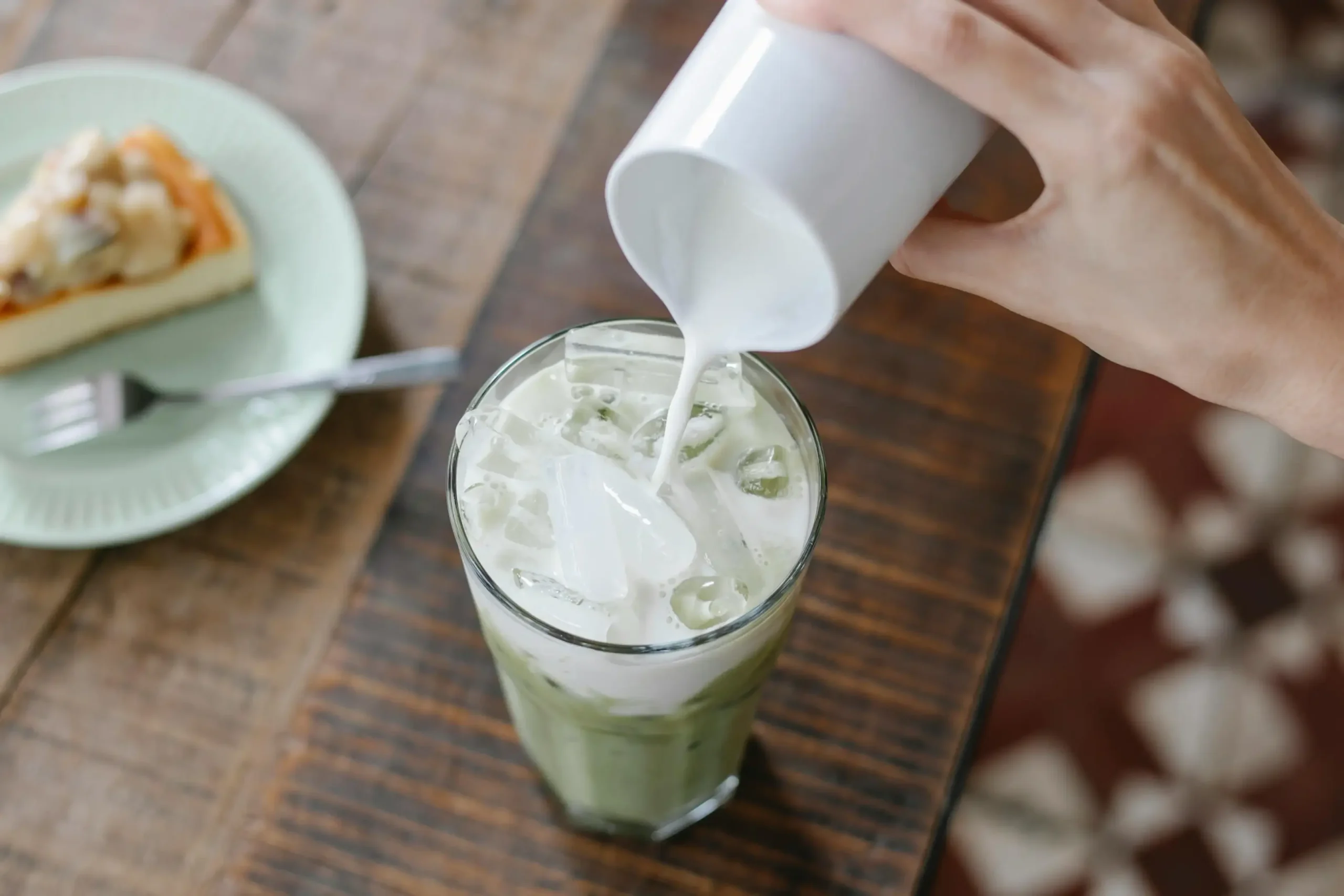
When you make a matcha latte, the structure shifts.
The typical matcha latte recipe begins by mixing matcha powder with hot water to form a smooth paste. After whisking vigorously, milk is added. The milk may be dairy, soy milk, almond milk, or oat milk. A milk frother is often used to create foam.
When we add milk, several changes occur:
- Bitterness is softened
- Texture becomes creamy
- Sweetness is amplified when sugar or maple syrup is included
The matcha latte drink becomes more approachable. The flavor profile moves from vegetal intensity toward a balanced, creamy beverage.
Sweeteners such as honey, maple syrup, simple syrup, or even vanilla are frequently included. This further reshapes matcha’s natural bitterness.
This transformation does not eliminate matcha. It reframes it within café culture.
Warm Water vs Cold Water in Iced Matcha Lattes
Temperature directly affects flavor extraction.
For a hot matcha latte, matcha green tea powder is mixed with warm water before milk is added. Warm water enhances umami and vegetal depth.
In contrast, iced matcha lattes often begin with matcha powder shaken with cold water. The matcha mix is then poured over ice and combined with cold milk.
An iced matcha latte recipe typically emphasizes convenience. The drink is stirred and served immediately. Cold temperature reduces perceived bitterness and highlights sweetness.
The difference between hot and iced matcha is not only temperature. It is flavor chemistry.
Understanding this helps explain why some people prefer iced matcha while others favor the complexity of warm preparation.
Matcha Latte Recipe Variations and Milk Choices
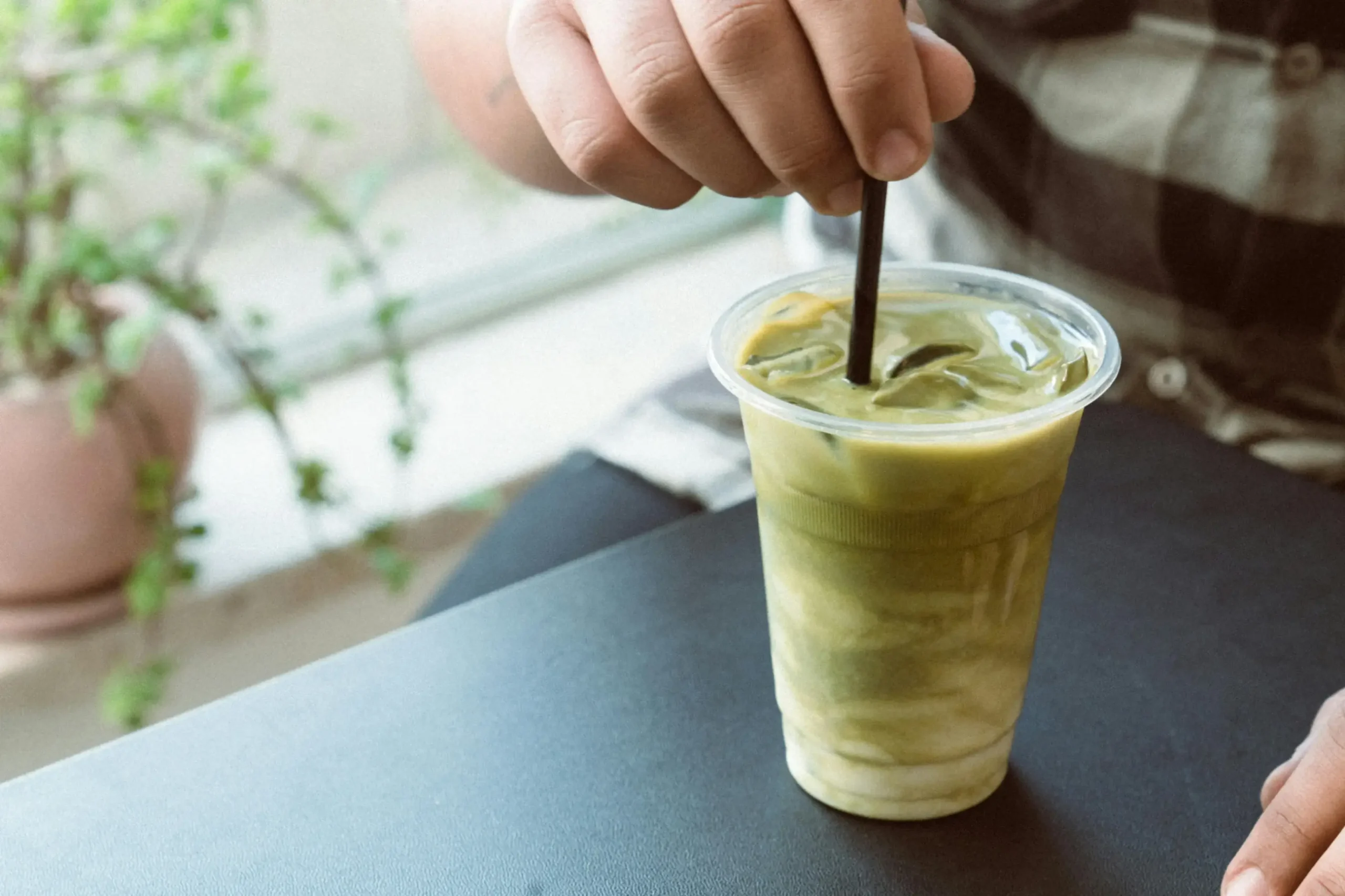
Milk selection significantly influences the final matcha latte drink.
Dairy milk produces a rich and stable froth.
Oat milk enhances sweetness and body.
Almond milk introduces a nutty flavor but can thin texture.
Soy milk offers reliable foam and balanced taste.
Each milk interacts differently with matcha powder.
Oat milk is often favored for its creamy texture and subtle sweetness. Almond milk is lighter but may compete with matcha’s flavor. Soy milk remains popular for its ability to froth consistently.
The greater the milk proportion, the more the drink resembles a latte rather than concentrated tea.
Iced Matcha Latte Recipe Culture and Café Influence
The popularity of iced matcha lattes has been shaped by café chains and social media visibility.
Starbucks helped standardize the matcha latte recipe globally. The drink is often sweetened by default and served with ice and cold milk.
This format introduced matcha to a wide audience. Many first encounter matcha as an iced matcha latte rather than as traditional tea prepared in a bowl.
However, sweetness levels vary significantly. Some recipes include several teaspoons of sugar or syrup. Others allow the matcha to remain more pronounced.
Understanding how matcha powder interacts with milk and sweetener enables more informed customization.
Matcha vs Regular Green Tea: Structural and Nutritional Differences
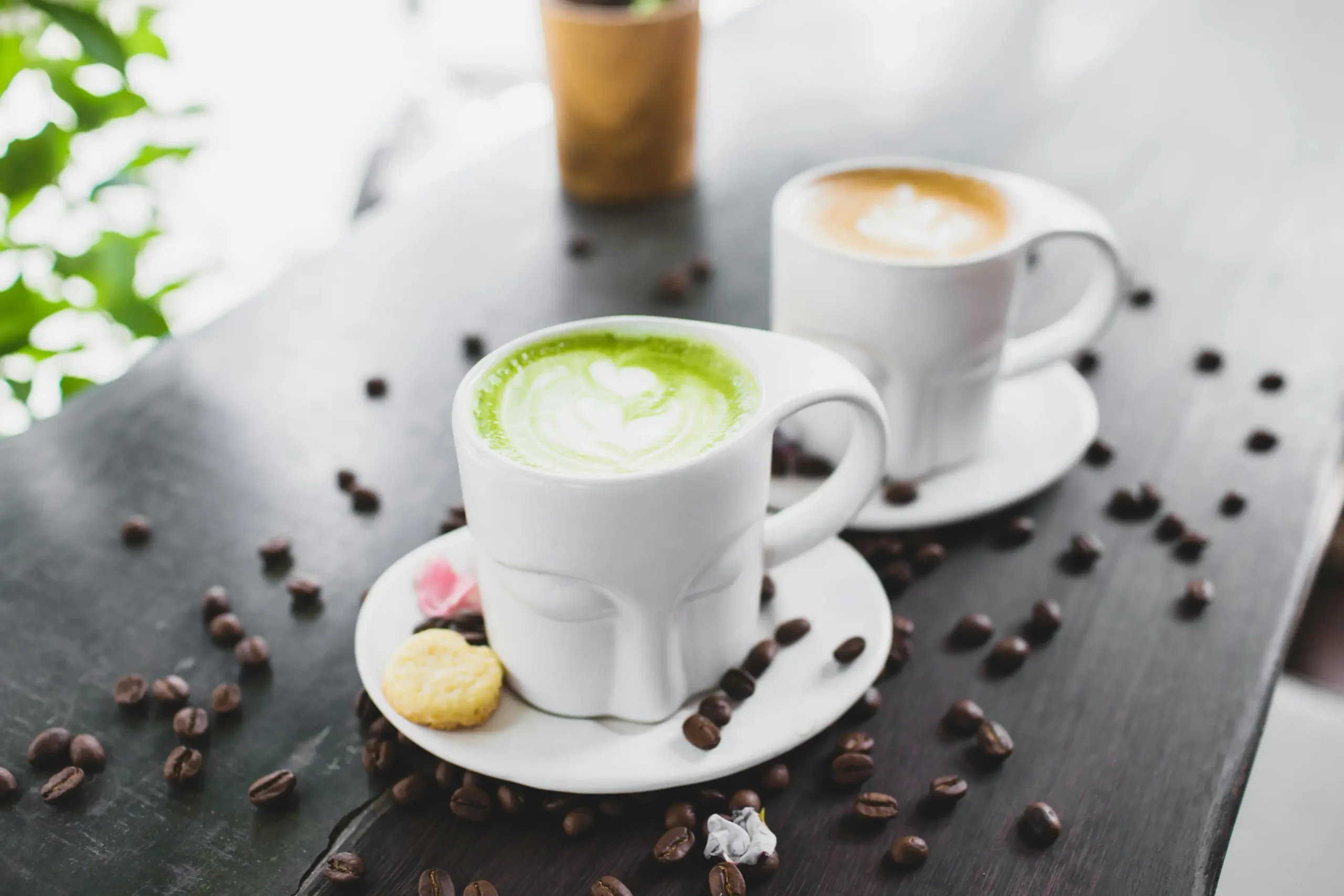
Matcha differs fundamentally from regular green tea.
Regular green tea involves steeping tea leaves in hot water and discarding them. Matcha consists of powdered green tea made from the entire leaf.
This means:
- Higher antioxidant intake
- Stronger flavor concentration
- Thicker mouthfeel
- More caffeine moderated by L-theanine
Because matcha remains suspended in the cup, proper whisking is essential. Clumping occurs when powder is not sifted or when water is too hot. Whisking briskly ensures smooth texture.
These technical factors directly influence taste and bitterness.
Equipment: Bamboo Whisk vs Milk Frother
Traditional preparation uses a bamboo whisk and bowl. The whisk is designed to dissolve matcha powder evenly and create fine foam without over-aerating.
Modern preparation often substitutes a milk frother. While convenient and requiring no fancy barista skills, a frother changes texture slightly and shifts the experience toward efficiency.
Both methods can produce smooth results. The difference lies in ritual versus speed.
Understanding Sweetness and Balance
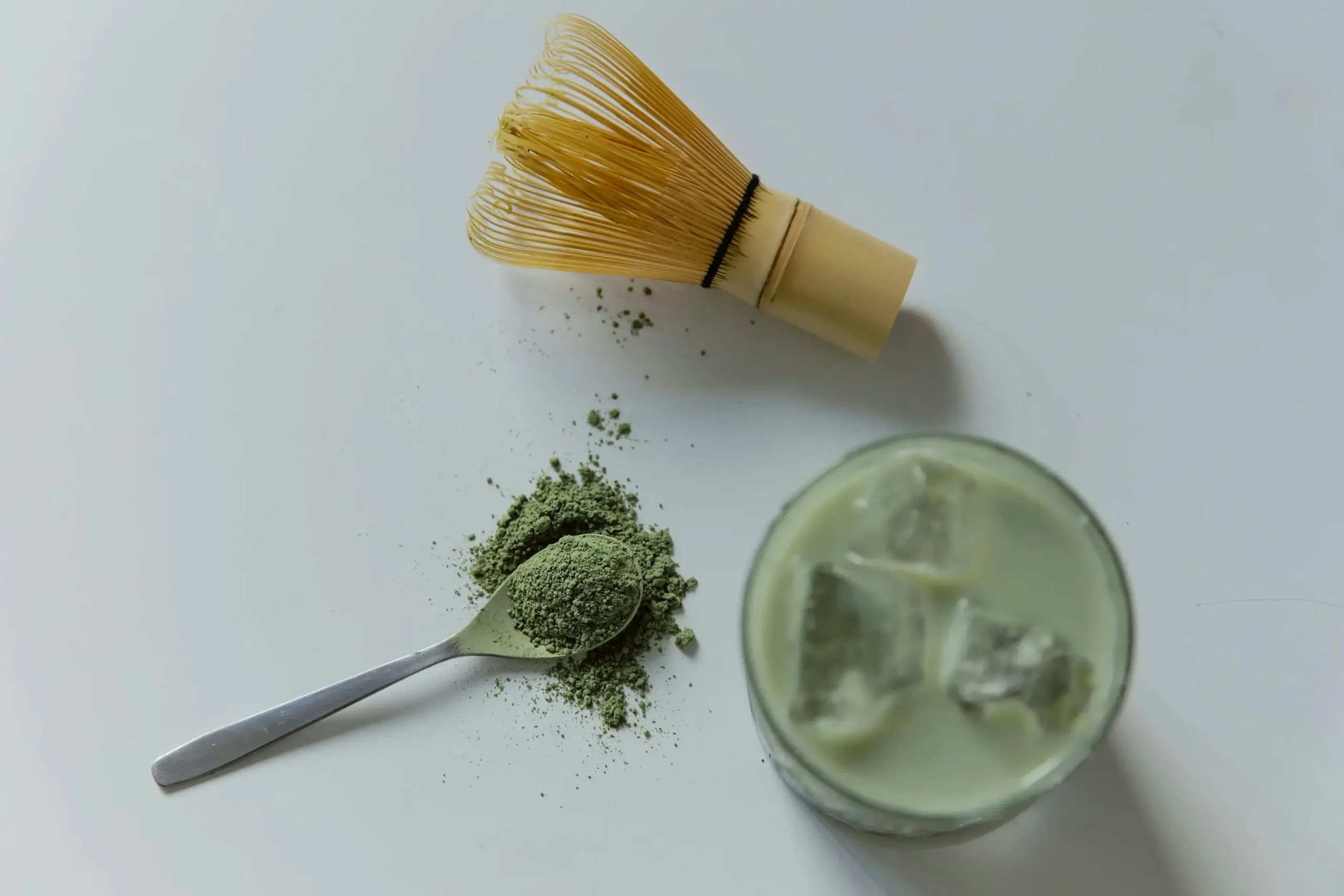
Matcha has inherent bitterness due to its concentrated green tea composition.
When sugar, honey, or maple syrup are added, sweetness balances but may also mask complexity.
An educational approach suggests beginning with less sweetener and adjusting gradually. Once sugar is fully mixed into a matcha latte, it cannot be removed.
Balance determines whether the drink tastes like tea enhanced by milk or milk flavored by matcha.
Making Informed Decisions About the Matcha Latte Drink
The matcha latte is neither a dilution of tradition nor a replacement for ceremonial preparation. It is a modern adaptation that blends matcha green tea powder with milk and sweetness.
Understanding:
- The origin of matcha powder
- The effect of warm water versus cold water
- The role of milk types
- The influence of sweetness
- The structural difference from regular green tea
allows consumers to make intentional choices.
Whether you prefer one cup prepared simply with warm water or several cups of iced matcha lattes served in a glass with ice and cold milk, clarity about the foundation of matcha deepens appreciation.
Education transforms a trend into understanding.

Maybe Your Favourite Tea Is Not Your Best Tea
I have a tea sitting in my cupboard that I would never call my “best” tea. It is not the rarest. It is not the most expensive. It does not come with an impressive story about ancient tea trees, remote mountains, or a limited harvest. And yet, I drink it more often than almost anything…
-
Clipper Tea Review: Does the Packaging Match the Pour?
There’s a box of Clipper Tea that’s lived in my cupboard longer than most of my mugs. I didn’t plan to buy it. I was standing in the tea aisle, tired, half-decided on something familiar, when the colour caught me. Bright, cheerful, a little hand-drawn looking. So I brought it home. And I’ve been drinking…
-
Hear Me Out, Tea Does Not Need to Be Serious All the Time
There is something I have noticed about tea culture. We take tea very seriously. Perhaps too seriously. We discuss origins, processing methods, brewing temperatures, and the history behind every leaf. We debate whether a tea should be enjoyed in a certain way. We carefully consider the correct vessel, the right water, and the ideal environment….
-
Red Bush Tea: The Tea That Does Not Need to Shout
There is a red pot in my mother’s kitchen that only comes out in the evening. By then the coffee has done its work and gone quiet. The day has loosened. She fills the kettle, drops in a spoonful of something the colour of dried autumn, and lets it sit while she tidies the last…
-
Hear Me Out: High Tea Is Overrated
Hear me out: high tea is one of the most convincing ways we have found to make snacking feel important. I understand the appeal. The room is polished, the cups are delicate, and everything arrives in miniature. There is something satisfying about sitting down in the middle of the afternoon and behaving as though time…
-
Where Tea Is Given Time to Speak: Anteasocial Review
I almost walked past it. Owen Road Singapore doesn’t announce much. A quiet stretch, low buildings, the kind of road you pass through on the way to somewhere louder. Then there it was, unassuming, just numbers on a wall: 117. Anteasocial is a contemporary Oriental specialty teahouse in Singapore, and if you’re looking for a…
-
A Table Set for Stillness: Inside Antea Social’s Quiet Tea Ritual
Luxury usually announces itself before we have time to question it. It arrives through marble lobbies, silver stands and tiny sandwiches placed in strict formation. Antea Social offers a quieter argument. This is not afternoon tea in the familiar hotel sense. There is no grand procession of pastries or waiter lifting a polished lid. Instead,…
-
9 High Tea in Orchard Places for Scones, Tea, and a Quiet Afternoon
There is a particular kind of tiredness that comes from Orchard Road. Not the tiredness of a hard day, but the softer sort, the ache of too many shopfronts, too much bright glass, too many people moving faster than you feel like moving. And somewhere in the middle of all that, if you know where…
-
High Tea Orchard: Why the City Still Does It Best
It is easy to dismiss high tea in Orchard as an expensive pause between shopping bags. The tiered stands are photogenic, the hotel lounges polished, and the prices increasingly difficult to defend. ome scones arrive dry. Some savouries feel like banquet food made miniature. Some desserts are designed more for cameras than appetite. Still, Orchard…
-
McDonald’s Queensway Ridout Tea Garden Review: What It Is Like Dining in a Heritage Setting
I did not expect to find quiet at a McDonald’s Queensway Ridout Tea Garden outlet. But there I was, standing outside the McDonald’s outlet at 580 Queensway, listening to the water instead of the traffic. A much loved pond sat just beyond the glass, surrounded by stone lanterns and trees leaning over it. Somewhere behind…