 Looking for the best teas for weight loss is a popular first step for anyone starting a wellness journey. While no single tea can magically melt away body fat, some teas contain natural compounds that can help with weight loss, boost metabolism, and manage appetite.
The secret is consistency, drinking tea daily as part of a weight loss plan and a healthy lifestyle, especially drinking oolong tea and regular green tea, which are rich in catechins and caffeine, may support fat oxidation and improve metabolism for those aiming to reduce body weight.
In this friendly, evidence-based guide, we’ll rank the top 7 teas that may help with weight loss, highlighting their unique health benefits, active compounds, and how each tea can enhance weight loss and burn fat. Plus, we’ll share practical tips on brewing and how to make tea a sustainable part of your weight loss efforts and overall wellness journey.
What Makes the Best Tea Effective for Weight Loss?
 To evaluate each tea, we considered:
- Research Evidence – Support from randomized controlled trials and human studies showing metabolic or fat oxidation benefits.
- Bioactive Compounds – Concentrations of antioxidants called catechins, caffeine, and polyphenols that may boost metabolism and reduce fat accumulation.
- Safety & Sustainability – Suitability for long-term, calorie-free consumption and integration into daily routines.
- Practical Factors – Taste, accessibility, and ease of preparation.
#1. Green Tea — The Best Tea for Fat Burning and Weight Management
Why it tops the list: Green tea is hands down the most researched and popular tea when it comes to weight loss benefits. Packed with powerful compounds called catechins, especially EGCG (epigallocatechin gallate), and natural caffeine, this classic tea plant brew helps to boost fat metabolism and rev up your calorie burn.
How it works: The magic happens because green tea may combine the effects of catechins and caffeine to stimulate thermogenesis, basically, your body producing heat and burning more calories. Drinking green tea regularly is linked to better metabolic health and can help reduce fat mass, especially when paired with other healthy lifestyle habits like exercise. Plus, it may even lower the risk of heart disease by improving body composition.
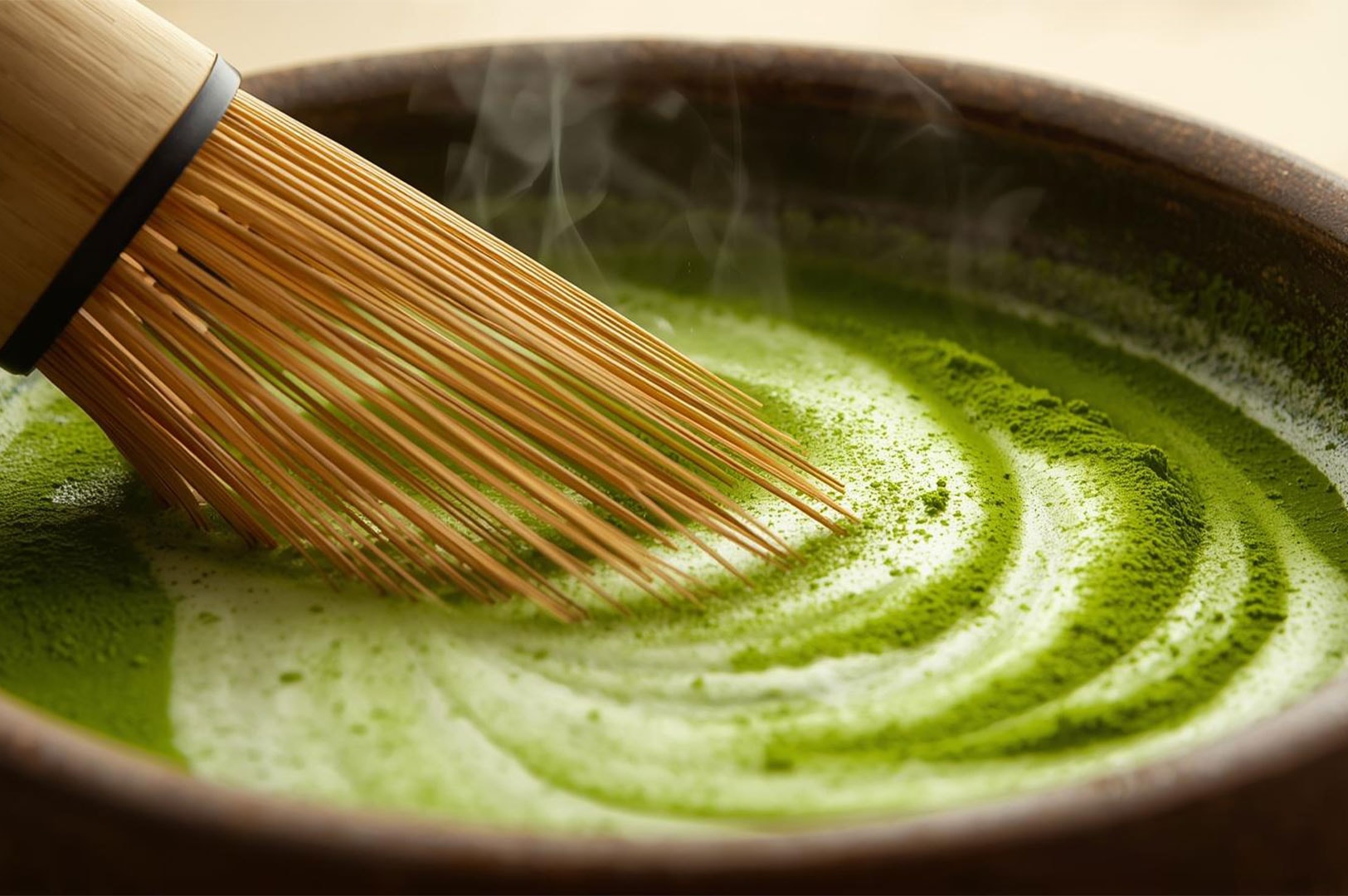
Best for: Anyone wanting a proven, effective tea to support healthy weight and sustainable weight management. Try popular varieties like Sencha, powdered green tea (Matcha), or Gyokuro. Caffeine content is moderate (20–80 mg per cup), and its fresh, grassy taste is best enjoyed without over-steeping to avoid bitterness.
For more science-backed details, explore our in-depth guide: Does Green Tea Help to Lose Weight?
#2. Oolong Tea — The Bridge Between Green and Black Tea
Why it ranks second: Partially oxidized oolong tea combines the best of green and black tea. Traditional Chinese medicine has long recognized its fat metabolism and digestion benefits. Oolong tea offers significant benefits for those seeking to enhance metabolism and support weight management.
How it works: Its blend of catechins and theaflavins can promote weight loss by enhancing energy expenditure and fat burning. Some test-tube studies and human trials show oolong may increase calorie burning for several hours after drinking tea.
Best for: Those who prefer a slightly roasted flavor and want to support weight loss naturally. Varieties to try: Tieguanyin, Da Hong Pao, Dong Ding. Caffeine: Moderate (30–50 mg). Taste: Floral to roasted, depending on the type.
#3. Pu-erh Tea — The Fermented Fat-Burning Tea
Why it ranks third:
Aged and fermented in Yunnan, China, Pu-erh tea is rich in probiotics and polyphenols that may benefit gut health and fat metabolism.
How it works:
Fermentation produces unique compounds that may reduce fat absorption, improve cholesterol levels, and support a healthy gut microbiome. Some research suggests regular consumption can help decrease body mass index (BMI) over time.
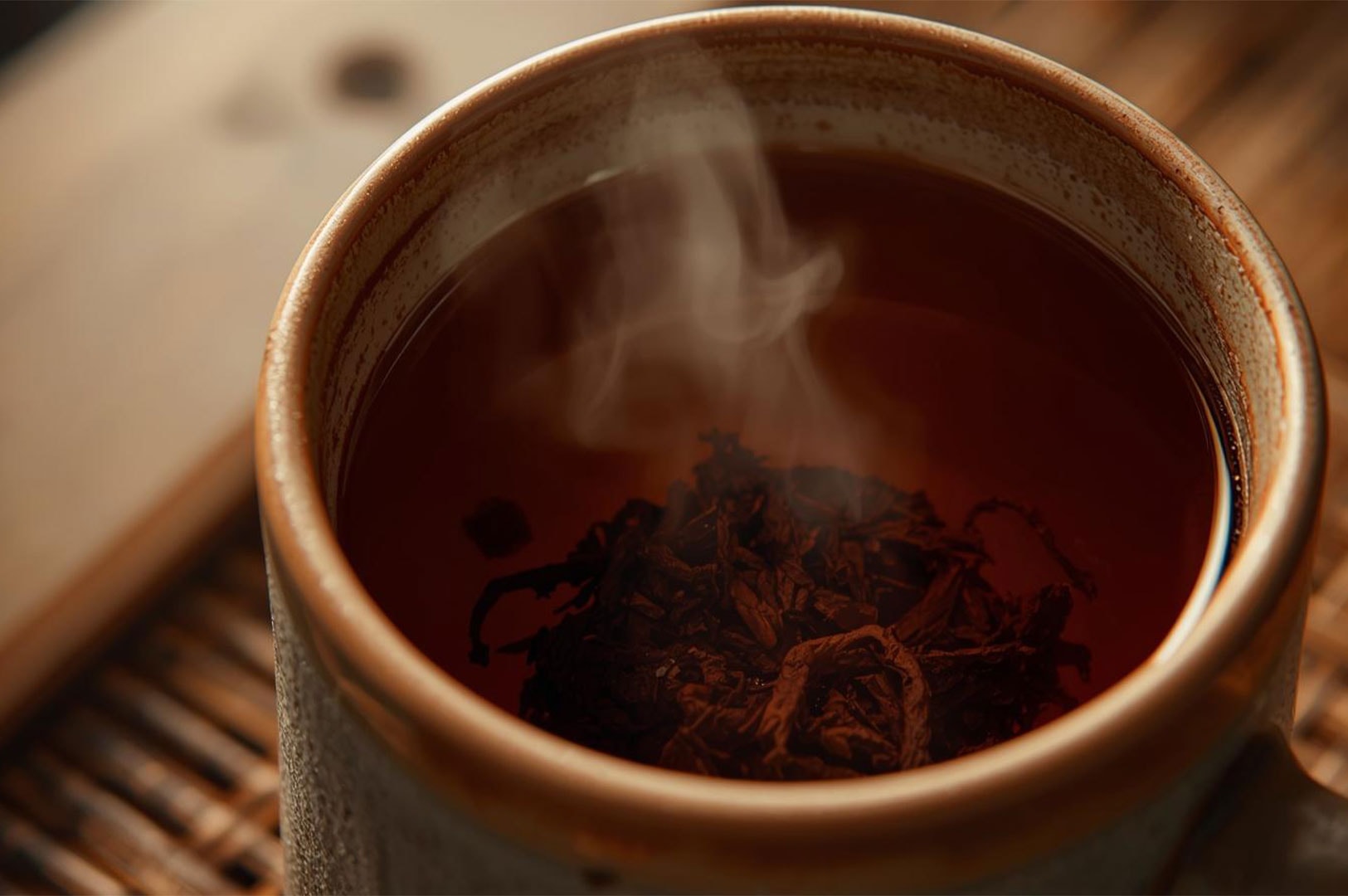
Best for: After-meal fat digestion and those who enjoy deep, earthy notes. Types: Raw (sheng) and ripe (shou). Caffeine: Low to moderate (20–40 mg). Taste: Earthy, smooth, and mellow.
#4. White Tea — A Gentle Option with Potent Health Benefits
Why it's fourth:
Delicate and minimally processed, white tea retains a high level of antioxidant properties. It's an excellent choice for those sensitive to caffeine.
How it works:
Studies show white tea extract may inhibit the formation of new fat cells and encourage the breakdown of existing ones. It shares many beneficial compounds with green tea, supporting fat oxidation and overall body weight regulation.
Best for: A light, caffeine-free or low-caffeine beverage suitable for all-day drinking. Varieties to try: Silver Needle, White Peony. Caffeine: 15–30 mg. Taste: Subtle, naturally sweet, and refreshing.
#5. Black Tea — A Bold Flavor with Metabolic Benefits
Why it's fifth:
Black tea, the world's most consumed tea, contains potent polyphenols like theaflavins and thearubigins. Though research is less extensive than for green tea, evidence suggests regular tea consumption may help support weight loss and lower blood pressure.
How it works:
Its higher caffeine content provides an energy boost, potentially aiding fat metabolism. Substituting black tea for high-sugar diet beverages can meaningfully reduce calorie intake and body weight over time.
Best for: Coffee drinkers transitioning to tea. Varieties to try: Assam, Darjeeling, Ceylon, or powdered black tea blends. Caffeine: 40–70 mg. Taste: Robust, malty, and full-bodied.
#6. Rooibos Tea — The Caffeine-Free Stress Reducer
Why it's sixth:
Although rooibos tea isn't derived from the traditional tea leaves, it's a caffeine-free herbal option from South Africa with many health benefits. It's especially helpful for those aiming to manage stress hormones and curb sugar cravings.
How it works:
Rooibos contains aspalathin, an antioxidant that may lower blood sugar and reduce fat accumulation by regulating insulin and cortisol levels. This makes it an excellent complement to weight management plans and overall health.
Best for: Evening relaxation, stress management, or as a sweet, calorie-free dessert drink. Taste: Naturally sweet, nutty, and smooth. Caffeine: None.
#7. Herbal Teas with Ginger, Cinnamon & Hibiscus — Digestive Support for Weight Control
Why they rank seventh:
These herbal teas indirectly support fat loss by improving digestion, reducing bloating, and balancing blood sugar levels.
How they work:
- Ginger tea enhances thermogenesis and helps reduce belly fat.
- Cinnamon tea aids fat metabolism and stabilizes blood sugar.
- Hibiscus tea contains polyphenols that may help lower body mass index and blood pressure.
Best for: Digestive comfort and caffeine-free hydration. Caffeine: None. Note: Avoid “detox” or “teatox” blends with laxatives like senna.
Comparison Summary: Choosing the Best Tea for You
| Tea Type | Key Benefit | Best For |
|---|---|---|
| Green Tea | Research-backed fat burning and boosting metabolism | Everyday use |
| Oolong Tea | Enhances fat oxidation with complex flavor | Traditional wellness lovers |
| Pu-erh Tea | Aids digestion and cholesterol management | Post-meal tea |
| White Tea | Light, antioxidant-rich, low caffeine | All-day sipping |
| Black Tea | Energy boost and strong flavor | Coffee replacements |
| Rooibos Tea | Caffeine-free, stress-reducing | Evening tea |
| Herbal Blends | Digestive and blood sugar support | Caffeine-free comfort |
How to Maximize the Weight Loss Benefits of Drinking Tea
- Be Consistent: Drink 2–3 cups daily for cumulative beneficial effects.
- Time It Right: Morning — green or oolong tea for boosting metabolism; after meals — pu-erh; evening — rooibos or herbal teas.
- Prepare It Properly: Use hot water, avoid over-steeping, and skip sugar or cream.
- Integrate Smartly: Replace sugary drinks to reduce calorie intake. Pair tea with regular exercise and balanced meals.
Where to Find Authentic Weight Loss Teas
 When picking the best teas for weight loss, it’s key to choose authentic, high-quality options. Look for trusted brands that source their teas directly from reputable growers and are clear about how their teas are processed. This way, you get the full benefit of the natural compounds that help with fat burning and metabolism.
Whether you’re into green tea, oolong tea consumption, pu-erh tea, or herbal blends, choosing teas that keep their natural antioxidants and catechins intact means you’re supporting your weight management goals effectively. Specialty tea shops, certified organic retailers, and well-reviewed online stores are great places to find premium teas that can fit seamlessly into your routine.
Remember, incorporating these types of tea into your daily habits can boost metabolism and aid in reducing visceral fat, especially when combined with a balanced diet and exercise. Plus, swapping out sugary beverages for a soothing cup of tea is an easy way to cut down on overall calorie intake and support your fat burning efforts naturally.
Daily Tea Rotation Strategy for Maximum Results
- Morning: Green tea or oolong for energy and metabolism.
- Afternoon: Pu-erh to aid digestion and sustain focus.
- Evening: White tea, rooibos, or herbal blends for relaxation.
Rotating teas keeps your palate engaged and provides a wide range of antioxidants, polyphenols, and beneficial effects.
Realistic Timeline for Results
- Weeks 1–2: Build your tea routine and reduce sugary drink intake.
- Weeks 3–4: Notice improved energy, digestion, and hydration.
- Months 2–3+: With consistent tea consumption, balanced diet, and exercise, expect sustainable improvements in body composition and overall health.
Final Thoughts: Choosing the Best Tea for Sustainable Fat Loss
While green tea leads with the strongest evidence, the best tea for you is the one you'll enjoy and drink regularly. Each option, from fat-burning oolong to caffeine-free rooibos, offers distinct health benefits that can help support weight loss naturally.
Remember: true success comes from consistent, enjoyable habits. By choosing authentic, high-quality teas and integrating them into your lifestyle, you'll not only lose weight gradually but also enhance your overall wellness.
Tea is always the best when served well, especially in restaurants, visit Tea Manor to expore currated restaurants that serve tea in your indulgance

“Detox Tea” Is Mostly Marketing: Here’s What Tea Actually Does
I have always found the phrase “detox tea” a little strange. Not because I dislike tea. Quite the opposite. Tea has been part of my daily life for years. I love the quiet ritual of choosing leaves, waiting for the water, and taking a moment to slow down. But somewhere along the way, tea became…
-
The Tea House That Time Did Not Forget: Tea Chapter Trading Pte Ltd
I almost walked past it. Located at Nine Neil Road, Tea Chapter Trading Pte Ltd sits quietly, a three-storey shophouse just across from Maxwell MRT in Singapore, its restored facade catching afternoon light. Around it, Chinatown moves at its usual pace. Inside, something slower has been happening since October 1989. I stepped in on a…
-
Expensive Tea Doesn’t Guarantee a Better Cup, Here’s Why
There is a belief in tea that we rarely question. If something costs more, it must be better. It is an understandable assumption. A rare tea from a respected region, carefully harvested and beautifully packaged, naturally creates expectations. We associate price with effort, craftsmanship, and quality. And often, that connection is justified. But not always….
-
SUN with MOON Singapore at Wheelock Place: A Unique Tea Dining Cafe Experience on Orchard Road
The lunch crowd had gone. Dinner hadn’t arrived yet. I came in during that strange, in-between hour, a little after three on a weekday, when the escalators at Wheelock Place hum quietly and Orchard Road feels almost gentle. Most people were still at their desks. I wasn’t. I wanted tea, and I wanted to sit…
-
Cold Brew Tea Is Underrated (And Hot Purists Are Missing Out)
I used to think tea had to be hot. There was something about the ritual of it. Boiling water, warming the pot, watching the leaves open. A proper cup of tea seemed to require steam. Then I tried cold brew tea, and I had to admit something slightly uncomfortable. I liked it. More than I…
-
All Things Delicious Review: The Quiet Pleasure of Tea and Cake.
There’s a particular kind of afternoon that asks for tea, and All Things Delicious answers it with a quiet, comforting tea-and-cake experience on Arab Street: handmade sweet treats, warm approachable teas, and a room that makes simple pleasures feel like enough. Not coffee, with its urgency. Tea. The slow kind, poured while the conversation drifts…
-
Wellness Tea Is a Scam, but Tea Can Still Be Good for You
There is a strange contradiction in the way we talk about tea today. For centuries, tea was appreciated for its taste, its rituals, and the moments it created. Today, it is often sold as something else entirely. A solution. A promise. A shortcut. The language surrounding wellness tea has become increasingly familiar. Detox tea. Cleansing…
-
Camellia Tea: A Blossom, A Leaf, A Legacy Rooted in Camellia Sinensis
My grandmother kept her camellia tea in a battered tin that had once held biscuits. She never called it anything fancy. It was just cha, brewed strong in the mornings using fresh tea leaves from the tea plant, poured into small cups that had lost their matching saucers years ago. I didn’t know then that…
-
Why “Caffeine-Free Tea” Marketing Should Be Regulated (Seriously)
Hear me out: we have become far too comfortable with the phrase “caffeine-free tea.” It appears on beautiful packaging, wellness websites, and café menus with the confidence of a health guarantee. The words suggest calm evenings, better sleep, and a gentler relationship with what we drink. But there is a problem. The phrase sounds clearer…
-
The Forgotten Luxury of Sitting Still at Japanese Tea House
You stoop to enter the traditional japanese tea house. That is the first thing the tea house asks of you, before the tea, before the talk, before anything at all. The doorway is low, deliberately so, and even the tall must bow to pass through it. In that small act of folding the body, something…