 Looking for the best teas for weight loss is a popular first step for anyone starting a wellness journey. While no single tea can magically melt away body fat, some teas contain natural compounds that can help with weight loss, boost metabolism, and manage appetite.
The secret is consistency, drinking tea daily as part of a weight loss plan and a healthy lifestyle, especially drinking oolong tea and regular green tea, which are rich in catechins and caffeine, may support fat oxidation and improve metabolism for those aiming to reduce body weight.
In this friendly, evidence-based guide, we’ll rank the top 7 teas that may help with weight loss, highlighting their unique health benefits, active compounds, and how each tea can enhance weight loss and burn fat. Plus, we’ll share practical tips on brewing and how to make tea a sustainable part of your weight loss efforts and overall wellness journey.
What Makes the Best Tea Effective for Weight Loss?
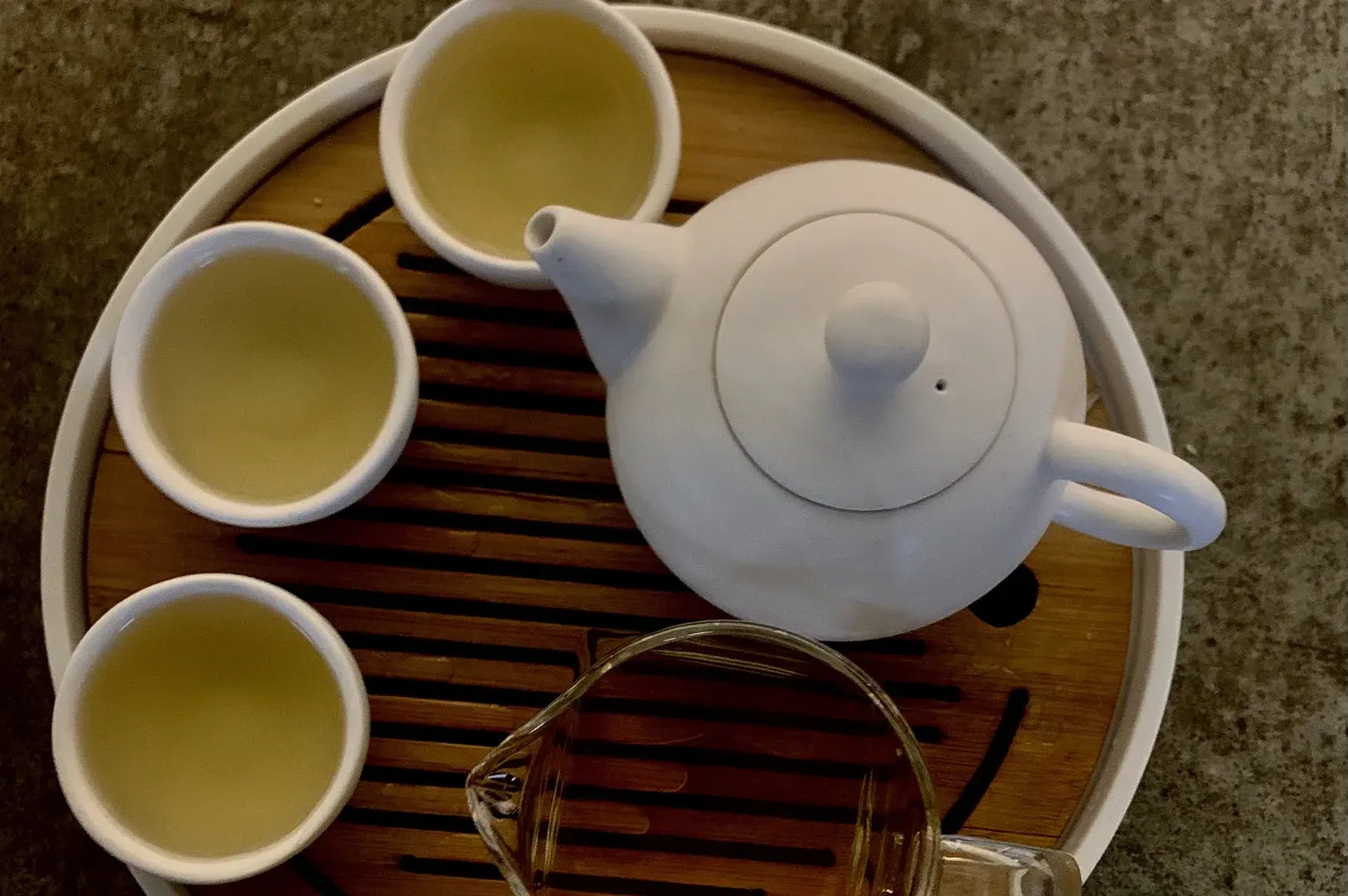 To evaluate each tea, we considered:
- Research Evidence – Support from randomized controlled trials and human studies showing metabolic or fat oxidation benefits.
- Bioactive Compounds – Concentrations of antioxidants called catechins, caffeine, and polyphenols that may boost metabolism and reduce fat accumulation.
- Safety & Sustainability – Suitability for long-term, calorie-free consumption and integration into daily routines.
- Practical Factors – Taste, accessibility, and ease of preparation.
#1. Green Tea — The Best Tea for Fat Burning and Weight Management
Why it tops the list: Green tea is hands down the most researched and popular tea when it comes to weight loss benefits. Packed with powerful compounds called catechins, especially EGCG (epigallocatechin gallate), and natural caffeine, this classic tea plant brew helps to boost fat metabolism and rev up your calorie burn.
How it works: The magic happens because green tea may combine the effects of catechins and caffeine to stimulate thermogenesis, basically, your body producing heat and burning more calories. Drinking green tea regularly is linked to better metabolic health and can help reduce fat mass, especially when paired with other healthy lifestyle habits like exercise. Plus, it may even lower the risk of heart disease by improving body composition.
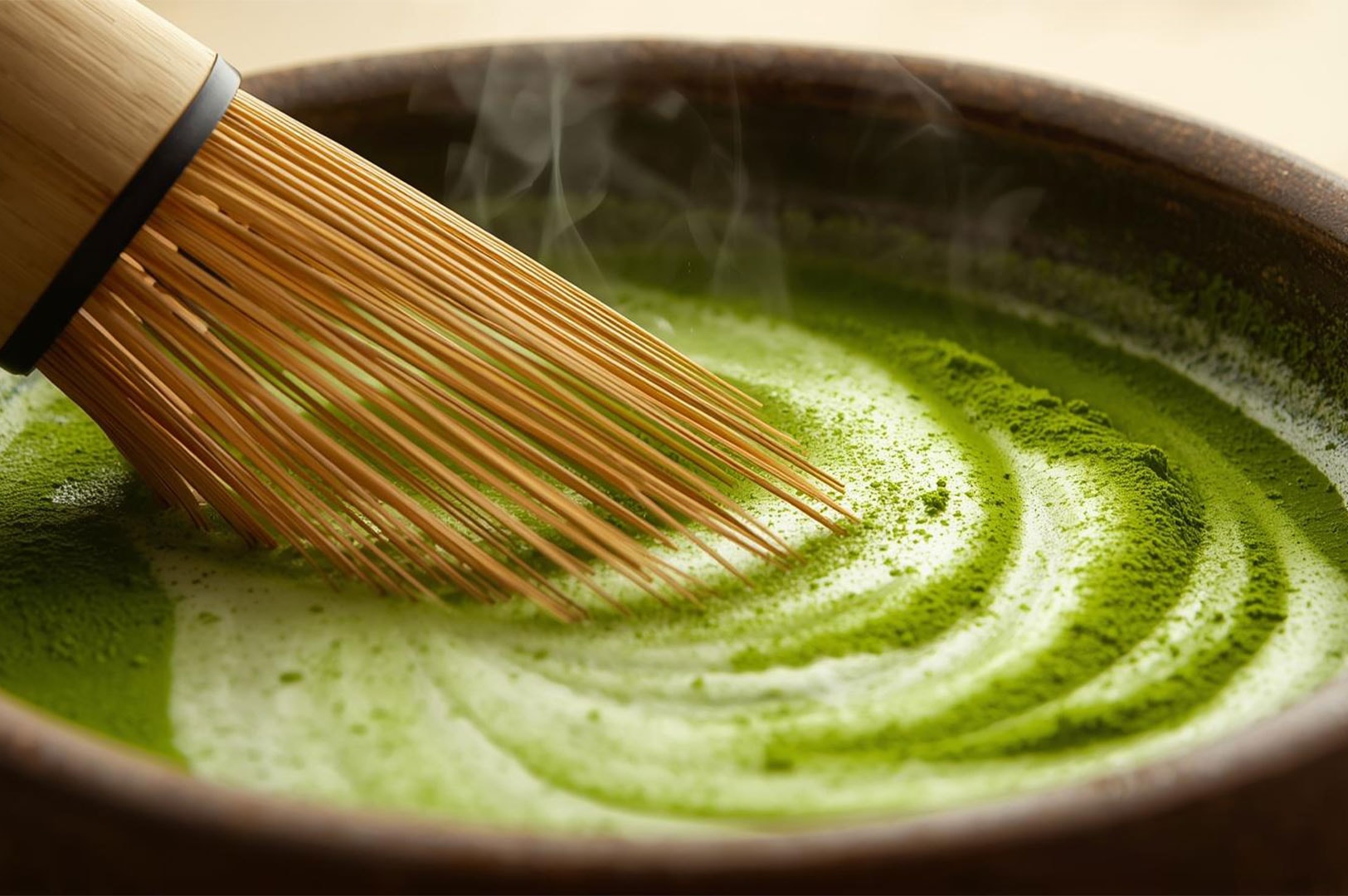
Best for: Anyone wanting a proven, effective tea to support healthy weight and sustainable weight management. Try popular varieties like Sencha, powdered green tea (Matcha), or Gyokuro. Caffeine content is moderate (20–80 mg per cup), and its fresh, grassy taste is best enjoyed without over-steeping to avoid bitterness.
For more science-backed details, explore our in-depth guide: Does Green Tea Help to Lose Weight?
#2. Oolong Tea — The Bridge Between Green and Black Tea
Why it ranks second: Partially oxidized oolong tea combines the best of green and black tea. Traditional Chinese medicine has long recognized its fat metabolism and digestion benefits. Oolong tea offers significant benefits for those seeking to enhance metabolism and support weight management.
How it works: Its blend of catechins and theaflavins can promote weight loss by enhancing energy expenditure and fat burning. Some test-tube studies and human trials show oolong may increase calorie burning for several hours after drinking tea.
Best for: Those who prefer a slightly roasted flavor and want to support weight loss naturally. Varieties to try: Tieguanyin, Da Hong Pao, Dong Ding. Caffeine: Moderate (30–50 mg). Taste: Floral to roasted, depending on the type.
#3. Pu-erh Tea — The Fermented Fat-Burning Tea
Why it ranks third:
Aged and fermented in Yunnan, China, Pu-erh tea is rich in probiotics and polyphenols that may benefit gut health and fat metabolism.
How it works:
Fermentation produces unique compounds that may reduce fat absorption, improve cholesterol levels, and support a healthy gut microbiome. Some research suggests regular consumption can help decrease body mass index (BMI) over time.
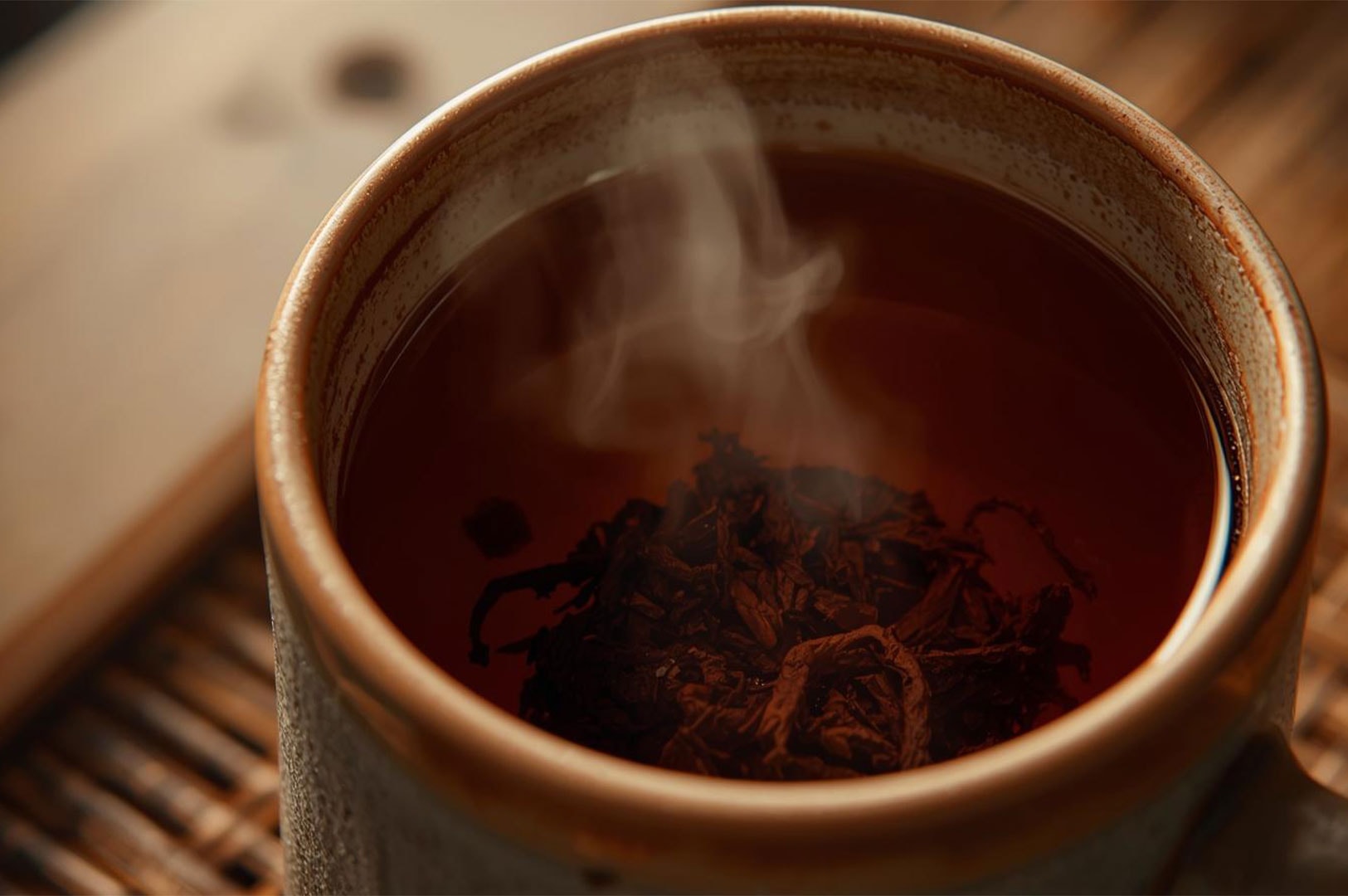
Best for: After-meal fat digestion and those who enjoy deep, earthy notes. Types: Raw (sheng) and ripe (shou). Caffeine: Low to moderate (20–40 mg). Taste: Earthy, smooth, and mellow.
#4. White Tea — A Gentle Option with Potent Health Benefits
Why it's fourth:
Delicate and minimally processed, white tea retains a high level of antioxidant properties. It's an excellent choice for those sensitive to caffeine.
How it works:
Studies show white tea extract may inhibit the formation of new fat cells and encourage the breakdown of existing ones. It shares many beneficial compounds with green tea, supporting fat oxidation and overall body weight regulation.
Best for: A light, caffeine-free or low-caffeine beverage suitable for all-day drinking. Varieties to try: Silver Needle, White Peony. Caffeine: 15–30 mg. Taste: Subtle, naturally sweet, and refreshing.
#5. Black Tea — A Bold Flavor with Metabolic Benefits
Why it's fifth:
Black tea, the world's most consumed tea, contains potent polyphenols like theaflavins and thearubigins. Though research is less extensive than for green tea, evidence suggests regular tea consumption may help support weight loss and lower blood pressure.
How it works:
Its higher caffeine content provides an energy boost, potentially aiding fat metabolism. Substituting black tea for high-sugar diet beverages can meaningfully reduce calorie intake and body weight over time.
Best for: Coffee drinkers transitioning to tea. Varieties to try: Assam, Darjeeling, Ceylon, or powdered black tea blends. Caffeine: 40–70 mg. Taste: Robust, malty, and full-bodied.
#6. Rooibos Tea — The Caffeine-Free Stress Reducer
Why it's sixth:
Although rooibos tea isn't derived from the traditional tea leaves, it's a caffeine-free herbal option from South Africa with many health benefits. It's especially helpful for those aiming to manage stress hormones and curb sugar cravings.
How it works:
Rooibos contains aspalathin, an antioxidant that may lower blood sugar and reduce fat accumulation by regulating insulin and cortisol levels. This makes it an excellent complement to weight management plans and overall health.
Best for: Evening relaxation, stress management, or as a sweet, calorie-free dessert drink. Taste: Naturally sweet, nutty, and smooth. Caffeine: None.
#7. Herbal Teas with Ginger, Cinnamon & Hibiscus — Digestive Support for Weight Control
Why they rank seventh:
These herbal teas indirectly support fat loss by improving digestion, reducing bloating, and balancing blood sugar levels.
How they work:
- Ginger tea enhances thermogenesis and helps reduce belly fat.
- Cinnamon tea aids fat metabolism and stabilizes blood sugar.
- Hibiscus tea contains polyphenols that may help lower body mass index and blood pressure.
Best for: Digestive comfort and caffeine-free hydration. Caffeine: None. Note: Avoid “detox” or “teatox” blends with laxatives like senna.
Comparison Summary: Choosing the Best Tea for You
| Tea Type | Key Benefit | Best For |
|---|---|---|
| Green Tea | Research-backed fat burning and boosting metabolism | Everyday use |
| Oolong Tea | Enhances fat oxidation with complex flavor | Traditional wellness lovers |
| Pu-erh Tea | Aids digestion and cholesterol management | Post-meal tea |
| White Tea | Light, antioxidant-rich, low caffeine | All-day sipping |
| Black Tea | Energy boost and strong flavor | Coffee replacements |
| Rooibos Tea | Caffeine-free, stress-reducing | Evening tea |
| Herbal Blends | Digestive and blood sugar support | Caffeine-free comfort |
How to Maximize the Weight Loss Benefits of Drinking Tea
- Be Consistent: Drink 2–3 cups daily for cumulative beneficial effects.
- Time It Right: Morning — green or oolong tea for boosting metabolism; after meals — pu-erh; evening — rooibos or herbal teas.
- Prepare It Properly: Use hot water, avoid over-steeping, and skip sugar or cream.
- Integrate Smartly: Replace sugary drinks to reduce calorie intake. Pair tea with regular exercise and balanced meals.
Where to Find Authentic Weight Loss Teas
 When picking the best teas for weight loss, it’s key to choose authentic, high-quality options. Look for trusted brands that source their teas directly from reputable growers and are clear about how their teas are processed. This way, you get the full benefit of the natural compounds that help with fat burning and metabolism.
Whether you’re into green tea, oolong tea consumption, pu-erh tea, or herbal blends, choosing teas that keep their natural antioxidants and catechins intact means you’re supporting your weight management goals effectively. Specialty tea shops, certified organic retailers, and well-reviewed online stores are great places to find premium teas that can fit seamlessly into your routine.
Remember, incorporating these types of tea into your daily habits can boost metabolism and aid in reducing visceral fat, especially when combined with a balanced diet and exercise. Plus, swapping out sugary beverages for a soothing cup of tea is an easy way to cut down on overall calorie intake and support your fat burning efforts naturally.
Daily Tea Rotation Strategy for Maximum Results
- Morning: Green tea or oolong for energy and metabolism.
- Afternoon: Pu-erh to aid digestion and sustain focus.
- Evening: White tea, rooibos, or herbal blends for relaxation.
Rotating teas keeps your palate engaged and provides a wide range of antioxidants, polyphenols, and beneficial effects.
Realistic Timeline for Results
- Weeks 1–2: Build your tea routine and reduce sugary drink intake.
- Weeks 3–4: Notice improved energy, digestion, and hydration.
- Months 2–3+: With consistent tea consumption, balanced diet, and exercise, expect sustainable improvements in body composition and overall health.
Final Thoughts: Choosing the Best Tea for Sustainable Fat Loss
While green tea leads with the strongest evidence, the best tea for you is the one you'll enjoy and drink regularly. Each option, from fat-burning oolong to caffeine-free rooibos, offers distinct health benefits that can help support weight loss naturally.
Remember: true success comes from consistent, enjoyable habits. By choosing authentic, high-quality teas and integrating them into your lifestyle, you'll not only lose weight gradually but also enhance your overall wellness.
Tea is always the best when served well, especially in restaurants, visit Tea Manor to expore currated restaurants that serve tea in your indulgance

Why Tea Might Be the Break You Didn’t Know You Needed
Scrolling through my feed this morning, I realized how easy it is to forget what a quiet moment feels like. Notifications, stories, messages- they all seem to arrive at once, asking for attention I don’t always want to give. And yet, in the middle of it, I poured myself a cup of tea. It wasn’t…
-
A Golden Sip of Serenity chrysanthemum tea
There is a pot on many kitchen tables in Singapore that no one talks about much. Pale yellow gold in the glass, with a few small chrysanthemum flowers or flower buds drifting at the bottom. It appears after a heavy meal, at a grandmother’s house, or in a hawker centre when the weather turns unbearable….
-
Tea in a Scrollable World
I often think about how tea fits into a world that moves as fast as ours does. Every day, there are notifications, updates, trends, and posts competing for attention. Memes, videos, tweets, they all demand a response, a like, a share. It is a constant motion that leaves very little space for pause. And then…
-
Marriott High Tea 1 for 1: Indulge in Luxury at Singapore Marriott Tang Plaza Hotel
I almost didn’t go. Hotel afternoon tea always felt like something you did for a birthday or a special occasion with loved ones, or when a relative flew in and you wanted to seem like you had your life together. Expensive. A little performative. The kind of thing you photograph more than you eat. If…
-
Why Some Teas Feel Like Company
I’ve always thought of tea as a companion of sorts. Not a person, not a friend, but something that sits quietly beside you while the day moves forward. A cup of tea doesn’t interrupt your thoughts. It doesn’t demand attention. It simply exists, warm and steady, while you figure out what comes next. Some teas…
-
A Refined Afternoon Tea Experience at the Pan Pacific Atrium High Tea
Pan Pacific Atrium High Tea is the afternoon tea experience at the Atrium Lounge in Pan Pacific Singapore: a refined, unhurried sitting with TWG tea or Lavazza coffee, elegant seating pods above the reflection pool, and a menu that pairs classic English tea traditions with Peranakan flavours. For couples, friends, families, and tea lovers looking…
-
The Tea We Drink for No Reason
Tea is often praised for its ritual, its mindfulness, its ability to transform ordinary moments into quiet ceremonies. And I appreciate all of that. I really do. But there is another kind of tea, one that rarely gets mentioned in articles or recommended in guides. The tea we drink for no reason at all. I…
-
A Tea Lover’s Map to Elegant Finds in the City Teaware Shop
There is a particular quiet that settles when you pour hot water over tea leaves in a pot you chose with care. The weight of the clay in your hand. The porcelain capacity that holds just the right amount of warmth. A small ritual, repeated, until it becomes yours. Singapore knows tea in many languages….
-
Why We Pretend Every Tea Moment Should Be Peaceful
There is a quiet expectation we place on tea that I’m not sure we talk about enough. We expect it to calm us. To slow us down. To make everything feel a little more intentional, a little more put together, a little more peaceful than whatever came before it. But I’ve started to wonder if…
-
The Discipline of Grace in Every Bowl: Tea Ceremony in Japan
Water begins to move in a small iron kettle. The sound is faint, almost like wind through pines, and in a quiet room lined with tatami mats, it is enough to fill the silence. A host kneels in the tea room. A guest waits. Nothing is said, yet something has already begun. This is where…