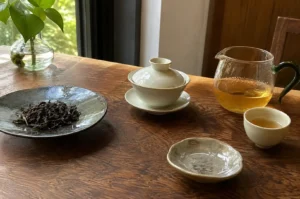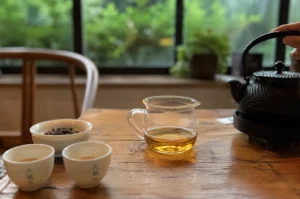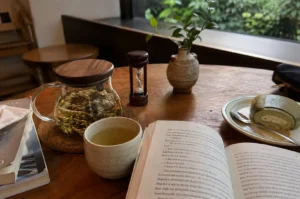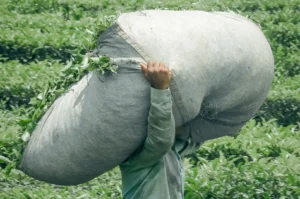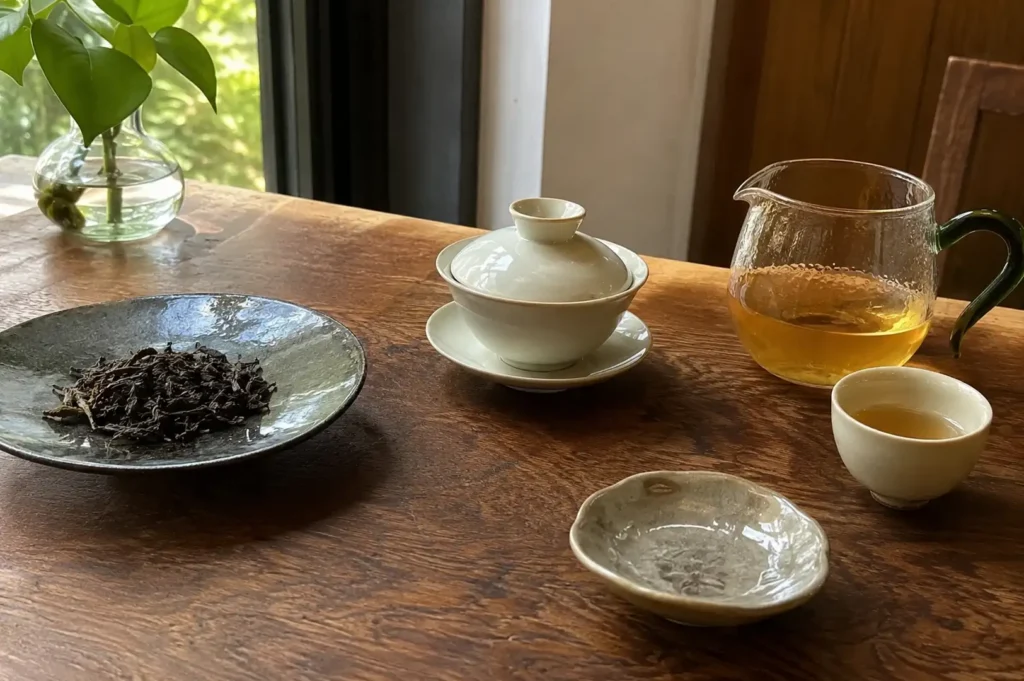
Tea is deceptively simple. A cup of hot water and leaves. And yet, it carries centuries of culture, craftsmanship, and subtlety that many of us may overlook. As tea lovers, we often focus on taste, aroma, or ritual, but there is more beneath the surface.
Take the leaves themselves. Different cultivars, growing regions, and harvest times produce vastly different outcomes in the cup. Oolongs from Wuyi Mountains taste differently from Taiwanese high-mountain oolongs, even when brewed with the same water and temperature.
Understanding these origins can deepen appreciation, turning a casual sip into a small study of geography, climate, and human care.
Steeping is another layer of knowledge. Temperature, duration, and vessel type all influence flavor. Too hot, and delicate notes are lost. Too cold, and richness never develops. Even repeated infusions reveal different aspects of the same leaves, demonstrating patience as an integral part of tea appreciation.
But beyond these technicalities lies a deeply personal experience. Tea is not only about brewing correctly or tasting precisely. It is about the quiet moments it offers, when you pour, inhale, sip, and simply exist. Tea teaches attention. It teaches patience. It teaches presence.
For tea lovers, this combination of knowledge and reflection is the real reward. Technical understanding elevates the experience, yes, but it is the personal connection, the comfort, the pause, the shared cup with friends, that gives tea its lasting value.
Whether exploring rare teas, learning proper brewing techniques, or simply enjoying a familiar oolong in the morning, tea invites us to balance information with introspection. It reminds us that mastery is not just in knowing, but in living the experience.
With quiet regard,
N. P. Lim

Understanding Tea Beyond the Cup
Tea is deceptively simple. A cup of hot water and leaves. And yet, it carries centuries of culture, craftsmanship, and subtlety that many of us may overlook. As tea lovers, we often focus on taste, aroma, or ritual, but there is more beneath the surface. Take the leaves themselves. Different cultivars, growing regions, and harvest…
-
Clifford Pier High Tea Review: Local Flavours by the Waterfront
I went looking for a building that no longer serves tea. The Clifford Pier still stands where it always has, at the edge of Marina Bay, its old timber trusses arching overhead like the ribs of something patient. But when I arrived, hoping to relive a Heritage Afternoon Tea I’d taken there years ago, I…
-
The Quiet Lessons a Cup of Tea Can Teach
I have often found that the simplest cup of tea carries the most subtle lessons. Not every tea moment is dramatic, ceremonial, or picturesque. Some are ordinary, even fleeting, yet they manage to teach something quietly about patience, observation, and care. Take the leaves themselves. Watching them unfurl in hot water is a small, deliberate…
-
A Journey Through Popular Bubble Tea Brands and Shops: Bubble Tea Singapore
The first time I really tasted bubble tea, I mean actually tasted it, I was standing outside a shoppers mall in the rain, waiting for a friend who was late. I had ordered something on autopilot from one of the many bubble tea shops in Singapore. But that day, without distraction, I noticed the tea…
-
Tea in a World That Never Pauses
Scrolling through my feed this morning, I realized something. We live in a world that barely stops. Notifications pile up. Videos play automatically. Messages arrive faster than we can read them. Every surface seems to demand attention. And then there is tea. A cup of tea does not ping. It does not scroll. It does…
-
From Plantation to Cup: The Journey of Sri Lanka’s Black Tea Pekoe
Black tea pekoe is all about whole-leaf black tea made from those long leaves and buds, usually the youngest ones right near the shoot tips. And when you hear Orange Pekoe, it’s not about orange flavor at all; it’s actually the name of that grade. For tea lovers or anyone curious about quality Sri Lankan…
-
To the Tea Lovers and the Tea That Holds Us
I want to write a letter, not to anyone in particular, but to the quiet ritual that has accompanied so many of our days. To the tea in our cups and to the people who take the time to notice it. Tea is patient. It waits for us when we are rushing. It sits quietly…
-
What Is Rooibos Tea: Red Gold in Your Cup, the Science and Benefits
There is a certain hour when the day loosens its grip. The coffee has long gone cold. Black tea feels like too much. And yet the kettle still calls, because the ritual matters more than the caffeine. This is where rooibos often arrives. A deep russet red pouring into the cup, warm and unhurried, carrying…
-
The Cup I Always Return To
There is one tea I always return to, even after tasting countless others. It is not rare. It is not expensive. The leaves are ordinary, the aroma familiar. And yet, it has a way of anchoring me, no matter the day or the mood. I first drank it years ago, during a week that felt…
-
Where to Buy Turkish Tea: Finding Authentic Çay for the True Turkish Tea Experience
The first time I understood Turkish tea, I was not drinking it in a café. I was standing in a small shop, watching a man refuse to sell me the wrong thing. I had pointed at a shiny box of flavoured black tea, and he shook his head, quietly, the way someone corrects a friend…