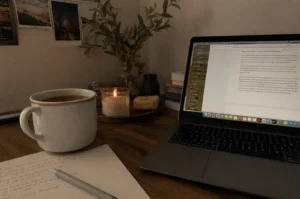
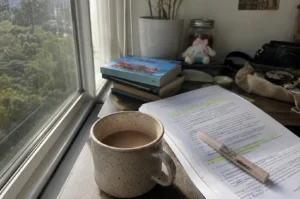
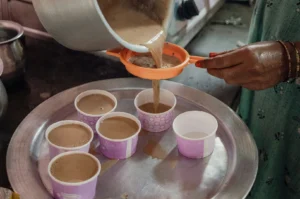
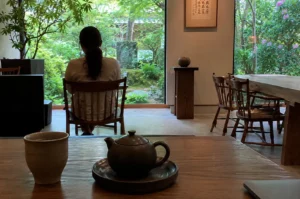
Singapore is famous for its spotless streets, impressive glass towers, and a culture that constantly celebrates the new—be it design trends, the latest matcha drinks, or the next “perfect place” for brunch. For a long time, I bought into this idea of curated perfection. My home had to be pristine, my days measured for maximum productivity, and my Instagram feed always ready for guests.
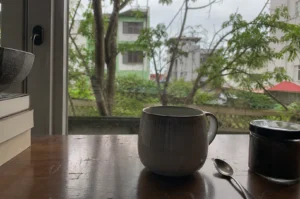
Then one day, a ceramic mug I loved—from a little shop near Uji famed for green tea—developed a delicate crack. My first instinct was to toss it. But a friend who hosts traditional Japanese tea ceremonies convinced me to pause. She explained the wabi sabi meaning behind such cracks: it’s a celebration of unique history, imperfection, and the beauty that comes with life’s passing seasons. That crack didn’t spoil the cup—it made it a true part of my daily life.
That was my introduction to wabi sabi. Since then, I’ve come to embrace this philosophy, especially when life in Singapore feels like an endless cycle of upgrades. Wabi sabi is a deeply ingrained Japanese idea—yet it holds powerful lessons for any country yearning for pause and real connection. In our fast-paced world of tea industry perfection and polished images, wabi sabi asks us to look closer and experience the essence of authentic, imperfect beauty.
Wabi Sabi and Its Roots in Japanese Culture
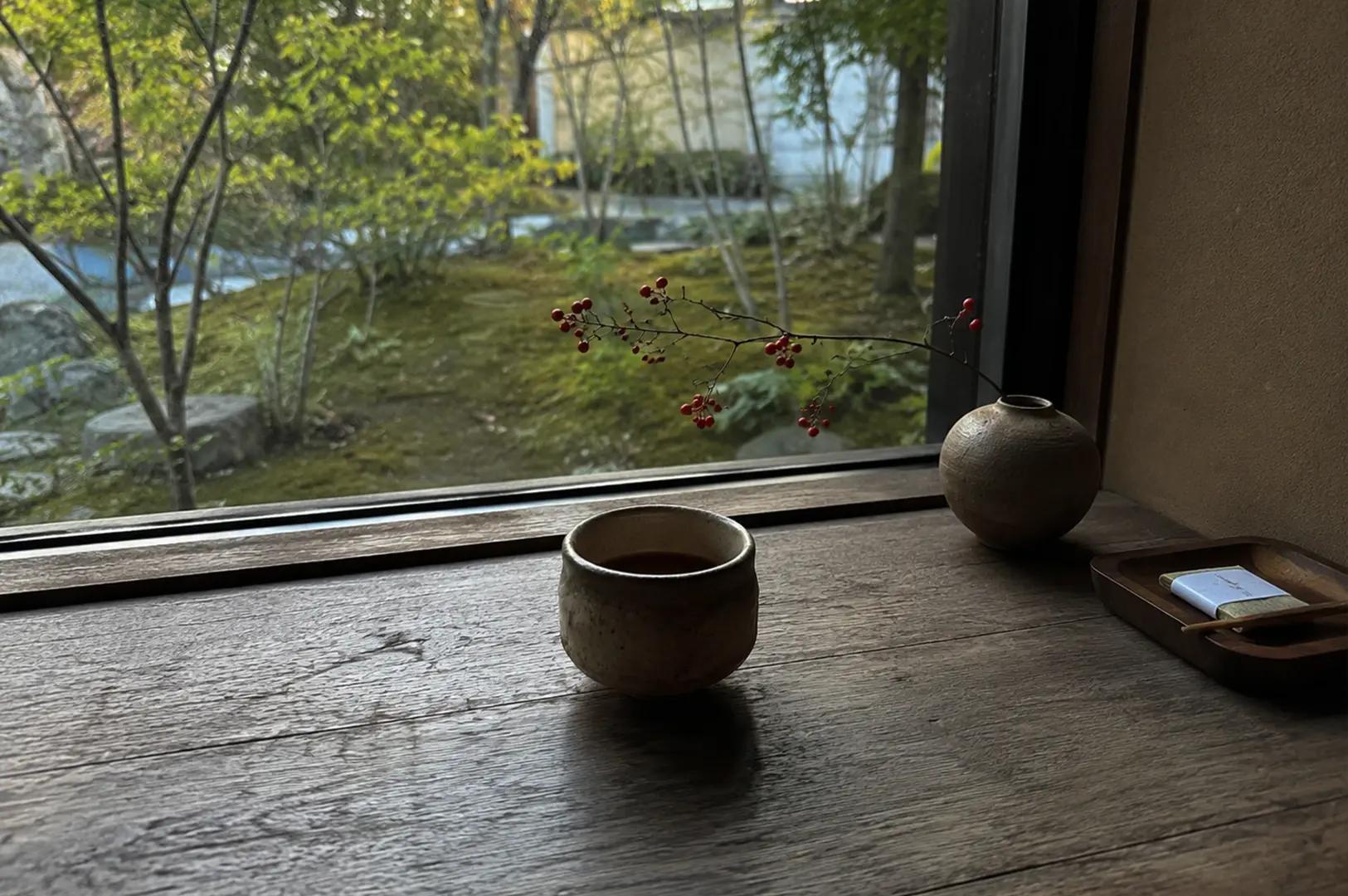
Wabi sabi is often misunderstood as simply a “style,” but its roots in Japanese culture go much deeper. It is a way of seeing the world that finds beauty in imperfection, impermanence, and simplicity—values that go against the global appetite for polished perfection.
Let’s break down the words. “Wabi” was once associated with the quietness of rural life, a sense of contented solitude surrounded by nature. Over time, it evolved into understated elegance—minimalism with meaning. “Sabi,” meanwhile, speaks of the passage of time, the weathering of objects, and patina—the gentle wear that tells the story of use.
Together, wabi sabi means finding beauty precisely because things age, change, and carry the marks of living. Think of the subtle colour of old wooden tea bowls, the slightly uneven lip of a hand-thrown cup, or the artful simplicity of a single flower in a glass, placed for a guest arriving on a rainy morning.
Tea Culture: The Living Essence of Wabi Sabi

It’s hard to talk about wabi sabi without talking about tea culture, especially the Japanese tea ceremony. If you’ve ever attended a tea ceremony—or even an oolong tasting at a Singapore teahouse— you might have noticed how the entire experience is less about drinking and more about being present.
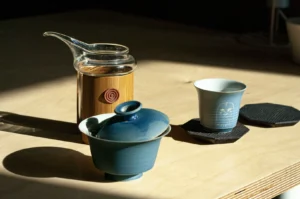
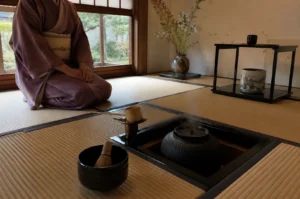
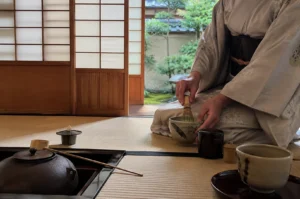
In the world of Japanese tea, the tea room embodies the wabi sabi idea. The architecture uses natural materials—weathered wood, paper doors, earthen colours—letting nature and time set the mood. The tea bowls (chawan) are chosen for their irregular shapes and tactile surfaces. Even objects like teapots or matcha whisks carry traces of use and tradition. Here, the “characteristic feature” is not flawlessness, but the unique flavour of a bowl’s history.
Entering the tea room, often through a humble, small entrance, is an act of humility. In that space, guests and host become equals. There’s no rush, no need to impress—just a quiet ritual of making tea, serving, and being together in a fleeting moment.
For those interested in experiencing wabi sabi through tea, this article on a private tea room in Singapore offers a glimpse into spaces that celebrate the art of mindful tea drinking.
Tea Ceremony: Slowness, Serving, and Savoring Change
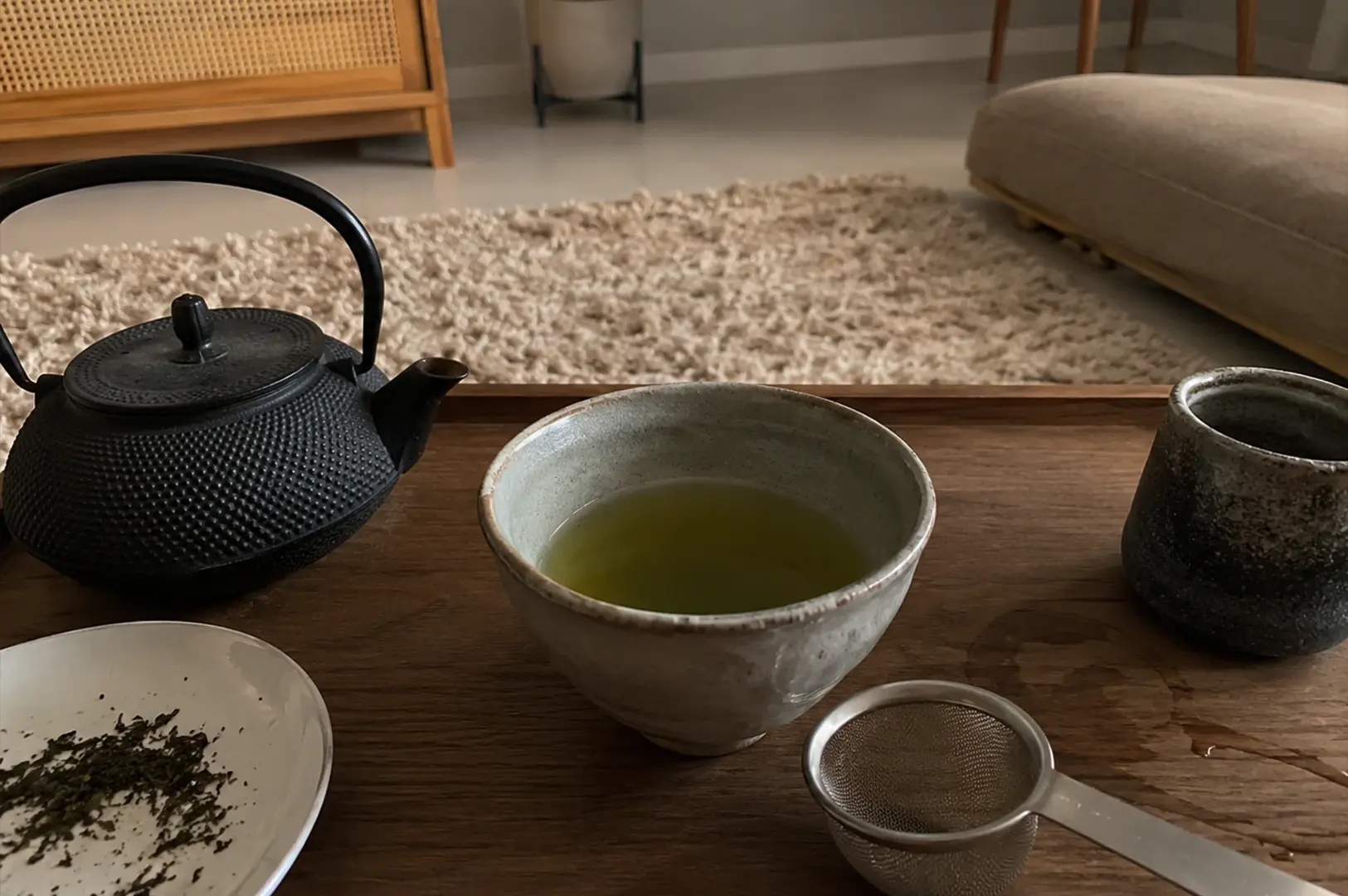
In a traditional Japanese tea ceremony, every movement is intentional and calm. Hospitality here means embracing every guest as they are, often serving a cup with two hands to show respect and presence. Different types of tea—bitter matcha, delicate green tea, or the deep taste of black tea—remind us how varied and rich life can be, with each flavour shaped by tea leaves, climate, and brewing.
The tea utensils and bowls in the ceremony are storied, sometimes repaired with kintsugi (using gold to honor cracks rather than hiding them). These items are not just tools—they’re art, each telling a story of moments enjoyed, guests welcomed, and the passage of time.
What I love is how the ceremony changes with the seasons. Spring might see floral bowls and lighter infusions; autumn brings out warmer, earthy tones. This is the wabi sabi essence: nothing stays the same, and every tea experience is unique—a “one time, one meeting” moment you’ll never have again.
For a deeper understanding of the tea ceremony, visit Tea Manor.
Emotional Benefits: Wabi Sabi in Singapore’s Daily Life
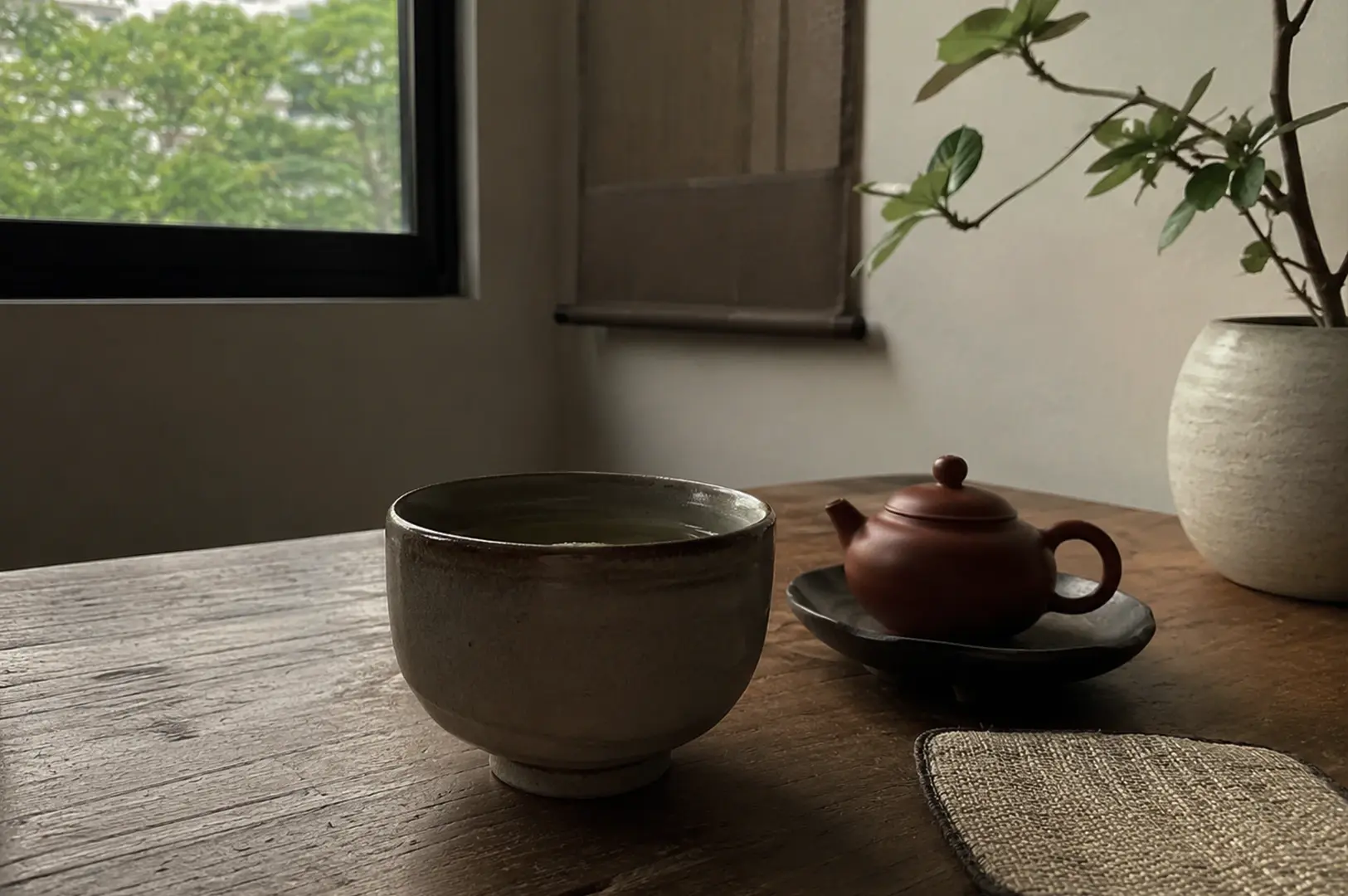
It’s not always easy to embrace imperfection in a country like Singapore, where efficiency and image matter so much. But the beauty of wabi sabi is the relief it provides from relentless striving. It tells us we don’t always need to serve the “perfect” cup or live in an Instagrammable home.
Incorporating elements of wabi sabi into my own tea ritual—choosing old tea bowls, noticing the subtle bitterness of a new Japanese tea, or simply allowing minor flaws in my space—has made my mornings more peaceful. I think this is one of the health benefits that often goes unspoken: the gentle acceptance and joy that comes with being present, rather than constantly self-correcting.
Mindfulness is the heart of wabi sabi. Noticing the light on your cup, the sound of water boiling, or the aroma of spices like ginger and cinnamon softly brewing—these delicate, daily details can ground you on even the busiest days.
Wabi Sabi vs. Modern Perfection: A Gentle Rebellion
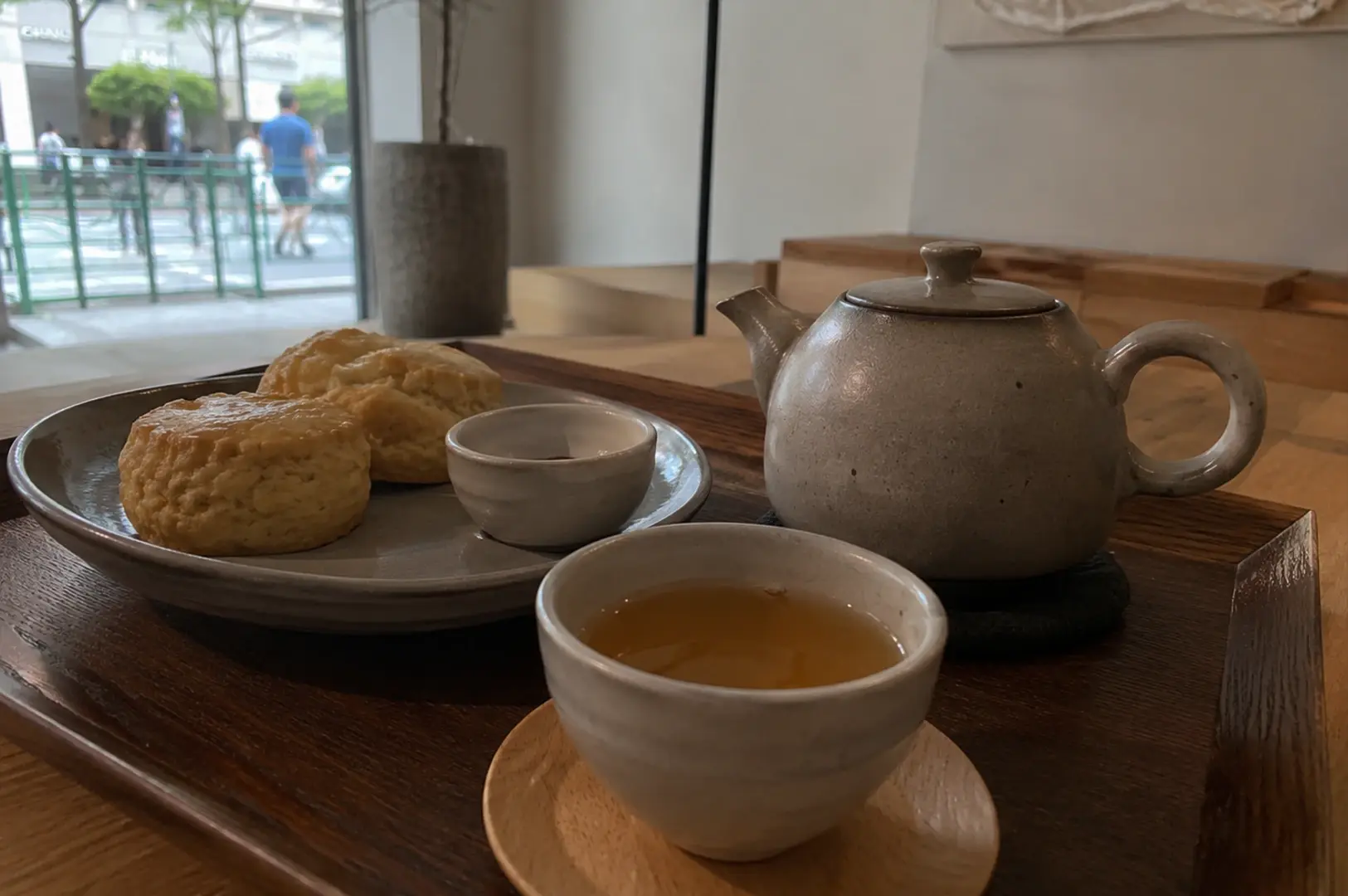
The global tea industry might sell us on gleaming, flawless teaware and “perfect” blends, but the wabi sabi tradition reminds us that a chipped bowl, a weathered tray, or a simple act of serving tea creates deeper, more lasting connection. You’ll find many tea rooms and cafes in Singapore now blending Japanese wabi sabi with Chinese culture—bridging the old and the new, the rustic and the refined.
Even the British tradition of scones with tea—imported from Great Britain—emphasizes comfort over perfection. In different regions, people enjoy their tea in the style that suits their local climate and “taste.” Whether you like your drink floral or dark, strong or light, the idea is the same: embrace what is real.
A Final Thought
If you’re ever feeling rushed or anxious in this busy country, try making tea the wabi sabi way. Pick a cup that shows a little wear, use fresh leaves, and focus on every small action. Let the ritual be less about perfection, more about presence—about sharing, savoring, and letting things be.
Because in the end, the wabi sabi meaning isn’t just about aesthetics—it’s about the beauty in life’s ever-changing journey, one imperfect, authentic cup at a time.

The Tea We Drink for No Reason
Tea is often praised for its ritual, its mindfulness, its ability to transform ordinary moments into quiet ceremonies. And I appreciate all of that. I really do. But there is another kind of tea, one that rarely gets mentioned in articles or recommended in guides. The tea we drink for no reason at all. I…
-
A Tea Lover’s Map to Elegant Finds in the City Teaware Shop
There is a particular quiet that settles when you pour hot water over tea leaves in a pot you chose with care. The weight of the clay in your hand. The porcelain capacity that holds just the right amount of warmth. A small ritual, repeated, until it becomes yours. Singapore knows tea in many languages….
-
Why We Pretend Every Tea Moment Should Be Peaceful
There is a quiet expectation we place on tea that I’m not sure we talk about enough. We expect it to calm us. To slow us down. To make everything feel a little more intentional, a little more put together, a little more peaceful than whatever came before it. But I’ve started to wonder if…
-
The Discipline of Grace in Every Bowl: Tea Ceremony in Japan
Water begins to move in a small iron kettle. The sound is faint, almost like wind through pines, and in a quiet room lined with tatami mats, it is enough to fill the silence. A host kneels in the tea room. A guest waits. Nothing is said, yet something has already begun. This is where…
-
The Tea I Keep Drinking When I Don’t Feel Like Myself
There are days when tea feels unnecessary. Not because I stop liking it, but because I don’t feel like the version of myself who usually drinks it slowly, thoughtfully, and with attention. On those days, I still make tea anyway. Not out of ritual, but out of habit. It is never the elaborate kind of…
-
Tea Ceremony Kyoto: A Slow Dance of Bowls and Breath
The room is quiet enough to hear water. Somewhere beyond the paper screens of this traditional tea ceremony venue, a garden drips after morning rain. Inside a tea house on a tatami mat worn soft by years of kneeling, a tea master lifts a bamboo whisk and begins tea making. There is no rush in…
-
Why We Keep Romanticising Tea Moments That Never Happened
I sometimes wonder if we are drinking tea or remembering something that never really happened. A quiet morning that feels softer in memory than it ever was in real life. A perfect cup by the window that somehow always looks better in hindsight. A tea moment that feels cinematic, even though it probably lasted only…
-
Masala Chai Tea Origins: The Cultural Evolution of India’s Spiced Tea Tradition
There is a sound that belongs to mornings across India: the hiss of milk rising in a battered pot, the clink of a spoon against metal, the low murmur of a tea seller calling out to passing crowds. Before the first sip, there is the scent. Cardamom pods, fresh ginger, and cinnamon stick curling into…
-
We Are Turning Tea Into Something It Was Never Meant to Be
There is something quietly strange happening in tea culture. The more popular the tea becomes, the more it starts to resemble everything it once stood apart from. Speed. Branding. Productivity. Performance. Tea, which once belonged to unhurried moments, is increasingly being asked to do more. To energize. To optimize focus. To replace coffee. To support…
-
Sencha Green Tea vs. Matcha Powder: Understanding the Differences in Japanese Green Tea
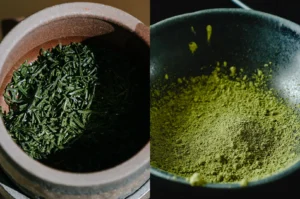
Two tins of tea powder sit side by side on a shelf. Both hold a fine green powder. Both promise the taste of authentic Japanese tea. To the eye, they look almost identical, and that is precisely where the confusion begins. One is matcha powder, often used in matcha lattes and desserts. The other is…