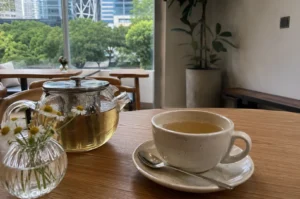
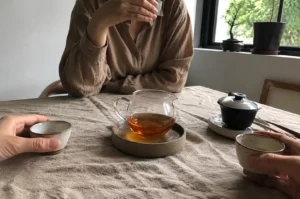
Singapore is famous for its spotless streets, impressive glass towers, and a culture that constantly celebrates the new—be it design trends, the latest matcha drinks, or the next “perfect place” for brunch. For a long time, I bought into this idea of curated perfection. My home had to be pristine, my days measured for maximum productivity, and my Instagram feed always ready for guests.
Then one day, a ceramic mug I loved—from a little shop near Uji famed for green tea—developed a delicate crack. My first instinct was to toss it. But a friend who hosts traditional Japanese tea ceremonies convinced me to pause. She explained the wabi sabi meaning behind such cracks: it’s a celebration of unique history, imperfection, and the beauty that comes with life’s passing seasons. That crack didn’t spoil the cup—it made it a true part of my daily life.
That was my introduction to wabi sabi. Since then, I’ve come to embrace this philosophy, especially when life in Singapore feels like an endless cycle of upgrades. Wabi sabi is a deeply ingrained Japanese idea—yet it holds powerful lessons for any country yearning for pause and real connection. In our fast-paced world of tea industry perfection and polished images, wabi sabi asks us to look closer and experience the essence of authentic, imperfect beauty.
Wabi Sabi and Its Roots in Japanese Culture
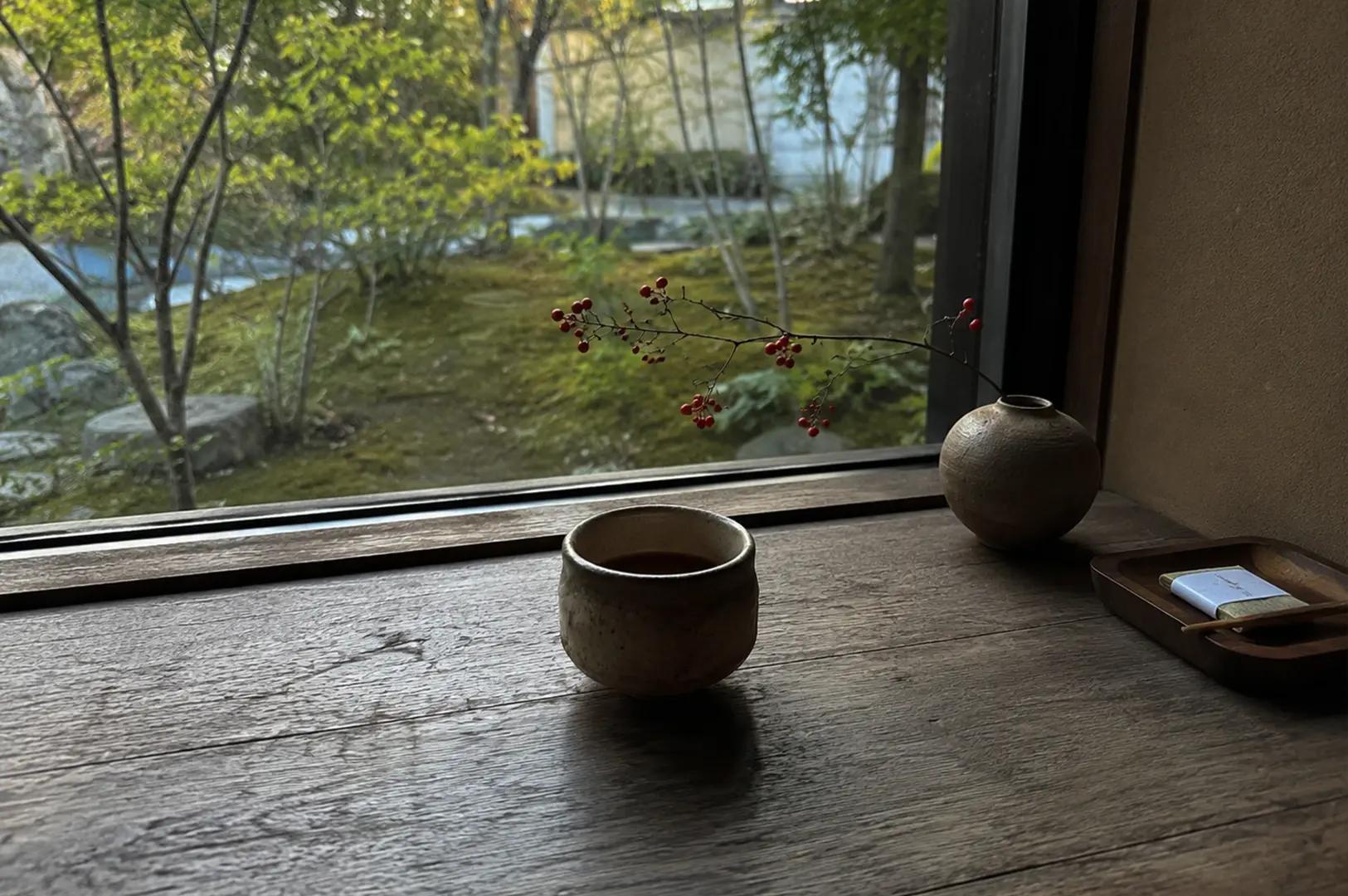
Wabi sabi is often misunderstood as simply a “style,” but its roots in Japanese culture go much deeper. It is a way of seeing the world that finds beauty in imperfection, impermanence, and simplicity—values that go against the global appetite for polished perfection.
Let’s break down the words. “Wabi” was once associated with the quietness of rural life, a sense of contented solitude surrounded by nature. Over time, it evolved into understated elegance—minimalism with meaning. “Sabi,” meanwhile, speaks of the passage of time, the weathering of objects, and patina—the gentle wear that tells the story of use.
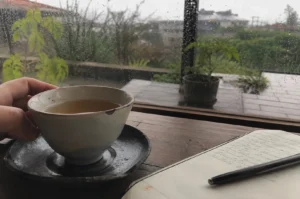
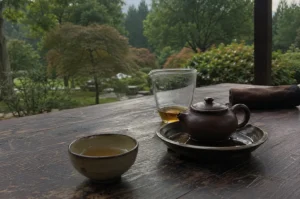
Together, wabi sabi means finding beauty precisely because things age, change, and carry the marks of living. Think of the subtle colour of old wooden tea bowls, the slightly uneven lip of a hand-thrown cup, or the artful simplicity of a single flower in a glass, placed for a guest arriving on a rainy morning.
Tea Culture: The Living Essence of Wabi Sabi

It’s hard to talk about wabi sabi without talking about tea culture, especially the Japanese tea ceremony. If you’ve ever attended a tea ceremony—or even an oolong tasting at a Singapore teahouse— you might have noticed how the entire experience is less about drinking and more about being present.
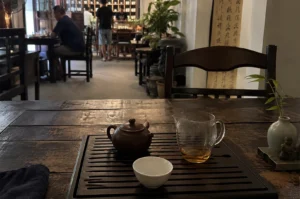
In the world of Japanese tea, the tea room embodies the wabi sabi idea. The architecture uses natural materials—weathered wood, paper doors, earthen colours—letting nature and time set the mood. The tea bowls (chawan) are chosen for their irregular shapes and tactile surfaces. Even objects like teapots or matcha whisks carry traces of use and tradition. Here, the “characteristic feature” is not flawlessness, but the unique flavour of a bowl’s history.
Entering the tea room, often through a humble, small entrance, is an act of humility. In that space, guests and host become equals. There’s no rush, no need to impress—just a quiet ritual of making tea, serving, and being together in a fleeting moment.
For those interested in experiencing wabi sabi through tea, this article on a private tea room in Singapore offers a glimpse into spaces that celebrate the art of mindful tea drinking.
Tea Ceremony: Slowness, Serving, and Savoring Change
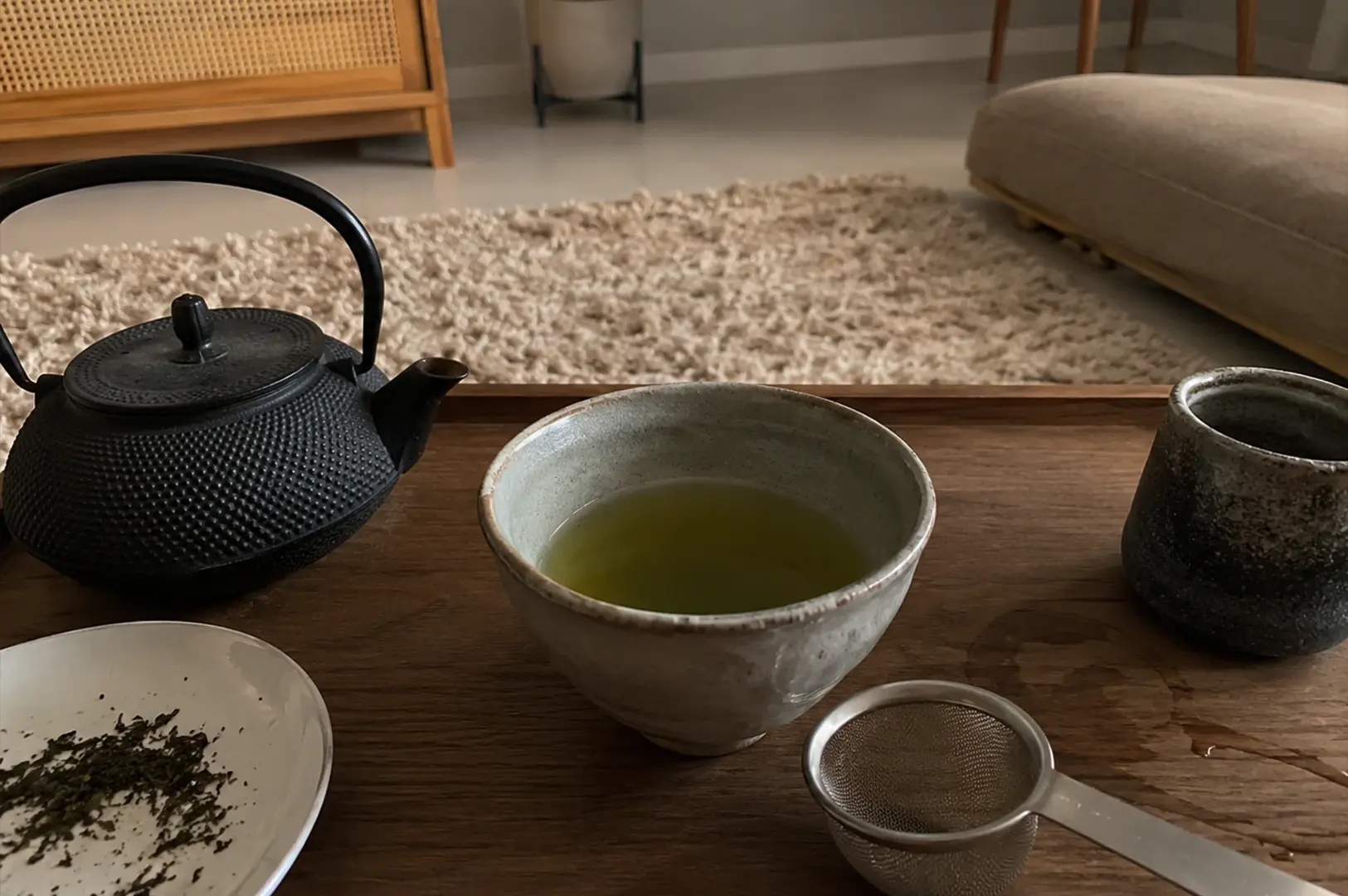
In a traditional Japanese tea ceremony, every movement is intentional and calm. Hospitality here means embracing every guest as they are, often serving a cup with two hands to show respect and presence. Different types of tea—bitter matcha, delicate green tea, or the deep taste of black tea—remind us how varied and rich life can be, with each flavour shaped by tea leaves, climate, and brewing.
The tea utensils and bowls in the ceremony are storied, sometimes repaired with kintsugi (using gold to honor cracks rather than hiding them). These items are not just tools—they’re art, each telling a story of moments enjoyed, guests welcomed, and the passage of time.
What I love is how the ceremony changes with the seasons. Spring might see floral bowls and lighter infusions; autumn brings out warmer, earthy tones. This is the wabi sabi essence: nothing stays the same, and every tea experience is unique—a “one time, one meeting” moment you’ll never have again.
For a deeper understanding of the tea ceremony, visit Tea Manor.
Emotional Benefits: Wabi Sabi in Singapore’s Daily Life
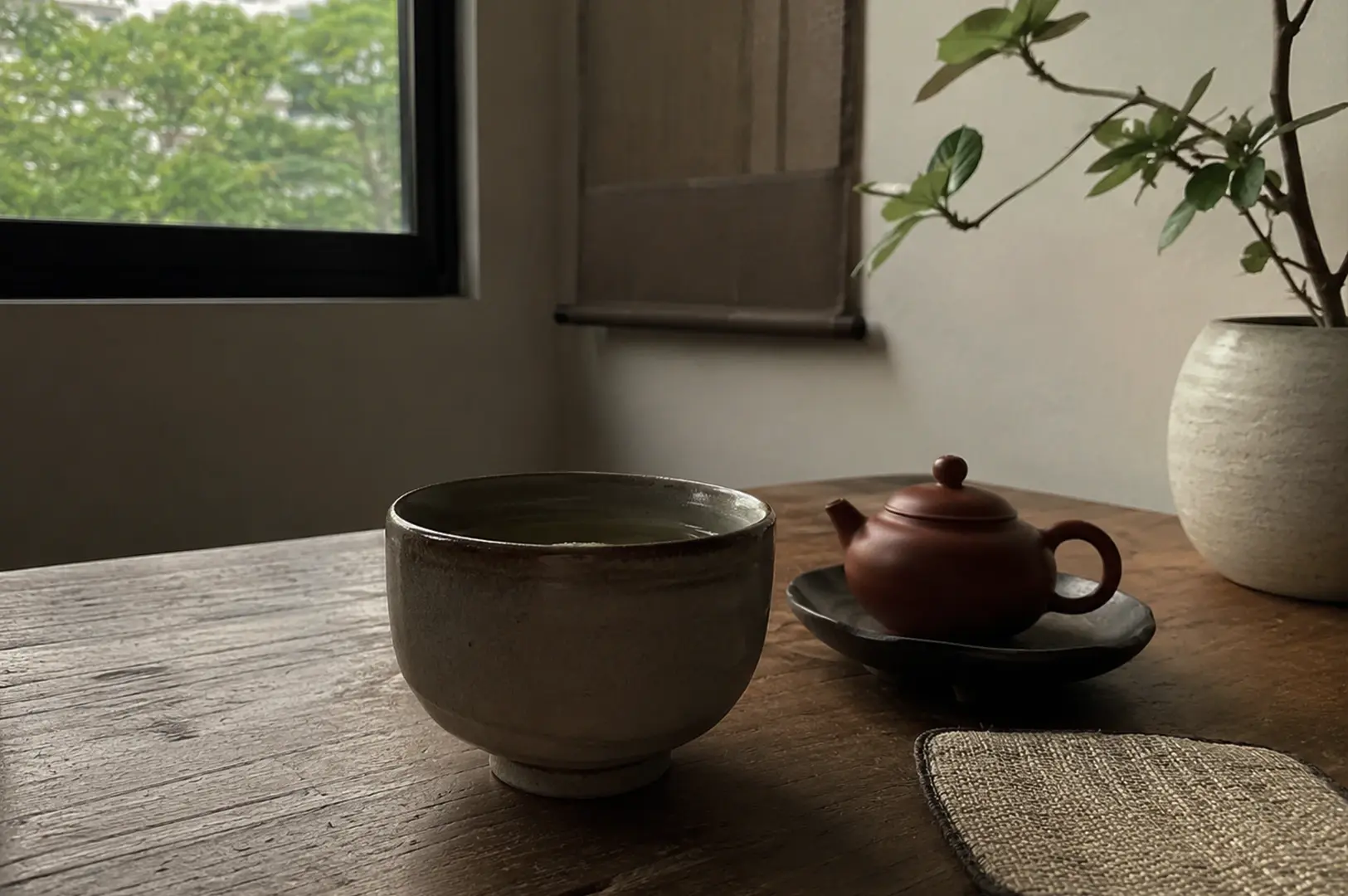
It’s not always easy to embrace imperfection in a country like Singapore, where efficiency and image matter so much. But the beauty of wabi sabi is the relief it provides from relentless striving. It tells us we don’t always need to serve the “perfect” cup or live in an Instagrammable home.
Incorporating elements of wabi sabi into my own tea ritual—choosing old tea bowls, noticing the subtle bitterness of a new Japanese tea, or simply allowing minor flaws in my space—has made my mornings more peaceful. I think this is one of the health benefits that often goes unspoken: the gentle acceptance and joy that comes with being present, rather than constantly self-correcting.
Mindfulness is the heart of wabi sabi. Noticing the light on your cup, the sound of water boiling, or the aroma of spices like ginger and cinnamon softly brewing—these delicate, daily details can ground you on even the busiest days.
Wabi Sabi vs. Modern Perfection: A Gentle Rebellion
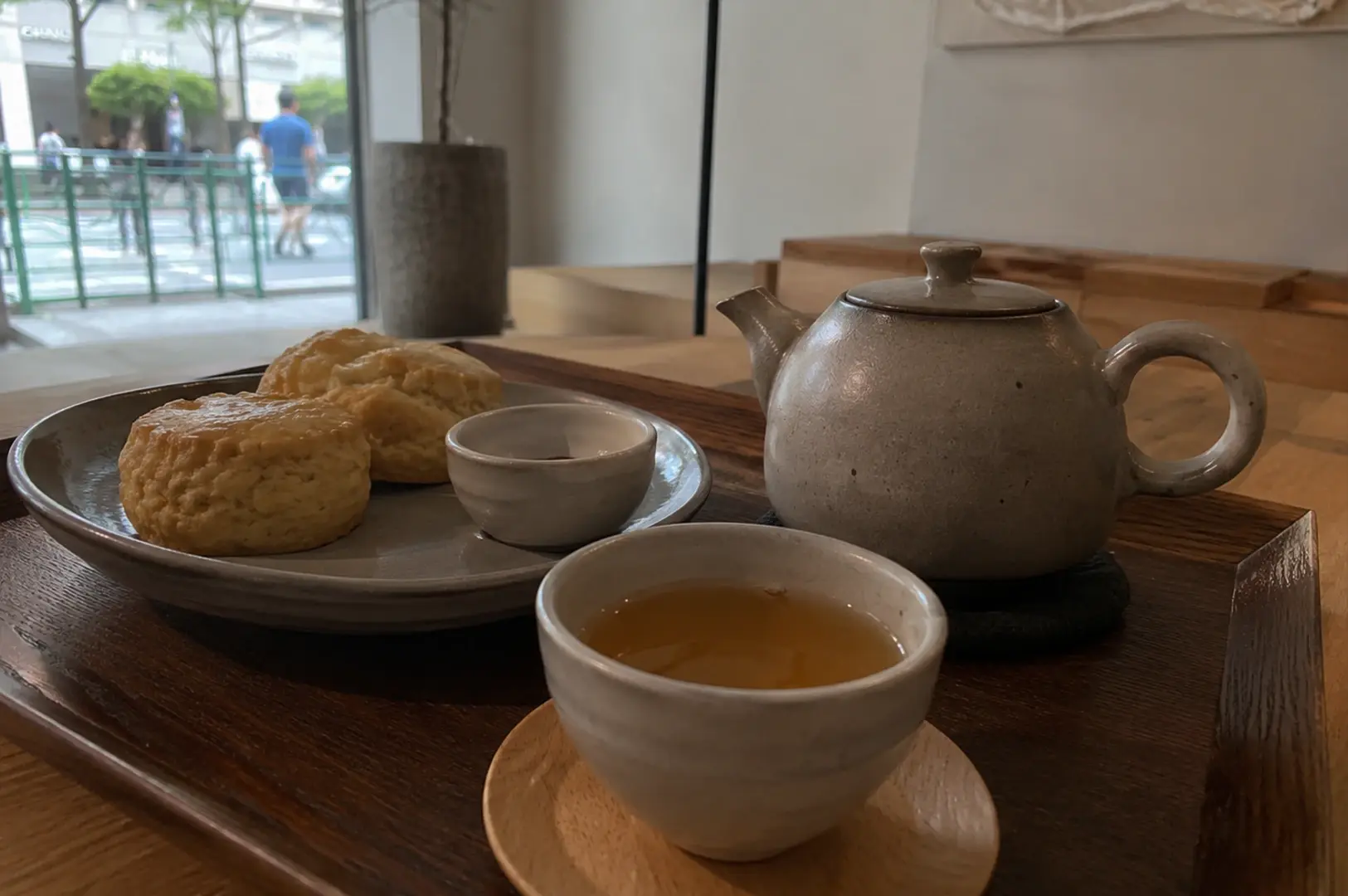
The global tea industry might sell us on gleaming, flawless teaware and “perfect” blends, but the wabi sabi tradition reminds us that a chipped bowl, a weathered tray, or a simple act of serving tea creates deeper, more lasting connection. You’ll find many tea rooms and cafes in Singapore now blending Japanese wabi sabi with Chinese culture—bridging the old and the new, the rustic and the refined.
Even the British tradition of scones with tea—imported from Great Britain—emphasizes comfort over perfection. In different regions, people enjoy their tea in the style that suits their local climate and “taste.” Whether you like your drink floral or dark, strong or light, the idea is the same: embrace what is real.
A Final Thought
If you’re ever feeling rushed or anxious in this busy country, try making tea the wabi sabi way. Pick a cup that shows a little wear, use fresh leaves, and focus on every small action. Let the ritual be less about perfection, more about presence—about sharing, savoring, and letting things be.
Because in the end, the wabi sabi meaning isn’t just about aesthetics—it’s about the beauty in life’s ever-changing journey, one imperfect, authentic cup at a time.

Discovering Gryphon Tea Company’s Earl Grey in Singapore
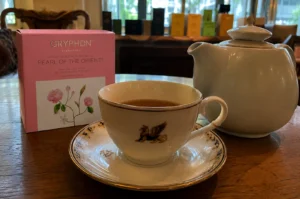
I recently tried the Earl Grey from Gryphon Tea Company Singapore, and I have to admit, it surprised me. Not because it was flawless-it wasn’t, but because it felt like a tea that knew exactly what it wanted to be. The aroma is the first thing that hits you. Bergamot is present but subtle, not…
-
Hojicha: The Roasted Japanese Green Tea With A Mellow Twist
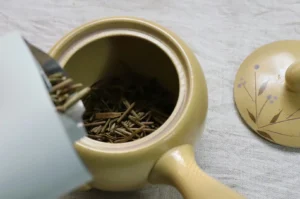
There is a moment, just after the hot water meets the hojicha tea leaves, when the kitchen fills with the aroma of something toasted. Not grassy. Not sharp. Warm, like roasted nuts or the edge of a freshly baked loaf. That moment is where hojicha begins. Hojicha (sometimes spelled houjicha) is a roasted green tea…
-
A Quiet Afternoon at Yixing Xuan Teahouse
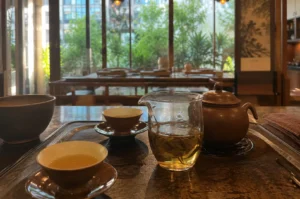
I recently spent a quiet afternoon at Yixing Xuan Teahouse, a place that feels like a pause in the city. The moment you step inside, the world seems slower. The air carries the gentle aroma of steeped leaves, and the staff move with quiet precision. I chose an oolong, simple yet familiar. Watching the leaves…
-
The Controversial Smoky Tea That Divides Enthusiasts: Lapsang Souchong Black Tea
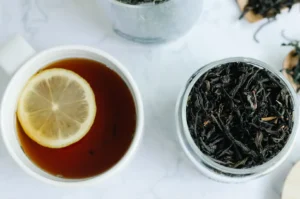
There is a tea that empties rooms and fills them in equal measure. Open a box of loose leaf lapsang souchong black tea, and someone nearby will lean in with delight while another quietly steps away. Few teas provoke such immediate, honest reactions. That divide is part of its story. This smoked lapsang souchong smells…
-
The Tea That Keeps Me Coming Back
I have a tea I return to more than any other. It is not rare. It is not expensive. In fact, most people would probably pass it by without a second thought. And yet, somehow, it has become a quiet companion over the years. I first drank it on a rainy afternoon. I had been…
-
Tie Guan Yin: The Iron Goddess of Chinese Oolong Tea
Tie Guan Yin, also known as Iron Goddess or Iron Goddess Oolong, is a celebrated Chinese oolong tea originating from Anxi County in Fujian Province, China. This tea from Anxi Fujian holds a special place among other teas due to its unique aroma, flavour, and rich cultural story. It is made from the tea plant…
-
Why Tea Shops Might Be the Last Quiet Places We Have
There is a growing habit in Singapore that I find both comforting and slightly unsettling. People are working everywhere now. Cafés, co-working spaces, neighborhood bakeries, even small corner shops. A laptop seems to turn any table into an office. And in many ways, this flexibility is impressive. It reflects how life has adapted to work,…
-
Why Not Every Tea Deserves Your Attention
Tea culture encourages curiosity. There are endless varieties, origins, and rituals to explore. Some teas are rare, some are aged, some are celebrated in distant mountains. The temptation is to try them all, to chase novelty in the hope that every cup will surprise you. But not every tea deserves your attention. I have learned…
-
Sipping Serenity: Where to Enjoy Chamomile Tea Singapore in the City
Singapore moves quickly. The trains run on time, the workdays stretch long, and the humidity outside rarely lets anyone slow down by choice. Yet within this busy rhythm, a quiet counter-current persists. People look for small pockets of stillness, and increasingly, they find one in a warm cup of chamomile tea. There is something fitting…
-
Why Some Teas Taste Better When Shared
I’ve always found that tea, more than most drinks, seems to gain something when shared. A cup alone can be comforting, quiet, even meditative. But a cup shared with someone else, whether a friend, a family member, or a stranger in a small tea house, somehow becomes richer, fuller, more alive. It’s not just the…