There is a strange contradiction in the way we talk about tea today.
For centuries, tea was appreciated for its taste, its rituals, and the moments it created. Today, it is often sold as something else entirely.
A solution.
A promise.
A shortcut.
The language surrounding wellness tea has become increasingly familiar. Detox tea. Cleansing blends. Metabolism boosters. Teas that promise to transform the body with every sip.
I find this difficult to accept.
Not because tea has no value, but because we have started asking it to do things it was never meant to do.
Tea is not a miracle.
It will not erase poor habits. It will not fix exhaustion caused by ignoring rest. It will not replace proper care, balanced choices, or attention to our own wellbeing.
Yet many wellness teas are marketed as though they can.
This is where the conversation becomes misleading.
The problem is not tea itself.
Tea has been enjoyed for generations across cultures, and there are many reasons people continue returning to it. The process of preparing tea encourages patience. The act of sitting with a warm cup can create a moment of pause. Certain teas contain natural compounds that researchers continue to study for their potential health effects.
But these benefits exist alongside tea.
They should not become the entire reason we drink it.
I think we sometimes forget that tea’s greatest value has always been its simplicity.
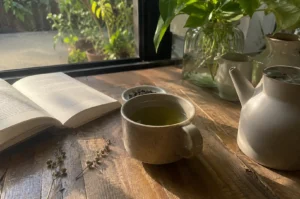
A cup of green tea in the morning.
A soothing herbal infusion before rest.
A pot shared during conversation.
These moments may not sound revolutionary, but perhaps that is exactly why they matter.
Modern wellness culture often turns ordinary things into products that promise extraordinary results. A simple habit becomes a solution to every problem. A natural drink becomes a symbol of a better version of ourselves.
Tea does not need this burden.
The beauty of tea is not that it transforms us overnight.
It is that it gives us small opportunities to take better care of ourselves.
To pause.
To breathe.
To be present.
Perhaps the healthiest relationship we can have with tea is not expecting it to save us.
Perhaps it is simply appreciating what it has always offered.
A quiet moment in a demanding world.
With quiet regard,
N. P. Lim

To the Tea Lovers and the Tea That Holds Us
I want to write a letter, not to anyone in particular, but to the quiet ritual that has accompanied so many of our days. To the tea in our cups and to the people who take the time to notice it. Tea is patient. It waits for us when we are rushing. It sits quietly…
-
What Is Rooibos Tea: Red Gold in Your Cup, the Science and Benefits
There is a certain hour when the day loosens its grip. The coffee has long gone cold. Black tea feels like too much. And yet the kettle still calls, because the ritual matters more than the caffeine. This is where rooibos often arrives. A deep russet red pouring into the cup, warm and unhurried, carrying…
-
The Cup I Always Return To
There is one tea I always return to, even after tasting countless others. It is not rare. It is not expensive. The leaves are ordinary, the aroma familiar. And yet, it has a way of anchoring me, no matter the day or the mood. I first drank it years ago, during a week that felt…
-
Where to Buy Turkish Tea: Finding Authentic Çay for the True Turkish Tea Experience
The first time I understood Turkish tea, I was not drinking it in a café. I was standing in a small shop, watching a man refuse to sell me the wrong thing. I had pointed at a shiny box of flavoured black tea, and he shook his head, quietly, the way someone corrects a friend…
-
Why Tea Might Be the Break You Didn’t Know You Needed
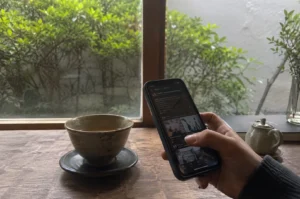
Scrolling through my feed this morning, I realized how easy it is to forget what a quiet moment feels like. Notifications, stories, messages- they all seem to arrive at once, asking for attention I don’t always want to give. And yet, in the middle of it, I poured myself a cup of tea. It wasn’t…
-
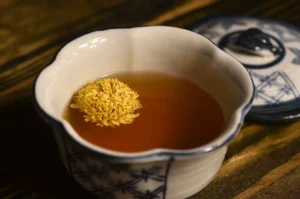
A Golden Sip of Serenity chrysanthemum tea
There is a pot on many kitchen tables in Singapore that no one talks about much. Pale yellow gold in the glass, with a few small chrysanthemum flowers or flower buds drifting at the bottom. It appears after a heavy meal, at a grandmother’s house, or in a hawker centre when the weather turns unbearable….
-
Tea in a Scrollable World
I often think about how tea fits into a world that moves as fast as ours does. Every day, there are notifications, updates, trends, and posts competing for attention. Memes, videos, tweets, they all demand a response, a like, a share. It is a constant motion that leaves very little space for pause. And then…
-
Marriott High Tea 1 for 1: Indulge in Luxury at Singapore Marriott Tang Plaza Hotel
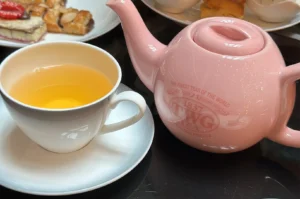
I almost didn’t go. Hotel afternoon tea always felt like something you did for a birthday or a special occasion with loved ones, or when a relative flew in and you wanted to seem like you had your life together. Expensive. A little performative. The kind of thing you photograph more than you eat. If…
-
Why Some Teas Feel Like Company
I’ve always thought of tea as a companion of sorts. Not a person, not a friend, but something that sits quietly beside you while the day moves forward. A cup of tea doesn’t interrupt your thoughts. It doesn’t demand attention. It simply exists, warm and steady, while you figure out what comes next. Some teas…
-
A Refined Afternoon Tea Experience at the Pan Pacific Atrium High Tea
Pan Pacific Atrium High Tea is the afternoon tea experience at the Atrium Lounge in Pan Pacific Singapore: a refined, unhurried sitting with TWG tea or Lavazza coffee, elegant seating pods above the reflection pool, and a menu that pairs classic English tea traditions with Peranakan flavours. For couples, friends, families, and tea lovers looking…