I used to think choosing good tea meant knowing what to look for.
The right origin. A respected producer. Beautiful leaves. A good harvest. Maybe even a price tag that made me think, “This must be worth it.”
Over time, I realised I was making tea shopping much harder than it needed to be.
Because what does “quality” actually mean?
For some people, it might mean rare leaves from a particular mountain. For others, it might mean organic farming, careful processing, or a tea that has been produced using traditional methods.
All of those things can matter.
But for me, quality has become much more personal.
I want tea that I actually look forward to drinking.
That sounds almost too simple, but I think we forget it.
I have bought teas because everyone seemed to love them. I admired the packaging, read the tasting notes, and convinced myself I was going to enjoy them.
Then the tea sat in my cupboard.
Meanwhile, there was another tea I kept reaching for because I simply liked how it tasted.
That taught me something.
A tea can be technically excellent and still not be the right tea for you.
I also pay more attention now to how the tea makes me feel after drinking it. Not in the exaggerated wellness sense, but in a much simpler way. Does it suit the moment? Do I enjoy the flavour? Would I happily make another cup tomorrow?
Those questions tell me far more than a fancy description ever could.
Of course, I still care about where my tea comes from. I want to know that the leaves have been handled thoughtfully and that the people behind them are respected. Understanding the journey from tea garden to cup makes the experience more meaningful.
But I no longer believe quality has to be complicated.
Sometimes quality is a beautiful tea that rewards careful attention.
Sometimes it is simply a tea that makes an ordinary afternoon better.
And sometimes, honestly, it is the tea you keep coming back to even when there are dozens of other options sitting in the cupboard.
Maybe that is my definition of quality now.
Not the tea everyone tells me I should love.
The tea I genuinely do.
— Maria Tan
On tea, culture, and everyday rituals.

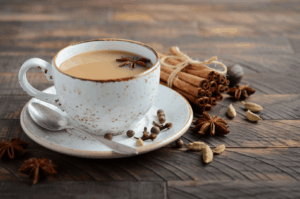
Masala Chai Origins: The Cultural Evolution of India’s Spiced Tea Tradition
The rhythmic clanging of metal kettles echoes through narrow lanes as steam rises from countless chai stalls across India. The intoxicating aroma of cardamom, cinnamon, and fresh ginger mingles with robust black tea, creating an olfactory symphony that has captivated souls for centuries. This is masala chai-not merely a beverage, but a cultural phenomenon that…
-
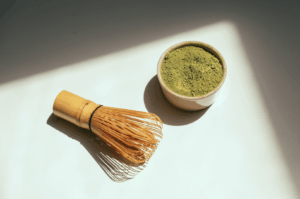
Matcha Tea: The Versatile Japanese Green Tea Powder
The vibrant green powder that transforms simple hot water into liquid jade has captivated tea enthusiasts worldwide. Matcha tea represents more than just a trendy beverage-it’s a bridge connecting ancient Japanese traditions with modern culinary innovation. This unique form of powdered green tea offers endless possibilities, from meditative ceremonial drinking to creative kitchen applications that…
-
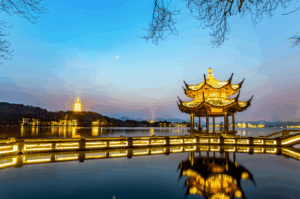
The Dragon Well Legacy: Exploring China’s Legendary Longjing Tea
Among the world’s most revered green teas, few carry the prestige and cultural significance of China’s legendary Dragon Well. This premium tea has captivated tea enthusiasts for centuries, earning its place as an imperial favourite and modern icon alike. From its mystical origins at West Lake to its meticulous processing methods, Longjing represents the pinnacle…