Introduction
Among the many tea types that have emerged from centuries of tea cultivation, white tea often stands apart for its quiet character. It is light in colour, gentle in aroma, and remarkably simple in its making. Yet behind this softness lies a long tradition of craftsmanship that has shaped some of the most refined Chinese teas.
Like all true teas, white tea comes from the Camellia sinensis plant. The same tea plant also produces green tea, black tea, and oolong. What distinguishes white tea is not the plant itself, but the way the tea leaves are handled after harvest.
The production process of white tea is intentionally restrained. Tea makers allow the leaves to wither and dry with minimal interference. Because the leaves undergo minimal oxidation, the final tea retains a delicate flavour that reflects the natural character of the leaf.
Most Chinese white tea originates from Fujian Province, a region known for producing some of the best quality teas in China. Over time, white tea has become valued not for intensity but for subtlety. In a well prepared cup, its sweetness appears slowly, carried by soft floral notes and a lingering aroma.
Understanding how white tea is produced and the types of white tea that exist helps reveal why it remains one of the most respected teas in the world.
What Is White Tea
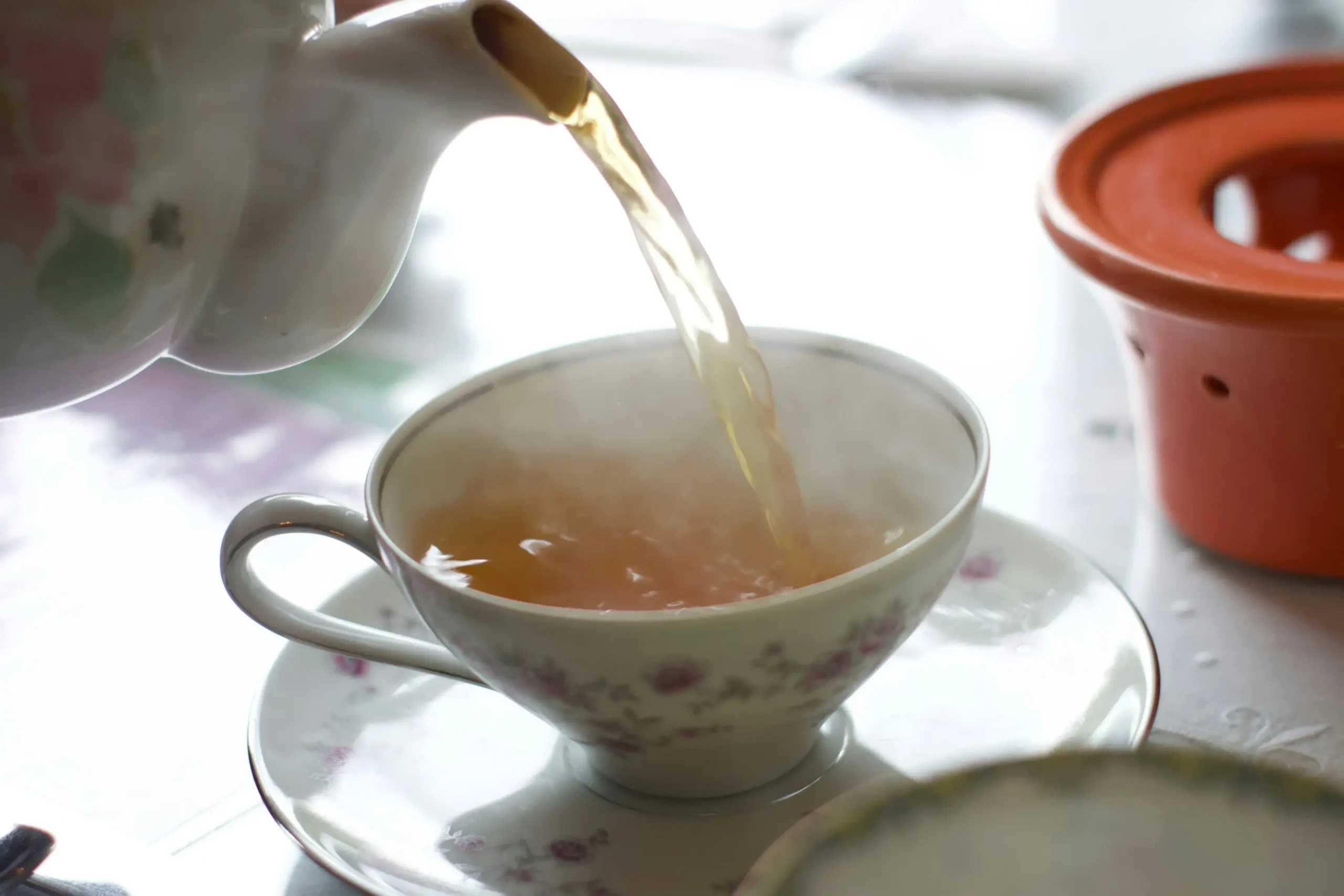
White tea is often described as the least processed of all traditional teas.
Unlike green tea, which is heated to stop oxidation, or black tea, which undergoes full oxidation, white tea follows a much gentler path. Freshly harvested young tea leaves and young buds are simply allowed to wither and dry.
This simple process allows the natural qualities of the leaf to remain intact.
Many white teas are made from unopened buds that are covered with fine white hairs. These small silver hairs are what give the tea its name. When brewed, the tea produces a pale golden liquor with a soft fragrance.
Common characteristics of white tea include:
- minimal oxidation
- delicate sweetness
- light floral aroma
- smooth texture in the cup
Because the leaves are handled so lightly, white tea preserves the original character of the tea plant more than most other tea types.
Chinese White Tea and Its Origins
The story of Chinese white tea is closely connected to Fujian Province in China.
Areas such as Fuding County have long been known for producing excellent white tea. The region’s climate, soil, and tea plant varieties allow the buds to develop slowly during the early spring season.
Two important tea plant varieties are widely used:
- Da Bai
- Da Hao
These tea bushes produce large buds with the fine white hairs that are essential for producing high grade white tea.
Historical records suggest that early forms of white tea were already appreciated during the Song Dynasty. At the time, refined teas were sometimes offered as tribute tea to the imperial court.
Today, while white tea is also produced in other countries and other regions, the traditional style from Fujian continues to represent the standard for quality.
How White Tea Is Made
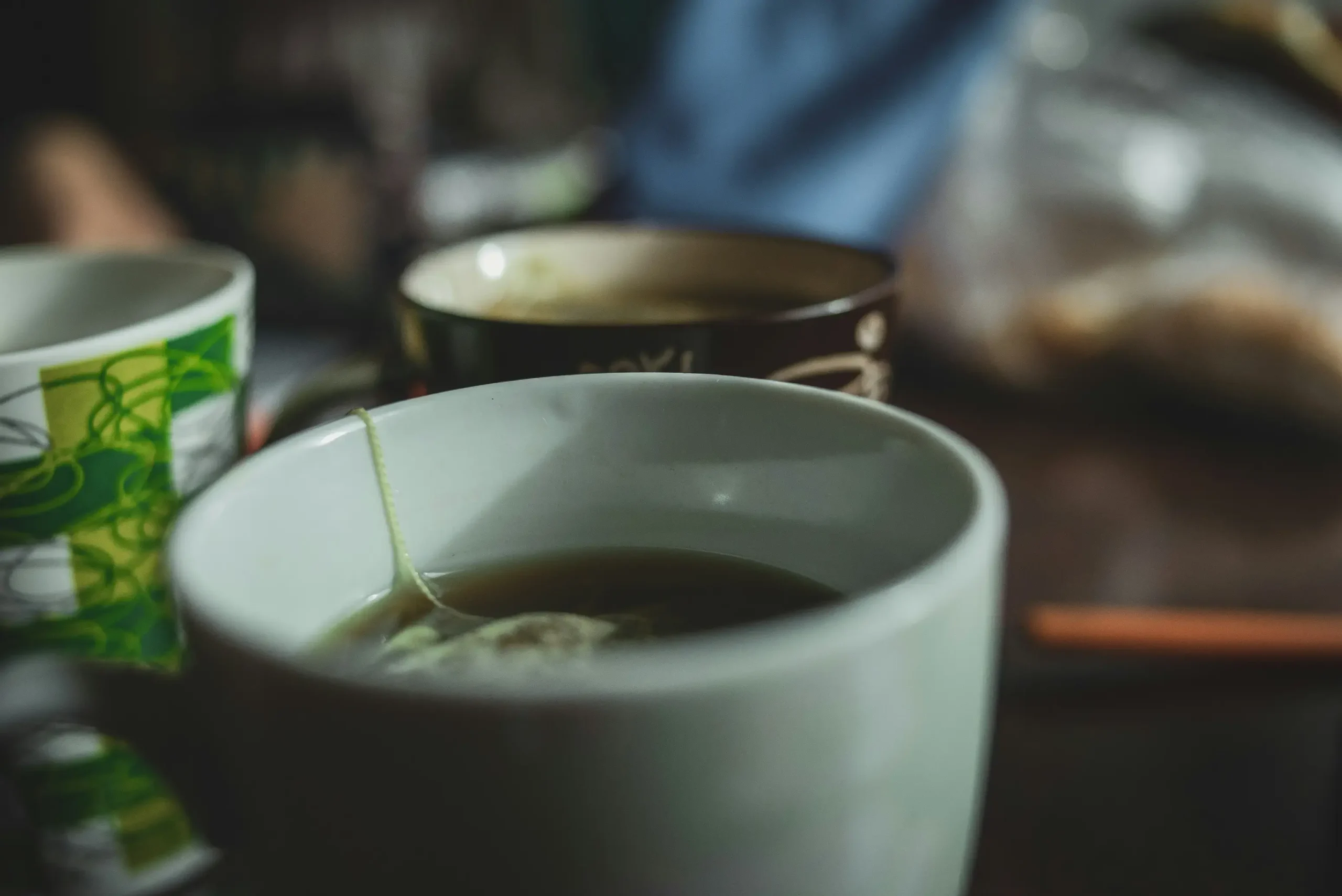
Understanding white tea production reveals why the tea feels so gentle in flavour.
The white tea manufacture process generally follows three key stages.
First Phase: Solar Withering
The first phase is known as solar withering.
Freshly harvested buds and young leaves are spread out in thin layers and exposed to soft sunlight. During this stage the leaves begin to lose moisture while subtle enzymatic changes occur.
The warmth of the sun allows the leaf to soften naturally without heavy processing.
This stage contributes greatly to the delicate aroma found in good quality white tea.
Second Stage: Natural Drying
After withering, the leaves are moved to shaded areas where solar drying continues under careful supervision.
The aim is to gradually reduce the moisture content while keeping the structure of the leaf intact. Unlike other tea types, the leaves are not rolled or aggressively heated.
Because of this restrained method, the leaves often appear almost unchanged after drying.
Final Phase: Stabilising the Tea
The final phase of white tea processing ensures that the leaves are fully dried and stable for storage.
At this point the tea is considered supposedly dried, meaning it has reached the appropriate dryness to preserve its aroma and flavour.
The tea is then sorted and packed as loose leaf tea, ready for distribution.
Popular Types of White Tea
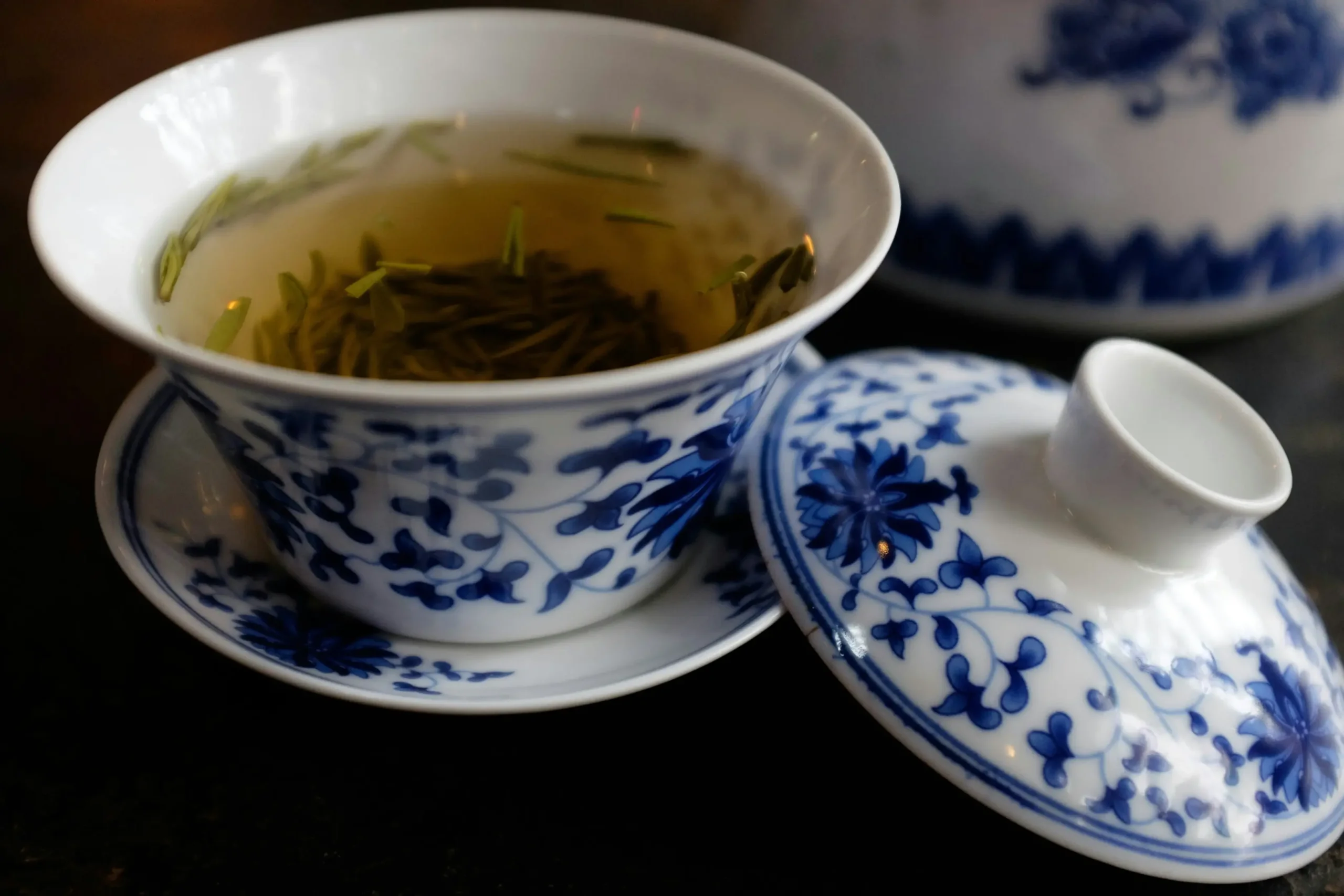
Several popular types of white tea are widely recognised among tea drinkers.
Each type differs slightly depending on the balance of buds and leaves used.
Silver Needle
Silver Needle tea, known in Chinese as Bai Hao Yin Zhen, is often considered the highest quality white tea.
It is made entirely from young buds, harvested before they open. Because of this careful selection, the tea produces a very smooth and delicate flavour.
The aroma is soft and sweet, with a light floral cha Bai Mu Dan.racter.
White Peony
Another respected tea is White Peony, or Bai Mu Dan.
This tea combines buds with young leaves. The result is a fuller body compared with Silver Needle while still maintaining the gentle character of white tea.
Many tea drinkers find White Peony slightly richer while remaining soft and balanced.
Other Types of White Tea
Additional varieties include:
- Shou Mei
- Gong Mei
- Tribute Eyebrow
- Yue Guan Bai
- Ya Bao
These teas often include more mature leaves and produce deeper flavours while still retaining the smooth nature of white tea.
Caffeine Content in White Tea
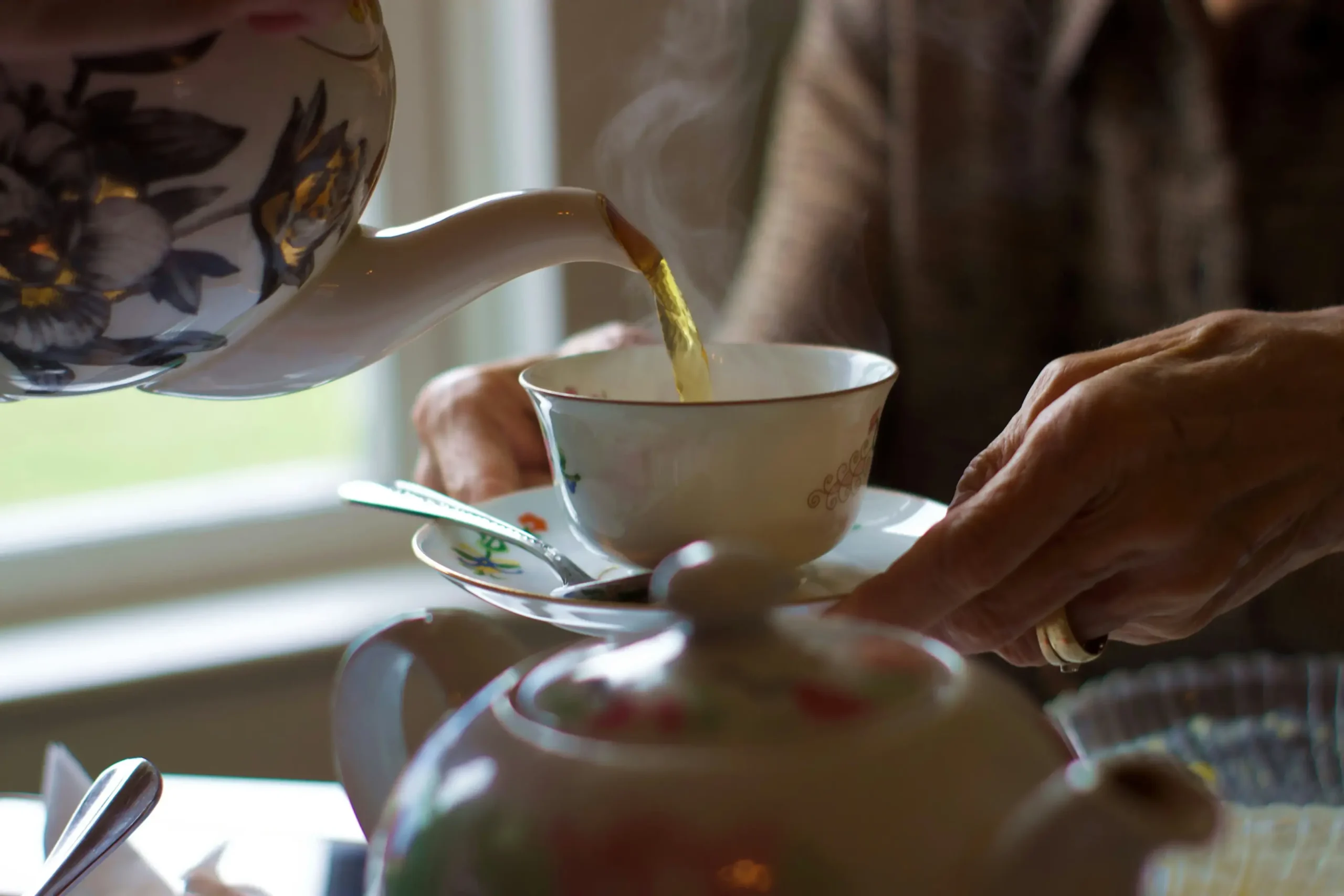
Many people wonder about the caffeine content of white tea.
In general, white tea tends to contain less caffeine than many green or black teas. However, the exact amount depends on several many factors, including:
- the age of the leaf or bud
- brewing temperature
- steeping time
- tea plant variety
Teas made primarily from buds, such as Silver Needle, can sometimes contain slightly higher caffeine because the buds store concentrated nutrients.
Even so, white tea remains one of the gentler teas in terms of stimulation.
Preparing White Tea
Preparing white tea requires a lighter approach than brewing stronger teas.
Because the leaves are delicate, very hot water can overwhelm their subtle flavour.
A simple method for preparing white tea includes:
- Use fresh loose leaf white tea.
- Heat water to moderate low temperatures.
- Pour water gently over the leaves.
- Allow the tea to steep for two to three minutes.
Many white teas can produce multiple infusions, revealing slightly different aromas with each brewing.
Storing White Tea
Properly storing white tea helps preserve its delicate aroma.
Tea should be protected from moisture, heat, and strong smells.
Good storage practices include:
- placing tea in an airtight container
- keeping it away from sunlight
- storing it in a cool, dry place
When handled carefully, good quality white tea can maintain its character for a long time.
A Quiet Expression of Tea Craft
Among the many tea types produced from the Camellia sinensis plant, white tea remains one of the most understated.
Its production process relies on patience rather than intervention. The sun, the air, and careful observation guide the transformation of leaf into tea.
In the cup, white tea does not shout for attention. Instead it offers a gentle sweetness, a delicate aroma, and a reminder that sometimes the most refined flavours come from the simplest approach to tea.

Floral Teas Are Not “For Beginners”—They’re For People With Taste
There is a curious assumption in tea culture that I have never quite understood. If you are new to tea, you begin with something floral. Jasmine. Rose. Osmanthus. Lightly scented blends. Then, supposedly, you move on. You discover roasted oolongs. Aged teas. More complex leaves. Stronger flavours. Eventually, you become a “serious” tea drinker. I…
-
How to Make Cold Brew Tea: The Slow Method for a Smoother Cup
There is a jar on the top shelf of my refrigerator that I did not need this morning. I filled it last night, before the kitchen went dark. Loose tea leaves, cool water, a lid resting loosely on top. Then I closed the door and left it alone, the way you leave bread to rise…
-
Milk Tea Isn’t “Ruining” Tea—But Some Milk Tea Is Ruining Milk Tea
I have noticed that few things can start an argument among tea drinkers quite as quickly as milk. Mention adding milk to a good tea and suddenly everyone has an opinion. Some insist that milk covers the flavour of the leaves. Others will tell you that certain teas were practically made for it. I have…
-
There Are Always Good Things to Eat at The Marmalade Pantry
The afternoon rain had just eased when I climbed up to Level 4 of ION Orchard, home to the Marmalade Pantry Ion. Outside, Orchard Road was doing its usual thing: too many people, too much noise, everyone somewhere to be in the bustle of the city. Inside, at a corner table, someone was pouring tea…
-
The Teacup as a Compass: What My Daily Brew Taught Me About Pace
I never intended for tea to become a way of keeping track of my days. It just happened. There are mornings when I drink the first cup quickly, barely noticing the taste because my mind is already somewhere else. Then there are afternoons when I make tea and somehow manage to sit with it for…
-
Silk Tea Bar Review: A Quiet Climb Worth Making on Sago Street
I almost walked past it. Sago Street was loud that afternoon, the way Chinatown often is. Voices, footsteps, the clatter of a hundred small transactions. I was looking for a door and nearly missed the narrow one that led upstairs. Then I climbed. And somewhere between the ground floor and the second, the noise fell…
-
“Artisan” Doesn’t Mean Ethical: The Supply Chain Questions We Avoid
I have always been drawn to the word “artisan.” Maybe because it creates a certain image in my mind. Someone carefully working with their hands. Someone who knows their craft deeply. Someone preserving a tradition that has existed long before the rest of us discovered it. When I see “artisan tea” on a label, I…
-
A Quiet Afternoon at A Beautiful Day Café
The rain had just started when I stepped in off Paya Lebar Road. Not heavy. Just enough to soften the light and slow everyone down. Inside, someone was pouring tea, and the sound of it carried further than it should have. A small room can do that. It can make a pour feel like a…
-
The Problem With “Single-Origin” Tea Obsession
There was a time when knowing where a tea came from was enough. Now, it sometimes feels as though we need to know everything. The mountain. The village. The garden. The harvest date. The particular plot where the leaves were grown. Single-origin tea has become a mark of quality in modern tea culture. The idea…
-
Where Singapore’s Tea Traditions Still Steep: Pek Sin Choon
The first thing I noticed was the smell. Not perfume, not incense. Something warmer and older than both. Roasted tea leaves, drifting out onto Mosque Street before I even reached the door. It’s the kind of smell that makes you slow your steps without knowing why. Pek Sin Choon has been on this corner of…